

P0440 on 1999-2004 Suzuki Vitara: EVAP System Malfunction Causes and Fixes
P0440 on a 1999-2004 Suzuki Vitara indicates a general leak in the evaporative emissions (EVAP) system. The most common cause is a loose or faulty gas cap. If the cap is fine, suspect cracked hoses or a faulty valve, but be aware that some EVAP parts for this vehicle, specifically the canister vent valve, are discontinued, making repairs challenging.
- P0440 means your EVAP system has a leak. Start your diagnosis with the simplest and most common fix: checking the gas cap.
- A smoke test is the most reliable method to find the exact location of a leak if it's not the gas cap.
- Be prepared for parts challenges. The canister vent valve, a common failure item, may be discontinued for this vehicle, potentially complicating the repair.
- The most likely causes in order are: a bad gas cap, a cracked vacuum hose, or a faulty EVAP valve (purge or vent).
- This code will not stop you from driving the car, but it will cause you to fail an emissions test.
What's Unique About the 1999-2004 Suzuki Vitara
For the 1999-2004 Vitara, the P0440 code points to standard EVAP system issues like leaks from old hoses or a bad gas cap. However, a significant challenge for this specific vehicle is parts availability. As Suzuki has ceased new car sales in North America, some components, particularly the canister vent valve (Part No. 18560-65D22), are discontinued and unavailable from either the manufacturer or aftermarket suppliers. This can make repairs much more complicated than on other vehicles, sometimes requiring mechanics to adapt parts from other manufacturers, like GM, to complete the fix.
Symptoms You May Notice
- Check Engine Light is on
- A faint smell of fuel, particularly around the gas cap or rear of the vehicle.
- Slight decrease in fuel efficiency
- Difficulty starting the engine or a rough idle in some cases.
- Replacing the purge valve when the actual problem is a simple cracked hose or loose gas cap.
- Replacing the fuel tank pressure sensor without testing it first; it is less likely to fail than valves or hoses.
- Assuming the canister vent valve is good just because it clicks when power is applied; it can still leak internally.
Most Likely Causes
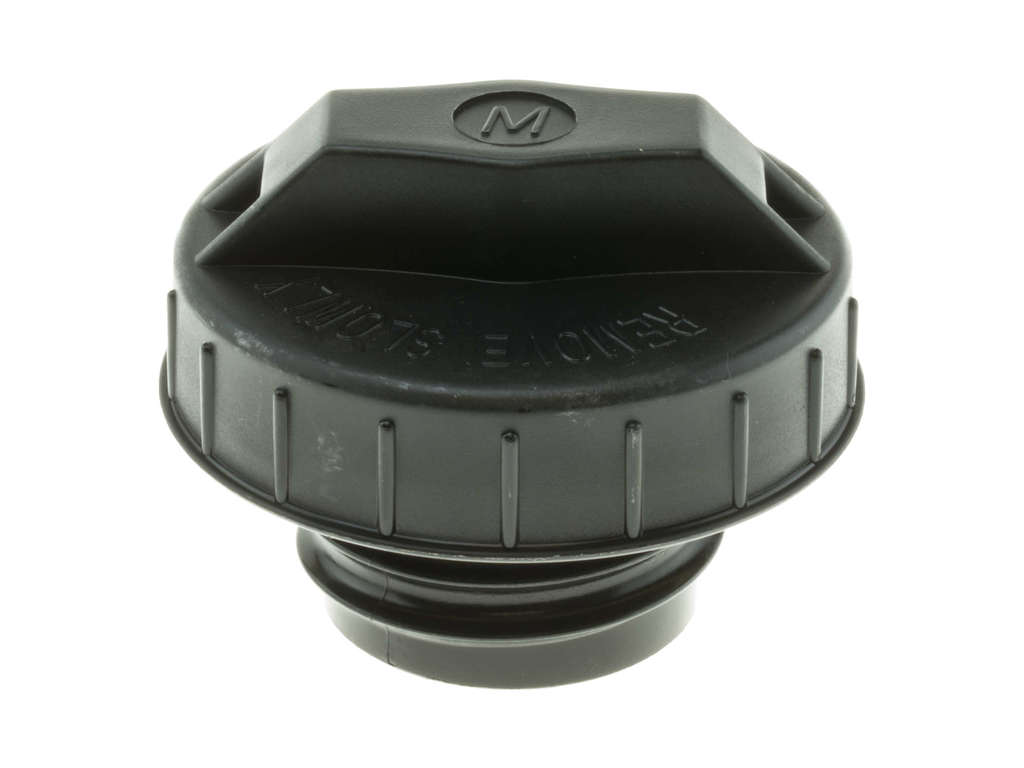
- Loose, Worn, or Incorrect Gas Cap 🔴 High Probability → Shop Fuel Tank Cap The gas cap's rubber O-ring seal is the most frequently handled part of the EVAP system and degrades over time from exposure and use, leading to cracks and a poor seal.
How to confirm: Ensure the cap is tightened until it clicks at least three times. Inspect the rubber O-ring for cracks, stiffness, or damage. A smell of fuel near the cap is a strong indicator. A new cap is a cheap first step if there's any doubt.
Typical fix: Tighten or replace the gas cap. An OEM replacement is often recommended for a perfect seal.
Est. part cost: $10-$25 - Cracked or Disconnected EVAP Hoses 🟡 Medium Probability After two decades, the rubber and plastic hoses in the engine bay and under the vehicle become brittle from heat and age, leading to cracks, especially at connection points to the canister and valves.
How to confirm: Visually inspect all accessible EVAP lines running from the charcoal canister (located near the fuel tank on the driver's side) to the purge valve in the engine bay. A smoke test is the most effective way to find a leak that isn't obvious.
Typical fix: Replace the cracked section of hose. This may involve using bulk vacuum hose of the correct diameter.
Est. part cost: $5-$30 - Faulty Canister Vent Valve (Solenoid) 🟡 Medium Probability → Shop Vapor Canister This valve, located near the charcoal canister, can get stuck open or closed due to age or dirt/dust ingress, causing a leak. For the Vitara, this part is known to be discontinued and difficult to source.
How to confirm: A smoke test will show smoke exiting the vent valve when it should be commanded closed. It can also be tested by applying 12V to see if it actuates, though a click doesn't guarantee it's sealing properly.
Typical fix: Replace the canister vent valve. Since OEM part 18560-65D22 is discontinued, this often requires sourcing a used part or adapting a common GM vent valve, which involves custom wiring and hose fitting.
Est. part cost: $30-$100 (if a suitable replacement or used part can be found) - Faulty EVAP Purge Valve (Solenoid) ⚪ Low Probability → Shop Vapor Canister This valve is located in the engine bay and controls the flow of fuel vapors to the engine. It can get stuck open, creating a constant vacuum leak in the EVAP system.
How to confirm: With the engine off, remove the valve and try to blow through it. If air passes, it's stuck open and faulty. You can also test for vacuum at the hose with the engine running; there should be no vacuum if the valve is properly closed at idle.
Typical fix: Replace the purge valve. This is generally an accessible and straightforward repair.
Est. part cost: $40-$90 - Rusted or Damaged Fuel Filler Neck ⚪ Low Probability → Shop Fuel Filler Neck In areas with road salt, the steel fuel filler neck can rust through, creating a leak in the EVAP system that prevents it from sealing.
How to confirm: Visually inspect the entire length of the filler neck (from the gas cap to the tank) for rust, holes, or severe corrosion, especially where it meets the gas cap. A smoke test will quickly reveal a leak here.
Typical fix: Replace the fuel filler neck. Aftermarket replacements are available.
Est. part cost: $100-$250
Rare But Worth Checking
- Leaking Charcoal Canister: → Shop Vapor Canister The plastic housing of the canister itself can develop cracks over time, leading to a leak. This is usually found with a smoke test after all other components have been checked. Replacement can be expensive.
- Spider Web Blockage in Vent Line: While a specific TSB for the Vitara is not found, other Suzuki models have a known issue where spiders build webs in the EVAP vent line, causing a restriction. This can lead to abnormal pressures and potentially trigger a P0440 or damage the fuel tank.
Diagnosis Steps
- Check the Gas Cap: This is the most common cause. Ensure it is tight and clicks several times. Remove it and inspect the seal for any cracks, hardness, or damage. If in doubt, replace it with an OEM cap.
- Visual Inspection: Look over the EVAP hoses in the engine bay and under the vehicle. On the Vitara, the charcoal canister and vent valve are located near the fuel tank, typically on the driver's side. Look for obvious cracks, breaks, or disconnected lines.
- Test the Purge Valve: Locate the purge valve in the engine bay, attached to the intake manifold area. With the engine off, disconnect it and try to blow through it. If air passes, it has failed and needs to be replaced.
- Perform a Smoke Test: This is the most effective way to find leaks. A smoke machine is connected to the EVAP system's service port or a disconnected purge line. The system is filled with low-pressure smoke, and any leaks will be visible as smoke escapes.
- Inspect Components During Smoke Test: While the smoke machine is running, check for smoke from the gas cap seal, the fuel filler neck (especially if rusty), all hose connections, the purge valve, the vent valve, and the body of the charcoal canister.
- Test the Vent Valve: If a leak is detected from the vent valve area, command it closed with a scan tool or apply 12V power. If smoke still escapes, the valve is faulty. Given that this part is discontinued, confirming it is the point of failure is critical before attempting to source a replacement or perform a retrofit.
Parts You'll Likely Need
- Gas Cap
(OEM #89260-60A01)— This is the most common failure point due to frequent use and seal degradation.
Trusted brands: Stant, Gates, Suzuki (OEM)
OEM price range: $25-$40
Aftermarket price range: $10-$25 - Canister Vent Valve / Solenoid
(OEM #18560-65D22 (Discontinued))— A common failure that causes a leak code. However, this part is discontinued for the Vitara. A common workaround is adapting a GM vent valve (e.g., from a Chevy Cobalt).
Trusted brands: OEM (Used, if found), ACDelco (for retrofit)
OEM price range: $50-$100 (if found)
Aftermarket price range: N/A - EVAP Purge Valve / Solenoid
(OEM #18117-52G00 or 18117-77E00 (Verify by VIN))— Can get stuck open, causing a leak. It's a common failure on many vehicles.
Trusted brands: Bosch, Standard Motor Products (SMP), Dorman
OEM price range: $70-$120
Aftermarket price range: $40-$90
Technical Service Bulletins (TSBs) & Recalls
- While not specific to the Vitara P0440, Suzuki has issued TSBs for other models (like the Kizashi) regarding spiders building webs in the EVAP canister vent line, causing blockages and system faults. This is a plausible, though rare, cause to consider.
Platform-Specific Known Issues
- A significant issue for the 1999-2004 model years is that the canister vent valve (18560-65D22) is discontinued by Suzuki and not produced by aftermarket manufacturers. Owners who diagnose a faulty vent valve may need to source a used part from a salvage yard or adapt a valve from another vehicle (a GM unit is a common choice), which requires advanced DIY skills including wiring and hose adaptation.
- Rust on the fuel filler neck is a common problem in regions that use road salt, leading to a P0440 code that can be mistaken for a bad gas cap or valve.
Mechanic-Grade Diagnostic Values
- EVAP Canister Purge Valve Coil Resistance — expected: 15 - 75 Ohms (general specification, may vary by manufacturer). Failure: A reading of infinity (open circuit) or near zero (short circuit) indicates a faulty valve coil.
- EVAP Canister Vent Valve (Solenoid) Coil Resistance — expected: 20 - 65 Ohms (general specification, may vary by manufacturer). Failure: A reading outside of the expected range, especially infinity (open circuit), indicates a faulty solenoid.
Scan Tool Commands That Help
- Suzuki SDT-II or high-end aftermarket (e.g., Autel): EVAP System Test / Canister Vent Valve ON/OFF — This bidirectional control is used during a smoke test. The technician commands the vent valve closed to seal the system. If smoke still escapes from the vent valve, it confirms the valve is physically leaking and needs replacement.
Wiring & Ground Locations
- Engine Control Module (ECM) — Located behind the glovebox.. The ECM controls the EVAP purge and vent valves. While rare, issues with the ECM driver circuits or its ground connection can mimic a failed component.
- Canister Vent Valve Connector — At the vent valve, located near the charcoal canister at the rear of the vehicle, near the fuel tank.. The wiring at this connector is exposed to the elements. A broken wire was the confirmed cause of a P0440 code in one documented case. The wires can become brittle and break inside the insulation or right at the connector pin, leading to an open circuit.
Real Owner Repair Stories
- South Main Auto Repair (YouTube) (2004 Suzuki Vitara) — Check Engine Light with P0440 code.
❌ Tried (didn't work) The initial diagnosis quickly pointed to the vent valve, so no other parts were replaced unnecessarily.
✅ What actually fixed it A smoke test confirmed a leak from the canister vent valve. The OEM part (18560-65D22) was discontinued and unavailable. The mechanic performed a retrofit by adapting a common GM-style vent valve. This involved cutting the factory electrical connector, splicing in the pigtail for the new GM valve, and using clamps to secure the slightly different sized hose fittings. This permanently fixed the leak. - 2CarPros Forum User (2004 Suzuki XL-7) — DTC (Diagnostic Trouble Code) for the EVAP system.
❌ Tried (didn't work) The user had previously noticed exposed wires at the vent solenoid connector and taped them up.
✅ What actually fixed it After the code appeared, the user unwrapped the electrical tape at the canister vent solenoid connector and discovered a broken wire. Repairing the broken wire resolved the fault.
OEM Part Supersession History
18560-65D22 (Canister Vent Valve)→None (Discontinued)— Vehicle model and manufacturer are out of production for the North American market.
Heads up: This part is no longer available new from Suzuki or aftermarket suppliers. Repair requires sourcing a used part or retrofitting a part from another manufacturer, such as a common GM vent valve.
Diagnostic Flowchart
Used vs. New Parts: Buying Guide for This Vehicle
When a used part is the smart pick: A used canister vent valve (18560-65D22) from a salvage yard is a viable, and often necessary, option since the part is discontinued. This avoids the need for custom wiring and hose adaptation required for a retrofit.
Donor-vehicle mileage cap: roughly under 150000 miles for the part to have meaningful remaining life.
What to inspect on the donor part:
- Inspect the plastic housing for any cracks or signs of heat stress.
- Ensure the electrical connector pins are clean and not corroded.
- If possible, apply 12V to the pins to confirm the solenoid clicks.
- Check that the hose ports are intact and not broken.
OEM-only on this vehicle (don't cheap out):
- Gas Cap - While aftermarket caps work, the OEM cap (89260-60A01) is often recommended to guarantee a perfect seal and avoid a recurring P0440 code.
Aftermarket brands forum-validated for this vehicle:
- Standard Motor Products (SMP) - A frequently cited aftermarket manufacturer for EVAP components like the purge valve.
- Dorman - Offers a range of EVAP components, including purge valves.
- ACDelco - The brand of choice for sourcing a GM vent valve to perform a retrofit.
Real Owner Stories
Aggregated from forums and TSBs cited above. Mileages and costs reflect what owners reported in those sources.
2001 Suzuki Grand Vitara 2.5L V6
Symptoms: Check engine light with code P0440. The code would appear at idle or at 65MPH. No loss of fuel mileage was noted.
What fixed it: The owner had not found a fix at the time of posting. Replacing a missing gas cap with a new one did not solve the problem.
Source hint: Suzuki-Forums.com: P0440 on 2001 Grand Vitara
Related OBD-II Codes
Frequently Asked Questions
I've been told the canister vent valve on my 2002 Vitara is bad. Can I still buy a new one from Suzuki?
My Vitara has a lot of rust underneath from winter road salt. Could this be causing the P0440 code?
I have a 2003 Chevy Tracker with a P0440 code. Is this article relevant to my vehicle?
How can I test the EVAP purge valve on my Vitara at home?
Where are the main EVAP components located on my Suzuki Vitara?
I replaced my gas cap but the P0440 code came back. What's the next most effective step?
We Have This Part in Stock


The information in this article is provided for general reference and educational purposes only. Vehicle specifications, procedures, and part compatibility can vary by production date, trim level, and region. Always consult your vehicle's factory service manual and verify part numbers before purchasing or performing repairs. Safety-critical components such as airbags, seat belts, and braking systems should be installed by a qualified professional.
- Suzuki Vitara:
- 🧭 Diagnostic Flowchart
- 🛍️ Shop This Part
- What's Unique About the 1999-2004 Suzuki Vitara
- Symptoms You May Notice
- Most Likely Causes
- Rare But Worth Checking
- Diagnosis Steps
- Parts You'll Likely Need
- Technical Service Bulletins (TSBs) & Recalls
- Platform-Specific Known Issues
- Mechanic-Grade Diagnostic Values
- Scan Tool Commands That Help
- Wiring & Ground Locations
- Real Owner Repair Stories
- OEM Part Supersession History
- Used vs. New Parts: Buying Guide for This Vehicle
- Real Owner Stories
- 2001 Suzuki Grand Vitara 2.5L V6
- Related OBD-II Codes
- Frequently Asked Questions
- 🎟️ Get 5% Off