

P0440 on 2000-2004 Toyota Avalon: EVAP System Malfunction Causes and Fixes
On a 2000-2004 Toyota Avalon, code P0440 is most often caused by a failed charcoal canister or a bad gas cap. Start by checking the gas cap for a tight seal, but be prepared to replace the charcoal canister, which is a very common failure point on this platform. This issue is often accompanied by codes P0441 and P0446.
- Always start by checking the gas cap. It's the cheapest and easiest potential fix.
- For the 2000-2004 Avalon, a faulty charcoal canister is a very high-probability cause for code P0440.
- Do not replace other EVAP valves without first confirming the charcoal canister is healthy, as debris from a failed canister can damage new parts.
- If you can't find a visual problem, a smoke test is the fastest and most accurate way to diagnose the leak.
- Stop filling your gas tank after the pump's first click. Consistently overfilling the tank is a primary cause of charcoal canister failure.
What's Unique About the 2000-2004 Toyota Avalon
The 2000-2004 Avalon shares its 3.0L 1MZ-FE engine and many EVAP components with the Toyota Camry, Solara, and Lexus ES300 of the same era. As a result, they share a very common and well-documented failure point: the charcoal canister assembly. Due to age, these canisters are prone to cracking or internal failure, often triggered by years of topping off the fuel tank, which sends liquid gasoline into the vapor-only system and degrades the charcoal pellets. When the canister fails, it can release charcoal dust that travels through the EVAP lines and clogs the purge and vent valves, leading to further codes like P0441 and P0446. While a bad gas cap is always a possibility, the charcoal canister is the most probable big-ticket repair for a P0440 on this specific vehicle.
Symptoms You May Notice
- Check Engine Light is on.
- A faint fuel odor may be noticeable, especially around the rear of the car near the gas tank or in the exhaust.
- In rare cases of a stuck-open purge valve, difficulty starting immediately after refueling.
- Slight decrease in fuel economy reported by some owners.
- Replacing only the purge valve (VSV) when the charcoal canister has failed. Debris from the bad canister will quickly clog and ruin the new valve, causing the code to return.
Most Likely Causes
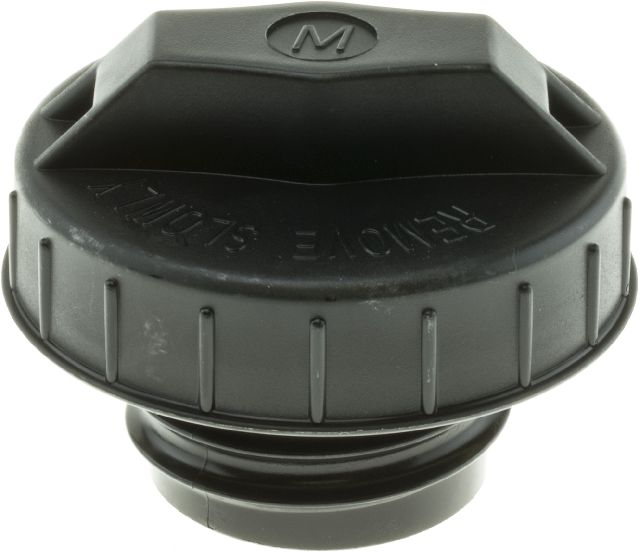
- Loose or Faulty Gas Cap 🔴 High Probability → Shop Fuel Tank Cap This is the most common cause for any EVAP code on any vehicle. The rubber O-ring seal on the cap degrades over time, preventing a proper seal. Using non-OEM gas caps can also cause sealing issues.
How to confirm: Ensure the cap is tightened until it clicks at least once. Inspect the rubber seal for cracks, stiffness, or debris. If it looks worn, it's worth replacing as a first step. An OEM cap is recommended.
Typical fix: Replace the gas cap with a genuine Toyota part.
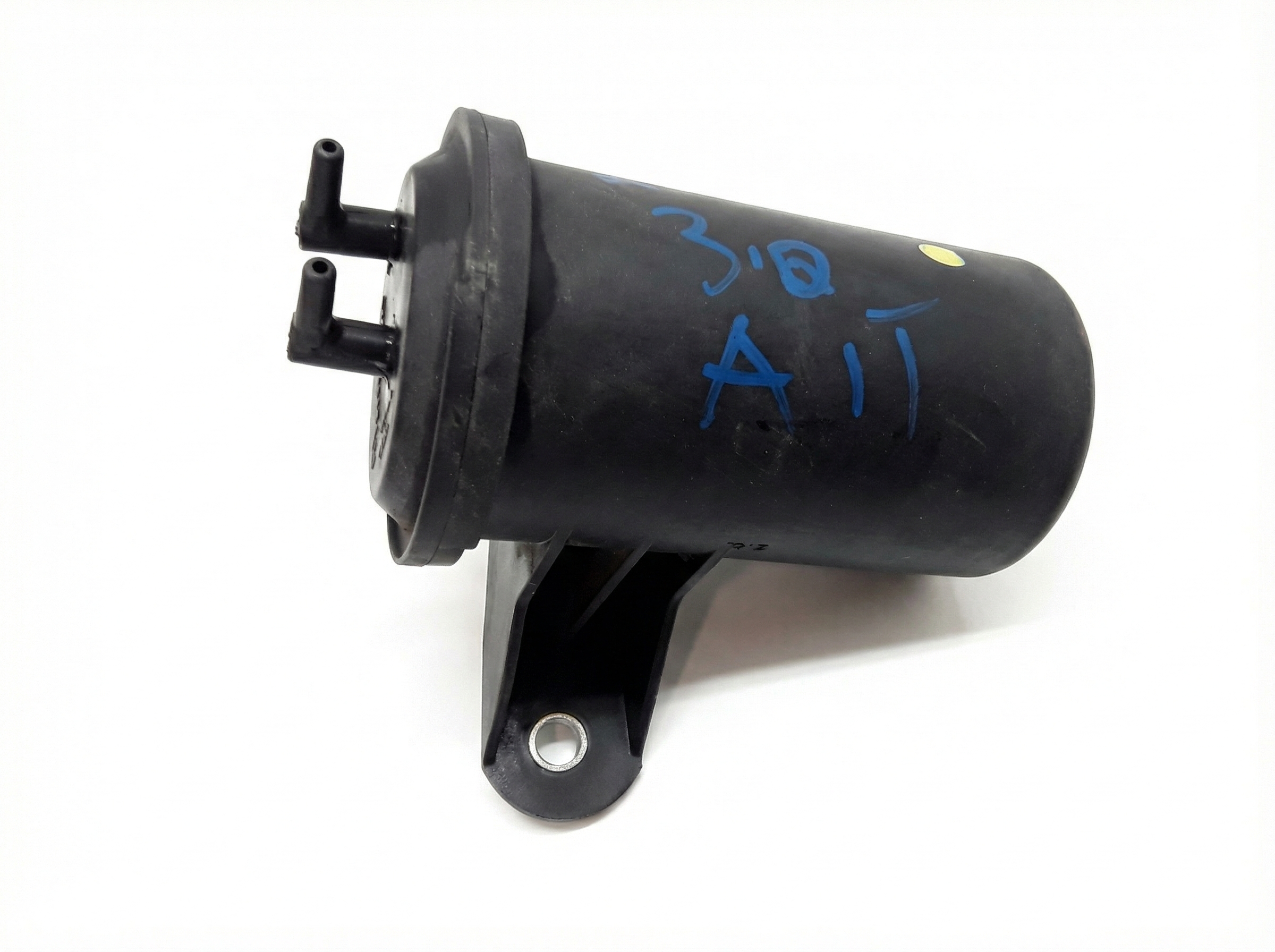
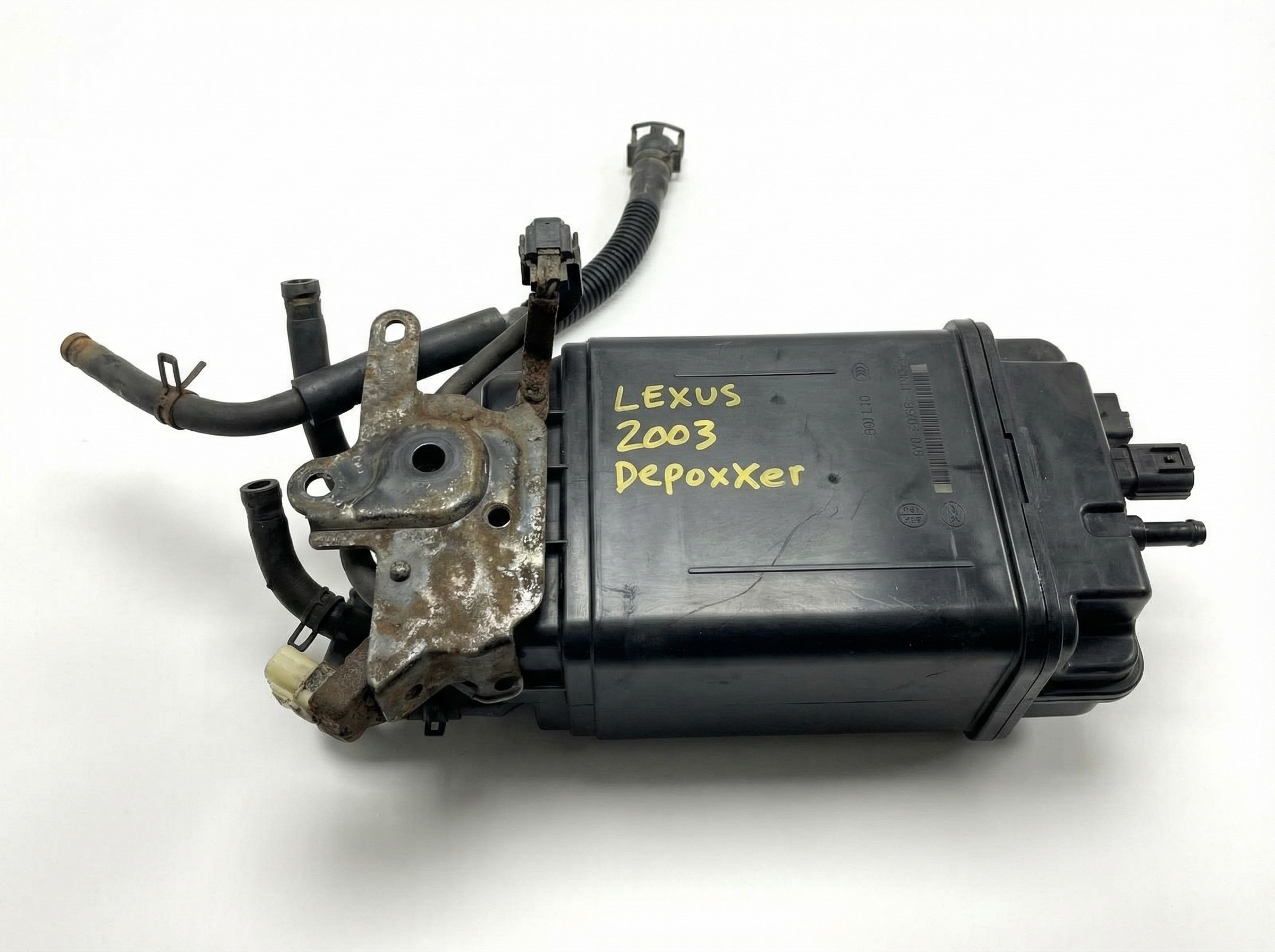
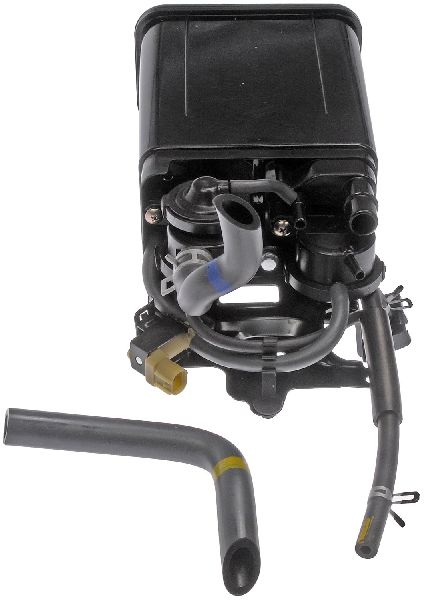
Est. part cost: $25-$40 - Failed Charcoal Canister 🔴 High Probability → Shop Vapor Canister This is a very common failure on this platform. The plastic housing can crack with age, or the internal charcoal can become saturated with fuel from overfilling the tank, leading to blockages and damage to other valves.
How to confirm: Visually inspect the canister (located near the rear suspension) for any visible cracks. A definitive check is to remove it and shake it; if you hear rattling (like loose rocks) or sloshing (like liquid), it has failed internally and is likely sending debris into the system. A smoke test will definitively show a leak from the canister body.
Typical fix: Replace the entire charcoal canister assembly. The valves on the canister are often serviced as part of the assembly. It is critical to clear the EVAP lines of any charcoal debris before installing a new canister.
Est. part cost: $200-$350 - Failed Purge Valve (VSV) 🟡 Medium Probability → Shop Vapor Canister The purge valve, which Toyota calls a Vacuum Switching Valve (VSV), is located in the engine bay and is a common failure item. It can get stuck open or closed, or get clogged by charcoal debris from a failing canister.
How to confirm: The valve is typically located on top of the engine near the firewall. It can be tested with a handheld vacuum pump and by applying 12V voltage to see if it opens and closes correctly. Listening for a 'click' when voltage is applied is a basic check. Inspect the valve's ports for black charcoal dust, a sure sign the canister has failed.
Typical fix: Replace the purge valve/VSV. The common part number is 90910-12276.
Est. part cost: $40-$90 - Cracked or Disconnected EVAP Hoses 🟡 Medium Probability After 20+ years, the rubber and plastic vacuum hoses become hard, brittle, and prone to cracking, especially in the engine bay where they are exposed to heat. A hose near the air filter box is commonly knocked off during air filter changes.
How to confirm: Visually inspect all accessible EVAP lines, particularly the small vacuum hoses in the engine bay connected to the purge valve and intake manifold. Pay close attention to the hose connected to the EVAP solenoid near the air filter housing. A smoke test is the most effective way to find a small crack in a hard-to-see location.
Typical fix: Replace the cracked section of hose or reconnect the disconnected hose.
Est. part cost: $5-$20
Rare But Worth Checking
- Failed Vent Valve / Canister Close Valve (CCV): → Shop Vapor Canister This valve is usually part of the charcoal canister assembly on this model. If it fails, the entire canister is typically replaced. It's less common for it to fail independently of the canister itself, but it can get clogged with charcoal debris.
- Cracked Fuel Tank Filler Neck: → Shop Fuel Tank Rust or damage can cause the metal filler neck (where you insert the gas nozzle) to develop a leak, preventing the system from sealing. This would be found during a smoke test.
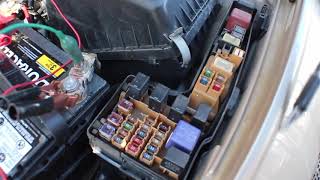
- Blown Fuse: In some cases, a blown fuse for the EVAP system can cause codes P0440 and P0446. One owner on YouTube found a blown fuse was the root cause after inspecting the canister solenoid connector. 🎬 Watch: A complete guide to diagnosing and fixing these codes.
Diagnosis Steps
- Check the Gas Cap: Remove, inspect the seal for damage, and reinstall, ensuring it clicks several times. Clear the code and see if it returns. If the seal is worn, replace the cap with an OEM part.
- Visual Inspection: Carefully inspect all vacuum hoses in the engine bay connected to the EVAP purge solenoid (VSV) for cracks, brittleness, or disconnection. Check the hoses around the air filter box, as they are often disturbed during service.
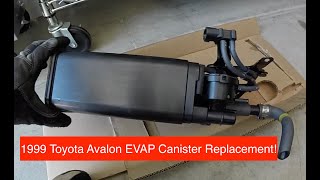
- Inspect Charcoal Canister: Raise the rear of the vehicle and locate the black plastic charcoal canister near the fuel tank. Look for obvious cracks or damage. Remove the canister and shake it. If it rattles or you hear what sounds like liquid sloshing, it has failed and needs replacement. 🎬 See this step-by-step walkthrough for replacing the charcoal canister.
- Test the Purge Valve (VSV): Locate the purge valve (PN 90910-12276) in the engine bay. Disconnect it and check its ports for black charcoal dust. Test its operation by applying 12V to its terminals to listen for a click. A more thorough test involves using a vacuum pump to ensure it holds vacuum when closed and flows when open.
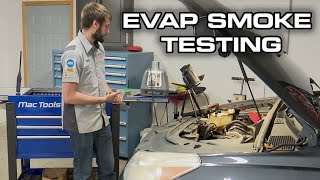
- Perform a Smoke Test: If the previous steps do not reveal the cause, the most effective method is to inject smoke into the EVAP system. Smoke will escape from any leak, no matter how small, making it easy to identify the source (e.g., a cracked hose, canister, or filler neck). 🎬 Watch: How to perform a smoke test to find leaks.
Parts You'll Likely Need
- Charcoal Canister
(OEM #77740-06170 (supersedes 77740-06100, 77740-06101, 77740-06102))— This is the most common major component failure for P0440 on this specific vehicle due to age and design.
Trusted brands: Toyota (OEM), Dorman, Standard Motor Products
OEM price range: $230-$350
Aftermarket price range: $130-$260 - Gas Cap
(OEM #77300-52030 (or similar, verify by VIN))— A worn gas cap seal is the simplest and most common cause of all EVAP codes. Aftermarket caps are a frequent source of issues.
Trusted brands: Toyota (OEM), Stant, Duralast
OEM price range: $25-$40
Aftermarket price range: $10-$25 - Vapor Canister Purge Valve (VSV)
(OEM #90910-12276 (may be superseded by 90910-TC001))— This solenoid is located in the hot engine bay and cycles frequently, leading to failure. It can also be damaged by debris from a failed charcoal canister.
Trusted brands: Toyota (OEM), Denso, Standard Motor Products
OEM price range: $70-$110
Aftermarket price range: $40-$90
Related Codes That Often Appear With This One
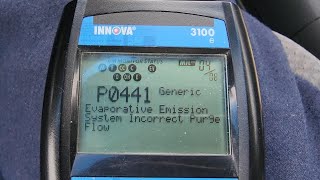
- P0441 — Indicates incorrect purge flow, often pointing directly to a faulty or clogged purge valve (VSV) or a blockage in the system from canister debris.
- P0446 — Indicates a fault in the EVAP system's vent control circuit, often related to the vent valve on the charcoal canister or its wiring. This code, along with P0440 and P0441, strongly suggests a failed canister assembly.
Technical Service Bulletins (TSBs) & Recalls
- EG045-03 (Referenced as 'Mil On - Dtc P0440/P0441/P0446' on 2003-09-29)
Platform-Specific Known Issues
- A Technical Service Bulletin (TSB) with ID EG045-03 was issued on September 29, 2003, for the Check Engine Light being on with codes P0440, P0441, and/or P0446, indicating this was a recognized issue from the manufacturer. While the exact text of this specific TSB is hard to locate, a later TSB for other models (EG045-07) addresses similar EVAP issues, suggesting a pattern of recognized problems in this era.
Mechanic-Grade Diagnostic Values
- Fuel Tank Pressure (FTP) Sensor Power Supply — expected: 4.5 - 5.5 volts between terminals VC and E2 of the harness-side connector with the ignition ON.. Failure: Voltage outside this range indicates a problem with the ECU or wiring, not necessarily the sensor itself.
- Fuel Tank Pressure (FTP) Sensor Signal Voltage (Atmospheric Pressure) — expected: Approximately 1.5 volts with the sensor connected and its vacuum port open to the air (Key On, Engine Off).. Failure: A reading of 0 volts or 5 volts suggests a short or open in the signal circuit or a failed sensor.
- Fuel Tank Pressure (FTP) Sensor Response to Vacuum — expected: Voltage should drop from its atmospheric baseline (e.g., ~1.5V) towards 0V as light vacuum is applied with a hand pump. Do not apply strong vacuum.. Failure: If the voltage does not change when vacuum is applied, the sensor is faulty.
- Fuel Pressure at Idle — expected: 304 - 343 kPa (44 - 50 psi).. Failure: Low pressure could indicate a leak or failing pump; high pressure could point to a bad regulator. While not a direct EVAP test, it's a related fuel system health check.
Scan Tool Commands That Help
- Toyota Techstream: Evaporative System Check — This is a guided, automated test to check the entire EVAP system for leaks. The software commands the VSVs to close, sealing the system, and then monitors the fuel tank pressure sensor to see if the system holds a vacuum. It's the most definitive way to confirm a leak without a smoke machine and can help isolate the leak to the tank side or canister side.
Wiring & Ground Locations
- ECU Location — Behind the glove box on the passenger side of the vehicle.. The Engine Control Unit (ECU) controls all EVAP solenoids and reads the pressure sensor. Access is needed for any advanced wiring diagnostics, such as checking for 5V reference or continuity from the sensors.
- Ground Point EB — On the RH (right-hand/passenger side) of the surge tank (intake manifold) in the engine compartment.. A poor ground connection at this point can cause erratic behavior from sensors and solenoids controlled by the ECU, potentially leading to false codes.
- Ground Point EC — On the rear side of the surge tank (intake manifold) in the engine compartment.. Similar to ground point EB, this is a critical engine ground. Ensuring it is clean and tight is a fundamental step in diagnosing any electronic engine control issue.
Real Owner Repair Stories
- YouTube user 'Rey CaRo' (2002 Toyota Avalon) — Check Engine Light with pending codes P0440 and P0446.
❌ Tried (didn't work) Visual inspection of vacuum lines.
✅ What actually fixed it The user found a blown fuse. After replacing the fuse, they tested for voltage at the charcoal canister's solenoid connector and found it was restored from 0V to 2.9V, resolving the issue. - YouTube user 'Lilevo' (Lexus LS430 (shares similar EVAP system design principles)) — P0440 Check Engine Light.
❌ Tried (didn't work) Replacing the gas cap.
✅ What actually fixed it The Vapor Pressure Sensor (Toyota P/N 89460-50030 on that model) located on the charcoal canister was faulty. This sensor is not sold separately from Toyota, so the entire charcoal canister assembly had to be replaced. The user confirmed the old sensor was bad via bench testing after replacement.
"I Checked Everything" — The Actual Cause
- In a case on a 2002 Avalon, a smoke test may pass, but the P0440 and P0446 codes can be caused by an electrical fault. One owner discovered a blown fuse that supplied power to the canister vent solenoid. The system was mechanically sealed (hence passing a smoke test), but electrically non-functional, which the ECU detected and flagged as a fault.
- The Vapor Pressure Sensor itself, located on the charcoal canister, can fail electronically. It may not cause a leak that a smoke test would find, but it will fail to report pressure changes correctly to the ECU, triggering a P0440. On this platform, the sensor is not sold separately, requiring the replacement of the entire canister assembly to fix the electronic fault.
OEM Part Supersession History
77740-06100, 77740-06101, 77740-06102→77740-06170— Standard part revision and consolidation by the manufacturer.
Diagnostic Flowchart
Other Known Issues on This Vehicle
Issues unrelated to this code that are worth knowing about as an owner of this generation:
- 1MZ-FE Engine Oil Sludging/Gelling 🔴 High — Common on 1997-2002 models, particularly if oil change intervals were extended past 3,000-5,000 miles or conventional oil was used. Can lead to oil starvation and catastrophic engine failure. (Ref: Toyota settled a class-action lawsuit in 2007 for this issue, offering repairs for up to 8 years from the vehicle's in-service date.)
- U140E Transmission Shifting Problems 🟠 Medium — Occurs at higher mileage (125k+). Symptoms include hesitation, shuddering, or harsh shifting under moderate acceleration. Often caused by a failing shift solenoid or throttle position sensor, not necessarily a full transmission failure.
- Clogged Idle Air Control (IAC) Valve 🟡 Low — Common on models up to 2004, causing a high idle or refusal to accelerate below 2000 RPM due to carbon buildup.
- Leaking Axle Seals 🟡 Low — Common after 120,000 miles. The rubber seals harden, causing a slow leak of transmission fluid where the CV axles enter the transaxle. If left unchecked, can lead to low fluid and differential damage.
Used vs. New Parts: Buying Guide for This Vehicle
When a used part is the smart pick: For this repair, using used parts is generally not recommended for the main electronic and filtering components. A used charcoal canister carries a very high risk of having the same age-related failures (cracks, saturated charcoal, bad internal valves) as the part you are replacing. A used gas cap is also a poor choice as the seal is a primary failure point. Used vacuum hoses are likely to be just as brittle as the old ones. The only parts where a used component might be considered are mounting brackets if they are rusted or broken.
Donor-vehicle mileage cap: roughly under 100000 miles for the part to have meaningful remaining life.
What to inspect on the donor part:
- For a charcoal canister: Visually inspect for ANY cracks, especially around hose nipples and mounting tabs. It must make NO rattling sound when shaken. There should be no smell of raw fuel.
- For a VSV/Solenoid: Check for cracks in the plastic housing and ensure the electrical connector pins are not corroded.
- For hoses: Squeeze the hose to ensure it is still pliable and not hard or brittle.
OEM-only on this vehicle (don't cheap out):
- Gas Cap: Aftermarket gas caps are a well-known cause of recurring EVAP codes on Toyotas due to improper sealing pressure. Always use a genuine Toyota cap.
- Charcoal Canister: While more expensive, the OEM canister is the most reliable option. The internal valves and charcoal quality are critical, and aftermarket units have mixed reviews. Given the labor to replace it, using an OEM part is a safer long-term investment.
Aftermarket brands forum-validated for this vehicle:
- Denso: Denso is a primary OEM supplier for Toyota, and their aftermarket parts are generally considered high quality and a safe alternative to genuine Toyota parts for components like the Purge Valve (VSV).
Brands owners have reported issues with on this vehicle:
- Dorman (for Charcoal Canister): While Dorman makes a replacement canister (P/N 911-630), forum and user reviews are mixed. Some users report success, while others have had issues with premature failure or fitment. It is a budget-friendly option but carries a higher risk than OEM or Denso.
Real Owner Stories
Aggregated from forums and TSBs cited above. Mileages and costs reflect what owners reported in those sources.
2000 Toyota Avalon — 265000 miles
Symptoms: The car runs smooth but the MPG has fallen and there is a noticeable smell of fuel in the exhaust. The Check Engine Light is on with codes P0440, P0441, and P0446.
What fixed it: The owner inquired about replacing the EVAP Purge Valve, noting the common pattern where a bad canister can damage the new valve with debris.
Source hint: 2CarPros.com: P0440, P0441, P0446 on 2000 Avalon
Related OBD-II Codes
Frequently Asked Questions
Is there a Technical Service Bulletin for P0440 on my 2003 Toyota Avalon?
I have a 2000 Avalon with P0440; could my charcoal canister be the problem?
What is the specific Toyota part number for the purge valve (VSV) on my Avalon?
Could a recent air filter change on my Avalon have caused this P0440 code?
My 2000 Avalon has P0440 and a fuel smell near the rear; what should I check first?
Does the 1MZ-FE engine in my Avalon have other known issues I should watch for while fixing this EVAP code?
Helpful Videos
Used OEM Parts in Stock

New Aftermarket Parts Available


The information in this article is provided for general reference and educational purposes only. Vehicle specifications, procedures, and part compatibility can vary by production date, trim level, and region. Always consult your vehicle's factory service manual and verify part numbers before purchasing or performing repairs. Safety-critical components such as airbags, seat belts, and braking systems should be installed by a qualified professional.
- Toyota Avalon:
- 🧭 Diagnostic Flowchart
- 🎬 Helpful Videos
- 🛍️ Shop This Part
- What's Unique About the 2000-2004 Toyota Avalon
- Symptoms You May Notice
- Most Likely Causes
- Rare But Worth Checking
- Diagnosis Steps
- Parts You'll Likely Need
- Related Codes That Often Appear With This One
- Technical Service Bulletins (TSBs) & Recalls
- Platform-Specific Known Issues
- Mechanic-Grade Diagnostic Values
- Scan Tool Commands That Help
- Wiring & Ground Locations
- Real Owner Repair Stories
- "I Checked Everything" — The Actual Cause
- OEM Part Supersession History
- Other Known Issues on This Vehicle
- Used vs. New Parts: Buying Guide for This Vehicle
- Real Owner Stories
- 2000 Toyota Avalon — 265000 miles
- Related OBD-II Codes
- Frequently Asked Questions
- 🎟️ Get 5% Off