

P0440 on 2001-2007 Toyota Highlander: EVAP System Malfunction Causes and Fixes
On a 2001-2007 Highlander, P0440 most often means you have a loose gas cap or a vacuum hose was knocked off near the engine's air filter box. Check these two things before buying any parts. If those aren't the issue, the charcoal canister is the next most likely culprit, a known failure point on this platform.
- First, check that your gas cap is tight and its seal is not cracked. This is the simplest and most common fix.
- Second, inspect the vacuum hoses around the engine's air filter box. A hose is often knocked off during service, causing this code.
- If the simple fixes don't work, the problem is likely a cracked charcoal canister or another leaking hose, which is best found using a smoke test.
- Do not immediately buy expensive parts. A proper diagnosis is key, as the fix could be free (reconnecting a hose).
- If you see codes P0441 and P0446 along with P0440, it's a very strong sign of a large vacuum leak, like a disconnected hose.
What's Unique About the 2001-2007 Toyota Highlander
For the first-generation Highlander, this code is frequently caused by age-related issues with rubber and plastic components. Brittle vacuum hoses are a common point of failure, especially a specific hose near the air filter box that can be easily knocked off during routine maintenance like an air filter change. Additionally, the charcoal canister assembly, which includes several valves, is a known failure point that can crack or fail internally over time. This issue is also common on its platform-mate, the Lexus RX.
Symptoms You May Notice
- Check Engine Light is on
- A faint fuel odor may be noticeable, especially in a garage after parking.
- Difficulty refueling (gas pump nozzle clicks off repeatedly before the tank is full).
- Hissing sound when opening the gas cap (due to pressure buildup from a clogged canister).
- Poor engine performance or rough idle, though less common.
- Replacing the oxygen (O2) sensors. O2 sensors are not related to the EVAP system.
- Replacing the catalytic converter. This is an expensive part of the exhaust system and has no connection to the P0440 code.
Most Likely Causes
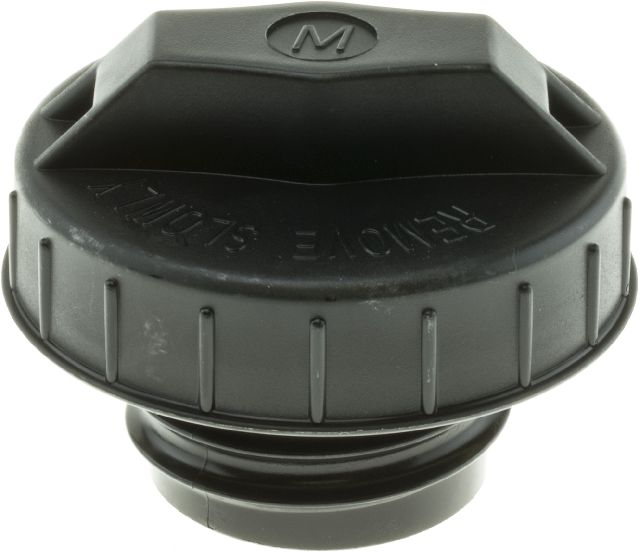
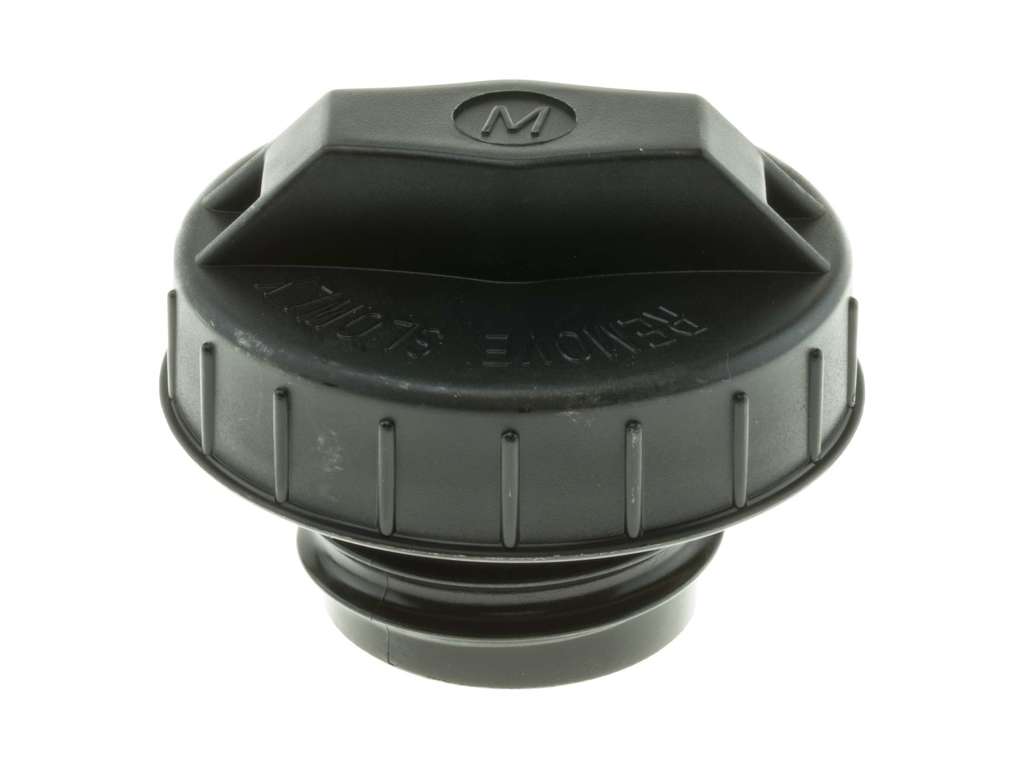
- Loose or Faulty Gas Cap 🔴 High Probability → Shop Fuel Tank Cap This is the most common and simple cause for an EVAP leak code on any vehicle. The cap's rubber O-ring can dry out, crack, or get dirty, preventing a proper seal.
How to confirm: Inspect the gas cap for any visible cracks or damage to the seal. Ensure it is tightened until it clicks at least once. If the cap is old or the seal is hard, it's a likely suspect.
Typical fix: Tighten the existing cap. If that doesn't work, replace the gas cap with an OEM part to avoid compatibility issues.
Est. part cost: $15-$40 - Disconnected Vacuum Hose at Air Filter Box 🔴 High Probability → Shop Vacuum Hose The vacuum hoses for the EVAP system's Vacuum Switching Valve (VSV) are located right next to the engine air filter housing. It is extremely common to accidentally knock one of these hoses off while checking or replacing the air filter, often triggering codes P0440, P0441, and P0446 simultaneously.
How to confirm: Open the hood and inspect the small rubber hoses connected to the valves on and around the air filter box. Look for any hoses that are disconnected from their ports. This is a zero-cost check that should be done after checking the gas cap. 🎬 Watch: How to fix these codes for free by reconnecting hoses.
Typical fix: Reconnect the disconnected hose. If the hose end is stretched or cracked, trim the end and reconnect it or replace the small section of hose.
Est. part cost: $0-$10 - Failed Charcoal Canister Assembly 🟡 Medium Probability → Shop Vapor Canister The charcoal canister, located at the rear of the vehicle near the fuel tank, is made of plastic and can develop cracks over time due to age and exposure. The integrated valves can also fail. Over-filling the fuel tank (continuing to pump after the nozzle clicks off) can saturate the canister with liquid fuel, causing it to fail.
How to confirm: A visual inspection may reveal cracks in the canister body. Other symptoms include difficulty filling the gas tank or a strong fuel odor. The definitive method is a smoke test, which will show smoke leaking from the canister body or one of its valves if it has failed.
Typical fix: Replacement of the entire charcoal canister assembly. On these models, many of the related valves are part of the canister unit. In some cases, only the VSV on the canister is faulty and can be replaced separately for a lower cost.
Est. part cost: $400-$600 - Cracked or Brittle EVAP Hoses 🟡 Medium Probability After 15-20+ years, the rubber and plastic hoses throughout the EVAP system become hard and brittle, leading to cracks and leaks. This is a common issue on older Toyotas.
How to confirm: A smoke test is the most effective way to find small cracks in the various hoses running from the gas tank to the engine bay. A visual inspection may also reveal obvious cracks, especially at connection points and bends.
Typical fix: Replace the specific section of hose that is leaking.
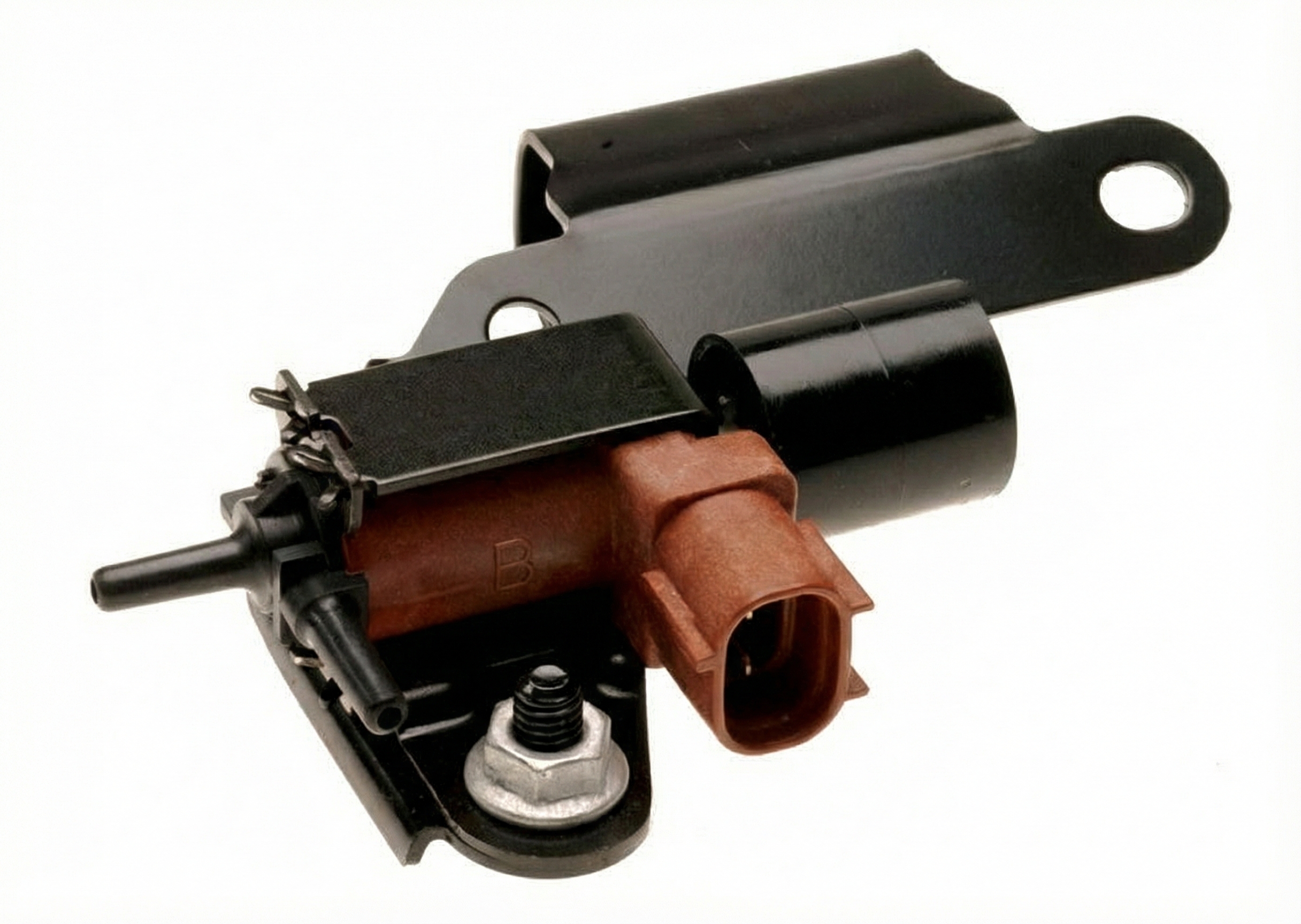
Est. part cost: $10-$50 - Failed Purge Valve or Vent Valve (VSV) ⚪ Low Probability → Shop Vapor Canister These electronically controlled valves can get stuck open or closed, causing a leak or a blockage in the system.
How to confirm: With the engine off, you can try applying 12V directly to the valve's terminals to listen for a 'click'. A scan tool can also command the valves to open and close to test their function. A stuck-open valve will be found with a smoke test.
Typical fix: Replace the faulty valve. The purge valve is in the engine bay, while the vent valve is typically part of the charcoal canister assembly on this model.
Est. part cost: $30-$100
Rare But Worth Checking
- Cracked Fuel Filler Neck: → Shop Fuel Filler Neck Rust can perforate the metal tube that connects the gas cap to the fuel tank, creating a large leak that the system will detect. This is more common in regions that use road salt. A manufacturer service bulletin for related Toyota models, TSB #EG022-06, specifically mentions a "Fuel Filler Tube Improvement" to address P0440 (NHTSA ODI #10276828).
- Faulty Fuel Tank Pressure Sensor: → Shop Fuel Tank The sensor itself can fail and send incorrect readings to the computer, making it think there is a leak when there isn't one. This is uncommon and should be suspected only after a smoke test confirms there are no physical leaks.
Diagnosis Steps
- Check the gas cap. Remove it, inspect the seal for cracks, and retighten it until it clicks. Clear the code and drive for a day to see if it returns.
- Visually inspect the engine bay. Carefully check all vacuum hoses around the air filter housing and intake manifold for cracks or disconnections. Pay special attention to the hoses going to the VSVs (Vacuum Switching Valves). This is a very common fix.
- If codes P0441 or P0446 are also present, it strongly points to a large leak. Prioritize the visual inspection of hoses near the air filter box as this is the most likely cause.
- If the issue is not obvious, the next step is a professional smoke test. A machine injects vaporized smoke into the EVAP system. The leak will be revealed by wherever the smoke escapes. 🎬 Watch: A professional mechanic demonstrates an EVAP smoke test and repair.
- Based on the smoke test results, inspect the leaking component. This could be a cracked charcoal canister, a brittle hose, or a bad valve seal.
- If no leaks are found with a smoke test, the valves (purge and vent) should be tested electronically with a scan tool or by applying power to them.
- As a final step if no physical leaks or faulty valves are found, the fuel tank pressure sensor may be faulty.
Parts You'll Likely Need
- Gas Cap
(OEM #77300-47010 (supersedes 77300-33070))— This is the most frequent and simple fix for a P0440 code. The seal fails over time. Always use an OEM cap for best results.
Trusted brands: Toyota (Genuine OEM), Denso, Stant
OEM price range: $25-$40
Aftermarket price range: $15-$30 - Vapor Canister Assembly (Charcoal Canister)
(OEM #77740-48080 (for 2004-2007 models), 77740-48030 / 77740-48050 (for 2001-2003 models - verify by VIN))— This is a very common failure on older Highlanders. The plastic housing cracks or the internal valves fail, requiring replacement of the whole unit.
Trusted brands: Toyota (Genuine OEM), Aisin, Dorman, Standard Motor Products
OEM price range: $400-$600
Aftermarket price range: $150-$300 - Vacuum Hose — Used to fix disconnected or cracked hoses, especially the one near the air filter box. Can be purchased by the foot from any auto parts store.
OEM price range: $5-$20
Aftermarket price range: $1-$10
Related Codes That Often Appear With This One
- P0441 — Indicates 'Incorrect Purge Flow'. Often appears with P0440 when a hose is disconnected or a valve is stuck, causing a major leak that also affects vapor flow.
- P0446 — Indicates 'Vent Control Circuit Malfunction'. This points more specifically to the vent valve or its circuit, which is often part of the charcoal canister. When all three codes (P0440, P0441, P0446) appear together, it strongly suggests a large vacuum leak, such as a hose completely disconnected near the airbox.
Technical Service Bulletins (TSBs) & Recalls
- T-SB-EG050-04: While not a direct fix for a physical leak, this TSB from Toyota addresses updated diagnostic logic for EVAP codes on several models, including the Highlander. In some cases, an ECM reflash was performed by dealers to prevent false positives for certain EVAP tests. This would only be considered after all physical leak possibilities have be
Platform-Specific Known Issues
- The 'Air Filter Change' EVAP Codes: A vacuum hose for the EVAP system's VSV is commonly knocked off the air filter housing during air filter changes, triggering P0440, P0441, and P0446 simultaneously. Many owners have fixed these codes for $0 by simply finding and reconnecting this hose. A YouTube video by user 'Merryfrankster' titled 'Free easy DIY fix for check engine light with codes P0440, P0441, P0446' clearly demonstrates this exact issue and fix on a 2002 Highlander.
Mechanic-Grade Diagnostic Values
- Vapor Canister Purge Valve / Solenoid Coil Resistance — expected: Approximately 28-34 Ohms at room temperature.. Failure: An open circuit (infinite resistance) or a short (near-zero resistance) indicates a failed coil.
- EVAP Canister Vent Solenoid Resistance — expected: Approximately 48-65 Ohms.. Failure: A reading significantly outside this range points to a faulty vent solenoid.
- Freeze Frame Data Hint for Vapor Pressure Sensor — expected: Engine Run Time > 200 seconds.. Failure: If the P0440 code is set with an Engine Run Time of less than 200 seconds in the freeze frame data, the service manual suggests carefully checking the vapor pressure sensor as a potential cause.
Hidden / Shadow Codes Worth Checking
- Mode $06, Test ID $39 (EVAP Monitor 0.040"): Mode $06 data provides results from non-continuous system self-tests. For EVAP, Test ID $39 monitors the leak check for a 0.040" orifice (which can trigger P0440). A failing value here, even before a CEL is triggered, can indicate a borderline leak in the system. (see via A professional scan tool or an advanced OBD-II reader that can display Mode $06 data, such as Toyota Techstream.)
Scan Tool Commands That Help
- Toyota Techstream: Evaporative System Check (Utility) — This utility allows a technician to manually command the EVAP system components to run a leak test. It sequentially closes the vent valve and opens the purge valve to create a vacuum, then seals the system and monitors the pressure decay. This can confirm a leak exists and, by watching the data, help isolate if the leak is in the tank side or the canister side of the system.
- Toyota Techstream: Active Test: Control the Purge VSV — This bidirectional command allows you to manually open and close the purge valve in the engine bay. You can use this to verify the valve is responding to the ECM's command and is not stuck. When activated, you should hear a click from the valve.
- Toyota Techstream: Active Test: Control the Vent VSV (CCV) — This command manually operates the canister vent valve. It's used during a smoke test to seal the system completely. If smoke escapes with the vent valve commanded closed, it confirms a leak in the system (hose, canister, gas cap, etc.). If no smoke escapes, but the system fails the self-test, it may point to a faulty pressure sensor.
Wiring & Ground Locations
- Ground Point EG — In the engine compartment, under the left (driver's side) headlight area.. This is a primary engine harness ground point. Corrosion or a loose connection here can cause erratic behavior from various sensors and solenoids, including the EVAP purge valve (VSV) in the engine bay.
- Ground Point EF — On the left side of the cylinder block.. This is another critical engine ground. A poor connection can lead to incorrect readings from sensors and intermittent electrical faults for components grounded to the engine block.
- Engine Control Module (ECM) — Behind the right side of the dashboard, typically accessible by removing the glove box.. The ECM controls the EVAP solenoids and interprets the fuel tank pressure sensor data. While rare, a fault in the ECM's driver circuit for an EVAP component could mimic a part failure.
Real Owner Repair Stories
- Reddit user in r/ToyotaHighlander (2002 Toyota Highlander) — Check Engine Light with codes P0441, P0442, and P0446.
❌ Tried (didn't work) Initial online searches pointed to expensive parts like the VSV or charcoal canister.
✅ What actually fixed it The user found a YouTube video advising to check hoses near the air filter box. They discovered a vacuum hose was disconnected and simply reattaching it fixed the issue and cleared the codes. - YouTube channel 'Merryfrankster' (2002 Toyota Highlander) — Check Engine Light came on shortly after an air filter change, with codes P0440, P0441, and P0446.
✅ What actually fixed it The combination of all three codes indicated a large vacuum leak. A visual inspection revealed a vacuum hose for the VSV near the airbox had been knocked off its pipe. Reconnecting the hose was the complete fix. - YouTube channel 'Eli TheOBDTech' (2003 Toyota Highlander 3.0L) — EVAP codes P0441, P0442, and P0446.
❌ Tried (didn't work) The customer had already replaced the gas cap with a new OEM part, which did not solve the problem.
✅ What actually fixed it A visual inspection found a disconnected hose from the solenoid located on the air filter housing. The hose, which routes down towards the charcoal canister, was reconnected, resolving all codes.
"I Checked Everything" — The Actual Cause
- If a smoke test shows no leaks, the issue is likely not a physical hole in a hose or component. In this scenario on a Highlander, the next most probable causes are: 1) A faulty Fuel Tank Pressure Sensor sending incorrect data to the ECM, making it believe a leak exists when one doesn't. 2) An intermittently failing VSV (purge or vent solenoid) that tests fine when cold but fails during the EVAP self-test under specific conditions. 3) A faulty ECM, which is the least likely cause and should only be considered after all other possibilities are exhausted.
Documented NHTSA Reports
- An owner reported receiving codes P0440 and P0446 accompanied by a slight smell of fuel (NHTSA ODI #11171743).
- NHTSA ODI #10735783 describes a vehicle failing emissions inspection due to a combination of codes including P0440, P0441, and P0446.
- A report noted that failures represented by codes P0440, P0441, and P0442 have been reported across various Toyota models built from the late 1990s through the mid-2000s (NHTSA ODI #10354544).
OEM Part Supersession History
77740-48030→77740-48050— Standard part revision by the manufacturer.
Heads up: These parts are for the 2001-2003 models and are not compatible with 2004-2007 models.77300-33070→77300-47010— Updated design for better sealing or durability.
Model Year Variations Within This Range
- 2001-2003 vs 2004-2007: The charcoal canister assembly is different between the early (2001-2003) and late (2004-2007) first-generation models, corresponding with the 2004 model year refresh. The part numbers are not interchangeable (e.g., 77740-48050 for early models vs. 77740-48080 for later models). It is critical to verify the part number by VIN before ordering.
Diagnostic Flowchart
Other Known Issues on This Vehicle
Issues unrelated to this code that are worth knowing about as an owner of this generation:
- Stripped Cylinder Head Bolts (2.4L 2AZ-FE Engine) 🔴 High — Commonly occurs between 100,000 and 150,000 miles, especially if the engine has ever overheated. The aluminum block threads fail, causing the head gasket to leak coolant. (Ref: T-SB-0015-11 outlines a repair procedure using thread inserts.)
- Engine Oil Sludge (3.0L 1MZ-FE V6) 🔴 High — Primarily affects 2001-2003 models. Caused by a combination of a poor PCV baffle design in the valve covers and extended oil change intervals, leading to blocked oil passages and potential engine failure. (Ref: Toyota had a warranty enhancement program, but it is long expired. The fix involves cleaning the engine and sometimes replacing valve covers with an updated design from the 3.3L 3MZ-FE engine.)
- Transmission Hesitation and Harsh Shifting 🟠 Medium — Reported in various years, particularly early in the generation (2001-2003). Can manifest as a delay before acceleration or jerky shifts.
- Seized Brake Calipers 🟠 Medium — Can occur if brake maintenance is neglected. The caliper pins or pistons can seize, leading to uneven pad wear, dragging brakes, and overheating.
Used vs. New Parts: Buying Guide for This Vehicle
When a used part is the smart pick: For this generation of Highlander, obtaining a used charcoal canister assembly from a junkyard can be a cost-effective option, especially if it comes from a low-mileage, non-rust-belt donor vehicle. Simple components like brackets or short sections of hard lines are also good candidates for used parts.
Donor-vehicle mileage cap: roughly under 100000 miles for the part to have meaningful remaining life.
What to inspect on the donor part:
- Inspect the plastic body of the charcoal canister for any hairline cracks, especially around mounting points and hose connections.
- Check any included rubber hoses for pliability; avoid any that are hard, brittle, or visibly cracked.
- Look for minimal rust on any metal components of the assembly.
- If possible, verify the donor vehicle did not have EVAP-related codes.
OEM-only on this vehicle (don't cheap out):
- Gas Cap: Aftermarket gas caps are notoriously problematic and often do not seal correctly, leading to persistent EVAP codes. It is strongly recommended to use a genuine Toyota (OEM) or a Denso-branded cap.
Aftermarket brands forum-validated for this vehicle:
- Aisin: Aisin is an OEM supplier for Toyota, and their parts are generally considered to be of equivalent quality to genuine Toyota parts.
- Denso: As another major OEM supplier for Toyota, Denso parts, especially sensors and electronic components, are highly recommended.
Brands owners have reported issues with on this vehicle:
- Dorman: While some users report success with Dorman charcoal canisters, the brand has a reputation for inconsistent quality. It may be a viable budget option, but OEM or Aisin is preferred for longevity and fitment, especially given the labor involved in replacement.
Real Owner Stories
Aggregated from forums and TSBs cited above. Mileages and costs reflect what owners reported in those sources.
2002 Toyota Highlander
Symptoms: Check engine light with codes P0440, P0441, and P0446.
What fixed it: Found a vacuum hose near the airbox that had been disconnected; reattached the hose for a free DIY fix.
Source hint: YouTube - 'Free easy DIY fix for check engine light with codes P0440, P0441, P0446' by user 'Merryfrankster'
2003 Toyota Highlander
Symptoms: Check engine light on with codes P0441, P0442, and P0446.
What fixed it: Visual inspection revealed a disconnected hose at the air filter box; reattaching it solved the problem.
Source hint: Reddit r/ToyotaHighlander - Thread: 'Fixed OBD codes P0441, P0442, and P0446'
2003 Toyota Highlander
Symptoms: Multiple EVAP codes including P0441, P0442, and P0446.
What fixed it: A technician performed a visual inspection and found a disconnected hose as the cause.
Source hint: YouTube - '(Toyota Highlander) Importance of Visual Inspection - Codes P0441, P0442 and P0446'
Related OBD-II Codes
Frequently Asked Questions
I just changed my air filter and now the P0440 code is on. Is this a coincidence?
Is there a TSB for EVAP codes on the 2001-2007 Highlander?
Why does my gas pump nozzle keep clicking off when I try to fill my Highlander?
Can I just replace the gas cap to fix P0440?
Where is the charcoal canister located on this model?
Does the Lexus RX series share this same EVAP issue?
Helpful Videos
Used OEM Parts in Stock

New Aftermarket Parts Available


The information in this article is provided for general reference and educational purposes only. Vehicle specifications, procedures, and part compatibility can vary by production date, trim level, and region. Always consult your vehicle's factory service manual and verify part numbers before purchasing or performing repairs. Safety-critical components such as airbags, seat belts, and braking systems should be installed by a qualified professional.
- Toyota Highlander:
- 🧭 Diagnostic Flowchart
- 🎬 Helpful Videos
- 🛍️ Shop This Part
- What's Unique About the 2001-2007 Toyota Highlander
- Symptoms You May Notice
- Most Likely Causes
- Rare But Worth Checking
- Diagnosis Steps
- Parts You'll Likely Need
- Related Codes That Often Appear With This One
- Technical Service Bulletins (TSBs) & Recalls
- Platform-Specific Known Issues
- Mechanic-Grade Diagnostic Values
- Hidden / Shadow Codes Worth Checking
- Scan Tool Commands That Help
- Wiring & Ground Locations
- Real Owner Repair Stories
- "I Checked Everything" — The Actual Cause
- Documented NHTSA Reports
- OEM Part Supersession History
- Model Year Variations Within This Range
- Other Known Issues on This Vehicle
- Used vs. New Parts: Buying Guide for This Vehicle
- Real Owner Stories
- 2002 Toyota Highlander
- 2003 Toyota Highlander
- 2003 Toyota Highlander
- Related OBD-II Codes
- Frequently Asked Questions
- 🎟️ Get 5% Off