

P0440 on 1998-2003 Toyota Sienna: EVAP System Malfunction Causes and Fixes
For a 1998-2003 Sienna, code P0440 is most often caused by a cracked Fuel Tank Overfill Check Valve on top of the gas tank. While you should check the gas cap first, this specific valve is a very common failure point. The repair requires dropping the fuel tank and costs around $60-$100 for the part.
- For a 1998-2003 Sienna with code P0440, be highly suspicious of a cracked Fuel Tank Overfill Check Valve on top of the gas tank.
- Always start diagnosis by checking the gas cap; it's the simplest and most common fix.
- If you also have code P0446 (especially on a 2001-2003 model), a specific valve on the charcoal canister is a likely culprit per a Toyota TSB.
- Due to the age of the vehicle, brittle and cracked vacuum hoses are a very real possibility.
- Diagnosing this code accurately without just replacing parts often requires a smoke machine to find the exact source of the leak.
What's Unique About the 1998-2003 Toyota Sienna
On this first-generation Sienna, the P0440 code is very frequently traced back to one of two specific parts that fail with age. The most notorious is the Fuel Tank Overfill Check Valve (also called a rollover valve), which develops cracks on its plastic housing. This is a widely documented failure point in owner forums. Additionally, Toyota issued a Technical Service Bulletin (TSB EG015-03) for 2001-2003 models pointing to a faulty Canister Closed Valve VSV as a common cause for P0440, P0441, and P0446.
Symptoms You May Notice
- Check Engine Light is on
- A faint smell of gasoline, particularly around the rear of the vehicle
- Replacing the charcoal canister when only a single, less expensive valve on the canister has failed.
- Replacing the purge valve in the engine bay when the actual leak is at the rear of the vehicle (e.g., the overfill check valve or gas cap).
Most Likely Causes
- Cracked Fuel Tank Overfill Check Valve (Rollover Valve) 🔴 High Probability → Shop Fuel Tank The plastic housing of the original valve becomes brittle over time and develops visible cracks, creating a significant EVAP leak directly at the fuel tank. This is a widely documented failure on this specific Sienna generation, often triggering P0440 and P0442 codes.
How to confirm: Visually inspect the valve on top of the fuel tank for cracks or fuel residue. This requires lowering the fuel tank for access. A smoke test is the definitive diagnostic method and will show smoke billowing from the top of the tank in this area. As one owner noted in a repair video, after an hour of smoke testing with no results, injecting smoke directly into the fuel filler neck revealed the leak at the valve.
Typical fix: Replace the overfill check valve and its gasket. This requires dropping the fuel tank, though some DIY guides show it's possible to do by only lowering the rear of the tank. 🎬 Watch: Step-by-step guide to replacing the overfill check valve.
Est. part cost: $60 - $100 - Loose or Faulty Gas Cap 🔴 High Probability → Shop Fuel Tank Cap This is the most common cause for P0440 on any vehicle. The cap's seal degrades over time or the cap is simply not tightened correctly.
How to confirm: Check if the cap clicks at least once when tightened. Inspect the rubber O-ring on the cap for cracks, dirt, or signs of wear. An OEM replacement is often recommended as aftermarket caps can sometimes cause sealing issues.
Typical fix: Tighten or replace the gas cap.
Est. part cost: $15 - $35 - Faulty Canister Closed Valve (CCV) Vacuum Switching Valve (VSV) 🟡 Medium Probability Toyota issued Technical Service Bulletin EG015-03 for 2001-2003 Siennas (and other models like the Camry and Avalon) specifically for this issue when P0440, P0441, and/or P0446 are present. The valve, located on the charcoal canister, fails internally and no longer operates correctly.
How to confirm: The TSB outlines a procedure using a Toyota diagnostic tester to command the valve ON and OFF to check for operation. It can also be tested with a hand vacuum pump for leaks or by applying 12V and listening for a click. The coil resistance should be between 33 - 39 Ω at 68°F (20°C).
Typical fix: Replace the Canister Closed Valve VSV, which is located on or near the charcoal canister assembly under the vehicle, near the fuel tank. On this generation, the valve is often integrated into the canister, requiring replacement of the whole assembly. 🎬 See how to fix a bad vent valve and clear the light.
Est. part cost: $40 - $80 - Cracked or Disconnected EVAP Hoses 🟡 Medium Probability After 20+ years, the rubber and plastic hoses in the EVAP system become brittle, leading to cracks and leaks, especially at connection points and bends.
How to confirm: Perform a careful visual inspection of all hoses running from the engine bay to the charcoal canister and fuel tank. A smoke test is the most effective way to find small, hard-to-see leaks.
Typical fix: Replace the damaged section of hose.
Est. part cost: $5 - $20 - Faulty Purge Valve (VSV for EVAP) ⚪ Low Probability → Shop Vapor Canister This valve, located in the engine bay, can get stuck open or closed. While it can fail, it seems less common than the tank-mounted or canister-mounted valves on this model for a P0440-only code.
How to confirm: With the engine running, you can sometimes feel for suction on the hose connected to it. It can also be tested with a scan tool or by applying 12v power to see if the solenoid clicks. Resistance should be roughly 30 ohms at 68°F.
Typical fix: Replace the purge valve. This is an easy repair located on top of the engine.
Est. part cost: $30 - $70
Rare But Worth Checking
- Cracked Charcoal Canister: → Shop Vapor Canister While the valves on the canister are more likely to fail, the canister body itself can crack from road debris or age, causing a large leak.
- Faulty Vapor Pressure Sensor: The sensor that detects the pressure in the system can fail, sending incorrect data to the computer and falsely triggering the code. TSB EG013-02 addressed this for the related Camry/Solara.
- Defective Fuel Filler Tube: On related Toyota platforms of this era, a manufacturer service bulletin (EG022-06) noted that a defective fuel filler tube could trigger P0440, as mentioned in NHTSA ODI #10276828.
Diagnosis Steps
- Check the gas cap. Ensure it is tight and the seal is not cracked or damaged. If in doubt, replace it with an OEM cap, clear the code, and drive for a few days.
- If the code returns, perform a thorough visual inspection of all accessible EVAP hoses in the engine bay and under the vehicle for obvious cracks or disconnections.
- Given the high failure rate, the next logical step for this specific vehicle is to inspect the components at the rear. This is best done with a smoke test.
- Introduce smoke into the EVAP service port. 🎬 Watch: How to perform a smoke test to find EVAP leaks. Watch for smoke coming from the gas cap area, the charcoal canister and its valves/hoses, or from the top of the fuel tank.
- If smoke appears from the top of the fuel tank, the Overfill Check Valve is the prime suspect. This requires lowering the tank to replace.
- If smoke appears from the charcoal canister area, carefully pinpoint the source. It could be the canister body, a hose, or one of the valves, such as the CCV VSV mentioned in TSB EG015-03.
- If no leaks are found, test the electrical function of the purge and vent valves using a scan tool or multimeter.
Parts You'll Likely Need
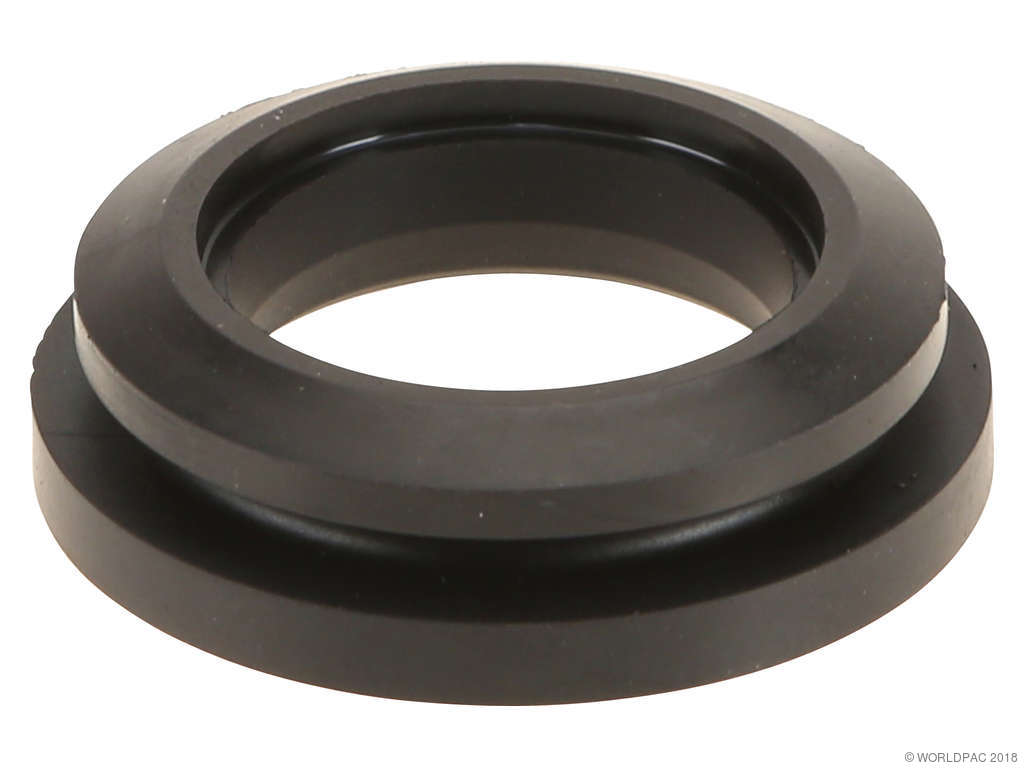
- Fuel Tank Overfill Check Valve
(OEM #77390-35010)— This is a very common failure point on 1st generation Siennas, causing P0440 and P0442 codes. The plastic cracks over time. While some sources list other numbers, 77390-35010 is frequently cited for related Toyota trucks and is visually identical.
Trusted brands: Toyota (OEM)
OEM price range: $60-$100
Aftermarket price range: $40-$70 - Fuel Cap
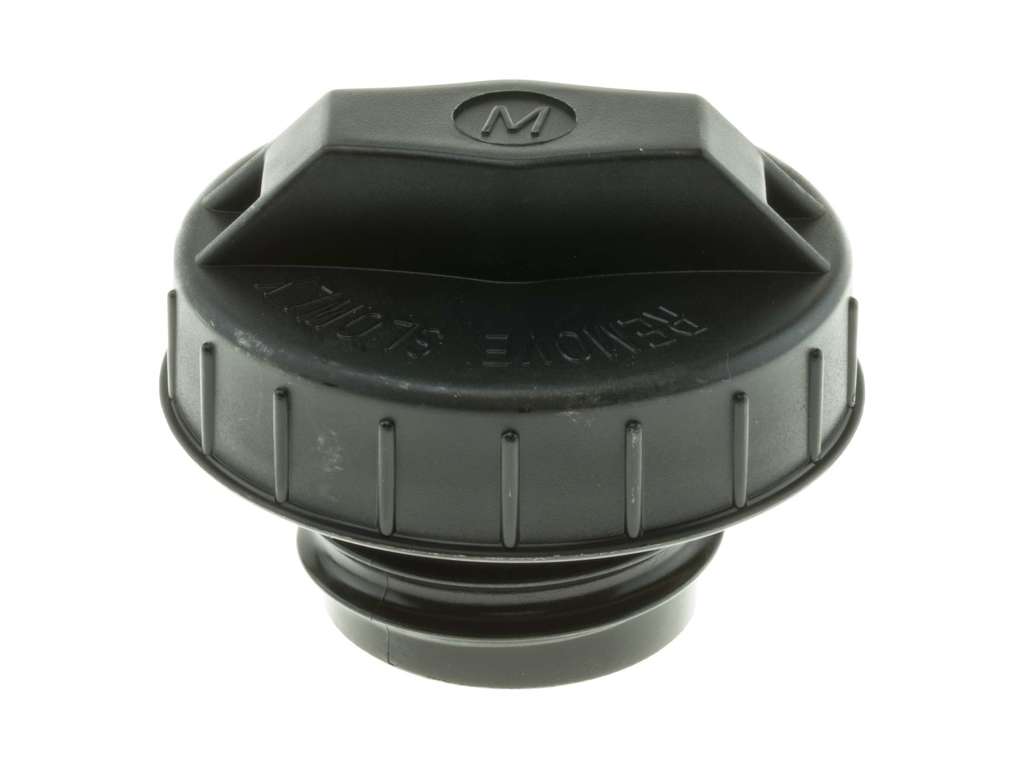
(OEM #77310-48020)— A worn or loose gas cap is the easiest and most common fix for any P0440 code.
Trusted brands: Toyota (OEM), Denso, Stant
OEM price range: $25-$35
Aftermarket price range: $15-$25 - Vapor Canister Purge Valve / Vacuum Switching Valve (VSV)
(OEM #90910-12259)— The solenoid in the engine bay that controls purge flow can fail. An easy part to access and replace.
Trusted brands: Toyota (OEM), Dorman (911-612), Denso
OEM price range: $50-$80
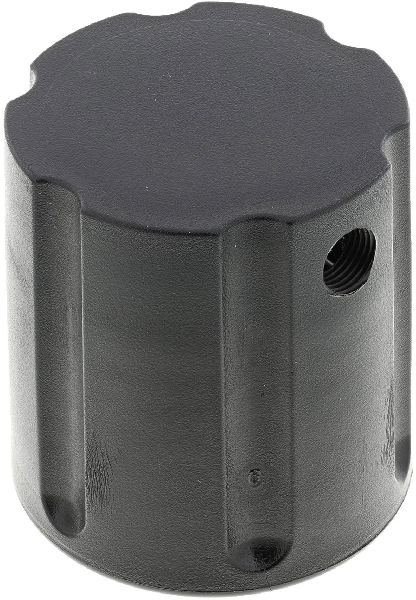
Aftermarket price range: $30-$60 - Charcoal Canister Assembly
(OEM #77740-08010)— If multiple valves on the canister have failed or the canister itself is cracked, replacing the entire assembly is a common repair strategy.
Trusted brands: Toyota (OEM), Aisin
OEM price range: $200-$300
Aftermarket price range: $150-$220
Related Codes That Often Appear With This One
- P0442 — P0442 indicates a small leak, while P0440 is a general malfunction. A cracked overfill check valve commonly throws both codes.
- P0446 — P0446 points specifically to a fault in the vent control circuit, often related to the Canister Closed Valve (CCV). If this valve is the cause, both codes will likely be present, as noted in TSB EG015-03.
- P0441 — P0441 indicates incorrect purge flow. A leak elsewhere in the system or a faulty CCV can cause this code to appear alongside P0440.
Technical Service Bulletins (TSBs) & Recalls
- EG015-03 (Revised Dec 2003): Titled 'M.I.L. "ON" DTC P0440, P0441 OR P0446'. Pertains to 2001-2003 Sienna and other Toyota models. Points to an inoperative Canister Closed Valve VSV (CCV VSV) and provides diagnostic steps.
- EG013-02 (July 2002): Titled 'M.I.L. "ON" P0440, P0441 & P0446'. Pertains to 1998-1999 Camry & Solara. Points to an inoperative Vapor Pressure Sensor 3-way VSV. While not for the Sienna directly, it shows a pattern of VSV failures on the same engine family causing these codes.
- EG022-06: Titled 'M.I.L. "ON" DTC P0440... FUEL FILLER TUBE IMPROVEMENT'. As noted in NHTSA ODI #10276828, this bulletin addressed fuel filler tube defects that could trigger EVAP malfunctions.
Platform-Specific Known Issues
- A Technical Service Bulletin (EG015-03) was released for 2001-2003 models to address an inoperative Canister Closed Valve VSV that causes codes P0440, P0441, and P0446.
- NHTSA ODI #10354544 notes that failures represented by codes P0440, P0441, and P0442 have been reported across various Toyota models built from the late 1990s through the mid-2000s.
Mechanic-Grade Diagnostic Values
- Canister Closed Valve (CCV) VSV Solenoid Resistance — expected: 33 - 39 Ω at 20°C (68°F). Failure: A reading outside this range, or an open circuit (infinite resistance), indicates a failed solenoid coil.
- Purge Valve (VSV for EVAP) Solenoid Resistance — expected: Roughly 30 Ω at 68°F (20°C). Failure: A reading significantly different from the specification suggests a faulty coil.
Hidden / Shadow Codes Worth Checking
- Mode $06: Mode $06 is not a specific code, but a diagnostic mode that shows the results of the ECU's self-tests for various emissions-related components. A failed test for a specific Test ID (TID) related to the EVAP system can point to a developing problem before a P-code is set. (see via A professional scan tool or some advanced consumer OBD-II scanners that support Mode $06 data display.)
Scan Tool Commands That Help
- Toyota Techstream: Evaporative System Check (Manual or Automatic) — This utility guides the technician through a step-by-step process of testing the EVAP system. It allows for manual control of the VSVs (Purge and Vent/CCV) and monitors the vapor pressure sensor to confirm system integrity or pinpoint leaks after a repair. It can force the system to run its self-test, bypassing the usual 5-hour cold soak requirement.
Wiring & Ground Locations
- G201 — Right side of the dash.. This is a ground point for the Engine Control Module (ECM), which controls the entire EVAP system. A poor ground here could cause erratic behavior of sensors and valves.
- G200 — Left kick panel.. This is a major body ground point. While not directly tied to the EVAP system by name, many harnesses ground here, and corrosion or looseness can cause unpredictable electrical issues.
- Engine Room J/B 2 — Left side of the engine compartment.. This junction block contains the EFI relay and EFI fuse, which provide power to the ECM and many engine control components, including the EVAP purge valve.
Real Owner Repair Stories
- YouTube channel 'Falcons Garage' (2003 Toyota Sienna) — Check Engine Light with code P0442 (small leak), but the cause is identical for P0440.
❌ Tried (didn't work) Customer had already replaced the gas cap., Initial smoke testing from the engine bay EVAP port for an hour did not reveal any leaks.
✅ What actually fixed it The mechanic suspected the common Overfill Check Valve failure. He introduced smoke directly into the fuel filler neck, which then revealed smoke leaking from the cracked valve on top of the tank. Replacing the Fuel Tank Overfill Check Valve (and its gasket) resolved the issue. - YouTube channel 'Fix it Angel' (2002 Toyota Sienna) — Check Engine Light with codes P0440 and P0442.
❌ Tried (didn't work) The video directly addresses the known common failure, skipping other diagnostics.
✅ What actually fixed it Confirmed the Overfill Check Valve (also called rollover valve) was the cause by lowering the gas tank and visually inspecting it. The valve had a visible crack and gas residue. Replacing the valve fixed the codes. - Make Magazine article by Jake von Slatt (2001 Toyota Sienna) — Failed emissions test due to code P0446 (Vent Control Circuit), which is often seen with P0440.
❌ Tried (didn't work) Received a dealer quote for $720 to replace the charcoal canister., Pressure tested the charcoal canister itself, which held pressure and was not saturated or leaking.
✅ What actually fixed it The Canister Vent Valve (SVS valve) was tested and found to be stuck open. The owner disassembled the non-serviceable valve, cleaned the rusty plunger, and re-sleeved the bore with a small piece of brass tubing to fix the sticking. This DIY repair of the valve fixed the code. The author notes the repair lasted 18 months before he replaced the valve with a Dorman part. - NHTSA ODI #11171743 — An owner reported receiving codes P0440 and P0446 on a vehicle with 118,244 miles. The check engine light was accompanied by a slight smell of gasoline.
- NHTSA ODI #10735783 — A report describes a vehicle failing emissions inspection with a combination of codes including P0440, P0441, and P0446, indicating a widespread malfunction across the EVAP control and vent systems.
"I Checked Everything" — The Actual Cause
- In one documented case for a P0442 (small leak), a mechanic spent an hour smoke testing from the standard EVAP port in the engine bay with no results. The system appeared sealed. The actual cause was a cracked Fuel Tank Overfill Check Valve, which was only found when smoke was injected directly into the fuel filler neck, pressurizing the tank area more directly and revealing the leak on top of the tank.
OEM Part Supersession History
Unknown→77390-35010— This part number is widely cited for this repair, but its official application is for other Toyota models like the 4Runner and Tacoma. However, forum and video evidence confirms it is the correct, visually identical part for the Sienna repair. The original Sienna-specific part number, if different, has been effectively superseded by this part in the repair community.
Model Year Variations Within This Range
- 1998-2003: On the first-generation Sienna, the canister vent valve (or CCV) is often integrated into the charcoal canister assembly. This differs from later generations (2004+) and many other vehicles where the vent solenoid is a separate, easily replaceable part. This integration means that a failure of this specific valve often requires replacing the entire, more expensive, charcoal canister assembly.
- 2001-2003: Toyota issued TSB EG015-03 specifically for these model years (among others) for P0440, P0441, and P0446 caused by a faulty Canister Closed Valve VSV. This suggests a higher failure rate or a specific part batch issue for these later first-gen models.
Diagnostic Flowchart
Other Known Issues on This Vehicle
Issues unrelated to this code that are worth knowing about as an owner of this generation:
- Engine Oil Sludge Buildup 🔴 High — Widespread on 1997-2002 1MZ-FE V6 engines, especially if oil change intervals were extended past 5,000 miles. Can lead to excessive oil consumption and eventual engine failure. (Ref: Subject of a major class-action lawsuit settled by Toyota, which extended warranty coverage for sludge-related repairs for up to 8 years from the in-service date.)
- Automatic Transmission Failure 🟠 Medium — A significant number of owners have reported issues like harsh shifting, gear slippage, or complete failure, sometimes occurring around or after 100,000 miles.
- Power Sliding Door Malfunction 🟠 Medium — Very common. The door may get stuck, refuse to open or close automatically, or the cable may fray and break. Often caused by a failed latch motor or broken cable.
- Exterior Door Handle Breakage 🟡 Low — The plastic exterior door handles, particularly for the sliding doors, can become brittle and break off.
Used vs. New Parts: Buying Guide for This Vehicle
When a used part is the smart pick: A complete charcoal canister assembly from a junkyard can be a cost-effective option, especially if you need the whole unit because the integrated vent valve has failed. Since the main failure is often the valves and not the canister body, a used assembly can provide the needed parts for a fraction of the OEM price.
Donor-vehicle mileage cap: roughly under 150000 miles for the part to have meaningful remaining life.
What to inspect on the donor part:
- Visually inspect the canister body for any cracks or physical damage from impact.
- Check the plastic on any attached valves (like the CCV/vent valve) for the same brittleness and cracking that affects the Overfill Check Valve. If it looks chalky or cracked, avoid it.
- Shake the canister. There should be no rattling sounds, which could indicate the internal charcoal bed has broken apart.
- If possible, try to get parts from a vehicle that appears to have been in a front-end collision, as the rear-mounted EVAP components are more likely to be intact.
OEM-only on this vehicle (don't cheap out):
- Fuel Cap: Aftermarket gas caps are notoriously problematic and can cause EVAP codes. It is strongly recommended to use a genuine Toyota (or the original OEM supplier, Denso) cap to ensure a proper seal.
- Fuel Tank Overfill Check Valve: Given the high failure rate of the original plastic and the critical nature of a fuel tank seal, using a new OEM part (77390-35010) is the wisest choice to ensure the repair lasts.
Aftermarket brands forum-validated for this vehicle:
- Dorman: Offers a replacement for the engine-bay mounted Purge Valve (911-612) that is referenced in repair videos.
- Denso: As an original equipment supplier for Toyota, their parts (like gas caps or sensors) are generally considered to be of equivalent quality to genuine Toyota parts.
Brands owners have reported issues with on this vehicle:
- Non-branded, ultra-cheap gas caps from online marketplaces are a frequent cause of new or recurring EVAP codes.
Real Owner Stories
Aggregated from forums and TSBs cited above. Mileages and costs reflect what owners reported in those sources.
1998-2003 Toyota Sienna 3.0L V6
Symptoms: After an hour of smoke testing with no results, smoke was injected directly into the fuel filler neck.
What fixed it: The leak was revealed at the overfill check valve (rollover valve) on top of the fuel tank, which required replacement.
Source hint: repair video cited in common_causes
2001-2003 Toyota Sienna
Symptoms: Check Engine Light on with codes P0440, P0441, and/or P0446.
What fixed it: Replacement of the Canister Closed Valve VSV (CCV VSV) as it was found to be inoperative.
Source hint: TSB EG015-03
1998-2003 Toyota Sienna — ~100000 miles
Symptoms: Harsh shifting and gear slippage occurring around or after 100,000 miles.
What fixed it: This describes a known automatic transmission failure issue rather than the EVAP fix, but often coincides with high-mileage maintenance.
Source hint: known_issues
Related OBD-II Codes
Frequently Asked Questions
Does Technical Service Bulletin EG015-03 apply to my 2002 Toyota Sienna?
I smell gasoline near the rear of my 1999 Sienna; could this be the P0440 cause?
Can I replace just the CCV VSV on my 2001 Sienna's charcoal canister?
Is there a specific way to test for the cracked rollover valve mentioned on SiennaChat?
Should I use an aftermarket gas cap to fix my P0440 code?
Does the Sienna share this EVAP issue with the Lexus RX300?
Helpful Videos
We Have This Part in Stock


The information in this article is provided for general reference and educational purposes only. Vehicle specifications, procedures, and part compatibility can vary by production date, trim level, and region. Always consult your vehicle's factory service manual and verify part numbers before purchasing or performing repairs. Safety-critical components such as airbags, seat belts, and braking systems should be installed by a qualified professional.
- Toyota Sienna:
- 🧭 Diagnostic Flowchart
- 🎬 Helpful Videos
- 🛍️ Shop This Part
- What's Unique About the 1998-2003 Toyota Sienna
- Symptoms You May Notice
- Most Likely Causes
- Rare But Worth Checking
- Diagnosis Steps
- Parts You'll Likely Need
- Related Codes That Often Appear With This One
- Technical Service Bulletins (TSBs) & Recalls
- Platform-Specific Known Issues
- Mechanic-Grade Diagnostic Values
- Hidden / Shadow Codes Worth Checking
- Scan Tool Commands That Help
- Wiring & Ground Locations
- Real Owner Repair Stories
- "I Checked Everything" — The Actual Cause
- OEM Part Supersession History
- Model Year Variations Within This Range
- Other Known Issues on This Vehicle
- Used vs. New Parts: Buying Guide for This Vehicle
- Real Owner Stories
- 1998-2003 Toyota Sienna 3.0L V6
- 2001-2003 Toyota Sienna
- 1998-2003 Toyota Sienna — ~100000 miles
- Related OBD-II Codes
- Frequently Asked Questions
- 🎟️ Get 5% Off