

P0440 on 1995-2004 Toyota Tacoma: EVAP System Malfunction Causes and Fixes
On a 1st Gen Toyota Tacoma, P0440 almost always points to a bad gas cap, cracked rubber EVAP hoses, or a faulty charcoal canister. Start with a new OEM gas cap for about $25-$40. Aftermarket caps are a known cause of this code. If that doesn't fix it, carefully inspect all vacuum hoses for age-related cracks before suspecting the more expensive charcoal canister.
- Always start with the gas cap. It's the cheapest, easiest, and most common fix. Use a genuine Toyota (OEM) cap.
- Due to the truck's age, brittle, cracked vacuum hoses are a very high probability. Inspect them thoroughly before buying parts.
- Do not 'top off' your fuel tank. This habit can ruin the expensive charcoal canister.
- If the gas cap and visible hoses are fine, get a smoke test. It will save you from guessing and replacing the wrong parts.
- This code will not affect how your truck drives, but it will cause you to fail an emissions test.
What's Unique About the 1995-2004 Toyota Tacoma
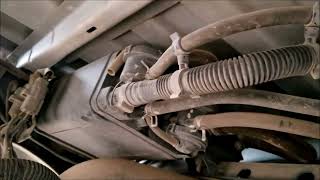
For the first-generation Tacoma, age is the biggest factor. A crucial distinction exists based on model year: on early models (approx. 1995-2000), the charcoal canister is often located in the engine bay, making it easier to inspect. On later models (approx. 2001-2004), the canister is located under the truck bed near the spare tire, 🎬 Watch: See the under-bed canister location and layout. exposing it to road salt and debris, which can lead to rust and physical damage. Owners frequently report that the most common culprits are simple wear items like the gas cap seal and the numerous vacuum hoses that have deteriorated over two-plus decades.
Symptoms You May Notice
- Check Engine Light is on
- A faint smell of gasoline, particularly around the rear of the truck or near the charcoal canister.
- Slightly rough idle in some cases, though not common
- Difficulty filling the fuel tank (fuel nozzle clicks off repeatedly) can occur if the EVAP vent is blocked.
- Replacing the charcoal canister when the actual problem is a cheap, cracked vacuum hose or a bad aftermarket gas cap. A smoke test is highly recommended before spending hundreds on a new canister.
Most Likely Causes
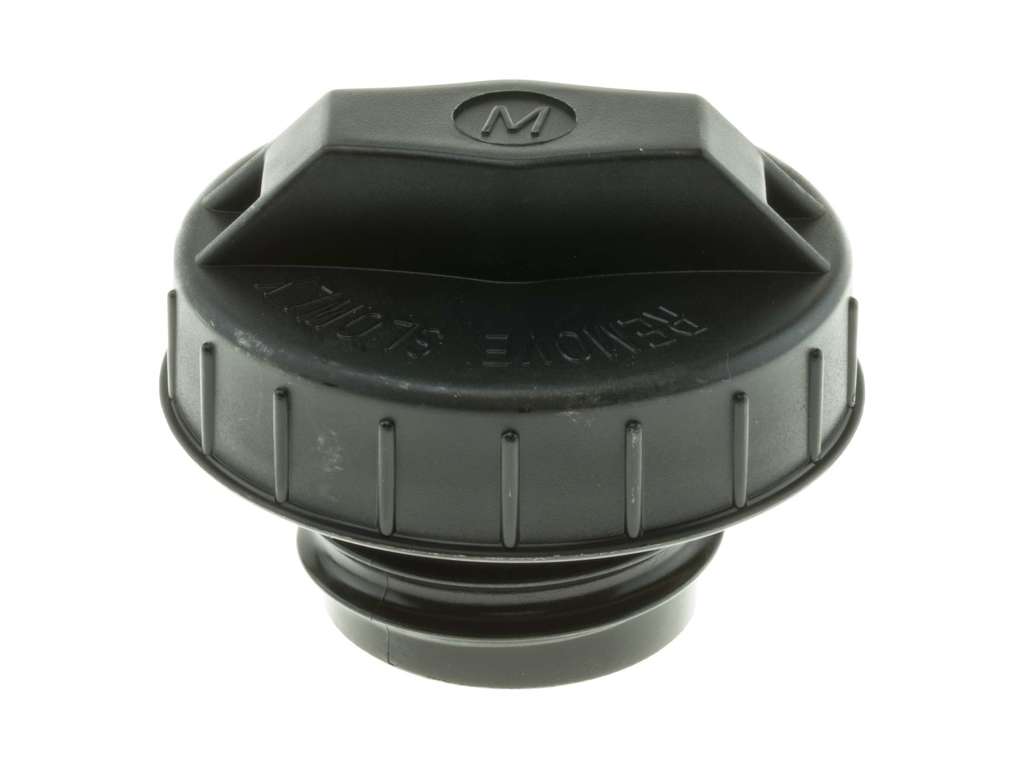
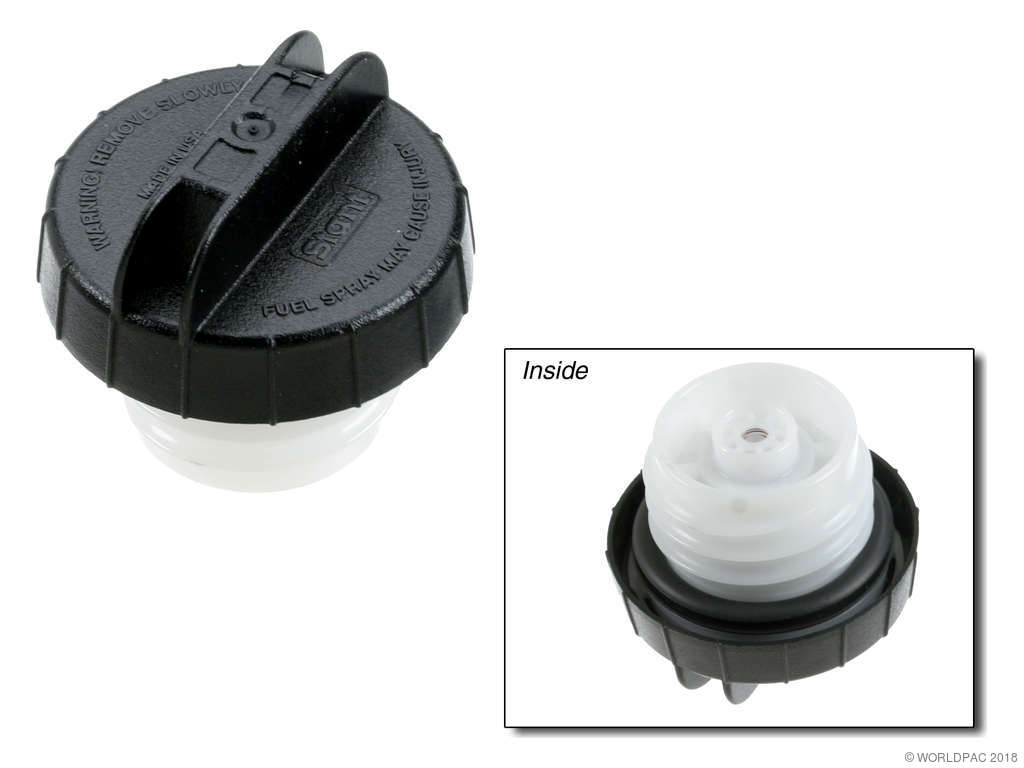
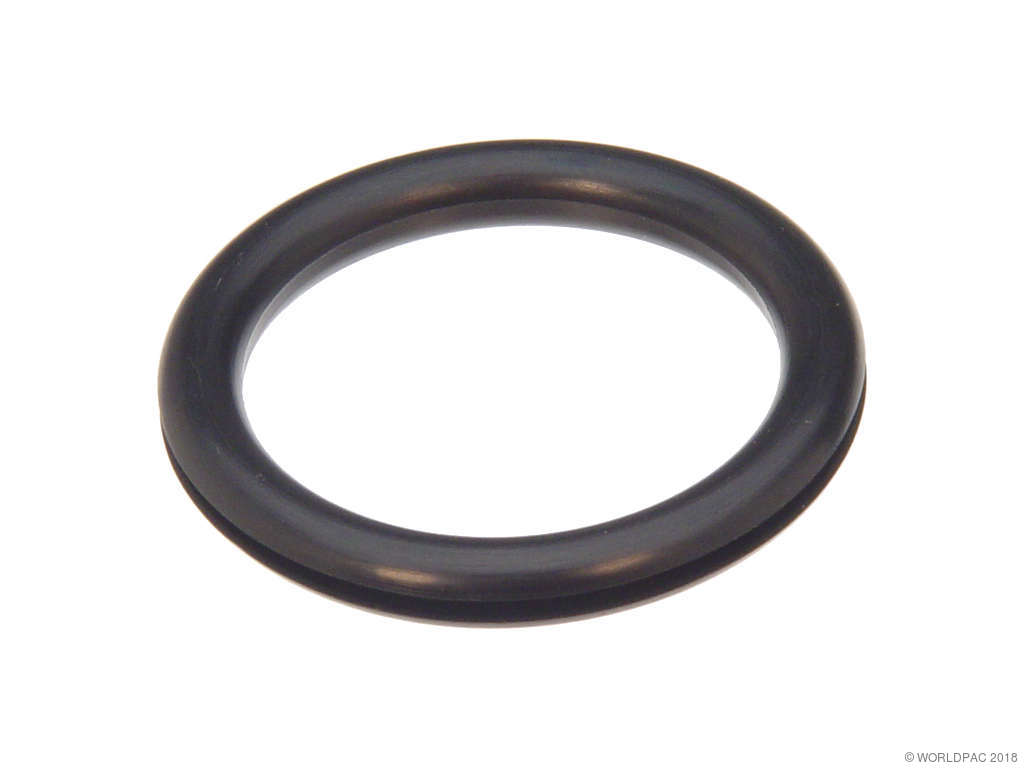
- Loose, Worn, or Incorrect Gas Cap 🔴 High Probability → Shop Fuel Tank Cap The rubber O-ring on the gas cap degrades over time, losing its ability to create a proper seal. Aftermarket caps are a frequent and well-documented cause of this code as they often don't seal as well as the OEM part.
How to confirm: First, ensure your current cap is tightened until it clicks several times. Inspect the rubber seal for cracks, stiffness, or damage. If there is any doubt, or if it's not a genuine Toyota cap, replace it.
Typical fix: Replace the gas cap with a new, genuine Toyota part (OEM). This is the most recommended first step by owners and mechanics.
Est. part cost: $25-$40 - Cracked or Disconnected EVAP Hoses 🔴 High Probability The numerous vacuum and vapor hoses on these trucks are old and become hard and brittle. They are highly susceptible to cracking, especially at connection points to valves and the charcoal canister. The hose running across the engine to the airbox is a commonly cited failure point.
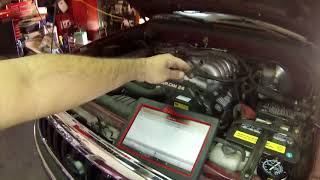
How to confirm: Visually inspect all accessible rubber hoses connected to the EVAP system components (purge valve, charcoal canister). Squeeze the hoses to reveal hidden cracks. A smoke test is the most definitive way to find a leak if it's not visually apparent. 🎬 Watch: A professional smoke test and diagnosis walkthrough.
Typical fix: Replace the cracked section of hose. It's often best to replace any hose that feels hard or brittle. Bulk vacuum hose is inexpensive.
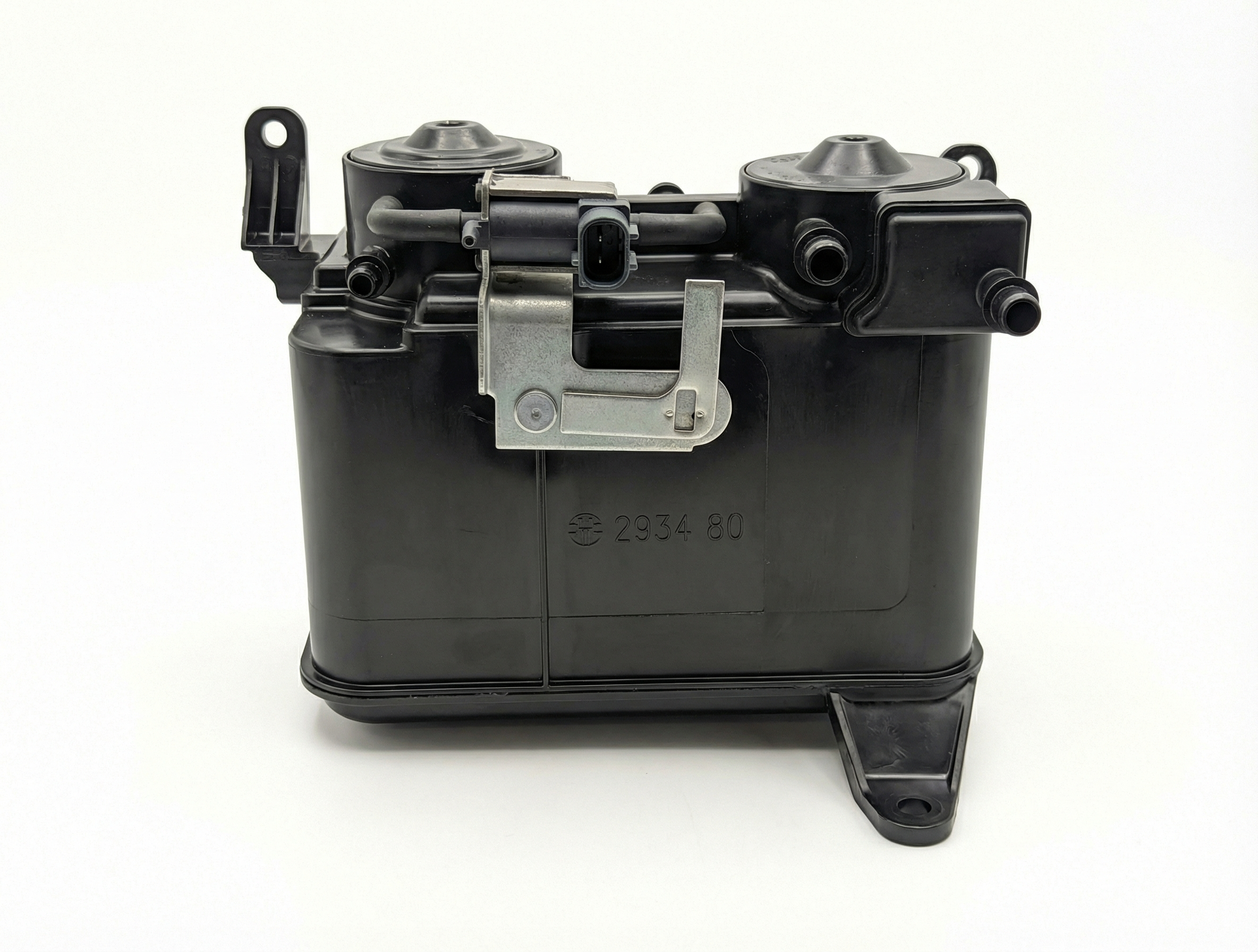
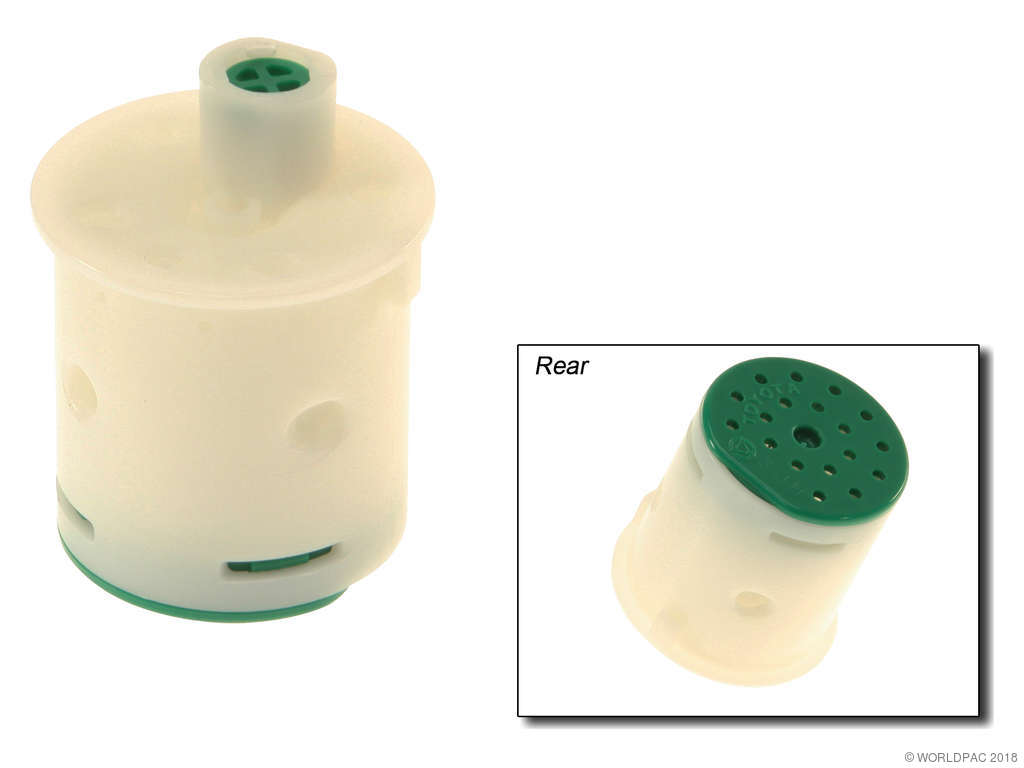
Est. part cost: $10-$50 for bulk vacuum hose - Failed Charcoal Canister 🟡 Medium Probability → Shop Vapor Canister The canister itself can crack from age, or the valves attached to it can fail. A common owner mistake is 'topping off' the fuel tank, which can force liquid gasoline into the canister, saturating the charcoal and ruining it. On 2001-2004 models, its location under the bed makes it prone to rust and impact damage.
How to confirm: Inspect the canister for physical cracks or severe rust. Check for the presence of charcoal pellets in the connected hoses by shaking it. A smoke test will often show smoke exiting a cracked canister. The associated vent and purge valves (VSVs) can also be tested.
Typical fix: Replace the entire charcoal canister assembly. This is often a costly part, so a smoke test is highly recommended to confirm failure first.
Est. part cost: $250-$450 - Faulty EVAP Purge Valve / VSV ⚪ Low Probability → Shop Vapor Canister The purge valve (often called a Vacuum Switching Valve or VSV by Toyota) can get stuck open or closed. It's an electromechanical part that can fail with age. There are multiple VSVs in the system.
How to confirm: The main purge valve is typically located in the engine bay on the passenger side. It can be tested by applying 12V power to its terminals; a healthy valve will make an audible 'click'. You can also use a hand vacuum pump to test if it holds vacuum when closed and allows air to pass when open.
Typical fix: Replace the faulty purge valve/VSV.
Est. part cost: $40-$80
Rare But Worth Checking
- Cracked Fuel Tank Filler Neck or Hose: → Shop Fuel Tank A smoke test can reveal leaks from rust on the metal filler neck or from age cracks in the flexible rubber hose connecting the neck to the tank. One owner on TacomaWorld found a leak in the filler neck and a hose from the canister to the gas tank using a smoke machine, fixing P0440 and P0446.
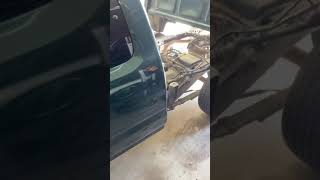
- Failed Fuel Tank Rollover / Check Valve: → Shop Fuel Tank A user on TacomaWorld with a 2002 Tacoma traced a persistent P0440 and gas smell to a cracked rollover valve on top of the fuel tank. 🎬 Watch: How to replace a cracked rollover valve. This is a known issue that requires lifting the truck bed or dropping the fuel tank for access. The correct part number for their Double Cab was for a 4Runner, indicating potential parts catalog errors.
- Animal Damage: In one documented case, rodents had chewed through the EVAP hoses on the charcoal canister assembly, causing a P0440 code. This is more common in vehicles that are parked outdoors for extended periods.
Diagnosis Steps
- Check the Gas Cap: Remove and reinstall the gas cap, ensuring it clicks multiple times. Clear the code and drive for a few days. If the code does not return, the issue was a loose cap.
- Inspect and Replace the Gas Cap: If the code returns, carefully inspect the gas cap's rubber O-ring for cracks or stiffness. If it is not a genuine Toyota cap, replace it with an OEM one as a first step, as aftermarket caps are notoriously problematic. Clear codes and re-evaluate.
- Visual Hose Inspection: Carefully inspect all visible EVAP vacuum hoses in the engine bay and around the charcoal canister. Look for obvious cracks, disconnections, or brittle sections. Pay close attention to the hoses connected to the purge VSV and the lines running over the engine.
- Test the Purge Valve (VSV): Locate the purge valve in the engine bay. Disconnect it and apply 12V from the battery to its two pins. You should hear a distinct click. If not, the valve is likely bad.
- Perform a Smoke Test: This is the most effective step. Feed low-pressure smoke into the EVAP system's service port (often a green cap in the engine bay) or a disconnected purge line. Watch for smoke escaping from cracked hoses, the canister body, the filler neck, or around the gas cap.
- Inspect Components Above Fuel Tank: If no leak is found, the issue may be on top of the fuel tank (rollover valve, fuel pump gasket). This is difficult to access and may require dropping the tank or lifting the bed. A smoke test should reveal leaks in this area.
- Inspect the Charcoal Canister: If the smoke test points to the canister, inspect it for cracks or rust. If you frequently 'top off' your gas tank, the canister may be saturated with fuel and require replacement.
Parts You'll Likely Need
- Fuel Tank Cap
(OEM #77310-48020 (Verify with VIN, may vary))— This is the most frequent cause of P0440. The original seal wears out, and aftermarket caps are notoriously unreliable. Using a genuine Toyota cap is highly recommended.
Trusted brands: Toyota (OEM)
OEM price range: $25-$40
Aftermarket price range: $10-$20 - Charcoal Canister Assembly
(OEM #77740-04010 (for 2001-2004 models, under-bed); 77740-35380 (for some earlier under-hood models). Always verify with VIN.)— A very common failure, either from physical cracks due to age/rust or from being saturated with fuel from overfilling the gas tank.
Trusted brands: Toyota (OEM)
OEM price range: $350-$450
Aftermarket price range: $150-$250 - EVAP Purge Solenoid (VSV)
(OEM #90910-12198 (common, but verify with VIN))— This valve, typically in the engine bay, controls the flow of vapors to the engine and can fail electrically or mechanically. It's a less common but known failure point.
Trusted brands: Toyota (OEM), Denso, Aisin
OEM price range: $60-$90
Aftermarket price range: $30-$50
Related Codes That Often Appear With This One
- P0441 — P0441 indicates 'Incorrect Purge Flow'. Since both codes relate to the EVAP system's function, a single failed component like a stuck purge valve or a significant leak can trigger both.
- P0446 — P0446 indicates 'Vent Control Circuit Malfunction'. This code often appears with P0440 when the issue is related to the charcoal canister or its associated vent valve and wiring, a very common combination on these trucks.
Technical Service Bulletins (TSBs) & Recalls
- EG013-02: Mentions P0440 for 1998-1999 Camry/Solara due to a faulty VSV, indicating a known issue with this component family in the same era.
- EG051-06: Addresses P0440 on other Toyota models due to corrosion on the fuel filler tube, a possible but less common cause on Tacomas.
- EG042-04: While for later model Tacomas, this TSB addresses P0441/P0446 by replacing a charcoal canister assembly due to a stuck-open vent valve, highlighting a common failure pattern for Toyota EVAP systems.
Platform-Specific Known Issues
- Charcoal Canister Location Change: The location of the charcoal canister is a key diagnostic difference. On approximately 1995-2000 models, it is often in the engine bay, usually on the passenger side. On 2001-2004 models, it is under the truck bed just ahead of the rear bumper, making it more vulnerable to corrosion and damage but also grouping it with other EVAP components.
Mechanic-Grade Diagnostic Values
- Resistance of VSV (Vacuum Switching Valve) for Canister Closed Valve (CCV) — expected: 25 – 30 Ω at 20°C (68°F). Failure: No continuity (open circuit) or resistance significantly outside the expected range.
- Resistance of general EVAP VSV coil — expected: Approximately 30-36 Ω. Failure: Infinite resistance (open), 0 ohms (short), or continuity from a terminal to the valve body.
- Voltage at VSV connector (positive pin to chassis ground) — expected: Battery voltage (approx. 12-14V) with key on.. Failure: Low or no voltage indicates a wiring or ECU issue. The ECU provides the ground to activate the valve.
Scan Tool Commands That Help
- Toyota Techstream: Evaporative System Check (Utility) — This is a guided, automated test that commands the various VSVs to seal the system, applies vacuum, and monitors for leak down. It can isolate a leak to the canister side or the tank side by sequentially closing different valves, which is invaluable for diagnosing a generic P0440 without a smoke machine.
- Toyota Techstream: Active Test -> Activate the VSV for EVAP — This allows a technician to manually open and close the purge valve or vent valve while observing system pressure or listening for the valve to click. It's used to confirm if a specific valve is responding to ECU commands.
Wiring & Ground Locations
- Ground Point EA — On the front left fender in the engine compartment.. A poor ground at this location can affect various engine bay components, including the VSVs that are controlled by the ECU.
- Ground Point EB — Near the throttle body in the engine compartment.. This is a critical ground point for engine sensors and actuators. A corroded or loose ground here could cause erratic behavior from the EVAP purge solenoid (VSV).
- VSV for EVAP Connector — Typically in the engine bay, connected to the intake manifold area.. This is the primary connector for testing the purge valve. One pin should have battery voltage with the key on, and the other is ground-switched by the ECU. Checking for voltage here is a key step in diagnosing a non-responsive valve.
Real Owner Repair Stories
- TacomaWorld user 'sramirez1516' (1st Gen Tacoma (year not specified)) — P0440 and P0446 codes.
❌ Tried (didn't work) Replaced multiple VSV valves, Replaced cracked hoses
✅ What actually fixed it A smoke test revealed leaks from the fuel filler neck and a hose running from the canister to the gas tank. Replacing the filler neck and the specific hose resolved the codes. - TacomaWorld user 'chiefO' (1st Gen Tacoma (year not specified)) — P0440 and P0446 codes, smoke test seemed to indicate a canister leak.
❌ Tried (didn't work) Initial diagnosis pointed to the charcoal canister.
✅ What actually fixed it Upon removing the canister, the user found it looked fine. Further inspection revealed a cracked fuel tank rollover valve (check valve) located on top of the gas tank. Replacing the rollover valve and its gasket was the correct fix. - YouTube channel 'au auto' (Older Toyota (model similar to Tacoma)) — Persistent P0440 code.
❌ Tried (didn't work) Replaced gas cap, Inspected engine bay hoses, Replaced some EVAP components with junkyard parts
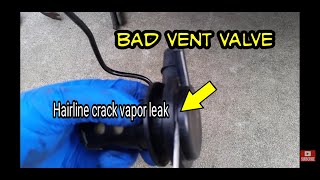
✅ What actually fixed it After dropping the fuel tank, a hairline crack was discovered on the fuel tank vent valve assembly that sits on top of the tank. Replacing this entire valve assembly finally fixed the code.
"I Checked Everything" — The Actual Cause
- A known failure pattern on 1st Gen Tacomas and similar Toyotas is a cracked fuel tank rollover/check valve. A smoke test may not reveal this leak clearly, or the smoke may appear to come from the nearby charcoal canister, leading to a misdiagnosis. The valve can fail internally, preventing the system from holding vacuum, and also develop external cracks causing a vapor leak and gas smell. Access requires dropping the fuel tank or lifting the bed.
When the Usual Fixes Don't Work
- While replacing the gas cap and checking for cracked hoses are the most common fixes, a significant number of owners have chased the P0440 code for months, only to find the true cause was a component on top of the fuel tank. In multiple documented cases, after replacing VSVs, hoses, and even the canister, the final fix was a cracked fuel tank rollover valve (also called a check valve). This repair is often overlooked because it requires the difficult job of either dropping the fuel tank or lifting the truck bed for access. A faint gas smell near the driver's side of the bed is a strong clue pointing to this specific failure.
OEM Part Supersession History
77310-01011, 77310-01012, 77310-06020→77310-48020— Part consolidation and design updates over many model years.
Heads up: While many caps are physically interchangeable, using the specific OEM part number is critical. This part number (77310-48020) is widely cited as the correct replacement for many Tacomas in this generation to solve P0440.
Model Year Variations Within This Range
- 1995-2000 (approx.): The charcoal canister and some related VSVs are typically located in the engine bay, on the passenger side fender wall. This makes visual inspection and hose replacement much easier than on later models.
- 2001-2004 (approx.): The charcoal canister assembly is located under the truck bed, near the spare tire. This makes it highly susceptible to rust and physical damage from road debris, but groups many EVAP components together. Diagnosing issues often requires safely lifting the rear of the vehicle.
Diagnostic Flowchart
Other Known Issues on This Vehicle
Issues unrelated to this code that are worth knowing about as an owner of this generation:
- Frame Rust Perforation 🔴 High — Extremely common, especially in the Rust Belt states. Led to a massive warranty extension/buyback program from Toyota. (Ref: Toyota extended the frame warranty to 15 years with unlimited mileage for 1995-2000 models, and later included 2001-2004 models for frame replacement.)
- Lower Ball Joint Failure 🔴 High — A critical safety issue, particularly on 2001-2004 models, where the joint can separate without warning, causing a loss of steering. (Ref: Toyota Recall No. 50J (NHTSA ID: 05V-225) was issued for 2001-2004 models. However, the design is a weak point across all 1st Gen 6-lug models.)
- Valve Cover Gasket Leaks 🟡 Low — Very common on the 5VZ-FE engine past 150,000 miles. The rubber gaskets harden with age and heat cycles, seeping oil onto the exhaust manifolds.
- Timing Belt Replacement (Maintenance Item) 🟠 Medium — A required maintenance item every 90,000 miles. While the 5VZ-FE is a non-interference engine (a snapped belt won't destroy the engine), it will leave the driver stranded.
Used vs. New Parts: Buying Guide for This Vehicle
When a used part is the smart pick: A used charcoal canister assembly can be a cost-effective option, especially for the expensive under-bed units (2001-2004). The key is to source it from a dry, salt-free climate to minimize the risk of rust and corrosion damage.
Donor-vehicle mileage cap: roughly under 150000 miles for the part to have meaningful remaining life.
What to inspect on the donor part:
- Visually inspect the plastic canister body for any cracks, especially around the mounting tabs and hose ports.
- Check for severe rust on any attached metal brackets or valves.
- Shake the canister; if you hear rattling, it may mean the internal charcoal bed has broken apart, and the part should be avoided.
- Ensure all electrical connectors and hose nipples are intact and not broken.
OEM-only on this vehicle (don't cheap out):
- Gas Cap: This is the number one recommendation across all forums. Aftermarket gas caps are a well-known cause of persistent P0440 codes on Toyotas.
- Rollover / Check Valve: Given the difficulty of accessing this part on top of the fuel tank, using a new OEM valve is strongly advised to avoid having to do the labor-intensive job a second time.
Aftermarket brands forum-validated for this vehicle:
- Denso (for VSVs)
- Aisin (for VSVs)
Brands owners have reported issues with on this vehicle:
- Unbranded/white-box gas caps
- The cheapest available charcoal canisters on sites like eBay or Amazon, as their internal valve quality can be questionable.
Real Owner Stories
Aggregated from forums and TSBs cited above. Mileages and costs reflect what owners reported in those sources.
2003 Toyota Tacoma
Symptoms: P0440 code present; difficulty replacing parts due to significant rust on the component housing.
What fixed it: Replacement of the entire under-bed charcoal canister assembly.
Source hint: Tacomaworld.com thread titled 'How-To: Replacing the Charcoal Canister'
2002 Toyota Tacoma
Symptoms: P0442, P0440, and P0446 codes; gas smell detected.
What fixed it: A smoke machine test identified a leak at the fuel tank rollover valve, which required attention above the fuel tank.
Source hint: YouTube video by user showing diagnostic on 2002 Tacoma with P0442/P0440/P0446
1995-2004 Toyota Tacoma
Symptoms: P0440 code with a noticeable gas smell; smoke test performed.
What fixed it: Found and repaired two leaks: one at the filler neck vent and another small hole in the rubber hose connecting the filler neck to the tank.
Source hint: Tacomaworld.com thread titled 'P0440 code'
Related OBD-II Codes
Frequently Asked Questions
Where is the charcoal canister located on my 1998 Toyota Tacoma?
Can I use an aftermarket gas cap to fix P0440 on my Tacoma?
Does TSB EG013-02 apply to my Tacoma's P0440 code?
Why is it difficult to fill my gas tank when I have a P0440 code?
Is there a specific hose I should check first on my Tacoma engine?
How does 'topping off' my gas tank affect the EVAP system?
Helpful Videos
Used OEM Parts in Stock
New Aftermarket Parts Available


The information in this article is provided for general reference and educational purposes only. Vehicle specifications, procedures, and part compatibility can vary by production date, trim level, and region. Always consult your vehicle's factory service manual and verify part numbers before purchasing or performing repairs. Safety-critical components such as airbags, seat belts, and braking systems should be installed by a qualified professional.
- Toyota Tacoma:
- 🧭 Diagnostic Flowchart
- 🎬 Helpful Videos
- 🛍️ Shop This Part
- What's Unique About the 1995-2004 Toyota Tacoma
- Symptoms You May Notice
- Most Likely Causes
- Rare But Worth Checking
- Diagnosis Steps
- Parts You'll Likely Need
- Related Codes That Often Appear With This One
- Technical Service Bulletins (TSBs) & Recalls
- Platform-Specific Known Issues
- Mechanic-Grade Diagnostic Values
- Scan Tool Commands That Help
- Wiring & Ground Locations
- Real Owner Repair Stories
- "I Checked Everything" — The Actual Cause
- When the Usual Fixes Don't Work
- OEM Part Supersession History
- Model Year Variations Within This Range
- Other Known Issues on This Vehicle
- Used vs. New Parts: Buying Guide for This Vehicle
- Real Owner Stories
- 2003 Toyota Tacoma
- 2002 Toyota Tacoma
- 1995-2004 Toyota Tacoma
- Related OBD-II Codes
- Frequently Asked Questions
- 🎟️ Get 5% Off