

P0440 on 2002-2014 Volvo XC90: EVAP System Malfunction Causes and Fixes
For a 2002-2014 Volvo XC90, code P0440 is most often caused by a loose or faulty gas cap, or cracked EVAP hoses near the charcoal canister. Always check the gas cap first; if that doesn't fix it, a visual inspection for cracked rubber hoses, particularly in the rear driver's side wheel well, is the next step. A smoke test is the definitive way to find the leak.
- Always check the gas cap first. Make sure it's tight and the seal is intact. This is the simplest and most common fix.
- If the gas cap isn't the issue, perform a careful visual inspection of the rubber EVAP hoses, especially the 'J-hose' near the charcoal canister in the rear of the car. Cracks are very common.
- The Canister Purge Valve (in the engine bay) and the Leak Detection Pump (by the spare tire) are the next most likely electronic components to fail.
- If you can't find the leak visually, a professional smoke test is the fastest way to pinpoint the exact source and avoid replacing unnecessary parts.
What's Unique About the 2002-2014 Volvo XC90
The first-generation Volvo XC90 uses a Leak Detection Pump (LDP) to pressurize the fuel system and check for leaks. Many P0440 codes on this platform are traced back to simple, age-related failures of rubber components. Brittle, cracked EVAP hoses, particularly the 'J-hose' and others near the charcoal canister located behind the rear driver's side wheel well liner, are a very common failure point specific to this era of Volvos. While the gas cap is a universal weak point, these specific hoses should be high on your inspection list for any P2 platform vehicle.
Symptoms You May Notice
- Check Engine Light is on
- A noticeable smell of fuel around the vehicle, particularly after starting or when sitting.
- Difficulty refueling (the gas pump nozzle clicks off before the tank is full).
- Slightly reduced fuel efficiency.
- Audible vacuum leak or hissing sound near the canister or engine bay.
- Hard starting, rough idle, or stalling immediately after refueling.
- Replacing the oxygen (O2) sensors. O2 sensors are not related to the EVAP system.
- Replacing the charcoal canister when the problem is just a simple cracked hose connected to it.
- Assuming the code means a large, expensive component has failed without first checking the gas cap and inspecting hoses.
Most Likely Causes
- Loose or Faulty Gas Cap 🔴 High Probability → Shop Fuel Tank Cap The gas cap seal degrades over time, preventing a proper seal. These Volvos are known to be sensitive to non-OEM caps, which may not seal correctly.
How to confirm: Ensure the cap is tightened until it clicks at least three times. Inspect the rubber O-ring seal for cracks, stiffness, or brittleness. If in doubt, it's an inexpensive part to replace as a first step.
Typical fix: Replace the gas cap with a new, preferably Genuine Volvo or OEM-spec part. Clear the code and drive for a few days.
Est. part cost: $20-$50 - Cracked or Disconnected EVAP Hoses 🔴 High Probability Rubber hoses, especially the 'J-hose' and others around the charcoal canister, become brittle and crack with age and heat exposure. This is a well-documented issue on the P2 platform. The canister and its hoses are located behind the rear driver's side wheel well liner, exposing them to road debris and moisture.
How to confirm: Visually inspect all accessible EVAP lines from the engine bay to the rear of the vehicle. For a thorough check, remove the rear driver's side wheel and wheel well liner to access the charcoal canister and its associated hoses. A smoke test is the definitive method if a crack is not visible.
Typical fix: Replace the cracked section of hose. Hoses are often sold in pre-formed shapes for a direct fit. Some owners use generic vacuum hose of the same diameter as a cheaper alternative.
Est. part cost: $30-$100 - Faulty Canister Purge Valve / Solenoid 🟡 Medium Probability → Shop Vapor Canister This electronic valve, typically located in the engine bay near the intake manifold, can get stuck open or closed, disrupting the flow of fuel vapors. It is a common failure item across many Volvo models. A stuck-open valve is a primary cause of hard starting after refueling.
How to confirm: With the engine running, you can sometimes feel or hear it clicking. A scan tool can command it to open and close to test functionality. It can also be removed and tested for operation with a 12V source and by attempting to blow air through it (it should be closed with no power).
Typical fix: Replace the canister purge valve. The location varies slightly by engine (2.5T, 3.2L, V8) but is generally accessible in the engine bay. 🎬 See how to locate and replace the V8 purge valve.
Est. part cost: $60-$150 - Faulty Leak Detection Pump (LDP) 🟡 Medium Probability → Shop Evaporative Emissions System Leak Detection Pump The LDP is a mechanical pump with a diaphragm that can fail over time, preventing the system from being properly pressurized for its self-test. Its location under the car makes it vulnerable to rust and debris.
How to confirm: The LDP is located near the spare tire, just behind it and above the rear axle. A Volvo-specific scan tool (like VIDA) can activate the pump to test it. Failure to activate or related codes (like P2402 / ECM-433D) point to a bad pump.
Typical fix: Replace the Leak Detection Pump. This requires lowering or removing the spare tire for access but is a straightforward bolt-off, bolt-on repair. 🎬 Watch: A quick walkthrough on replacing the Leak Detection Pump.
Est. part cost: $70-$200
Rare But Worth Checking
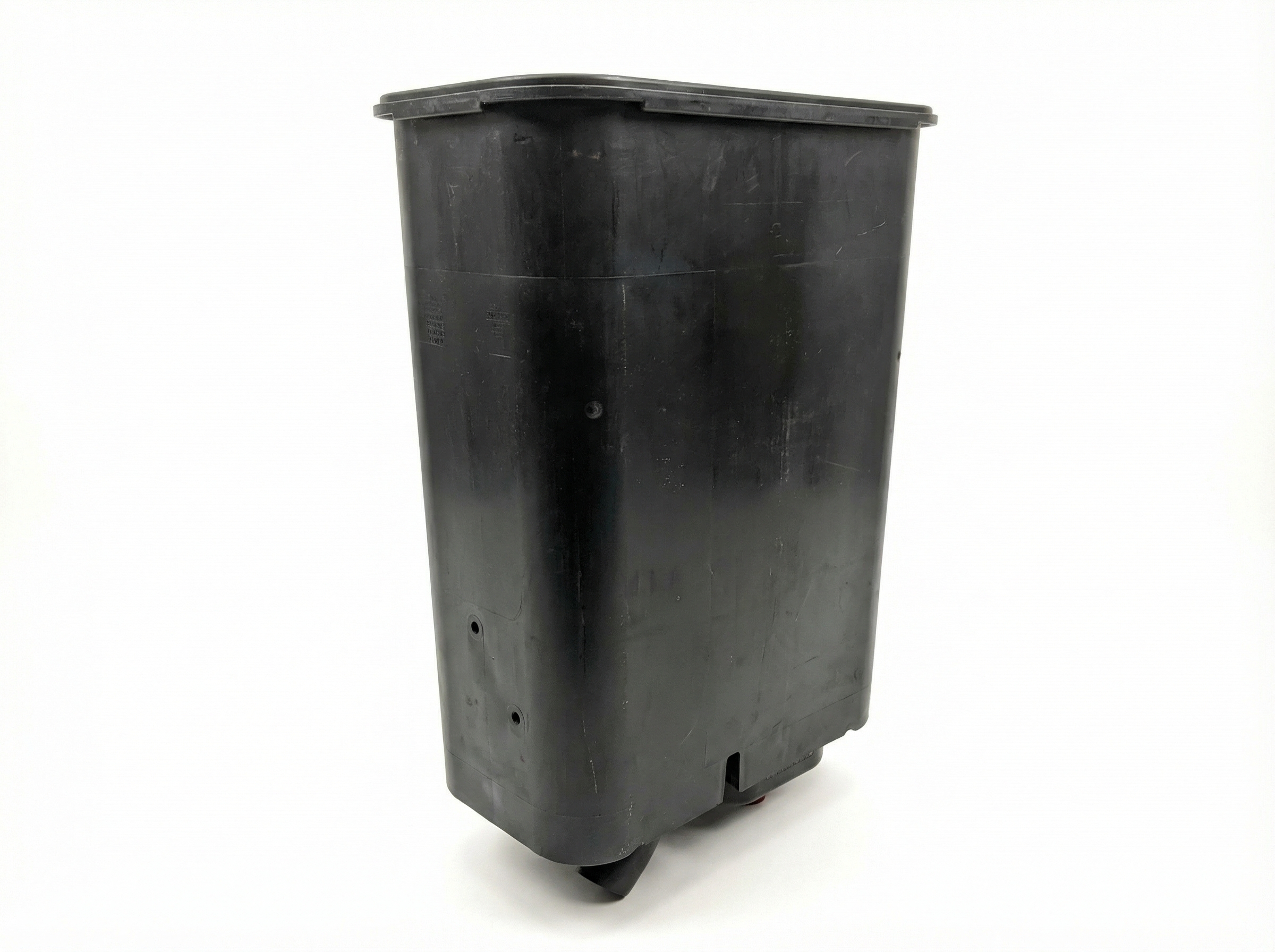
- Cracked Charcoal Canister: → Shop Vapor Canister The canister itself can crack from road debris impact or age. Overfilling the fuel tank repeatedly can also saturate the charcoal with liquid fuel, ruining it and causing blockages or other EVAP codes.
- Damaged Fuel Filler Neck: → Shop Fuel Filler Neck Rust or damage to the metal filler neck can prevent the gas cap from sealing properly, causing a leak that triggers the code. This is more common in regions with heavy road salt usage.
- Insect/Debris Blockage: Spiders or other insects have been known to build nests inside the EVAP vent lines or vent solenoid, causing a blockage that can trigger a system malfunction code.
- Faulty Fuel Tank Pressure (FTP) Sensor: → Shop Fuel Tank The sensor that reads the pressure in the tank can fail, sending incorrect data to the ECM and tricking it into setting a P0440 code even if no leak exists.
Diagnosis Steps
- Read the Codes: Use an OBD-II scanner to confirm P0440 and check for any other related codes like P0455, P0442, or P2402.
- Inspect the Gas Cap: Remove the gas cap, inspect the seal for cracks or damage, and retighten it until it clicks several times. Clear the code and drive for a few days. If the cap is old or the seal is suspect, replace it with a Genuine Volvo cap (P/N: 31392044 or supersession).
- Visual Inspection of Hoses: Perform a thorough visual inspection of all accessible EVAP hoses. Pay special attention to the area behind the driver's side rear wheel; remove the wheel and the plastic wheel well liner to get a clear view of the charcoal canister, J-hose, and other connecting lines. Look for obvious cracks, especially at bends.
- Inspect the Purge Valve: Locate the purge valve in the engine bay. Check its electrical connector and listen/feel for a clicking sound while the engine is running. A stuck valve may cause a rough idle. If you experience hard starting after refueling, the purge valve is a primary suspect.
- Inspect the Leak Detection Pump (LDP): Lower the spare tire to gain access to the LDP, located above the rear axle. Check its hoses and electrical connection for damage. The pump itself is a common failure point.
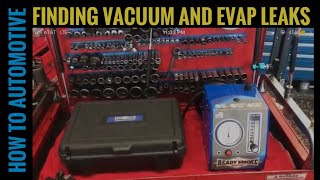
- Perform a Smoke Test: If no obvious faults are found, a smoke test is the most effective next step. This involves injecting pressurized smoke into the EVAP system (usually via the purge valve line) and watching for where it escapes, pinpointing the exact location of the leak. 🎬 Watch: How to use a smoke machine for definitive diagnosis.
Parts You'll Likely Need
- Gas Cap
(OEM #31392044 (supersedes 30636587, 8613986, etc.))— This is the most frequent and cheapest cause of EVAP codes due to seal degradation. It's the easiest first part to replace.
Trusted brands: Genuine Volvo
OEM price range: $30-$50
Aftermarket price range: $15-$30 - EVAP Canister Purge Valve
(OEM #8653908)— This valve controls vapor flow and can stick, causing a system malfunction. The part number is consistent across many P2 models.
Trusted brands: Bosch, Genuine Volvo
OEM price range: $100-$150
Aftermarket price range: $60-$90 - Leak Detection Pump (LDP)
(OEM #30774518)— This pump pressurizes the system for testing and is a common failure point due to its location and mechanical nature.
Trusted brands: Bosch, Genuine Volvo
OEM price range: $150-$200
Aftermarket price range: $70-$120 - EVAP J-Hose
(OEM #9141323 (example, may vary))— This specific hose near the charcoal canister is known to become brittle and crack, causing a leak. Often must be visually matched or purchased as part of a larger hose assembly.
Trusted brands: Genuine Volvo
OEM price range: $30-$60
Aftermarket price range: $20-$40
Related Codes That Often Appear With This One
- P0455 — P0455 indicates a large EVAP leak. P0440 is a general malfunction code, and if the fault is a significant leak, P0455 may be triggered alongside it.
- P0442 — P0442 indicates a small EVAP leak. It can appear with P0440 if the system detects a general fault that happens to be a small leak.
- P2402 — This code specifically points to a fault in the Leak Detection Pump (LDP) control circuit, often appearing when the LDP itself has failed. In Volvo's diagnostic system, this may appear as ECM-433D.
Platform-Specific Known Issues
- source — A user on VolvoForums with a 2007 XC90 3.2L reported getting code P2402, which points to the Leak Detection Pump. They purchased a Bosch replacement unit for $66, removed the spare tire, and found the pump easily accessible. The replacement was described as 'super easy,' involving two 8mm bolts and swapping the bracket over. After clearing the codes, the car passed inspection after a few drive cycles.
Mechanic-Grade Diagnostic Values
- Canister Purge Valve Solenoid Resistance — expected: Approximately 21-30 Ohms. Failure: A reading significantly outside this range, or an open circuit (infinite resistance), indicates a failed solenoid coil.
- Fuel Tank Pressure (FTP) Sensor Voltage — expected: Approximately 1.3V - 1.7V with key on, engine off (KOEO) at atmospheric pressure.. Failure: Voltage stuck near 0V or 5V indicates a sensor or wiring fault. The voltage should change when vacuum or pressure is applied to the system.
Hidden / Shadow Codes Worth Checking
- ECM-433D: Leakage diagnostic unit, pump - Signal too low. This is a Volvo-specific code that corresponds to the generic OBD-II code P2401, indicating a problem in the Leak Detection Pump (LDP) control circuit. (see via Volvo-specific scan tool like VIDA/DiCE.)
- ECM-432D: Leak diagnostic unit, valve - Signal too low. This corresponds to the generic OBD-II code P2419, pointing to an issue with the EVAP system switching valve control circuit. (see via Volvo-specific scan tool like VIDA/DiCE.)
Scan Tool Commands That Help
- Volvo VIDA: Quick test of fuel tank system — Use this to have the car perform its own sealed system test without a smoke machine. Navigate to Vehicle Communication > Advanced > 'Quick test of fuel tank system'. The software will command the LDP to pressurize the tank and will report the result as 'Major leak', 'Minor leak', or 'System fine'.
- Volvo VIDA: Component Activation (Purge Valve, LDP) — To individually test components. You can command the purge valve to cycle or the LDP to run to confirm they are receiving a signal and are mechanically functioning. This is useful for isolating a failed part from a wiring issue.
Wiring & Ground Locations
- Main Engine Ground Strap — A large, heavy-gauge strap running from the transaxle to the vehicle's frame/subframe.. A poor main ground can cause erratic behavior in multiple electronic modules, including the ECM that controls the EVAP system. This can lead to false codes and unpredictable component operation.
- Secondary Engine Ground Strap — A smaller ground strap running from the engine's valve cover to the firewall/bulkhead.. This ground is critical for sensors and components located on the top of the engine. Corrosion on the valve cover connection point is common and can cause intermittent electrical faults and seemingly random trouble codes.
- EVAP Purge Valve Connector — Located on the purge valve itself, typically in the engine bay on the left side of the engine compartment.. This is the connection point for testing the purge valve circuit. A wiring diagram for a 2008 V8 model shows it connects directly to the ECM, allowing for voltage and continuity checks.
- Ground Point G93 — On the left side of the engine compartment, on the strut tower (for 2008 models).. This is a common chassis ground point for various components in the engine bay. Ensuring it is clean and tight is a key step in diagnosing any electrical fault.
Real Owner Repair Stories
- volvoXC.com forum user 'T-Hol' (2005 Volvo XC90 2.5T AWD) — Check Engine Light with codes P2401 (ECM-433D) and P2419 (ECM-432D).
❌ Tried (didn't work) Replacing the Leak Detection Pump (LDP).
✅ What actually fixed it The issue was not resolved in the thread, but the key takeaway is that replacing the LDP did NOT fix the LDP-related codes. This points to a wiring or ECM fault, a crucial diagnostic step for others who might assume the pump is the only cause. - VolvoForums user 'Zimbo' (1997 Volvo (model not XC90, but P0440 logic is identical)) — P0440 code and hard starting after filling the gas tank.
❌ Tried (didn't work) A shop performed a smoke test and found no leaks., The shop replaced the gas cap based on the clean smoke test.
✅ What actually fixed it The code returned after the gas cap replacement. The combination of a clean smoke test and hard starting after refueling strongly implies the canister purge valve was stuck open, a condition a smoke test may not catch but which directly causes this specific symptom. The final fix was not posted, but the evidence points squarely at the purge valve.
"I Checked Everything" — The Actual Cause
- A common scenario for P0440 on this platform is a faulty canister purge valve that is stuck open. When a smoke test is performed with the engine off, the purge valve is normally closed, so the system appears sealed and the test passes. However, the stuck-open valve creates a vacuum leak when the engine is running and allows excess fuel vapor into the intake after refueling, causing a hard start and eventually triggering the P0440 code for system malfunction. If your smoke test is clean but you have hard starting after fill-ups, the purge valve is the most likely culprit.
OEM Part Supersession History
30636587, 8613986, 31321925, and others→31392044— Part consolidation and design updates over the vehicle's long production run.
Heads up: Some very early models may have used a smaller 2.5-inch gas cap. The current replacement cap (31392044) and its associated tether (31336424) are for the larger 2.75-inch filler neck opening. Ensure you are replacing with the correct size.
Model Year Variations Within This Range
- 2002-2014: The physical location of the EVAP canister purge valve can vary slightly depending on the engine (2.5T, 3.2L, or 4.4L V8). For example, on the V8, it is located on the back of the engine and requires removing an upper engine mount to access, while on the 3.2L it is more accessible on the driver's side of the engine bay.
Diagnostic Flowchart
Other Known Issues on This Vehicle
Issues unrelated to this code that are worth knowing about as an owner of this generation:
- T6 (GM 4T65EV) Transmission Failure 🔴 High — Very common on 2003-2005 T6 models, often failing before 100,000 miles. The GM-sourced transmission was not robust enough for the engine's torque and vehicle's weight. (Ref: No official recall, but subject of class-action lawsuits.)
- Angle Gear / Bevel Gear Collar Sleeve Failure 🔴 High — Common on all AWD models. The splined sleeve connecting the transmission to the angle gear for the AWD system strips out, resulting in loss of AWD. Can happen at any mileage.
- Differential Electronic Module (DEM) Failure 🟠 Medium — Common on AWD models. The DEM, which controls the AWD system, is mounted on the rear differential and is prone to failure from water intrusion, corrosion, or internal shorts from a failing Haldex pump. This results in an 'Anti-Skid Service Required' message and loss of AWD.
- Premature Wheel Bearing Failure 🟠 Medium — Frequently reported by owners. The front and rear wheel bearings can fail prematurely, sometimes in as little as 60,000-80,000 miles, causing a humming or grinding noise that changes with speed.
- Sunroof Drain Clogs and Water Leaks 🟠 Medium — Common across all years. The sunroof drain tubes become clogged with debris, causing water to back up and leak into the cabin, potentially damaging the CEM (Central Electronic Module) or other electronics.
Used vs. New Parts: Buying Guide for This Vehicle
When a used part is the smart pick: Used parts can be a smart choice for larger, non-electronic components like the charcoal canister or the fuel filler neck, provided they are visually inspected for cracks or rust. A used Leak Detection Pump (LDP) can also be a viable budget option, as it is a simple mechanical pump.
Donor-vehicle mileage cap: roughly under 120000 miles for the part to have meaningful remaining life.
What to inspect on the donor part:
- For hoses: Check for flexibility; squeeze the hose to ensure it is not hard, brittle, or showing surface cracks.
- For charcoal canister: Inspect the plastic housing thoroughly for any hairline cracks or signs of impact. Shake it to ensure it doesn't rattle, which could indicate broken internal charcoal.
- For LDP: Check for heavy corrosion on the housing and ensure the electrical connector pins are clean and straight.
OEM-only on this vehicle (don't cheap out):
- Gas Cap: Aftermarket gas caps are notoriously problematic on Volvos and often do not seal correctly, causing the code to return. It is strongly recommended to use a Genuine Volvo cap (P/N 31392044).
Aftermarket brands forum-validated for this vehicle:
- Bosch: As the Original Equipment Manufacturer (OEM) for the Leak Detection Pump (LDP) and Fuel Pressure Sensor, Bosch parts are considered equivalent to Genuine Volvo quality.
- Delphi: Reported to be the OEM for the purge valve; buying a Delphi-branded valve is often the same part as Genuine Volvo but at a lower cost.
Brands owners have reported issues with on this vehicle:
- URO Parts: While very inexpensive, forum members report inconsistent quality, especially for rubber parts like hoses which can become brittle or fail prematurely. Use with caution for non-critical components where failure is an inconvenience rather than a driveability issue.
Real Owner Stories
Aggregated from forums and TSBs cited above. Mileages and costs reflect what owners reported in those sources.
2007 Volvo XC90 3.2L
Symptoms: Vehicle triggered code P2402, indicating an issue with the Leak Detection Pump.
What fixed it: Replaced the Leak Detection Pump with a Bosch unit. The repair involved removing the spare tire and swapping the bracket using two 8mm bolts.
Cost: $60-$70
Source hint: volvoforums.com thread titled 'P2402 code - Leak Detection Pump'
2011 Volvo XC90
Symptoms: Leak Detection Pump (LDP) failure.
What fixed it: Replacement of the Leak Detection Pump (LDP) located behind the spare tire.
Source hint: volvoXC.com DIY guide '2011 XC90 Leak Detection Pump replacement'
Volvo 850 (P2 Platform relative)
Symptoms: Check engine light with code P0440 and a strong fuel smell.
What fixed it: The owner noted the code appeared after installing a non-factory gas cap, suggesting a return to OEM parts is necessary.
Source hint: volvoforums.com thread 'Fuel smell, P0440 CEL'
Related OBD-II Codes
Frequently Asked Questions
Why does my XC90 have trouble starting specifically after I fill up the gas tank?
I replaced my gas cap with one from a local auto parts store, but the P0440 code is still there. Why?
Where is the charcoal canister located on the XC90 if I need to check for cracked hoses?
Is there a specific way I should tighten the gas cap on my 2002-2014 XC90?
Where is the Leak Detection Pump (LDP) located, and is it hard to replace?
Can a bad purge valve cause a rough idle on my XC90?
Helpful Videos

We Have This Part in Stock

The information in this article is provided for general reference and educational purposes only. Vehicle specifications, procedures, and part compatibility can vary by production date, trim level, and region. Always consult your vehicle's factory service manual and verify part numbers before purchasing or performing repairs. Safety-critical components such as airbags, seat belts, and braking systems should be installed by a qualified professional.
- Volvo XC90:
- 🧭 Diagnostic Flowchart
- 🎬 Helpful Videos
- 🛍️ Shop This Part
- What's Unique About the 2002-2014 Volvo XC90
- Symptoms You May Notice
- Most Likely Causes
- Rare But Worth Checking
- Diagnosis Steps
- Parts You'll Likely Need
- Related Codes That Often Appear With This One
- Platform-Specific Known Issues
- Mechanic-Grade Diagnostic Values
- Hidden / Shadow Codes Worth Checking
- Scan Tool Commands That Help
- Wiring & Ground Locations
- Real Owner Repair Stories
- "I Checked Everything" — The Actual Cause
- OEM Part Supersession History
- Model Year Variations Within This Range
- Other Known Issues on This Vehicle
- Used vs. New Parts: Buying Guide for This Vehicle
- Real Owner Stories
- 2007 Volvo XC90 3.2L
- 2011 Volvo XC90
- Volvo 850 (P2 Platform relative)
- Related OBD-II Codes
- Frequently Asked Questions
- 🎟️ Get 5% Off