

P0441 on 2018-2020 Acura TLX: EVAP Purge Flow Malfunction Causes and Fixes
For the 2018-2020 Acura TLX with the 3.5L V6 engine, code P0441 is almost always caused by a faulty EVAP Purge Control Solenoid Valve. Acura has issued a Technical Service Bulletin (TSB #B23-035) for this known issue, which also affects other Honda and Acura models with the same engine. Replacing the defective valve (original part 36162-5G0-A01) with the updated version (36162-5G0-A02) is a straightforward, low-cost repair that can be done by a DIYer in under an hour.
- P0441 on a 2018-2020 TLX is a known issue with a specific fix.
- The most likely cause by far is a faulty EVAP Purge Control Solenoid Valve, as documented in Acura TSB #B23-035.
- Do not waste money on other parts like a new gas cap or charcoal canister until you have replaced the purge valve.
What's Unique About the 2018-2020 Acura TLX
This is a very common and well-documented issue on the 2018-2020 Acura TLX and its platform-mates. Acura and Honda have released Technical Service Bulletins (TSBs) acknowledging that the original purge control solenoid valve (part number 36162-5G0-A01) is defective. The cause is a manufacturing variation in an internal spring, which leads to uneven wear and causes the valve to stick intermittently. This makes the purge valve the primary suspect by a wide margin 🎬 Watch: A quick explanation of the P0441 code on Acura vehicles., unlike in other vehicles where P0441 might have a broader range of common causes.
Diagnostic Flowchart
Tap your situation to follow the diagnostic path that matches what you're seeing on this vehicle.
Symptoms You May Notice
- Check Engine Light is on
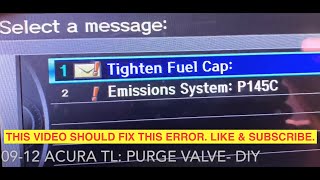
- Dashboard message 'emission systems problem'.
- Other dashboard warnings may appear simultaneously, such as 'electric braking problem'.
- Slight fuel odor (rare).
- Rough idle (rare)
- Difficulty starting after refueling (rare)
- Replacing the gas cap when the purge valve is the actual, documented failure point.
- Replacing the entire EVAP charcoal canister when only the purge valve is faulty.
- Performing a smoke test to find a leak, which is unnecessary when the TSB points directly to a component failure.
Most Likely Causes
- Faulty EVAP Purge Control Solenoid Valve 🔴 High Probability → Shop Vapor Canister Acura TSB #B23-035 explicitly states that 'Due to variations in the purge control solenoid valve spring, the valve wears unevenly and intermittently sticks. This may result in setting DTC P0441'. The original, failure-prone part is 36162-5G0-A01.
How to confirm: Locate the valve in the engine bay, typically mounted to the intake manifold with two 10mm bolts. With the engine off, it should be closed (no vacuum passes through). You can test it with a hand-held vacuum pump or by applying 12V to its connector to see if it clicks open and closed. Given the known issue and low part cost, direct replacement is the most efficient diagnostic step.
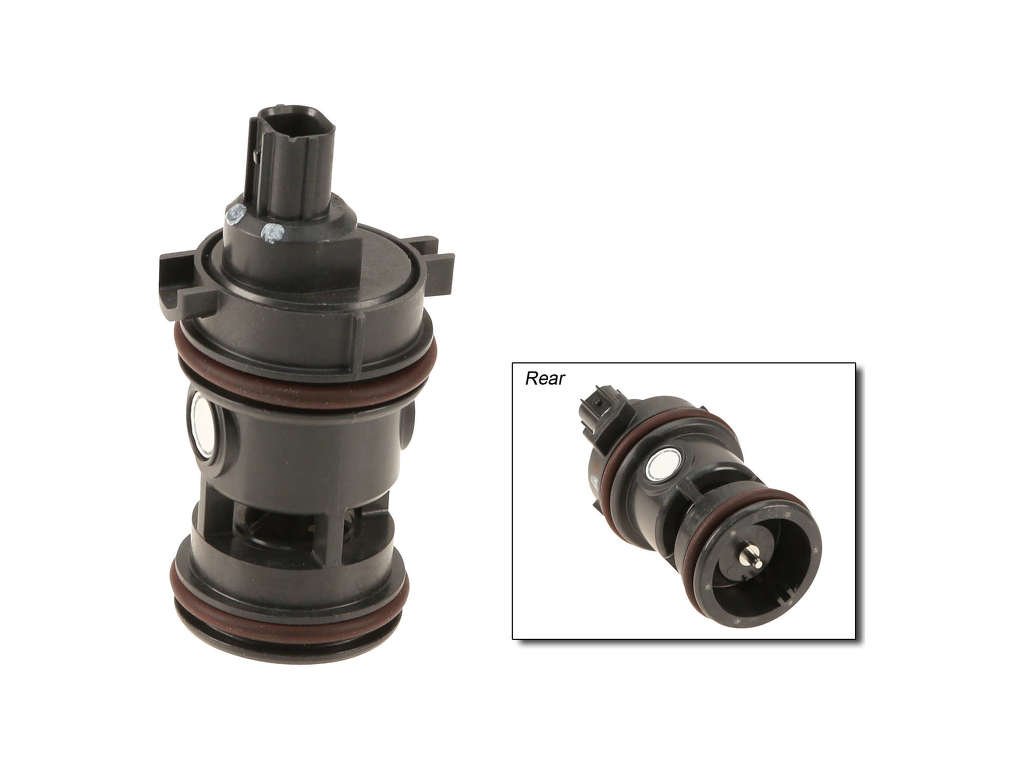
Typical fix: Replace the purge control solenoid valve with the updated OEM part (36162-5G0-A02).
Est. part cost: $35-$70 - Loose or Faulty Gas Cap ⚪ Low Probability → Shop Fuel Tank Cap While possible on any vehicle, this is an unlikely cause for P0441 on this specific model. The capless fuel filler system on the TLX can still have sealing issues, but a different code like P0455 or P0457 is more common for a leak at the filler neck.
How to confirm: Inspect the capless fuel filler neck for debris or damage that could prevent a proper seal. A different code, like P0457, is more common for a loose cap, but it's a simple first check.
Typical fix: Clean the fuel filler neck or replace the gas cap assembly if damaged.
Est. part cost: $20-$40 - Cracked or Disconnected EVAP Hose ⚪ Low Probability
How to confirm: Visually inspect the small rubber hoses connected to the purge valve and running towards the back of the vehicle for any visible cracks, brittleness, or loose connections.
Typical fix: Replace the damaged section of hose.
Est. part cost: $5-$20
Rare But Worth Checking
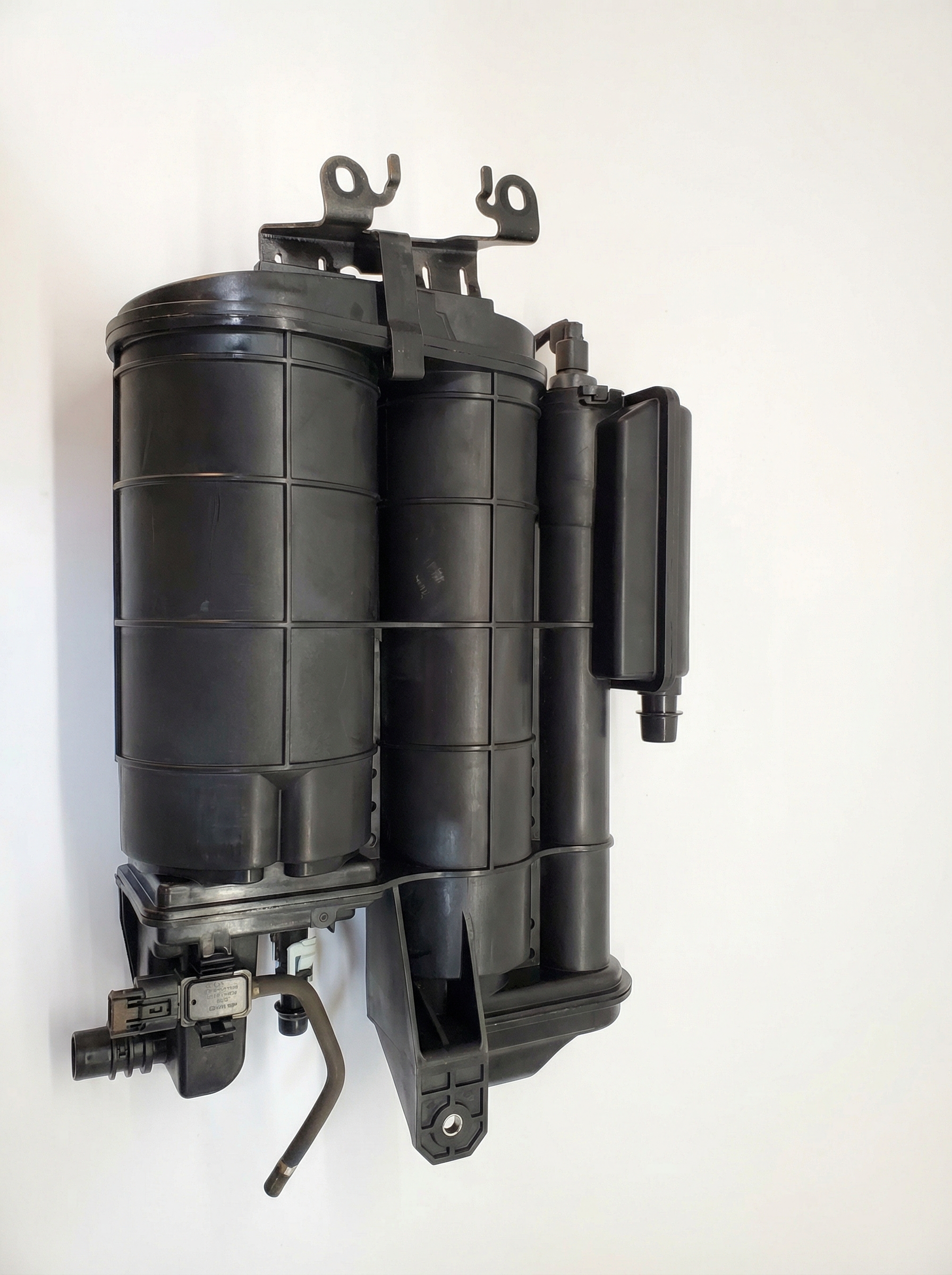
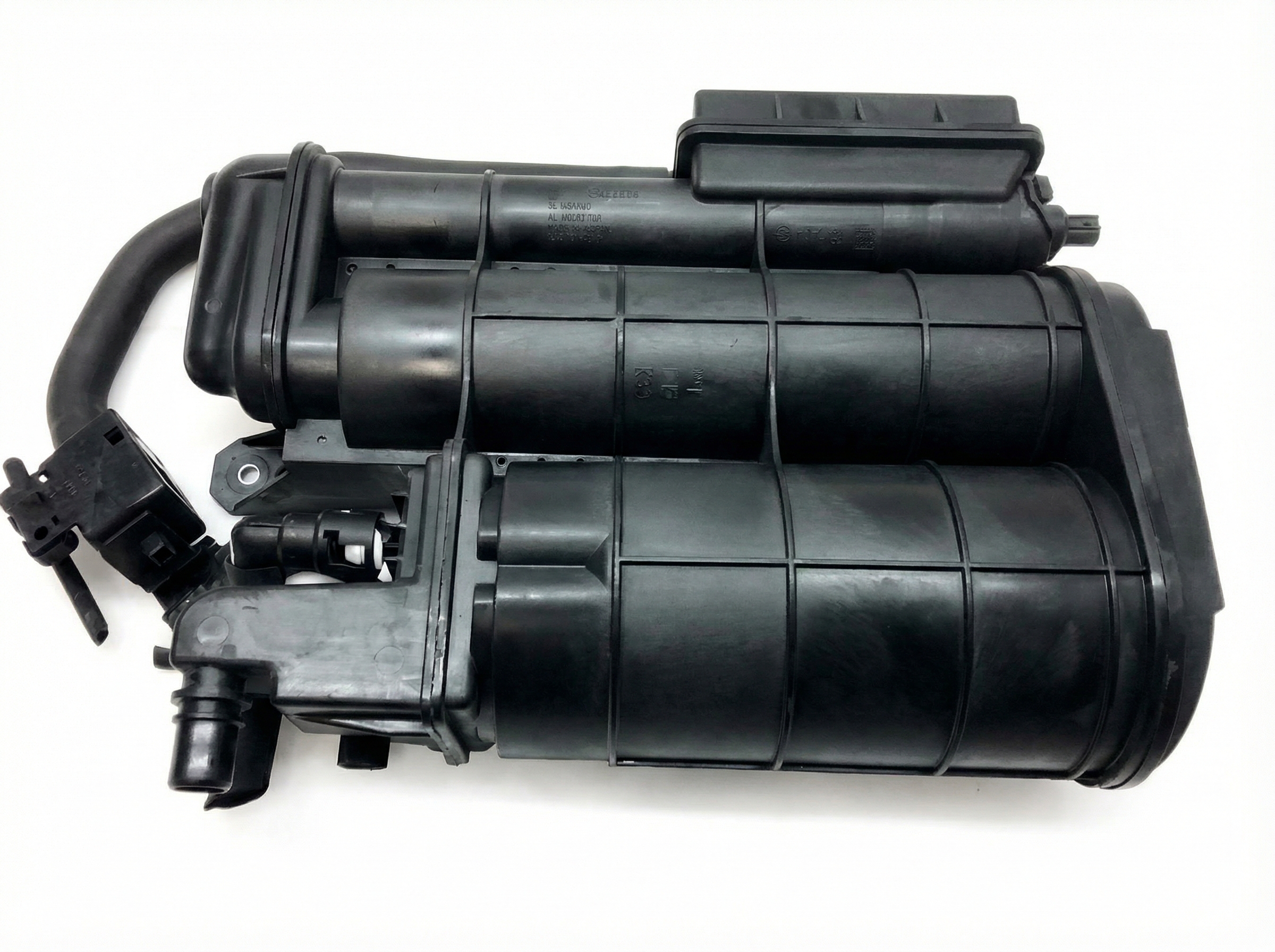
- Clogged EVAP Canister: → Shop Vapor Canister This can happen if you consistently 'top off' your fuel tank after the pump clicks off, which can force liquid gasoline into the charcoal canister, saturating it and causing a blockage.
- Faulty EVAP Canister Vent Solenoid: → Shop Vapor Canister This valve works with the purge solenoid to control vapor flow. If it's stuck closed, it can prevent the purge valve from drawing vapors correctly.
- Faulty EVAP Pressure Sensor: A faulty pressure sensor could send incorrect data to the ECM, leading to a P0441 code. However, this will usually be accompanied by other pressure-sensor-specific codes.
Diagnosis Steps
- Read the code with an OBD-II scanner to confirm P0441 is the only code present. If other EVAP codes are present, diagnosis may be more complex.
- Check the capless fuel filler neck for debris and ensure it closes properly.
- Visually inspect the EVAP hoses in the engine bay connected to the purge valve for cracks or disconnection.
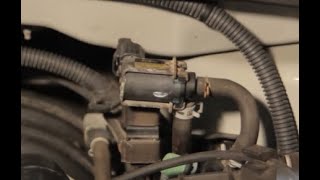
- Locate the EVAP Purge Control Solenoid Valve. On the 3.5L V6, it is mounted on the intake manifold, easily accessible after removing the plastic engine cover.
- Given the high probability from TSB B23-035, the most direct approach is to replace the purge control solenoid valve. The repair involves removing the engine cover, disconnecting the electrical connector, using pliers to move the spring clamp on the hose, and removing two 10mm bolts.
- (Optional) Test the old valve before replacing. Disconnect the hoses and electrical connector. With a hand-held vacuum pump, apply vacuum to one port; it should hold vacuum. Apply 12V to the electrical pins; the valve should click open and release the vacuum.
- After replacing the part, clear the code with the scanner. Per the TSB, a dealer would perform an 'EVAP system function test' with the i-HDS diagnostic tool to verify the repair. For a DIYer, driving the vehicle through a full drive cycle will confirm if the light returns.
Parts You'll Likely Need
- EVAP Canister Purge Control Solenoid Valve
(OEM #36162-5G0-A02)— This is the updated component identified in Acura's TSB #B23-035 as the fix for P0441. It supersedes the original, failure-prone part number 36162-5G0-A01.
Trusted brands: Acura (OEM), Denso, Bosch, Standard Motor Products, Dorman, Duralast
OEM price range: $35-$70
Aftermarket price range: $30-$55
Technical Service Bulletins (TSBs) & Recalls
- B23-035: MIL Comes on with DTC P0441
- A23-091: MIL Comes on with DTC P0441 (Honda equivalent TSB)
- BPaS04222021902: MIL On With DTC P0441 (EVAP System Purge Flow Malfunction) Stored
Platform-Specific Known Issues
- Acura Technical Service Bulletin (TSB) #B23-035, released December 15, 2023, directly addresses this code on 2018-2020 TLX models. It states: 'Due to variations in the purge control solenoid valve spring, the valve wears unevenly and intermittently sticks. This may result in setting DTC P0441'. The bulletin lists a flat-rate labor time of 0.6 hours for the repair.
- An earlier bulletin, #BPaS04222021902 from April 2021, shows that Acura was actively investigating this issue and collecting parts from affected 2018-2020 TLX V6 and MDX vehicles with over 15,000 miles to 'better understand the cause of this condition'.
Mechanic-Grade Diagnostic Values
- EVAP Canister Purge Valve Solenoid Resistance — expected: 30 to 38 ohms at 68°F (20°C). Failure: A reading significantly outside this range, or an open circuit (infinite resistance), indicates a failed solenoid coil.
- Voltage at Purge Valve Connector (Key On, Engine Off) — expected: Battery voltage (approx. 12V) on one pin, ground on the other.. Failure: No voltage suggests a wiring issue, blown fuse, or problem with the power supply from the PCM.
Scan Tool Commands That Help
- Acura i-HDS (Honda Diagnostic System): EVAP system function test — This is the official procedure recommended by Acura in TSB #B23-035 to be performed after replacing the purge control solenoid valve to verify the repair is complete and the system is functioning correctly.
- Advanced OBD-II Scanner (e.g., Innova, XTOOL): Active Test / Bi-Directional Control for Purge Valve — Allows a technician to command the purge valve to open and close while monitoring live data (like fuel trims or O2 sensors) to confirm if the valve is physically responding to the ECM's command. This can help confirm a stuck valve before removal.
Wiring & Ground Locations
- Engine Ground Strap — There is a primary engine-to-chassis ground strap located at the side motor mount. On similar V6 models, another is located near the transmission mount, under the battery tray area.. A poor or corroded engine ground can cause a variety of electrical issues, including intermittent or incorrect operation of engine-mounted solenoids like the purge valve. While not a primary cause, it's a foundational check for any electrical fault.
- Purge Valve Connector — On the EVAP purge control solenoid valve itself, mounted to the intake manifold.. This is the direct electrical connection for the valve. A visual inspection for corrosion, pushed-out pins, or damaged wires is a critical step. In some cases, the connector pigtail itself can fail, requiring a harness repair.
Real Owner Repair Stories
- Reddit user in r/Acura (2020 Acura MDX (shares the same 3.5L V6 and purge valve issue)) — Check engine light with code P0441, accompanied by dashboard messages for 'emission systems problem' and 'electric braking problem' that appeared after refueling.
❌ Tried (didn't work) Cleaning the capless gas filler neck.
✅ What actually fixed it The issue was identified by another user as the common purge valve failure. The fix is replacing the original valve with the updated part number 36162-5G0-A02, as specified in Acura TSB #B23-035, which addresses an internal spring defect causing the valve to stick.
OEM Part Supersession History
36162-5G0-A01→36162-5G0-A02— The original part is known to be defective. TSB #B23-035 identifies that variations in the internal valve spring cause uneven wear and intermittent sticking, leading to the P0441 code.
Helpful Videos

![How to Fix P0441 Engine Code in 3 Minutes [2 DIY Methods / Only $4.50]](https://img.youtube.com/vi/ifwpcNQCSvI/mqdefault.jpg)

Used OEM Parts in Stock

New Aftermarket Parts Available


The information in this article is provided for general reference and educational purposes only. Vehicle specifications, procedures, and part compatibility can vary by production date, trim level, and region. Always consult your vehicle's factory service manual and verify part numbers before purchasing or performing repairs. Safety-critical components such as airbags, seat belts, and braking systems should be installed by a qualified professional.
- Acura TLX:
- 🧭 Diagnostic Flowchart
- 🎬 Helpful Videos
- 🛍️ Shop This Part
- What's Unique About the 2018-2020 Acura TLX
- Symptoms You May Notice
- Most Likely Causes
- Rare But Worth Checking
- Diagnosis Steps
- Parts You'll Likely Need
- Technical Service Bulletins (TSBs) & Recalls
- Platform-Specific Known Issues
- Mechanic-Grade Diagnostic Values
- Scan Tool Commands That Help
- Wiring & Ground Locations
- Real Owner Repair Stories
- OEM Part Supersession History
- 🎟️ Get 5% Off