

P0441 on 2009-2016 Audi A4: EVAP Incorrect Purge Flow Causes and Fixes
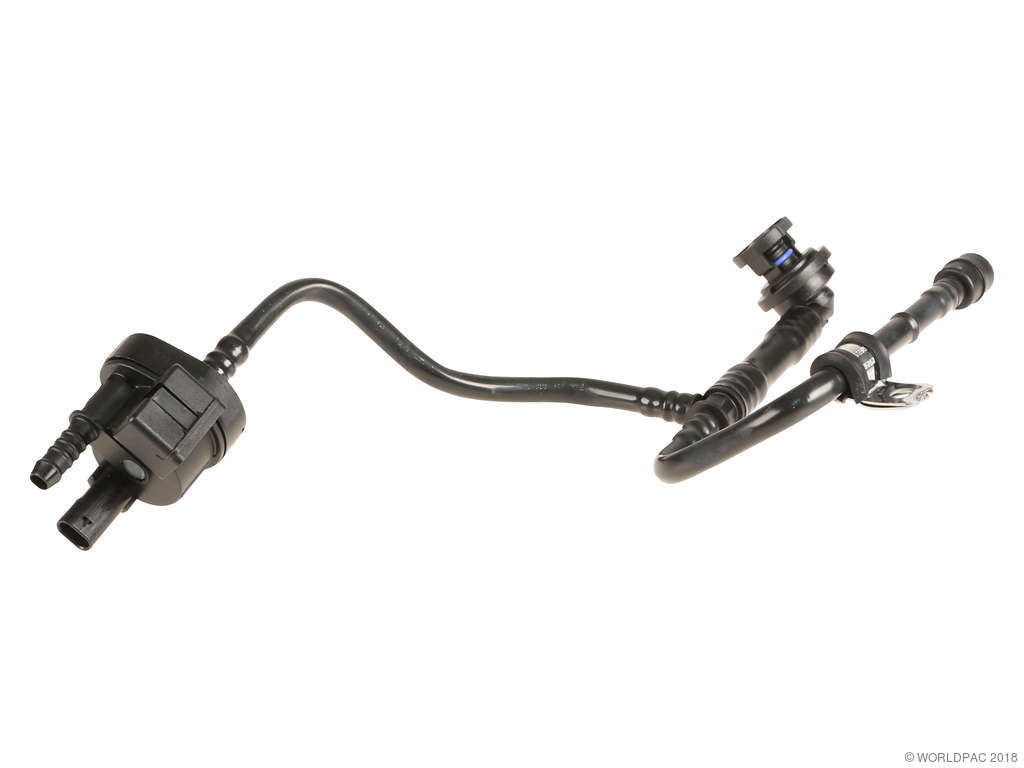
On a 2009-2016 Audi A4 with the 2.0T engine, code P0441 is almost always caused by a faulty EVAP Purge Valve, also known as the N80 valve. This is a common failure item across the VW/Audi lineup, but it's an inexpensive part and very easy to replace yourself in about 10-15 minutes. Expect to pay $20-$50 for an OEM-quality replacement part like Bosch.
- P0441 on a B8 Audi A4 almost always points to a bad N80 Purge Valve.
- Symptoms include a check engine light, rough idle, and difficulty starting after refueling.
- This is a very easy and inexpensive DIY repair that typically takes less than 30 minutes and requires basic tools.
- Always check the gas cap first, but expect to replace the N80 valve.
- When replacing the valve, you will likely need a pair of new hose clamps, as the original ones are single-use.
What's Unique About the 2009-2016 Audi A4
The P0441 code is notoriously common across the entire Volkswagen/Audi lineup from this era that uses the 2.0T engine, including the B8 generation A4. The issue is almost always a failure of the N80 purge valve itself. This specific component is known to fail by sticking open or closed, and it is so frequently the culprit that many owners and technicians replace it as the first diagnostic step, often without extensive testing. Fortunately, the part is inexpensive and easily accessible on top of the engine, making it a very common and simple DIY repair that can be done in under 15 minutes.
Symptoms You May Notice
- Check Engine Light is on.
- Difficulty starting the engine right after getting gas. This is a classic symptom of a stuck-open purge valve.
- Slightly rough or unstable idle, sometimes surging.
- A faint smell of fuel (less common).
- Audible, rapid clicking or knocking from the N80 valve in the engine bay that changes speed erratically.
- Replacing oxygen sensors or the Mass Airflow (MAF) sensor to fix a rough idle, when the idle issue is actually a vacuum leak caused by a stuck-open N80 purge valve.
- Replacing the charcoal canister when the actual problem is a simple and cheap N80 valve. A canister is much more expensive and less likely to be the root cause unless the vehicle is consistently over-filled with fuel.
Most Likely Causes
- Failed EVAP Purge Valve (N80 Valve) 🔴 High Probability → Shop Vapor Canister This is a well-documented, high-failure rate item on many VW and Audi vehicles of this period, including the A4 2.0T. The internal solenoid can fail electrically or the mechanical valve can get stuck open or closed, often due to age or contamination from the charcoal canister.
How to confirm: With the engine cold and at idle, disconnect the EVAP hose from the valve's outlet port (the side going to the intake manifold). There should be no suction. If you feel vacuum, the valve is stuck open and must be replaced. Alternatively, a scan tool can command the valve's duty cycle, and you should hear it click. A lack of clicking points to an electrical failure. A multimeter can be used to check the coil resistance, which should be between 15-30 Ohms.
Typical fix: Replace the N80 purge valve. It is located on the engine and is held in place by a rubber mount and two hose clamps.
Est. part cost: $20 - $60 - Loose or Faulty Gas Cap ⚪ Low Probability → Shop Fuel Tank Cap While a loose gas cap typically sets a large leak code (like P0455), it can sometimes contribute to incorrect flow readings by disrupting the system's ability to hold pressure during self-tests. It's a simple check worth doing first.
How to confirm: Ensure the gas cap is tightened until it clicks at least once. Inspect the rubber O-ring seal for cracks, hardening, or damage. If it looks worn, replacement is inexpensive.
Typical fix: Tighten or replace the gas cap.
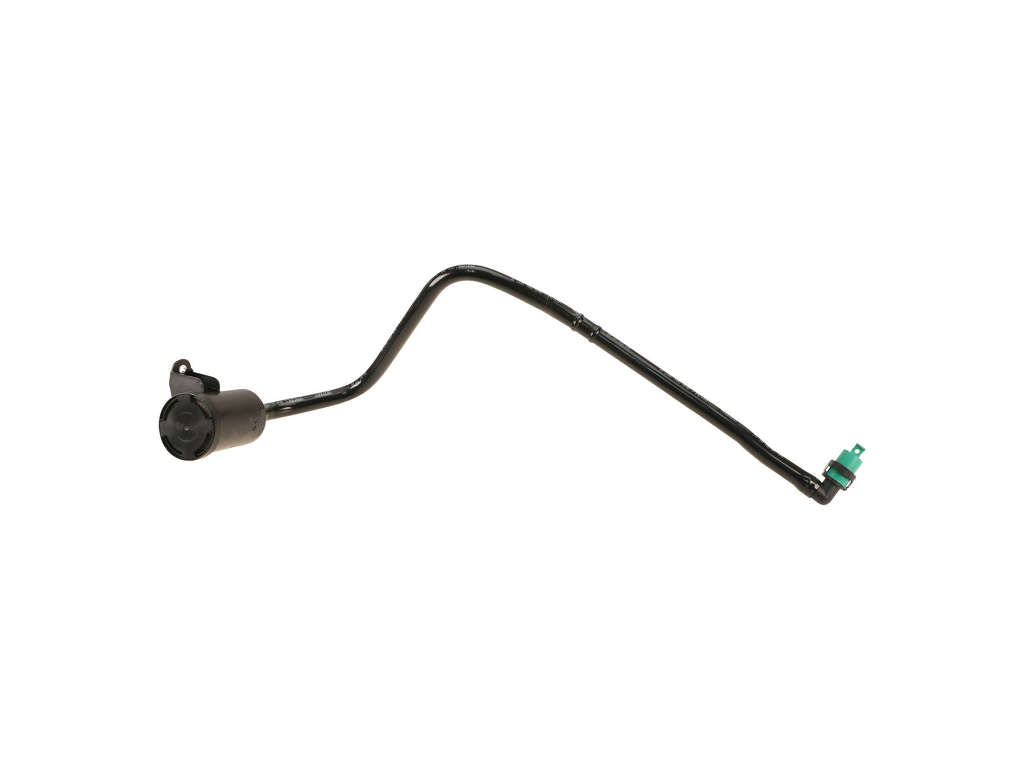
Est. part cost: $15 - $40 - Cracked or Disconnected EVAP Hoses ⚪ Low Probability The plastic and rubber lines in the engine bay can become brittle over time with heat cycles, leading to cracks or loose fittings, especially at the connections to the N80 valve.
How to confirm: Visually inspect the vacuum lines connected to the N80 purge valve and follow them as far as you can, looking for obvious cracks, breaks, or loose connections. A smoke test is the definitive way to find small leaks.
Typical fix: Replace the damaged section of hose. Sometimes the entire hose assembly from the dealer is required if the lines are pre-formed plastic.
Est. part cost: $10 - $70
Rare But Worth Checking
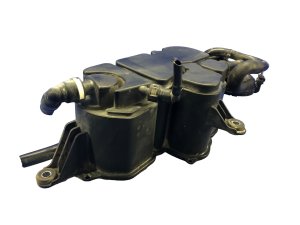
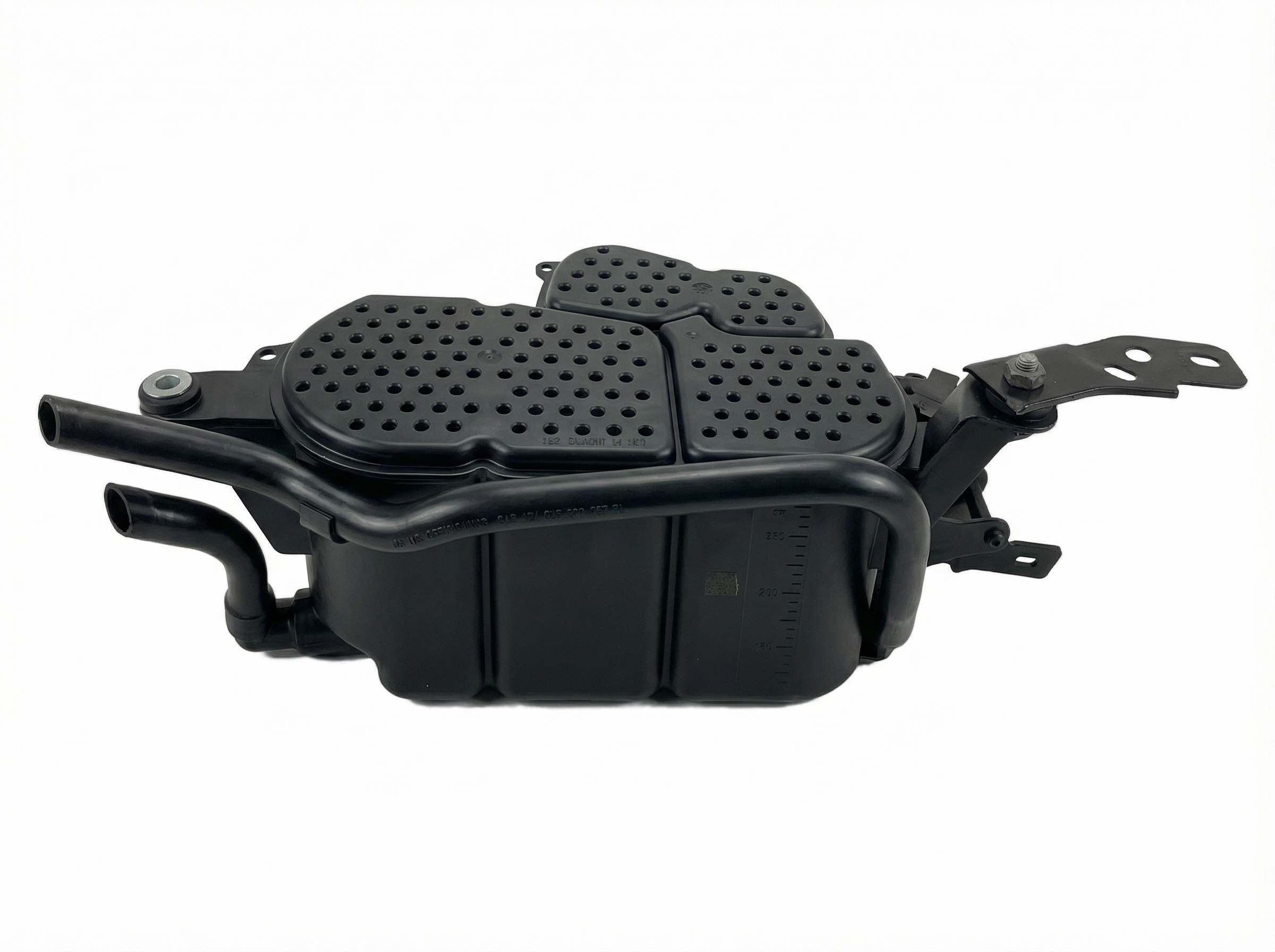
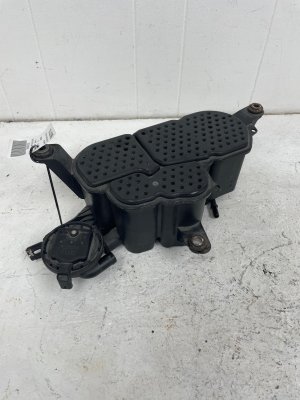
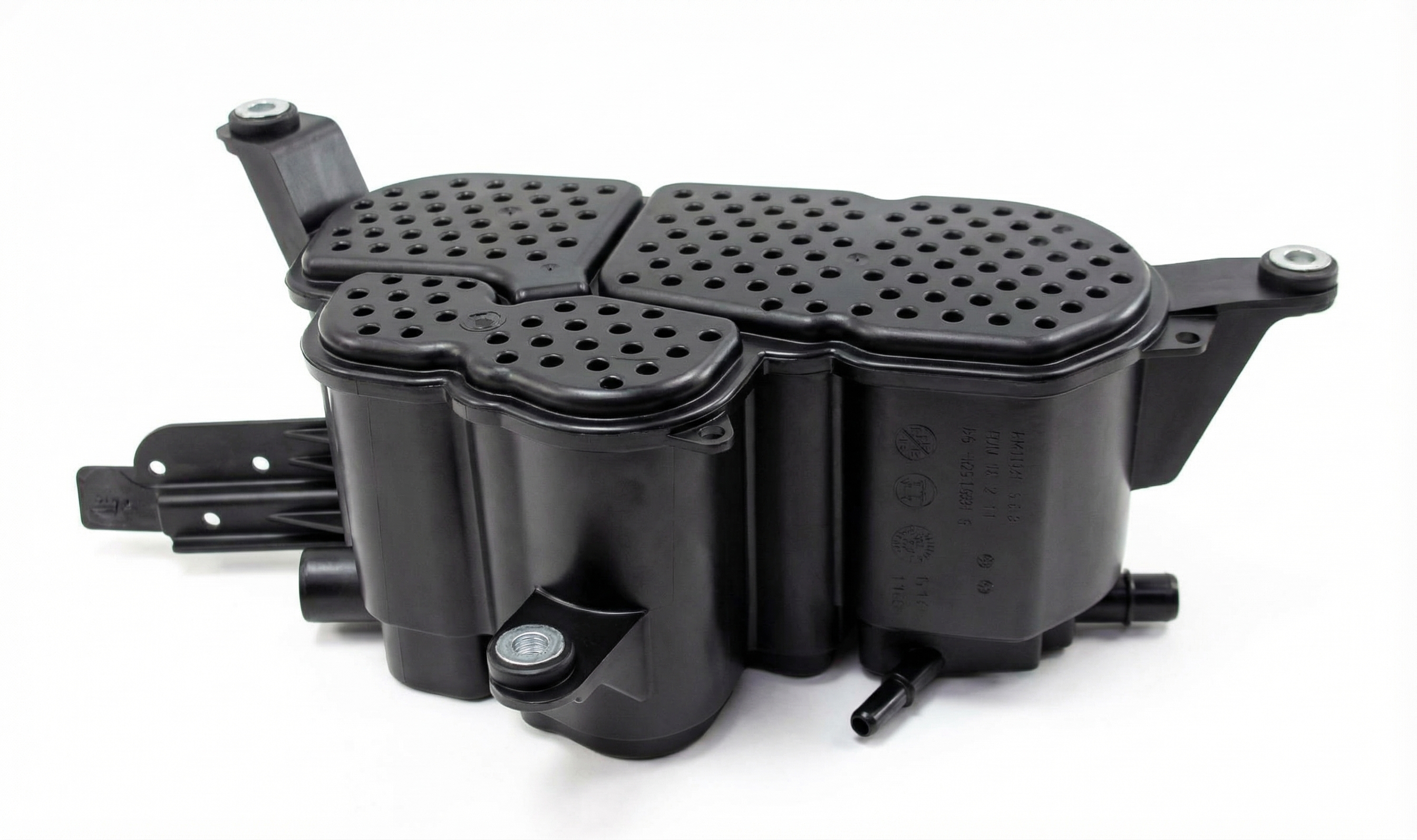
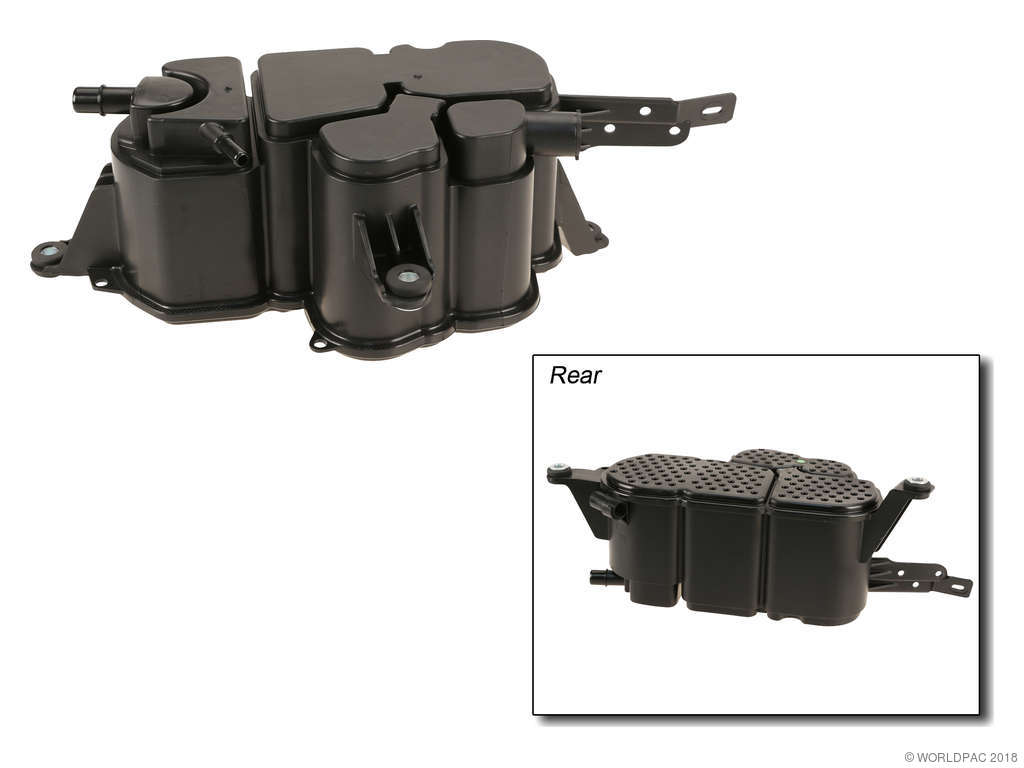
- Clogged Charcoal Canister: → Shop Vapor Canister This can happen if you habitually 'top off' your fuel tank after the pump clicks off. Doing so can force raw fuel into the canister, saturating the charcoal pellets and causing a blockage. A failed canister can also send charcoal dust down the lines, clogging the purge valve and causing repeated failures.
- Faulty Leak Detection Pump (LDP) or EVAP Pressure Sensor: → Shop Evaporative Emissions System Leak Detection Pump The system uses a pressure sensor or a leak detection pump to test its own integrity. If this sensor provides incorrect data, the ECU might falsely trigger a P0441 code. However, a faulty sensor will typically set its own specific trouble code as well.
Diagnosis Steps
- Read the code with an OBD-II scanner to confirm P0441 is present. Note any other accompanying EVAP codes.
- Check the gas cap. Remove it and retighten it until it clicks. Inspect the seal for damage.
- Remove the plastic engine cover to access the N80 purge valve, which is typically located on the driver's side of the engine bay, mounted on the intake manifold.
- Visually inspect the hoses connected to the N80 valve for any visible cracks or disconnections.
- Start the engine. With the engine idling (especially when cold), the valve should be closed and silent. Listen for a steady clicking sound from the N80 valve as the engine warms up, which indicates it is operating. You can use a mechanic's stethoscope or a long screwdriver to listen more closely.
- Test for a stuck-open valve: With the engine idling, disconnect the hose that runs from the purge valve to the intake manifold. Place your finger over the port on the valve itself. If you feel suction at idle, the valve is stuck open and must be replaced.
- If the valve appears to be working, the next step is a smoke test. This involves injecting pressurized smoke into the EVAP system to find any hard-to-see leaks in the lines or canister.
- If no leaks are found, the problem may be a blockage in the EVAP lines or a failing/saturated charcoal canister, which may need to be disconnected and weighed to check for fuel saturation.
Parts You'll Likely Need
- EVAP Canister Purge Valve (N80 Valve)
(OEM #06H906517H)— This is the most common failure point for the P0441 code on the 2.0T engine. It either sticks open, causing a vacuum leak and hard starts after refueling, or sticks closed, preventing vapor purge.
Trusted brands: Bosch (OEM), Topran
OEM price range: $40-$60
Aftermarket price range: $20-$40
Related Codes That Often Appear With This One
- P0443 — This code indicates an electrical circuit fault for the purge valve (e.g., open or short in the solenoid coil), which could appear if the valve's internal solenoid has failed electrically.
- P0456 — This code for a 'very small leak' can sometimes accompany P0441 if the purge valve is not sealing correctly or if there's a small crack in an associated hose.
- P0455 — This code for a 'large leak' is often associated with a loose gas cap but can also be triggered by a purge valve that is completely stuck open.
Technical Service Bulletins (TSBs) & Recalls
- While no TSBs directly for the 2009-2016 A4 were found in the search, Ross-Tech Wiki mentions a TSB (24-08-78 or 2010268/3) for the older A4 1.8T model with this code, indicating a history of purge valve issues on the A4 platform.
- A TSB (2024498/4) exists for some VW/Audi models that involves an ECU software update to change the sensitivity of the P0441 monitor, but this is less common than a hardware failure.
Platform-Specific Known Issues
- The original factory hose clamps on the N80 valve are often single-use Oetiker-style clamps and must be carefully cut or pried off. They need to be replaced with standard worm-drive hose clamps.
- The part number
06E906517Ais often cited but is typically for the V6 engine. The correct part for most 2.0T engines in the B8 A4 is06H906517Hor a similar variant. Always verify with your VIN.
Mechanic-Grade Diagnostic Values
- N80 Purge Valve Solenoid Coil Resistance — expected: 15 - 30 Ohms (at room temperature). Failure: A reading of 'OL' (Open Loop/infinite resistance) or near zero Ohms indicates a failed coil.
- N80 Purge Valve Connector Voltage — expected: Battery voltage (approx. 12V) should be present at one pin with the ignition on.. Failure: No voltage suggests a problem with the fuse, relay, or wiring, not the valve itself.
- Engine-to-Chassis Ground Voltage Drop — expected: Less than 0.2 volts. Failure: A reading above 0.4 volts with the engine running indicates excessive resistance in the main ground strap, which can cause various electrical issues.
Scan Tool Commands That Help
- VCDS (VAG-COM) or OBDeleven: Engine (01) -> Output Tests -> Evap. Purge Valve (N80) — This command directly actuates the N80 valve, causing it to click audibly. It's used to confirm if the valve's solenoid is responding to ECU commands. A silent valve during this test points to a failed valve or a wiring issue.
- VCDS (VAG-COM) or OBDeleven: Engine (01) -> Basic Settings -> Group 070 — This initiates the EVAP system's built-in short test. The scan tool will display the test status (e.g., 'EVAP Test ON'). After a few moments, the result will show 'EVAP OK' or 'EVAP NOT OK'. This is the definitive way to check the system's integrity after a repair, before waiting for the readiness monitor to run on its own.
Wiring & Ground Locations
- N80 Valve Connector — Two-pin connector directly on the N80 valve, located on the driver's side of the 2.0T engine.. Pin 1 receives power (battery voltage) from the Engine Component Power Supply Relay. Pin 2 is the ground signal wire, which is pulsed by the Engine Control Module (ECM) to open the valve. A repair manual shows this wire goes to Pin 49 on the ECM's T94 connector.
- G105 / G106 — Main engine-to-chassis ground points. G105 is engine block-to-firewall, and G106 is in the left (driver's side) engine bay.. A corroded or loose main engine ground is a common issue on the B8 platform and can cause unstable voltage for all engine electronics, including the ECM and its sensor readings. This can lead to intermittent and hard-to-diagnose faults.
- ECM / ECU Location — Housed in a black plastic box in the engine bay's plenum area, under the windshield wipers.. Water intrusion into this box is a known issue that can corrode the ECM, its connectors, and the main power relay (marked '645'), leading to a host of electrical problems, including potential driver failure for the N80 valve.
Real Owner Repair Stories
- YouTube channel 'Haak Family Garage' (2013 Audi A4 2.0T) — Check Engine Light with code P044100.
❌ Tried (didn't work) A previous replacement of the N80 valve with a non-OEM, aftermarket part did not resolve the code.
✅ What actually fixed it Replacing the failed aftermarket N80 valve and its attached hoses with a genuine Audi OEM part (Part No. 06H906517AA) successfully cleared the code after a short drive cycle. - Ross-Tech Forums user 'cschmitz20' (Audi (model not specified, but common VW/Audi issue)) — Persistent P0441 code.
❌ Tried (didn't work) Replacing the N80 valve with an unbranded part from eBay/Amazon.
✅ What actually fixed it Forum consensus and expert advice pointed out that cheap, unbranded N80 valves are often defective. The user tested the cheap valve and found it did not hold vacuum correctly. The implied fix is to use a quality OEM (Bosch) or genuine part.
"I Checked Everything" — The Actual Cause
- In some cases, a smoke test of the EVAP system will show no leaks, yet the P0441 code persists. The root cause is often a faulty N80 purge valve that is mechanically weak. While it may not leak smoke at low pressure, it fails to seal properly against engine vacuum when it is commanded closed. This allows un-metered vapor flow, which the ECU detects as an 'incorrect flow' condition, even though there is no 'leak' in the traditional sense.
OEM Part Supersession History
06H906517H→06H906517T, 06H906517AA, 06H906517AE— Standard part revisions by the manufacturer to improve reliability or sourcing.
Heads up: While these parts are generally interchangeable for the B8 2.0T, it is always best practice to verify the exact part number required for your specific vehicle using its VIN. The part for the V6 engine (06E906517A) is physically different and will not fit.
Model Year Variations Within This Range
- 2009-2016: No significant variations have been documented regarding the cause or fix for P0441 on the 2.0T engine across the B8 and B8.5 generations. The N80 purge valve remains the primary failure point for the entire model range.
Diagnostic Flowchart
Other Known Issues on This Vehicle
Issues unrelated to this code that are worth knowing about as an owner of this generation:
- Excessive Oil Consumption 🔴 High — Very common on early B8 models (2009-2011) with the 2.0T engine, often appearing between 50,000-80,000 miles. Caused by defective piston rings. (Ref: Subject of multiple class-action lawsuits which led to settlement programs for repair reimbursement and warranty extensions, though most are now expired.)
- Timing Chain Tensioner Failure 🔴 High — Common on 2.0T EA888 engines prior to an updated tensioner design (approx. before 2013). Failure can occur with little warning, often between 60,000-100,000 miles, and can lead to catastrophic engine damage. (Ref: No official recall, but updated parts were released. A key warning sign is a brief chain rattle on cold starts.)
- Water Pump Failure 🟠 Medium — The plastic water pump housing is prone to cracking or leaking, often between 40,000-80,000 miles. Symptoms include coolant leaks and overheating warnings. (Ref: No recall, but many owners proactively replace the plastic OEM pump (06H121026DD) with an aftermarket all-aluminum version during replacement.)
- PCV Valve Failure 🟡 Low — The crankcase ventilation valve (PCV) diaphragm can tear, causing a large vacuum leak. This leads to a rough idle, potential lean codes, and a whistling noise from the engine.
- Carbon Buildup on Intake Valves 🟠 Medium — As a direct-injection engine, fuel doesn't wash over the intake valves. Over time (typically 60,000-100,000 miles), carbon deposits build up, restricting airflow and causing misfires, rough idle, and reduced performance.
Used vs. New Parts: Buying Guide for This Vehicle
When a used part is the smart pick: For this specific repair, buying a used N80 purge valve is NOT recommended. The part is a known high-failure item and is inexpensive to buy new. The risk of getting a used part that is already failing or near the end of its life is very high.
What to inspect on the donor part:
- Not applicable, as used purchase is not advised.
OEM-only on this vehicle (don't cheap out):
- EVAP Purge Valve (N80 Valve)
Aftermarket brands forum-validated for this vehicle:
- Bosch (This is the Original Equipment Manufacturer)
Brands owners have reported issues with on this vehicle:
- Unbranded, no-name parts from online marketplaces like eBay or Amazon are frequently reported as defective out of the box or failing shortly after installation.
Real Owner Stories
Aggregated from forums and TSBs cited above. Mileages and costs reflect what owners reported in those sources.
2009-2016 Audi A4 2.0T
Symptoms: The N80 valve was described as a 'notorious failure point' in a 10-minute repair demonstration.
What fixed it: Replacement of the N80 purge valve.
Source hint: YouTube: The channel 'MechaniCole' has a video titled 'Audi 2.0T Purge Valve Replacement | P0441 Common Fix'
Audi A4 (B5 platform)
Symptoms: Loud, pulsating N80 valve noise and hard starts after refueling.
What fixed it: Replacement of the N80 Purge Valve.
Source hint: AudiForums.com: A thread titled 'N80 Purge Valve'
Audi A4
Symptoms: EVAP system P0441 code and high pressure release when opening the gas cap.
What fixed it: Replaced the N80 valve and the charcoal canister.
Source hint: AudiWorld.com: Thread titled 'EVAP system P0441'
Related OBD-II Codes
Frequently Asked Questions
Which specific N80 purge valve part number do I need for my 2009-2016 Audi A4 2.0T?
Is there a TSB for the P0441 code on my Audi A4?
Can I reuse the factory hose clamps when replacing the N80 valve?
Why does my A4 struggle to start only after I fill up the gas tank?
How can I manually test if the N80 valve on my A4 is actually failing?
Are there other major engine issues I should watch for while fixing this EVAP code on my 2009-2011 A4?
Helpful Videos
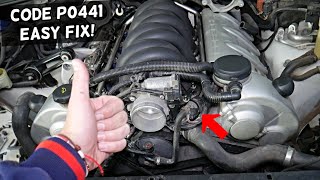
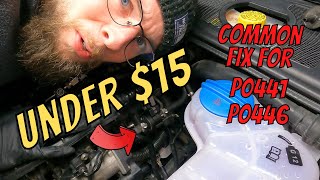

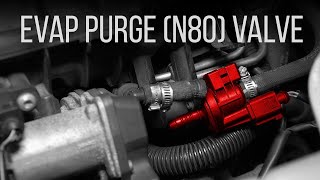
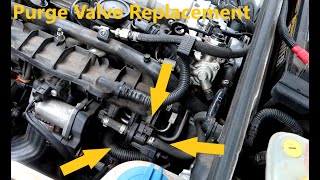
Used OEM Parts in Stock


New Aftermarket Parts Available

The information in this article is provided for general reference and educational purposes only. Vehicle specifications, procedures, and part compatibility can vary by production date, trim level, and region. Always consult your vehicle's factory service manual and verify part numbers before purchasing or performing repairs. Safety-critical components such as airbags, seat belts, and braking systems should be installed by a qualified professional.
- Audi A4:
- 🧭 Diagnostic Flowchart
- 🎬 Helpful Videos
- 🛍️ Shop This Part
- What's Unique About the 2009-2016 Audi A4
- Symptoms You May Notice
- Most Likely Causes
- Rare But Worth Checking
- Diagnosis Steps
- Parts You'll Likely Need
- Related Codes That Often Appear With This One
- Technical Service Bulletins (TSBs) & Recalls
- Platform-Specific Known Issues
- Mechanic-Grade Diagnostic Values
- Scan Tool Commands That Help
- Wiring & Ground Locations
- Real Owner Repair Stories
- "I Checked Everything" — The Actual Cause
- OEM Part Supersession History
- Model Year Variations Within This Range
- Other Known Issues on This Vehicle
- Used vs. New Parts: Buying Guide for This Vehicle
- Real Owner Stories
- 2009-2016 Audi A4 2.0T
- Audi A4 (B5 platform)
- Audi A4
- Related OBD-II Codes
- Frequently Asked Questions
- 🎟️ Get 5% Off