

P0441 on 1996-2002 BMW Z3: EVAP Incorrect Purge Flow Causes and Fixes
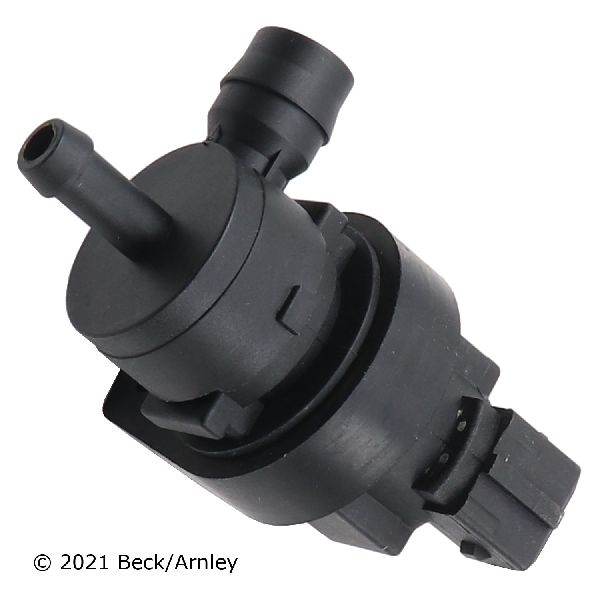
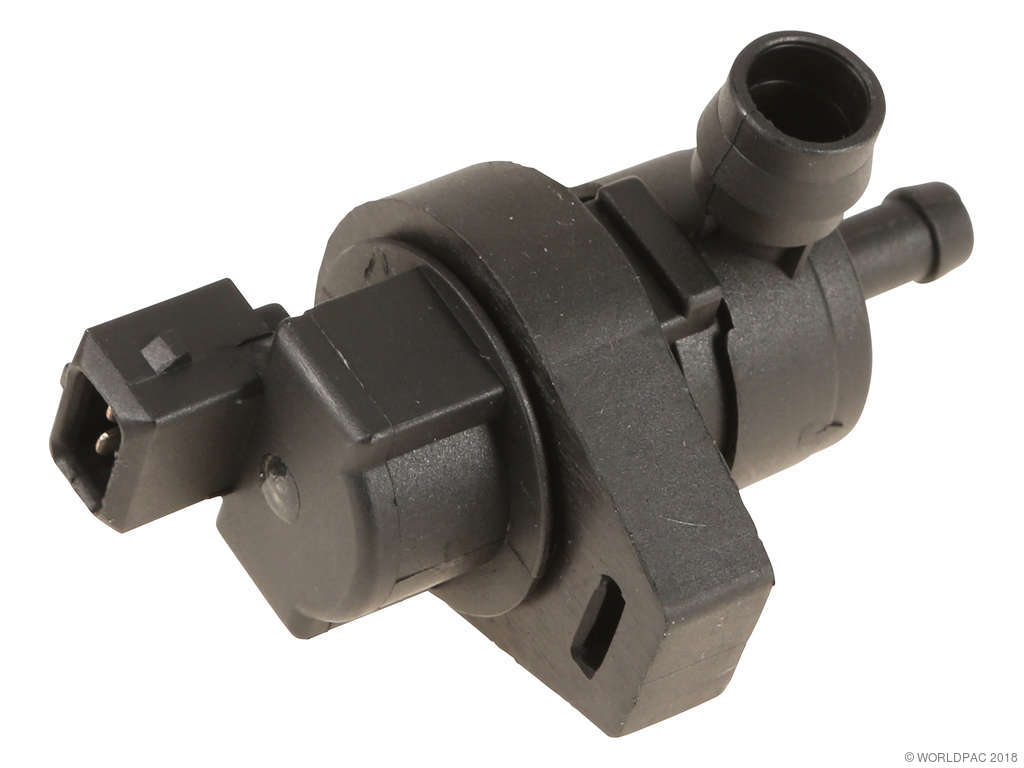
On a 1996-2002 BMW Z3, code P0441 is most often caused by a failed fuel tank breather valve (also called the purge valve). Replacing this valve and checking for any cracked vacuum hoses connected to it is the most common fix. Expect the part to cost between $40 and $100.
- P0441 on a BMW Z3 almost always points to a problem in the engine bay, not the gas cap.
- The most likely culprit is the Fuel Tank Breather Valve (purge valve). It's a relatively inexpensive part and is DIY-friendly to replace.
- While you have access to the purge valve, carefully inspect all connected rubber and plastic hoses for cracks. They are a very common secondary cause.
- This code will not leave you stranded, but it will cause you to fail an emissions test.
- Verify the correct part number for your specific Z3 model and year before ordering a new purge valve, as they can differ.
What's Unique About the 1996-2002 BMW Z3
The BMW Z3, being part of the E36 chassis family, has a relatively straightforward EVAP system. The most common failure point by far is the fuel tank breather valve (purge valve), a known wear item on BMWs of this era (including the E36 3-Series and E39 5-Series). Unlike some cars where a loose gas cap is the primary trigger for EVAP codes, on the Z3, P0441 points more directly toward a component failure like the purge valve or a cracked hose, a sentiment echoed by owner experiences. The plastic hoses connected to the valve are known to become extremely brittle over time and can crack during replacement of the valve itself.
Symptoms You May Notice
- Check Engine Light is on
- Rough or surging idle (if the purge valve is stuck open, causing a vacuum leak)
- A faint smell of fuel (less common)
- Difficulty starting the engine (in rare, more severe cases)
- Replacing the oxygen sensors. O2 sensors may report a slightly rich or lean condition due to the incorrect purge flow, but they are reacting to the problem, not causing it.
- Replacing the mass airflow sensor (MAF). A vacuum leak from a stuck-open purge valve can cause idle issues that might be misdiagnosed as a bad MAF.
Most Likely Causes
- Faulty Fuel Tank Breather Valve (Purge Valve) 🔴 High Probability → Shop Fuel Tank The solenoid in the valve is a common failure point on BMWs from this period. It can get stuck open, stuck closed, or fail electronically. It is the most common cause for P0441 in these cars.
How to confirm: With the engine off, disconnect the valve. Try to blow through it; it should be closed and block airflow. Apply 12V (a 9V battery often works for a quick check) to the electrical connector; it should click open and allow air to pass. A scan tool can also be used to command the valve to open and close while monitoring EVAP system pressure. A multimeter can be used to check the internal resistance of the valve's solenoid, which should be between 27-29 Ohms on a good valve. 🎬 Watch: How to test the purge valve solenoid with a multimeter.
Typical fix: Replace the fuel tank breather valve. It is located in the engine bay, inboard of the air box and behind the power steering reservoir. 🎬 See this walkthrough for removing and replacing the purge valve. Access may require removing the airbox (held by two 10mm bolts).
Est. part cost: $40-$100 - Cracked or Disconnected EVAP Hoses 🟡 Medium Probability The plastic and rubber vacuum lines in the engine bay become brittle with age and heat cycles, leading to cracks and vacuum leaks. The hoses connected directly to the purge valve are especially prone to breaking.
How to confirm: Visually inspect all vacuum lines connected to the purge valve and running to the intake manifold. Pay close attention to the plastic connectors, which can also break. A smoke test is the most effective way to find small, hard-to-see leaks.
Typical fix: Replace the cracked or broken hose sections. This may require removing the airbox or throttle body for access. It is often recommended to have a spare hose on hand when replacing the purge valve, as it may break during the repair.
Est. part cost: $10-$50 - Loose or Faulty Gas Cap ⚪ Low Probability → Shop Fuel Tank Cap While more likely to cause a large leak code (P0455), a failing gas cap seal can sometimes contribute to incorrect flow issues. However, for P0441 specifically, this is a less common cause on the Z3 compared to component failure.
How to confirm: Ensure the gas cap is tightened until it clicks. Inspect the rubber O-ring seal for cracks, hardness, or damage. Replacing it is a cheap first step if in doubt.
Typical fix: Replace the gas cap with a new OEM or high-quality aftermarket part.
Est. part cost: $25-$70 - Clogged or Failed Charcoal Canister ⚪ Low Probability → Shop Vapor Canister
How to confirm: Inspect the canister (located in front of the left rear sub-frame) for physical cracks or damage. If the purge valve was found to be full of charcoal pellets, the canister has failed internally and must be replaced along with cleaning out the lines.
Typical fix: Replace the charcoal canister assembly.
Est. part cost: $150-$250
Diagnosis Steps
- Read the code with an OBD-II scanner to confirm P0441 is present.
- Check the gas cap. Ensure it is tight and the seal is in good condition. While a less common cause for this specific code, it is the easiest check. 🎬 Watch: Two simple DIY methods to fix a P0441 code.
- Locate the fuel tank breather valve (purge valve) in the engine bay, typically mounted near the intake manifold, behind the power steering reservoir.
- Visually inspect all accessible vacuum and EVAP hoses connected to and surrounding the purge valve for obvious cracks, breaks, or disconnections. The plastic connectors are also a failure point.
- Test the purge valve. Disconnect the electrical connector and the two hoses. With no power, the valve should be closed; you should not be able to blow through it. Apply 12 volts to the pins (a 9V battery can work); you should hear a click and be able to blow through it. If it fails either test, it needs replacement.
- If the valve and hoses appear fine, check for blockages. Disconnect the line running from the charcoal canister to the purge valve and gently blow compressed air towards the canister to check for restrictions. If charcoal pellets come out, the canister has failed.
- Inspect the charcoal canister, located near the left rear wheel, for any visible cracks or damage.
- If the cause is still not found, a smoke test is the most reliable method to identify hairline cracks or hidden leaks in the EVAP system.
Parts You'll Likely Need
- Fuel Tank Breather Valve (Purge Valve)
(OEM #13901433603)— This is the most common failure point for code P0441 on this vehicle. It controls the flow of fuel vapors and frequently sticks or fails electronically. This part is typically for 1999-2002 Z3 models with M52TU and M54 engines.
Trusted brands: Bosch, Vemo, Genuine BMW
OEM price range: $90-$120
Aftermarket price range: $35-$75 - Fuel Tank Breather Valve (for early/other models)
(OEM #13901744150)— Used on earlier Z3 models (approx. 1996-1999) with M44, M52, and S52 engines. Verify part number with your vehicle's VIN before ordering.
Trusted brands: Bosch, Genuine BMW
OEM price range: $180-$210
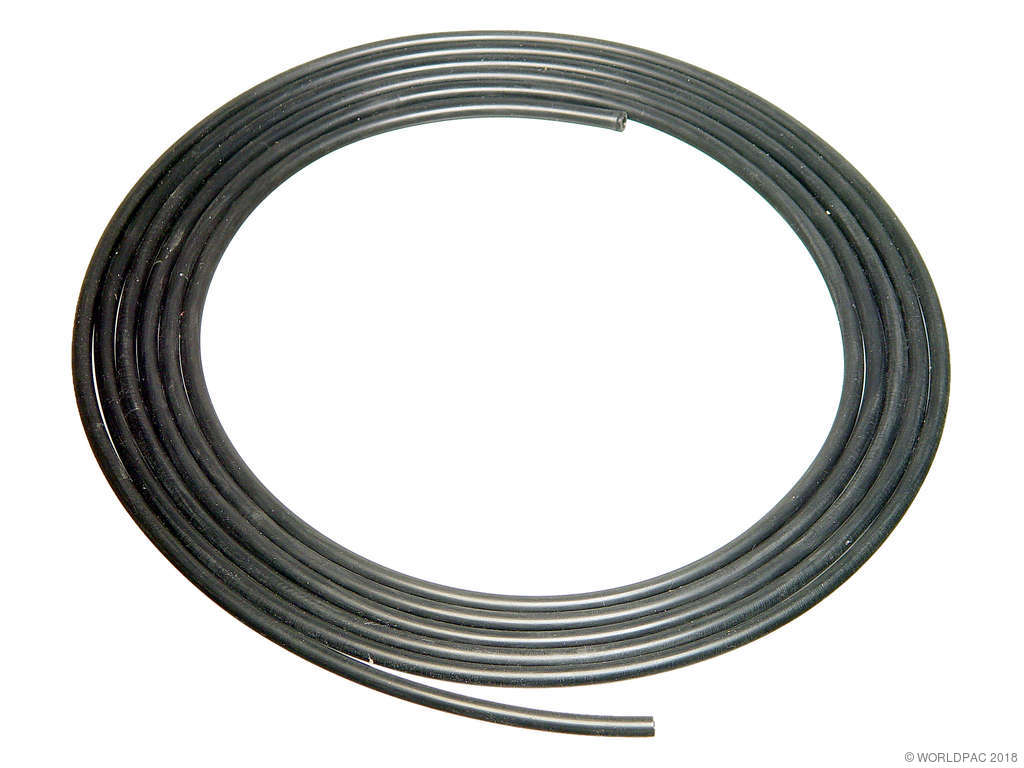
Aftermarket price range: $50-$90 - Vacuum Hose — The rubber and plastic hoses become brittle over time and are a frequent source of leaks that can trigger this code. The lines connected to the purge valve are especially susceptible.
OEM price range: $20-$40
Aftermarket price range: $5-$15
Related Codes That Often Appear With This One
- P0443 — This code indicates an electrical circuit malfunction for the purge valve (e.g., P0444 is also related). If you see P0441 and P0443/P0444 together, it strongly points to a failed purge valve solenoid or a wiring issue to the valve.
- P0170 / P0173 (or P0171/P0174 on later models) — If the purge valve is stuck open, it creates a vacuum leak, allowing unmetered air and fuel vapor into the intake. This can cause the engine to run lean and trigger a fuel trim malfunction code.
Platform-Specific Known Issues
- Access to the purge valve requires removing the airbox on most Z3 engine variants, which is straightforward (two 10mm bolts).
- The plastic hose connectors for the purge valve become extremely brittle and often break upon removal. It is wise to be prepared for this possibility during the repair.
Mechanic-Grade Diagnostic Values
- Purge Valve Solenoid Resistance — expected: 27 - 29 Ohms. Failure: A significantly higher reading (e.g., over 100 Ohms) or an open circuit (no reading) indicates a bad valve.
Hidden / Shadow Codes Worth Checking
- 108 (Hex: 0x6C): This is a BMW-specific fault code for the 'tank ventilation valve' or purge valve, often logged alongside the generic P0441. It points directly to a functional issue with the valve itself. (see via BMW-specific diagnostic software like INPA, ISTA, or advanced scanners capable of reading manufacturer codes.)
Scan Tool Commands That Help
- INPA/ISTA: EVAP System Test Plan or Component Activation for TEV (Tank-Entlüftungsventil) — This allows a technician to command the purge valve to open and close while the engine is running. You can monitor fuel trims or EVAP system pressure to see if the valve is physically responding to the DME's command, confirming if it's stuck or working correctly.
- INPA/ISTA: DMTL Leak Test — For later models equipped with a Diagnostic Module Tank Leakage (DMTL) pump, this function initiates a system-wide leak test. It closes the vent valve, runs a small pump to pressurize the system, and monitors for a pressure drop, which can identify very small leaks that a smoke test might miss.
Wiring & Ground Locations
- Y6120 — This is the BMW wiring diagram designation for the EVAP Purge Valve (Evaporative Emission Valve).. Identifying this component on a wiring diagram is crucial for tracing its power and ground circuits to check for opens or shorts, which could cause P0443 and lead to P0441.
- G117 — Ground point located on the right rear side of the engine compartment.. This is a potential grounding point for the DME or related engine sensors. A poor ground here can cause erratic behavior in various systems, including the EVAP control circuit.
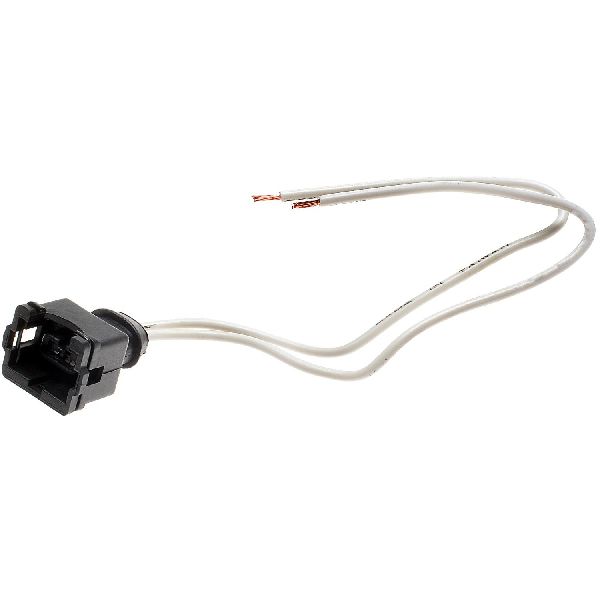
- Purge Valve Connector Pinout — At the purge valve electrical connector.. One pin should receive 12V power with the ignition on. The other pin is the ground signal, which is pulsed by the DME to open the valve. Testing for power at the connector confirms the supply circuit is intact.
Real Owner Repair Stories
- Reddit user on r/bmwz3 (2000 BMW Z3) — Persistent P0441 Check Engine Light, preventing passing of emissions test.
❌ Tried (didn't work) Replacing the purge valve., Replacing a cracked emissions line.
✅ What actually fixed it The user's issue was ongoing at the time of the post, but the immediate suggestions from the community were to check the gas cap seal and perform a smoke test to find other potential leaks that were missed, as replacing the most common parts did not solve the issue. This highlights that while the purge valve is the most likely cause, it is not the only one.
OEM Part Supersession History
13901744150→N/A— This is the part number for early model Z3s (approx. 1996-1999) with M44/M52 engines.
Heads up: This valve is not interchangeable with the later 13901433603 used on M52TU/M54 engines due to different connectors and possibly operating characteristics.13901433603→N/A— This is the part number for later model Z3s (approx. 1999-2002) with M52TU/M54 engines.
Heads up: This valve is not interchangeable with the earlier 13901744150.
Model Year Variations Within This Range
- 1996-1998: These models typically use the M52 (single VANOS) or M44 (4-cylinder) engines. The EVAP system is simpler and uses purge valve P/N 13901744150. The engine control module is typically a Siemens MS41.
- 1999-2002: These models use the M52TU (technical update, double VANOS) or M54 engines. The EVAP system may be more complex, sometimes incorporating a DMTL pump for leak diagnosis. They use purge valve P/N 13901433603 and a Siemens MS42/MS43 DME. The M52TU also introduced a drive-by-wire throttle system.
Diagnostic Flowchart
Other Known Issues on This Vehicle
Issues unrelated to this code that are worth knowing about as an owner of this generation:
- Rear Subframe / Trunk Floor Cracks 🔴 High — Common across all engine types, not just M models. Caused by a design flaw where the differential mount puts stress on the trunk floor sheet metal, leading to weld and metal fatigue.
- Cooling System Failure 🔴 High — Very common. The water pump (with plastic impeller), radiator (especially the plastic end tanks), expansion tank, and thermostat housing are all known weak points that become brittle and fail, risking engine overheating.
- VANOS Seal Degradation 🟠 Medium — Affects all 6-cylinder engines (M52, M52TU, M54, S52). The original Buna-rubber seals in the variable valve timing (VANOS) unit degrade, causing loss of low-end torque, rough idle, and poor fuel economy.
- Rear Shock Mount Failure 🟠 Medium — The upper rear shock mounts are a known weak point and can deform and fail, causing a clunking noise from the rear suspension.
- Oil Leaks 🟡 Low — Common for cars of this age. The valve cover gasket and oil filter housing gasket are the most frequent sources of oil leaks.
- Worn Seat Bushings 🟡 Low — Extremely common. The plastic bushings in the seat tracks wear out, causing the seats to rock back and forth during acceleration and braking. Inexpensive kits are available to fix this.
Used vs. New Parts: Buying Guide for This Vehicle
When a used part is the smart pick: A used purge valve can be a cost-effective option if sourced from a reputable dismantler with a return policy. Given the high failure rate, it's a gamble, but a low-cost one. Hoses and plastic lines are better bought new due to age-related brittleness.
Donor-vehicle mileage cap: roughly under 80000 miles for the part to have meaningful remaining life.
What to inspect on the donor part:
- Check the plastic body of the valve for any cracks or heat damage.
- Ensure the electrical connector pins are clean and free of corrosion.
- If possible, test the valve with a 9V or 12V source to ensure it clicks open and closed before purchase.
OEM-only on this vehicle (don't cheap out):
- Gas Cap - Aftermarket gas caps often have sealing issues that can cause persistent EVAP codes. It is highly recommended to use a Genuine BMW or OEM supplier (e.g., Stant) cap.
Aftermarket brands forum-validated for this vehicle:
- Bosch (often the original OEM supplier)
- Vemo
- Lemforder (for suspension/chassis parts, but a trusted OEM supplier generally)
Brands owners have reported issues with on this vehicle:
- URO Parts - Forum users have reported mixed to poor quality with some of their electronic and rubber components, suggesting they may have a shorter lifespan.
Real Owner Stories
Aggregated from forums and TSBs cited above. Mileages and costs reflect what owners reported in those sources.
2000 BMW Z3
Symptoms: The owner replaced the purge valve and a cracked emissions line, but the P0441 error code returned, indicating the diagnosis may require multiple attempts or a deeper investigation.
What fixed it: Initial attempt included replacing the purge valve and a cracked emissions line (though the code persisted in this specific report).
Source hint: Reddit r/bmwz3 - P0441 Error Help
BMW Z3 (General)
Symptoms: Owner seeking help for a P0441 code; community members identified the purge valve as the primary culprit.
What fixed it: Replacing the purge valve located inboard of the air box.
Source hint: Reddit r/bmwz3 - Code p0441
Related OBD-II Codes
Frequently Asked Questions
Where is the fuel tank breather valve located on my Z3, and do I need special tools to reach it?
I suspect my purge valve is bad; is there a specific resistance value I should look for with a multimeter?
Can I use a standard 9V battery to test the Z3's purge valve functionality?
Why did my plastic EVAP hose break when I tried to replace the purge valve?
Is the P0441 code on my Z3 related to the common rear subframe cracking issue?
Where is the charcoal canister located if I need to check for physical damage?
Helpful Videos
![How to Fix P0441 Engine Code in 3 Minutes [2 DIY Methods / Only $4.50]](https://img.youtube.com/vi/ifwpcNQCSvI/mqdefault.jpg)

We Have This Part in Stock


The information in this article is provided for general reference and educational purposes only. Vehicle specifications, procedures, and part compatibility can vary by production date, trim level, and region. Always consult your vehicle's factory service manual and verify part numbers before purchasing or performing repairs. Safety-critical components such as airbags, seat belts, and braking systems should be installed by a qualified professional.
- BMW Z3:
- 🧭 Diagnostic Flowchart
- 🎬 Helpful Videos
- 🛍️ Shop This Part
- What's Unique About the 1996-2002 BMW Z3
- Symptoms You May Notice
- Most Likely Causes
- Diagnosis Steps
- Parts You'll Likely Need
- Related Codes That Often Appear With This One
- Platform-Specific Known Issues
- Mechanic-Grade Diagnostic Values
- Hidden / Shadow Codes Worth Checking
- Scan Tool Commands That Help
- Wiring & Ground Locations
- Real Owner Repair Stories
- OEM Part Supersession History
- Model Year Variations Within This Range
- Other Known Issues on This Vehicle
- Used vs. New Parts: Buying Guide for This Vehicle
- Real Owner Stories
- 2000 BMW Z3
- BMW Z3 (General)
- Related OBD-II Codes
- Frequently Asked Questions
- 🎟️ Get 5% Off