

P0441 on 2010-2017 Chevrolet Equinox: EVAP Incorrect Purge Flow Causes and Fixes
For a 2010-2017 Equinox, code P0441 is most often caused by a faulty EVAP purge valve located on the engine. Replacing this part is a common DIY fix costing between $25 and $60. Always check the gas cap first, as a loose or bad cap can also trigger this code, though P0441 is more specific to flow issues.
- P0441 on a 2010-2017 Equinox almost always points to a problem with the EVAP system's ability to manage fuel vapor flow.
- Before buying any parts, check that your gas cap is tight and its seal is intact. This is a simple but common fix.
- The most likely failed part is the EVAP purge valve solenoid, located in the engine bay. It's relatively inexpensive and accessible for DIY replacement.
- If the purge valve and gas cap are not the issue, suspect a clogged vent valve near the fuel tank or a cracked vacuum line.
What's Unique About the 2010-2017 Chevrolet Equinox
On this generation of Equinox and its platform-mate, the GMC Terrain, the EVAP purge valve is a very common failure point that leads to code P0441. While other causes are possible, the purge valve is frequently the first part mechanics and experienced owners replace. Another known issue on Equinox models is the vent valve, located near the rear canister, becoming clogged with dirt and dust, which can also disrupt system flow and trigger EVAP codes. The purge valve for the 2.4L I4 and the 3.0L/3.6L V6 engines are different parts in different locations.
Symptoms You May Notice
- Check Engine Light is on
- Slightly rough or surging idle, especially after refueling or at low speeds
- A faint smell of fuel (less common)
- Difficulty starting immediately after refueling (a classic sign of a stuck-open purge valve)
- Slight decrease in fuel economy
- Replacing the oxygen (O2) sensors. O2 sensors may report a rich or lean condition as a result of the incorrect purge flow, but they are not the root cause of P0441.
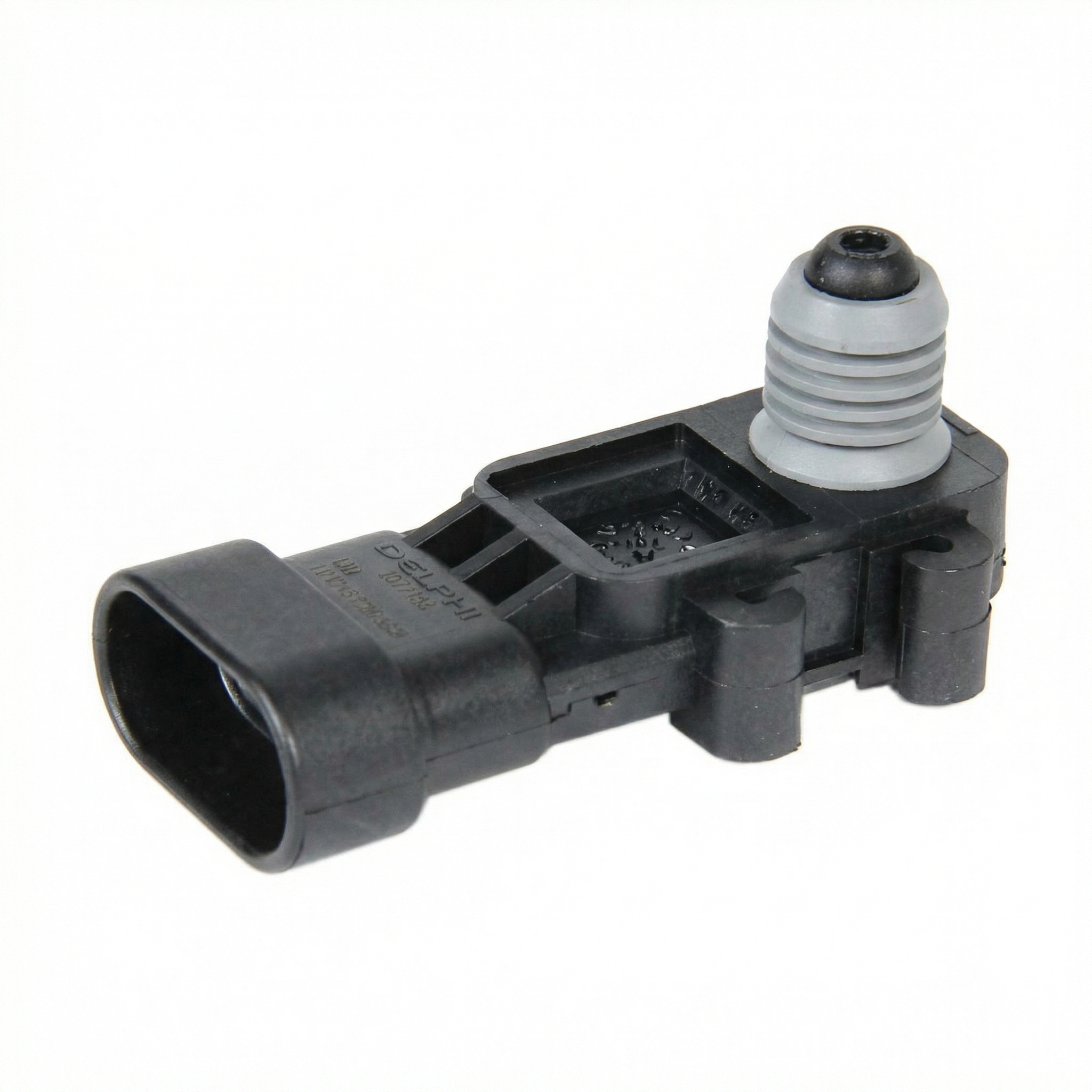
- Replacing the fuel tank pressure sensor without proper testing. While a faulty sensor can cause EVAP codes, it is less common for P0441 and will often be accompanied by other specific pressure sensor codes.
Most Likely Causes
- Faulty EVAP Purge Valve (Solenoid) 🔴 High Probability → Shop Vapor Canister This component is a known high-failure item on many GM vehicles of this era, including the Equinox. It can get stuck open or closed due to age, contamination from a failing charcoal canister, or internal failure.
How to confirm: With the engine off, disconnect the purge valve and try to blow through it. If air passes through, it is stuck open and faulty. A scan tool can also be used to command the valve open and closed while monitoring system pressure or vacuum.
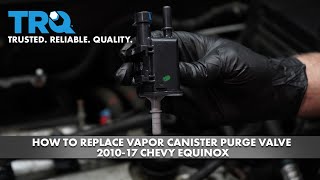
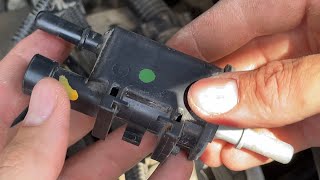
Typical fix: Replace the EVAP purge valve. On the 2.4L engine, it is located on the side of the intake manifold. 🎬 Watch: Step-by-step guide to replacing the 2.4L purge valve. On the V6 engines, it is on top of the engine. It is accessible for DIY replacement.
Est. part cost: $25-$60 - Loose, Damaged, or Incorrect Gas Cap 🟡 Medium Probability → Shop Fuel Tank Cap While P0441 is a flow code, a faulty gas cap can sometimes contribute to EVAP system issues. The seal is critical for maintaining pressure, and over time, the rubber can dry out and crack. Using a non-vented cap when a vented one is required (or vice-versa) can also cause issues.
How to confirm: Inspect the gas cap for visible cracks on the seal. Ensure it is tightened until it clicks at least three times. If the seal is damaged or the cap is not the correct OEM style, it may not seal properly.
Typical fix: Tighten the cap or replace it with a new OEM or equivalent part.
Est. part cost: $15-$30 - Faulty EVAP Canister Vent Valve 🟡 Medium Probability → Shop Vapor Canister The vent valve is located near the fuel tank and is exposed to road dirt and debris. On Equinox models, it is known to get clogged with dirt, causing it to stick open or closed. This prevents the system from sealing properly for the self-test.
How to confirm: The valve can be removed and tested with a 12V power source to see if it actuates. Visually inspect the valve and its filter for excessive dirt or blockages. A scan tool can command the vent valve closed during a smoke test to check for leaks.
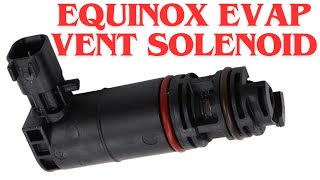
Typical fix: Replace the canister vent valve and its associated filter if clogged or faulty. 🎬 See how to access and replace the rear vent solenoid.
Est. part cost: $30-$70 - Cracked or Disconnected EVAP Hoses ⚪ Low Probability The plastic and rubber lines in the engine bay become brittle over time due to heat cycles. A crack or break, especially at the purge valve connector, can cause a vacuum leak that the system interprets as a flow fault.
How to confirm: Visually inspect all EVAP lines connected to the purge valve and intake manifold for cracks, brittleness, or loose connections. A smoke test is the most effective way to find small, hard-to-see leaks.
Typical fix: Replace the damaged section of hose or the entire hose assembly.
Est. part cost: $20-$50
Rare But Worth Checking
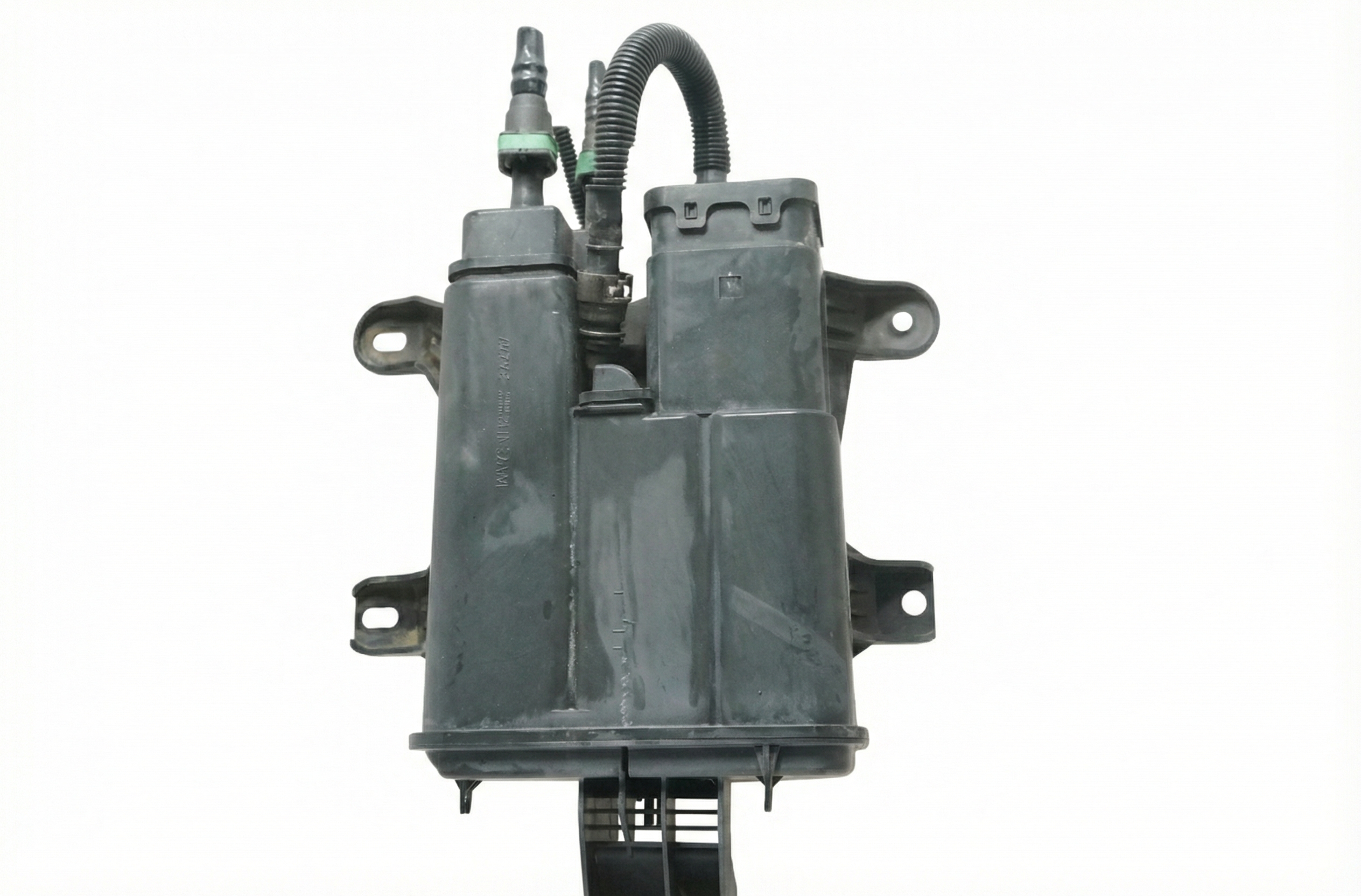
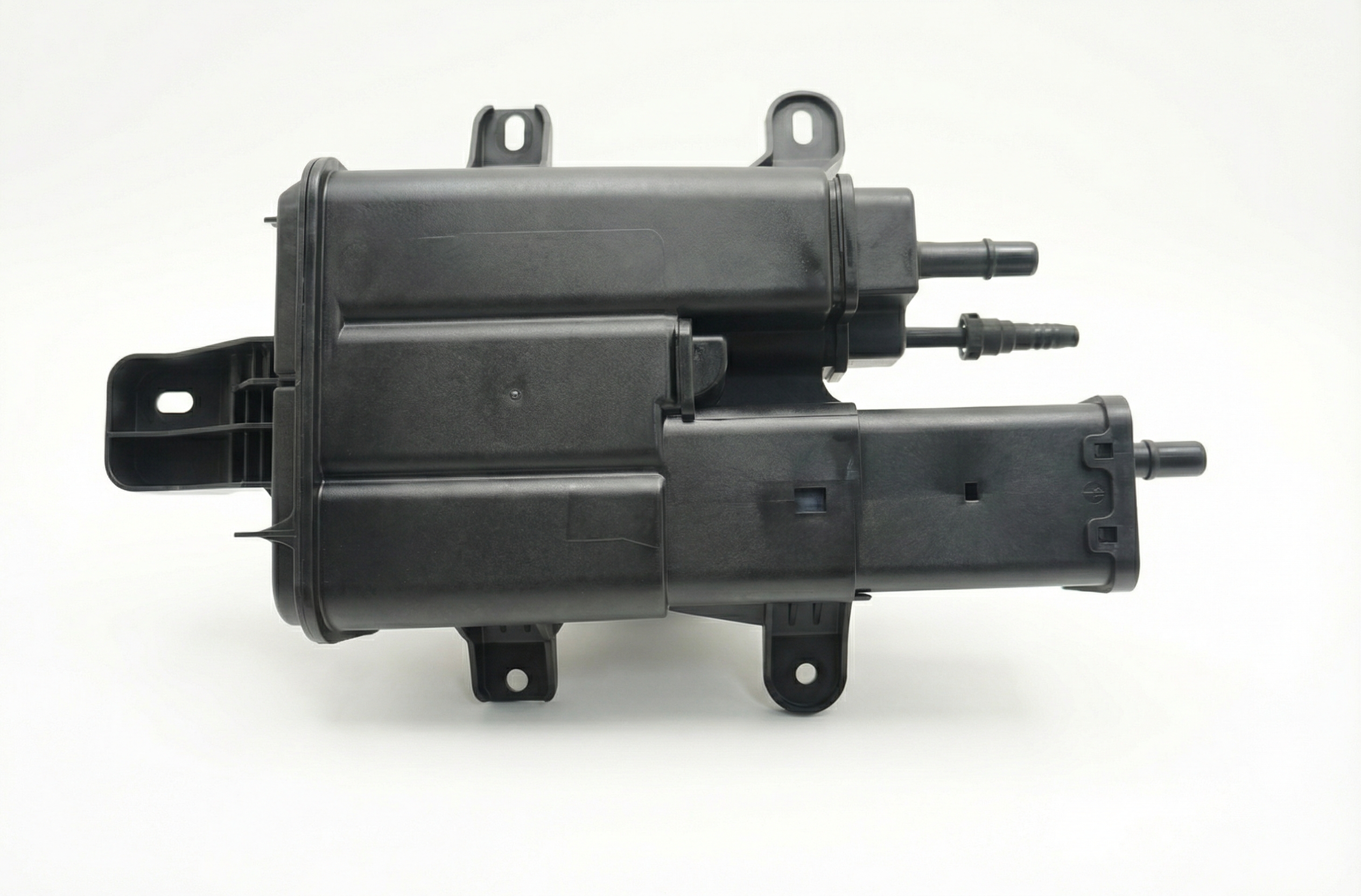
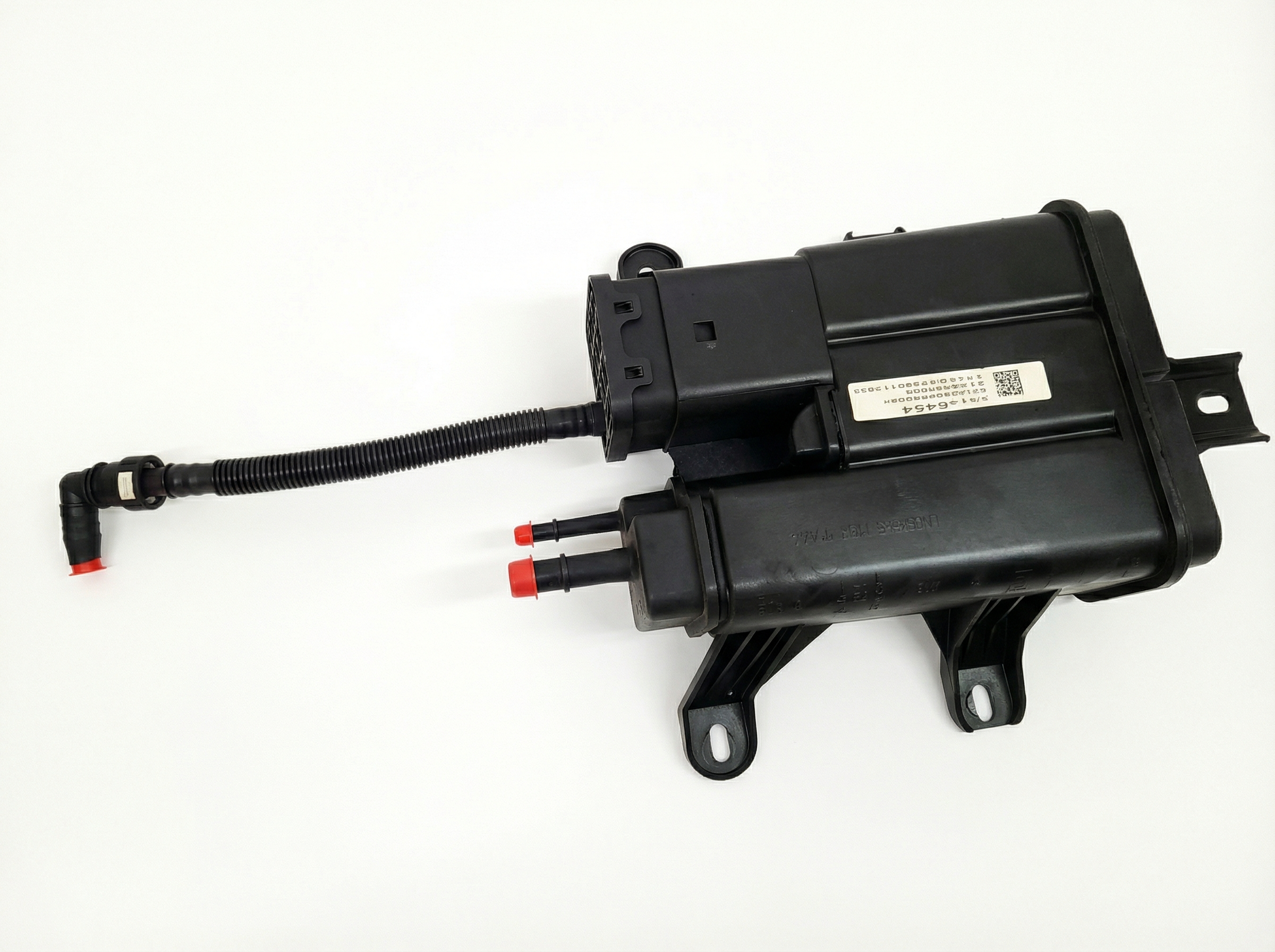
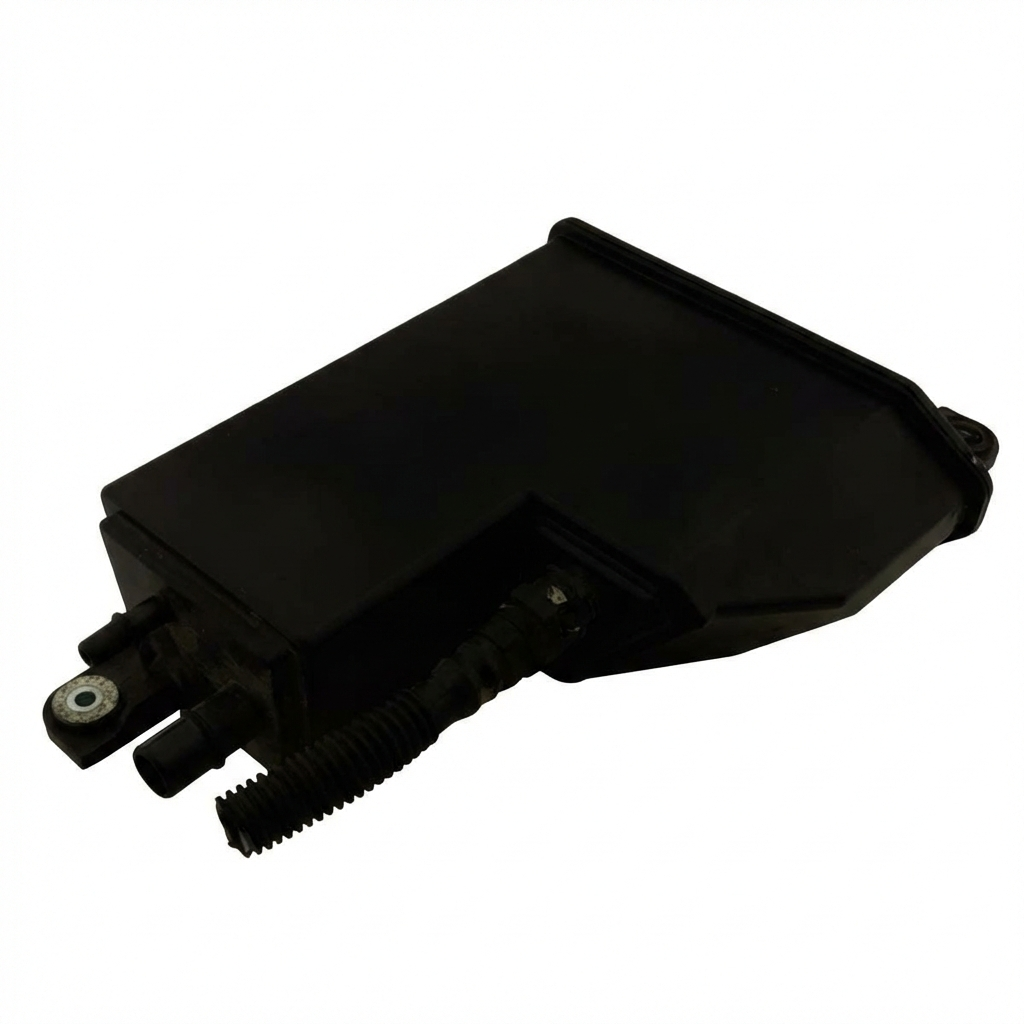
- Clogged Charcoal Canister: → Shop Vapor Canister If the canister becomes saturated with fuel (often from habitually overfilling the gas tank) or if the internal charcoal breaks apart, it can restrict flow and send debris into the purge and vent valves, causing them to fail.
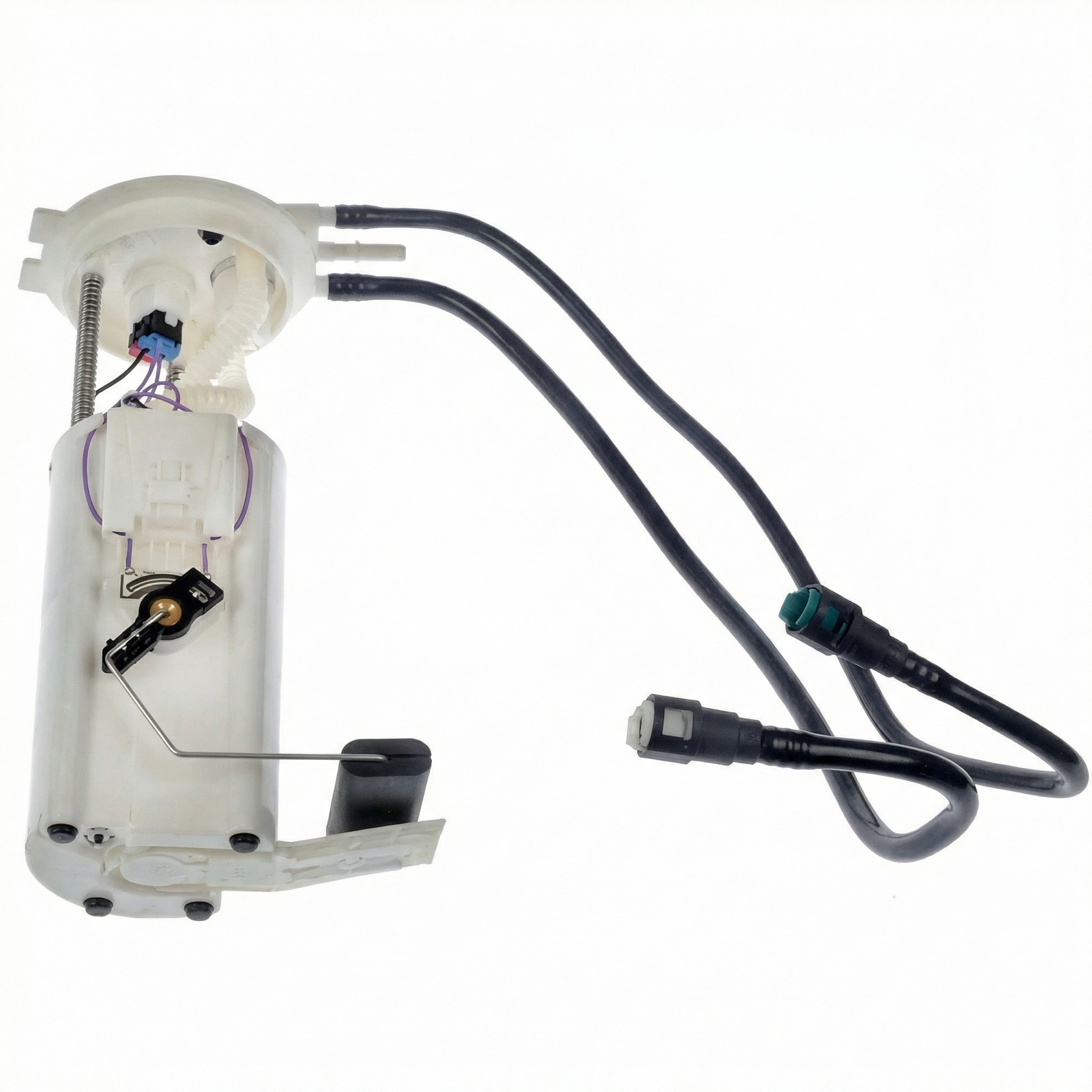
- Faulty Fuel Tank Pressure Sensor: → Shop Fuel Tank A bad pressure sensor can provide incorrect data to the ECM, leading it to misinterpret the purge flow test. However, this fault will usually set a specific pressure sensor code (e.g., P0452, P0453) along with P0441.
Diagnosis Steps
- Check the Gas Cap: Ensure the gas cap is tight and clicks when closed. Inspect the rubber seal for any cracks or damage. If it's worn, replace it, clear the code, and drive for a few days.
- Inspect the Purge Valve and Hoses: Locate the EVAP purge valve on the engine. Visually inspect the valve and its connecting hoses for any obvious cracks, breaks, or disconnections.
- Test the Purge Valve: Disconnect the electrical connector and hoses from the purge valve. With the valve unpowered, try to blow through it. It should be closed, and no air should pass. If you can blow through it, the valve is stuck open and needs to be replaced.
- Command Valve with Scan Tool (if available): A more advanced scanner can command the purge valve to cycle on and off. You should hear a clicking sound, and system vacuum/pressure should change accordingly.
- Perform a Smoke Test: If the gas cap and purge valve are good, the next step is to introduce smoke into the EVAP system using a smoke machine. Smoke will escape from any cracks or leaks in the lines or canister, pinpointing the source of the problem.
- Inspect the Vent Valve: If no leaks are found, inspect the vent valve and charcoal canister near the fuel tank for dirt clogs or damage, as this is a known issue.
Parts You'll Likely Need
- EVAP Canister Purge Valve Solenoid
(OEM #12690512 (supercedes 12610560, 55593172 for many applications, check fitment))— This is the most frequent cause of P0441 on this vehicle. It gets stuck open or closed, causing incorrect vapor flow.
Trusted brands: ACDelco, Bosch, Dorman
OEM price range: $40-$60
Aftermarket price range: $25-$45 - Fuel Cap
(OEM #Check with dealer for specific VIN.)— A worn-out seal on the gas cap is a common cause for all EVAP codes and is an easy and inexpensive first step in diagnosis.
Trusted brands: ACDelco, Stant
OEM price range: $20-$30
Aftermarket price range: $15-$25 - EVAP Canister Vent Valve Solenoid
(OEM #ACDelco 23156465 (example, check fitment))— Located near the fuel tank, this valve can get clogged with dirt, preventing the EVAP system from sealing or venting correctly.
Trusted brands: ACDelco, Dorman, Autopart Premium
OEM price range: $50-$70
Aftermarket price range: $30-$50
Related Codes That Often Appear With This One
- P0442 — Indicates a small leak in the EVAP system, which can be caused by the same components (like a bad purge valve or gas cap) that cause P0441.
- P0455 — Indicates a large leak in the EVAP system. If the purge valve is stuck wide open or a hose is completely disconnected, you might see this code along with P0441.
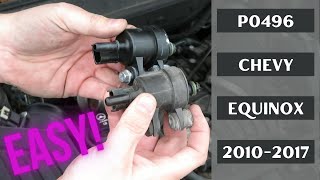
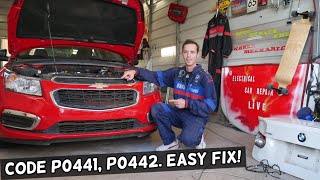
- P0496 — Indicates EVAP flow during a non-purge condition. This code specifically points to a purge valve that is stuck open or leaking, which is a primary cause of P0441. 🎬 Watch: How to fix P0496 and P0441 codes easily.
Technical Service Bulletins (TSBs) & Recalls
- N192210240: Special Coverage for faulty EVAP purge valve on various 2016-2018 GM models. Though the Equinox is not listed, the issue is identical. Symptoms include rough idle, hesitation, and stalling.
Platform-Specific Known Issues
- GM issued a special coverage adjustment (N192210240) for faulty purge valves on many 2016-2018 models, which could cause rough idle and set a trouble code. While the 2010-2017 Equinox was not explicitly listed in the available documents for this specific TSB, the part numbers and symptoms are highly similar, indicating a widespread issue across GM platforms of the era. The coverage extended the warranty for this part to 10-15 years or 120,000-150,000 miles for the affected models.
Mechanic-Grade Diagnostic Values
- EVAP Purge Valve Solenoid Coil Resistance — expected: 20-30 Ohms. Failure: A reading of infinity (open circuit) or near-zero (short circuit) indicates a failed solenoid coil.
- Voltage at Purge Valve Connector (Power Wire) — expected: Approximately 12V (Battery Voltage) with Key On, Engine Off (KOEO).. Failure: No voltage suggests a blown fuse (check the emissions or ECM fuse in the underhood fuse block), a bad relay, or a break in the power wire.
- Signal at Purge Valve Connector (Control Wire) — expected: This is a ground-side controlled circuit. Using a test light connected to battery positive, the light should flash when the valve is commanded ON by a scan tool.. Failure: A constantly lit or unlit test light when the valve is commanded indicates a wiring short/open to the ECM or a faulty ECM driver.
Scan Tool Commands That Help
- GDS2 / Tech2 (or equivalent professional bidirectional scanner): EVAP Purge/Seal or Purge Solenoid Command — This function allows a technician to manually command the purge valve open (by percentage) and closed. It's used to verify if the valve clicks, if the control circuit is receiving the command from the ECM, and to see if engine RPM or fuel trims change when the valve is opened, confirming it's not mechanically stuck.
- GDS2 / Tech2 (or equivalent professional bidirectional scanner): EVAP Service Bay Test — This is a forced readiness monitor test used when the standard EVAP monitor won't run through normal drive cycles, preventing an emissions inspection. It runs a sequence of automated system checks but requires specific conditions like a cold start and holding a steady RPM (e.g., 2000 RPM) for several minutes. This can save significant time compared to the multiple drive cycles that might otherwise be needed.
Wiring & Ground Locations
- Purge Valve Connector — On the purge valve solenoid itself, which is mounted on the intake manifold.. This 2-pin connector is a primary point of failure. Check for corrosion on the pins, a loose connection, or damaged wires. The power wire is typically Pink/Black, and the control wire from the ECM is often Dark Green/White.
- G109 / G112 (2.4L Engine) — G109 is on the top right rear of the engine. G112 is on the lower left front of the engine, sometimes under the alternator.. These are critical ECM and engine sensor ground points. A loose or corroded ground here can cause erratic voltage and unpredictable behavior from any sensor or solenoid controlled by the ECM, including the EVAP purge valve, leading to false codes.
- G101 (V6 Engines) — Located on the left front of the engine compartment.. This is a major engine bay ground point. A fault at G101 can affect the operation of multiple components, and while less direct than a sensor-specific ground, it should be checked when chasing intermittent electrical issues.
Real Owner Repair Stories
- Common forum report pattern (2010-2017 Chevrolet Equinox, typically with 60,000+ miles) — Check Engine Light with P0441, sometimes accompanied by P0496. May have a slightly rough idle or difficulty starting after getting gas.
❌ Tried (didn't work) Tightening or replacing the gas cap.
✅ What actually fixed it Replacing the EVAP purge valve solenoid (ACDelco 12690512) on the engine manifold. This is the most common successful repair reported by owners for this specific code on this platform. - Common diagnostic escalation pattern (2010-2017 Chevrolet Equinox) — P0441 code returns after replacing the purge valve.
❌ Tried (didn't work) Replacing the EVAP purge valve., Replacing the gas cap.
✅ What actually fixed it A smoke test revealed a small, hard-to-see crack in one of the plastic EVAP lines or a leak from the charcoal canister itself. In other cases, the EVAP canister vent valve (near the fuel tank) was found to be clogged with dirt and stuck, which was only found after the more common purge valve replacement did not solve the issue.
"I Checked Everything" — The Actual Cause
- In some cases, a smoke test may pass, and both the purge and vent valves may test good, yet the P0441 code persists. The root cause can be a faulty Fuel Tank Pressure (FTP) sensor. The sensor may provide skewed data that causes the ECM to fail the purge flow diagnostic test, but the data isn't erratic enough to trigger a specific FTP sensor code (like P0452/P0453). The FTP sensor is located on top of the fuel pump module inside the gas tank.
- An intermittent electrical fault in the wiring harness to the purge valve or a valve that only sticks under specific temperature conditions can also cause this scenario. The fault isn't present during the test but occurs during a drive cycle, setting the code.
When the Usual Fixes Don't Work
- While replacing the purge valve is the most common fix, a significant minority of owners on forums report that this does not solve their P0441 issue. In these cases, the ultimate solution is often found after a professional smoke test, which reveals an obscure leak in a hose that was missed during visual inspection, or a failure of the less-common vent valve located near the fuel tank. This indicates that while the purge valve is the highest probability cause, it should not be the only part considered.
OEM Part Supersession History
12610560, 55593172→12690512— Part consolidation and potential design improvements for reliability.
Heads up: The ACDelco 12690512 is the standard, correct replacement for the entire 2010-2017 Equinox generation. Be aware that some aftermarket versions may have slight physical differences; for example, one brand notes a bracket difference for 2017 models versus earlier years, though the core valve is the same.
Model Year Variations Within This Range
- 2010-2017: While the core EVAP system and common failure points are consistent, there was a facelift in 2016. However, the primary replacement part, the purge valve (ACDelco 12690512), fits across the entire generation for the common 2.4L and V6 engines. An aftermarket part listing from Standard Motor Products notes a bracket difference between 2010-2016 and 2017 models for their specific part, suggesting minor mounting changes may exist on the very last model year.
Diagnostic Flowchart
Other Known Issues on This Vehicle
Issues unrelated to this code that are worth knowing about as an owner of this generation:
- Excessive Oil Consumption (2.4L Ecotec) 🔴 High — Extremely common, especially in 2010-2013 models. Can start as early as 50,000 miles. Caused by faulty, low-tension piston rings. (Ref: Multiple lawsuits and a Special Coverage Adjustment (e.g., 15285C for 2011 models) were issued, extending the warranty for piston ring replacement for some owners.)
- Stretched Timing Chain (2.4L Ecotec) 🔴 High — Very common, often a direct result of the oil consumption issue causing low oil levels. This starves the hydraulic tensioner, leading to chain stretch and noise. Typically occurs between 80,000-120,000 miles. (Ref: Special Coverage Adjustment 12313D was issued for the balance shaft chain on 2010-2011 models.)
- Blown Rear Main Seal in Cold Climates (2.4L Ecotec) 🟠 Medium — Occurs in regions with freezing temperatures. The PCV system orifice can clog with ice/sludge, causing excessive crankcase pressure that blows out the rear main seal. (Ref: GM Technical Service Bulletin PIP5093B addresses this specific issue.)
- Faulty VVT Solenoids (Camshaft Actuators) 🟡 Low — Common failure item, particularly on the 2.4L engine. Leads to rough idle, stalling, and codes like P0010 or P0011. Often caused by low or dirty oil.
Used vs. New Parts: Buying Guide for This Vehicle
When a used part is the smart pick: For this specific code, using used parts is generally not recommended. The primary failure components are electronic solenoids and plastic/rubber parts that degrade with age and heat cycles. A used part from a junkyard is likely to have similar wear and a high risk of premature failure.
Donor-vehicle mileage cap: roughly under 40000 miles for the part to have meaningful remaining life.
What to inspect on the donor part:
- For a charcoal canister: Ensure the donor vehicle shows no signs of collision damage near the tank. Shake the canister; there should be no sound of sloshing liquid or loose charcoal pellets.
- For hoses: Only consider if they are still pliable and show no signs of cracking or brittleness, which is rare for a vehicle of this age.
OEM-only on this vehicle (don't cheap out):
- Gas Cap: Aftermarket gas caps are a frequent source of EVAP codes. The seal quality and pressure specs are critical, making an OEM (ACDelco) cap the most reliable choice.
Aftermarket brands forum-validated for this vehicle:
- ACDelco (OEM supplier)
- Bosch
- Standard Motor Products (SMP)
Brands owners have reported issues with on this vehicle:
- Unbranded, low-cost parts from online marketplaces have a high reported failure rate. Some forum members have reported certain auto parts store brands failing within weeks or months, requiring a second replacement.
Real Owner Stories
Aggregated from forums and TSBs cited above. Mileages and costs reflect what owners reported in those sources.
2010-2017 Chevrolet Equinox
Symptoms: The overwhelming consensus among owners involves a Check Engine Light with the P0441 code. Many report the repair is simple enough to do at home.
What fixed it: Replacing the purge valve solenoid.
Source hint: chevyequinoxforum.com
2010-2017 Chevrolet Equinox
Symptoms: P0441 code appeared after installing an aftermarket, non-vented gas cap.
What fixed it: Using correct, OEM-spec parts (specifically the gas cap).
Source hint: Reddit r/MechanicAdvice
Related OBD-II Codes
Frequently Asked Questions
Does the GM Special Coverage Adjustment N192210240 for purge valves apply to my 2010-2017 Chevrolet Equinox?
Where is the EVAP purge valve located on my Equinox engine?
Why does my Equinox have trouble starting specifically after I fill up the gas tank?
Can a gas cap cause a P0441 code on this vehicle?
Is the P0441 code related to the common oil consumption issues on the 2.4L Ecotec engine?
How can I tell if my purge valve is actually bad without a scan tool?
Helpful Videos
Used OEM Parts in Stock
New Aftermarket Parts Available


The information in this article is provided for general reference and educational purposes only. Vehicle specifications, procedures, and part compatibility can vary by production date, trim level, and region. Always consult your vehicle's factory service manual and verify part numbers before purchasing or performing repairs. Safety-critical components such as airbags, seat belts, and braking systems should be installed by a qualified professional.
- Chevrolet Equinox:
- 🧭 Diagnostic Flowchart
- 🎬 Helpful Videos
- 🛍️ Shop This Part
- What's Unique About the 2010-2017 Chevrolet Equinox
- Symptoms You May Notice
- Most Likely Causes
- Rare But Worth Checking
- Diagnosis Steps
- Parts You'll Likely Need
- Related Codes That Often Appear With This One
- Technical Service Bulletins (TSBs) & Recalls
- Platform-Specific Known Issues
- Mechanic-Grade Diagnostic Values
- Scan Tool Commands That Help
- Wiring & Ground Locations
- Real Owner Repair Stories
- "I Checked Everything" — The Actual Cause
- When the Usual Fixes Don't Work
- OEM Part Supersession History
- Model Year Variations Within This Range
- Other Known Issues on This Vehicle
- Used vs. New Parts: Buying Guide for This Vehicle
- Real Owner Stories
- 2010-2017 Chevrolet Equinox
- 2010-2017 Chevrolet Equinox
- Related OBD-II Codes
- Frequently Asked Questions
- 🎟️ Get 5% Off