

P0441 on 2014-2018 Chevrolet Silverado: Causes and Fixes for Incorrect Purge Flow
For a 2014-2018 Silverado, the P0441 code is almost always caused by a faulty EVAP Purge Solenoid Valve. This is an affordable and easy part to replace yourself in about 30 minutes. Expect to pay between $35 and $70 for an OEM ACDelco part.
- P0441 on a 2014-2018 Silverado almost always points to a bad EVAP Purge Solenoid Valve.
- This is an easy and inexpensive DIY repair that requires basic hand tools and about 30 minutes.
- The purge valve is located on the driver's side of the engine's intake manifold, making it easy to access.
- The correct OEM part number is ACDelco 12690512, and using an OEM part is highly recommended.
- Driving with P0441 is safe, but you won't be able to pass an emissions inspection until it's fixed.
What's Unique About the 2014-2018 Chevrolet Silverado
On the 2014-2018 Silverado (K2XX generation), the EVAP Purge Solenoid Valve is the most frequent failure point for the P0441 code. It's conveniently located on the driver's side of the intake manifold, making it much easier to access and replace than on many other vehicles where it might be buried. This high failure rate and easy access make it the first and most logical part to inspect and likely replace.
Symptoms You May Notice
- Check Engine Light is on.
- Slightly rough idle in some cases, sometimes described as a fluctuating RPM needle at a stop. This may be more noticeable shortly after refueling.
- A faint fuel smell may be noticeable, though this is rare.
- Difficulty starting the engine, especially after filling the gas tank (very rare).
- Audible clicking noise from the purge valve on the engine, even when the engine is off (in cases where it's stuck or cycling improperly).
- Engine continues to run for a few seconds after turning the key off (dieseling/run-on), a rare symptom caused by a stuck-open purge valve.
- Replacing the gas cap first. While it's an easy check, it is not the most common cause for a P0441 *flow* code on this specific truck; the purge solenoid is far more likely to be the culprit.
- Replacing the EVAP vent solenoid. This part is a common failure on GM trucks, but it usually produces different trouble codes related to the vent circuit or large leaks (P0446, P0449, P0455).
Most Likely Causes
- Faulty EVAP Canister Purge Solenoid Valve 🔴 High Probability → Shop Vapor Canister This specific component is a known high-failure item on this generation of GM trucks and is the most common trigger for P0441. The internal valve can stick open or closed due to wear or debris.
How to confirm: With the engine off, remove the valve. Try to blow through it from the canister (fuel tank) side to the intake side; if any air passes, it is stuck open and faulty. A properly functioning valve is normally closed and should not allow air to pass when unpowered. Alternatively, with the engine running at idle, disconnect the vapor line from the purge solenoid; if you feel vacuum on the solenoid's port, it is stuck open and needs to be replaced.
Typical fix: Replace the EVAP canister purge solenoid valve. It is mounted on the driver's side of the intake manifold and secured by one 10mm bolt. The replacement can be done in under 30 minutes.
Est. part cost: $35-$70 - Cracked or Disconnected EVAP Purge Line 🟡 Medium Probability The plastic and rubber hoses in the engine bay can become brittle over time due to heat cycles and age, leading to cracks or loose connections.
How to confirm: Visually inspect the entire length of the EVAP hose running from the charcoal canister (under the truck, near the tank) to the purge solenoid on the engine. Pay close attention to connection points and bends. A smoke test is the most effective way to find small, hard-to-see leaks.
Typical fix: Replace the damaged section of the hose or the entire line assembly. Secure any loose connections.
Est. part cost: $20-$100 - Faulty Gas Cap ⚪ Low Probability → Shop Fuel Tank Cap While a bad gas cap typically causes a large leak code (like P0455), a faulty cap can sometimes contribute to incorrect flow issues. The seal can wear out, preventing the system from holding vacuum properly.
How to confirm: Inspect the gas cap for any visible cracks in the plastic or damage to the rubber O-ring seal. Ensure it clicks multiple times when tightened.
Typical fix: Replace the gas cap with a new OEM or equivalent part.
Est. part cost: $15-$30
Rare But Worth Checking
- Faulty EVAP Vent Solenoid: → Shop Vapor Canister The vent solenoid, typically located near the charcoal canister, can get stuck. While this more commonly throws other codes like P0446 or P0449, it can sometimes contribute to a P0441 by preventing the system from drawing in fresh air correctly during the purge cycle.
- Clogged Charcoal Canister: → Shop Vapor Canister If the charcoal canister becomes saturated with fuel (often from overfilling the gas tank) or clogged with dust, it can restrict vapor flow and trigger a P0441 code. This can sometimes be accompanied by a strong fuel smell.
Diagnosis Steps
- Read the code with an OBD-II scanner to confirm P0441 is the only code present. Note if P0496 is also present, which strongly points to the purge valve.
- Inspect the gas cap to ensure it is tight and the seal is intact.
- Locate the EVAP Purge Solenoid on the driver's side of the intake manifold.
- Visually inspect the EVAP lines connected to the solenoid for any obvious cracks, breaks, or loose connections.
- Perform a definitive test on the purge solenoid: Remove the valve from the vehicle. Attempt to blow air through the port that connects to the intake manifold. If air passes through, the valve is stuck open and must be replaced.
- Alternatively, test the solenoid while it's on the vehicle: Start the engine. With the engine idling, disconnect the vapor line from the purge solenoid. Place your finger over the port on the solenoid; you should not feel any vacuum. If you do, the valve is stuck open and must be replaced.
- If the solenoid tests good (is closed at rest), use a capable scan tool to command the purge solenoid to open (e.g., to 50%). You should now feel vacuum at the port. If you don't, the valve is stuck closed or the circuit is faulty.
- If the solenoid and its immediate lines are good, perform a smoke test on the EVAP system to check for leaks in the purge lines between the canister and the engine.
- If no leaks are found, inspect the EVAP vent solenoid (near the fuel tank) for proper operation and check the charcoal canister for saturation or blockages.
Parts You'll Likely Need
- EVAP Canister Purge Solenoid Valve
(OEM #12690512 (Supersedes: 12610560, 12661763; Succeeded by: 12737252))— This is the most common failure point for the P0441 code on this vehicle platform.
Trusted brands: ACDelco, GM Genuine Parts
OEM price range: $35-$70
Aftermarket price range: $25-$50
Related Codes That Often Appear With This One
- P0496 - Evaporative Emission System High Purge Flow. This is a GM-specific code that often appears for the exact same reason as P0441: a purge valve stuck open.
Technical Service Bulletins (TSBs) & Recalls
- While no TSBs were found specifically for P0441 on this model, GM has issued numerous TSBs for other common issues on this platform, which are more critical for owners to be aware of. These include TSB 16-NA-175 for transmission shudder, TSB 15-06-01-002N for lifter failure, and TSB 18-NA-156 for A/C condenser leaks.
Platform-Specific Known Issues
- Owner Experience: Quick DIY Fix: Multiple owners on forums like silveradosierra.com report that replacing the purge solenoid (part #12690512 or its successor) is a 15-20 minute job that immediately resolves the P0441 and associated P0496 codes. The part is held by a single 10mm bolt, making it one of the easiest repairs on the truck.
- Aftermarket vs. OEM Parts: While cheaper aftermarket purge valves are available, some owners report premature failure. Given the low cost of the OEM ACDelco part and its high reliability post-replacement, most forum contributors recommend sticking with the genuine GM or ACDelco part to avoid doing the job twice.
Mechanic-Grade Diagnostic Values
- EVAP Purge Solenoid Coil Resistance — expected: 20-30 Ohms. Failure: A reading that is significantly higher (open circuit) or lower (short circuit) indicates a faulty solenoid coil.
- EVAP Purge Solenoid Connector Voltage (KOEO, Unplugged) — expected: Approximately 12V (Battery Voltage) on Pin 1 (typically a Pink/Black wire).. Failure: No voltage indicates a problem with the power supply, such as a blown fuse or a break in the wire.
- Fuel Tank Pressure (FTP) Sensor Voltage (Scan Tool, KOEO, Gas Cap Off) — expected: 1.3V - 1.7V. Failure: A voltage outside this range suggests a faulty FTP sensor or a wiring issue.
- FTP Sensor 5V Reference Circuit (at sensor connector) — expected: 4.8V - 5.2V. Failure: Voltage outside this range indicates a problem with the ECM or the wiring providing the reference voltage.
Scan Tool Commands That Help
- GDS2 (GM Techline Connect) or equivalent professional scanner: EVAP System Test / Purge/Seal — This bidirectional command allows the technician to manually open and close the purge and vent solenoids to verify their mechanical function and to seal the system for a leak test, watching for pressure changes on the FTP sensor data PID. This is crucial for confirming if a solenoid is responding to commands from the ECM.
- GDS2 or equivalent: EVAP Purge Solenoid Control — This function allows you to command the purge solenoid to a specific duty cycle (e.g., 0% to 100%). While monitoring engine RPM and fuel trims, commanding the valve open should cause a noticeable change, confirming its operation. If commanding it open produces no change, it is likely stuck closed or clogged.
Wiring & Ground Locations
- EVAP Purge Solenoid Connector — On the purge solenoid itself, located on the driver's side of the intake manifold.. This 2-pin connector provides power and the control signal (ground) from the ECM. Pin 1 (Pink/Black wire) is the 12V ignition supply. A poor connection or damaged wire here will prevent the solenoid from operating.
- G107 — On the front of the driver's side cylinder head.. This is a primary engine ground point. While not exclusive to the EVAP system, a loose or corroded G107 can cause erratic behavior and incorrect readings from various engine sensors, potentially leading to misdiagnosis.
- PCM Ground — A critical ground wire runs from the Powertrain Control Module (PCM) harness to a bolt on top of the engine block, often near the back.. This is the main ground reference for the PCM and its sensors. If this ground is compromised, it can cause a wide range of nonsensical codes and sensor data, including those related to the EVAP system. It is a known point of failure due to vibration and heat.
Real Owner Repair Stories
- Reddit user in r/Silverado (2014 Chevrolet Silverado) — Engine continued to run for a few seconds after turning the key off (dieseling/run-on), especially in warmer weather or when the engine was fully up to temperature.
❌ Tried (didn't work) Asking local mechanics who were stumped.
✅ What actually fixed it Replacing the EVAP purge solenoid valve. The stuck-open valve was allowing excess fuel vapor into the intake, causing the engine to continue running briefly after ignition cutoff. - Reddit user in r/cruze (Chevrolet Cruze (uses a similar Bosch/ACDelco purge valve)) — Hard starts after refueling and an EVAP-related trouble code.
✅ What actually fixed it Replacing the vapor canister purge valve. The user noted that some parts stores (Rockauto, Amazon) suggested a new pigtail connector was also needed, but confirmed the original connector worked perfectly, making it a 5-minute, no-tools-required job.
"I Checked Everything" — The Actual Cause
- If a smoke test on the EVAP system shows no leaks, the cause of P0441 is almost certainly a functional failure rather than a physical leak. The most common scenario is the EVAP Purge Solenoid being stuck open internally. It won't leak smoke to the atmosphere, but it allows un-commanded vapor flow into the intake, which the ECM detects via fuel trim changes or FTP sensor readings, triggering the P0441. The second most likely cause is a faulty Fuel Tank Pressure (FTP) sensor that is providing skewed or erratic data to the ECM, causing it to fail the EVAP monitor's flow test even if the purge valve is operating correctly.
OEM Part Supersession History
12610560→12690512— The 12690512 revision featured updated internal spring tension and improved sealing materials to prevent vacuum leaks.12690512→12737252— Standard part lifecycle update; likely minor manufacturing or material improvements.
Heads up: 12737252 is the direct, backward-compatible replacement for 12690512 and is the correct OEM part to purchase.
Model Year Variations Within This Range
- 2014-2018: For the P0441 code, there are no significant variations in the cause or repair procedure across the 2014-2018 (K2XX) model years, including the 2016 refresh. The failure of the engine-mounted purge solenoid remains the consistent and primary cause.
Diagnostic Flowchart
Other Known Issues on This Vehicle
Issues unrelated to this code that are worth knowing about as an owner of this generation:
- 8-Speed Transmission Shudder (Chevy Shake) 🟠 Medium — Common on 8L45 and 8L90 transmissions, often appearing between 40,000-60,000 miles. Feels like driving over rumble strips during light acceleration. (Ref: TSB 16-NA-175, TSB 18-NA-355. The fix often involves a transmission fluid flush with an updated Mobil 1 Synthetic LV ATF HP fluid.)
- AFM/DFM Lifter Failure 🔴 High — A well-documented issue on the 5.3L and 6.2L V8s where the Active/Dynamic Fuel Management lifters can collapse or get stuck, causing misfires, a ticking noise, and potential camshaft damage. A class-action lawsuit was filed regarding this issue. (Ref: TSB 15-06-01-002N provides a procedure to repair the lifters and/or the valve lifter oil manifold.)
- A/C Condenser Leak 🟠 Medium — The A/C condenser is prone to cracking at the weld points, causing a loss of refrigerant and leading to the A/C blowing warm air. This is a very common failure on this platform. (Ref: TSB 18-NA-156 addresses leaks at the receiver/dehydrator plug on the condenser.)
- Cracked Dashboard 🟡 Low — The plastic dashboard, particularly around the passenger airbag and instrument cluster, is known to develop cracks over time due to sun exposure and material stress.
- Brake Vacuum Pump Failure 🔴 High — The engine-driven brake vacuum pump can fail, leading to a hard brake pedal and significantly increased stopping distances. This was subject to a recall. (Ref: GM Recall N192268490)
Used vs. New Parts: Buying Guide for This Vehicle
When a used part is the smart pick: For the most common fix, the EVAP Purge Solenoid, a used OEM part from a reputable salvage yard can be a cost-effective option. It is an easily accessible, external electromechanical part, not a high-wear item.
Donor-vehicle mileage cap: roughly under 60000 miles for the part to have meaningful remaining life.
What to inspect on the donor part:
- Ensure the plastic housing has no visible cracks or heat damage.
- Inspect the electrical connector pins to ensure they are straight and free of corrosion.
- Verify the part number on the used unit matches an OEM number (e.g., 12690512).
- If possible, perform the 'blow-through' test on the part before purchase; no air should pass when unpowered.
OEM-only on this vehicle (don't cheap out):
- EVAP Canister Purge Solenoid Valve
Aftermarket brands forum-validated for this vehicle:
- Standard Motor Products (SMP) is often cited on forums as a reliable alternative if an OEM part is unavailable.
Brands owners have reported issues with on this vehicle:
- No-name brands from online marketplaces like Amazon or eBay are frequently reported to have high premature failure rates.
- Dorman is generally considered hit-or-miss for electronic components on this platform by forum users; some have success while others report issues.
Real Owner Stories
Aggregated from forums and TSBs cited above. Mileages and costs reflect what owners reported in those sources.
2014-2018 Chevrolet Silverado
Symptoms: Rough idle and fluctuating RPM needle at a stop, particularly noticeable shortly after refueling.
What fixed it: Replacing the purge solenoid (part #12690512 or its successor).
Source hint: silveradosierra.com thread titled 'Fixed: Rough Idle'
2014-2018 Chevrolet Silverado 5.3L — ~50000 miles
Symptoms: Feeling like driving over rumble strips during light acceleration.
What fixed it: Transmission fluid flush with updated Mobil 1 Synthetic LV ATF HP fluid.
Source hint: gm-trucks.com thread titled '8 Speed Shudder' and TSB 16-NA-175
2014-2018 Chevrolet Silverado 5.3L/6.2L
Symptoms: Misfires, a ticking noise, and potential camshaft damage due to collapsed or stuck lifters.
What fixed it: Repairing the lifters according to the procedure in TSB 15-06-01-002N.
Source hint: Reddit r/Silverado thread 'AFM lifter issues'
Related OBD-II Codes
Frequently Asked Questions
Is there a specific TSB for the P0441 code on my 2014-2018 Silverado?
What is the most common part to replace for a P0441 on this truck?
Should I use an aftermarket purge valve or the OEM ACDelco part?
How long does it take to fix the purge solenoid on a 2014-2018 Silverado?
Why does my Silverado have a rough idle and fluctuating RPM needle after refueling?
Can a bad gas cap cause P0441 on my Silverado?
Helpful Videos
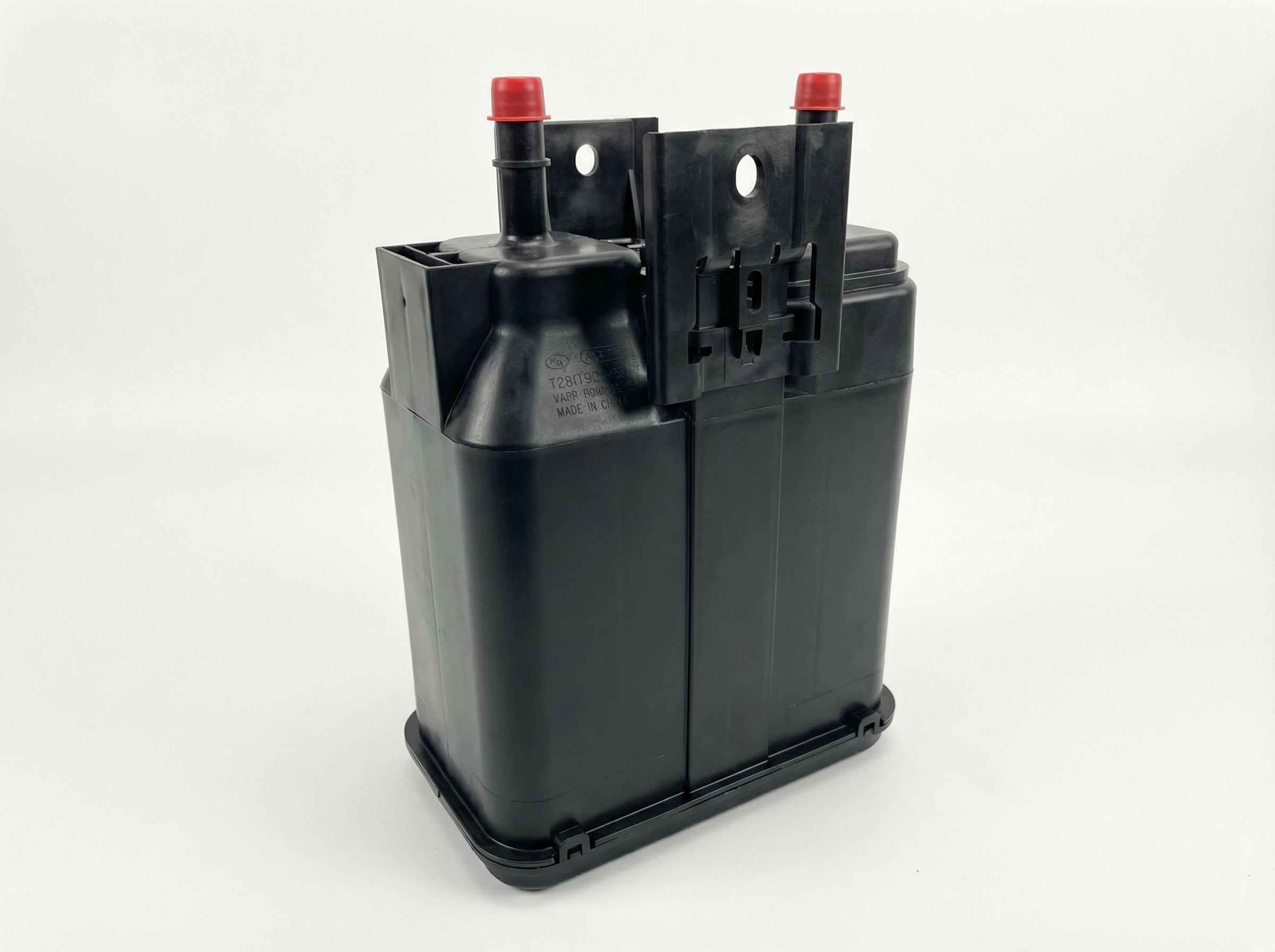
Used OEM Parts in Stock
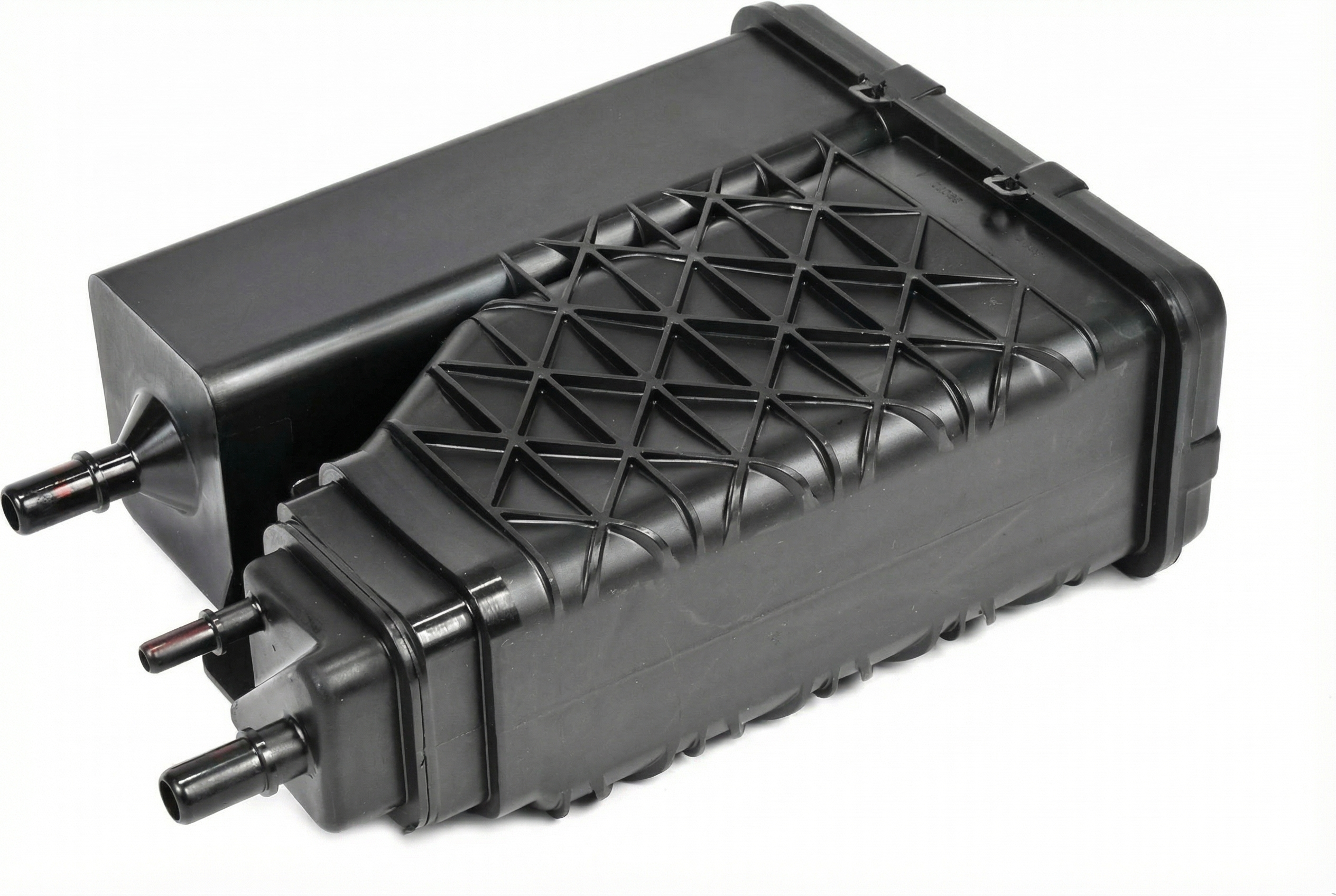
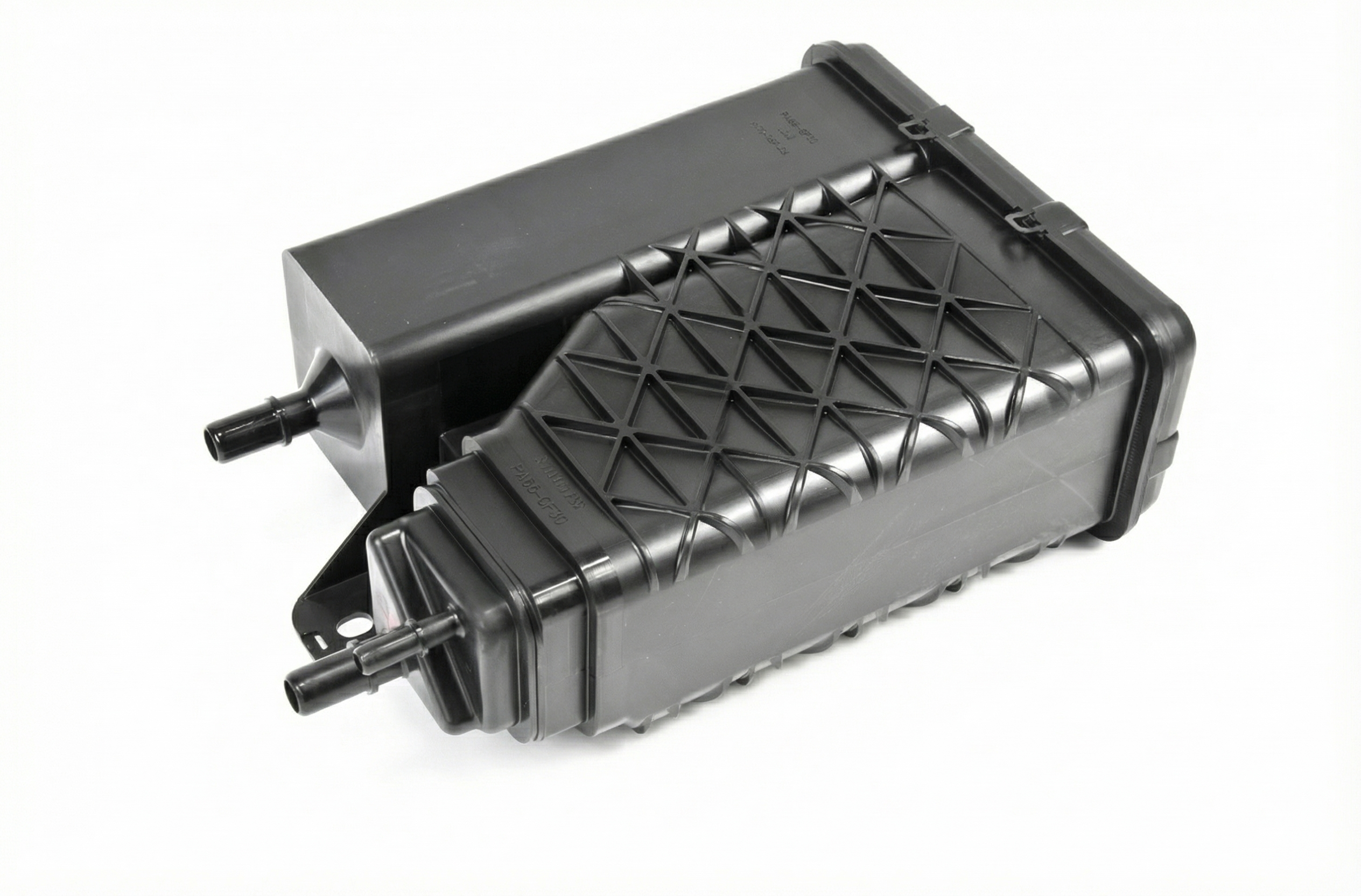

New Aftermarket Parts Available


The information in this article is provided for general reference and educational purposes only. Vehicle specifications, procedures, and part compatibility can vary by production date, trim level, and region. Always consult your vehicle's factory service manual and verify part numbers before purchasing or performing repairs. Safety-critical components such as airbags, seat belts, and braking systems should be installed by a qualified professional.
- Chevrolet Silverado:
- 🧭 Diagnostic Flowchart
- 🎬 Helpful Videos
- 🛍️ Shop This Part
- What's Unique About the 2014-2018 Chevrolet Silverado
- Symptoms You May Notice
- Most Likely Causes
- Rare But Worth Checking
- Diagnosis Steps
- Parts You'll Likely Need
- Related Codes That Often Appear With This One
- Technical Service Bulletins (TSBs) & Recalls
- Platform-Specific Known Issues
- Mechanic-Grade Diagnostic Values
- Scan Tool Commands That Help
- Wiring & Ground Locations
- Real Owner Repair Stories
- "I Checked Everything" — The Actual Cause
- OEM Part Supersession History
- Model Year Variations Within This Range
- Other Known Issues on This Vehicle
- Used vs. New Parts: Buying Guide for This Vehicle
- Real Owner Stories
- 2014-2018 Chevrolet Silverado
- 2014-2018 Chevrolet Silverado 5.3L — ~50000 miles
- 2014-2018 Chevrolet Silverado 5.3L/6.2L
- Related OBD-II Codes
- Frequently Asked Questions
- 🎟️ Get 5% Off