

P0441 on 2012-2020 Chevrolet Sonic: EVAP Incorrect Purge Flow Causes and Fixes
For a 2012-2020 Chevrolet Sonic, code P0441 is most often caused by a faulty EVAP canister purge valve. This is a common failure item that is relatively inexpensive and easy to replace for most DIY mechanics. The failure is so common that it is often diagnosed alongside code P0496 (EVAP Flow During a Non-Purge Condition).
- P0441 on a Chevy Sonic almost always points to a bad EVAP canister purge valve.
- This is a common DIY repair that usually takes less than an hour with basic tools.
- Symptoms are generally minor, mainly a Check Engine Light, but fixing it is necessary to pass emissions tests.
- Be sure to buy the correct purge valve, as the part number is different for the 1.4L Turbo and 1.8L engines.
- If replacing the purge valve doesn't fix the code, check for cracked EVAP hoses before moving to more complex components.
What's Unique About the 2012-2020 Chevrolet Sonic
The Chevrolet Sonic, particularly models with the 1.4L Turbo and 1.8L engines, shares its engine and emissions components with the Chevrolet Cruze and Buick Encore. These platforms are known for a high failure rate of the EVAP canister purge valve (solenoid). The valve can get stuck open or closed, or its internal diaphragm can fail, making it the most frequent culprit for code P0441 on these vehicles. A ticking noise from the rear of the engine is also a common audible symptom of the solenoid failing.
Symptoms You May Notice
- Check Engine Light is on.
- Slight fuel odor.
- Rough or unstable idle, especially after refueling.
- Difficulty starting, especially after refueling.
- Audible ticking or rattling noise from the purge valve solenoid located on the engine.
- Slight decrease in fuel economy.
- Replacing the gas cap when the purge valve is the actual problem. While a gas cap is a cheap and easy first step, P0441 specifically points to a flow issue, which is more often related to the purge valve's operation than a static leak at the cap.
- Replacing oxygen sensors. A stuck-open purge valve can cause a lean condition (P0171), but the root cause is the vacuum leak from the EVAP system, not the O2 sensor itself.
Most Likely Causes
- Faulty EVAP Canister Purge Valve/Solenoid 🔴 High Probability → Shop Vapor Canister The purge valve used on the Sonic (especially the 1.4L and 1.8L engines) is a known high-failure part, often getting stuck open or closed. This can be caused by the internal diaphragm failing or by charcoal pellets from a deteriorating canister jamming the valve. Overfilling the gas tank can also accelerate failure.
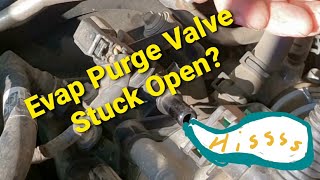
How to confirm: With the engine off, disconnect the vapor line from the purge valve. It should be closed, meaning you cannot blow air through it; if you can, it's failed. A more definitive test is to start the engine, disconnect the hose on the intake manifold side of the valve, and feel the port for vacuum with your finger. 🎬 Watch: A quick and easy test for a stuck open valve. If there is any suction at idle (when the engine is cold), the valve is stuck open and must be replaced. A scan tool can also command the valve open and closed to test its function.
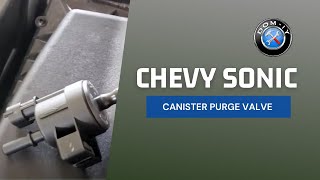
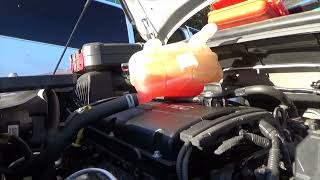
Typical fix: Replace the canister purge valve. It is located on the back of the engine, on top of the intake manifold, and is a straightforward replacement requiring few or no tools 🎬 See this step-by-step purge valve replacement on a 1.8L engine. for many model years.
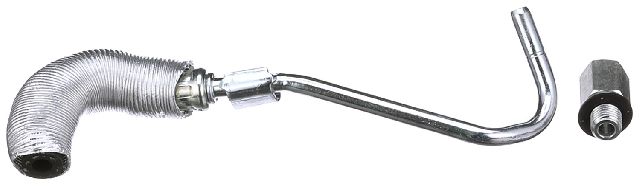
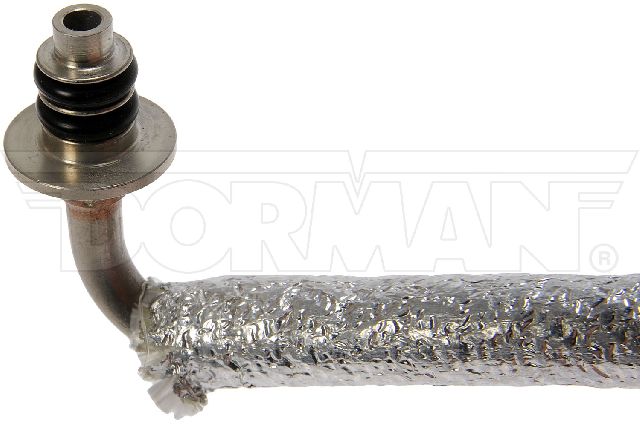
Est. part cost: $25-$60 - Cracked or Disconnected EVAP Hoses 🟡 Medium Probability The plastic and rubber hoses in the engine bay can become brittle over time due to heat and age, leading to cracks or loose connections.
How to confirm: Visually inspect all EVAP lines running from the charcoal canister (near the fuel tank) to the purge valve in the engine bay for any visible cracks, damage, or disconnections. A smoke test is the most effective way to find small, hard-to-see leaks.
Typical fix: Replace the damaged section of hose or reconnect any loose fittings.
Est. part cost: $10-$40 - Loose or Faulty Gas Cap ⚪ Low Probability → Shop Fuel Tank Cap While a loose gas cap more commonly causes a P0455 (large leak) or P0457 code, a faulty cap with a cracked or degraded seal can sometimes contribute to incorrect flow readings under specific conditions.
How to confirm: Ensure the gas cap is tightened until it clicks multiple times. Inspect the rubber O-ring seal on the cap for cracks, tears, or signs of degradation.
Typical fix: Tighten the gas cap correctly or replace it with a new OEM-equivalent cap if the seal is damaged.
Est. part cost: $15-$30
Rare But Worth Checking
- Clogged or Failed Charcoal Canister: → Shop Vapor Canister This can happen if the canister becomes saturated with fuel from overfilling the gas tank, or if the internal charcoal pellets break down and clog the lines. If you find black charcoal pellets inside the purge valve or its hoses, the canister needs to be replaced along with the purge valve.
- Faulty EVAP Vent Solenoid: → Shop Vapor Canister The vent solenoid, located near the charcoal canister by the fuel tank, allows fresh air into the system. If it gets stuck closed, it can prevent the system from purging correctly, triggering a P0441.
Diagnosis Steps
- Read the code with an OBD-II scanner to confirm P0441 and check for any other related codes, especially P0496 or P0171.
- Inspect the gas cap to ensure it is tight and the seal is in good condition.
- Locate the EVAP canister purge valve on the engine. For the 1.8L and 1.4L engines, it is mounted on the intake manifold and is easily accessible.
- Listen for a loud ticking or rattling sound from the valve with the engine running, which indicates a likely failure.
- Visually inspect the EVAP hoses connected to the purge valve and surrounding area for any obvious cracks, breaks, or disconnections.
- Test the purge valve. Disconnect the electrical connector and the hose coming from the charcoal canister. With the engine off, try to blow through the valve. It should be closed and allow no air to pass. If you can blow through it, it's stuck open and must be replaced.
- For a more definitive test, disconnect the hose from the valve to the intake manifold, start the engine, and feel for vacuum at the valve's port. Any suction indicates the valve is stuck open and has failed.
- If the valve seems to function correctly, the next step is a smoke test to check the entire EVAP system for hard-to-find leaks.
- If no leaks are found, the issue may lie with the vent valve near the charcoal canister or the canister itself.
Parts You'll Likely Need
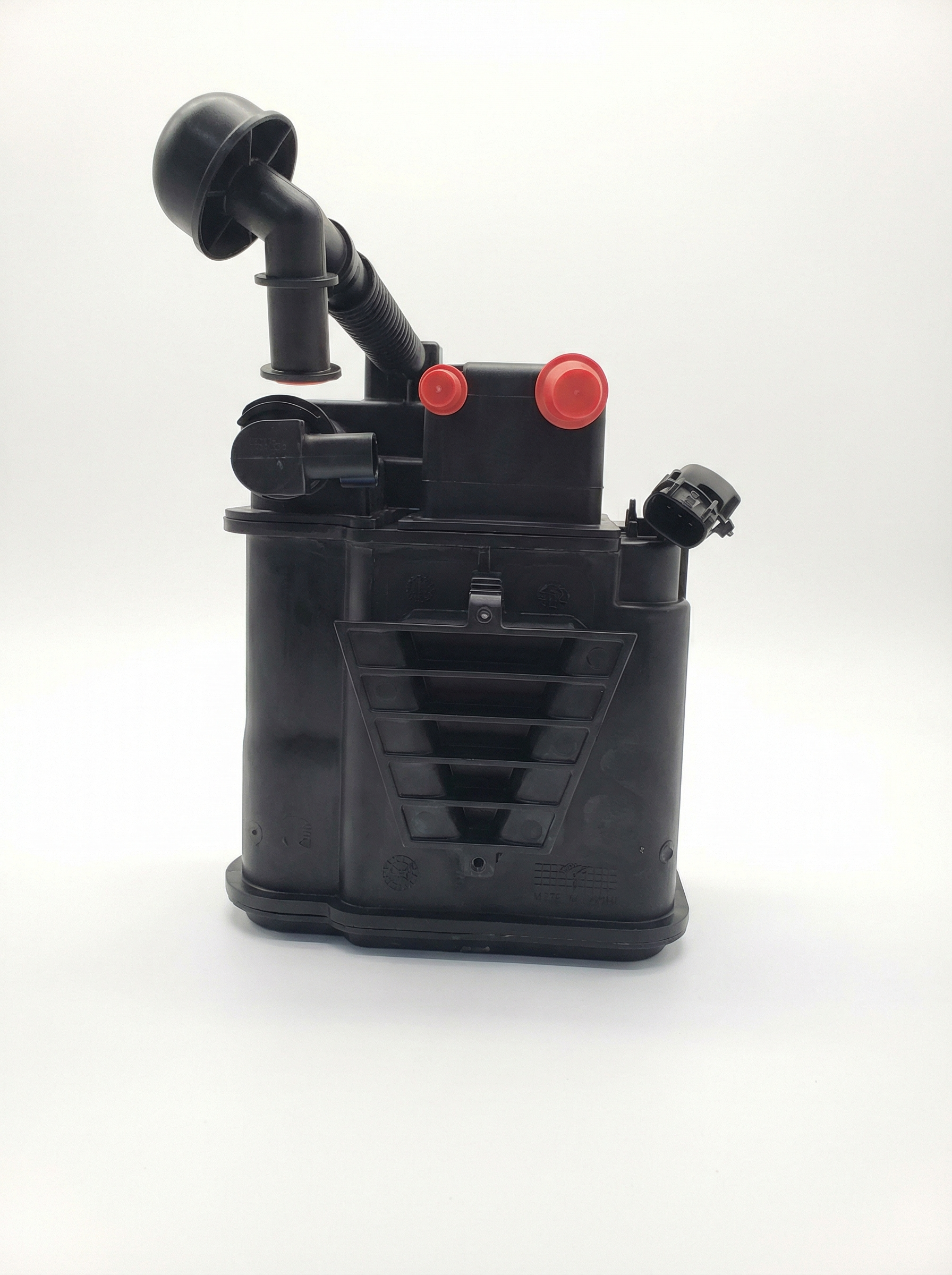
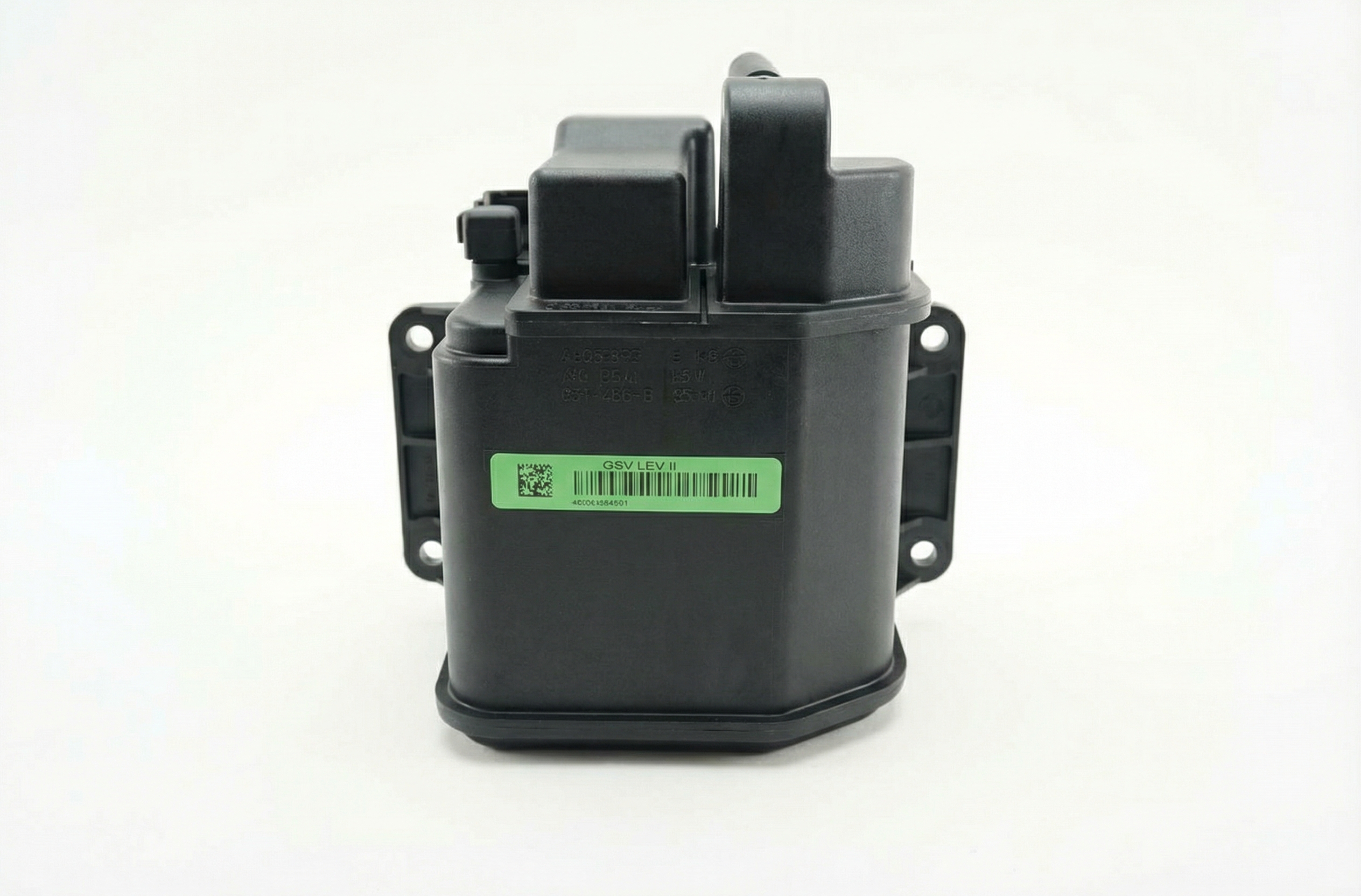
- Vapor Canister Purge Valve (Solenoid) - 1.8L
(OEM #55567453)— This is the most common failure point for code P0441 on the Chevrolet Sonic with the 1.8L engine, often getting stuck open or closed.
Trusted brands: ACDelco, GM Genuine, Delphi
OEM price range: $40-$70
Aftermarket price range: $25-$50 - Vapor Canister Purge Valve (Solenoid) - 1.4L Turbo
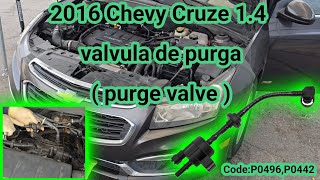
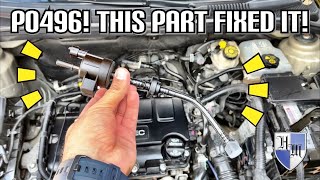
(OEM #55573017)— This is the specific purge valve for the 1.4L Turbo engine, 🎬 Watch: How to replace the 1.4L purge valve without any tools. which is also a very common failure point. It is often the cause for both P0441 and P0496 codes.
Trusted brands: ACDelco, GM Genuine
OEM price range: $50-$80
Aftermarket price range: $30-$60
Related Codes That Often Appear With This One
- P0496 — This code indicates 'EVAP Flow During a Non-Purge Condition.' It's very common to see with P0441 because a purge valve stuck open causes both incorrect flow (P0441) and flow when there should be none (P0496). They often point to the exact same failed part.
- P0171 — A purge valve stuck open creates a vacuum leak, allowing unmetered air and fuel vapor into the intake manifold. This can cause the engine to run lean, triggering a P0171 'System Too Lean' code. On the 1.4L Turbo Sonic, this lean code can also be caused by a failed PCV system in the valve cover, which is another extremely common issue.
- P0455 — This indicates a 'Gross EVAP Leak.' A purge valve that is stuck wide open can be interpreted by the computer as a large leak in the system.
Technical Service Bulletins (TSBs) & Recalls
- 22-NA-067: Poor Engine Performance in Extremely Cold Weather Conditions, PCV Bypass Hose and Charge Air Cooler Icing for LUV Engines.
Platform-Specific Known Issues
- General Motors issued Technical Service Bulletin (TSB) 22-NA-067 for some Sonic models (among others) with the 1.4L LUV engine, addressing poor performance in extreme cold. While it doesn't directly cite P0441, it deals with icing in the intake and PCV system, which could potentially affect related emissions components.
Mechanic-Grade Diagnostic Values
- EVAP Canister Purge Solenoid Voltage Supply — expected: Should be close to battery voltage with the key on, engine off.. Failure: Low or no voltage indicates a wiring or fuse block issue.
- EVAP Canister Purge Solenoid Command — expected: A scan tool should show the ECM commanding the valve with a duty cycle percentage. At cold idle, this should be 0%.. Failure: A command percentage above 0% at cold idle when suction is felt at the valve confirms a stuck-open valve.
Scan Tool Commands That Help
- GM GDS2/Tech 2: EVAP Service Bay Test — This function allows a technician to force the vehicle's computer to run the entire EVAP self-test sequence in the workshop, rather than having to perform a specific, lengthy drive cycle. It will command the purge and vent valves and monitor the system for leaks or flow faults, confirming if the P0441 condition is active.
- GM GDS2/Tech 2: Purge/Seal — This bidirectional control allows the user to manually command the purge solenoid open (by a percentage) and close the vent solenoid to seal the system. This is used in conjunction with a smoke machine or vacuum gauge to test the purge solenoid's operation and check for leaks without the engine running.
Wiring & Ground Locations
- Purge Solenoid Connector — On the EVAP purge solenoid, mounted to the intake manifold.. This 2-pin connector provides power and ground control to the solenoid. Pin 1 (Pink/Black wire) is the 12V ignition voltage supply from the underhood fuse block. Pin 2 (White wire) is the control circuit that the ECM pulses to ground to open the valve. A poor connection or damaged wire here will cause a circuit code (like P0443) but can also contribute to incorrect flow.
- G103 / G104 — On the engine block, typically on the left (driver's) side front. Part of the main negative battery cable harness.. This is a primary ground for the Engine Control Module (ECM). A loose or corroded ground here can cause erratic behavior from the ECM, including incorrect readings from sensors and improper control of actuators like the purge solenoid, potentially leading to a P0441 code.
- G105 — On the frame rail under the battery tray, to the left of the underhood fuse block (UBEC).. While not a direct ground for the purge solenoid, this ground serves multiple engine compartment components and a poor connection here has been noted in GM service bulletins to cause various electrical issues. Ensuring all major engine bay grounds are clean and tight is a critical step in diagnosing any electronic control fault.
Real Owner Repair Stories
- YouTube video by 'anothermod' (2015 Chevrolet Sonic Turbo (1.4L)) — Check Engine Light with code P0496 (EVAP Flow During a Non-Purge Condition), which is commonly seen with P0441.
❌ Tried (didn't work) The owner went straight to diagnosis rather than replacing other parts first.
✅ What actually fixed it The owner confirmed the purge valve was stuck open by blowing through it while it was disconnected. Replacing the EVAP canister purge valve (Part No. 55573017) resolved the issue. The replacement was shown to be very simple, requiring no tools to disconnect the hoses and only one mounting point on the intake manifold.
OEM Part Supersession History
55567453→28289971— Part has been updated by the manufacturer.
Heads up: The new part number should be a direct replacement for the original on applicable 1.8L models.
Model Year Variations Within This Range
- 2012-2020: The purge valve for the 1.4L Turbo engine (55573017) is a different part from the one used on the 1.8L engine (55567453). While they perform the same function, they are not interchangeable due to differences in mounting and hose connections.
Diagnostic Flowchart
Other Known Issues on This Vehicle
Issues unrelated to this code that are worth knowing about as an owner of this generation:
- Failed PCV System in Valve Cover (1.4L Turbo) 🔴 High — Very common. A torn diaphragm inside the valve cover causes a major vacuum leak, leading to a loud hiss, rough idle, and code P0171. Often misdiagnosed. (Ref: Multiple GM service bulletins (e.g., PI0907B, PIP5197) address related PCV issues.)
- Cracked/Leaking Water Outlet / Thermostat Housing 🟠 Medium — Common failure. The plastic housing can crack, leading to coolant leaks, overheating, and potentially code P0597.
- Oil Leaks (Oil Cooler, Valve Cover, Oil Pan) 🟠 Medium — Frequently reported. Leaks from the oil cooler lines, valve cover gasket, and oil pan are common as the vehicle ages.
- Water Pump Failure (1.4L Turbo) 🟠 Medium — A known issue, particularly on earlier models, leading to coolant leaks and overheating. (Ref: GM Service Bulletin 14371A addresses leaking water pumps on 2012-2014 Sonics with the 1.4L engine.)
- Torn Air Intake Duct/Hose (1.8L) 🟡 Low — The flexible air intake hose between the air filter box and the throttle body is prone to cracking, causing a vacuum leak and code P0171.
Used vs. New Parts: Buying Guide for This Vehicle
When a used part is the smart pick: For this specific repair, buying a used EVAP purge valve is NOT recommended. This part has a very high failure rate on the Sonic and related GM platforms. A used part from a salvage yard is likely to have significant wear and may fail soon after installation, if it isn't already faulty.
What to inspect on the donor part:
- Not applicable as used part is not recommended.
OEM-only on this vehicle (don't cheap out):
- While not strictly 'OEM-only', using a GM Genuine or ACDelco OEM-spec part is highly advised for the EVAP Purge Valve. The cost difference is minimal compared to aftermarket options, and it is the most reliable choice for a high-failure component.
Aftermarket brands forum-validated for this vehicle:
- ACDelco (GM OE)
- GM Genuine
- Delphi
Brands owners have reported issues with on this vehicle:
- Avoid no-name, unbranded parts from online marketplaces. While they may be cheaper, forum discussions and mechanic experience suggest they have a higher rate of premature failure for this specific component.
Real Owner Stories
Aggregated from forums and TSBs cited above. Mileages and costs reflect what owners reported in those sources.
2012-2020 Chevrolet Sonic 1.4L Turbo
Symptoms: Rough idle and a ticking noise coming from the engine. The car felt like it lacked 'pep' before the repair.
What fixed it: Replacing the evaporator purge solenoid.
Source hint: Sonic Owners Forum thread titled 'Evaporator purge solenoid symptom question'
2012-2020 Chevrolet Sonic
Symptoms: Rattling purge valve and an eventual Check Engine Light.
What fixed it: Replacement of the purge valve; owner was cautioned that overfilling the gas tank causes repeat failures.
Source hint: Sonic Owners Forum thread titled 'Evaporator purge solenoid symptom question'
2012-2020 Chevrolet Sonic
Symptoms: The new purge solenoid got jammed open again shortly after replacement. Found little black bits in the EVAP line.
What fixed it: The charcoal canister was breaking up and required replacement to prevent jamming the new solenoid.
Source hint: LS1TECH forum discussion 'How do I fix code p0441'
Related OBD-II Codes
Frequently Asked Questions
I have a 1.4L LUV engine and it's performing poorly in extreme cold; is there a TSB for this?
Can overfilling my gas tank cause the P0441 code on my Chevrolet Sonic?
Where is the purge valve located on the 1.8L or 1.4L Sonic engine?
My Sonic has a loud ticking noise coming from the engine bay along with the Check Engine Light. What is it?
Should I buy a used purge valve from a salvage yard to save money?
Is the P0441 code related to the common PCV valve cover failure on the 1.4L Turbo?
Helpful Videos
Used OEM Parts in Stock
New Aftermarket Parts Available



The information in this article is provided for general reference and educational purposes only. Vehicle specifications, procedures, and part compatibility can vary by production date, trim level, and region. Always consult your vehicle's factory service manual and verify part numbers before purchasing or performing repairs. Safety-critical components such as airbags, seat belts, and braking systems should be installed by a qualified professional.
- Chevrolet Sonic:
- 🧭 Diagnostic Flowchart
- 🎬 Helpful Videos
- 🛍️ Shop This Part
- What's Unique About the 2012-2020 Chevrolet Sonic
- Symptoms You May Notice
- Most Likely Causes
- Rare But Worth Checking
- Diagnosis Steps
- Parts You'll Likely Need
- Related Codes That Often Appear With This One
- Technical Service Bulletins (TSBs) & Recalls
- Platform-Specific Known Issues
- Mechanic-Grade Diagnostic Values
- Scan Tool Commands That Help
- Wiring & Ground Locations
- Real Owner Repair Stories
- OEM Part Supersession History
- Model Year Variations Within This Range
- Other Known Issues on This Vehicle
- Used vs. New Parts: Buying Guide for This Vehicle
- Real Owner Stories
- 2012-2020 Chevrolet Sonic 1.4L Turbo
- 2012-2020 Chevrolet Sonic
- 2012-2020 Chevrolet Sonic
- Related OBD-II Codes
- Frequently Asked Questions
- 🎟️ Get 5% Off