

P0441 on 2019-2022 Dodge Charger: EVAP Purge System Performance Causes and Fixes
For a 2019-2022 Dodge Charger, code P0441 most often points to a faulty EVAP purge valve (Mopar Part No. 04891731AA for V6/V8) or a disconnected hose near it. However, a known software issue documented in TSBs #18-094-23 and #25-003-20 may require a dealer to update the Powertrain Control Module (PCM). The purge valve is a relatively inexpensive part ($25-$70) and an easy DIY replacement.
- P0441 on a 2019-2022 Charger means there's an incorrect flow in the EVAP system.
- The most likely causes are a bad purge valve, a disconnected hose, or a software issue requiring a dealer update.
- Always check for simple fixes first: ensure the gas cap is tight and inspect all EVAP hoses near the engine for cracks or disconnection.
- Replacing the purge valve is a simple, low-cost DIY job that often solves the problem.
- If a new purge valve and hose inspection don't fix the code, consult a dealer about a PCM software update, referencing TSB #1809423.
What's Unique About the 2019-2022 Dodge CHARGER

While a faulty purge valve is common across many vehicles, on this generation of Dodge Charger, the P0441 code is also frequently caused by a software glitch. Dodge has issued Technical Service Bulletins (TSBs) #18-094-23 and #25-003-20 stating that in some cases, the only fix is to reprogram the Powertrain Control Module (PCM) with the latest software. This is a critical distinction, as owners might replace a perfectly good purge valve and other hardware without resolving the Check Engine Light if the root cause is software-related. This issue is shared with its platform mates, the Dodge Challenger and Chrysler 300.
🎬 Watch: Overview of common causes and fixes for the P0441 code.Diagnostic Flowchart

Tap your situation to follow the diagnostic path that matches what you're seeing on this vehicle.
Symptoms You May Notice
- Check Engine Light is on
- Remote start may be disabled
- A faint fuel smell (less common)
- In rare cases, difficulty starting after refueling
- Replacing the gas cap when the actual problem is the purge valve or a disconnected hose.
- Replacing the purge valve multiple times when the root cause is a software issue requiring a PCM reflash.
- Replacing the charcoal canister when the issue is a much cheaper component like the purge valve or a hose.
Most Likely Causes

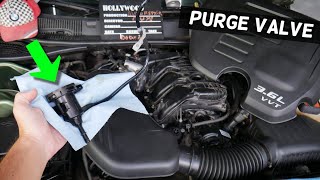
- Faulty EVAP Purge Valve/Solenoid 🔴 High Probability → Shop Vapor Canister The purge valve is a constantly working electromechanical part that can fail by getting stuck open or closed over time. It is the most frequently replaced part for this code on Dodge/Chrysler vehicles.
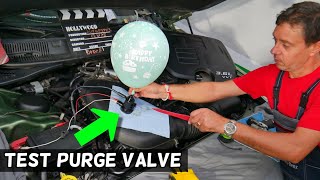
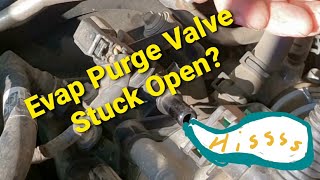
How to confirm: Locate the valve on the engine, near the intake manifold. With the engine off, remove it and try to blow through either port. If air passes through, it is stuck open and must be replaced. A more definitive test with the engine running is to disconnect the electrical connector and feel the vacuum port; if you feel suction at idle, the valve is stuck open and is bad. A scan tool can also command the valve to open and close to check for an audible click.
Typical fix: Replace the purge valve. This is typically a 15-minute job requiring minimal tools, often just a 10mm socket to remove the engine cover.
Est. part cost: $25-$70 - Outdated Powertrain Control Module (PCM) Software 🔴 High Probability Manufacturer TSBs #18-094-23 and #25-003-20 specifically call out a PCM reflash as the solution for P0441 on these vehicles, indicating a known software anomaly that can falsely trigger the code.
How to confirm: A Dodge dealership or a qualified shop with access to OEM software (like wiTECH) can check your vehicle's VIN against available TSBs to see if a software update is available. This is the only way to confirm if a software fix is needed.
Typical fix: Flash the Powertrain Control Module (PCM) with the latest software version. This must be done at a dealership or a properly equipped independent shop. Forum users report dealer costs ranging from $175 to $350 for this service.
Est. part cost: $0 (if under warranty) - $350 - Disconnected or Cracked EVAP Hose 🟡 Medium Probability Hoses, especially the one connecting to the purge valve, can be accidentally disconnected during other engine service or become brittle and crack with age. This is a surprisingly common and simple fix.
How to confirm: Visually inspect the vacuum hoses around the purge valve and intake manifold. A disconnected hose is often the culprit and is easy to spot. A smoke test can be performed to find less obvious cracks or leaks in the lines.
Typical fix: Reconnect the hose. If cracked, replace the section of hose.
Est. part cost: $0-$20 - Loose or Faulty Gas Cap ⚪ Low Probability → Shop Fuel Tank Cap While more commonly associated with large leak codes (P0455), a cap that isn't sealing properly can sometimes contribute to incorrect flow readings. It's always the first, easiest, and cheapest thing to check.
How to confirm: Ensure the gas cap is tightened until it clicks multiple times. Inspect the rubber seal on the cap for cracks or wear. Aftermarket gas caps are a known source of issues; an OEM cap is recommended.
Typical fix: Tighten or replace the gas cap, preferably with an OEM part.
Est. part cost: $15-$30
Rare But Worth Checking
- Faulty EVAP Pressure Sensor: TSB #25-003-20 mentions P0441 appearing alongside P0452 (EVAP Pressure Switch Stuck Closed), suggesting the sensor that monitors the system can fail and lead to an incorrect flow diagnosis.
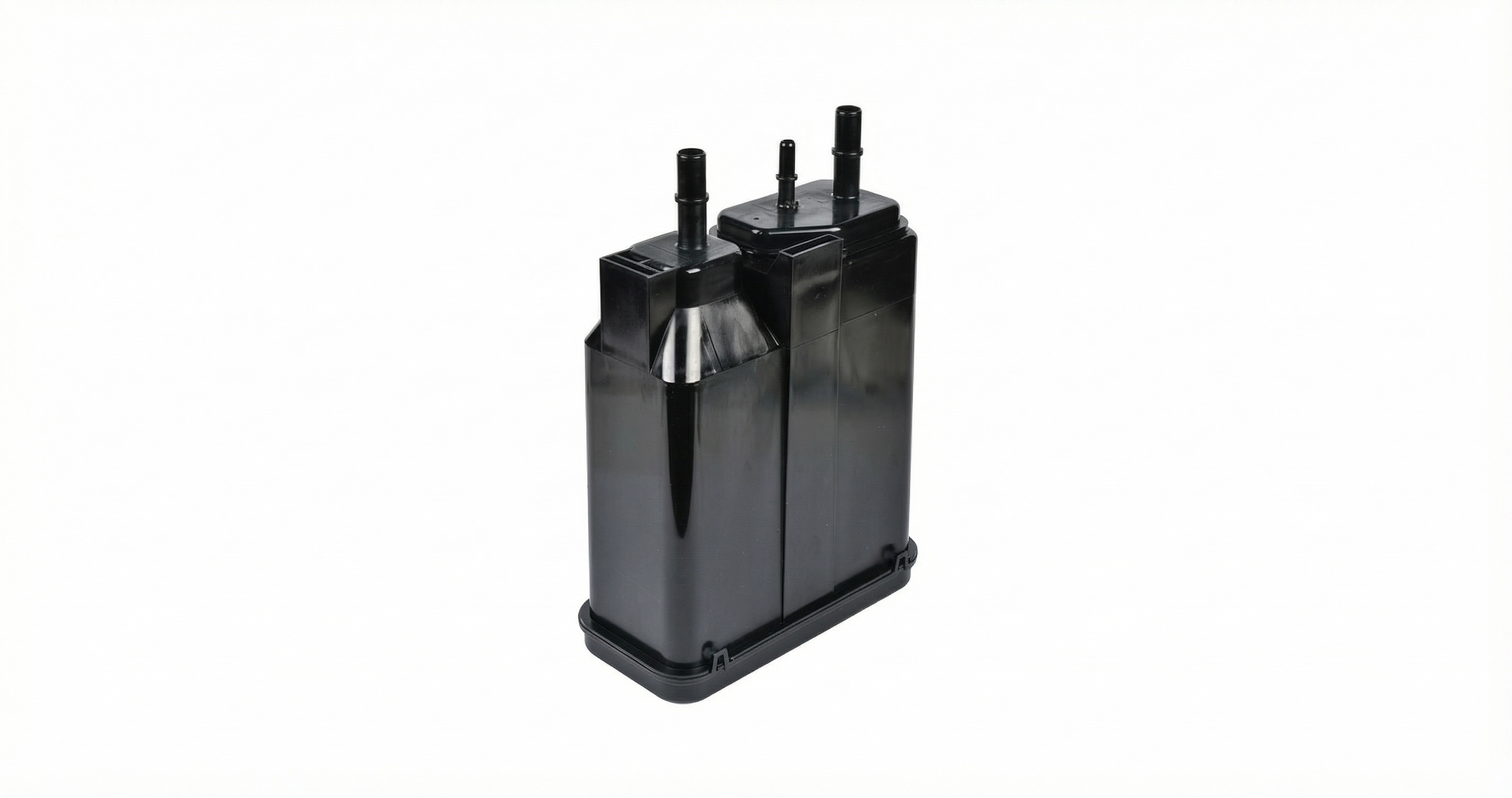
- Clogged or Damaged Charcoal Canister: → Shop Vapor Canister If you frequently 'top off' your fuel tank after the pump clicks off, raw fuel can saturate the charcoal canister, causing a blockage and triggering a P0441 code. This can also happen if the internal filter breaks down, sending charcoal particles into the EVAP lines.
- Faulty Evaporative System Integrity Monitor (ESIM) / Leak Detection Pump (LDP): → Shop Vapor Canister Less common for this specific code, but a failure in the leak detection system (located near the charcoal canister by the fuel tank) can sometimes lead to incorrect flow codes. One owner of a 2014 Charger reported this as the ultimate fix after replacing the purge valve didn't work.
Diagnosis Steps
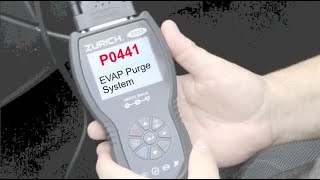
- Read the code with an OBD-II scanner to confirm P0441 is present and note any other codes.
- Check that the gas cap is tight and the seal is intact. An OEM cap is strongly recommended.
- Visually inspect the engine bay for any obviously disconnected or cracked vacuum hoses, particularly around the purge valve near the intake manifold. One owner found a completely unplugged hose as the sole cause.
- Locate the EVAP purge valve. On the 3.6L and 5.7L engines, it is typically mounted on or near the intake manifold.
- Test the purge valve. With the engine off, disconnect the valve and attempt to blow air through it. If air passes, the valve is stuck open and needs replacement.
- If the valve is not stuck open, start the engine. Disconnect the valve's electrical plug and place your finger over the vacuum port. If you feel suction, the valve is stuck open and is bad.
- If hardware and hoses appear fine, use a scan tool to command the purge valve on and off. You should hear an audible click. If not, check for power and ground at the connector before condemning the valve.
- If all hardware and wiring appear to be in good condition, contact a Dodge dealer or qualified shop to check if your vehicle's VIN has an open TSB for a PCM reflash related to P0441. This is a very common solution for this platform.
Parts You'll Likely Need
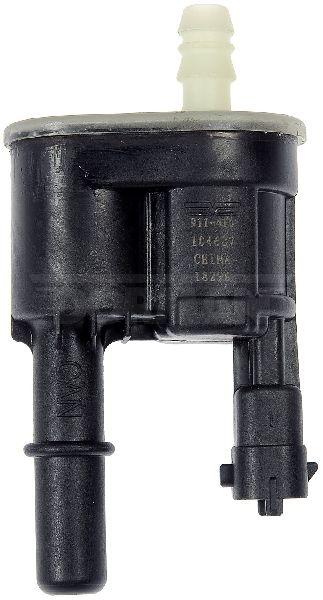
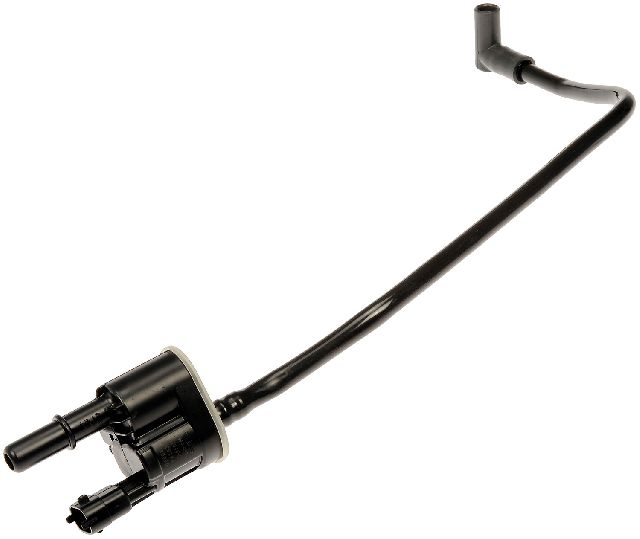
- EVAP Vapor Canister Purge Valve / Solenoid
(OEM #04891731AA)— This is the most common hardware failure for code P0441. It gets stuck open or closed, causing the incorrect purge flow. This part number is widely cited for both V6 and V8 engines in this generation.
Trusted brands: Mopar, Dorman, Standard Motor Products (SMP), Wells
OEM price range: $40-$75
Aftermarket price range: $25-$50
Related Codes That Often Appear With This One
- P0452 — As noted in TSB #25-003-20, this code for 'EVAP Pressure Switch Stuck Closed' can appear with P0441, pointing to a potential issue with the system's pressure sensor.
- P0455 — A large leak (P0455) or small leak (P0456) can sometimes accompany P0441 if there are multiple faults in the EVAP system, as mentioned in TSB #18-094-23.
- P0456 — A small leak (P0456) can sometimes accompany P0441 if there are multiple faults in the EVAP system, as mentioned in TSB #18-094-23.
- P0440 — This general EVAP system failure code can be set along with the more specific P0441 code, as seen in TSB #18-094-23.
Technical Service Bulletins (TSBs) & Recalls

- 18-094-23: Corrected format for the TSB cited in pass 1. Addresses P0441
Platform-Specific Known Issues
- Mandatory PCM Software Check: Due to TSBs #18-094-23 and #25-003-20, it is critical to check for a required PCM software update before replacing multiple hardware parts. Many owners have chased this code by replacing good parts only to find the root cause was a software anomaly fixed by a dealer reflash.
- Owner Experience: Simple Fix: In a YouTube video, an owner with a P0441 code discovered the vacuum hose on the purge valve was simply disconnected. Reconnecting it and clearing the code resolved the issue completely, highlighting the importance of a thorough visual inspection first.
- Owner Experience: Successful DIY Replacement: A 2013 Charger R/T owner documented his P0441 fix on YouTube. After his remote start was disabled, he scanned the code, purchased the Mopar purge valve for about $32, and replaced it himself. The Check Engine Light turned off after a short drive, and remote start functionality was restored.
Mechanic-Grade Diagnostic Values
- EVAP Purge Valve Solenoid Coil Resistance — expected: 14 to 30 Ohms. Failure: A reading outside this range, or an open/infinite (OL) reading, indicates a faulty solenoid coil.
- EVAP Purge Valve Connector Voltage (Key On, Engine Off) — expected: 11-12 Volts (Battery Voltage). Failure: No voltage at the power supply terminal suggests an open circuit or a blown fuse upstream of the valve.
Scan Tool Commands That Help
- wiTECH or equivalent professional scanner: EVAP System Test — This is a guided, automated test that commands the purge and vent valves to operate while monitoring system pressure to check for leaks and proper flow. It's used to verify the entire system's integrity after initial checks.
- wiTECH or equivalent professional scanner: Purge Valve Actuator Test — This bidirectional control allows a technician to manually command the purge valve to open and close (often by a percentage) to listen for an audible click and observe its effect on engine data (like fuel trims) to confirm it is functioning mechanically and electrically.
Wiring & Ground Locations
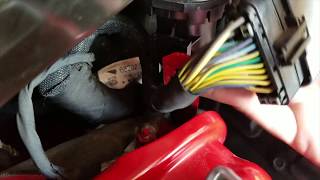
- EVAP Purge Solenoid Connector — On the EVAP purge solenoid itself, located near the intake manifold on both V6 and V8 engines.. A damaged connector, corroded pins, or broken wires at this point will prevent the PCM from controlling the purge solenoid, directly causing a P0441 code. The connector has a red locking tab that must be disengaged before removal.
- EVAP System Fuses (Underhood) — In the front power distribution center (fuse box) on the passenger side of the engine compartment.. The EVAP system, including the purge valve, is protected by fuses. A video guide for 2014-2024 models suggests checking fuses F31, F34, F35, F37, and relay R63 in the front fuse box. A blown fuse will cut power to the circuit, preventing the purge valve from operating.
- EVAP System Relays (Trunk) — In the rear power distribution center, located in the trunk behind the battery.. Power for the EVAP system can also be routed through relays in the rear fuse box. A video guide suggests checking relays R14 and R29. A faulty relay can cause an intermittent or total loss of power to the EVAP components.
Real Owner Repair Stories
- YouTube video by user WJHandyDad (Dodge Charger (year not specified, but LD generation)) — Check Engine Light came on, scanner showed P0441, loss of ECO mode.
❌ Tried (didn't work) The owner first suspected he had broken a component while working on the front suspension.
✅ What actually fixed it Found a vacuum hose completely disconnected from the EVAP purge valve. Reconnecting the hose and clearing the code resolved the issue. - Commenter on a YouTube video (2014 Dodge Charger SXT) — Check Engine Light with EVAP codes (P0456, often related to P0441).
❌ Tried (didn't work) Replacing the vapor canister purge valve (purge solenoid).
✅ What actually fixed it The final fix was replacing the 'vapor Leak detection pump' (ESIM) located in the passenger rear wheel well. The light went off the next day.
"I Checked Everything" — The Actual Cause
- A soft or old EVAP hose, particularly the one running to the purge valve, can appear intact during a visual inspection and may even hold pressure during a low-pressure smoke test. However, under the force of engine vacuum when the purge valve opens, the hose can collapse inward on itself, blocking flow and triggering a P0441 code without an actual leak.
OEM Part Supersession History
04891731AA→04891731AC— Part revision by the manufacturer, likely for improved durability or material changes.
Heads up: The new part number (04891731AC) is a direct replacement for the old one (04891731AA) and is fully compatible.68421012AA (Vapor Canister)→68421012AB— Part revision by manufacturer.4861962AC (ESIM/Leak Detector)→4861962AD— Part revision by manufacturer.
Helpful Videos

Used OEM Parts in Stock
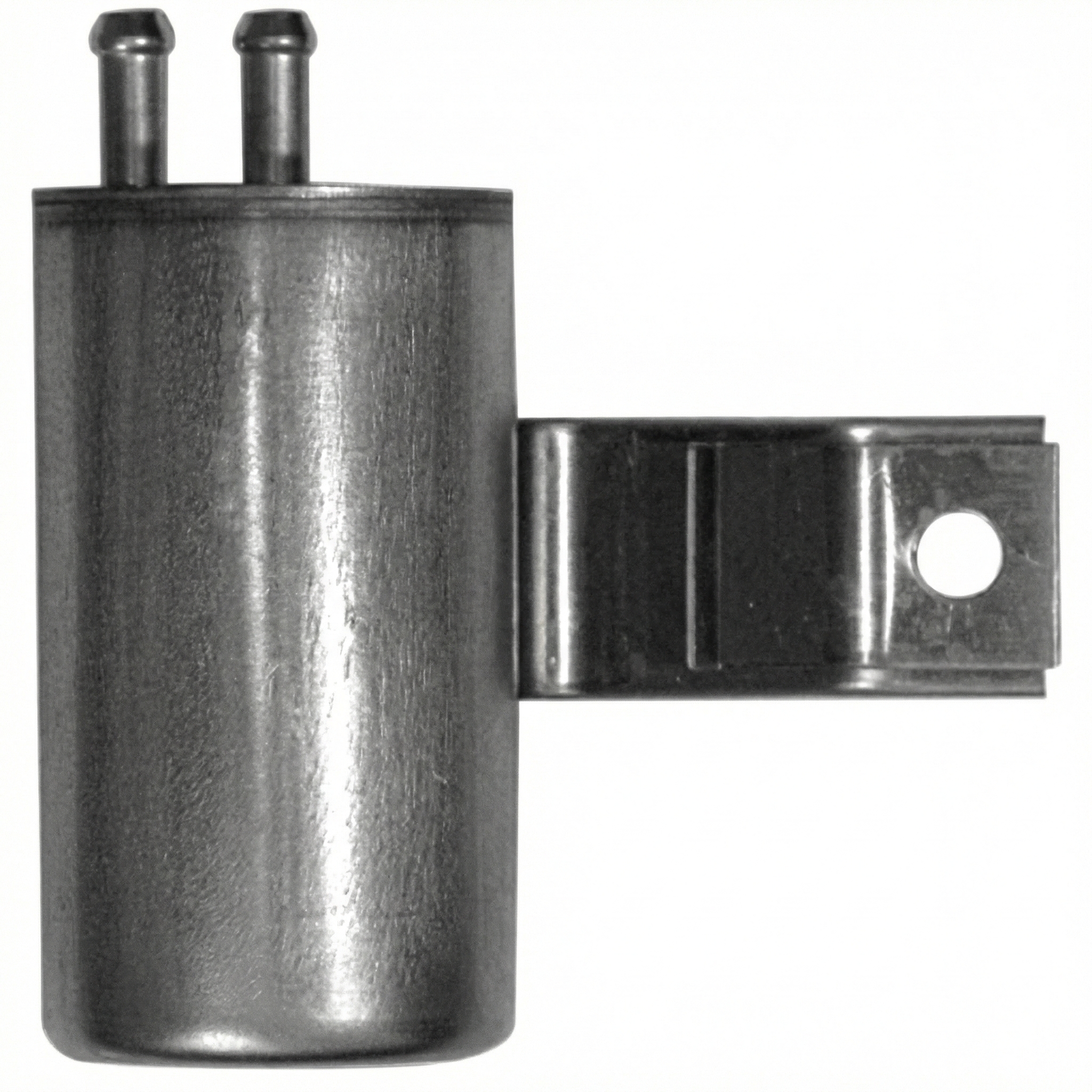
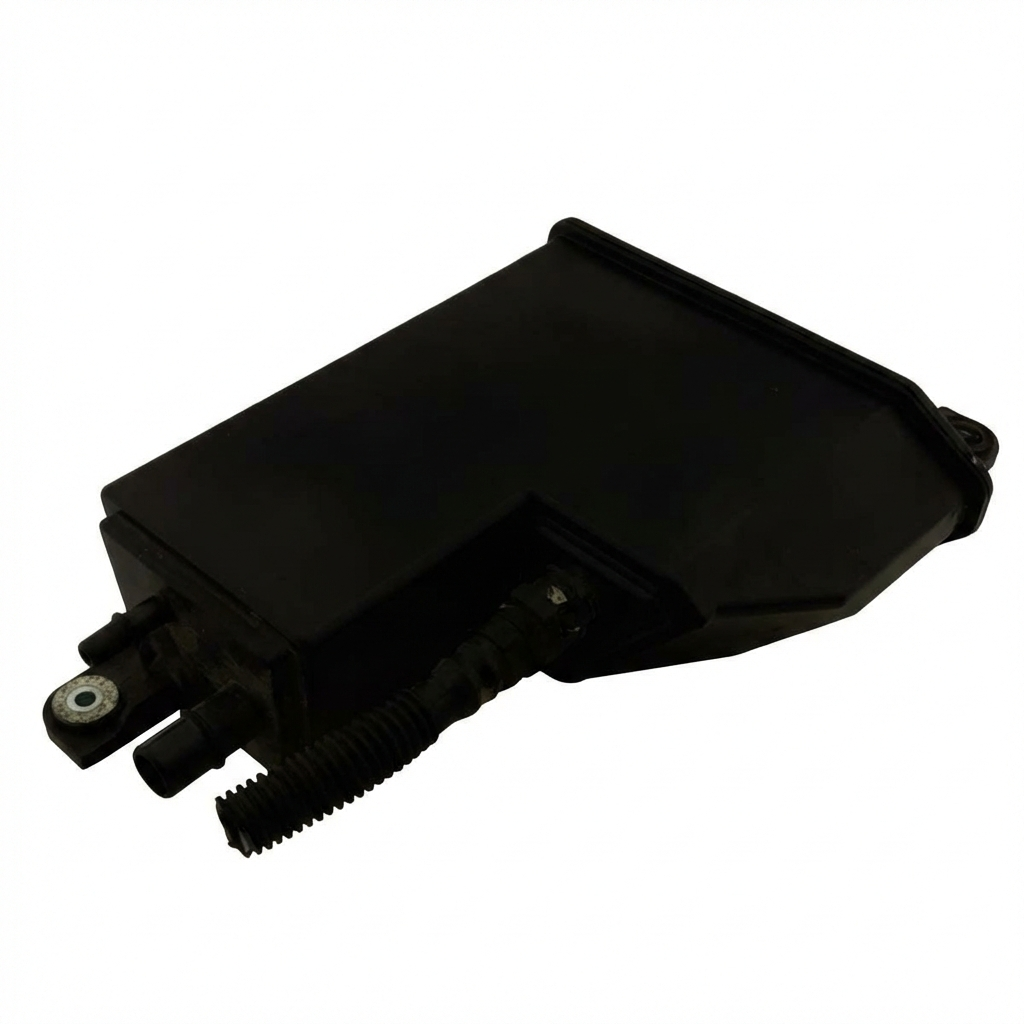
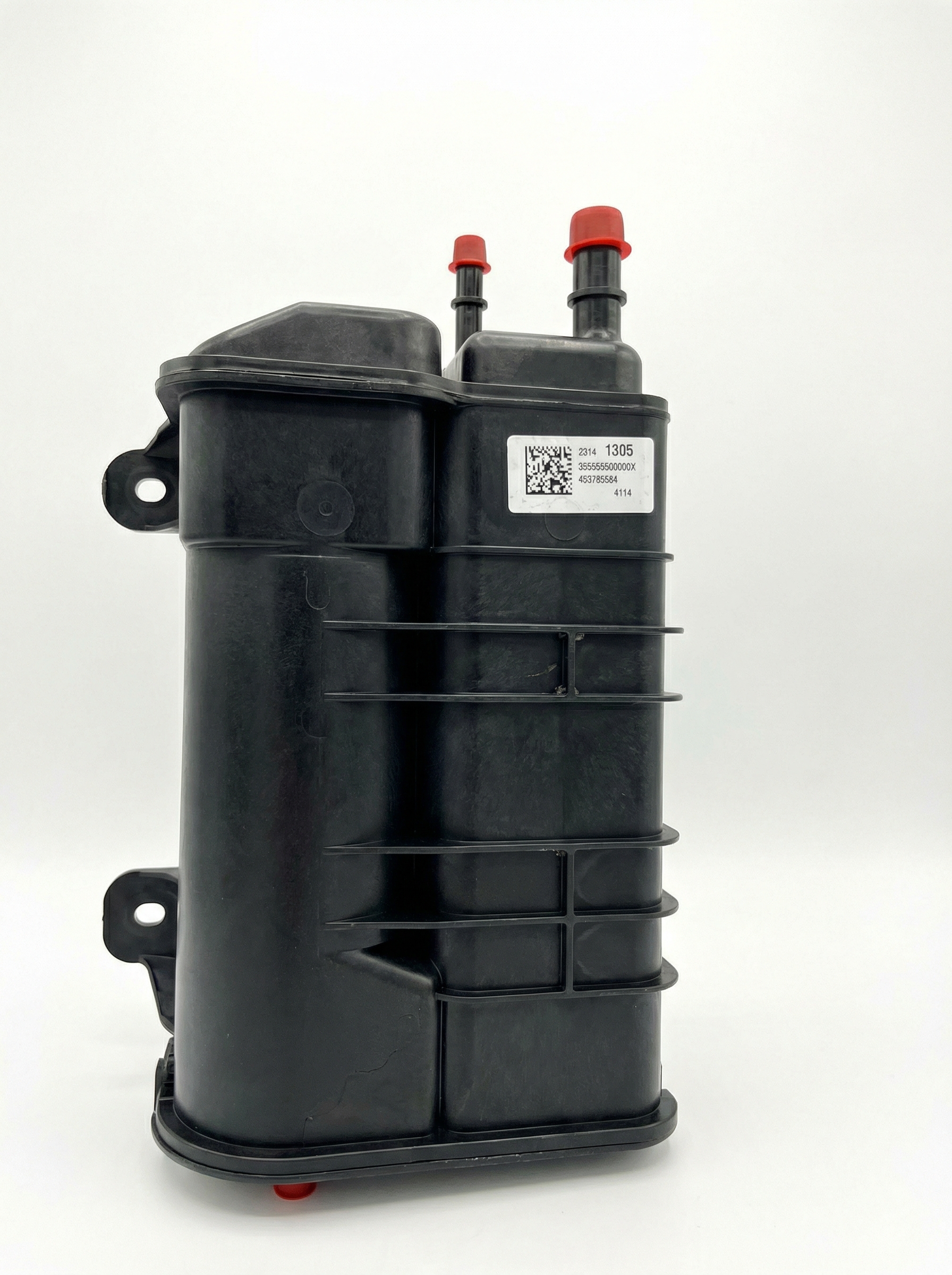
New Aftermarket Parts Available

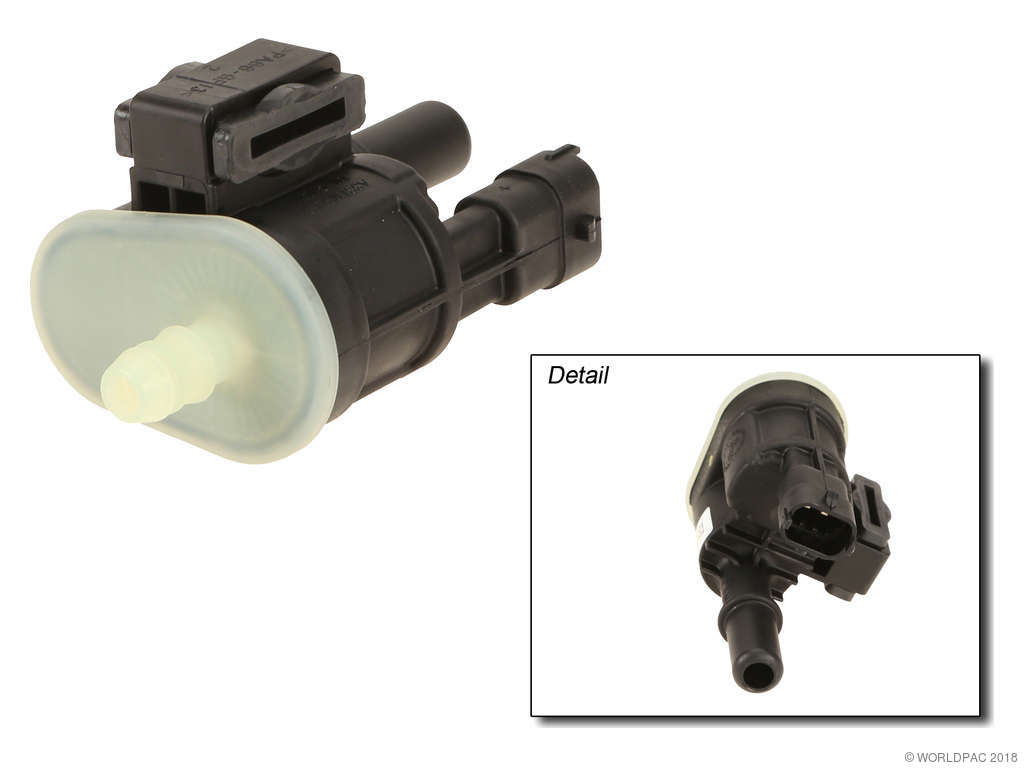

The information in this article is provided for general reference and educational purposes only. Vehicle specifications, procedures, and part compatibility can vary by production date, trim level, and region. Always consult your vehicle's factory service manual and verify part numbers before purchasing or performing repairs. Safety-critical components such as airbags, seat belts, and braking systems should be installed by a qualified professional.
- Dodge CHARGER:
- 🧭 Diagnostic Flowchart
- 🎬 Helpful Videos
- 🛍️ Shop This Part
- What's Unique About the 2019-2022 Dodge CHARGER
- Symptoms You May Notice
- Most Likely Causes
- Rare But Worth Checking
- Diagnosis Steps
- Parts You'll Likely Need
- Related Codes That Often Appear With This One
- Technical Service Bulletins (TSBs) & Recalls
- Platform-Specific Known Issues
- Mechanic-Grade Diagnostic Values
- Scan Tool Commands That Help
- Wiring & Ground Locations
- Real Owner Repair Stories
- "I Checked Everything" — The Actual Cause
- OEM Part Supersession History
- 🎟️ Get 5% Off