

P0441 on 2004-2009 Dodge Durango: EVAP Incorrect Purge Flow Causes and Fixes
On a 2004-2009 Dodge Durango, code P0441 is most often caused by a faulty EVAP purge solenoid valve. This is an affordable part, typically costing $30-$50 for an aftermarket replacement, and is a simple DIY repair located in the engine bay. Before replacing parts, always check that the gas cap is tight and its seal is intact.
- P0441 on your Durango means there's a problem with the flow of fuel vapors for emissions control.
- The most likely fix is replacing the EVAP purge solenoid, an inexpensive part located in the engine bay that is easy to access.
- Before buying parts, check that your gas cap is tight and its seal isn't cracked.
- Inspect the small rubber hoses around the purge solenoid for any obvious cracks or breaks, as this is another common cause.
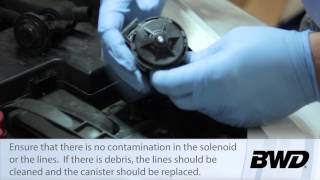
- When replacing the purge solenoid, check it for black, sand-like particles. If you find any, you must also replace the charcoal canister.
- You can safely drive the vehicle with this code, but it will need to be fixed to pass an emissions test.
What's Unique About the 2004-2009 Dodge Durango
For the second-generation Dodge Durango (2004-2009) and its twin, the Chrysler Aspen, the P0441 code points to common failures rather than a unique design flaw. The most frequently discussed failure point in owner forums is the EVAP purge solenoid, a component shared across many Chrysler/Dodge vehicles of this era. The system uses a Leak Detection Pump (LDP) in earlier models and an Evaporative System Integrity Monitor (ESIM) in later models (approx. 2007+) to test system integrity, but P0441 is almost always traced back to the purge solenoid or its associated hoses.
Symptoms You May Notice
- Check Engine Light is on.
- Possible faint fuel smell (uncommon).
- Slight hesitation or rough idle, particularly after refueling or at a stop, has been noted by some owners but is not a widespread symptom.
- Audible ticking from a malfunctioning purge solenoid in the engine bay.
- Replacing the gas cap when the purge solenoid is the actual problem. While easy to check, a faulty cap is a less likely cause for a flow-specific code like P0441 compared to a leak code.
- Replacing the purge solenoid without checking it for charcoal granules. If the charcoal canister has failed, it will send debris into the new solenoid, causing it to fail again quickly.
Most Likely Causes
- Faulty EVAP Purge Solenoid/Valve 🔴 High Probability → Shop Vapor Canister This is the most common failure point for this code across most Chrysler products of the era, including the Durango. The valve's internal diaphragm wears out or it gets clogged, causing it to stick open or closed.
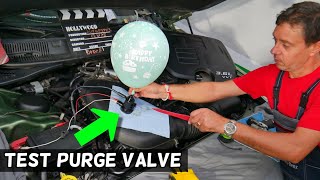
How to confirm: With the engine off, disconnect the hose from the intake side of the solenoid and try to blow through it; it should be closed (no air passes). If air passes, it's stuck open. Command the valve open with a capable scan tool or by applying 12V to its terminals; it should now allow air to pass. If it's stuck open or closed, it has failed. A user on DodgeForum.com noted that if the solenoid is full of black granules, the charcoal canister has failed and is the root cause.
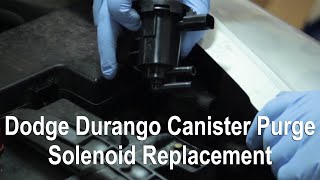
Typical fix: Replace the purge solenoid. It is located in the engine bay, often on the driver's side of the intake manifold, held by a simple bracket with two hoses and one electrical connector. 🎬 See this step-by-step solenoid replacement walkthrough.
Est. part cost: $30-$105 - Cracked or Disconnected EVAP Vacuum Hoses 🟡 Medium Probability → Shop Vacuum Hose The rubber and plastic hoses in the engine bay become brittle over time due to heat cycles and can easily crack or break, especially the connections at the purge solenoid itself.
How to confirm: Visually inspect all vacuum lines connected to the purge solenoid and running along the engine. Listen for a hissing sound. A smoke test is the most effective way to find small, hard-to-see leaks.
Typical fix: Replace the cracked or broken section of the hose. Ensure all connections are secure.
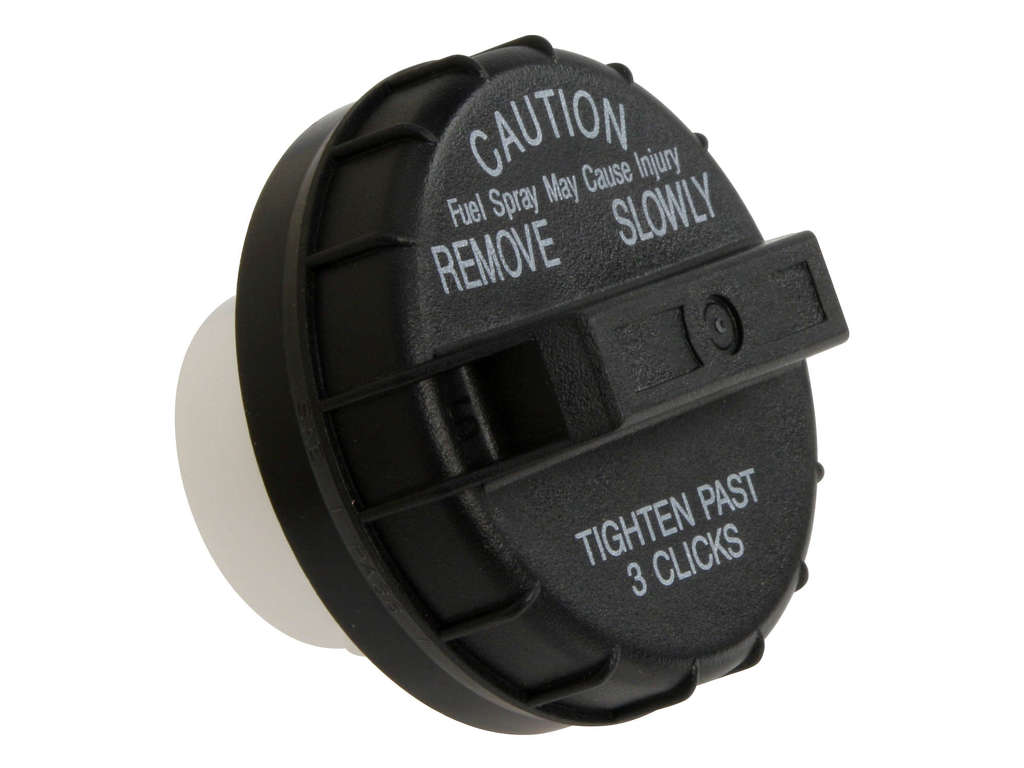
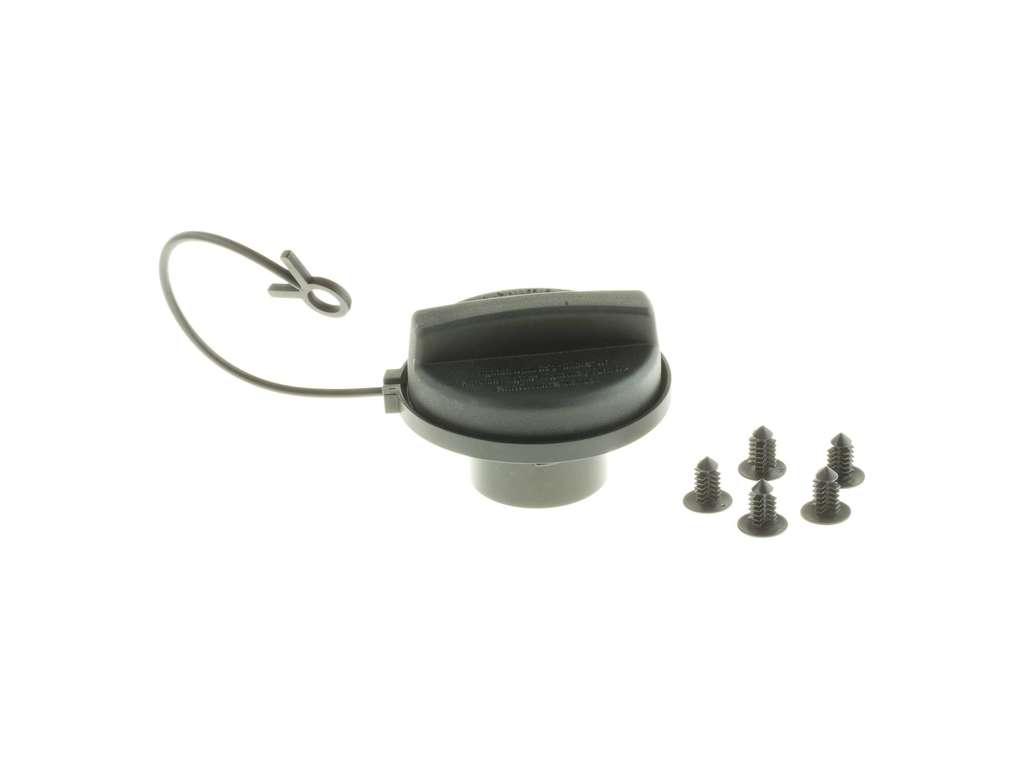
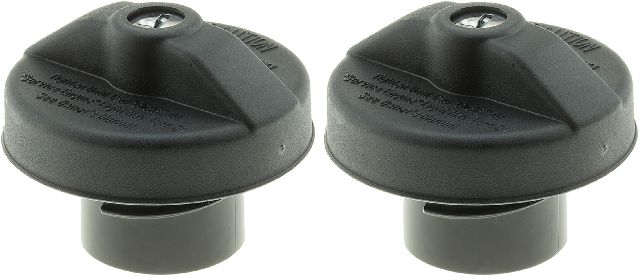
Est. part cost: $5-$30 - Loose or Faulty Gas Cap ⚪ Low Probability → Shop Fuel Tank Cap While more commonly associated with leak codes (P0455, P0456), a cap that is not sealing properly can sometimes contribute to general EVAP system faults. It's the easiest and cheapest item to check first. Some owners have fixed P0441 by replacing the cap after other fixes failed.
How to confirm: Ensure the gas cap is tightened until it clicks. Inspect the rubber O-ring on the cap for cracks, tearing, or signs of drying out.
Typical fix: Tighten or replace the gas cap. It is recommended to use an OEM Mopar cap, as some aftermarket caps are known to cause issues.
Est. part cost: $10-$35
Rare But Worth Checking
- Clogged EVAP Charcoal Canister: → Shop Vapor Canister A failing canister can release charcoal pellets that clog the purge valve and lines. If you replace a purge valve and find black granules inside, the canister is the root cause and will also need replacement to prevent the new valve from failing. This can be caused by age or consistently overfilling the fuel tank.
- Faulty EVAP System Integrity Monitor (ESIM) or Leak Detection Pump (LDP): → Shop Evaporative Emissions System Leak Detection Pump The sensor that monitors the system for leaks can fail. On this Durango generation, earlier models use an LDP, while 2007 and newer models typically use an ESIM switch located on the canister. A failure here usually sets other codes alongside P0441, but it can be a contributing factor.
- Wiring Issue to Purge Solenoid: → Shop Vapor Canister The electrical circuit providing power and ground to the purge solenoid could have an open or short. This can be caused by corrosion in the connector or a damaged wire. This is less common than the solenoid itself failing.
Diagnosis Steps
- Read the code with an OBD-II scanner to confirm P0441 is present and check for other related codes (e.g., P0443, P0455, P0456).
- Inspect the gas cap. Ensure it is tight and the seal is in good condition.
- Visually inspect the EVAP purge solenoid and its connected vacuum hoses in the engine bay. On the 4.7L and 5.7L engines, it's typically located on the driver's side of the intake manifold. Look for obvious cracks, breaks, or disconnections.
- Test the purge solenoid. It is normally closed. Disconnect it and check if it holds vacuum or if you can blow through it. It should not allow flow. If it does, it's stuck open and needs replacement.
- If the solenoid seems okay, apply 12V power to its terminals. You should hear a click and the valve should open. If it doesn't, it has failed electrically.
- Check for black charcoal pellets inside the old purge valve or hoses. If found, the charcoal canister must be replaced along with the solenoid.
- If the solenoid and hoses appear fine, the next step is a smoke test to check the entire EVAP system for hard-to-find leaks.
- If no leaks are found, the issue could be a wiring problem to the purge solenoid or a faulty leak detection pump/ESIM.
Parts You'll Likely Need
- EVAP Vapor Canister Purge Solenoid
(OEM #04891739AB)— This is the most common component to fail, either by sticking open or closed, directly causing the incorrect purge flow condition. This part number supersedes 4891739AA and fits both 4.7L and 5.7L engines for this generation.
Trusted brands: Mopar, Dorman, Standard Motor Products
OEM price range: $70-$105
Aftermarket price range: $30-$50 - Fuel Filler Cap (Gas Cap)
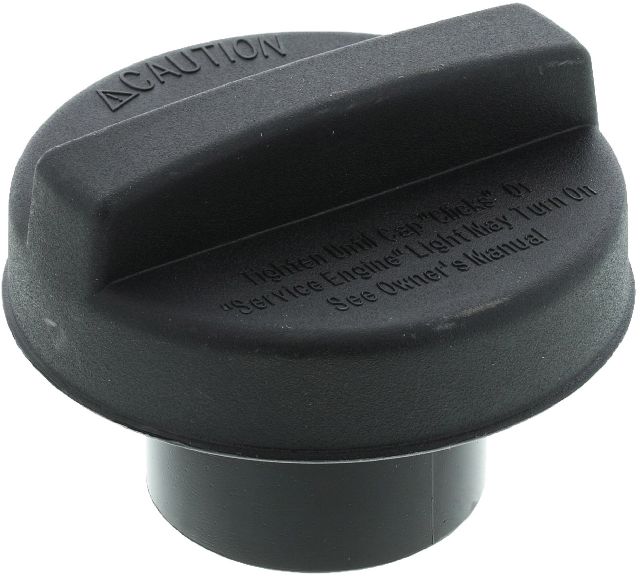
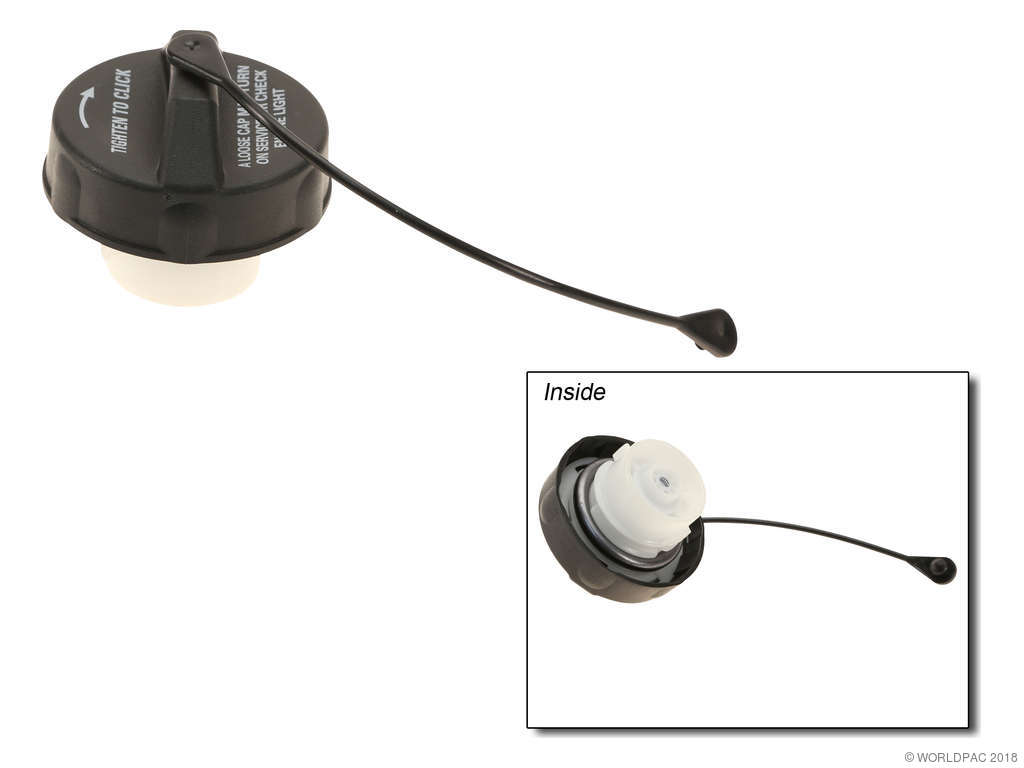
(OEM #52030380AB)— A worn seal on the gas cap can cause EVAP system issues. It's an inexpensive and simple first step in diagnosis. Owners recommend using an OEM Mopar cap for best results.
Trusted brands: Mopar, Gates, Stant
OEM price range: $30-$40
Aftermarket price range: $10-$20
Related Codes That Often Appear With This One
- P0456 — A small leak in the system (P0456) can sometimes accompany an incorrect flow code if a cracked hose or failing component is causing both issues. 🎬 Watch: How to fix codes P0441 and P0456 together.
- P0455 — A large leak (P0455), such as a completely disconnected hose, would prevent any purge flow from occurring, triggering P0441 as well.
- P0443 — This code indicates a malfunction in the purge control valve's electrical circuit. If seen with P0441, it points very strongly to either a failed purge solenoid or a problem with its wiring/connector.
Technical Service Bulletins (TSBs) & Recalls
- While no TSBs directly address P0441 for the 2004-2009 Durango, TSB 25-001-07 was issued for 2005-2006 Jeep Wranglers for an EVAP readiness monitor issue. While not directly applicable, it shows a history of EVAP system logic issues in Chrysler vehicles of the era that could be confusing during diagnosis.
- Manufacturer TSB Bulletin #18-035-20 notes that technicians may find P0441 (EVAP Purge System Performance) set alongside P0456 and P0455 during MIL illumination investigations.
- Manufacturer TSB Bulletin #18-040-25 and Bulletin #1810123 both document P0441 as a specific Diagnostic Trouble Code for EVAP Purge System Performance in North American and Mexico markets.
- Manufacturer TSB Bulletin #1807723 also lists P0441 as a potential cause for Check Engine Light illumination, suggesting the use of the wiTECH Small Leak Verification test (SLVT) if accompanying leak codes are present.
Platform-Specific Known Issues
- On DodgeForum.com, a user with a 2003 Ram (which shares a similar EVAP system) provided a detailed account of diagnosing P0441. They confirmed the purge solenoid was ticking (working electrically) but found it was contaminated with charcoal granules from a failed canister, which was the true root cause. This is a common story for this platform.
- The purge solenoid is located on the driver's side of the engine, mounted to the intake manifold, making it very easy to access for testing and replacement.
Scan Tool Commands That Help
- wiTECH (Chrysler/Dodge/Jeep Dealer Tool): ESIM Switch Stuck Closed Monitor — This is a key-off, power-down test that can be forced to run with the scan tool. The PCM energizes the purge solenoid for up to 30 seconds to vent any vacuum. It then checks if the ESIM switch opens. If the switch remains closed, it indicates a fault. This helps isolate issues with the ESIM system on later models.
- wiTECH: Small Leak Verification Test (SLVT) — Although primarily designed for P0456 (small leak), this mandatory dealer test is the only way to confirm an EVAP system repair without extensive road testing. It verifies the integrity of the entire system after a component like a purge valve or hose has been replaced, ensuring a 'Fixed First Visit'.
Wiring & Ground Locations
- Purge Solenoid Connector — On the EVAP purge solenoid, located on the driver's side of the engine compartment.. This 2-pin connector provides power and the control signal from the PCM. Corrosion or a poor connection here can cause a P0443 (circuit fault) and may accompany P0441. The connector is a high-side controlled setup on these NGC/GPEC modules, meaning one pin receives power and the PCM controls the ground side.
- G114 — Located on the left front of the engine compartment.. This is a major engine compartment ground point. While not exclusive to the EVAP system, a poor connection at G114 can cause a variety of intermittent electrical issues with engine sensors and actuators, potentially including the purge solenoid circuit.
Real Owner Repair Stories
- DodgeForum.com user (2003 Dodge Ram (similar EVAP system)) — Check Engine Light with code P0441.
❌ Tried (didn't work) Initial vacuum checks on lines.
✅ What actually fixed it The user pulled off the purge solenoid and discovered it was full of black charcoal granules. This indicated the charcoal canister had failed and contaminated the system. The final fix was replacing both the charcoal canister and the purge solenoid to prevent the new solenoid from being immediately ruined. - NHTSA ODI #10212134 — An owner reported that after their truck light came back on, the codes were for a general EVAP system failure and P0441-EVAP Purge System Performance, occurring alongside P0068 (Manifold Pressure/Throttle Position Correlation) and P0123 (Throttle Position Sensor).
OEM Part Supersession History
4891739AA→04891739AB— Standard part revision and update by the manufacturer.
Heads up: The new part number 04891739AB is a direct replacement for the older 4891739AA and is fully compatible with the specified vehicles.
Model Year Variations Within This Range
- 2004-2006 (approx.): These earlier models use a Leak Detection Pump (LDP) as part of the EVAP system. The LDP uses a small pump to pressurize the system and a reed switch to monitor pressure changes to detect leaks.
- 2007-2009 (approx.): Later models in this generation switched to an Evaporative System Integrity Monitor (ESIM). The ESIM is a simpler, passive device that uses a diaphragm and two weighted check valves to detect pressure and vacuum changes during thermal cycling (engine off) and engine running states. It does not contain a solenoid.
Diagnostic Flowchart
Other Known Issues on This Vehicle
Issues unrelated to this code that are worth knowing about as an owner of this generation:
- Totally Integrated Power Module (TIPM) Failure 🔴 High — Widespread issue, particularly in later years of this generation, leading to multiple recalls. Can cause random stalling, no-start conditions, or erratic behavior of electronic components. (Ref: NHTSA Recalls #14V530000, #15V115000, #19V813000 for 2011-2013 models, but the issue is known to affect earlier models as well.)
- EGR Valve Failure 🟠 Medium — Common failure item, especially on the 5.7L HEMI engine. Onset can be as early as 60,000 miles. Causes rough idle, stalling, and a specific EGR-related trouble code.
- MDS Solenoid Failure (5.7L HEMI) 🟠 Medium — The solenoids for the Multi-Displacement System (MDS) can fail, causing a persistent misfire, ticking noise, and related trouble codes. This is a moderately common issue as the vehicles age.
- Leaking Windshield Cowl Seal 🔴 High — The seal at the base of the windshield deteriorates, allowing water to leak directly onto the engine and, in some cases, into the PCM, potentially causing catastrophic electrical failure and engine damage (hydrolock).
- Fuel Filler Neck / Tank Venting Issues 🟡 Low → Shop Fuel Filler Neck — Some owners experience difficulty refueling, where the gas pump clicks off repeatedly. This is often due to a venting issue with the fuel filler tube or the tank itself. A recall was issued for some 2005 models for a sticking fuel tank check valve. (Ref: NHTSA recall for some 2005 models.)
Used vs. New Parts: Buying Guide for This Vehicle
When a used part is the smart pick: For this repair, a used EVAP purge solenoid from a junkyard is a reasonable option if you can verify its function. Given the low cost of new aftermarket parts, however, it's often more practical to buy new. A used charcoal canister is also a viable option, especially if sourced from a low-mileage, rear-end collision vehicle to minimize the chance of it being saturated or damaged.
Donor-vehicle mileage cap: roughly under 75000 miles for the part to have meaningful remaining life.
What to inspect on the donor part:
- For a purge solenoid, check the ports for any black charcoal granules; if present, the part is contaminated and useless.
- For a charcoal canister, inspect the housing for any cracks or physical damage.
- Check the vehicle's mileage sticker on the door jamb to ensure it's a low-mileage donor.
- Ensure all plastic hose connection nipples are intact and not broken off.
OEM-only on this vehicle (don't cheap out):
- Gas Cap - Many forum users across Chrysler/Dodge platforms report that aftermarket gas caps often fail to seal correctly, leading to persistent EVAP codes. Using a genuine Mopar cap is strongly recommended to avoid this common issue.
Aftermarket brands forum-validated for this vehicle:
- Dorman
- Standard Motor Products (SMP)
- Gates
Brands owners have reported issues with on this vehicle:
- No specific brands are consistently reported as problematic for the purge solenoid, but ultra-cheap, unbranded parts from online marketplaces carry a higher risk of premature failure.
Real Owner Stories
Aggregated from forums and TSBs cited above. Mileages and costs reflect what owners reported in those sources.
2003 Dodge Ram (Platform Mate)
Symptoms: The purge solenoid was audible (ticking), indicating it was working electrically, but the P0441 code persisted.
What fixed it: The owner found the solenoid was contaminated with charcoal granules from a failed canister; replacing the charcoal canister resolved the root cause.
Source hint: DodgeForum.com - Thread 'P0441 Code' (2008)
2004 Dodge Durango
Symptoms: Check engine light came on; the owner replaced the gas cap, purge flow monitor, and a hose, but the light returned after a week and a half.
What fixed it: A community suggestion was made to investigate the leak detection pump located near or under the vehicle, though the owner's final resolution was not recorded.
Source hint: Car Talk Community - '2004 dodge durango code: PO441, please help me!' (2007)
Related OBD-II Codes
Frequently Asked Questions
Where is the purge solenoid located on my 2004-2009 Durango with the 4.7L or 5.7L engine?
I found black granules inside my purge valve; what does this mean for my Durango?
Does TSB 25-001-07 apply to my 2004-2009 Dodge Durango?
Should I use an aftermarket gas cap to fix the P0441 code?
Can a faulty TIPM cause the P0441 code on this generation of Durango?
Is there a recall for fuel-related issues on the 2005 Durango?
Helpful Videos
![How to Fix P0441 Engine Code in 3 Minutes [2 DIY Methods / Only $4.50]](https://img.youtube.com/vi/ifwpcNQCSvI/mqdefault.jpg)
![How to Fix P0441 Engine Code in 6 Minutes [4 DIY Methods / Only $3.50]](https://img.youtube.com/vi/NJYZiDhYhP8/mqdefault.jpg)


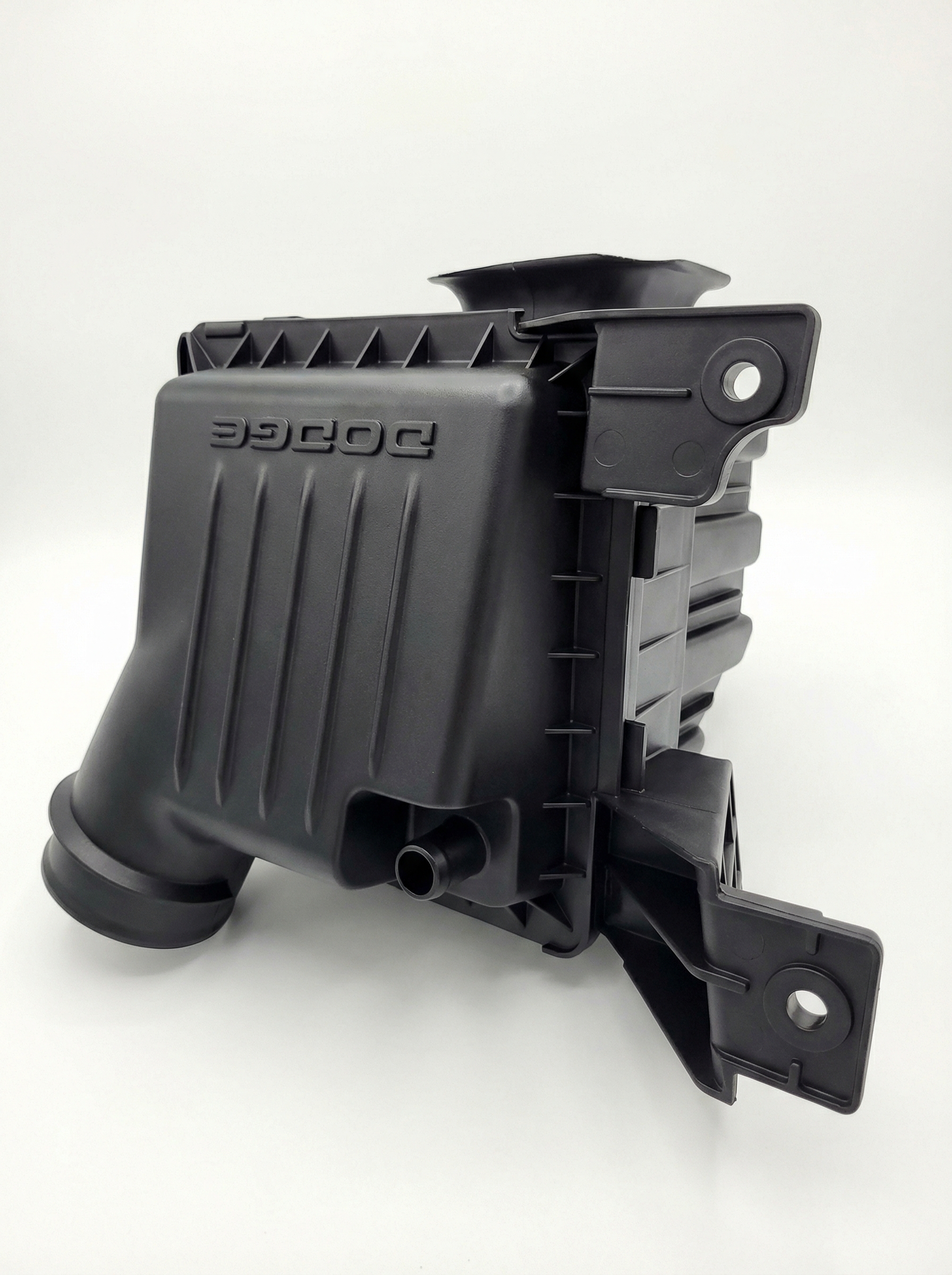
Used OEM Parts in Stock

New Aftermarket Parts Available


The information in this article is provided for general reference and educational purposes only. Vehicle specifications, procedures, and part compatibility can vary by production date, trim level, and region. Always consult your vehicle's factory service manual and verify part numbers before purchasing or performing repairs. Safety-critical components such as airbags, seat belts, and braking systems should be installed by a qualified professional.
- Dodge Durango:
- 🧭 Diagnostic Flowchart
- 🎬 Helpful Videos
- 🛍️ Shop This Part
- What's Unique About the 2004-2009 Dodge Durango
- Symptoms You May Notice
- Most Likely Causes
- Rare But Worth Checking
- Diagnosis Steps
- Parts You'll Likely Need
- Related Codes That Often Appear With This One
- Technical Service Bulletins (TSBs) & Recalls
- Platform-Specific Known Issues
- Scan Tool Commands That Help
- Wiring & Ground Locations
- Real Owner Repair Stories
- OEM Part Supersession History
- Model Year Variations Within This Range
- Other Known Issues on This Vehicle
- Used vs. New Parts: Buying Guide for This Vehicle
- Real Owner Stories
- 2003 Dodge Ram (Platform Mate)
- 2004 Dodge Durango
- Related OBD-II Codes
- Frequently Asked Questions
- 🎟️ Get 5% Off