

P0441 on 2002-2008 Dodge Ram 1500: Causes and Fixes for Incorrect Purge Flow
This code usually means the EVAP purge valve/solenoid has failed. It's a common, inexpensive, and easy DIY fix located in the engine bay. Before replacing it, check all EVAP vacuum hoses for cracks or disconnections, as brittle rubber is also a frequent culprit.
- P0441 on a 2002-2008 Ram 1500 is an emissions code that won't stop you from driving.
- The most probable cause is a bad EVAP purge valve in the engine bay, which is an easy and affordable DIY replacement.
- Before buying any parts, perform a quick visual inspection of the vacuum hoses around the purge valve for any obvious cracks or disconnections, especially small rubber elbows.
- Don't waste money on a new gas cap for this specific code; it's almost never the cause of P0441.
What's Unique About the 2002-2008 Dodge Ram 1500
On this generation of Dodge Ram, the P0441 code is a straightforward and common issue, often pointing directly to a failed purge solenoid in the engine bay. Unlike newer Rams where this code can be linked to more complex issues near the fuel tank, the 2002-2008 models typically have a more direct cause-and-effect relationship with the purge valve itself or its associated vacuum lines. Some sources indicate that on 2002-2007 Dodge vehicles, a faulty Natural Vacuum Leak Detection (NVLD) unit can also be a common cause, though less frequent than the purge valve.
Generation note: The 2002-2008 model years cover the third generation (DR/DH) of the Dodge Ram 1500. A significant refresh occurred in 2006, but the fundamental EVAP system design and the common causes for P0441 remained largely consistent throughout this generation. The system uses a Leak Detection Pump (LDP) or a Natural Vacuum Leak Detection (NVLD) unit, depending on the specific year, to test system integrity.
Symptoms You May Notice
- Check Engine Light is on.
- No other noticeable drivability symptoms are common.
- A faint fuel smell may be present in rare cases.
- A rough idle can occur in some cases if the purge valve is stuck open, creating a constant vacuum leak.
- Difficulty filling the fuel tank, as noted in some manufacturer service records.
- Replacing the gas cap. A faulty gas cap typically causes a large or small leak code (like P0455, P0456, or P0457), not an incorrect flow code (P0441). Forum users consistently confirm that a new gas cap rarely, if ever, fixes a P0441.
Most Likely Causes
- Faulty EVAP Purge Valve/Solenoid 🔴 High Probability → Shop Vapor Canister The purge valve is a constantly working solenoid that can wear out, get contaminated by fuel or charcoal particles, or get stuck open or closed over time. It is widely cited as the most common fix for P0441 on this platform.
How to confirm: Locate the purge valve in the engine bay, typically mounted on the engine itself with two hoses and an electrical connector. With the engine off, disconnect the hoses and try to blow through it. If air passes, the valve is stuck open and is faulty. You can also apply 12V power to its electrical connector terminals; a healthy valve will make an audible 'click' as it opens. A multimeter can be used to check the coil's resistance, which should typically be between 15 and 30 ohms.
Typical fix: Replace the purge valve/solenoid. This is typically a simple repair involving disconnecting two hoses and an electrical connector.
Est. part cost: $25-$60 - Cracked or Disconnected EVAP Hoses 🟡 Medium Probability Rubber vacuum hoses, especially small elbows and connectors, become brittle and crack over time due to heat cycles in the engine bay and exposure to the elements.
How to confirm: Visually inspect all vacuum lines connected to the purge valve and running along the engine and frame towards the charcoal canister. Pay close attention to rubber elbows and connections. A user on DodgeForum.com found a small, dry-rotted 2-inch piece of vacuum line connecting the hard plastic line to the throttle body was the culprit. A smoke test, where smoke is injected into the EVAP system, is the professional method to find hard-to-see leaks.
Typical fix: Replace the cracked or broken section of hose. In many cases, this can be done with a small piece of generic vacuum hose.
Est. part cost: $5-$30 - Faulty Natural Vacuum Leak Detection (NVLD) Unit / LDP ⚪ Low Probability → Shop Evaporative Emissions System Leak Detection Pump The NVLD unit (or LDP on some years), located near the charcoal canister under the truck (often near the driver's door area), contains a switch and solenoid to test system integrity. It can stick or fail electronically.
How to confirm: Diagnosis typically requires a bi-directional scan tool. However, a visual inspection is worthwhile. Check the wiring harness leading to the NVLD for damage from road debris, as breaks in the wires can occur. Also inspect the large hose connecting it to the canister for cracks.
Typical fix: Replace the NVLD assembly, which is usually located near the charcoal canister by the fuel tank.
Est. part cost: $50-$100
Rare But Worth Checking
- Clogged or Damaged Charcoal Canister: → Shop Vapor Canister This is more likely if you have a habit of 'topping off' your fuel tank after the pump clicks off. Overfilling can force raw fuel into the canister, saturating the charcoal and causing flow issues or sending charcoal pellets into the lines.
- Faulty Fuel Tank Pressure Sensor: → Shop Fuel Tank While less common for this specific code, a failing pressure sensor can provide incorrect data to the PCM, leading to a misdiagnosis of purge flow. This is more common on newer Ram generations but can still occur.
Technical Service Bulletins (TSBs) & Recalls
- TSB Bulletin #25-009-24: This bulletin notes that vehicles may experience a Malfunction Indicator Lamp (MIL) illumination for P0441 (EVAP Purge System Performance) and may also be hard to fill with fuel.
- TSB Bulletin #25-001-21: A manufacturer service bulletin indicates that technicians may find P0441 set alongside P062A (Fuel Pump Control Performance), and customers may experience a "hard to fill fuel tank" condition.
Diagnosis Steps
- Confirm the P0441 code is present using an OBD-II scanner.
- Inspect the gas cap to ensure it is tight and the seal is not damaged, but do not replace it as a primary fix.
- Locate the EVAP purge solenoid in the engine bay. It will have an electrical connector and two vacuum hoses attached.
- Visually inspect all accessible EVAP hoses for cracks, breaks, or loose connections, especially the small rubber connectors on the hard plastic lines around the purge solenoid and throttle body.
- Test the purge solenoid. Disconnect it and attempt to blow through it; it should be closed (no air passes) when unpowered. Apply 12V and it should click open. Check resistance between the two pins; a reading between 15-30 ohms is typical.
- If the solenoid and hoses are good, the next step is to inspect the lines running to the charcoal canister for blockages or damage.
- If no issues are found, the problem may lie with the NVLD unit. Inspect its wiring and hose connections under the truck. Advanced diagnostics with a smoke machine or bi-directional scanner may be required for further testing.
Parts You'll Likely Need
- EVAP Purge Valve / Solenoid
(OEM #04891739AB)— This is the most frequent failure point for a P0441 code on this vehicle. It's a solenoid that can get stuck open or closed over time.
Trusted brands: Mopar, Dorman (P/N: 911-202), Standard Motor Products (SMP) (P/N: CP428)
OEM price range: $40-$70
Aftermarket price range: $25-$50 - EVAP Vacuum Hose — Rubber hoses and elbows in the engine bay become brittle and crack, causing vacuum leaks that disrupt the purge flow. Often only a small section needs replacement.
Trusted brands: Continental, Gates
OEM price range: $15-$40
Aftermarket price range: $5-$20
Platform-Specific Known Issues
- Real-World Fix: Dry-Rotted Vacuum Elbow: A user on DodgeForum.com with a 1997 Ram (similar EVAP design) fixed their P0441 code after a long search. The problem was a 2-inch long piece of dry-rotted vacuum hose that connected the hard plastic EVAP line to the front of the throttle body. This small, cheap-to-fix hose was causing the incorrect flow detection.
- Forum Experience: Tracing Lines Under the Cab: On DodgeForum.com, an owner of an '03 Hemi suggested that if the gas cap and engine bay components are good, the next place to look is under the driver's side of the truck, just behind the cab. This is where the charcoal canister and its associated rubber connection hoses are located, which are known to become loose or cracked after a few years.
Mechanic-Grade Diagnostic Values
- EVAP Purge Valve/Solenoid Coil Resistance — expected: 15 to 30 Ohms. Failure: A reading of OL (Over Limit/Open) or close to 0 Ohms (Shorted) indicates a faulty coil.
- Voltage at Purge Solenoid Connector (Key On, Engine Off) — expected: Approximately 12V (Battery Voltage) on the power feed wire.. Failure: No voltage suggests a problem with the power supply circuit or fuse.
Scan Tool Commands That Help
- Chrysler DRB III or equivalent modern scan tool (Autel, Snap-on): EVAP Monitor Test / LDP Monitor Test — This is a forced, bi-directional test that commands the entire EVAP self-test sequence to run. It's used after a repair to verify the fix without having to complete a full drive cycle. The scan tool will report if the monitor completes successfully or if a fault is detected.
- Bi-directional Scan Tool: Purge Valve Command (%) — This active test allows the technician to manually command the purge valve to open at varying percentages while monitoring fuel trim data. If the valve is commanded open and short-term fuel trims do not increase (go rich), it indicates a blockage or a non-functioning valve.
Wiring & Ground Locations
- PCM Connector C3 — The rearmost connector on the Powertrain Control Module (PCM), which is located on the passenger side firewall in the engine bay.. This connector contains the control wire for the purge solenoid. A common failure point for EVAP circuit codes is a broken wire right at the back of this connector due to heat and vibration.
- Purge Solenoid Control Wire — Pin 29 or Pin 20 on the C3 PCM connector, depending on model year and engine. Wire colors are typically Dark Blue/White or Dark Blue/Brown.. This is the specific ground-side control wire that the PCM pulses to operate the purge solenoid. Checking continuity on this wire from the solenoid connector to the PCM connector is critical for diagnosing a circuit fault (like P0443) that can sometimes accompany P0441.
- G108 — A primary body ground point located near the driver's side battery, above the headlight assembly.. While not directly for the purge solenoid (which is PCM-grounded), a poor main body or engine ground can cause a host of electrical issues and erratic behavior in PCM-controlled components. Ensuring this ground is clean and tight is a good practice when chasing any electrical fault.
Real Owner Repair Stories
- RamForumz.com user (2003 Dodge Ram 1500 4.7L) — Check Engine Light with code P0441.
❌ Tried (didn't work) Replaced gas cap, Replaced purge solenoid in the engine bay
✅ What actually fixed it The user found a cracked rubber hose on the EVAP canister located under the truck on the driver's side. Replacing this hose resolved the code. - DodgeForum.com user (2005 Dodge Ram 1500 Hemi) — P0441 code.
❌ Tried (didn't work) Replaced gas cap, Replaced purge valve
✅ What actually fixed it The issue was a broken wire on the Natural Vacuum Leak Detection (NVLD) pump, located near the gas tank. The user repaired the wire to fix the problem.
OEM Part Supersession History
4891739AA→04891739AB— Standard part revision and update by the manufacturer.
Heads up: The new part number 04891739AB is a direct replacement for 4891739AA and is compatible with the specified vehicles.
Model Year Variations Within This Range
- 2002-2008: The EVAP system test methodology changed during this generation. Earlier models often used a Leak Detection Pump (LDP) system, while later models (around 2005+) transitioned to a Natural Vacuum Leak Detection (NVLD) system. While the P0441 code's meaning is the same, the diagnostic component near the tank (LDP vs. NVLD) is different and not interchangeable.
- 2002-2008: The specific pin location for the purge solenoid control wire on the C3 PCM connector can vary. It has been reported as Pin 20 on some diagrams and Pin 29 on others, with varying wire colors. Verifying with a vehicle-specific wiring diagram is crucial before probing or repairing wires.
Diagnostic Flowchart
Other Known Issues on This Vehicle
Issues unrelated to this code that are worth knowing about as an owner of this generation:
- Cracked Dashboard 🔴 High — Extremely common across the entire generation. Cracks often start small and can lead to large pieces of the dashboard breaking and falling into the dash, especially around vents and speaker grilles. (Ref: No recall was ever issued, despite widespread owner complaints. It is considered a cosmetic defect by the manufacturer.)
- Premature Front Ball Joint Failure 🔴 High — A frequent wear item, especially on 4WD models. Worn ball joints can cause clunking noises, wandering steering, and uneven tire wear. Failure can be dangerous, potentially causing the steering knuckle to separate.
- 'HEMI Tick' (MDS Lifter Failure) 🟠 Medium — Common on the 5.7L HEMI V8, particularly those equipped with the Multi-Displacement System (MDS). A ticking noise, often from the passenger side, can be an early sign of a failing lifter roller, which can lead to camshaft damage if not addressed.
- Broken Exhaust Manifold Bolts 🟠 Medium — The steel bolts and cast iron manifold expand and contract at different rates, causing the bolts (especially those near the rear of the cylinder head) to break. This results in an exhaust leak, which can sound like a 'tick' when the engine is cold.
Used vs. New Parts: Buying Guide for This Vehicle
When a used part is the smart pick: For this repair, using a used part is generally not recommended for electronic components like the purge solenoid or NVLD pump, as their failure is due to age and wear, and a used part may have limited remaining life. However, obtaining used hard lines, brackets, or the charcoal canister (if it's confirmed to be dry and not clogged) from a low-mileage donor vehicle can be a cost-effective option.
Donor-vehicle mileage cap: roughly under 80000 miles for the part to have meaningful remaining life.
What to inspect on the donor part:
- For solenoids/pumps: Check electrical terminals for corrosion or damage.
- For hoses: Squeeze the rubber to ensure it is still pliable and not hard or brittle.
- For canisters: Shake the canister to ensure no loose charcoal pellets can be heard rattling inside. Check all plastic hose ports for cracks.
OEM-only on this vehicle (don't cheap out):
- Gas Cap. While not a common cause for P0441, if a replacement is needed for other EVAP codes, many forum users report that aftermarket gas caps fail to seal properly, recommending an OEM Mopar cap.
Aftermarket brands forum-validated for this vehicle:
- Standard Motor Products (SMP)
- Dorman
- Gates
Brands owners have reported issues with on this vehicle:
- No specific brands are consistently cited as problematic for this particular part, but ultra-low-cost, unbranded parts from online marketplaces can have poor quality control.
Real Owner Stories
Aggregated from forums and TSBs cited above. Mileages and costs reflect what owners reported in those sources.
1997 Dodge Ram
Symptoms: Persistent P0441 code despite a long search for the cause.
What fixed it: Replacing a 2-inch long piece of dry-rotted vacuum hose connecting the hard plastic EVAP line to the front of the throttle body.
Source hint: DodgeForum.com - "P0441 fix" (URL: https://dodgeforum.com/forum/2nd-gen-ram-tech/347079-p0441-fix.html)
2003 Dodge Ram 1500 Hemi
Symptoms: P0441 code; confirmed that replacing the gas cap did not resolve the issue.
What fixed it: Inspecting and repairing hoses at the charcoal canister located under the driver's side behind the cab.
Source hint: DodgeForum.com - "Error Code- P0441..." (URL: https://dodgeforum.com/forum/3rd-gen-ram-tech/86905-error-code-p0441-evaporative-emission-control-system-incorrect-purge-flow.html)
Dodge Dakota 4.7L
Symptoms: P0441 error code.
What fixed it: Replacing dry-rotted lines at the charcoal canister.
Source hint: RamForum.com - "Error code P0441" (URL: https://www.ramforum.com/threads/error-code-p0441.51185/)
Related OBD-II Codes
Frequently Asked Questions
Is the gas cap the most likely cause for a P0441 on my 2002-2008 Dodge Ram 1500?
Where is the purge valve located on my Ram 1500?
I have a P0441 and a rough idle; are they related?
Where should I look for leaks if the engine bay components look okay?
What part number is used for the purge solenoid on the platform-mate Chrysler Aspen?
Can I test the purge valve myself without a scan tool?
Helpful Videos
![How to Fix P0441 Engine Code in 6 Minutes [4 DIY Methods / Only $3.50]](https://img.youtube.com/vi/NJYZiDhYhP8/mqdefault.jpg)

Used OEM Parts in Stock
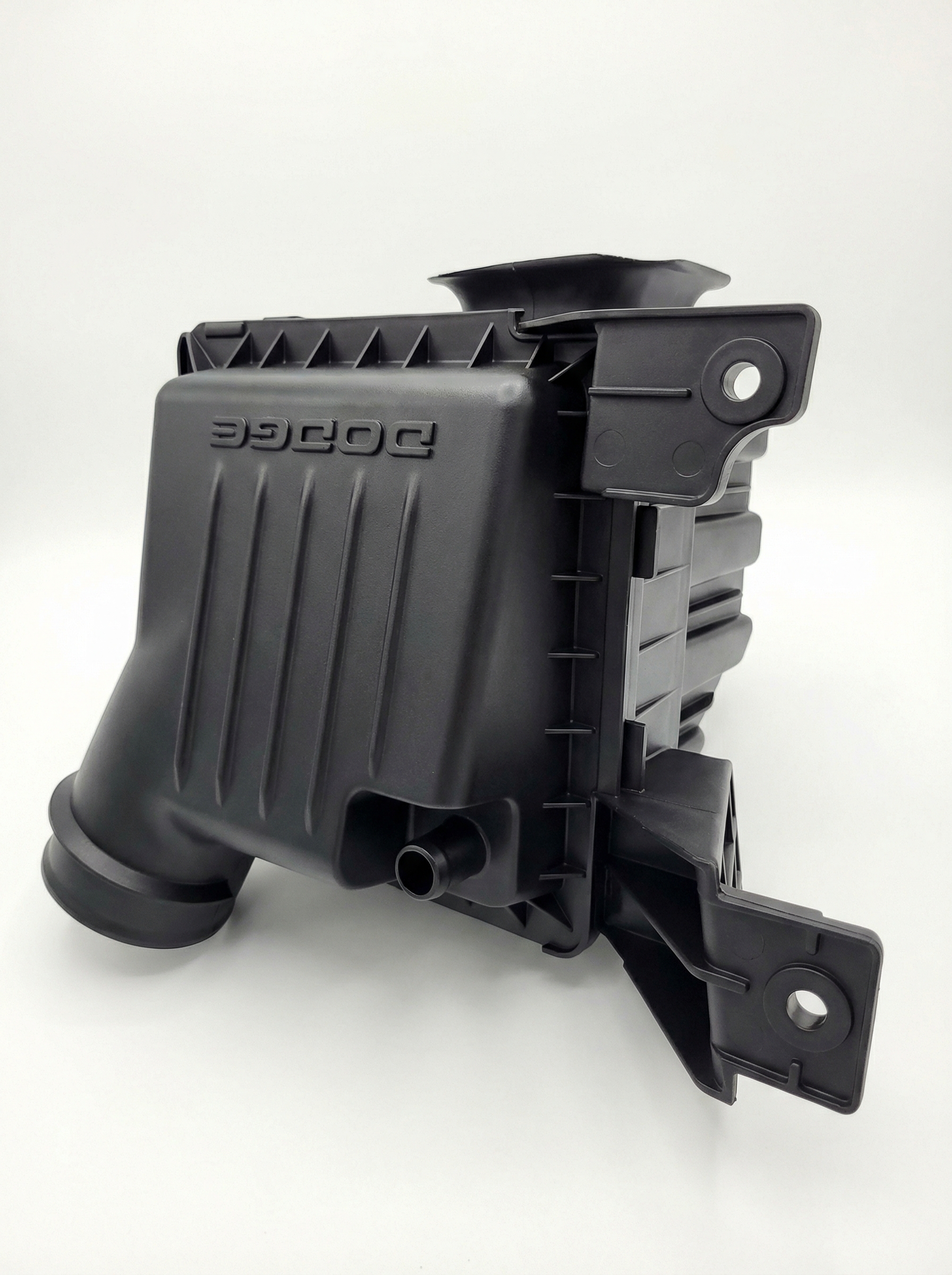
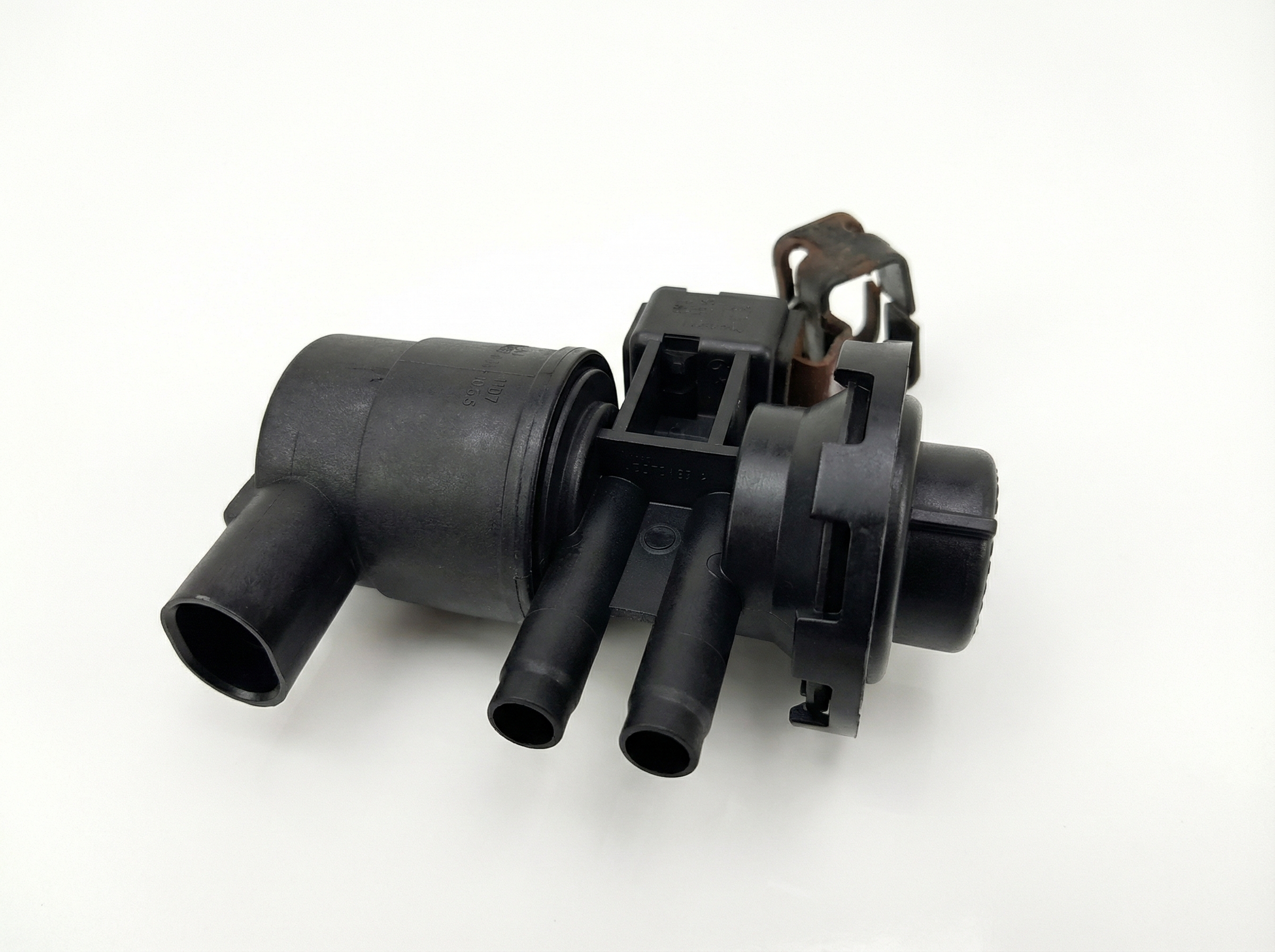

New Aftermarket Parts Available

The information in this article is provided for general reference and educational purposes only. Vehicle specifications, procedures, and part compatibility can vary by production date, trim level, and region. Always consult your vehicle's factory service manual and verify part numbers before purchasing or performing repairs. Safety-critical components such as airbags, seat belts, and braking systems should be installed by a qualified professional.
- Dodge Ram 1500:
- 🧭 Diagnostic Flowchart
- 🎬 Helpful Videos
- 🛍️ Shop This Part
- What's Unique About the 2002-2008 Dodge Ram 1500
- Symptoms You May Notice
- Most Likely Causes
- Rare But Worth Checking
- Technical Service Bulletins (TSBs) & Recalls
- Diagnosis Steps
- Parts You'll Likely Need
- Platform-Specific Known Issues
- Mechanic-Grade Diagnostic Values
- Scan Tool Commands That Help
- Wiring & Ground Locations
- Real Owner Repair Stories
- OEM Part Supersession History
- Model Year Variations Within This Range
- Other Known Issues on This Vehicle
- Used vs. New Parts: Buying Guide for This Vehicle
- Real Owner Stories
- 1997 Dodge Ram
- 2003 Dodge Ram 1500 Hemi
- Dodge Dakota 4.7L
- Related OBD-II Codes
- Frequently Asked Questions
- 🎟️ Get 5% Off