

P0441 on 2013-2019 Ford Escape: EVAP Incorrect Purge Flow Causes and Fixes
For a 2013-2019 Ford Escape, code P0441 is most often caused by a failing canister purge valve. Replacing this part is a common DIY fix, with the part costing between $40 for the 2.5L engine and $70-$110 for the EcoBoost engine assemblies. Before replacing, check for loose EVAP hose connections, as noted in a Ford TSB.
- P0441 on a 2013-2019 Escape almost always points to a problem with the canister purge valve.
- Before buying parts, identify your engine (2.5L vs. EcoBoost) as the replacement part is different.
- Always perform a quick visual and physical inspection of all accessible EVAP hoses for cracks or disconnections before replacing parts, as per TSB 19-2171.
- This is a very DIY-friendly repair that typically requires basic hand tools.
What's Unique About the 2013-2019 Ford Escape
The 2013-2019 Escape uses a capless fuel filler system, so a "loose gas cap" isn't a possible cause; however, a faulty or dirty seal on the filler neck can create similar leak issues that may accompany this code. The most common failure point is the canister purge valve, but the specific part varies by engine. The 2.5L engine uses a simple valve, while the 1.5L, 1.6L, and 2.0L EcoBoost engines often use a valve that is integrated into a hose assembly. A Ford Technical Service Bulletin (TSB 19-2171) for 2017-2019 models with EcoBoost engines notes issues with loose EVAP vapor line quick-connect fittings, which can also lead to this code or related EVAP codes like P144C.
Symptoms You May Notice
- Check Engine Light is on
- Slightly rough idle in some cases, 🎬 Watch: A quick guide to common bad purge valve symptoms. especially if the purge valve is stuck open.
- A faint fuel smell (rare).
- Difficulty starting the engine immediately after refueling (a classic sign of a purge valve stuck open).
- Replacing the gas cap (this vehicle does not have one).
- Replacing the fuel tank pressure sensor without testing, as this sensor will typically set its own specific codes (e.g., P0451, P0452, P0453).
- Replacing other EVAP components before testing the purge valve, which is the most common point of failure.
Most Likely Causes
- Faulty Canister Purge Valve/Solenoid 🔴 High Probability → Shop Vapor Canister This is the most common failure point in the EVAP system for this code across many modern Ford vehicles, including the Escape and its platform mates. The valve can get stuck open from age or contamination, or fail electrically.
How to confirm: With the engine off, disconnect the vapor line from the purge valve that leads to the intake manifold. Use a hand-held vacuum pump to see if the valve holds a vacuum; it should be normally closed with no power. If it doesn't hold vacuum, it's faulty. Alternatively, you can try to blow through it; if air passes, it's stuck open. You can also apply 12V to the terminals to see if it clicks open and closed.
Typical fix: Replace the canister purge valve. On EcoBoost models, this is often sold as an assembly with the attached hoses.
Est. part cost: $40-$110 - Cracked or Disconnected EVAP Hoses 🟡 Medium Probability The plastic and rubber hoses in the engine bay become brittle over time with heat cycles. TSB 19-2171 specifically points to loose quick-connect fittings on 2017-2019 EcoBoost models as a potential cause for EVAP codes.
How to confirm: Visually inspect all EVAP lines between the charcoal canister (near the fuel tank), the purge valve (in the engine bay), and the intake manifold. Per TSB 19-2171, physically push and pull on the quick-connect fittings to ensure they are secure. A smoke test is the most effective way to find small, hard-to-see leaks.
Typical fix: Replace the damaged section of hose or securely reconnect any loose fittings.
Est. part cost: $10-$50 - Faulty Capless Fuel Filler Neck Seal ⚪ Low Probability → Shop Fuel Filler Neck Instead of a traditional gas cap, these vehicles have a spring-loaded door. Dirt, debris, or damage to the seal can prevent the system from sealing correctly. While this more commonly causes a small leak code (P0442/P0456), a significant sealing issue can sometimes contribute to flow problems.
How to confirm: Inspect the opening of the fuel filler neck for any debris, dirt, or damage to the seal that would prevent it from closing tightly. Clean the area carefully with a cloth.
Typical fix: Clean the fuel filler neck opening. If the sealing mechanism is damaged, the entire fuel filler neck assembly may need to be replaced.
Est. part cost: $5-$150
Rare But Worth Checking
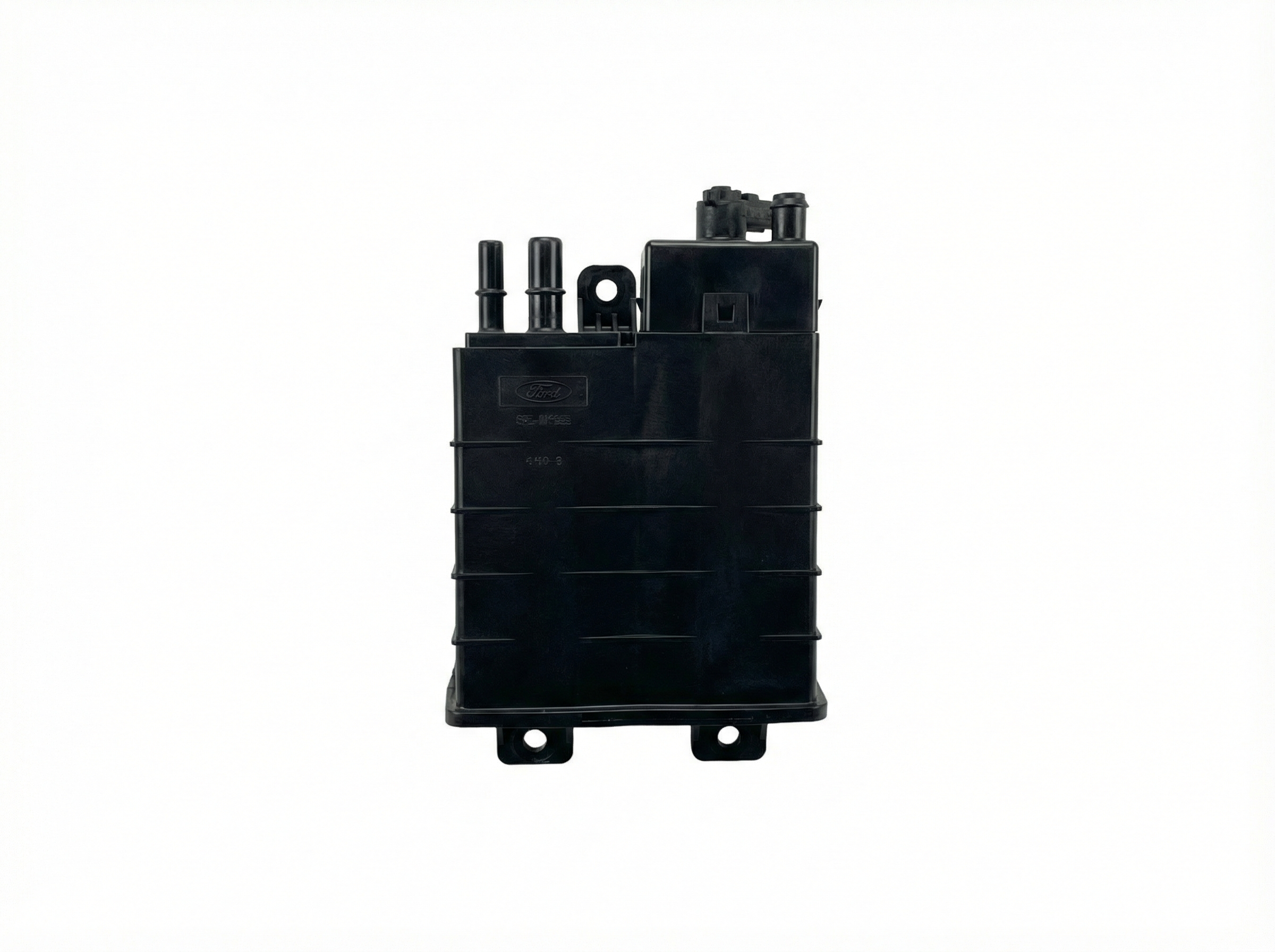
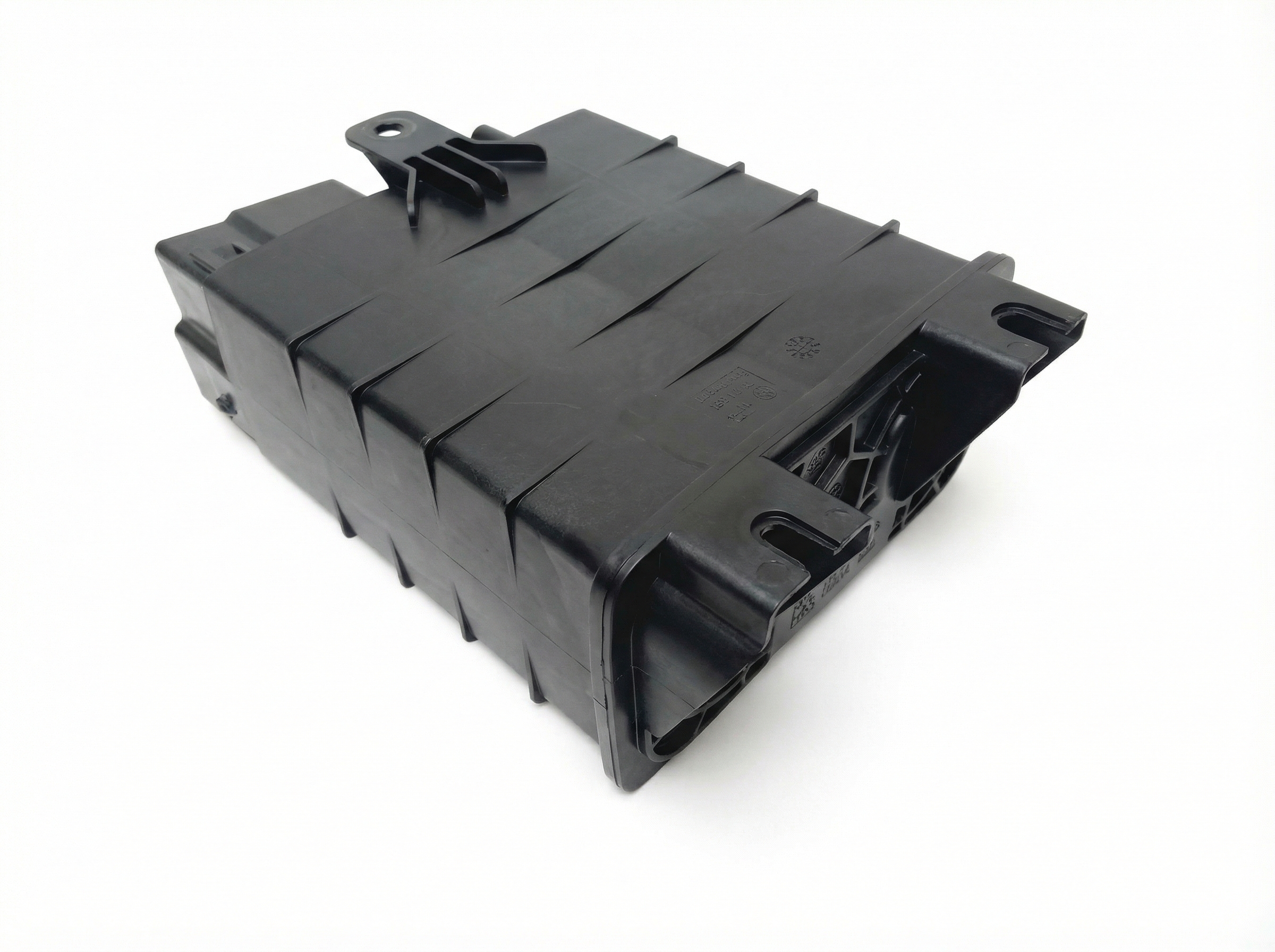
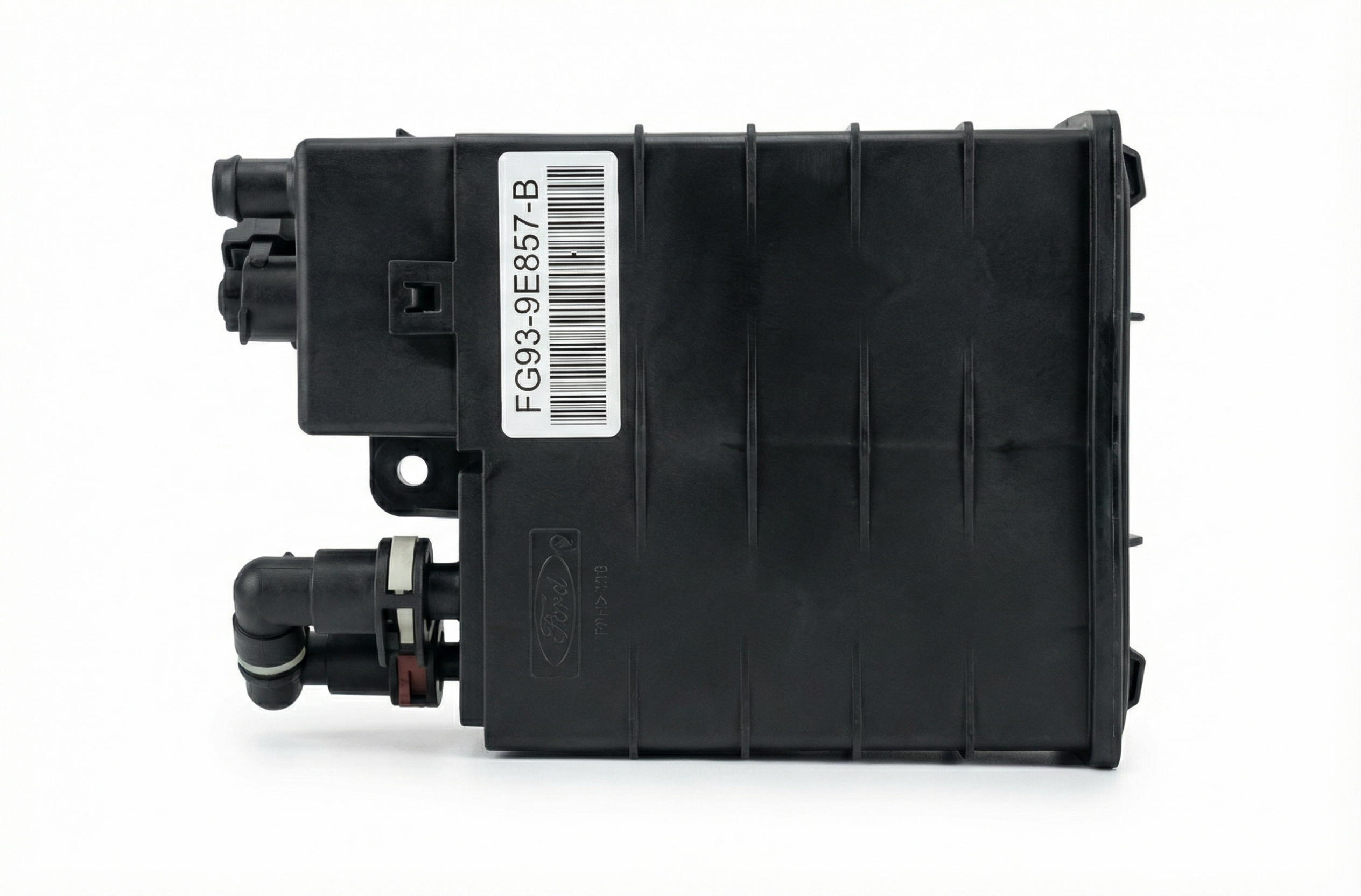
- Clogged Charcoal Canister: → Shop Vapor Canister This is most often caused by habitually overfilling the fuel tank, which forces liquid gasoline into the canister, saturating the charcoal pellets and causing a blockage. If you find charcoal pellets in the purge valve or lines, the canister has failed and must be replaced along with cleaning out the lines.
- Faulty Fuel Tank Pressure Sensor: → Shop Fuel Tank While this sensor will typically set its own specific codes (e.g., P0451, P0452, P0453), a malfunctioning sensor could theoretically provide incorrect data that leads the PCM to misinterpret purge flow.
Diagnosis Steps
- Scan for any other stored trouble codes to see if they provide more clues.
- Visually inspect the engine bay for any obvious cracks, breaks, or disconnections in the EVAP hoses, especially the lines running to and from the purge valve.
- Following the advice of TSB 19-2171, physically push and pull on the EVAP quick-connect fittings to ensure they are fully seated.
- Locate the canister purge valve in the engine bay. It will have an electrical connector and two vapor lines attached.
- Test the purge valve. With the engine off, disconnect the vapor line running to the intake manifold and attach a hand vacuum pump. The valve should hold vacuum. If it does not, it is stuck open and needs to be replaced. A symptom of a stuck-open valve is difficulty starting after refueling. 🎬 Watch: Why your Ford might struggle to start after refueling.
- Inspect the capless fuel filler neck for debris or damage to the seal and clean it.
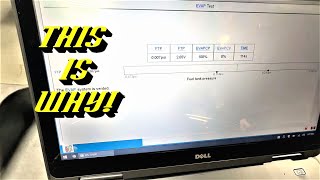
- If the valve tests good and no visual issues are found, perform a smoke test on the EVAP system 🎬 See these four DIY methods to fix a P0441 code. to check for hairline cracks or hidden leaks in the lines or charcoal canister.
Parts You'll Likely Need
- Canister Purge Valve (for 2.5L Engine)
(OEM #CX-2626)— This is the most frequent cause of P0441 on the 2.5L naturally aspirated engine. It's a simple valve that gets stuck.
Trusted brands: Motorcraft, Dorman
OEM price range: $40-$60
Aftermarket price range: $25-$45 - Canister Purge Valve / Tube Assembly (for 1.5L, 1.6L, 2.0L EcoBoost)
(OEM #CV6Z-9D289-S)— This is the most common failure for EcoBoost engines. The part includes the valve and the attached vapor lines, which can also crack. The part number may vary slightly by year and specific EcoBoost engine.
Trusted brands: Motorcraft, Dorman
OEM price range: $100-$150
Aftermarket price range: $60-$90
Related Codes That Often Appear With This One
- P0442 — This code indicates a small leak in the EVAP system. A cracked hose or failing valve causing the P0441 flow issue can also be detected as a small leak.
- P144C — This is a Ford-specific code for "EVAP System Purge Check Valve Performance". TSB 19-2171 links this code directly to loose EVAP lines on the 2017-2019 Escape, a condition that could also cause P0441.
- P04F0 — This code for "EVAP System Leak Detection Reference Orifice Flow" is also mentioned in TSB 19-2171 alongside P144C as being potentially caused by loose EVAP lines on the same vehicles.
Technical Service Bulletins (TSBs) & Recalls
- 19-2171: For 2017-2019 Escape/MKC with 1.5L, 2.0L, or 2.3L EcoBoost engines, addresses an illuminated MIL with DTCs P04F0 and/or P144C due to potentially loose EVAP vapor lines. The procedure advises physically checking connections before extensive diagnosis.
Platform-Specific Known Issues
- TSB 19-2171 was issued for 2017-2019 Escapes with EcoBoost engines regarding loose EVAP vapor line connections, which could cause codes P0441, P144C, and/or P04F0. The fix is to inspect and ensure all quick-connects are fully seated.
Mechanic-Grade Diagnostic Values
- EVAP System Pressure (Purge) — expected: -2.0 to -4.0 in-H2O. Failure: Pressure outside this range during purge indicates a flow problem. Exceeding -8.0 in-H2O can trigger a P1450 code for excessive vacuum.
- Purge Valve Solenoid Fuse — expected: Fuse #33 (15A) in the under-hood fuse box should have continuity.. Failure: A blown fuse will cut power to the purge valve, preventing it from opening and causing a no-flow condition.
Scan Tool Commands That Help
- Ford IDS, FORScan: EVAP System Test — This is a comprehensive, automated test that commands the purge and vent solenoids through a sequence to check for leaks and flow. It can confirm if the system is capable of holding a vacuum and if the purge valve is functioning.
- Ford IDS, FORScan, high-end bidirectional scanners: Output State Control / Active Command for Canister Purge Valve (CPV) — This allows a technician to manually command the purge valve open (by percentage) or closed while the engine is running. You can use this to verify the valve's mechanical and electrical response, and to see its effect on fuel trims and system pressure in real-time.
Wiring & Ground Locations
- Fuse F33 (15A) — In the under-hood fuse box (Battery Junction Box).. This fuse provides power to the canister purge valve solenoid. If this fuse is blown, the valve will not be able to open, leading to a no-flow condition which can trigger P0441.
- Purge Valve Electrical Connector — Directly on the canister purge valve solenoid, located in the engine bay.. The two pins are for power (from fuse F33) and PCM control (ground-side switched). A visual inspection for corrosion or damage is critical. Technicians can back-probe this connector to check for battery voltage on one pin and a pulsing ground signal from the PCM on the other when the valve is commanded on.
Real Owner Repair Stories
- Reddit user in r/fordescape (2017 Ford Escape 2.0L) — Check Engine Light with EVAP codes, and having to rev the engine to get it to start after refueling.
❌ Tried (didn't work) Initially, the user was unsure of the location and how to perform the repair.
✅ What actually fixed it The user purchased a Dorman splice-in repair kit for the purge valve instead of the entire hose assembly. They located the valve between the valve cover and the battery, cut the old valve out, and spliced the new one in. This resolved the hard starting issue after refueling. - Owner of a related Ford platform — An owner reported that their vehicle "stumbles excessively for a couple minutes after being able to drive after refueling" while the check engine light was on for code P0441 (NHTSA ODI #11405532).
OEM Part Supersession History
9U5Z9C915H, 9U5Z9C915J, etc.→CX-2626 (Motorcraft)— Standard part evolution, consolidating previous numbers.
Heads up: This part is for the 2.5L naturally aspirated engine only. It is not compatible with EcoBoost engines.CV6Z-9D289-C, D, F, H, R→CV6Z-9D289-S (Motorcraft)— Multiple revisions to the hose and valve assembly for the EcoBoost engines.
Heads up: This assembly is for the EcoBoost engines (1.5L, 1.6L, 2.0L). It will not fit the 2.5L engine. While the part number applies broadly, always verify with VIN as there can be subtle differences in hose routing between engine sizes and model years.
Model Year Variations Within This Range
- 2013-2016: The pre-facelift models (2013-2016) featured the 1.6L EcoBoost engine as a primary option.
- 2017-2019: The 2017 facelift replaced the 1.6L EcoBoost with a new 1.5L EcoBoost engine. The 2.0L EcoBoost was also updated. The exterior and interior were refreshed, and the center console was redesigned. TSB 19-2171 regarding loose EVAP lines specifically applies to 2017-2019 models.
Diagnostic Flowchart
Other Known Issues on This Vehicle
Issues unrelated to this code that are worth knowing about as an owner of this generation:
- EcoBoost Engine Coolant Intrusion 🔴 High — Widespread issue affecting 1.5L, 1.6L, and 2.0L EcoBoost engines. A design flaw can cause the engine block to crack, allowing coolant to leak into the cylinders. Often presents as unexplained coolant loss, white exhaust smoke, and engine misfires. Can occur at various mileages, but often reported between 60k-100k miles. (Ref: Multiple TSBs issued, including 19-2346 and 22-2229, which recommend long block engine replacement as the fix.)
- 6F35 Transmission Failure 🔴 High — Common across the generation, especially in earlier 2013-2014 models. Symptoms include shuddering, hesitation, hard shifts, and complete failure, often before 150k miles. Torque converter and solenoid issues are frequently cited. (Ref: No major recall, but the subject of numerous complaints and a dismissed class-action lawsuit.)
- Overheating (1.6L EcoBoost) 🟠 Medium — The 1.6L engine in early models (especially 2013) was prone to overheating, which could lead to engine fires. This was due to issues like coolant leaks from the reservoir or hoses, and a dislodging cylinder head plug. (Ref: Ford issued several recalls, including 13S12 and 12V431000, to address the overheating and fire risk.)
- Stalling / Driveability Issues 🟠 Medium — Complaints of stalling and other driveability problems were common, particularly with the 1.6L and 2.0L EcoBoost engines in the 2013-2014 model years. (Ref: Recall 14S17 was issued for a wiring harness problem in the 2.0L engine that could cause stalling.)
Used vs. New Parts: Buying Guide for This Vehicle
When a used part is the smart pick: A used part is generally not recommended for this repair. The purge valve is a relatively inexpensive wear item with a plastic solenoid and rubber seals that degrade with heat and time. The cost savings of a used part are minimal compared to the risk of receiving another failing or near-failure part.
Donor-vehicle mileage cap: roughly under 30000 miles for the part to have meaningful remaining life.
What to inspect on the donor part:
- If buying used is unavoidable, choose a part from the newest, lowest-mileage vehicle possible.
- Visually inspect the plastic for any signs of cracking or extreme heat fatigue.
- Ensure all hose connection points and electrical connector pins are clean and free of damage or corrosion.
OEM-only on this vehicle (don't cheap out):
- While not strictly OEM-only, many forum users and even some technicians report that aftermarket versions, particularly the hose assemblies for EcoBoost models, can have fitment issues with connectors and clips not aligning perfectly. Motorcraft is the safest bet for a one-time repair.
Aftermarket brands forum-validated for this vehicle:
- Dorman offers both full assemblies and splice-in repair kits that are popular for DIY repairs, though some users report minor fitment differences.
- Standard Motor Products is another well-regarded aftermarket supplier.
Brands owners have reported issues with on this vehicle:
- Unbranded, no-name parts from online marketplaces should be avoided, as quality control is non-existent. A Ford technician in a forum post warned that many aftermarket brands have issues with their connector clips not working correctly.
Real Owner Stories
Aggregated from forums and TSBs cited above. Mileages and costs reflect what owners reported in those sources.
2017-2019 Ford Escape EcoBoost
Symptoms: Illuminated MIL (Check Engine Light) with code P0441.
What fixed it: Physically checking and ensuring all EVAP vapor line quick-connect fittings were fully seated.
Source hint: TSB 19-2171
Ford Escape (2013-2019)
Symptoms: P0441 code persisted even after a shop replaced multiple other EVAP parts.
What fixed it: Replacing the canister purge valve.
Cost: $600-$700
Source hint: Reddit - r/MechanicAdvice - P0441 Evaporative Emission System Incorrect Purge Flow
Ford Platform Owner
Symptoms: Vehicle stumbles excessively for a couple minutes after refueling and triggers code P0441.
What fixed it: This symptom is commonly associated with a failing purge valve allowing excess vapor into the intake.
Source hint: NHTSA ODI #11405532
Related OBD-II Codes
Frequently Asked Questions
Does TSB 19-2171 apply to my 2018 Ford Escape EcoBoost?
Why does my Escape struggle to start only after I fill up the gas tank?
I have a 2013 Escape with a P0441; could this be related to the 1.6L overheating recalls?
Can I just clean the gas cap to fix P0441 on my 2015 Escape?
Is the purge valve on the EcoBoost models sold separately?
Could a rough idle be caused by the EVAP system on my Ford Escape?
Helpful Videos
![How to Fix P0441 Engine Code in 6 Minutes [4 DIY Methods / Only $3.50]](https://img.youtube.com/vi/NJYZiDhYhP8/mqdefault.jpg)

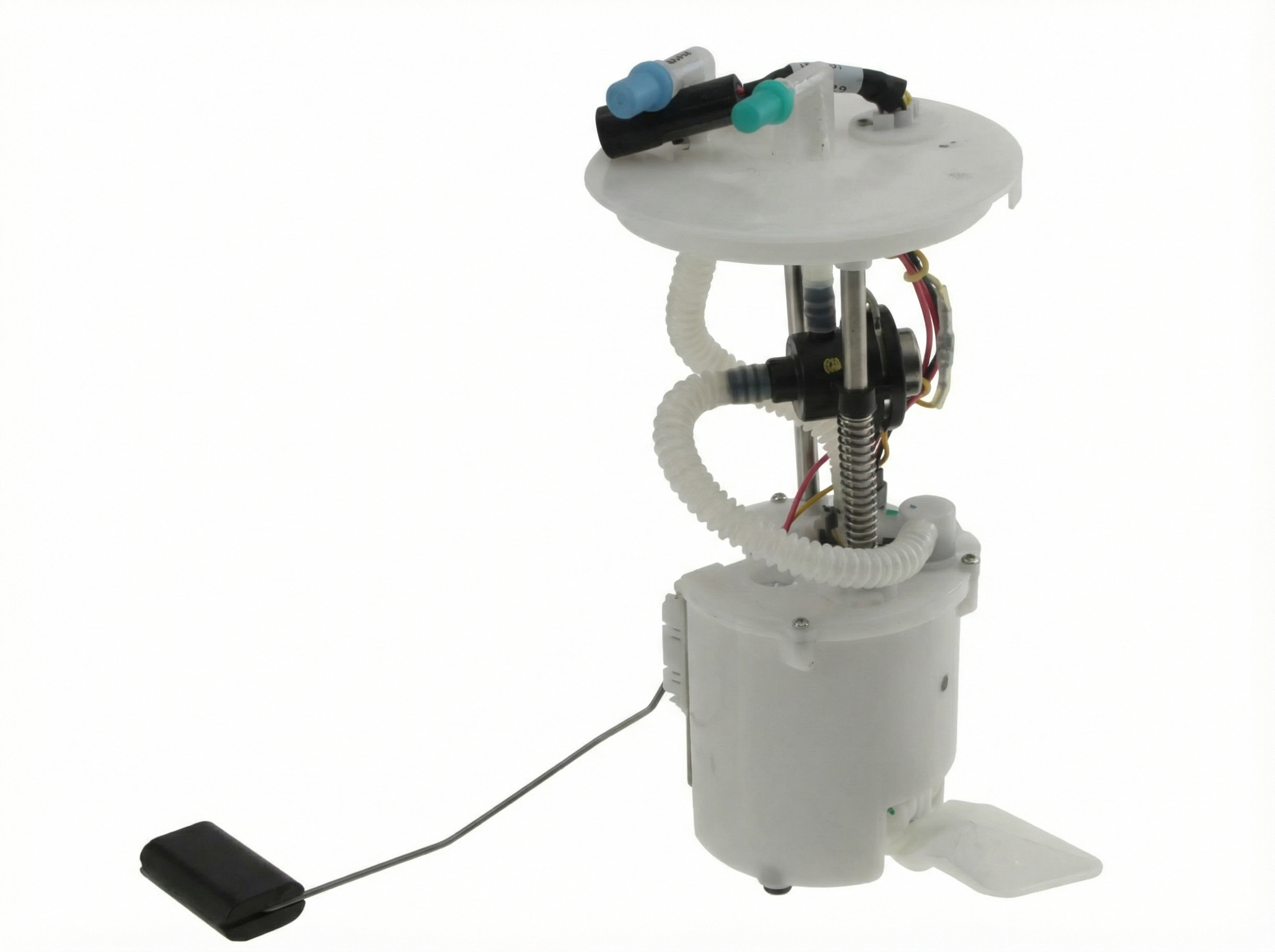
Used OEM Parts in Stock

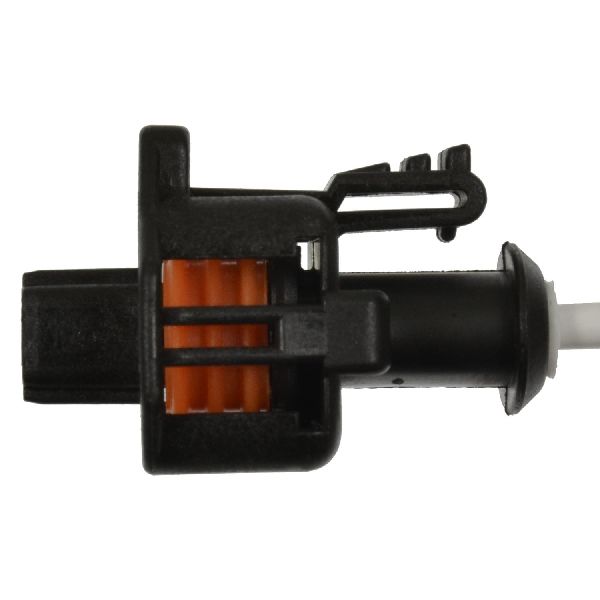
New Aftermarket Parts Available


The information in this article is provided for general reference and educational purposes only. Vehicle specifications, procedures, and part compatibility can vary by production date, trim level, and region. Always consult your vehicle's factory service manual and verify part numbers before purchasing or performing repairs. Safety-critical components such as airbags, seat belts, and braking systems should be installed by a qualified professional.
- Ford Escape:
- 🧭 Diagnostic Flowchart
- 🎬 Helpful Videos
- 🛍️ Shop This Part
- What's Unique About the 2013-2019 Ford Escape
- Symptoms You May Notice
- Most Likely Causes
- Rare But Worth Checking
- Diagnosis Steps
- Parts You'll Likely Need
- Related Codes That Often Appear With This One
- Technical Service Bulletins (TSBs) & Recalls
- Platform-Specific Known Issues
- Mechanic-Grade Diagnostic Values
- Scan Tool Commands That Help
- Wiring & Ground Locations
- Real Owner Repair Stories
- OEM Part Supersession History
- Model Year Variations Within This Range
- Other Known Issues on This Vehicle
- Used vs. New Parts: Buying Guide for This Vehicle
- Real Owner Stories
- 2017-2019 Ford Escape EcoBoost
- Ford Escape (2013-2019)
- Ford Platform Owner
- Related OBD-II Codes
- Frequently Asked Questions
- 🎟️ Get 5% Off