

P0441 on 2004-2008 Ford F-150: Incorrect Purge Flow Causes and Fixes
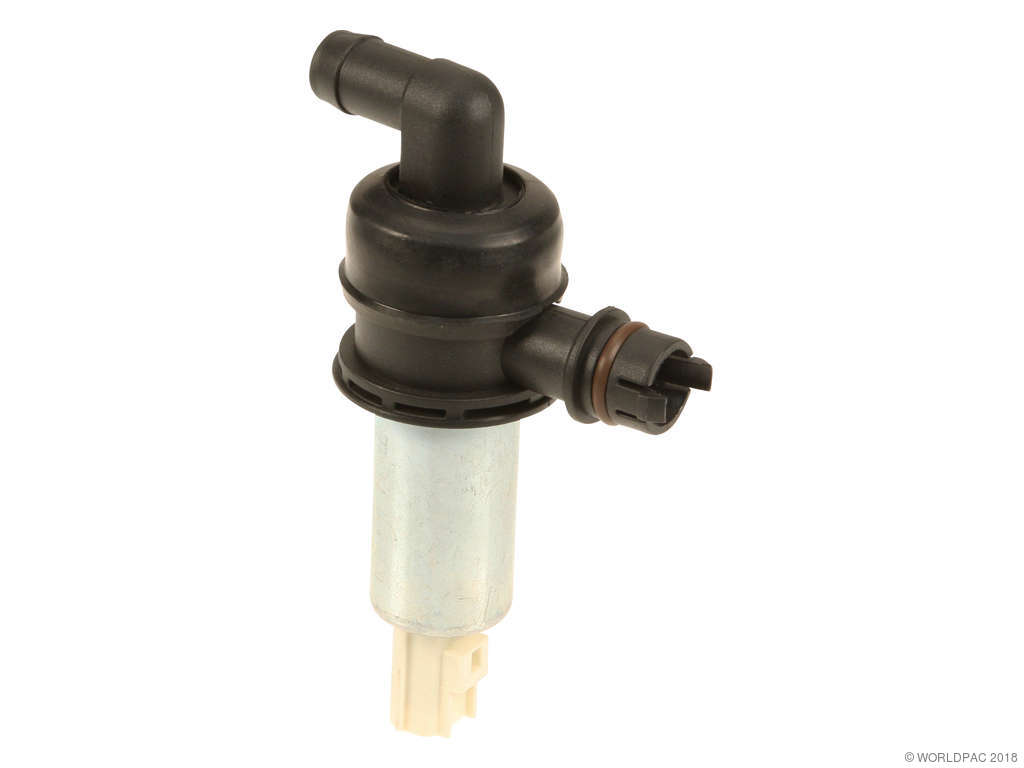
On a 2004-2008 F-150, code P0441 is almost always caused by a faulty EVAP canister purge valve located in the engine bay on the firewall. It's a common failure item that gets stuck open or closed. Expect to pay $30-$80 for the part (OEM Part numbers include CX2094 and 4L3Z-9C915-AB), which is a DIY-friendly fix that often takes less than 15 minutes.
- P0441 on a 2004-2008 F-150 almost always means the canister purge valve on the firewall has failed.
- The most telling symptom, besides the Check Engine Light, is difficulty starting the truck right after you get gas.
- Don't waste money on a new gas cap first; it's rarely the cause for this specific code.
- Replacing the purge valve is a simple, low-cost DIY job that usually takes less than 15 minutes with basic tools, or often no tools at all.
What's Unique About the 2004-2008 Ford F-150
The 11th generation F-150 (2004-2008) has a well-documented history of the canister purge valve failing. While the code is generic, the cause on this specific truck is highly predictable. Owners frequently report that replacing this single valve, located on the driver's side firewall, resolves the code without the need for extensive diagnostics. Unlike general EVAP leak codes (like P0455/P0457), P0441 on this truck rarely points to a a loose gas cap; it's almost always related to the actual flow-controlling components.
Symptoms You May Notice
- Check Engine Light is on
- Slightly rough idle, especially when the purge valve is stuck open
- Difficulty starting the engine immediately after getting gas (long crank time) 🎬 Watch: Why your F-150 struggles to start after refueling.
- A faint fuel smell (less common)
- A 'whoosh' sound when opening the gas cap (can indicate pressure issues related to the EVAP system)
- Replacing the gas cap. While a bad gas cap can cause other EVAP codes (like P0455 for a large leak or P0457 for a loose cap), it is not a common cause for P0441, which specifically points to an incorrect *flow rate*, not a system-wide leak.
Most Likely Causes
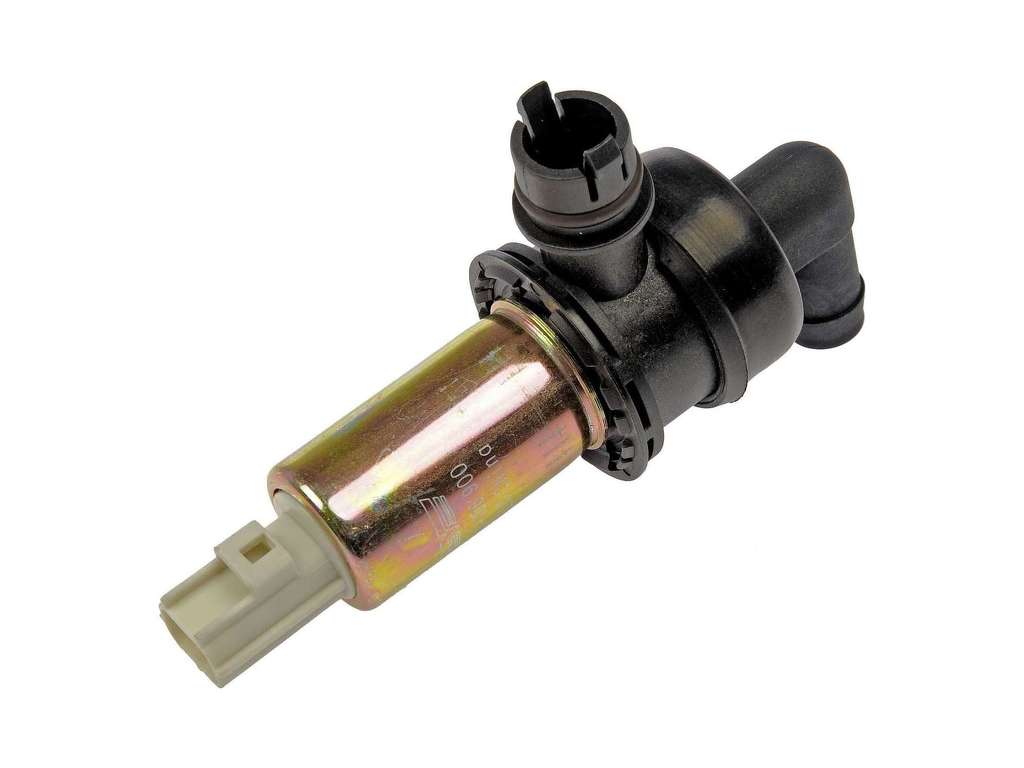
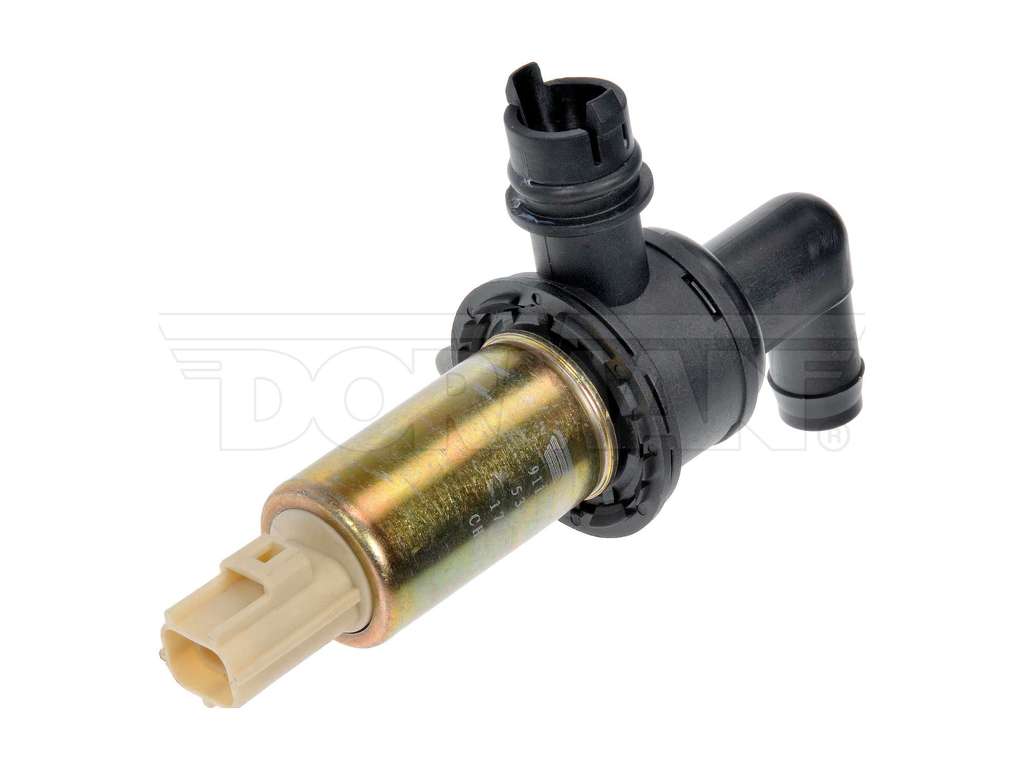
- Faulty Canister Purge Valve/Solenoid 🔴 High Probability → Shop Vapor Canister This is a very common failure point on this generation of F-150. The valve's internal mechanism wears out or gets contaminated with charcoal debris, causing it to stick open or closed. It is located on the driver's side firewall and is easy to access.
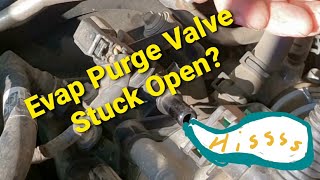
How to confirm: Locate the purge valve in the engine bay. With the engine off, disconnect the electrical connector and the two hoses. Try to blow air through it. 🎬 See this quick trick to test for a stuck valve. A normally closed valve should not allow any air to pass. If you can blow through it, it's stuck open and must be replaced. This is the most common failure mode and directly causes the hard-start-after-refueling symptom.
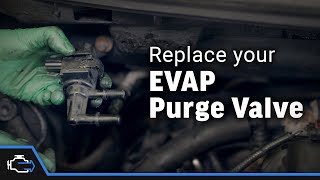
Typical fix: Replace the canister purge valve. This is often a tool-free, 5-minute job. 🎬 Watch: Step-by-step guide to replacing the purge solenoid.
Est. part cost: $30-$80 - Cracked or Disconnected EVAP Hoses 🟡 Medium Probability The plastic and rubber hoses in the engine bay, especially the molded hose running from the purge valve to the intake manifold, can become brittle with age and heat cycles, leading to cracks or loose connections.
How to confirm: Visually inspect all EVAP lines running from the engine bay back to the charcoal canister (located near the spare tire). Pay close attention to the connections at the purge valve itself. A smoke test is the most effective way to find small, hard-to-see leaks.
Typical fix: Replace the damaged section of hose or reconnect a loose fitting. Standard 3/8" ID fuel/EVAP hose can be used for repairs.
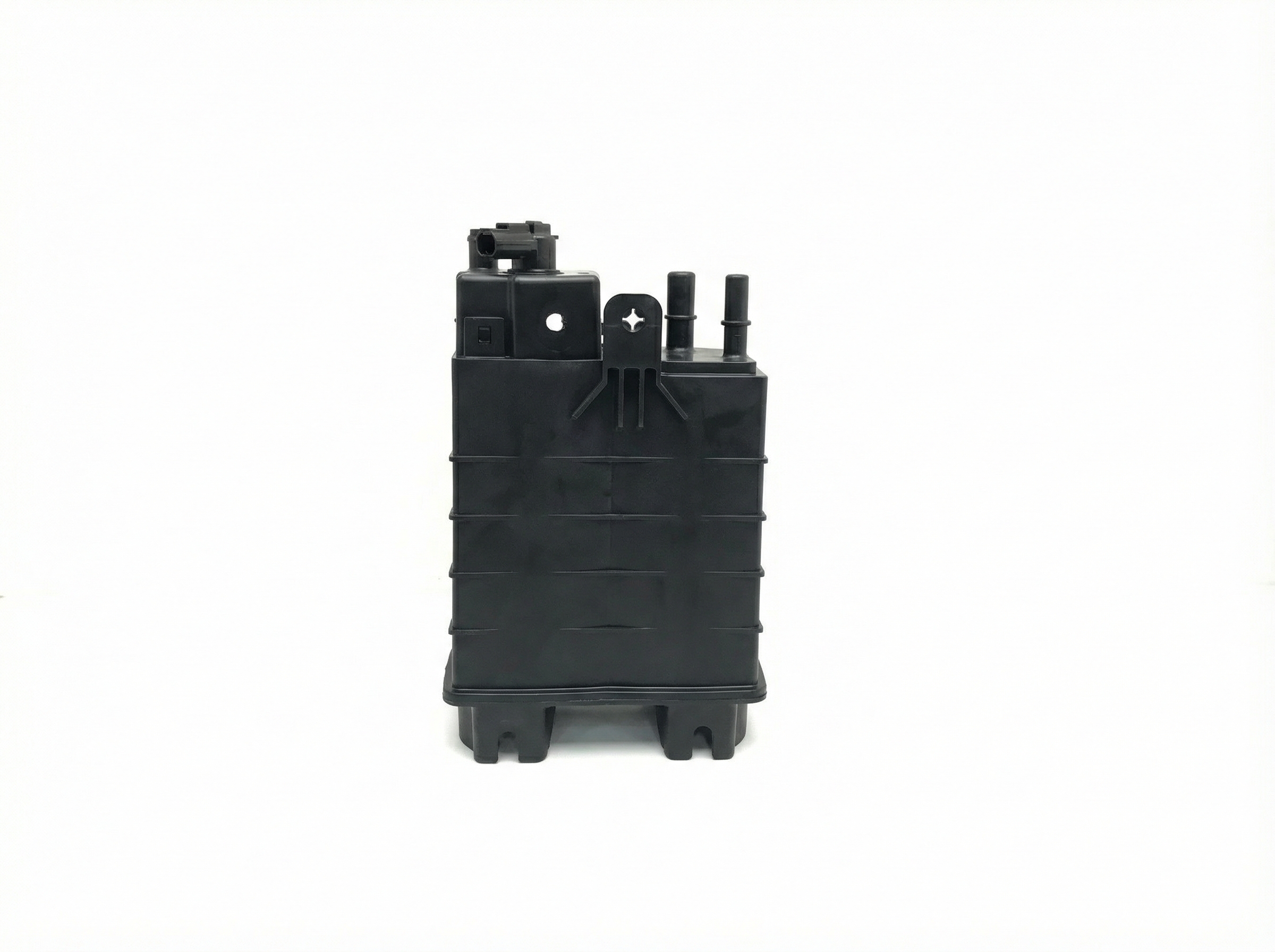
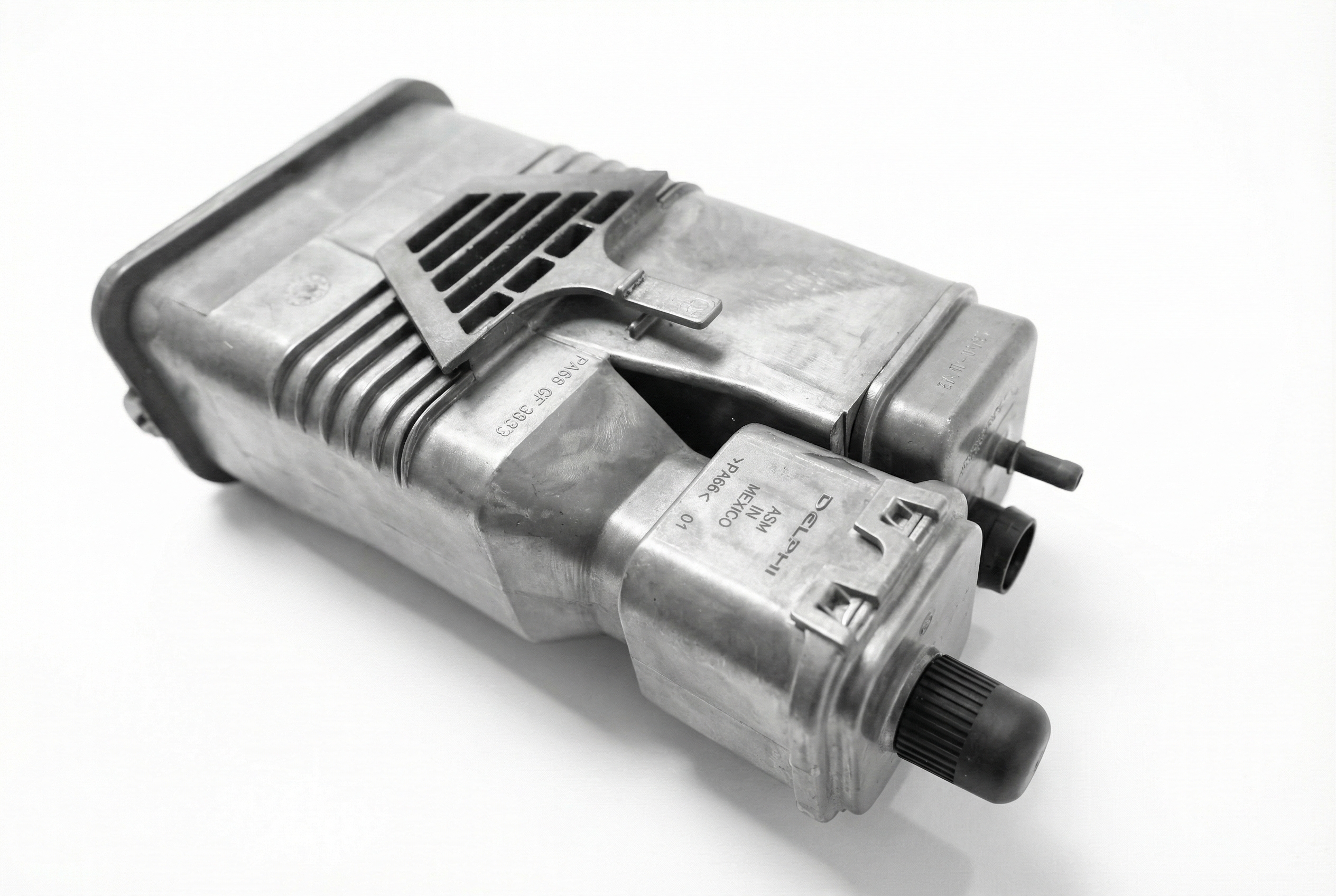
Est. part cost: $10-$50 - Clogged or Restricted Charcoal Canister ⚪ Low Probability → Shop Vapor Canister Habitually overfilling the fuel tank (topping off after the pump clicks off) can force liquid gasoline into the charcoal canister. This saturates the charcoal pellets, turning them into a sludge that can block flow or send debris down the line, jamming the purge or vent valves.
How to confirm: If the purge valve and lines are confirmed good, the canister is the next suspect. A professional may test for blockages by checking pressure and flow. Difficulty filling the gas tank (pump clicks off repeatedly) is a strong symptom of a blocked canister or vent valve.
Typical fix: Replace the charcoal canister.
Est. part cost: $100-$250
Rare But Worth Checking
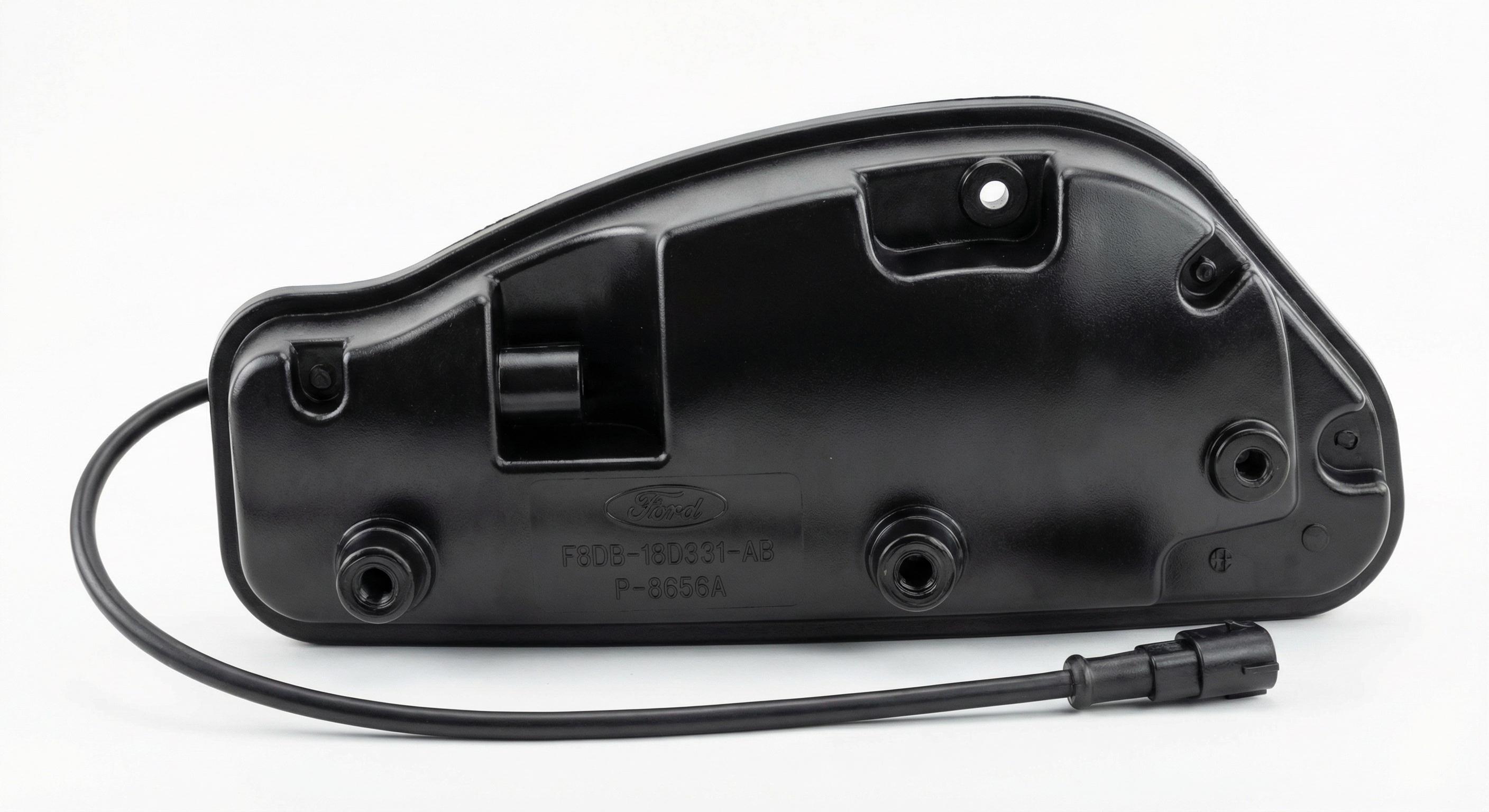
- Faulty Canister Vent Solenoid: → Shop Vapor Canister Located near the charcoal canister by the spare tire, this valve allows fresh air into the system during the purge cycle. If it's stuck closed, it can prevent proper purge flow and may trigger a P0441, though it more commonly sets other codes like P0446.
- Wiring Harness Issue: A break or short in the wiring to the purge valve solenoid can prevent it from opening, causing a no-flow condition. Check the connector for corrosion or broken wires right at the valve.
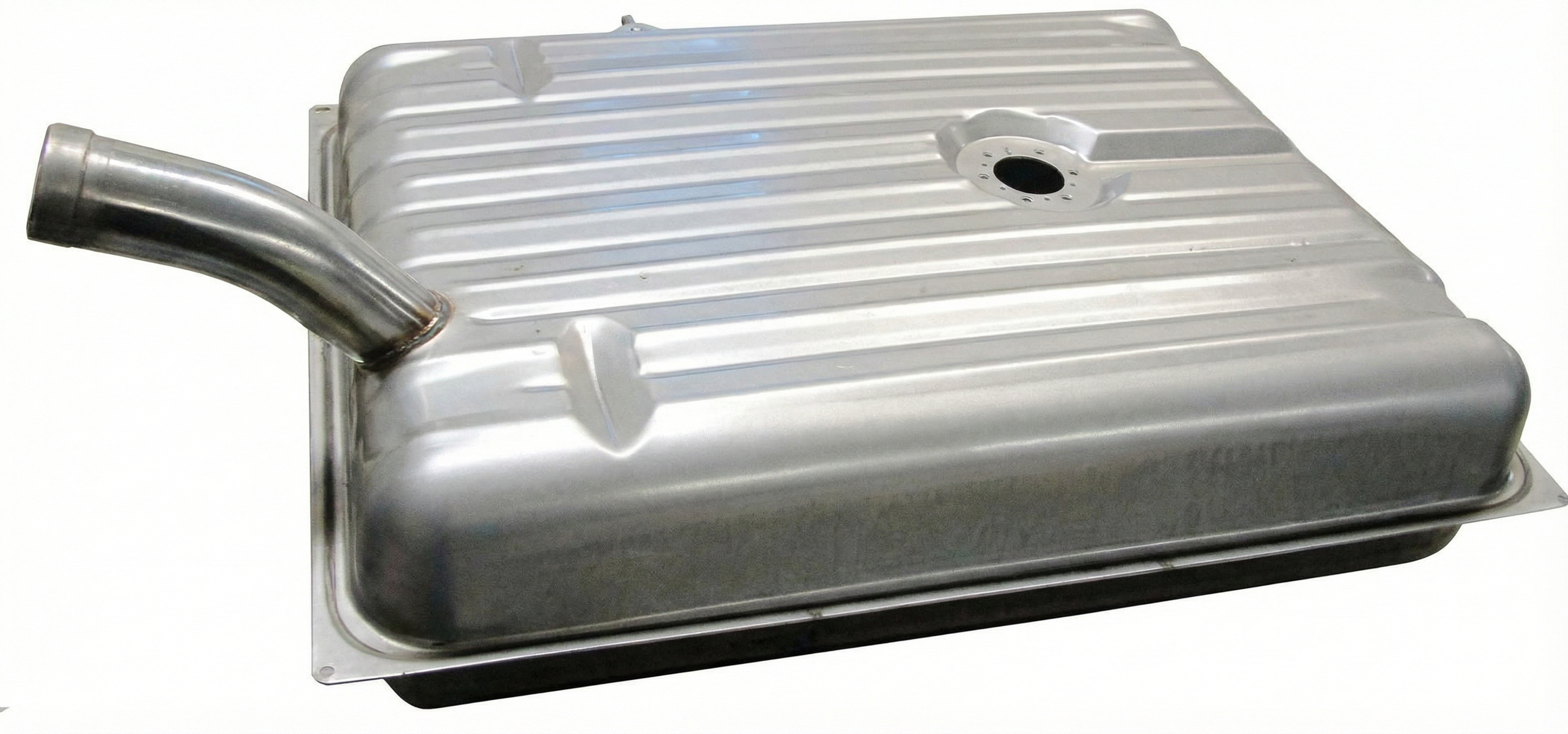
- Faulty Fuel Tank Pressure (FTP) Sensor: → Shop Fuel Tank Less commonly, the sensor that the PCM uses to monitor the system can fail. If it provides incorrect readings, the computer may falsely believe there is a flow problem. The sensor is typically part of the fuel pump assembly on top of the gas tank.
Diagnosis Steps
- Read the code with an OBD-II scanner to confirm P0441 is the primary code. Note any other codes like P1450, as they can help confirm the diagnosis.
- Perform the simplest check first: Locate the EVAP purge valve on the driver's side firewall.
- Test the purge valve. With the engine off, disconnect the electrical plug and the two hoses (they have simple push-tabs). Try to blow through the valve. If air passes through, it is stuck open and has failed. This confirms the most common cause.
- If the valve is not stuck open, visually inspect its connecting hoses for obvious cracks, brittleness, or disconnections, particularly the line going to the intake manifold.
- If the valve and hoses appear fine, you can test the electrical circuit. With the key on, use a multimeter to check for battery voltage at the electrical connector. The PCM supplies the ground to activate the valve.
- If no obvious issues are found, the problem is less common and may involve a clogged charcoal canister, a faulty vent solenoid near the tank, or a wiring issue further down the line. A professional smoke test is the best next step to find hidden leaks or blockages.
Parts You'll Likely Need
- Vapor Canister Purge Valve / Solenoid
(OEM #Motorcraft CX2094 (for 2007-2008), Motorcraft CX2083 / 4L3Z-9C915-AB (for 2004-2006))— This is the most frequent point of failure for a P0441 code on this specific F-150. It gets stuck open or closed, directly causing the incorrect flow condition and related symptoms like hard starting after refueling.
Trusted brands: Motorcraft, Dorman (911-223), Bosch
OEM price range: $50-$90
Aftermarket price range: $30-$60
Related Codes That Often Appear With This One
- P0443 — This code indicates a fault in the purge valve's electrical circuit. If the solenoid coil fails electrically, you might see both P0441 (for incorrect flow) and P0443 (for the electrical fault) together.
- P1450 — Stands for 'Unable to Bleed Up Fuel Tank Vacuum'. This code is very frequently seen with a stuck-open purge valve on F-150s. The constant vacuum from the engine being pulled on the tank prevents the pressure from stabilizing as expected during the EVAP monitor test, directly pointing to a purge valve issue.
Platform-Specific Known Issues
- While no recalls are specific to P0441 on the 2004-2008 models, Ford has issued recalls for later models (Recall 18S32/18V735) related to stuck-open purge valves causing fuel tank deformation, highlighting a history of issues with this component in their trucks.
Mechanic-Grade Diagnostic Values
- EVAP Canister Purge Valve Solenoid Coil Resistance — expected: 30 to 38 ohms (for standard valve). Failure: A reading of 0 ohms indicates a short, while an infinite (OL) reading indicates an open circuit. Readings significantly outside the expected range suggest a faulty coil.
- Voltage at Purge Valve Connector (Key On, Engine Off) — expected: Battery Voltage (approx. 12.6V) on the power supply wire.. Failure: No voltage suggests a blown fuse or an open circuit in the power feed wiring.
- Fuel Tank Pressure (FTP) Sensor Voltage — expected: Approximately 1.5-2.5V with the gas cap off (at atmospheric pressure). Voltage should decrease as vacuum is applied.. Failure: A reading that is stuck high or low, or does not change when the purge valve is commanded open, can indicate a faulty FTP sensor, which may mislead the PCM into setting a P0441.
Hidden / Shadow Codes Worth Checking
- Mode $06, TID $3A: EVAP Monitor (Cap Off Detection). A failure or incomplete status for this test can sometimes be related to the overall health of the EVAP system's ability to seal and respond to pressure changes. (see via Advanced OBD-II scanner with Mode $06 capability, such as Torque Pro or a professional scan tool.)
- Mode $06, TID $3B: EVAP Monitor (0.040" leak check). This test measures the system's ability to hold a vacuum. While not a direct test for flow, a failure here could point to a component (like a stuck purge valve) that also causes the P0441 flow issue. (see via Advanced OBD-II scanner with Mode $06 capability.)
Scan Tool Commands That Help
- Ford IDS (Integrated Diagnostic System) or equivalent pro-level scanner: EVAP System Test — This is a comprehensive, automated test that commands the purge and vent valves to open and close while monitoring the FTP sensor to verify the entire system's integrity, including flow. It can be used to confirm a fix or to pinpoint a failure after basic checks are exhausted.
- Ford IDS or equivalent pro-level scanner: Output State Control (OSC) for Purge Solenoid — This bidirectional command allows a technician to manually open and close the purge valve (often by a percentage) while the engine is running. You can monitor the FTP sensor and short-term fuel trims to see if the valve is physically responding to the PCM's command, which helps isolate a bad valve from a wiring problem.
Wiring & Ground Locations
- G103 — Located on the right rear of the engine compartment, near the Powertrain Control Module (PCM).. This is a primary ground point for the PCM and its related sensors. A corroded or loose G103 ground can cause erratic behavior from the PCM, potentially leading to incorrect operation of the purge valve solenoid or misinterpretation of sensor data, which could falsely trigger a P0441 code.
- Purge Valve Connector — On the purge valve itself, located on the driver's side firewall.. The two wires at this connector provide power and the control signal (ground) from the PCM. One wire should have battery voltage with the key on. The other wire is the control circuit; the PCM pulses a ground signal to open the valve. A broken wire or corroded pin at this connector is a common point of failure.
Real Owner Repair Stories
- f150forum.com user (2007 Ford F-150 5.4L 3v, 135k miles) — Engine bucking, Check Engine Light with codes P0441 and P1450.
❌ Tried (didn't work) Initial diagnosis was unclear, owner was experiencing a bucking issue before identifying the codes.
✅ What actually fixed it The user diagnosed a stuck-open EVAP purge valve. Replacing the purge valve on the firewall resolved the symptoms and cleared the codes. - NHTSA ODI #11405532 — An owner reported that their vehicle "stumbles excessively for a couple minutes after being able to drive after refueling" while the check engine light was illuminated for code P0441.
OEM Part Supersession History
4L3Z-9C915-AB→6L3Z-9C915-A— Standard part revision and update by Ford.
Heads up: The parts are generally interchangeable for the 2004-2006 model years. 6L3Z-9C915-A is the later, more common replacement part for the early 11th gen trucks.6L3Z-9C915-A→7L3Z-9C915-A (Motorcraft CX2094)— Design change for later model years.
Heads up: Part 7L3Z-9C915-A is specified for 2007-2008 models. While it may look similar, there could be slight differences in mounting or connector that make it specific to the later years of this generation. It's best to use the part number specified for your exact model year.
Model Year Variations Within This Range
- 2004-2006 vs 2007-2008: There is a different part number for the EVAP canister purge valve between the early and late years of this generation. 2004-2006 models primarily use part numbers 4L3Z-9C915-AB or its successor 6L3Z-9C915-A. The 2007-2008 models use part number 7L3Z-9C915-A. While the location and function are identical, the specific part may have minor revisions.
Diagnostic Flowchart
Other Known Issues on This Vehicle
Issues unrelated to this code that are worth knowing about as an owner of this generation:
- Ford 5.4L 3V Cam Phaser / VVT System Failure 🔴 High — Extremely common, often starting after 75,000 miles. Characterized by a diesel-like ticking or knocking sound at idle that may quiet down with increased RPM. Caused by failing phasers, worn timing chain guides, and low oil pressure from bad tensioner seals. (Ref: Multiple TSBs exist, but no single recall. A full timing job is the common, expensive fix.)
- Ford 5.4L 3V Two-Piece Spark Plug Breakage 🔴 High — A notorious issue on engines built before late 2007. Carbon buildup seizes the lower portion of the spark plug in the cylinder head, causing it to break during removal. This can turn a simple tune-up into a costly extraction job. Following specific TSB procedures (like TSB 08-7-6) can help but doesn't guarantee success. (Ref: TSB 08-7-6)
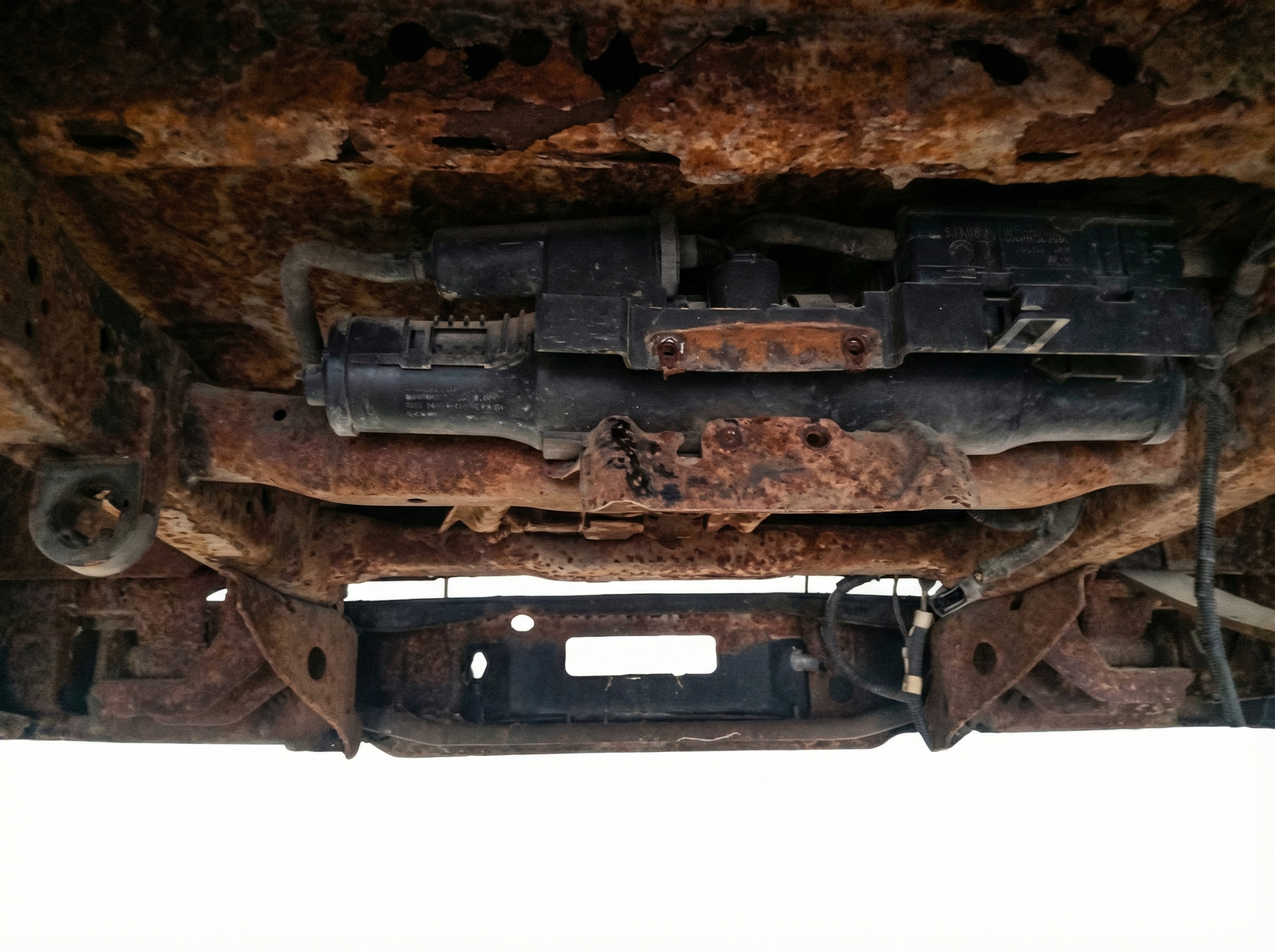
- Fuel Pump Driver Module (FPDM) Corrosion and Failure 🔴 High → Shop Fuel Pump — Very common. The module is mounted directly to the steel frame above the spare tire, causing galvanic corrosion that cracks the aluminum housing and allows water intrusion. This leads to a crank-no-start or stalling condition, often misdiagnosed as a bad fuel pump. (Ref: No recall, but a well-known design flaw. Aftermarket parts include standoffs to prevent recurrence.)
- IWE Solenoid / Vacuum System Failure (4x4 Models) 🟠 Medium — Common on 4x4 models. A faulty IWE solenoid (Integrated Wheel End) or vacuum leaks in the lines cause the front hubs to partially engage while driving in 2WD, creating a grinding or clicking noise. The solenoid is prone to water intrusion due to its placement. (Ref: Ford released an updated solenoid with a rain shield to address water intrusion.)
- Power Window Regulator Failure 🟠 Medium — Extremely common. The plastic components and cables within the window regulator assembly break, causing the window to suddenly drop into the door and become inoperable. It affects both front and rear windows.
Used vs. New Parts: Buying Guide for This Vehicle
When a used part is the smart pick: A used part is generally NOT recommended for the purge valve itself. It is a known failure item with a finite lifespan, and a used part may have a similar issue or fail shortly after installation. A used part could be considered for the mounting bracket or attached hoses if they are damaged during removal, but the electronic solenoid itself should be purchased new.
Donor-vehicle mileage cap: roughly under 50000 miles for the part to have meaningful remaining life.
What to inspect on the donor part:
- For hoses, check for pliability and absence of cracks or brittleness.
- Ensure electrical connector pins on any used part are clean, straight, and free of corrosion.
- If possible, test a used purge valve by attempting to blow through it; if air passes, it is already faulty.
Aftermarket brands forum-validated for this vehicle:
- Motorcraft (OEM)
- Bosch
- Dorman
Brands owners have reported issues with on this vehicle:
- No-name, unbranded parts from online marketplaces can be a gamble. While they may be cheap, their reliability and durability are unverified and they are a common source of unresolved repair issues.
Real Owner Stories
Aggregated from forums and TSBs cited above. Mileages and costs reflect what owners reported in those sources.
2004-2008 Ford F-150
Symptoms: Classic hard start after fueling and a slightly rough idle when the purge valve was stuck open.
What fixed it: Replacing the canister purge valve.
Source hint: f150forum.com: Multiple threads corroborate that the canister purge valve is the primary fix for P0441 on the 11th generation F-150.
2004-2008 Ford F-150
Symptoms: The Check Engine Light was on, but the vehicle had no other noticeable symptoms.
What fixed it: Replacing the purge valve cleared the code.
Source hint: f150online.com: Owners on this forum also point to the purge valve as the go-to fix.
Related OBD-II Codes
Frequently Asked Questions
Where is the purge valve located on my 2004-2008 F-150, and is it hard to replace?
My F-150 has a hard time starting only after I fill up the gas tank. Is this related to P0441?
Is there a recall for the P0441 issue on the 2004-2008 F-150 models?
Can I use a used purge valve from a junkyard to fix this code?
I'm also hearing a grinding noise in my 4x4 F-150; could this be related to the EVAP system?
Does the 5.4L 3V spark plug breakage issue (TSB 08-7-6) have anything to do with P0441?
Helpful Videos
Used OEM Parts in Stock
New Aftermarket Parts Available


The information in this article is provided for general reference and educational purposes only. Vehicle specifications, procedures, and part compatibility can vary by production date, trim level, and region. Always consult your vehicle's factory service manual and verify part numbers before purchasing or performing repairs. Safety-critical components such as airbags, seat belts, and braking systems should be installed by a qualified professional.
- Ford F-150:
- 🧭 Diagnostic Flowchart
- 🎬 Helpful Videos
- 🛍️ Shop This Part
- What's Unique About the 2004-2008 Ford F-150
- Symptoms You May Notice
- Most Likely Causes
- Rare But Worth Checking
- Diagnosis Steps
- Parts You'll Likely Need
- Related Codes That Often Appear With This One
- Platform-Specific Known Issues
- Mechanic-Grade Diagnostic Values
- Hidden / Shadow Codes Worth Checking
- Scan Tool Commands That Help
- Wiring & Ground Locations
- Real Owner Repair Stories
- OEM Part Supersession History
- Model Year Variations Within This Range
- Other Known Issues on This Vehicle
- Used vs. New Parts: Buying Guide for This Vehicle
- Real Owner Stories
- 2004-2008 Ford F-150
- 2004-2008 Ford F-150
- Related OBD-II Codes
- Frequently Asked Questions
- 🎟️ Get 5% Off