

P0441 on 2014-2018 GMC Sierra: EVAP Incorrect Purge Flow Causes and Fixes
On a 2014-2018 GMC Sierra, code P0441 is most often caused by a faulty EVAP purge valve solenoid located on the engine's intake manifold. This valve gets stuck open, causing incorrect vapor flow. Replacing this part is a common DIY fix and typically costs between $25 and $60 for an aftermarket part or $70-$120 for an OEM ACDelco part, number 12690512.
- P0441 means there's an issue with the flow in your truck's fuel vapor recovery system.
- Driving with this code is safe, but you won't pass an emissions test.
- The most likely cause is a bad EVAP purge valve on the engine, which is a simple part to replace for a DIYer.
- Before buying parts, always check that your gas cap is tight and its seal is not cracked or worn.
- If the purge valve doesn't fix it, inspect the EVAP hoses for cracks before moving on to more expensive parts like the canister.
What's Unique About the 2014-2018 GMC Sierra
For the 2014-2018 GMC Sierra (K2XX platform), the P0441 code is a straightforward emissions issue that rarely causes driving problems. The most frequent point of failure is the purge valve solenoid, a component that is easily accessible on top of the engine. While other EVAP components can fail, the purge valve is a well-documented weak point on this and similar GM trucks. Unlike some cars where the entire system is complex and buried, the key components on the Sierra are relatively easy to inspect and replace. Some owners report this code appears after using a non-OEM or incorrect type of gas cap.
Symptoms You May Notice
- Check Engine Light is on
- Slightly rough or unstable idle in some cases, especially after refueling
- A faint fuel odor (uncommon)
- No noticeable symptoms other than the light (most common)
- Replacing the O2 sensors. Oxygen sensors are not related to the EVAP system and will not fix a P0441 code.
- Replacing the charcoal canister when only the purge valve or vent valve is bad. The canister is more expensive and fails less often than the solenoids that control it.
Most Likely Causes
- Faulty EVAP Purge Valve Solenoid 🔴 High Probability → Shop Vapor Canister This valve cycles thousands of times and can wear out, getting stuck open. It's the most frequently reported failure point for this code on GM trucks, often confirmed by owners on forums.
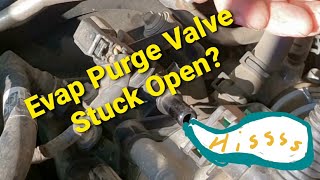
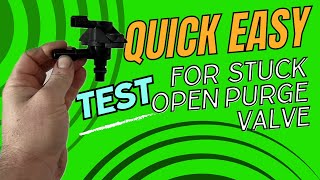
How to confirm: The valve is located on the intake manifold. With the engine off, disconnect the EVAP line from it and try to blow through it; it should be closed (no air passes). 🎬 Watch: A quick manual test for a stuck purge valve. If you can blow through it, it is stuck open and has failed. A scan tool can also command the valve to cycle while monitoring system pressure. 🎬 See how to test the valve using a scan tool.
Typical fix: Replace the purge valve solenoid. It is typically held on by one or two bolts and has two hose connections and one electrical connector. This is a very common DIY repair.
Est. part cost: $25-$120 - Loose or Defective Gas Cap 🟡 Medium Probability → Shop Fuel Tank Cap The gas cap seal can degrade over time, preventing the EVAP system from holding a vacuum. This is a common issue on all vehicles. Some owners report that using a non-OEM cap can trigger this code.
How to confirm: Check that the gas cap is tightened until it clicks multiple times. Inspect the rubber seal on the cap for cracks, stiffness, or damage. If it looks worn, it's suspect. An OEM replacement is recommended.
Typical fix: Tighten or replace the gas cap. Use an OEM or high-quality aftermarket cap for best results.
Est. part cost: $10-$30 - Cracked or Disconnected EVAP Hoses/Lines ⚪ Low Probability The plastic and rubber lines in the engine bay are exposed to heat and can become brittle and crack over time. A user on a GM-Trucks.com forum found they had misrouted vacuum lines after other work, causing the code.
How to confirm: Visually inspect the EVAP lines, especially the ones connected to the purge valve on the engine. Look for visible cracks, breaks, or connections that have popped off. A smoke test is the professional method for finding small, hard-to-see leaks.
Typical fix: Replace the damaged section of hose or reconnect any loose lines.
Est. part cost: $5-$50 - Failed EVAP Canister Vent Valve ⚪ Low Probability → Shop Vapor Canister
How to confirm: The vent valve is located near the charcoal canister by the fuel tank. It is normally open. If it gets stuck closed, you may hear a 'whoosh' of vacuum when opening the gas cap. It can be tested with a scan tool to see if it closes on command.
Typical fix: Replace the canister vent valve.
Est. part cost: $30-$80
Rare But Worth Checking
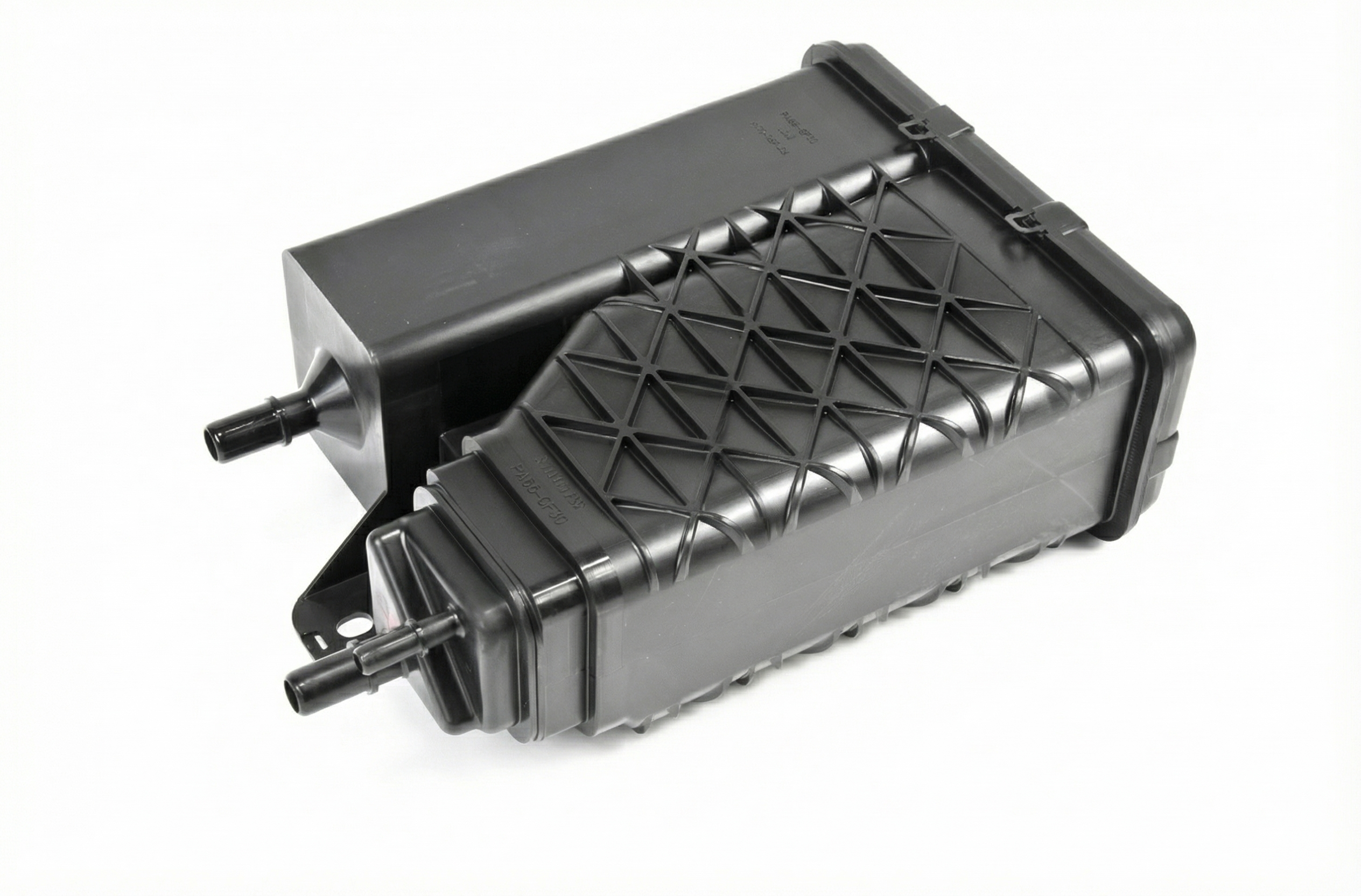
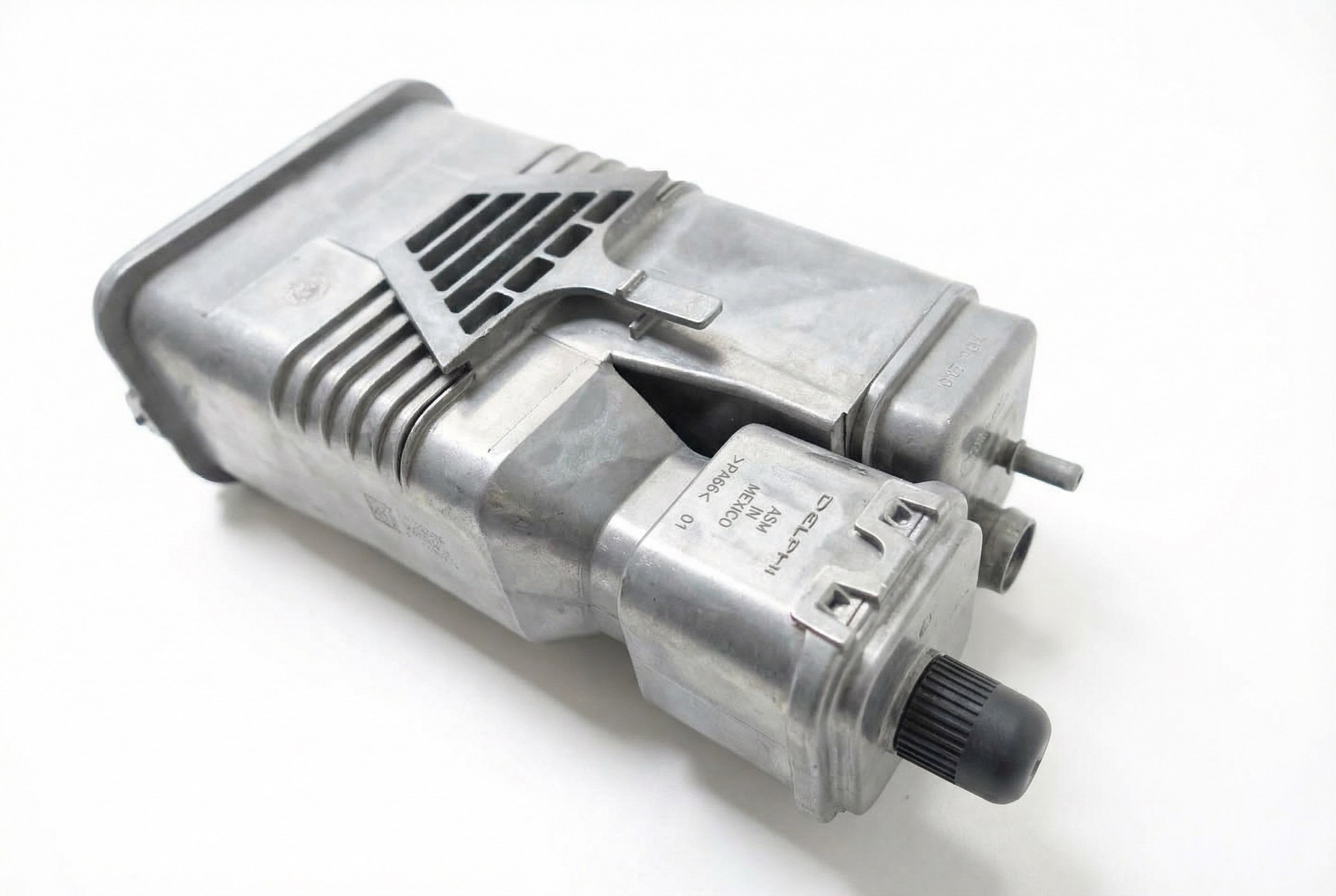
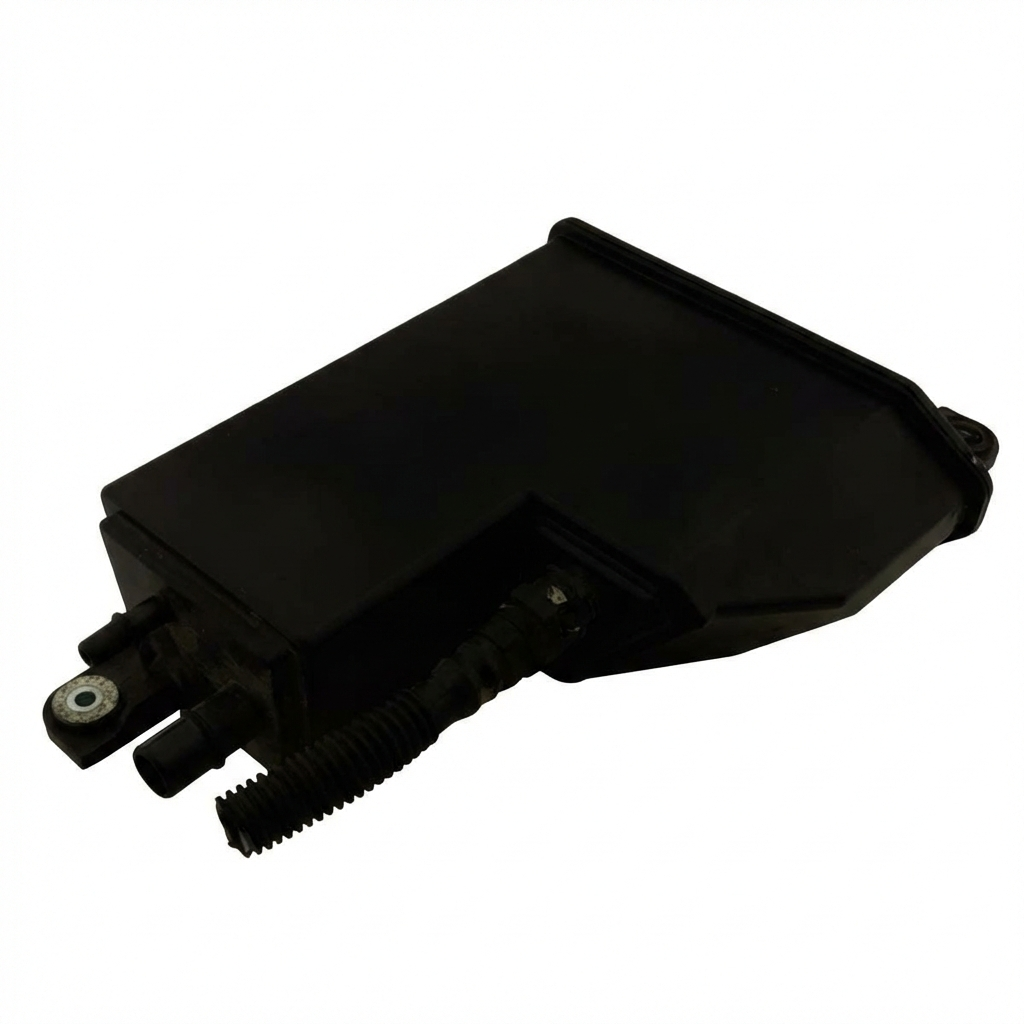
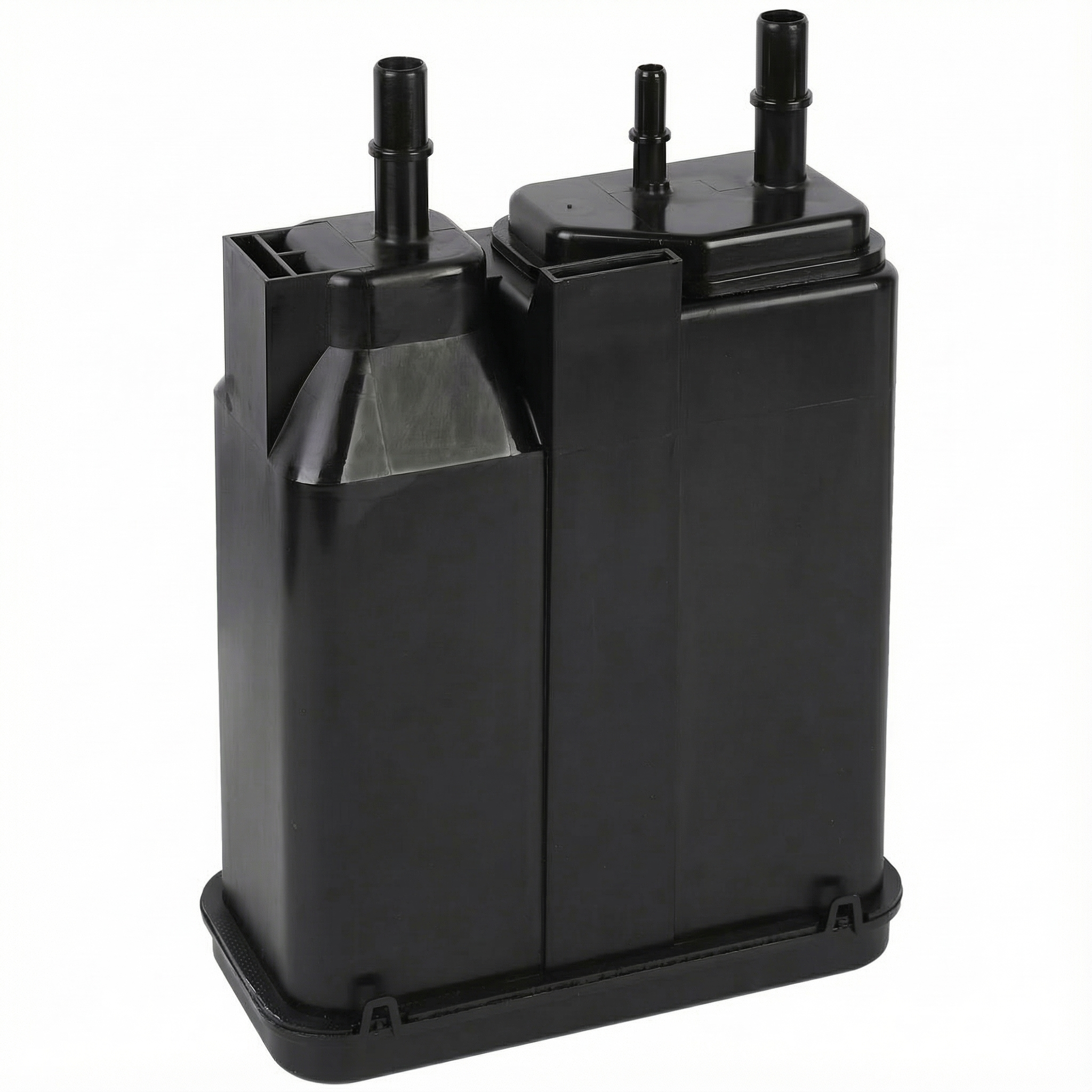
- Clogged or Saturated Charcoal Canister: → Shop Vapor Canister This usually happens from habitually overfilling the gas tank (topping off after the pump clicks off). Raw fuel can flood the canister, ruining the charcoal media. In some cases, the charcoal pellets can break apart and clog the lines or the purge valve.
- Dust Intrusion into EVAP System: GM issued TSB 23-NA-073 for newer trucks that are operated in extremely dusty environments, which causes the EVAP canister and vent solenoid to become clogged. While P0441 is not explicitly listed, a clogged system will cause incorrect purge flow. The fix involves installing a special filter kit (Part No. 86792068) as a customer-pay alteration.
Diagnosis Steps
- Check the Gas Cap: Ensure it is tight and the seal is in good condition. A loose or faulty cap is a common cause for EVAP codes.
- Visually Inspect the Engine Bay: Look at the EVAP purge valve on the intake manifold and the hoses connected to it. Check for obvious cracks, damage, or disconnected lines.
- Test the Purge Valve: This is the most likely culprit. With the engine off, remove the valve (one bolt and two connections). Try to blow through the port that leads to the intake manifold. If any air passes, it's stuck open and must be replaced. It should be completely sealed when unpowered.
- Inspect Under the Vehicle: Check the EVAP lines running to the rear of the truck and the charcoal canister (located near the fuel tank) for any visible damage or cracks.
- Test the Vent Valve: Locate the vent valve on or near the charcoal canister. It should be open when unpowered. If you cannot blow through it, it is stuck closed and needs replacement.
- Perform a Smoke Test: If no obvious issues are found, the next step is to introduce smoke into the EVAP system using a smoke machine. This will reveal any small, hard-to-see leaks in the lines, canister, or other components.
Parts You'll Likely Need
- EVAP Canister Purge Valve Solenoid
(OEM #12690512 (Supersedes 12610560, may be superseded by 12737252))— This is the most common failure point for code P0441 on this vehicle. It gets stuck open, causing the incorrect flow.
Trusted brands: ACDelco, Delphi, Standard Motor Products, Dorman
OEM price range: $65-$120
Aftermarket price range: $25-$60 - Fuel Cap / Gas Cap
(OEM #GT330 (ACDelco))— A worn-out gas cap seal can cause various EVAP system codes and is an inexpensive and easy first step in diagnosis. Using a non-OEM cap has been anecdotally linked to this code.
Trusted brands: ACDelco, Stant
OEM price range: $20-$30
Aftermarket price range: $10-$20
Related Codes That Often Appear With This One
- P0442 — P0442 indicates a small leak in the EVAP system. A failing purge valve or cracked hose can cause both an incorrect flow reading (P0441) and be detected as a small leak.
- P0455 — P0455 indicates a large leak. If the purge valve is stuck wide open or a major hose is disconnected, the system may log both an incorrect flow code and a large leak code.
- P0496 — This is the generic equivalent of GM's P1441 code, indicating 'EVAP Flow During a Non-Purge Condition.' It points to the exact same problem: a purge valve stuck open.
Technical Service Bulletins (TSBs) & Recalls
- 23-NA-073: For trucks in dusty environments, this TSB addresses EVAP codes like P0442, P0446, and P0455 caused by dust clogging the canister and vent solenoid. While not listing P0441, it describes a root cause (clogged system) that can lead to incorrect flow. The fix is a customer-pay filter kit.
- 21-NA-124: A diagnostic bulletin for related codes P0442/P0455 that advises technicians to check EVAP line connections, vent valve, and purge valve function in that order, reinforcing the diagnostic steps for the system.
- 18-NA-355: Unrelated to P0441, but a critical TSB for this platform. It addresses the common 8-speed transmission shudder by requiring a fluid flush and replacement with an updated Mobil 1 synthetic fluid.
- 15-06-01-002L: Unrelated to P0441. This TSB addresses engine misfires (P0300) and ticking noises that can be caused by failing AFM lifters, a major issue for this platform.
Platform-Specific Known Issues
- Purge Valve Stuck Open Failure: → Shop Vapor Canister On the K2XX platform trucks, the P0441 code is overwhelmingly caused by a mechanical failure of the purge valve where it sticks in the open position. This allows un-commanded fuel vapor flow into the intake manifold, which the system detects as 'incorrect purge flow.' The test is simple: remove the valve and blow through it. If air passes, it's bad. This specific failure mode is widely documented in owner forums and by parts suppliers.
Mechanic-Grade Diagnostic Values
- EVAP Canister Purge Valve Solenoid Resistance — expected: 30 to 38 ohms. Failure: A reading significantly outside this range, or an open/infinite resistance, indicates a failed solenoid coil.
- EVAP Canister Vent Valve Solenoid Resistance — expected: Approximately 20 ohms. Failure: An open circuit (infinite resistance) or a direct short (near zero ohms) indicates the solenoid has failed.
- EVAP Purge Valve Connector Voltage (Key On, Engine Off) — expected: ~12V (Battery Voltage) on the power feed wire (typically Red/Green).. Failure: No voltage indicates a problem with the fuse or wiring supplying power to the valve.
Scan Tool Commands That Help
- GDS2 (GM Global Diagnostic System 2): EVAP Purge/Seal — This function allows a technician to command the purge valve to open and the vent valve to close, sealing the system. The scan tool then monitors the Fuel Tank Pressure (FTP) sensor to see if the system holds a vacuum. This directly tests the function of both solenoids and checks for leaks, which is critical for diagnosing P0441 and related codes like P0442/P0455.
- GDS2 (GM Global Diagnostic System 2): EVAP Purge Solenoid Control — This is a bidirectional control that allows the user to command the purge solenoid to a specific duty cycle (e.g., 0%, 25%, 50%). While monitoring engine RPM and fuel trims, a technician can verify if the valve is physically opening and allowing vapors into the intake. A change in RPM or short-term fuel trim when the valve is commanded open indicates it is working.
Wiring & Ground Locations
- EVAP Canister Purge Valve Connector — On the driver's side of the intake manifold.. This is the connection point for testing the purge valve. Pin 2 (often a Red or Red/Green wire) is the 12V+ power feed from the fuse block. Pin 1 is the control circuit that the ECM grounds to activate the valve. Checking for voltage here is a key step if the valve is suspected to be dead.
- G103 / G104 — On the front of each cylinder head.. These are primary engine block grounds. While not directly for the EVAP system, a poor engine ground can cause a variety of erratic sensor readings and actuator problems. Ensuring these are clean and tight is a good practice when diagnosing any engine-related electrical code.
- EVAP Vent Valve Connector — Under the truck, near the fuel tank and charcoal canister, on the driver's side frame rail.. Though less likely to cause P0441 than the purge valve, a wiring issue here (often corrosion or a broken wire inside the insulation) can cause related EVAP codes (like P0449) and system-wide problems. Wires are known to break right at the connector due to exposure.
Real Owner Repair Stories
- Reddit user in r/AskMechanics (2014 GMC Sierra 5.3L) — Engine revving up and down on its own (unstable idle), Check Engine Light on.
❌ Tried (didn't work) Cleaned the MAF sensor., Replaced the EVAP purge valve with a new one.
✅ What actually fixed it The user observed that the new purge valve was still being commanded open at idle via live scan tool data, causing the idle issue. Clamping the purge hose stabilized the idle, confirming un-commanded vacuum flow was the problem despite the new part. The final fix was not explicitly stated, but the diagnosis pointed towards either a faulty new valve or a wiring/ECM issue causing the valve to be commanded open incorrectly.
OEM Part Supersession History
12610560→12690512— Standard part revision and improvement by the manufacturer.12690512→12737252— Latest part revision by GM.
Heads up: 12737252 is the current OEM replacement for 12690512, and they are fully interchangeable for this application.
Model Year Variations Within This Range
- 2018 (late production): Some late-2018 models may have been equipped with a capless fuel filler system. For these trucks, EVAP codes can be caused by debris in the filler neck's spring-loaded flap, preventing a proper seal, rather than a traditional gas cap failure.
Diagnostic Flowchart
Other Known Issues on This Vehicle
Issues unrelated to this code that are worth knowing about as an owner of this generation:
- Active Fuel Management (AFM) Lifter Failure 🔴 High — Common issue, can occur as early as 60,000 miles but more frequent at higher mileage (100k+). Affects 5.3L and 6.2L engines. (Ref: Multiple TSBs exist, including 15-06-01-002L, addressing misfires and lifter issues. A class-action lawsuit was also filed regarding this problem.)
- Transmission Shudder/Harsh Shifting (8-Speed 8L90/8L45) 🟠 Medium — Widespread issue, often described as driving over rumble strips between 25-80 MPH. Can appear at various mileages. (Ref: TSB 18-NA-355 details a procedure to flush the original transmission fluid and replace it with Mobil 1 Synthetic LV ATF HP fluid to resolve the shudder.)
- A/C Condenser Failure 🟠 Medium — Common failure point, with leaks developing in the condenser, sometimes at relatively low mileage (e.g., 20,000 miles).
- Premature Transmission Failure (6-Speed and 8-Speed) 🔴 High — Less common than the shudder but a significant concern. Failures can occur anywhere from 25,000 to 150,000 miles, sometimes requiring a full rebuild or replacement.
- Brake Vacuum Pump Failure 🔴 High — The belt-driven vacuum pump can fail, leading to a hard brake pedal with little to no power assist.
Used vs. New Parts: Buying Guide for This Vehicle
When a used part is the smart pick: For this repair, using a used part is generally not recommended for the electronic solenoids (purge or vent valve). The cost of a new, quality aftermarket part is low, and the failure is due to wear and tear, so a used part has unknown remaining life. A used charcoal canister or hoses could be a good value if they are visually inspected for cracks and damage.
Donor-vehicle mileage cap: roughly under 50000 miles for the part to have meaningful remaining life.
What to inspect on the donor part:
- For a used purge valve, attempt to blow through it; it must be fully closed (no air passes).
- Inspect all plastic housings for cracks, especially at the hose connections.
- Check electrical connector pins for any signs of green or white corrosion.
- For a charcoal canister, ensure it doesn't rattle (indicating broken internal media) and has no visible cracks.
OEM-only on this vehicle (don't cheap out):
- Gas Cap: Aftermarket gas caps are a frequent source of EVAP codes due to improper sealing. It is strongly recommended to use an OEM ACDelco cap to avoid this common issue.
Aftermarket brands forum-validated for this vehicle:
- ACDelco (OEM)
- Delphi
- Standard Motor Products (SMP)
Brands owners have reported issues with on this vehicle:
- Dorman: While widely available, some users have reported premature failures or issues with fitment on their EVAP system components for this platform. One review noted the stem breaking twice in one year.
Real Owner Stories
Aggregated from forums and TSBs cited above. Mileages and costs reflect what owners reported in those sources.
1988-1999 GMC Sierra
Symptoms: The owner was chasing a P0441 code after performing other repairs on the vehicle.
What fixed it: Discovered that vacuum lines had been swapped/misrouted during previous work.
Source hint: GM-Trucks.com - 'p0441' (1988-1999 Section, but relevant)
2014-2018 GMC Sierra
Symptoms: Check Engine Light on with a code for incorrect purge flow; the valve was suspected of mechanical failure.
What fixed it: Replacement of the purge valve solenoid after confirming it was stuck in the open position (allowing un-commanded fuel vapor flow).
Source hint: vehicle_specific_issues: Purge Valve Stuck Open Failure
Related OBD-II Codes
Frequently Asked Questions
Is there a TSB for EVAP issues on my GMC Sierra if I drive in dusty conditions?
Which specific purge valve part should I use for my 2014-2018 GMC Sierra?
Does TSB 18-NA-355 relate to my P0441 check engine light?
Can a faulty gas cap really cause a P0441 on this truck?
How can I tell if my purge valve is the reason for the P0441 code?
Are there any other major engine issues I should look out for while fixing this EVAP code?
Helpful Videos
Used OEM Parts in Stock
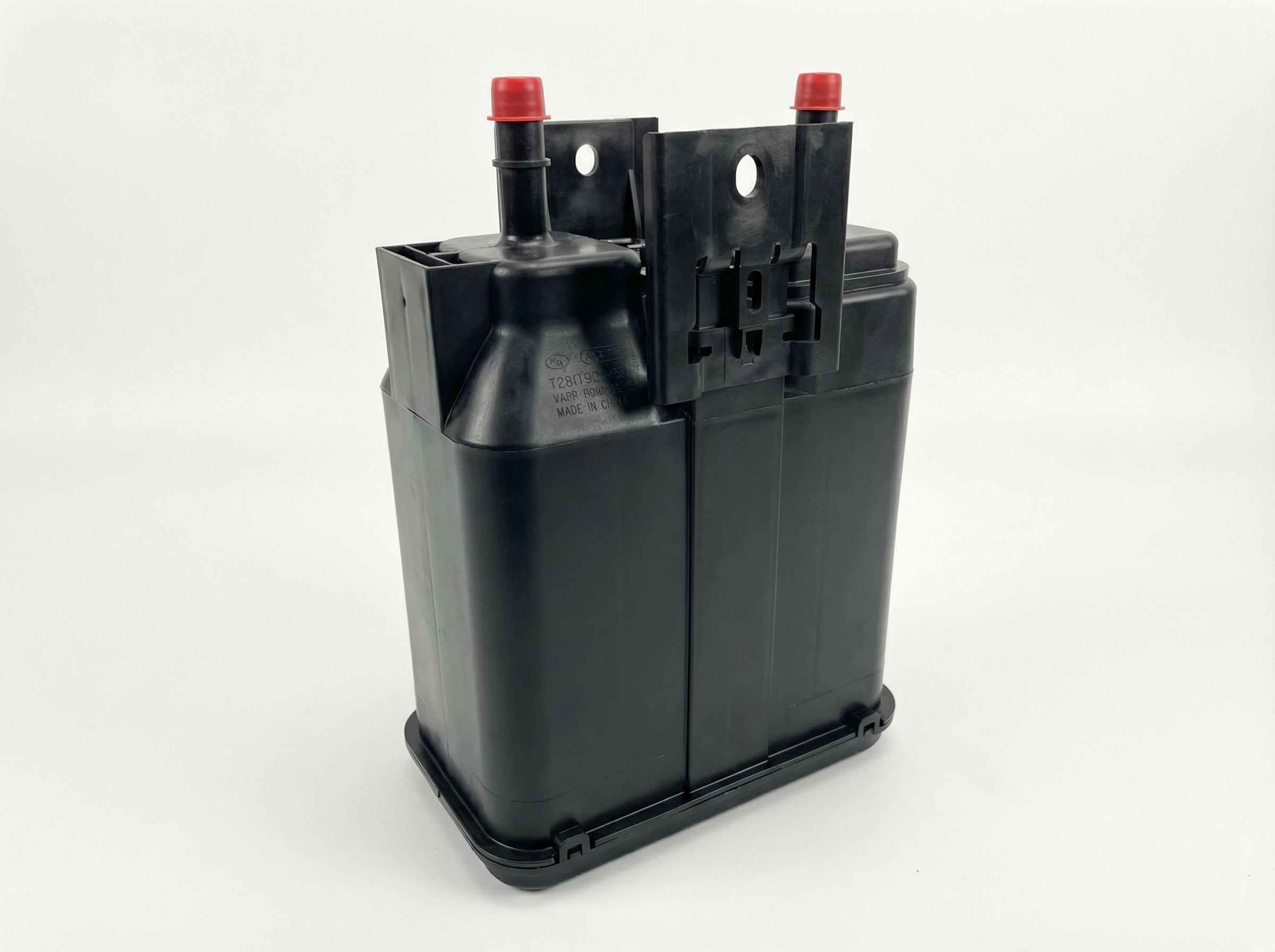
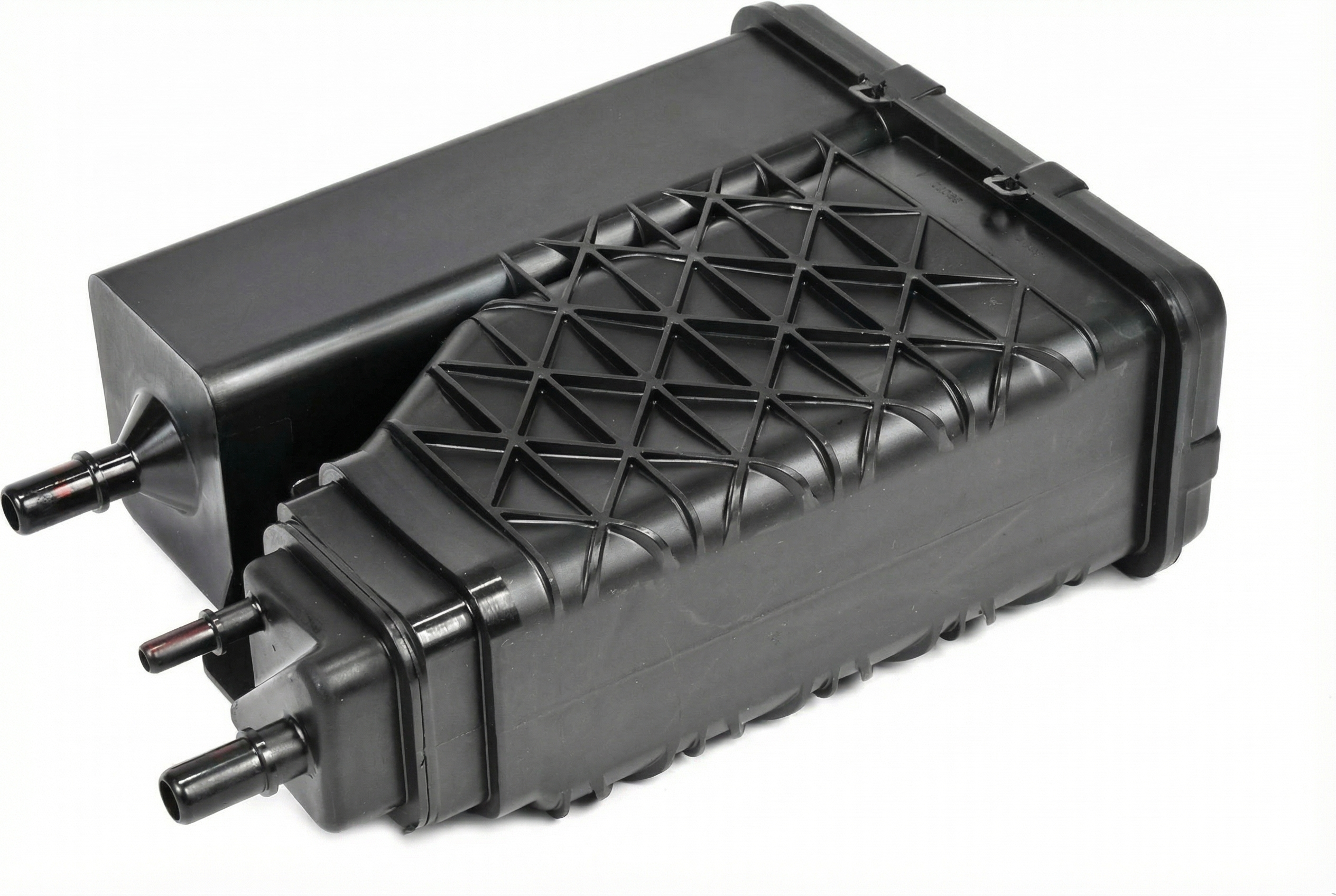
New Aftermarket Parts Available


The information in this article is provided for general reference and educational purposes only. Vehicle specifications, procedures, and part compatibility can vary by production date, trim level, and region. Always consult your vehicle's factory service manual and verify part numbers before purchasing or performing repairs. Safety-critical components such as airbags, seat belts, and braking systems should be installed by a qualified professional.
- GMC Sierra:
- 🧭 Diagnostic Flowchart
- 🎬 Helpful Videos
- 🛍️ Shop This Part
- What's Unique About the 2014-2018 GMC Sierra
- Symptoms You May Notice
- Most Likely Causes
- Rare But Worth Checking
- Diagnosis Steps
- Parts You'll Likely Need
- Related Codes That Often Appear With This One
- Technical Service Bulletins (TSBs) & Recalls
- Platform-Specific Known Issues
- Mechanic-Grade Diagnostic Values
- Scan Tool Commands That Help
- Wiring & Ground Locations
- Real Owner Repair Stories
- OEM Part Supersession History
- Model Year Variations Within This Range
- Other Known Issues on This Vehicle
- Used vs. New Parts: Buying Guide for This Vehicle
- Real Owner Stories
- 1988-1999 GMC Sierra
- 2014-2018 GMC Sierra
- Related OBD-II Codes
- Frequently Asked Questions
- 🎟️ Get 5% Off