

P0441 on 2012-2017 Honda Accord: EVAP Incorrect Purge Flow Causes and Fixes
For a 2012-2017 Honda Accord, code P0441 almost always points to a faulty EVAP canister purge valve. This is a common failure item that gets stuck open or closed. It's a relatively easy and affordable DIY fix, with the part costing between $30 and $80. Always verify the part number for your specific year, as the 2012 (8th gen) and 2013-2017 (9th gen) use different parts.
- P0441 on a 2012-2017 Accord means the EVAP system has an incorrect amount of vapor flow.
- The most probable cause by a wide margin is a faulty EVAP canister purge valve that is sticking.
- Always check that your gas cap is tight and its seal is intact before buying any parts.
- This is not a severe issue and you can continue to drive, but you will fail an emissions test.
- Replacing the purge valve is a DIY-friendly job that requires basic tools and about 30-60 minutes. Ensure you buy the correct part number for your specific model year.
What's Unique About the 2012-2017 Honda Accord
The 2012-2017 Honda Accord spans two different generations: the end of the 8th generation (2012) and the 9th generation (2013-2017). The 9th gen used the 2.4L K24W1 and 3.5L J35Y engines. While the P0441 code has the same meaning for both, the specific part numbers and locations for the purge valve differ. For the 9th gen, the purge valve is typically located on the intake manifold. Across many Honda models, the purge valve is a known failure point that can stick over time due to internal wear or debris, making it the most probable cause for this code.
Generation note: This range covers two generations. The 2012 model year is the final year of the 8th generation Accord, while 2013-2017 models are the 9th generation. The most common cause, a faulty purge valve, is prevalent in both, but always verify the part number for your specific year before purchasing. The 2012 4-cylinder uses a different purge valve (e.g., 36162-RRA-A01) than the 2013-2017 4-cylinder (e.g., 36162-R1A-A01 or 36162-5A2-A01).
Symptoms You May Notice
- Check Engine Light (Malfunction Indicator Lamp) is on.
- Slightly reduced fuel economy.
- Possible rough idle or sputtering, especially when the valve is stuck open.
- Difficulty starting immediately after refueling. This happens because a stuck-open purge valve allows excess fuel vapors into the intake manifold, creating a rich condition that floods the engine.
- A faint smell of fuel is possible but uncommon.
- Replacing the charcoal canister when only the purge valve is faulty. The canister is more expensive and fails less often for this specific code.
- Replacing the gas cap when the purge valve is the actual issue. While a good first step, many owners report replacing the cap with no success before finding the faulty valve.
Most Likely Causes
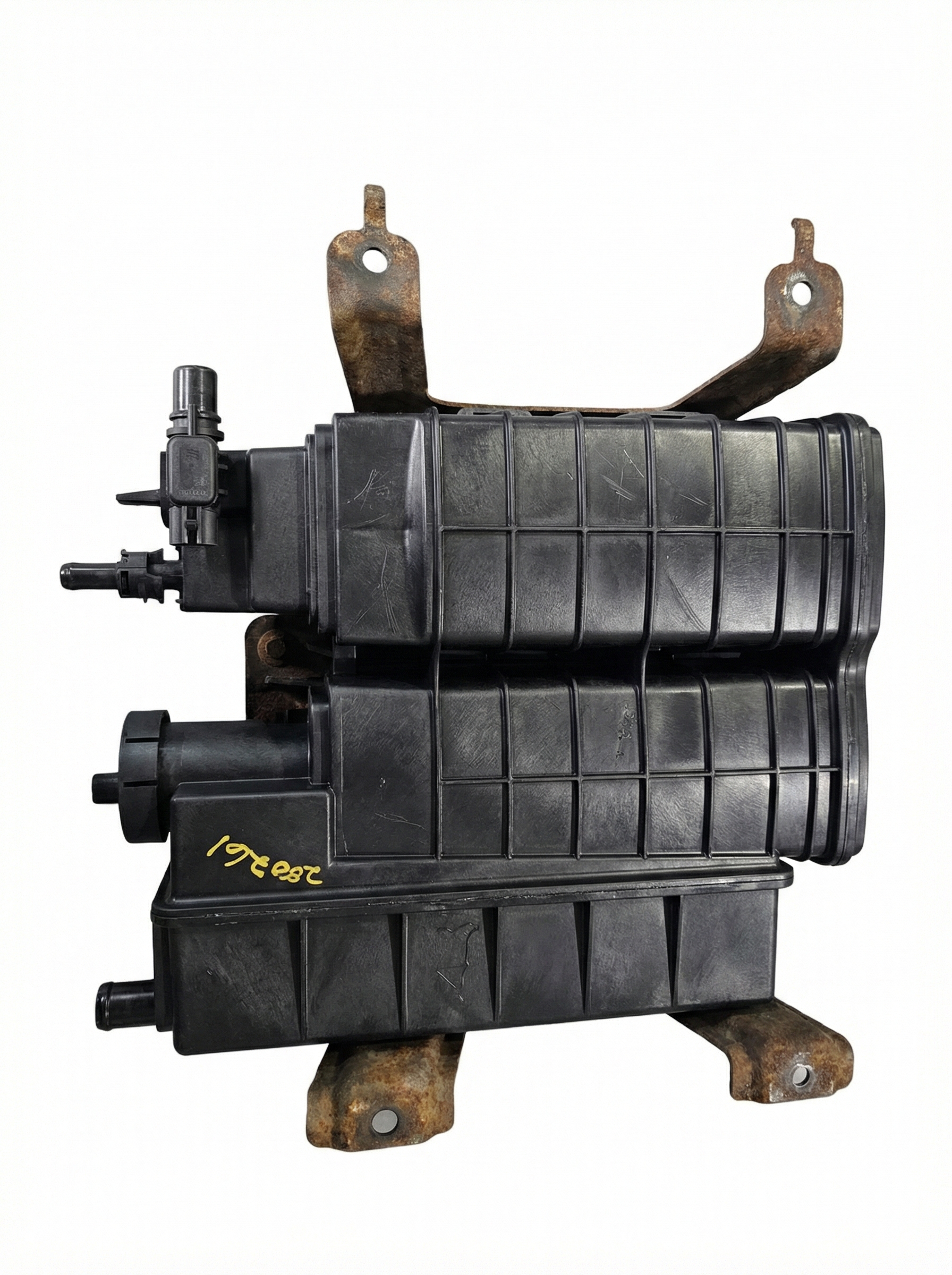
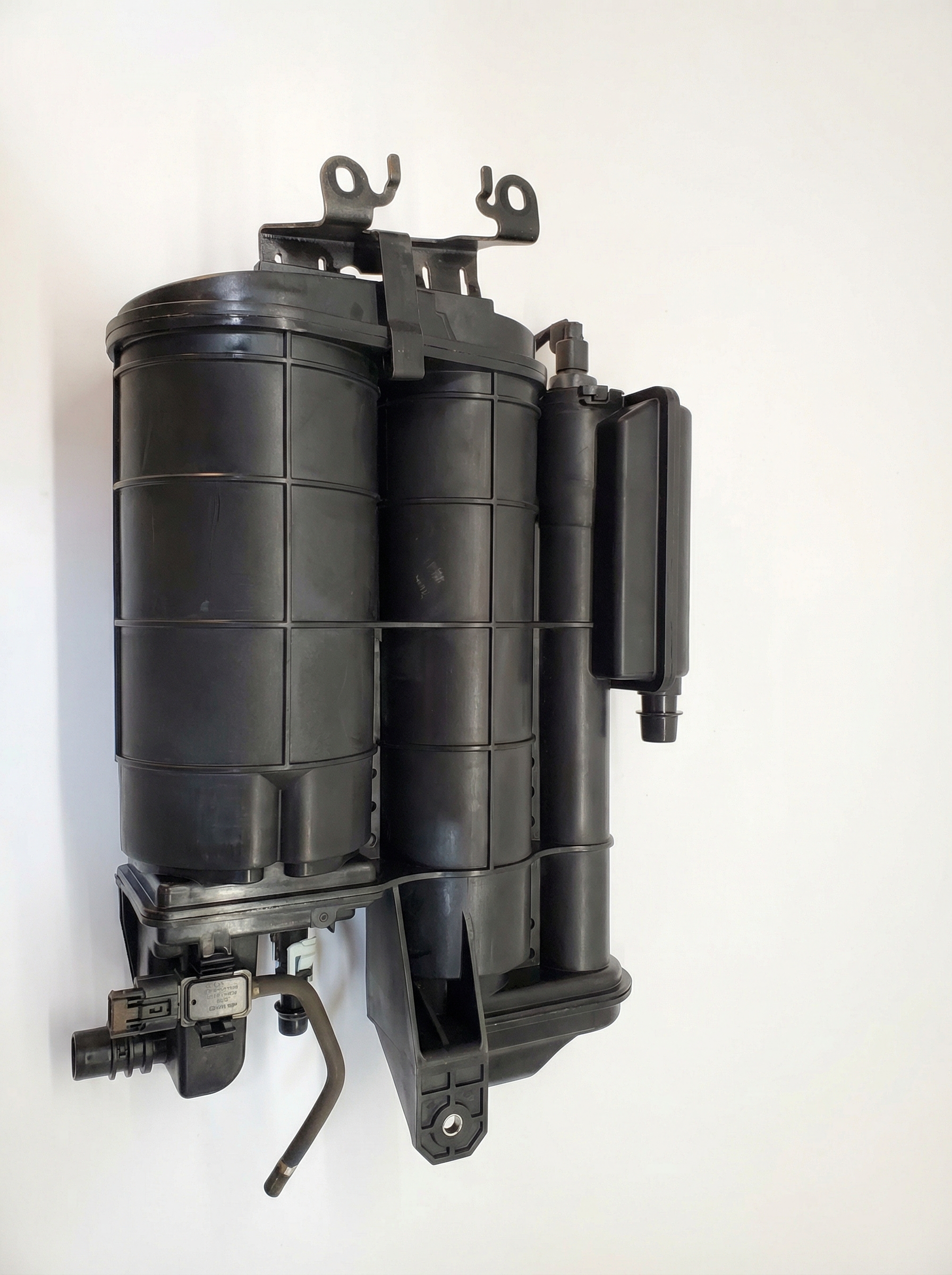
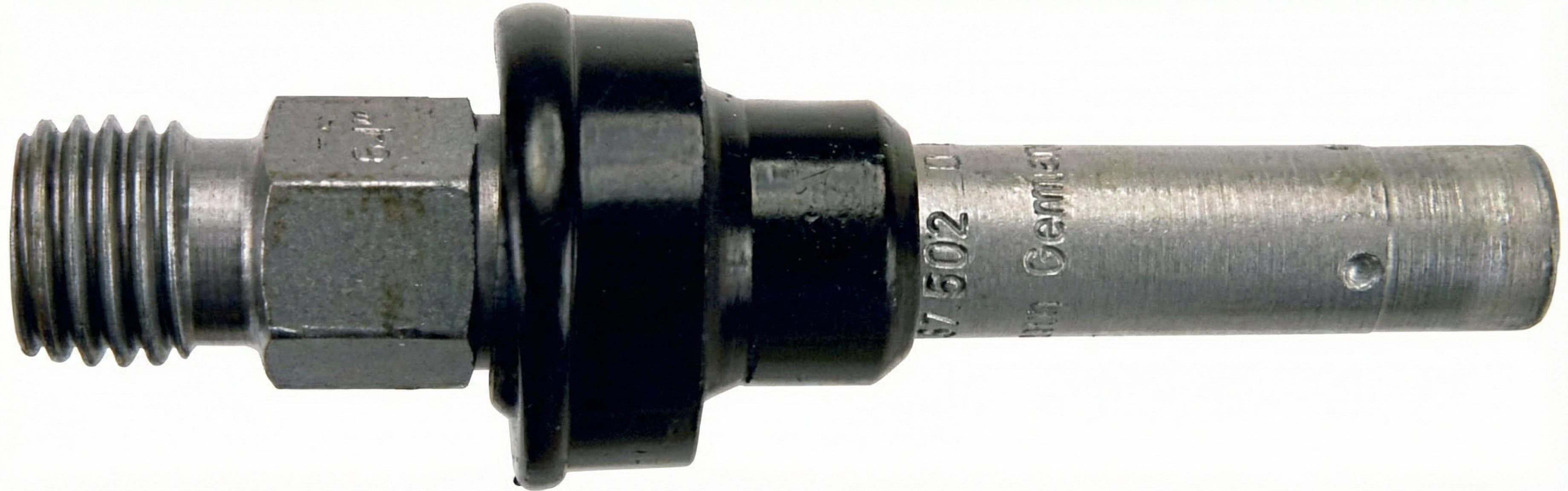
- Faulty EVAP Canister Purge Valve 🔴 High Probability → Shop Vapor Canister The purge valve (or purge solenoid) is a very common failure point on many Honda and Acura vehicles. Internal components, specifically the spring, can wear unevenly, causing the valve to intermittently stick open or closed, leading to incorrect vapor flow.
How to confirm: With the engine off, disconnect the purge valve and try to blow through it; no air should pass. If air passes, it's stuck open. With the engine running, use a scan tool to command the valve open and check for vacuum on the canister side. A stuck-open valve will have vacuum at idle when it should be closed.
Typical fix: Replace the EVAP canister purge valve. It is typically located in the engine bay on the intake manifold, connected by two hoses and an electrical connector.
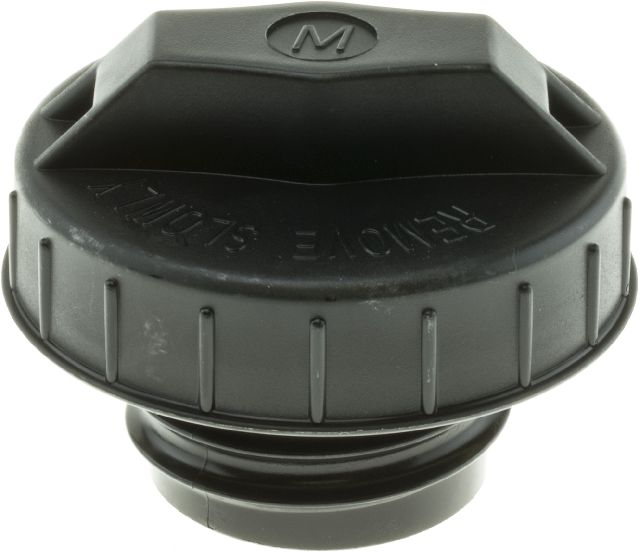
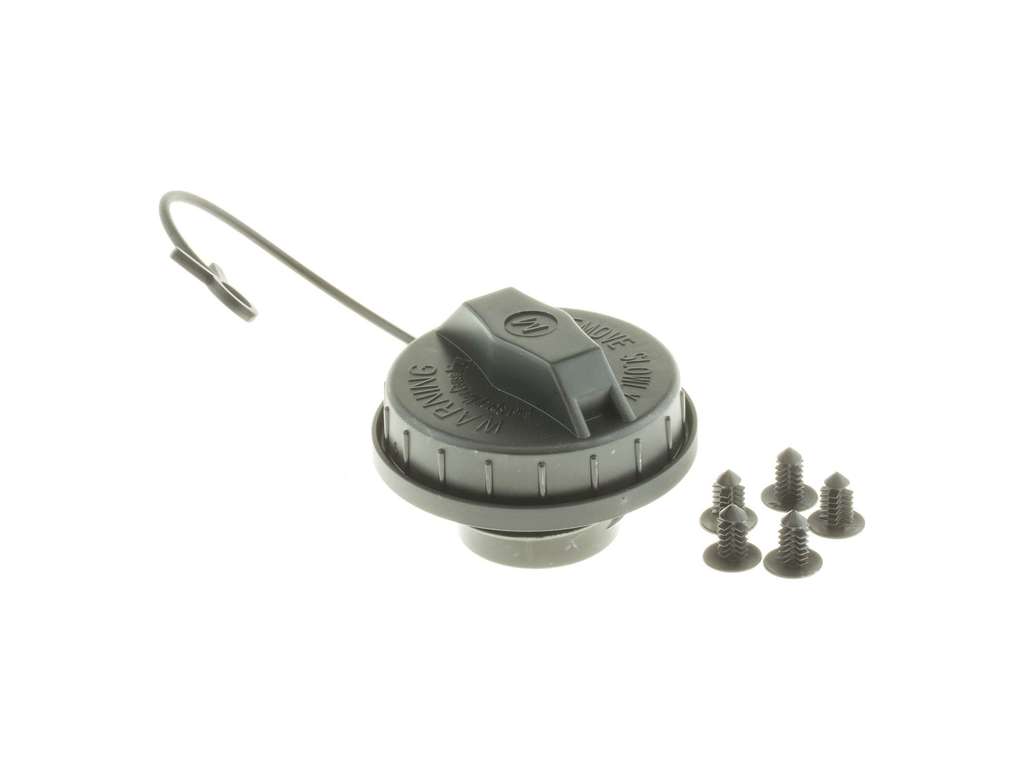
Est. part cost: $30-$80 - Loose or Faulty Gas Cap 🟡 Medium Probability → Shop Fuel Tank Cap While more commonly associated with large leak codes (like P0455), a gas cap that is not sealing properly can disrupt the EVAP system's ability to manage pressure, potentially contributing to a purge flow error. It's a frequent suggestion on forums as the first, cheapest thing to check.
How to confirm: Inspect the gas cap for cracks or a worn-out rubber O-ring seal. Ensure it is tightened until it clicks at least once. If the seal looks damaged, brittle, or flattened, it's a likely culprit.
Typical fix: Tighten the existing cap or replace it with a new OEM-spec gas cap. Aftermarket caps are often reported to cause issues.
Est. part cost: $15-$35 - Cracked or Disconnected EVAP Hoses ⚪ Low Probability Rubber hoses can become brittle and crack over time due to heat and age. A crack or disconnection in the purge line between the charcoal canister and the purge valve can cause this code.
How to confirm: Visually inspect all accessible EVAP hoses, especially those connected to the purge valve and charcoal canister, for any signs of cracking, brittleness, or disconnection. A professional smoke test is the most effective way to find hidden leaks.
Typical fix: Replace the damaged section of the hose.
Est. part cost: $10-$40
Rare But Worth Checking
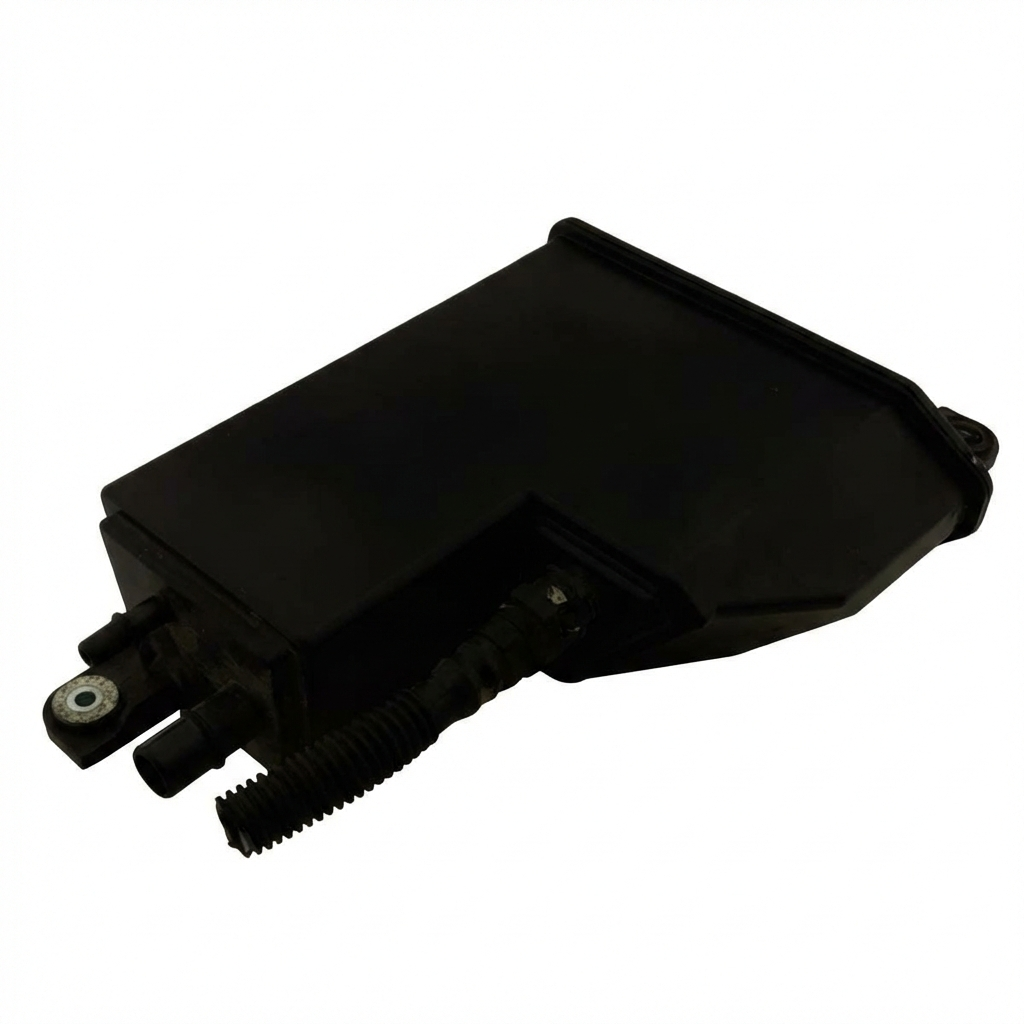
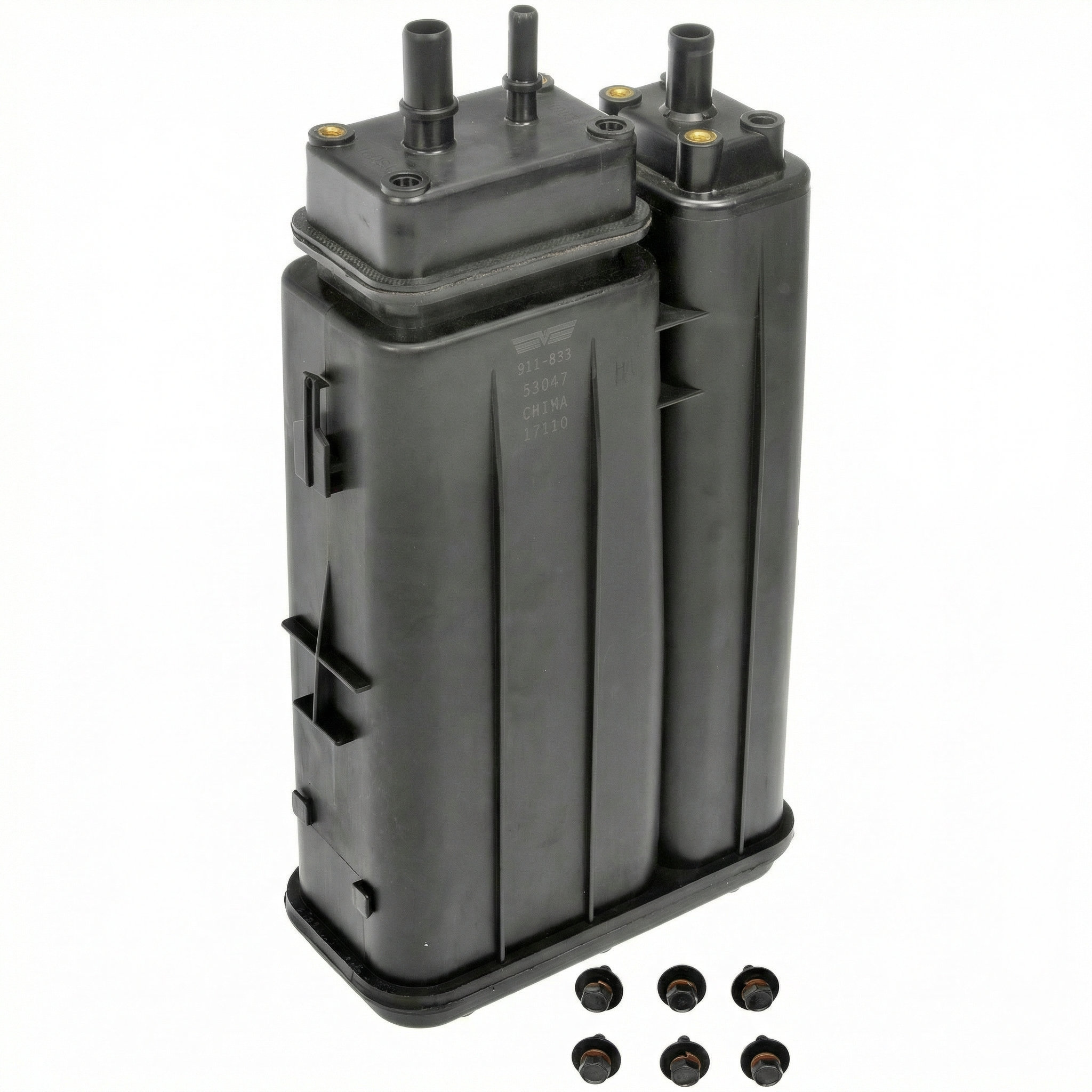
- Clogged or Failed Charcoal Canister: → Shop Vapor Canister This can happen if you consistently overfill your gas tank ('topping off'). Liquid fuel can saturate the charcoal pellets, causing them to break down and clog the system or even get sucked into the purge valve.
- Faulty Fuel Tank Pressure (FTP) Sensor: → Shop Fuel Tank If the FTP sensor provides incorrect readings, the PCM may misinterpret the purge flow, but this will typically set other codes alongside P0441.
- Wiring Harness Issue: In some Honda models like the CR-V, TSB A21-081 notes that radio wave interference can affect the wiring harness, causing P0441. While not documented for the Accord, a damaged wire or corroded connector to the purge valve could mimic a failed valve.
Diagnosis Steps
- Read the code with an OBD-II scanner to confirm P0441 is the only code present.
- Check the gas cap. Ensure it is tight and the seal is in good condition. A loose or worn cap is a simple but common cause of EVAP issues.
- Locate the EVAP canister purge valve in the engine bay. On the 9th Gen Accord, it's typically on the intake manifold, a small black solenoid with two hoses and an electrical plug.
- Inspect the hoses connected to the purge valve for cracks, kinks, or loose connections.
- Test the purge valve. Disconnect the electrical connector and hoses. Try to blow through the valve; it should be closed (no air passes) when de-energized. If air passes, the valve is stuck open and must be replaced. This is the most common failure mode.
- If the valve appears to be working mechanically, check the electrical circuit. With the key on, one pin on the connector should have battery voltage.
- If the valve and wiring seem okay, the next step is a smoke test to check the entire EVAP system for small leaks in hoses or the charcoal canister.
- If no leaks are found, the issue may be a failing charcoal canister or, rarely, a faulty Fuel Tank Pressure sensor.
Parts You'll Likely Need
- EVAP Canister Purge Valve
(OEM #For 2012 (8th Gen, 2.4L): 36162-RRA-A01. For 2013-2017 (9th Gen, 2.4L): 36162-R1A-A01 or 36162-5A2-A01. For V6 models: 36162-5G0-A01. Always verify with VIN.)— This is the most frequent cause of P0441 on Honda Accords. The valve sticks, failing to regulate the flow of fuel vapors correctly.
Trusted brands: Honda (OEM), Denso, Standard Motor Products (SMP), Dorman
OEM price range: $50-$80
Aftermarket price range: $30-$60 - Fuel Cap
(OEM #17670-T3W-A01 (Supersedes older part numbers))— A worn seal on the gas cap can prevent the EVAP system from sealing properly, leading to various EVAP codes. It's a cheap and easy first step in diagnosis.
Trusted brands: Honda (OEM)
OEM price range: $25-$35
Aftermarket price range: $15-$25
Technical Service Bulletins (TSBs) & Recalls
- Acura TSB 23-035: 'MIL Comes on with DTC P0441' - Confirms sticking purge valve on MDX/RDX/TLX models.
- Honda TSB 23-091: 'MIL Comes on with DTC P0441' - Confirms sticking purge valve on Odyssey/Pilot/Ridgeline/Passport models.
- Honda TSB A21-081: 'MIL Comes On With DTCs P0441/P04F1' - Addresses faulty purge valve and a wiring harness issue on 2017-2021 CR-V models.
Platform-Specific Known Issues
- While no specific TSB for the 2012-2017 Accord with code P0441 was found, Honda/Acura has released multiple bulletins for other models that confirm a pattern of purge valve failure. TSB 23-035 for the TLX/MDX and TSB 23-091 for the Odyssey/Pilot/etc. both state the cause of P0441 is an 'intermittently sticking' purge valve due to 'variations in the purge control solenoid valve spring'. This strongly suggests a systemic issue with the part design or manufacturing that affects the Accord as well.
Mechanic-Grade Diagnostic Values
- EVAP Canister Purge Valve Solenoid Resistance — expected: 25 to 55 Ohms. 🎬 See this deep dive on testing purge solenoid resistance. Failure: A reading significantly outside this range (e.g., 97 kOhms as seen in one test) indicates a failed solenoid coil. An open circuit (infinite resistance) or short circuit (zero resistance) also indicates failure.
- EVAP Canister Purge Valve Connector Voltage (Key On, Engine Off) — expected: One pin should show battery voltage (approx. 12V), and the other (PCM control wire) should show close to 0V.. Failure: No voltage on the power pin indicates a wiring or fuse issue. Voltage on the control wire when not commanded by the PCM could indicate a short.
- EVAP Canister Purge Valve Connector Voltage (Scan Tool Command ON) — expected: The PCM control wire voltage should drop to near 0V as the PCM provides the ground path to energize the solenoid.. Failure: If the voltage does not drop when the valve is commanded on, it indicates a problem with the PCM or the wiring between the PCM and the valve.
Scan Tool Commands That Help
- Honda HDS (or advanced bidirectional scanner): EVAP System Functional Test — This command initiates a self-test of the entire EVAP system, including commanding the purge and vent valves to open and close, while monitoring the Fuel Tank Pressure (FTP) sensor to verify operation. It is used to confirm the functionality of all components after a repair or when diagnosing an intermittent fault.
- Honda HDS (or advanced bidirectional scanner): EVAP Purge Valve ON/OFF — This command allows a technician to manually open and close the purge valve while the engine is running or off. It is essential for diagnosis to listen for an audible click from the valve, check for voltage drop on the control wire, and verify with a vacuum gauge that flow starts and stops correctly.
Wiring & Ground Locations
- EVAP Canister Purge Valve Connector — On the EVAP purge valve itself, located on the intake manifold for 9th gen Accords.. This 2-pin connector is the point for all electrical tests. For a 2006 model (similar wiring), Pin 1 is a Black/Yellow wire providing battery voltage from an under-dash fuse, and Pin 2 is a Red/Yellow wire that receives the ground signal from the PCM to activate the valve. Verifying power and control signal at this connector is a critical diagnostic step.
- G101 — On the intake manifold plenum, on the driver's side of the engine bay.. This is a primary ground point for the engine harness, which includes the sensors and actuators controlled by the ECU/PCM. A corroded or loose G101 ground can cause intermittent and strange electrical behavior for multiple components, including the EVAP purge valve, leading to incorrect operation and codes like P0441.
Real Owner Repair Stories
- Drive Accord forum user (2013 Honda Accord Sport (9th Gen)) — Check Engine Light with code P0441.
❌ Tried (didn't work) Initial diagnosis pointed towards common EVAP issues.
✅ What actually fixed it The user researched the code, identified the purge valve as the most likely culprit, and replaced it with part number 36162-R1A-A01. This resolved the P0441 code.
OEM Part Supersession History
36162-R1A-A01→36162-5A2-A01— Part consolidation and potential design revision.
Heads up: The part 36162-R1A-A01 was used on early 9th gen Accords (2013-2015) and Civics. The part 36162-5A2-A01 is listed for later Accords (2016-2017) and other Honda models. While they may be physically interchangeable, the later part number is the correct replacement for later model years, suggesting a possible internal or electrical difference. Always verify by VIN, but be aware that a newer part number exists for this generation.
Model Year Variations Within This Range
- 2016-2017: The 2016 model year marked a mid-cycle refresh for the 9th generation Accord. While the core engine and EVAP system design remained similar, part numbers for components like the purge valve may have been updated. For example, the purge valve part number changed from 36162-R1A-A01 to 36162-5A2-A01 for the 2.4L engine during this generation's run.
Diagnostic Flowchart
Real Owner Stories
Aggregated from forums and TSBs cited above. Mileages and costs reflect what owners reported in those sources.
2013 Honda Accord Sport
Symptoms: Received a P0441 code and researched the issue to find the correct part.
What fixed it: Replaced the EVAP canister purge valve with OEM part number 36162-R1A-A01.
Source hint: Drive Accord forum thread titled 'P0441 Code - 2013 Accord Sport'
2019 Acura TLX
Symptoms: Triggered a P0441 code on a platform-mate vehicle sharing the same engine family.
What fixed it: Identified and replaced the purge control valve as the culprit.
Source hint: Acurazine forum thread titled 'Purge Control Valve failure connection to parking brake error?'
Honda/Acura (General)
Symptoms: P0441 code turned into a permanent code after a mechanic visit.
What fixed it: Identified that a non-OEM gas cap may have caused the purge valve to fail.
Source hint: Reddit r/MechanicAdvice thread titled 'Normal code (p0441) turned into permanent code after mechanic visit'
Related OBD-II Codes
Frequently Asked Questions
Is there a specific TSB for the 2012-2017 Honda Accord regarding code P0441?
Where is the EVAP canister purge valve located on my 9th Gen Accord?
I have a hard time starting my Accord right after getting gas. Is this related to P0441?
Can a bad gas cap cause the P0441 code on my Accord?
How can I test if the purge valve on my Accord is actually bad?
What is the exact part number for the purge valve on a 2013 Accord Sport?
Helpful Videos
![How to Fix P0441 Engine Code in 3 Minutes [2 DIY Methods / Only $4.50]](https://img.youtube.com/vi/ifwpcNQCSvI/mqdefault.jpg)
Used OEM Parts in Stock
New Aftermarket Parts Available


The information in this article is provided for general reference and educational purposes only. Vehicle specifications, procedures, and part compatibility can vary by production date, trim level, and region. Always consult your vehicle's factory service manual and verify part numbers before purchasing or performing repairs. Safety-critical components such as airbags, seat belts, and braking systems should be installed by a qualified professional.
- Honda Accord:
- 🧭 Diagnostic Flowchart
- 🎬 Helpful Videos
- 🛍️ Shop This Part
- What's Unique About the 2012-2017 Honda Accord
- Symptoms You May Notice
- Most Likely Causes
- Rare But Worth Checking
- Diagnosis Steps
- Parts You'll Likely Need
- Technical Service Bulletins (TSBs) & Recalls
- Platform-Specific Known Issues
- Mechanic-Grade Diagnostic Values
- Scan Tool Commands That Help
- Wiring & Ground Locations
- Real Owner Repair Stories
- OEM Part Supersession History
- Model Year Variations Within This Range
- Real Owner Stories
- 2013 Honda Accord Sport
- 2019 Acura TLX
- Honda/Acura (General)
- Related OBD-II Codes
- Frequently Asked Questions
- 🎟️ Get 5% Off