

P0441 on 2012-2015 Honda Civic: EVAP Incorrect Purge Flow Causes and Fixes
On a 2012-2015 (9th Gen) Honda Civic, the P0441 code is almost always caused by a faulty EVAP canister purge valve that is stuck open or closed. It's an affordable and easy DIY replacement, typically costing $30-$80 for the part. The specific OEM part number for the 1.8L engine is 36162-R1A-A01.
- P0441 on a 2012-2015 Civic almost always points to a bad EVAP purge valve, specifically OEM part 36162-R1A-A01.
- This is an easy and inexpensive DIY repair that most owners can perform in under 30 minutes with basic tools.
- Don't waste money replacing the gas cap first; it's rarely the cause for this specific code.
- Driving with this code is safe, but it will cause you to fail an emissions test.
What's Unique About the 2012-2015 Honda Civic
For the 9th generation Honda Civic (2012-2015), particularly those with the 1.8L R18Z1 engine, the P0441 code has a very high correlation with a failed canister purge valve (OEM Part No. 36162-R1A-A01). While other causes are possible, this specific component is a well-documented weak point across the Honda/Acura lineup of this era. Unlike some other manufacturers where this code can be a diagnostic challenge, on this Civic platform, the purge valve is the first and most likely part to check and replace. Owner forums and mechanic consensus strongly point to this single part as the primary culprit.
Symptoms You May Notice
- Check Engine Light is on
- "Check Emissions System" message on the information display
- Slightly rough idle in some cases, especially after refueling
- Possible faint fuel smell (rare)
- Failure to pass an emissions inspection
- Difficulty starting immediately after refueling (a classic sign of a purge valve stuck open, though less common for this specific code than for general EVAP leaks)
- Increased fuel consumption, as noted in some Honda owner reports (NHTSA ODI #11552804)
- Replacing the gas cap. While a loose or faulty gas cap can cause other EVAP codes (like P0455 or P0457 for leaks), it is not a common cause for the specific 'Incorrect Purge Flow' logic of P0441.
Most Likely Causes
- Faulty EVAP Canister Purge Valve (Solenoid) 🔴 High Probability → Shop Vapor Canister This component is a common failure item on many Honda models of this era. The internal valve mechanism can stick open or closed due to age and wear, or the solenoid coil can fail. It is the most cited cause in owner forums for P0441. Manufacturer TSB Bulletin #A23-091 notes that due to variations in the purge control solenoid valve spring, the valve can wear unevenly and intermittently stick, resulting in DTC P0441.
How to confirm: With the engine off, disconnect the purge valve's electrical connector and the hose coming from the charcoal canister. Start the engine. There should be no vacuum felt at the valve's inlet port. If vacuum is present, the valve is stuck open. Alternatively, a bidirectional scan tool can command the valve to open and close; a lack of clicking or change in engine idle indicates failure. A simple test is to remove the valve and try to blow through it; when unpowered, it should be closed and not allow air to pass.
Typical fix: Replace the canister purge valve. It is located in the engine bay, on or near the intake manifold, and is easy to access. The OEM part number is 36162-R1A-A01 for the 1.8L engine.
Est. part cost: $30 - $80 - Cracked or Disconnected EVAP Hoses 🟡 Medium Probability Rubber hoses become brittle over time with exposure to engine bay heat and ozone, leading to cracks and vacuum leaks.
How to confirm: Visually inspect all vacuum and EVAP hoses connected to the purge valve and intake manifold for cracks, brittleness, or loose connections. NHTSA ODI #11474249 documents a case where a technician performed a visual inspection of purge hoses for damage during P0441 troubleshooting. A smoke test is the most effective way to find small, hard-to-see leaks.
Typical fix: Replace the damaged section of hose.
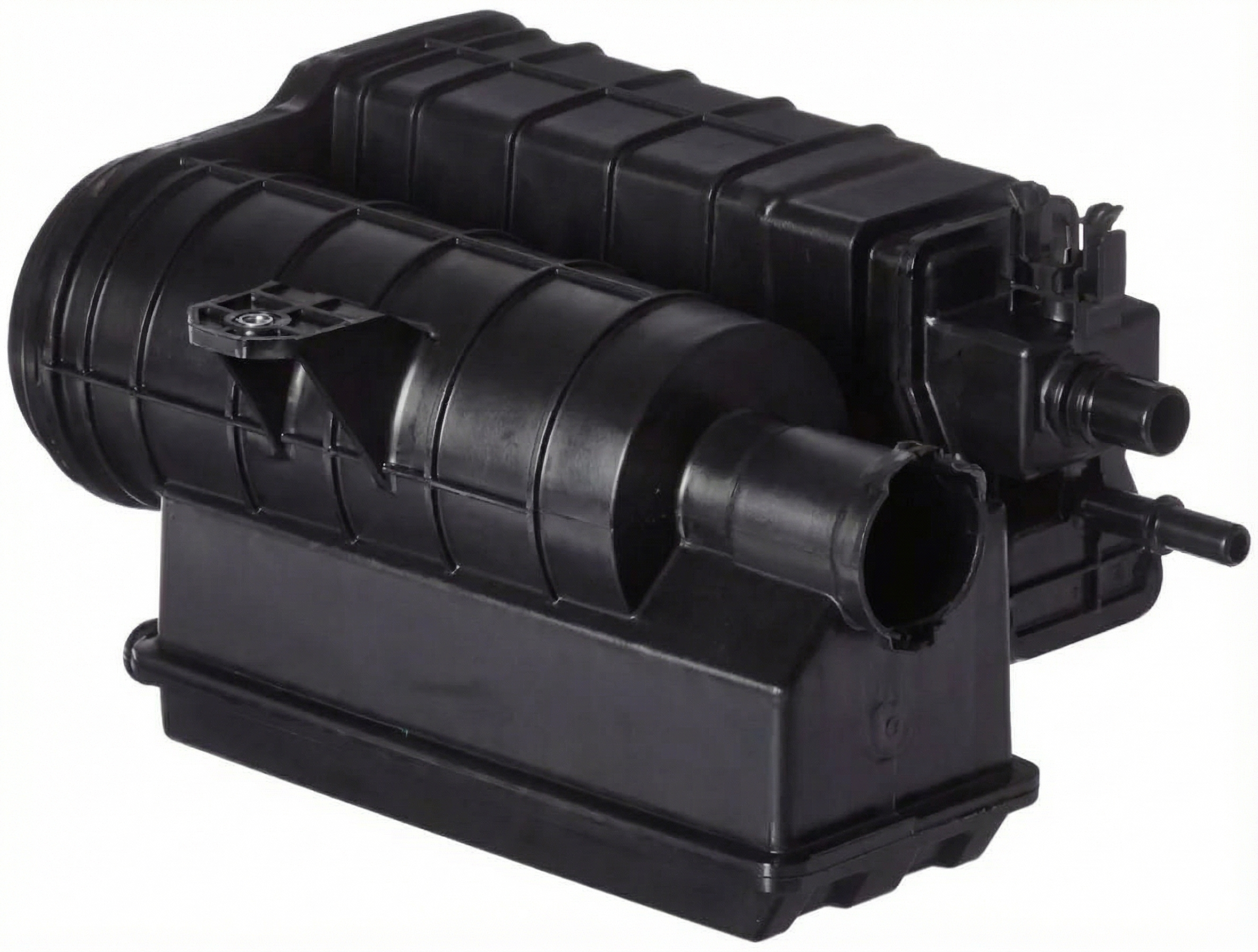
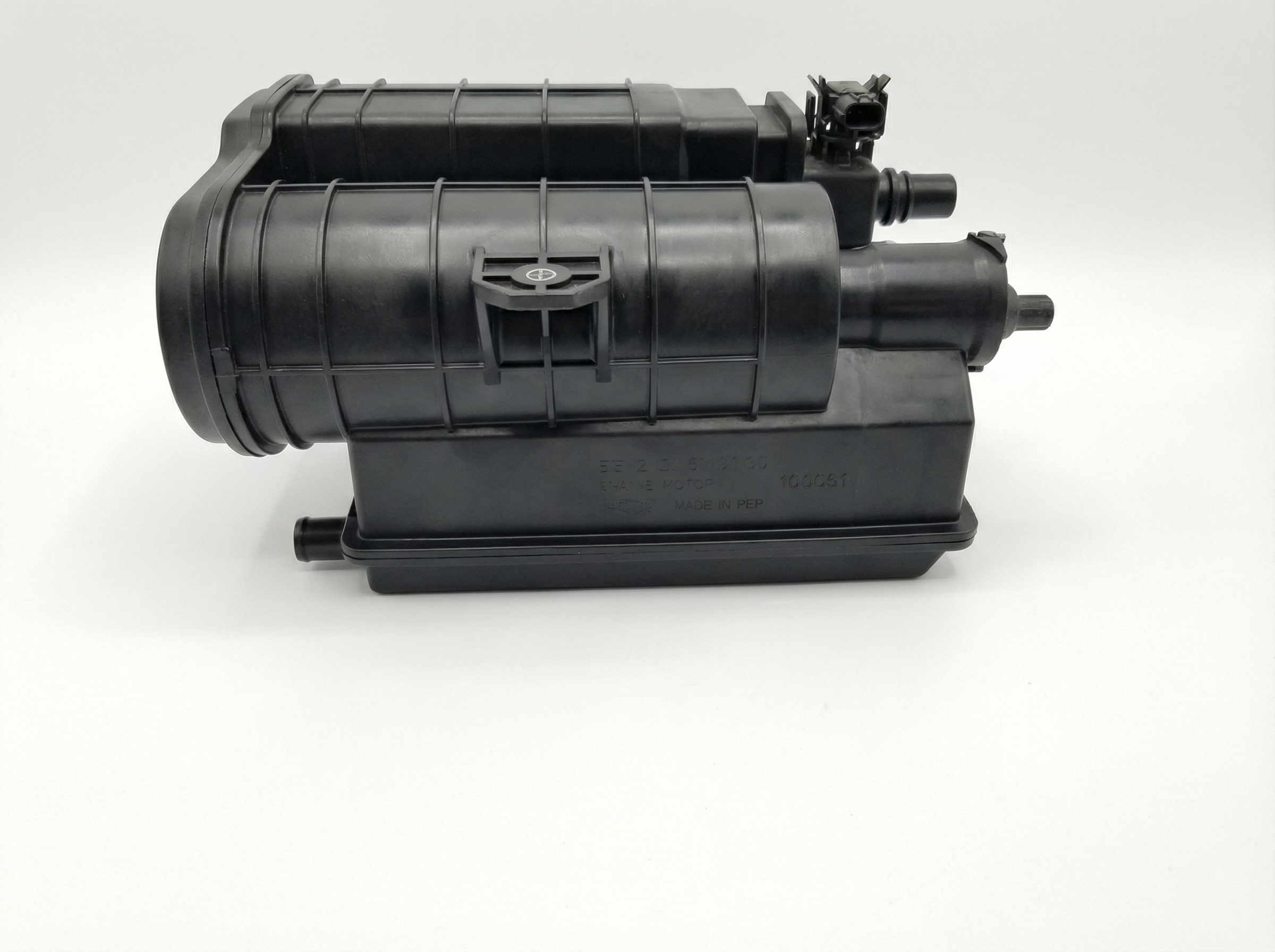
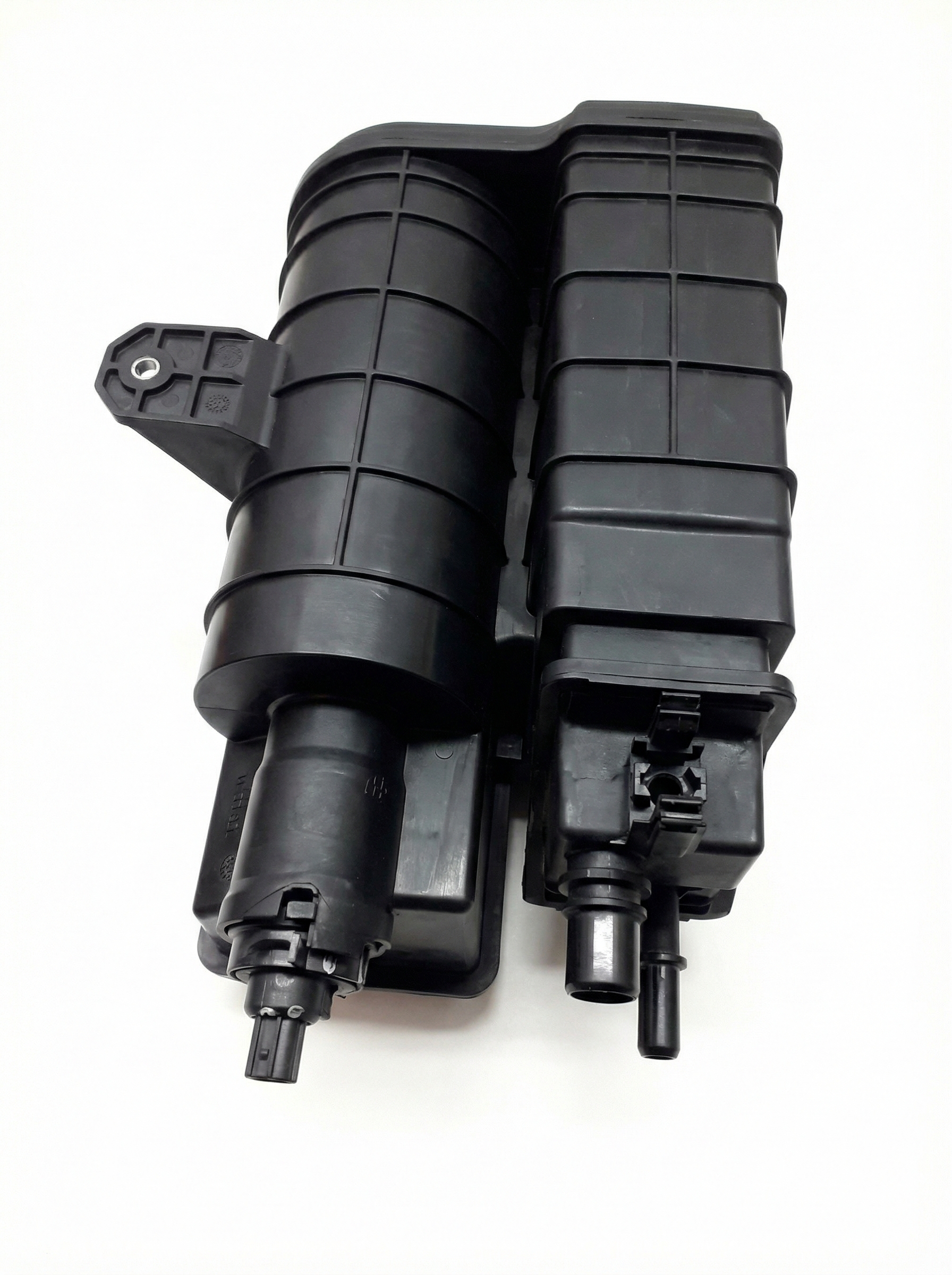
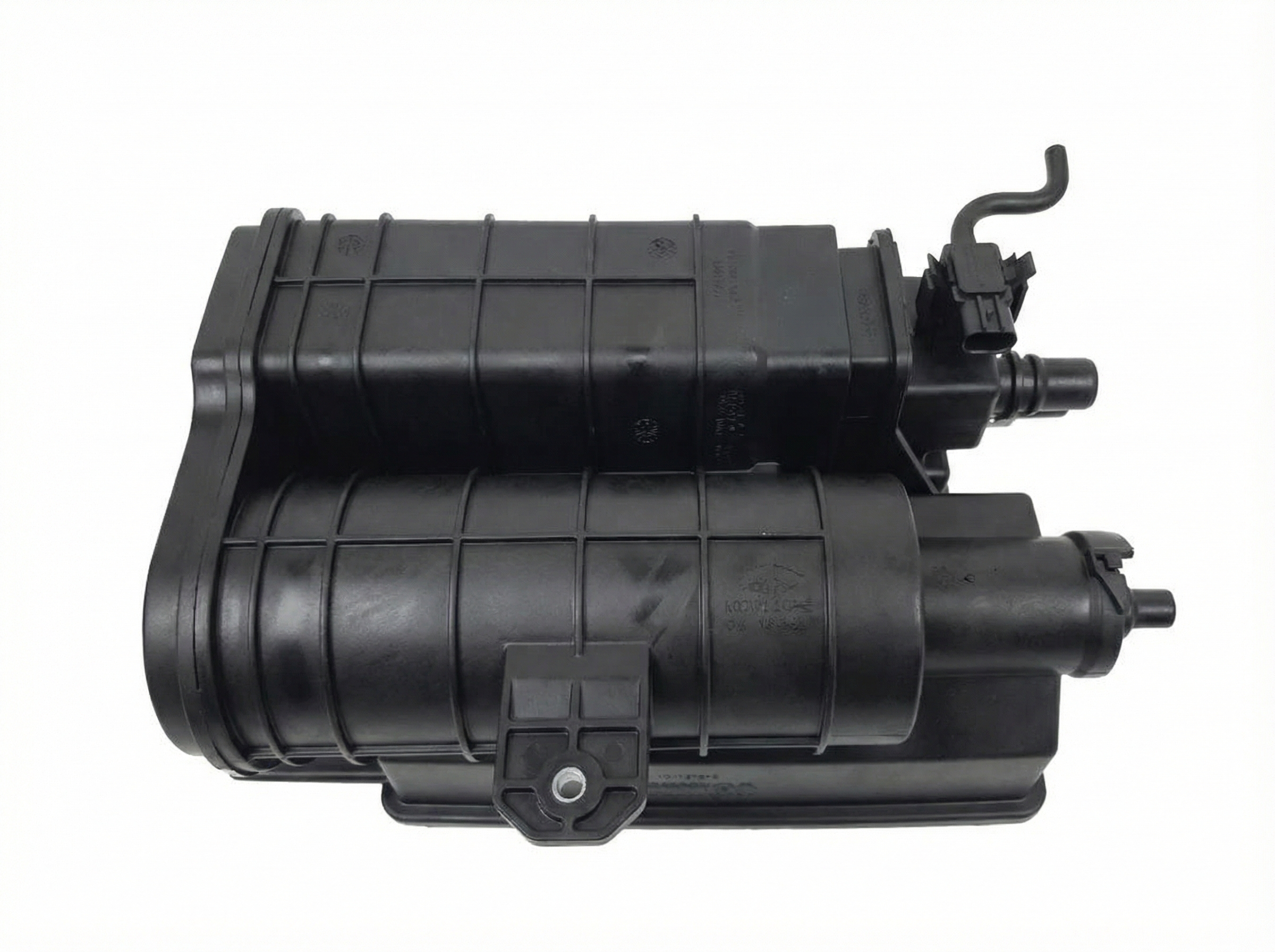
Est. part cost: $5 - $20 - Clogged EVAP Canister ⚪ Low Probability → Shop Vapor Canister Consistently overfilling the fuel tank ('topping off') can force liquid gasoline into the charcoal canister, saturating the charcoal pellets and causing them to break down. This can clog the canister or send debris into the purge lines.
How to confirm: If the purge valve has been replaced and the code returns, disconnect the line from the canister to the purge valve. Check for black charcoal pellets inside the line or the purge valve itself. A canister that is clogged will prevent the purge valve from drawing vapors, leading to the 'incorrect flow' condition.
Typical fix: Replace the charcoal canister and the purge valve, and clean out the EVAP lines.
Est. part cost: $150 - $300
Rare But Worth Checking
- Faulty Fuel Tank Pressure (FTP) Sensor: → Shop Fuel Tank This is rare for P0441 alone. A failing FTP sensor will usually trigger other specific codes related to sensor performance (like P0453) or EVAP system pressure.
- Wiring Harness Issue: While uncommon on this specific model, a TSB for other Hondas (A21-081 for CR-V) notes that radio wave interference can cause P0441, fixed by installing a sub-harness. This is an edge case but worth noting if all other causes are ruled out.
Diagnosis Steps
- Confirm the P0441 code is present using an OBD-II scanner. Note if other codes like P04F1 (EVAP System Low Purge Flow) are present, as reported in NHTSA ODI #11563010.
- Visually inspect the gas cap to ensure it is tight and the seal is not cracked, though this is an unlikely cause.
- Locate the EVAP canister purge valve in the engine bay. On the 1.8L engine, it is mounted near the top of the intake manifold. It will have an electrical connector and two hoses attached.
- Inspect the hoses connected to the purge valve for any visible cracks, damage, or loose connections.
- Test the purge valve. With the engine off and cold, disconnect the electrical connector and the hose from the charcoal canister. Start the engine. Place your finger over the inlet port of the valve; there should be no vacuum. If vacuum is felt, the valve is stuck open and must be replaced.
- If no vacuum is felt, the valve may be stuck closed. A more advanced test involves using a hand vacuum pump to see if the valve holds vacuum when de-energized, or using a scan tool to command the valve to open while listening for a click.
- If the purge valve is confirmed to be working correctly, the next step is to perform a smoke test on the EVAP system to check for leaks in the lines or the charcoal canister.
- If charcoal pellets are found in the lines, the EVAP canister needs to be replaced along with the purge valve.
Parts You'll Likely Need
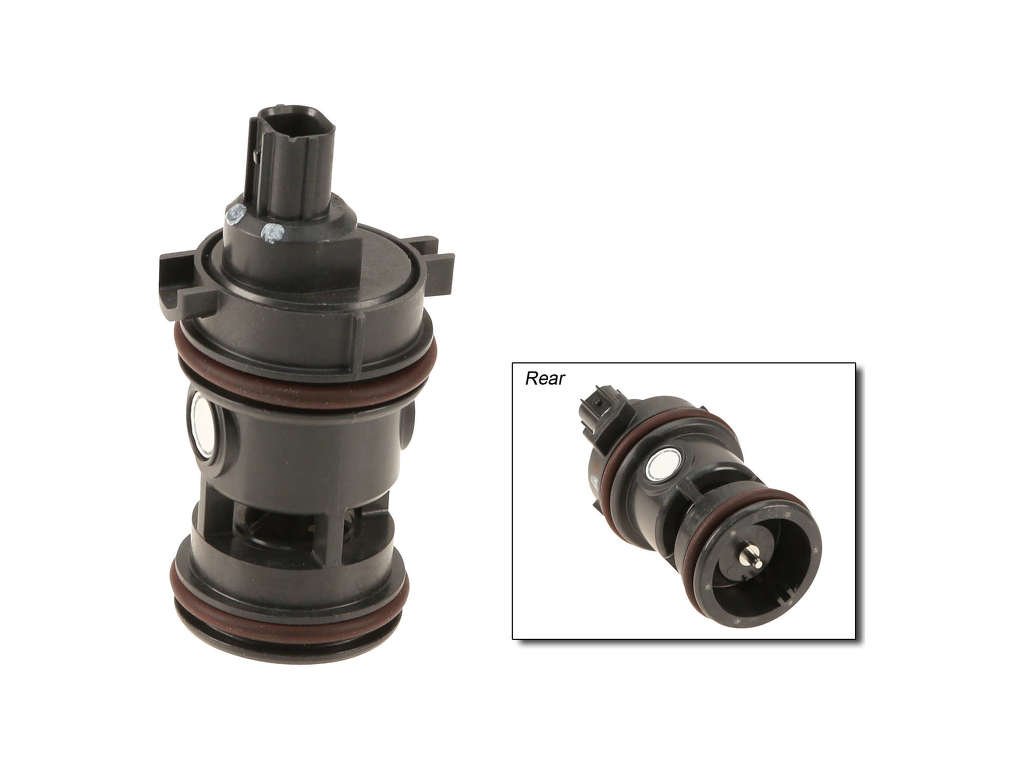
- Vapor Canister Purge Valve / Solenoid
(OEM #36162-R1A-A01)— This is the most frequent point of failure for code P0441 on this vehicle. It gets stuck open or closed, causing an incorrect purge flow reading.
Trusted brands: Honda (OEM), Denso, Standard Motor Products, Dorman, Beck Arnley
OEM price range: $40-$60
Aftermarket price range: $30-$60
Platform-Specific Known Issues
- Owner Experience: Simple Purge Valve Swap: → Shop Vapor Canister An owner on 9thgencivic.com with a 2012 Civic LX reported the P0441 code at 95,000 miles. After confirming the gas cap was tight, they replaced the purge valve (Part #36162-R1A-A01) in their driveway in 15 minutes. The Check Engine Light turned off on its own after a few driving cycles, resolving the issue completely. 🎬 See this step-by-step purge valve replacement walkthrough
Mechanic-Grade Diagnostic Values
- EVAP Canister Purge Valve Voltage — expected: Approximately battery voltage on the power supply wire with the key on, engine off.. Failure: No voltage indicates a blown fuse or an open in the power circuit.
- EVAP Canister Purge Valve Connector Pinout — expected: Pin 1: Power (Yellow/Black wire), Pin 2: PCM Ground Control (Brown/Yellow wire).. Failure: Incorrect voltages or lack of continuity on these pins points to a wiring issue rather than a faulty valve.
Scan Tool Commands That Help
- Honda HDS (Honda Diagnostic System): EVAP System Function Test — This function allows a technician to command the purge valve to open and close while monitoring the fuel tank pressure (FTP) sensor. It confirms if the valve is physically responding to the PCM's command and if the system can hold vacuum, which is crucial for diagnosing an intermittent or stuck valve.
Wiring & Ground Locations
- G101 — On the engine block, near the transmission housing.. This is a primary ground point for multiple engine sensors and actuators controlled by the PCM. While a failure here would likely cause multiple codes, corrosion or a loose connection at G101 could potentially cause erratic behavior of the purge valve solenoid.
- Purge Valve Connector Pigtail — The 2-pin electrical connector on the EVAP purge valve itself.. The plastic locking tab can become brittle and break, or wires can corrode at the connector. If the connector is damaged, it can cause an intermittent connection, triggering P0441. A replacement pigtail (e.g., Standard Motor Products S2053) can be spliced in to fix this without replacing the whole harness.
Real Owner Repair Stories
- Reddit r/Honda user (2011 Honda CR-V (Similar platform/engine family)) — Recurring "Check Fuel Cap" message followed by a Check Engine Light (P0441/related EVAP code).
❌ Tried (didn't work) Replaced the purge solenoid with an aftermarket part., Replaced the gas cap with an aftermarket part.
✅ What actually fixed it The issue was only resolved after replacing the aftermarket purge valve with a genuine OEM Honda/Denso part. The user noted that aftermarket EVAP components for Hondas are notoriously unreliable and often cause comebacks.
OEM Part Supersession History
36162-R1A-A01→36162-R1A-A01— No supersession. The part number has remained consistent for the specified vehicle range.
Heads up: The part for the 1.8L engine (36162-R1A-A01) is different from the part for the Civic Hybrid (36162-RW0-A01). Ensure the correct part is ordered for the specific engine.
Model Year Variations Within This Range
- 2014-2015: The 5-speed automatic transmission was replaced by a Continuously Variable Transmission (CVT). This change did not affect the EVAP system or the part number for the purge valve.
Diagnostic Flowchart
Other Known Issues on This Vehicle
Issues unrelated to this code that are worth knowing about as an owner of this generation:
- VTC Actuator Rattle on Cold Start 🟠 Medium — Very common on K-series (Si) engines, but also reported on others. Occurs on cold startups, especially in colder weather. Many owners report driving tens of thousands of miles with the noise without catastrophic failure. (Ref: No recall, but TSBs exist for other Honda models. The general fix is to replace the VTC actuator, though some owners report the noise returning.)
- Peeling/Flaking Paint (Especially White) 🟡 Low — Widespread issue affecting many Honda models from this era, particularly those with Taffeta White or White Diamond Pearl paint. Peeling often starts on the roof and hood. (Ref: Honda extended the paint warranty for some models/colors (e.g., Service Bulletin 14-034), but many owners report being outside the extended coverage period. A class-action lawsuit was filed over the issue.)
- Failing Engine Mounts 🟠 Medium — The passenger-side hydraulic engine mount is prone to premature failure, leading to excessive vibration at idle and a rattling noise, especially when in reverse.
- Weak Starter Motor / Battery Issues 🟡 Low — A notable number of owners report premature starter failure or general electrical issues stemming from a weak battery or faulty starter.
- Sticky Steering (Later Generations) 🔴 High — While this is a massive issue and recall for 10th/11th gen Civics (2022+), it is NOT a documented chronic problem for the 2012-2015 9th generation. Included for owner awareness of Honda steering issues in general. (Ref: Recall 24V-744 affects 2022+ models, not the 2012-2015 generation.)
Used vs. New Parts: Buying Guide for This Vehicle
When a used part is the smart pick: Given the low cost and high failure rate of the purge valve, buying a used one is generally not recommended. It's a gamble that may not pay off. A used charcoal canister from a low-mileage, rear-end collision vehicle could be a cost-effective option if that part is needed.
Donor-vehicle mileage cap: roughly under 60000 miles for the part to have meaningful remaining life.
What to inspect on the donor part:
- For a used purge valve, check for cracks in the plastic housing and ensure the electrical pins are clean and straight.
- For a used charcoal canister, inspect for any cracks in the housing or broken hose nipples.
- Ask for the VIN of the donor car to verify low mileage and ensure it wasn't from a flood vehicle.
OEM-only on this vehicle (don't cheap out):
- While not strictly 'OEM-only', forum consensus strongly suggests that for EVAP system components like the purge valve on a Honda, using an OEM (Honda) or the original equipment manufacturer (Denso) part is highly advisable to prevent repeat failures.
Aftermarket brands forum-validated for this vehicle:
- Denso (often the OEM supplier)
- Standard Motor Products (SMP)
- Beck/Arnley
Brands owners have reported issues with on this vehicle:
- Generic, unbranded parts from online marketplaces are frequently reported to fail prematurely or not work correctly out of the box for Honda EVAP systems.
Real Owner Stories
Aggregated from forums and TSBs cited above. Mileages and costs reflect what owners reported in those sources.
2012 Civic LX 1.8L — 95000 miles
Symptoms: Check Engine Light was on. Owner confirmed the gas cap was tight but the code remained.
What fixed it: Replaced the purge valve (Part #36162-R1A-A01) in a 15-minute driveway repair.
Source hint: 9thgencivic.com thread regarding 2012 Civic LX P0441 at 95,000 miles
2013-2015 Acura ILX 2.0L
Symptoms: P0441 code present; vehicle shares the same platform and EVAP design philosophy as the 9th Gen Civic.
What fixed it: Replacement of the purge valve, which is a common failure point for this Honda/Acura era.
Source hint: Reddit r/AskMechanics thread regarding Acura ILX P0441
Honda Owner Report — NHTSA ODI #11552804
Symptoms: An "Emissions System Error" message appeared on the dashboard, which was diagnosed as a canister purge valve malfunction (P0441). The owner noted the vehicle was consuming more fuel and failing emissions standards.
What fixed it: Diagnosis confirmed the purge valve was the culprit for the incorrect flow condition.
Honda Owner Report — NHTSA ODI #11563010
Symptoms: The Malfunction Indicator Lamp (MIL) illuminated with both DTC P0441 (EVAP System Purge Flow Malfunction) and P04F1 (EVAP System Low Purge Flow Detected).
What fixed it: The owner proceeded with replacing the purge flow valve to resolve the dual flow-related codes.
Related OBD-II Codes
Frequently Asked Questions
What is the specific OEM part number for the purge valve on my 2012-2015 Civic with the 1.8L engine?
I have a 2012 Civic with 95,000 miles and a P0441 code. Is this a repair I can do myself?
Could my P0441 code be caused by 'topping off' my gas tank?
Does the 2012-2015 Civic suffer from the 'sticky steering' recall seen in newer models?
Is there a paint warranty extension that might cover my 2012-2015 Civic if I see peeling?
My Civic has a rough idle after refueling along with the P0441 code. What does this indicate?
Helpful Videos
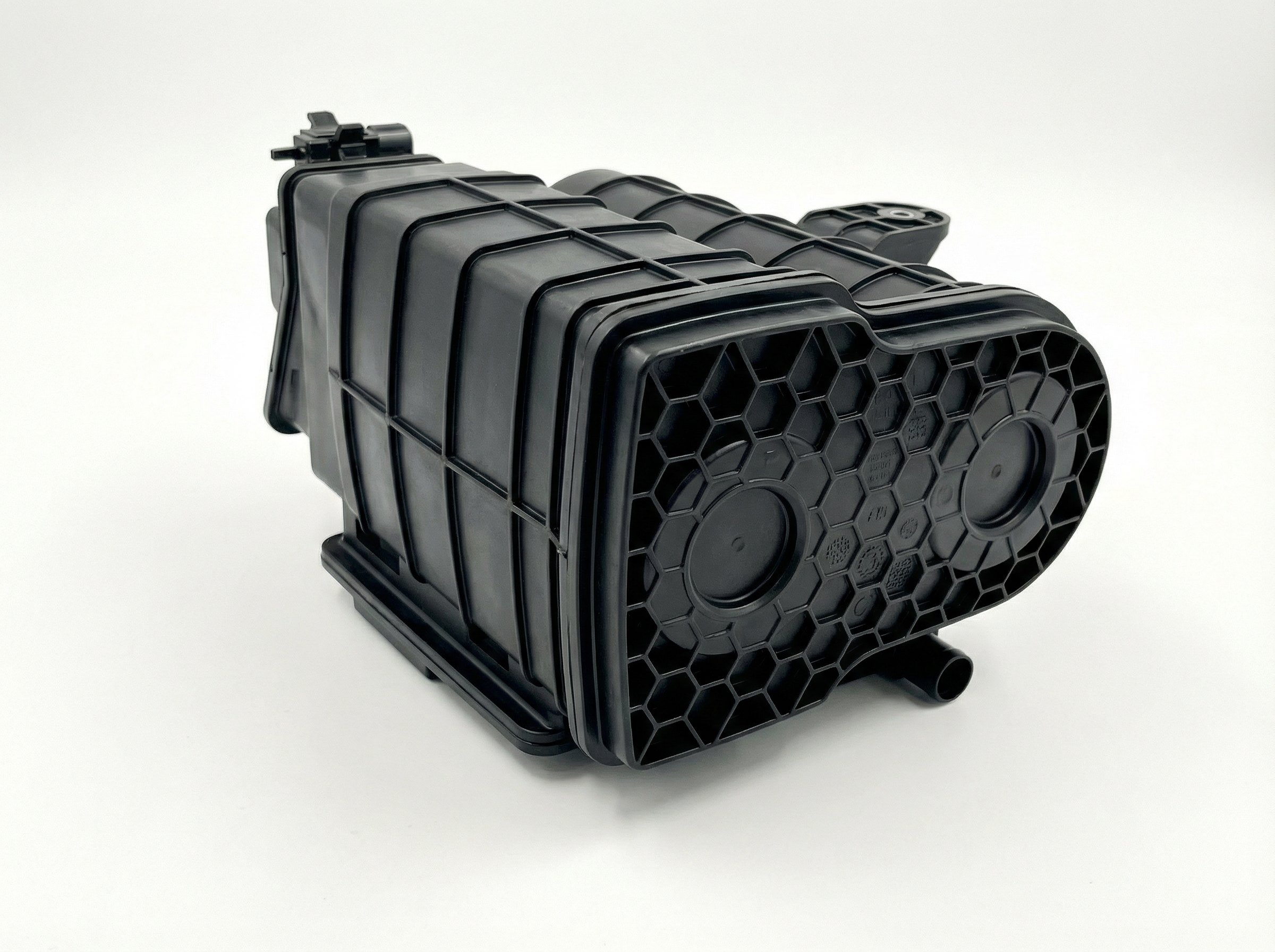
Used OEM Parts in Stock
New Aftermarket Parts Available

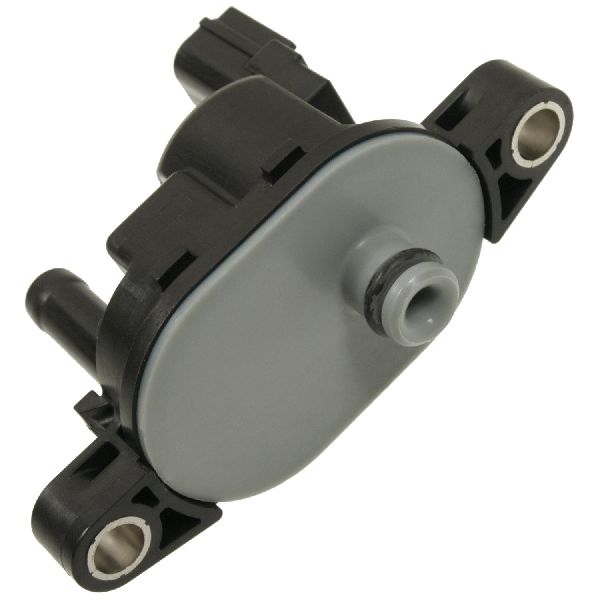

The information in this article is provided for general reference and educational purposes only. Vehicle specifications, procedures, and part compatibility can vary by production date, trim level, and region. Always consult your vehicle's factory service manual and verify part numbers before purchasing or performing repairs. Safety-critical components such as airbags, seat belts, and braking systems should be installed by a qualified professional.
- Honda Civic:
- 🧭 Diagnostic Flowchart
- 🎬 Helpful Videos
- 🛍️ Shop This Part
- What's Unique About the 2012-2015 Honda Civic
- Symptoms You May Notice
- Most Likely Causes
- Rare But Worth Checking
- Diagnosis Steps
- Parts You'll Likely Need
- Platform-Specific Known Issues
- Mechanic-Grade Diagnostic Values
- Scan Tool Commands That Help
- Wiring & Ground Locations
- Real Owner Repair Stories
- OEM Part Supersession History
- Model Year Variations Within This Range
- Other Known Issues on This Vehicle
- Used vs. New Parts: Buying Guide for This Vehicle
- Real Owner Stories
- 2012 Civic LX 1.8L — 95000 miles
- 2013-2015 Acura ILX 2.0L
- Honda Owner Report — NHTSA ODI #11552804
- Honda Owner Report — NHTSA ODI #11563010
- Related OBD-II Codes
- Frequently Asked Questions
- 🎟️ Get 5% Off