

P0441 on 2010-2014 Hyundai Sonata: Incorrect Purge Flow Causes and Fixes
On a 2010-2014 Hyundai Sonata (YF generation), code P0441 is almost always caused by a faulty canister purge valve (also called a purge solenoid). This part gets stuck open or closed, causing the check engine light. It's an affordable part (around $25-$60) and a very easy 15-minute DIY replacement located on top of the engine. Difficulty starting after refueling is a classic symptom.
- P0441 on a 2010-2014 Sonata almost always means you need a new canister purge valve.
- This is a very beginner-friendly DIY repair that takes about 15 minutes and requires minimal tools.
- A key symptom of a stuck-open purge valve is having difficulty starting the car right after you get gas.
- Don't waste money replacing the gas cap for this specific code; it's rarely the cause.
- The correct OEM part number is 28910-25100 or its successor, 28910-2C900.
- The Kia Optima (2011-2015) is a platform mate and suffers from the exact same P0441 issue.
What's Unique About the 2010-2014 Hyundai Sonata
For the 2010-2014 (YF Generation) Sonata, the P0441 code is a very common and straightforward issue. Unlike some other vehicles where this code can lead to a complex diagnosis involving smoke tests, on this Sonata it overwhelmingly points to a single, easily accessible part: the purge control valve. Owners frequently report this as a simple and highly successful DIY repair that can be completed in under 30 minutes.
Generation note: The 2010-2014 year range primarily covers the sixth generation (YF) of the Hyundai Sonata, which began with the 2011 model year but had an early release in some markets in 2010. The causes and fixes are generally consistent for all vehicles in this generation, including those with the 2.4L and 2.0T Theta II engines.
Symptoms You May Notice
- Check Engine Light is on
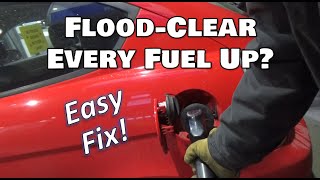
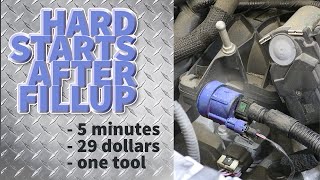
- Difficulty starting the engine immediately after refueling 🎬 Watch this video to fix starting issues after refueling. (if the valve is stuck open)
- Slightly rough or unstable idle
- Fuel odor (less common)
- Audible clicking from the engine bay (less common, as the valve cycles)
- Decreased fuel economy; as noted in NHTSA ODI #11449571 regarding a similar Hyundai model, the incorrect purge flow can "eat away at your gas mileage."
- Replacing the gas cap. While a loose or faulty gas cap can cause other EVAP codes (like P0455 or P0456 for leaks), it is not a typical cause for P0441, which relates to incorrect flow, not a system leak.
Most Likely Causes
- Faulty Canister Purge Valve / Solenoid 🔴 High Probability → Shop Vapor Canister This is a known common failure point on many Hyundai/Kia models of this era. The internal electromechanical valve mechanism can stick open due to wear or get clogged with charcoal debris from the canister, preventing it from sealing.
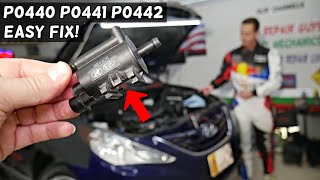
How to confirm: With the engine off, disconnect the hose from the purge valve that comes from the EVAP canister. Start the engine. There should be NO vacuum felt at the valve's port. If you feel suction, the valve is stuck open and is bad. Alternatively, apply 12V power to the valve's electrical contacts; you should hear a click. If it doesn't click, it's failed closed. A hand vacuum pump can also be used; with the valve de-energized, apply vacuum to the canister side port. It should not hold vacuum if working correctly, but if it leaks down slowly, it is faulty.
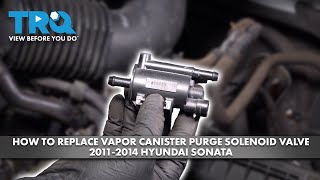
Typical fix: Replace the canister purge valve. It is located on top of the engine, mounted to a bracket on the intake manifold. It is a simple replacement involving disconnecting two spring-clamp hoses and one electrical connector. 🎬 See this walkthrough on how to replace the purge valve.
Est. part cost: $25-$60 - Cracked or Disconnected EVAP Hoses 🟡 Medium Probability Rubber and plastic hoses in the engine bay become brittle over time with heat and age, leading to cracks, especially at the connection points to the purge valve.
How to confirm: Visually inspect all vacuum and EVAP hoses connected to the purge valve and running towards the back of the car. Look for obvious cracks, breaks, or loose connections. A smoke test can be performed by a professional to find leaks that are not visible.
Typical fix: Replace the damaged section of hose.
Est. part cost: $5-$20 - Faulty Canister Close Valve (Vent Valve) ⚪ Low Probability → Shop Vapor Canister This valve is located near the charcoal canister at the rear of the vehicle and is exposed to road debris and moisture, which can cause it to fail or stick.
How to confirm: The canister close valve is normally open. Using a scan tool, command the valve to close. If it doesn't close or is stuck, it needs replacement. You can also test it by disconnecting it and blowing air through; it should pass air freely when unpowered. This is a much less common cause for P0441 than a faulty purge valve.
Typical fix: Replace the canister close valve assembly. The OEM part number is typically 31453-3K600.
Est. part cost: $40-$80
Rare But Worth Checking
- Faulty Fuel Tank Pressure Sensor: → Shop Fuel Tank This sensor reports pressure in the EVAP system to the computer. If it provides incorrect readings, the computer may mistakenly set a P0441 code. This is rare and should only be considered after all other components have been tested. A scan tool showing a stuck or erratic pressure reading can confirm this.
- Clogged or Saturated Charcoal Canister: → Shop Vapor Canister This can happen if the fuel tank is habitually overfilled ('topping off'). Raw fuel can enter the canister, saturating the charcoal and blocking flow or sending charcoal granules down the line, which can clog the purge valve. Check for black charcoal pellets in the EVAP lines as a sign of a failed canister.
- ECM Software Glitch: Hyundai issued TSB 17-FL-001 for some models, which involves a software update for the ECM to correct logic for detecting P0441. While this may not apply to all vehicles, it indicates that in some cases, the fault can be software-related. Manufacturer Bulletin #5NP-S5Y6V-04 also notes that for some Hyundai models, this software update addresses the "Incorrect CPV Flow" code even when there is no associated vehicle performance concern.
Diagnosis Steps
- Verify the Check Engine Light is on and code P0441 is present using an OBD-II scanner.
- Locate the canister purge valve on top of the engine, typically mounted to the intake manifold.
- Visually inspect the hoses connected to the purge valve for any obvious cracks, disconnections, or damage.
- Test the purge valve to see if it's stuck open: Disconnect the EVAP line coming from the canister and the electrical connector. Start the engine. Place your finger over the port on the valve where the hose was connected. If you feel any suction, the valve is stuck open and must be replaced. 🎬 Watch a mechanic diagnose a P0441 code step-by-step.
- Test the purge valve for a slow leak: With the valve disconnected, attach a hand vacuum pump to the port leading to the canister and apply vacuum. The valve should not hold vacuum at all when de-energized. If the gauge shows it is holding some vacuum but slowly leaking down, it is faulty and needs replacement.
- Test the purge valve to see if it's stuck closed: If no vacuum was felt in the previous step, the valve is not stuck open. To check if it can open, use a scan tool to command the purge valve to open while the engine is running. You should now feel vacuum at the port. If you don't have a scan tool, you can apply 12V directly to the valve's pins (polarity doesn't matter) and listen for a click. No click means it's dead.
- If the purge valve tests good, the next step is to check for blockages or leaks in the EVAP lines. A smoke machine is the most effective tool for this.
- If no leaks are found, inspect the canister close valve (near the fuel tank) for proper operation, checking for sticking or damage.
Parts You'll Likely Need
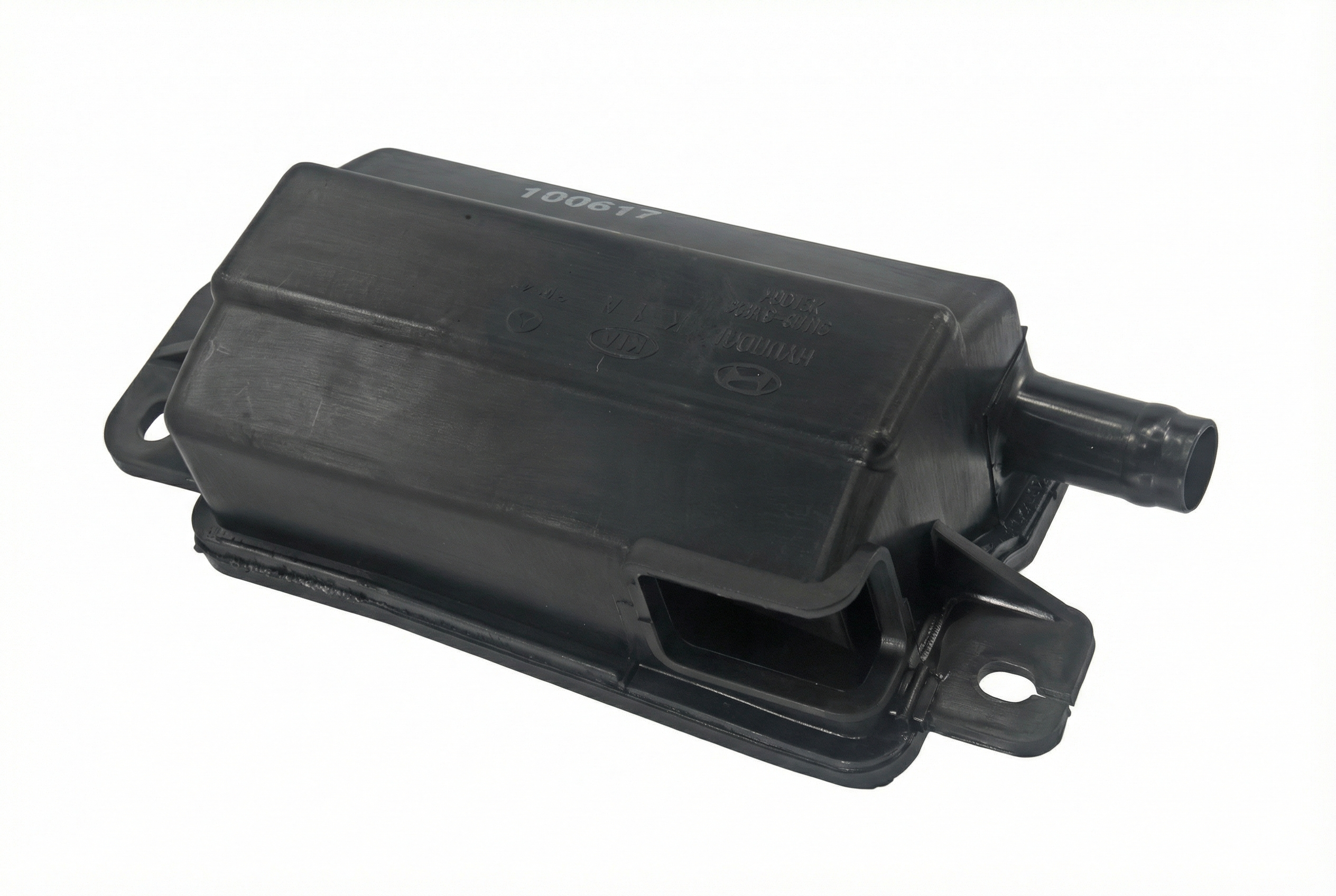
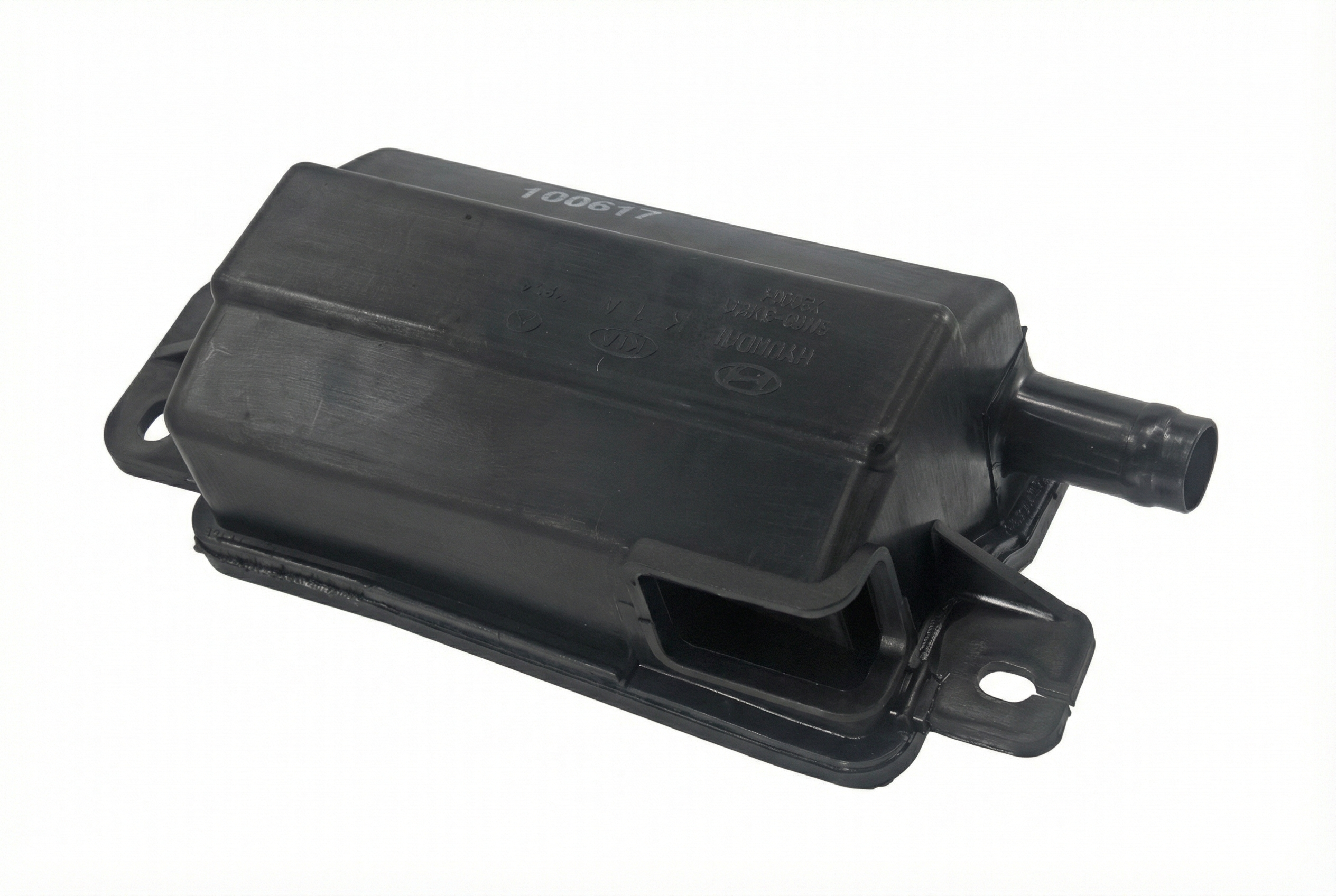
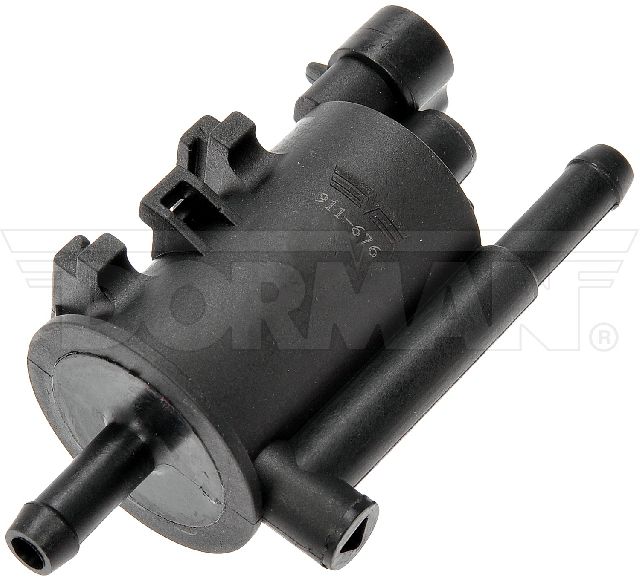
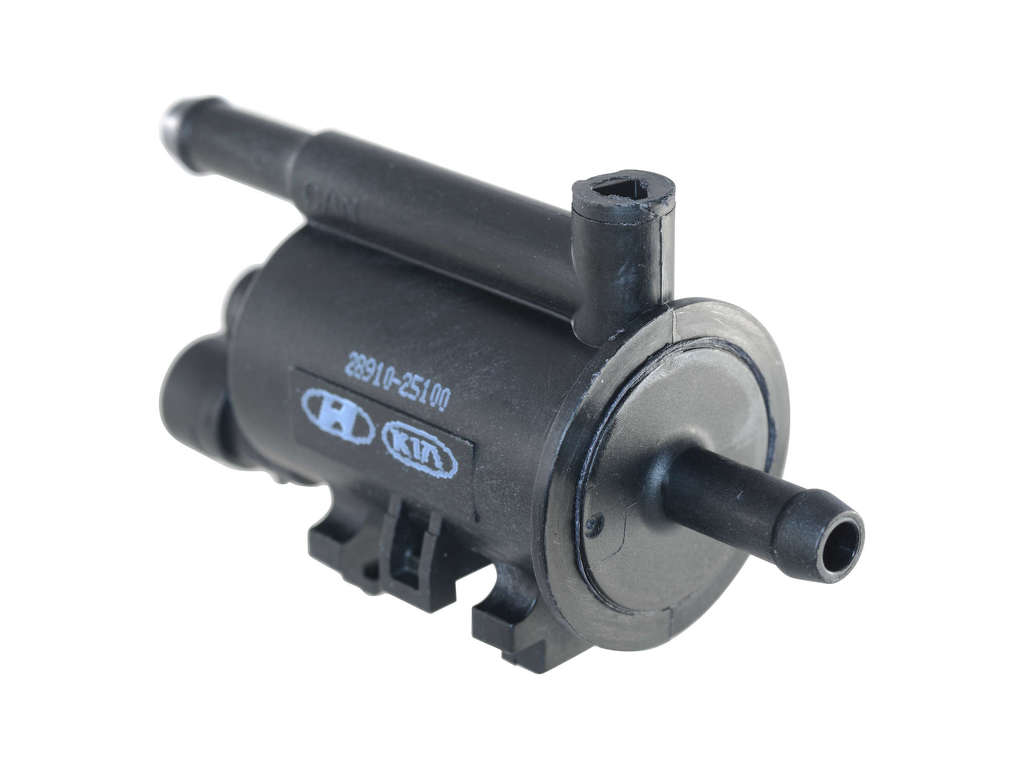
- Canister Purge Valve / Solenoid
(OEM #28910-25100 (Superseded by 28910-2C900))— This is the most common failure point for code P0441 on this vehicle. It's an electromechanical valve that wears out and sticks over time.
Trusted brands: Hyundai / Kia (OEM), Standard Motor Products (CP652), Dorman (911-676)
OEM price range: $50-$70
Aftermarket price range: $25-$50
Related Codes That Often Appear With This One
- P0440 — General EVAP system malfunction code that can appear alongside more specific flow or leak codes.
- P0442 — Indicates a small leak in the EVAP system. A cracked hose or failing valve causing the P0441 flow issue could also be detected as a small leak.
- P0507 & P0420 — NHTSA ODI #11434136 reports that P0441 can sometimes be accompanied by P0507 (Idle air control system RPM higher than expected) and P0420 (Catalyst system below threshold).
Technical Service Bulletins (TSBs) & Recalls
- TSB 17-FL-001: Describes an ECM software update for some Hyundai vehicles (specifically mentions the Veloster) to correct the logic for DTC P0441. While not a direct recall for the Sonata, it shows that software can be a factor.
- Bulletin #5NP-S5Y6V-04: A manufacturer service bulletin providing information on an ECM software update for DTC P0441 (Incorrect CPV Flow) for certain Hyundai models, indicating that the code may trigger even without performance issues.
Platform-Specific Known Issues
- A user on Hyundai-Forums.com with a 2013 Sonata reported getting the P0441 code, and multiple members immediately recommended replacing the purge control valve, calling it a 'very common' issue and a '10-minute job'. This reinforces the high probability of this specific part being the culprit.
- On Reddit's r/autorepair, a user with a 2013 Sonata asked about a P0441 code, and the top-rated answer was 'Possibly failing Purge Control Solenoid Valve,' providing a diagram for its location on the 2.4L engine.
Mechanic-Grade Diagnostic Values
- Canister Purge Valve (Solenoid) Coil Resistance — expected: Approximately 26 Ohms. Failure: A reading of infinite resistance (open circuit) or very low resistance (short circuit) indicates a failed solenoid coil.
- Fuel Tank Pressure Sensor Live Data (Key On, Engine Off) — expected: Should read near 0 inches of water (inH2O) or atmospheric pressure.. Failure: A reading that is significantly positive or negative, or stuck at a fixed value (e.g., maxed out) when the system is at rest, points to a faulty sensor.
Hidden / Shadow Codes Worth Checking
- Mode 6, Test ID $82 (TID $82): This test monitor in Mode 6 specifically relates to the EVAP system leak detection. While it doesn't set a Check Engine Light on its own, a failing value in this monitor can be an early warning that a component like the purge valve or vent valve is starting to degrade before it fails the threshold required to trigger a P0441 or other EVAP DTC. (see via A professional scan tool or an advanced consumer OBD-II scanner with Mode 6 capability is required. The data will be shown as a test value, a minimum limit, and a maximum limit. A value outside the limits indicates a problem.)
Scan Tool Commands That Help
- Hyundai GDS (Global Diagnostic System) or equivalent professional scanner: EVAP System Leak Test (Forced Actuation) — This is a technician-level command used to verify the entire system's integrity after a part replacement or when a visual inspection and smoke test are inconclusive. The function will command the purge valve and vent valve to cycle in a specific sequence while monitoring the fuel tank pressure sensor to confirm the system can hold both vacuum and pressure. This can definitively confirm if the P0441 'Incorrect Purge Flow' issue is resolved.
Wiring & Ground Locations
- G(E)01 — Located on the left front of the engine compartment, near the strut tower or inner fender.. This is a primary engine control ground point. While not directly for the purge valve itself, a poor connection at this ground can cause erratic behavior in various sensors and actuators controlled by the ECM, potentially leading to incorrect diagnostic codes. Verifying this ground is clean and tight is a good practice during advanced diagnosis.
- Purge Control Solenoid Valve Connector — On the purge valve itself, on top of the intake manifold.. This is the point for electrical testing. One pin should have battery voltage with the key on, and the other pin is the ground-side control from the ECM. Technicians will check for voltage here to rule out a wiring or fuse issue before condemning the valve.
Real Owner Repair Stories
- Hyundai-Forums.com user report (2012 Hyundai Sonata 2.4L) — Persistent P0441 code, slight hesitation on acceleration.
❌ Tried (didn't work) Replaced the canister purge valve (PCSV) on the intake manifold., Replaced the gas cap.
✅ What actually fixed it The charcoal canister had failed internally. Charcoal pellets had traveled down the EVAP line and not only clogged the brand new purge valve but also a portion of the line itself. The final fix required replacing the charcoal canister, the purge valve (again), and blowing out the EVAP lines with compressed air to clear the debris. - NHTSA ODI #10394376 — An owner reported that whenever they added gas to the tank, the car would "hard start and continually stall," which was accompanied by a P0441 code.
- NHTSA ODI #11468646 — In a related Hyundai model, a technician retrieved code P0441 along with P0014, P0300, and P0301, eventually informing the contact that the engine required replacement.
OEM Part Supersession History
28910-25100→28910-2C900— Standard part revision and consolidation by Hyundai/Kia for multiple models and years.
Heads up: The new part number 28910-2C900 is a direct, backward-compatible replacement for 28910-25100. However, there are visually similar valves for other Hyundai models (e.g., the Sonata Hybrid uses a different part like 28910-3E100) that will not function correctly. Always verify the part number for the specific non-hybrid 2.0L or 2.4L engine.
Diagnostic Flowchart
Other Known Issues on This Vehicle
Issues unrelated to this code that are worth knowing about as an owner of this generation:
- Theta II Engine Seizure/Failure 🔴 High — Very common, especially on 2011-2014 models. Can occur at various mileages, often starting with a knocking noise. Led to a massive class-action lawsuit and extended lifetime warranty for the engine short block. (Ref: NHTSA Campaign #15V568000 (Recall 132), subsequent lawsuits extended warranty coverage.)
- Worn Steering Coupler 🟠 Medium — Extremely common. Owners report a distinct clicking or clunking noise from the steering column when turning at low speeds. The small rubber coupler (part # 56315-2K000-FFF) disintegrates. (Ref: TSB 17-ST-002-1 extended the warranty for this part to 10 years/100,000 miles.)
- Broken Front Coil Springs 🔴 High — Common in regions that use road salt (the 'Salt Belt'). The spring can fracture and potentially puncture the front tire.
- Failing Transmission Temperature Sensor 🟡 Low — A known issue where the sensor, which is part of the internal transmission wiring harness, fails. This can cause harsh shifting and a check engine light. (Ref: A Technical Service Bulletin was issued for this problem.)
- Failing Clock Spring 🟠 Medium — Common failure leading to the airbag warning light illuminating and loss of steering wheel controls (cruise, audio). (Ref: A warranty extension was issued for this component.)
Used vs. New Parts: Buying Guide for This Vehicle
When a used part is the smart pick: For the primary failure part, the Canister Purge Valve, a used part from a low-mileage donor vehicle is a reasonable option. Since it's an inexpensive part to begin with (around $30-50 aftermarket), many owners opt for a new part with a warranty for peace of mind. A used part makes the most sense if you can acquire one for under $15.
Donor-vehicle mileage cap: roughly under 60000 miles for the part to have meaningful remaining life.
What to inspect on the donor part:
- Check for visible cracks in the plastic housing.
- Ensure the electrical connector pins are clean and free of corrosion.
- If possible, blow through the valve; it should be closed (no air passes) when not energized.
- Ask the dismantler about the donor vehicle's history; avoid parts from cars with known fuel system contamination.
OEM-only on this vehicle (don't cheap out):
- While not a common failure for this code, if the Fuel Tank Pressure Sensor is diagnosed as faulty, using an OEM sensor is recommended. Aftermarket pressure sensors can have different voltage scaling, leading to persistent incorrect readings even with a new part.
Aftermarket brands forum-validated for this vehicle:
- Standard Motor Products (SMP)
- Dorman
- Gates
Brands owners have reported issues with on this vehicle:
- No-name, unbranded parts from online marketplaces often have high failure rates. While they may work initially, their longevity is questionable.
Real Owner Stories
Aggregated from forums and TSBs cited above. Mileages and costs reflect what owners reported in those sources.
2011 Hyundai Sonata
Symptoms: Check engine light with P0441 code. When filling the gas tank, the car doesn't want to start on the first try. Requires holding the pedal halfway while cranking, and it tries to stall until put into drive.
What fixed it: The owner attempted to fix it by replacing the gas cap, purge canister, and downstream O2 sensor.
Source hint: Reddit r/MechanicAdvice
2013 Hyundai Sonata
Symptoms: P0441 code present; seeking the most common fix for the issue.
What fixed it: Replacement of the Purge Control Solenoid Valve.
Source hint: Reddit r/autorepair
2013 Hyundai Sonata
Symptoms: P0441 code triggered.
What fixed it: Replacing the purge control valve, described as a 'very common' issue and a '10-minute job'.
Source hint: Hyundai-Forums.com
Documented NHTSA Reports
- NHTSA ODI #11434136: An owner reported a P0441 code for "Evaporator emissions incorrect purge flow" alongside P0507 and P0420.
- NHTSA ODI #11449571: A report regarding a Hyundai vehicle noted that the P0441 engine code relates to incorrect purge flow and can be harmful to gas mileage.
- NHTSA ODI #10394376: A report filed for a Hyundai Sonata described a persistent P0441 code where the car would hard start and stall specifically after adding gas to the tank.
Related OBD-II Codes
Frequently Asked Questions
Is there a TSB for the P0441 code on my Hyundai?
Where is the purge valve located on the 2010-2014 Sonata 2.4L?
What is the specific part number for the vent valve on this generation Sonata?
Why does my Sonata struggle to start only after I fill up the gas tank?
Is the P0441 code related to the major engine recalls on the 2011-2014 Sonata?
Can I use a Kia Optima part to fix my Sonata's P0441 code?
Helpful Videos
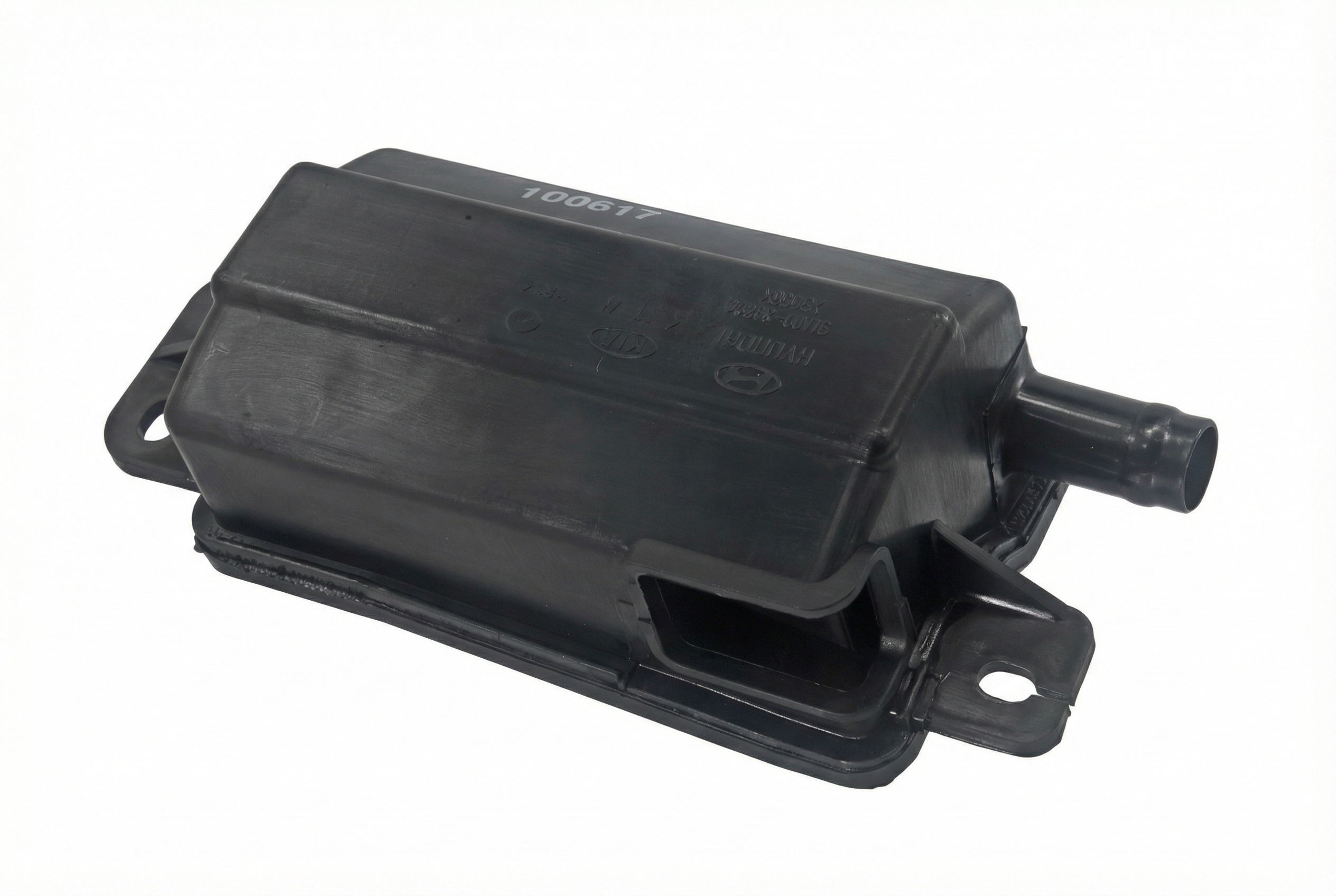
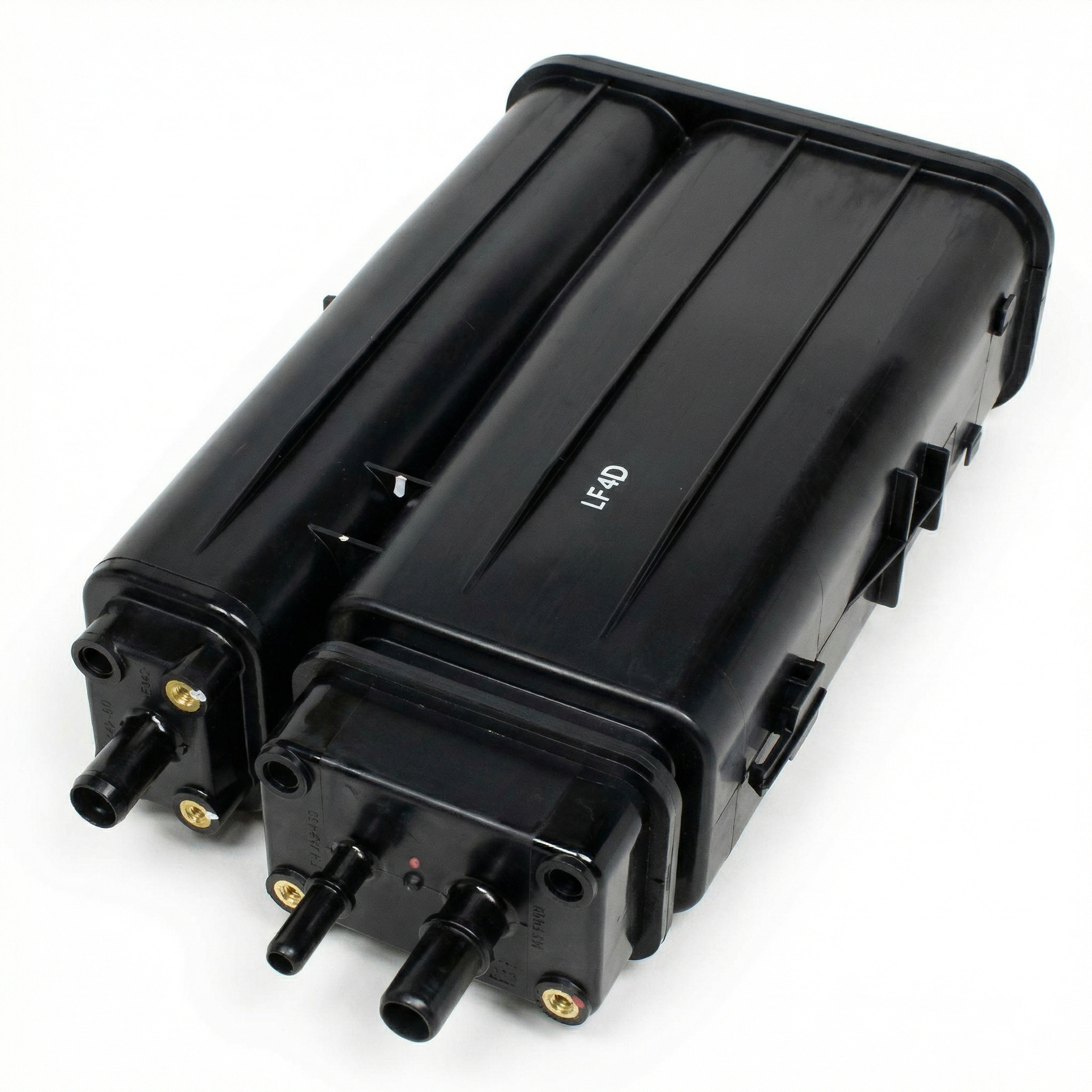
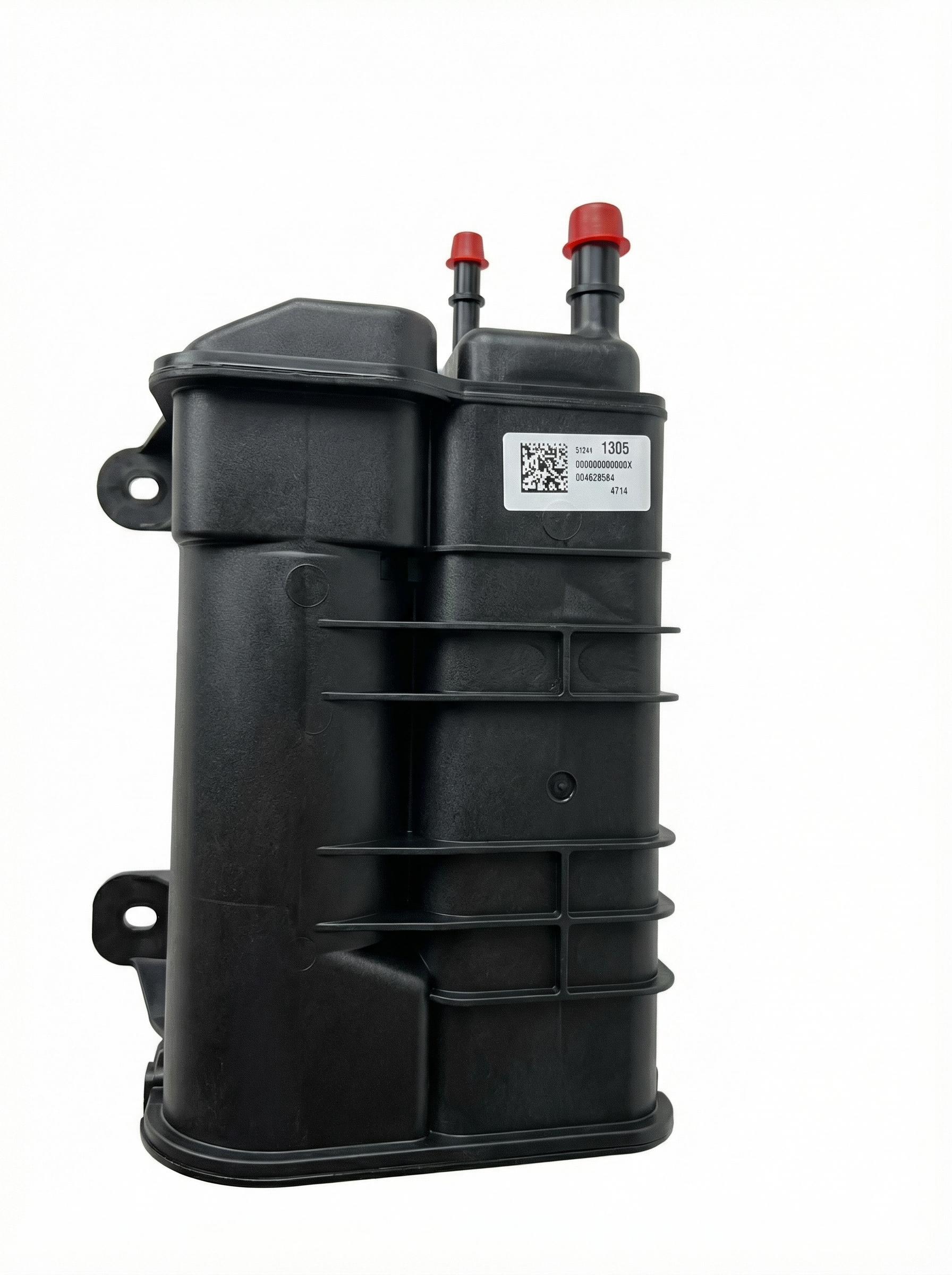
Used OEM Parts in Stock

New Aftermarket Parts Available

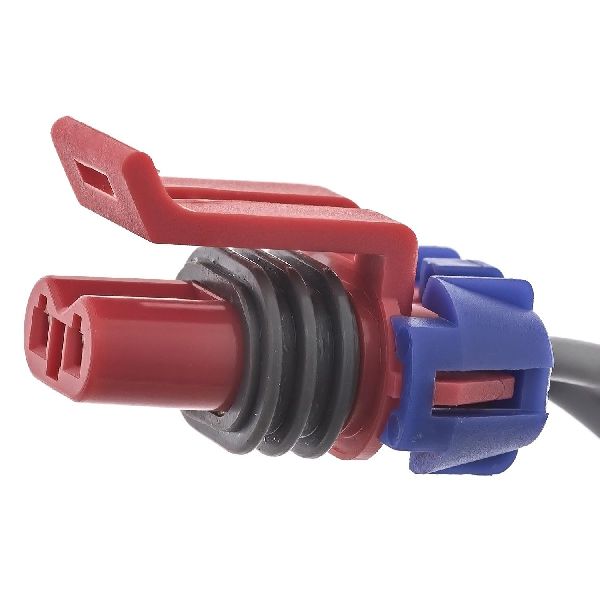

The information in this article is provided for general reference and educational purposes only. Vehicle specifications, procedures, and part compatibility can vary by production date, trim level, and region. Always consult your vehicle's factory service manual and verify part numbers before purchasing or performing repairs. Safety-critical components such as airbags, seat belts, and braking systems should be installed by a qualified professional.
- Hyundai Sonata:
- 🧭 Diagnostic Flowchart
- 🎬 Helpful Videos
- 🛍️ Shop This Part
- What's Unique About the 2010-2014 Hyundai Sonata
- Symptoms You May Notice
- Most Likely Causes
- Rare But Worth Checking
- Diagnosis Steps
- Parts You'll Likely Need
- Related Codes That Often Appear With This One
- Technical Service Bulletins (TSBs) & Recalls
- Platform-Specific Known Issues
- Mechanic-Grade Diagnostic Values
- Hidden / Shadow Codes Worth Checking
- Scan Tool Commands That Help
- Wiring & Ground Locations
- Real Owner Repair Stories
- OEM Part Supersession History
- Other Known Issues on This Vehicle
- Used vs. New Parts: Buying Guide for This Vehicle
- Real Owner Stories
- 2011 Hyundai Sonata
- 2013 Hyundai Sonata
- 2013 Hyundai Sonata
- Documented NHTSA Reports
- Related OBD-II Codes
- Frequently Asked Questions
- 🎟️ Get 5% Off