

P0441 on 2015-2019 Hyundai Sonata: Incorrect Purge Flow Causes and Fixes
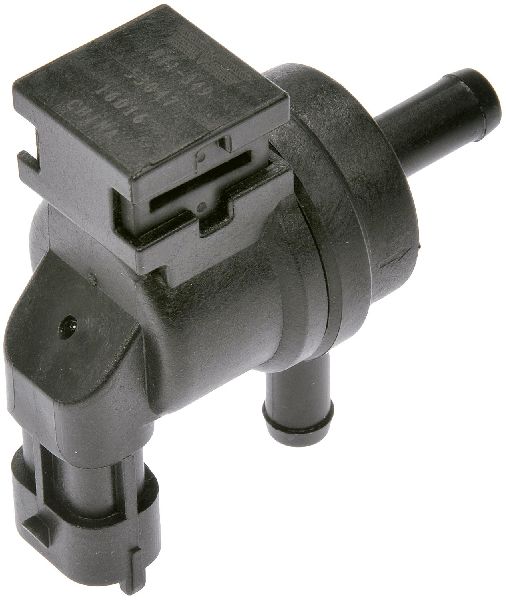
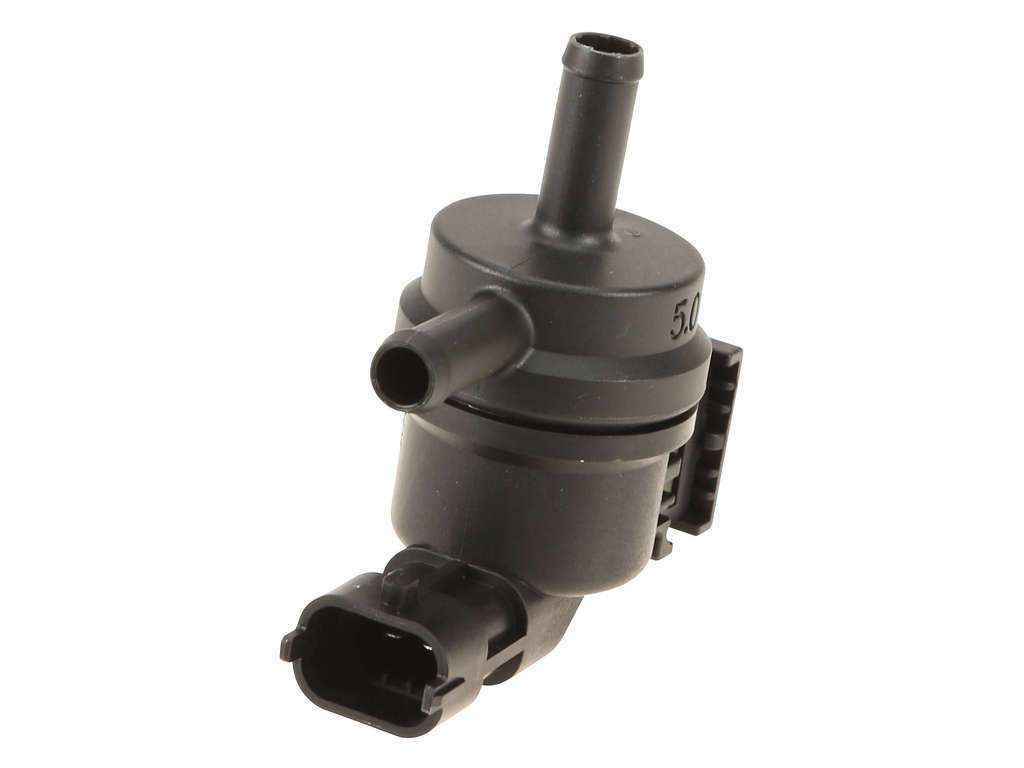
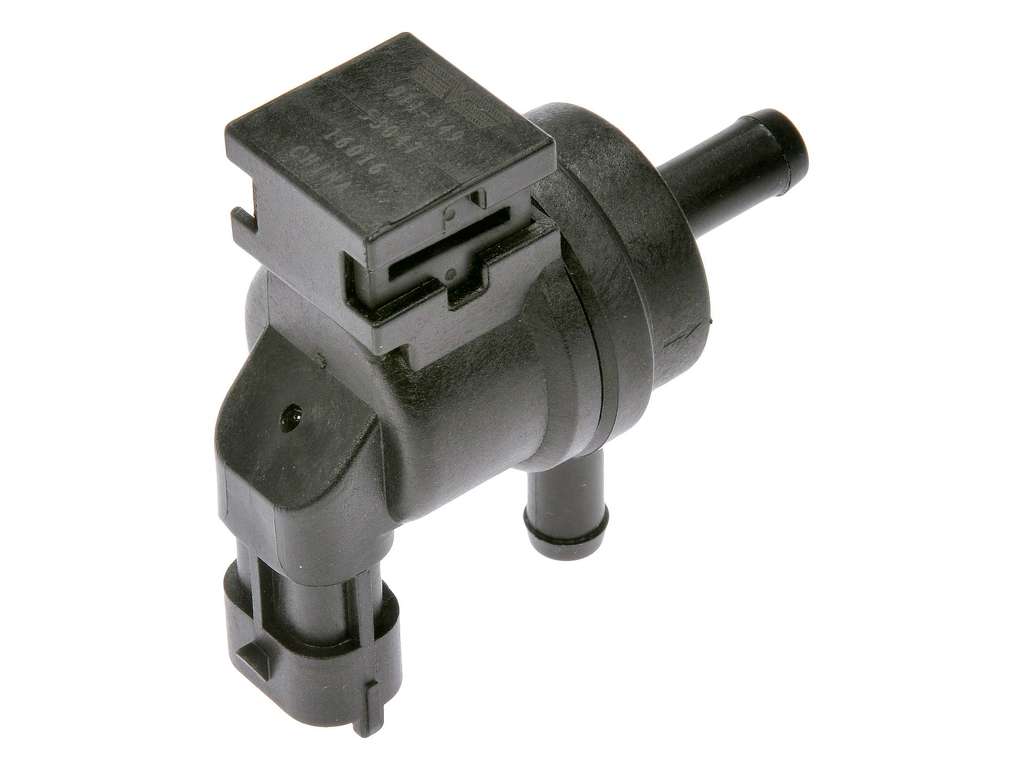
For a 2015-2019 Hyundai Sonata, the P0441 code is almost always caused by a faulty canister purge valve (solenoid). This is an inexpensive part (around $25-$70) and is very easy to replace yourself in under 30 minutes. A classic symptom confirming this is difficulty starting the engine right after refueling.
- P0441 on a 2015-2019 Sonata almost always points to a bad purge valve.
- A key symptom is difficulty starting the car right after you fill the gas tank. This strongly indicates the purge valve is stuck open.
- Replacing the purge valve is a very simple DIY job that requires basic tools and less than 30 minutes.
- Don't waste money on a new gas cap or charcoal canister unless the purge valve has been tested and confirmed to be working correctly.
What's Unique About the 2015-2019 Hyundai Sonata
The 2015-2019 Hyundai Sonata (LF generation) is known for having the canister purge valve as a common failure point leading to code P0441. Unlike some other vehicles where software issues or complex leaks are common, the fix for this Sonata is very frequently a straightforward mechanical part replacement. A classic symptom on this platform is difficulty starting the engine immediately after refueling, which strongly points to a purge valve that is stuck open, flooding the engine with fuel vapors.
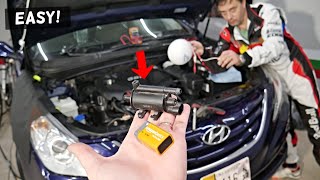
🎬 Watch: Fixing a Sonata that's hard to start after refuelingGeneration note: The 2015-2019 model years cover the seventh generation (LF) of the Hyundai Sonata. This includes the pre-facelift (2015-2017) and post-facelift (2018-2019) models. The causes and fixes for P0441 are generally the same across this entire generation for the common 2.4L and 2.0T engines.
Symptoms You May Notice
- Check Engine Light is on.
- Difficulty starting the engine, especially right after refueling.
- Rough or unstable idle.
- Slight decrease in fuel efficiency.
- Fuel odor around the vehicle (less common).
- Audible clicking noise from the purge valve at idle (when it should be closed).
- Replacing the gas cap when the purge valve is the actual problem.
- Replacing the expensive charcoal canister before properly diagnosing the purge valve and vent valve.
- Performing a smoke test for a leak when the issue is a stuck-open purge valve causing incorrect flow, not a system leak.
Most Likely Causes
- Faulty Canister Purge Valve (Solenoid) 🔴 High Probability → Shop Vapor Canister This component is a widely reported failure item on this generation of Sonata and its platform mates. The internal valve can get stuck open or closed, or the solenoid can fail electronically. A stuck-open valve is the most common failure mode, causing the classic hard-start-after-fueling symptom.
How to confirm: With the engine off, remove the valve and try to blow through it. It should be closed and not allow air to pass. A more definitive test is to disconnect the electrical connector and the hose leading from the charcoal canister, start the engine, and feel the inlet port on the valve. If you feel any vacuum suction, the valve is stuck open and faulty. You can also apply 12V power to the terminals to see if it clicks open.
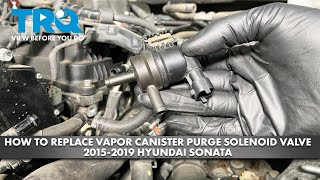
Typical fix: Replacement of the canister purge valve. It is located on top of the engine's intake manifold and is easily accessible.
Est. part cost: $25-$70 - Cracked or Disconnected EVAP Hoses 🟡 Medium Probability
How to confirm: Visually inspect all hoses connected to the purge valve and running towards the back of the car to the charcoal canister. Look for visible cracks, loose connections, or blockages. A smoke test is the professional method to find hard-to-see leaks or restrictions.
Typical fix: Replace the damaged hose section or re-secure the connection.
Est. part cost: $10-$50 - Loose or Faulty Gas Cap ⚪ Low Probability → Shop Fuel Tank Cap
How to confirm: Ensure the gas cap is tightened until it clicks. Inspect the rubber O-ring seal for cracks or damage. While a loose cap more commonly causes a P0455 (large leak) or P0442 (small leak) code, it can sometimes contribute to flow issues. Some owners on forums have reported fixing P0441 with a new cap, but it's less common than the purge valve.
Typical fix: Tighten or replace the gas cap.
Est. part cost: $15-$30
Rare But Worth Checking
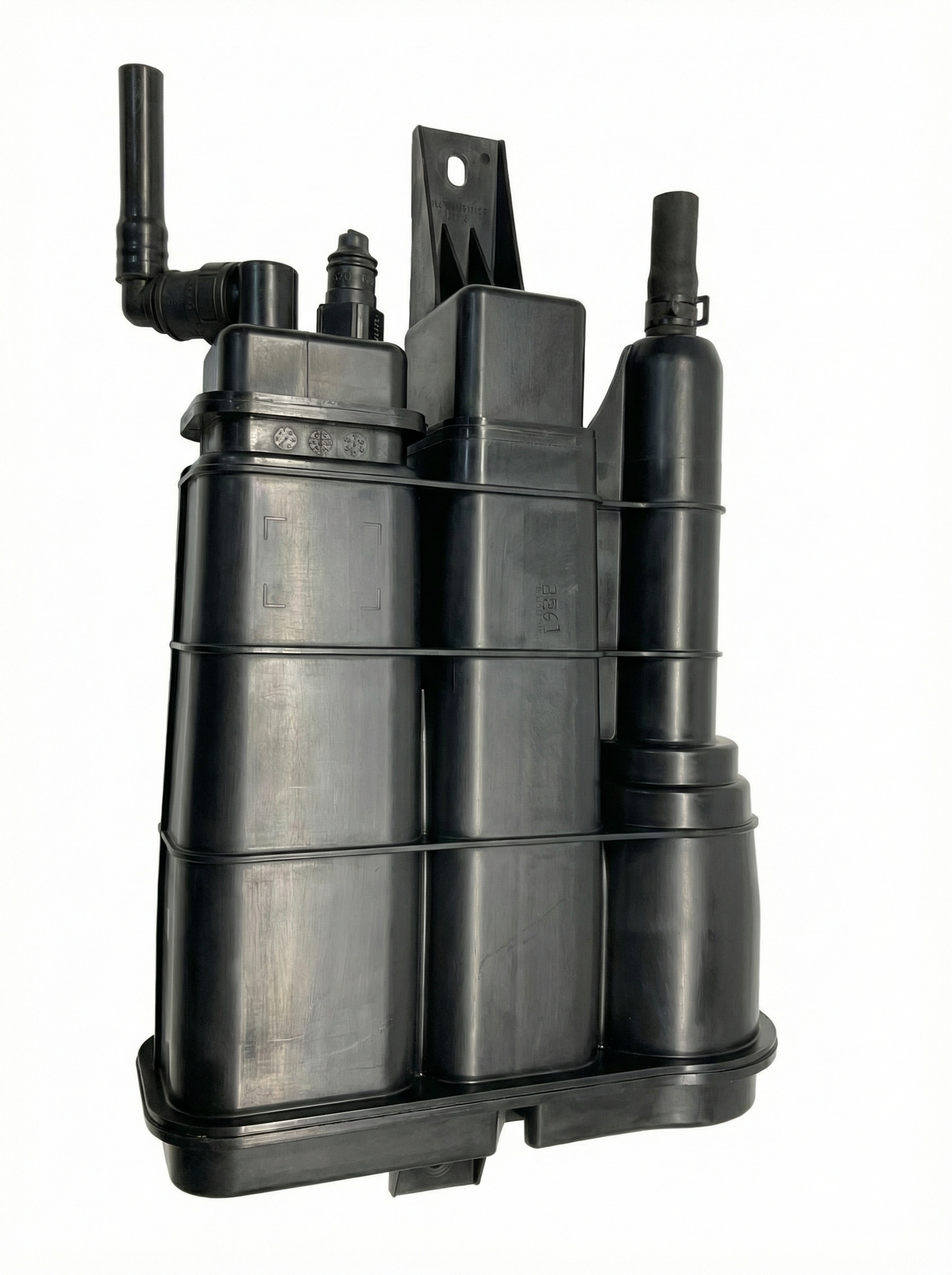
- Failed Charcoal Canister: → Shop Vapor Canister This is rare and usually happens only if the fuel tank is consistently overfilled, which can saturate the canister with raw fuel. Symptoms include a strong fuel odor, difficulty refueling (gas pump clicks off repeatedly), or finding charcoal pellets in the EVAP lines.
- Faulty Canister Close Valve (Vent Valve): → Shop Vapor Canister This valve is located near the charcoal canister by the fuel tank. While it more commonly causes leak-related codes, a stuck-closed vent valve can prevent the purge system from drawing vapor, potentially triggering a P0441.
- Faulty Fuel Tank Pressure Sensor: → Shop Fuel Tank This sensor reports pressure changes within the EVAP system to the ECU. If it provides incorrect readings, the computer may falsely believe there is a flow problem, triggering P0441 even if all mechanical parts are working.
Diagnosis Steps
- Verify the Check Engine Light is on and code P0441 is present using an OBD-II scanner.
- Check the gas cap to ensure it is tight and the seal is intact.
- Locate the canister purge valve on top of the engine, near the intake manifold.
- Inspect the electrical connector and all attached vacuum hoses for cracks, damage, or loose connections.
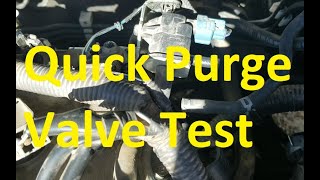
- Test the purge valve for a 'stuck open' condition: Disconnect the electrical plug and the inlet hose (from the canister). Start the engine. Place your finger over the valve's inlet port. If you feel any suction, the valve has failed and must be replaced. This is the most common failure.
- Alternatively, test the valve's solenoid function: With the engine off, disconnect the valve and attempt to blow through it; no air should pass. Apply 12V power and ground to its pins; you should hear a click, and it should now allow air to pass. 🎬 See how to test your purge valve without any tools
- If the valve fails any test, replace it. This is the most common solution.
- If the valve passes the tests, the next step is to perform a smoke test on the EVAP system to check for leaks or blockages in the lines between the purge valve and the charcoal canister.
- If no leaks are found, inspect the canister close valve (near the fuel tank) and the charcoal canister itself for damage or fuel saturation.
Parts You'll Likely Need
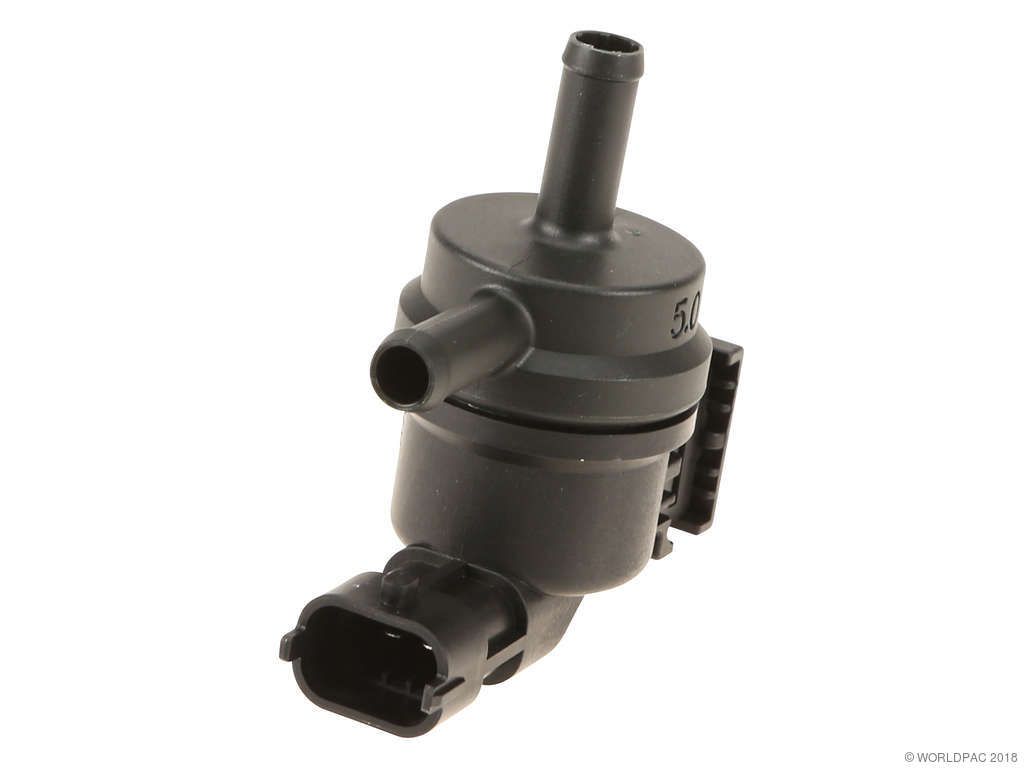
- Vapor Canister Purge Valve / Solenoid
(OEM #28910-2E000 (Note: Multiple part numbers exist, verify by VIN. Other possibilities include 28910-25100 for 2.4L, 28910-3L000 for 1.6T).)— This is the most frequent failure point for code P0441 on this specific vehicle. It gets stuck open or closed, causing incorrect vapor flow.
Trusted brands: Hyundai (OEM), Standard Motor Products (SMP), Gates, Dorman
OEM price range: $45-$80
Aftermarket price range: $25-$50
Related Codes That Often Appear With This One
- P0440 — General EVAP System Malfunction. Often appears with other, more specific EVAP codes like P0441.
- P0442 — EVAP System Small Leak Detected. A failing purge valve that isn't sealing properly can be interpreted by the system as a small leak.
- P0455 — EVAP System Large Leak Detected. If the purge valve is stuck wide open, the system may interpret this as a large leak.
- P0507 & P0420 — In some instances, P0441 may appear alongside P0507 (Idle air control system RPM higher than expected) and P0420 (Catalyst system below threshold), as noted in NHTSA ODI #11434136.
Technical Service Bulletins (TSBs) & Recalls
- While no specific TSB for P0441 on the 2015-2019 Sonata was found, related TSBs for other Hyundai models (like Accent and Elantra) sometimes point to ECU logic updates. However, for the LF Sonata, evidence overwhelmingly points to the mechanical failure of the purge valve itself rather than a software issue.
- Manufacturer Bulletin #5NP-S5Y6V-04 for the Veloster provides a cross-manufacturer reference, noting that an ECM software update may be available for DTC P0441 regarding incorrect canister purge valve flow, even when there is no vehicle performance concern.
Platform-Specific Known Issues
- Owners on Hyundai-Forums and Reddit frequently report P0441 appearing between 60,000 and 100,000 miles, almost always resolved by replacing the purge valve.
- The hard start after refueling is the single most-cited symptom by owners online, providing strong confirmation that the purge valve is stuck open.
- NHTSA ODI #11449571 notes that an incorrect purge flow condition can be harmful and may negatively impact gas mileage.
Mechanic-Grade Diagnostic Values
- Canister Purge Solenoid Valve (PCSV) Coil Resistance — expected: 16 ± 2 Ω (at 20°C / 68°F). Some sources cite a broader but acceptable range of 15 to 30 ohms.. Failure: A reading far outside this range (open circuit/infinite resistance or a dead short/zero resistance) indicates a failed solenoid coil.
- Fuel Tank Pressure during PCSV 'Open Stuck' Test — expected: Differential tank pressure should not be below -0.2kPa or over -0.03kPa during the ECM's test cycle.. Failure: If the pressure value falls outside this specific, narrow window, the ECM determines the PCSV is stuck open and sets DTC P0441.
Scan Tool Commands That Help
- Hyundai GDS (Global Diagnostic System): Active Test -> Canister Purge Solenoid Valve — This bidirectional control allows a technician to manually command the purge valve to open and close while monitoring fuel tank pressure or engine RPM. It's the definitive way to test if the valve is physically stuck or not responding to the ECM's commands.
- Hyundai GDS (Global Diagnostic System): EVAP Leakage Test — This is an automated, guided function where the GDS commands the entire EVAP system to seal itself (closing both the purge and vent valves) and then monitors for pressure changes. It's used after a repair to confirm the fix or to diagnose an elusive leak if the purge valve tests good.
Wiring & Ground Locations
- PCSV Connector Pin 1 — On the 2-pin connector for the Canister Purge Solenoid Valve located on the intake manifold.. This pin receives battery power, typically from the main relay. A voltage check here should show battery voltage with the key on. Lack of voltage points to a wiring or fuse issue, not a bad valve.
- PCSV Connector Pin 2 — On the 2-pin connector for the Canister Purge Solenoid Valve.. This pin is the control wire that goes to the Engine Control Module (ECM). The ECM grounds this circuit to open the valve. A technician can check for a pulsed ground signal here with the engine running to verify the ECM is commanding the valve to open.
- G10 (example) — General engine ground points are typically located on the inner fender, cylinder head, or transmission housing. For 2018-2019 models, a specific engine ground wiring assembly is part number 91865-C2010.. While not a primary cause, a poor engine or chassis ground can cause a variety of electrical issues, including erratic behavior of solenoids and sensors within the EVAP system. Verifying main grounds are clean and tight is a good practice if electrical tests give strange results.
Real Owner Repair Stories
- YouTube user 'jimthecarguy' (2013 Hyundai Accent (similar EVAP system design)) — Check Engine Light with code P0441.
❌ Tried (didn't work) The video focuses directly on diagnosis rather than failed attempts.
✅ What actually fixed it Diagnosed a faulty purge valve by attempting to blow through it while it was disconnected (air passed through, indicating it was stuck open). The final fix was the replacement of the canister purge valve. - Reddit user on r/autorepair (2013 Hyundai Sonata 2.4L) — Randomly throwing a P0441 code.
❌ Tried (didn't work) The user was in the diagnostic phase.
✅ What actually fixed it The confirmed fix was replacing the Purge Control Solenoid Valve. Another user provided the specific resistance values and location diagram to confirm the diagnosis before replacement. - NHTSA ODI #10394376 (Hyundai Sonata) — An owner reported that whenever gas was added to the tank, the car would hard start and continually stall, which was accompanied by a P0441 code.
OEM Part Supersession History
28910-25100→28910-2E000— Part consolidation and potential design update for reliability across multiple models including Elantra, Tucson, and Sonata.
Model Year Variations Within This Range
- 2015-2019: Vehicles were produced with two different emissions packages: ULEV (Ultra-Low-Emission Vehicle) and PZEV (Partial Zero-Emission Vehicle), particularly for states with stricter standards. The vapor canisters and some related components are NOT interchangeable between these systems. An emissions sticker under the hood or on the door jamb must be checked before ordering a replacement canister to avoid incompatibility.
- 2016-2019 Sonata Hybrid (LF HEV): These models are subject to TSB #20-FL-003H for a P0456 (small leak) code, not P0441. The cause is salt/debris entering the Natural Vacuum Leak Detection (NVLD) sensor. The fix is a new sensor and an add-on air filter kit. While a different code, it highlights a known EVAP system vulnerability on the LF Hybrid platform.
Diagnostic Flowchart
Other Known Issues on This Vehicle
Issues unrelated to this code that are worth knowing about as an owner of this generation:
- Theta II Engine Seizure/Failure 🔴 High — Common enough to trigger multiple class-action lawsuits and recalls. Primarily affects 2.4L GDI and 2.0T GDI engines. Failures can occur from 60k-120k miles. (Ref: NHTSA Campaign 17V226000, Hyundai Service Campaign T3G (TSB 20-01-004H). Hyundai extended the engine warranty and released a Knock Sensor Detection System (KSDS) software update to provide early warning of bearing wear.)
- Excessive Oil Consumption 🟠 Medium — Frequently reported on 2.4L GDI engines, often starting after 60,000 miles. Can lead to carbon buildup and eventual engine damage if not monitored. (Ref: Related to the overall Theta II engine issues; addressed under the same engine warranty extension and TSBs like 21-EM-004H-1 for bearing clearance tests.)
- Peeling/Chipping Paint 🟡 Low — Particularly common on white-painted vehicles. The paint can bubble and peel off in large sheets. Widespread enough to prompt a warranty extension. (Ref: Hyundai extended the paint warranty for this issue.)
- Knock Sensor Malfunction 🟠 Medium — The knock sensor itself can fail or become overly sensitive, especially after getting wet, causing the car to go into limp mode (reduced power) and trigger the check engine light. (Ref: Addressed as part of the KSDS update (Campaign 953), but individual sensor failures are still common.)
- Steering Column Click/Noise 🟡 Low — A clicking or popping noise from the steering column when turning is often caused by a worn flexible steering coupler. It is a common wear item. (Ref: No recall, but a well-known repair. The part is inexpensive but labor can be a few hours.)
Used vs. New Parts: Buying Guide for This Vehicle
When a used part is the smart pick: For the canister purge valve, a used OEM part from a low-mileage donor vehicle is a reasonable choice, as it's a simple solenoid. A used charcoal canister is also a viable cost-saving option, but requires careful inspection.
Donor-vehicle mileage cap: roughly under 75000 miles for the part to have meaningful remaining life.
What to inspect on the donor part:
- For Purge Valve: Ensure the plastic housing has no cracks and the electrical connector pins are clean and straight.
- For Charcoal Canister: MUST verify the OEM part number matches exactly due to PZEV/ULEV differences.
- For Charcoal Canister: Inspect all hose ports for cracks. Shake the canister gently; there should be no rattling sound, which would indicate broken internal charcoal.
- For Charcoal Canister: Ensure there is no fuel smell or wetness, which indicates it has been flooded and is unusable.
OEM-only on this vehicle (don't cheap out):
- While not strictly required, many forum users and mechanics report that aftermarket purge valves, particularly from lesser-known brands, have a higher failure rate than OEM. Sticking with a genuine Hyundai part is often recommended for a lasting fix.
Aftermarket brands forum-validated for this vehicle:
- Standard Motor Products (SMP) and Gates are generally considered reliable premium aftermarket brands for EVAP components.
Brands owners have reported issues with on this vehicle:
- Some owners have reported issues with Dorman purge valves failing prematurely or not fitting correctly on certain Hyundai/Kia models, though others have used them without issue.
Real Owner Stories
Aggregated from forums and TSBs cited above. Mileages and costs reflect what owners reported in those sources.
2011 Hyundai Sonata
Symptoms: Hard starting Sonata after refueling.
What fixed it: Replacement of the stuck-open purge valve.
Source hint: Car Talk Community: A 2011 thread titled "Hard starting Sonata after refueling"
2016 Hyundai Sonata — ~80000 miles
Symptoms: Error code p0441 appeared; standard diagnostic path suggested checking gas cap and purge valve.
What fixed it: Replacing the purge valve (standard fix for this mileage range).
Source hint: Hyundai-Forums.com: A thread titled "Error code p0441" from 2018
2015-2019 Hyundai Sonata — ~75000 miles
Symptoms: Check engine light with P0441 and difficulty starting specifically after refueling.
What fixed it: Replacement of the canister purge valve.
Source hint: Reddit r/MechanicAdvice & r/autorepair
Documented NHTSA Reports
Hyundai Tucson (Cross-Model Reference)
Symptoms: Mechanic retrieved fault codes P0014, P0300, P0301, and P0441. The contact was informed that the engine needed to be replaced.
Source hint: NHTSA ODI #11468646
Related OBD-II Codes
Frequently Asked Questions
Why does my Hyundai Sonata have trouble starting only after I fill up the gas tank?
Is there a TSB for the P0441 code on the 2015-2019 Sonata?
Can a loose gas cap cause a P0441 code on my Sonata?
Where is the purge valve located on the 2.4L or 2.0T engine?
Could my P0441 code be related to the Theta II engine recall?
How can I tell if the purge valve is actually broken before buying a new one?
Helpful Videos
![Hyundai Sonata hard to start after fueling [FIXED] Purge Valve replacement [HOW TO]](https://img.youtube.com/vi/FDRgXaNKGTs/mqdefault.jpg)
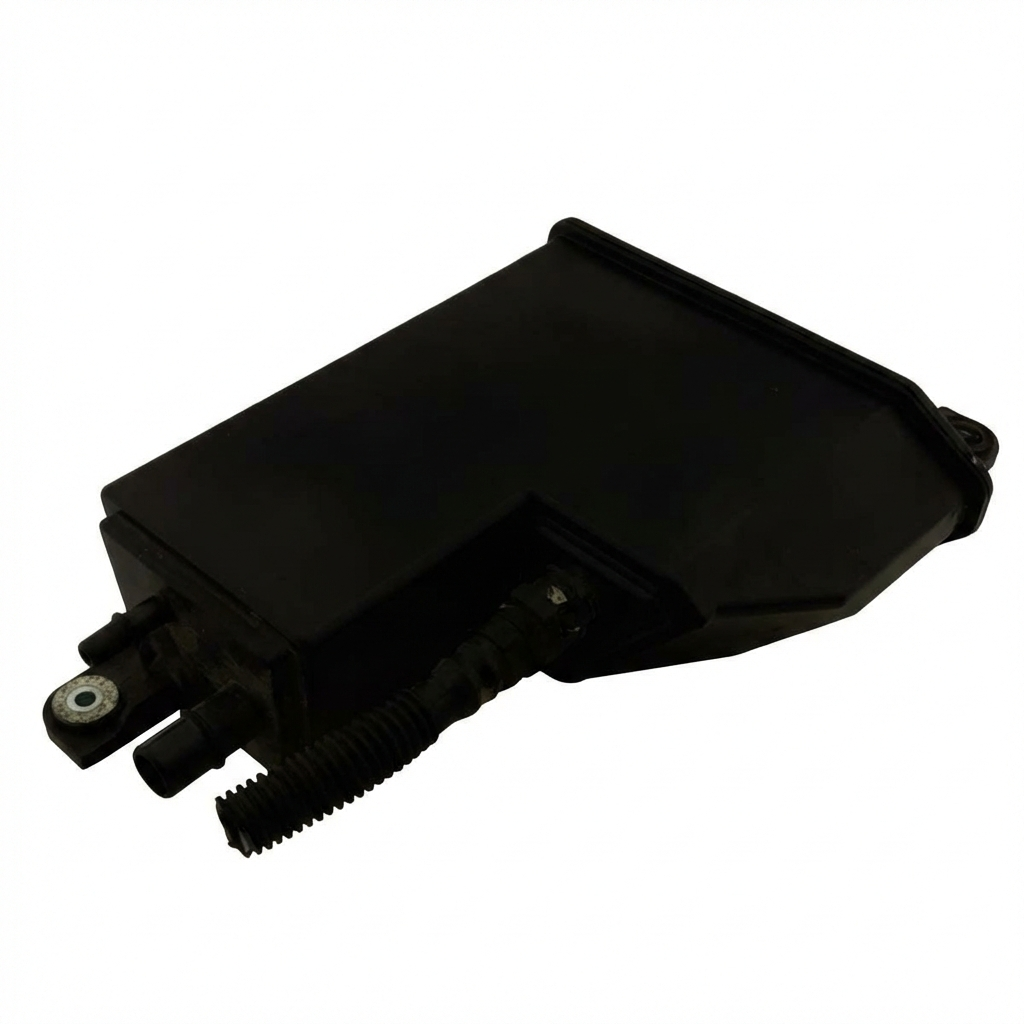
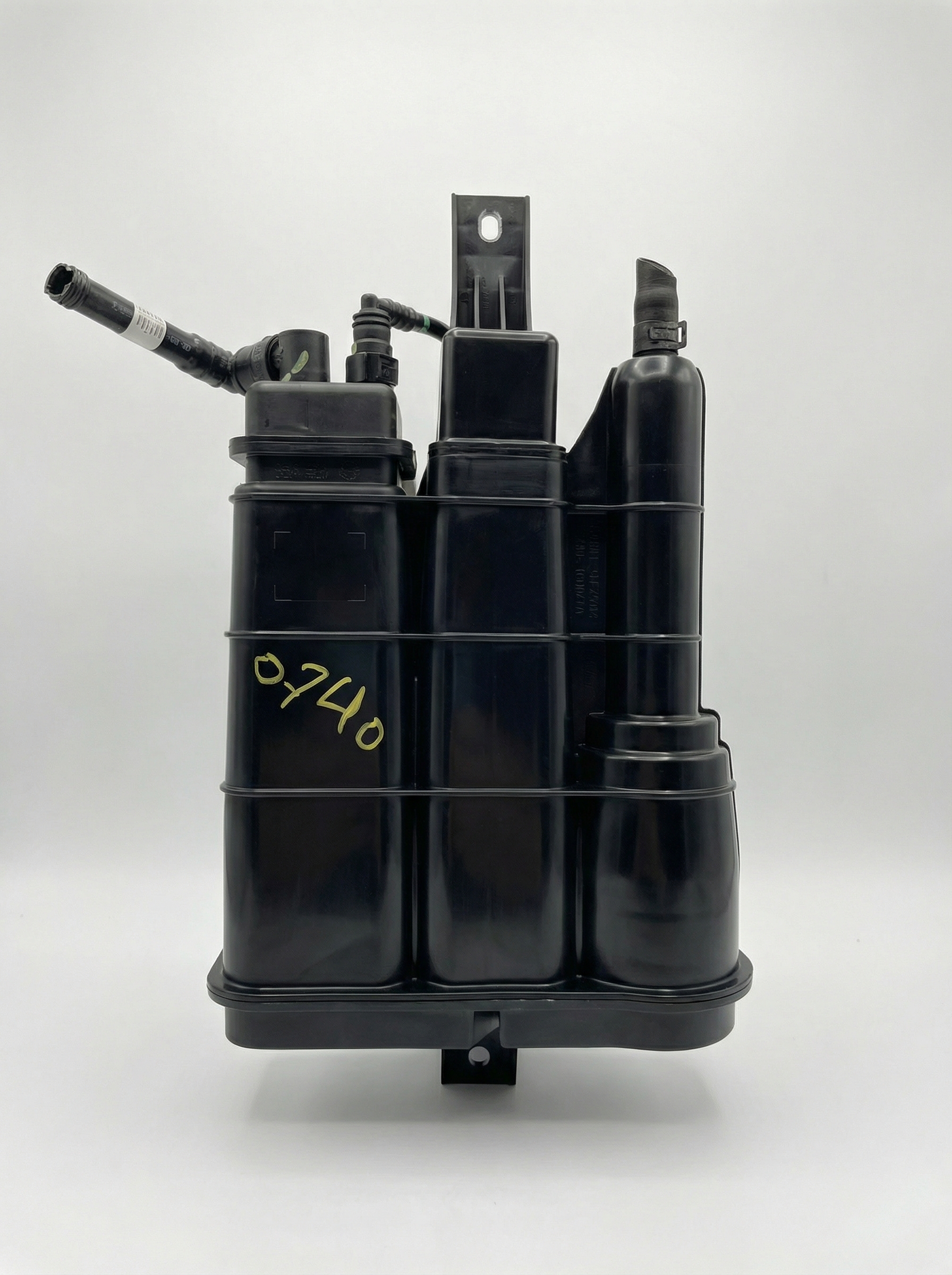
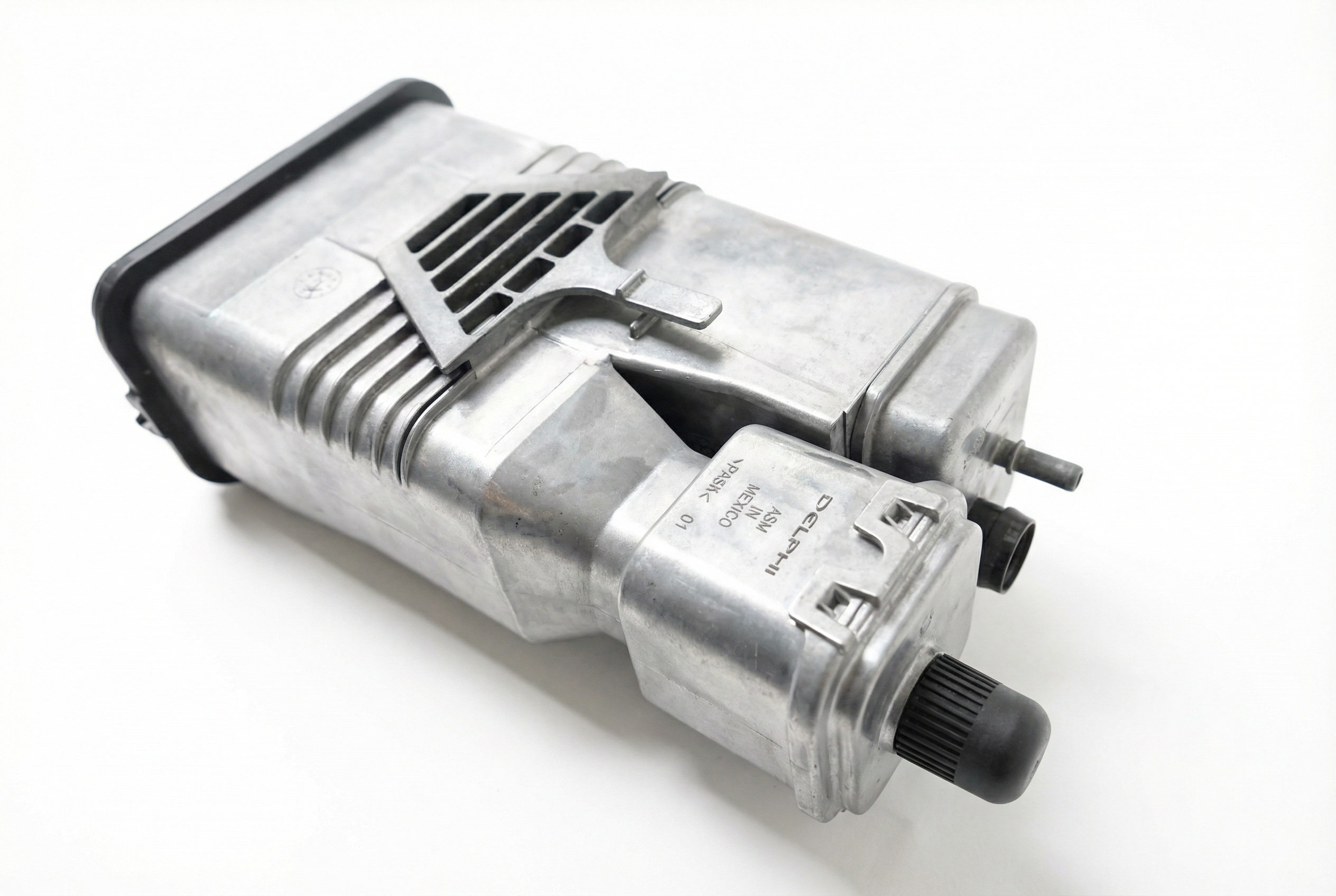
Used OEM Parts in Stock
New Aftermarket Parts Available


The information in this article is provided for general reference and educational purposes only. Vehicle specifications, procedures, and part compatibility can vary by production date, trim level, and region. Always consult your vehicle's factory service manual and verify part numbers before purchasing or performing repairs. Safety-critical components such as airbags, seat belts, and braking systems should be installed by a qualified professional.
- Hyundai Sonata:
- 🧭 Diagnostic Flowchart
- 🎬 Helpful Videos
- 🛍️ Shop This Part
- What's Unique About the 2015-2019 Hyundai Sonata
- Symptoms You May Notice
- Most Likely Causes
- Rare But Worth Checking
- Diagnosis Steps
- Parts You'll Likely Need
- Related Codes That Often Appear With This One
- Technical Service Bulletins (TSBs) & Recalls
- Platform-Specific Known Issues
- Mechanic-Grade Diagnostic Values
- Scan Tool Commands That Help
- Wiring & Ground Locations
- Real Owner Repair Stories
- OEM Part Supersession History
- Model Year Variations Within This Range
- Other Known Issues on This Vehicle
- Used vs. New Parts: Buying Guide for This Vehicle
- Real Owner Stories
- 2011 Hyundai Sonata
- 2016 Hyundai Sonata — ~80000 miles
- 2015-2019 Hyundai Sonata — ~75000 miles
- Documented NHTSA Reports
- Hyundai Tucson (Cross-Model Reference)
- Related OBD-II Codes
- Frequently Asked Questions
- 🎟️ Get 5% Off