

P0441 on 2010-2013 Kia Forte: Incorrect Purge Flow Causes and Fixes
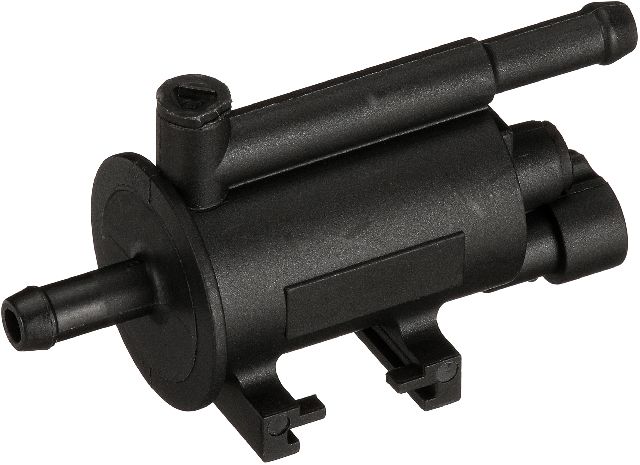
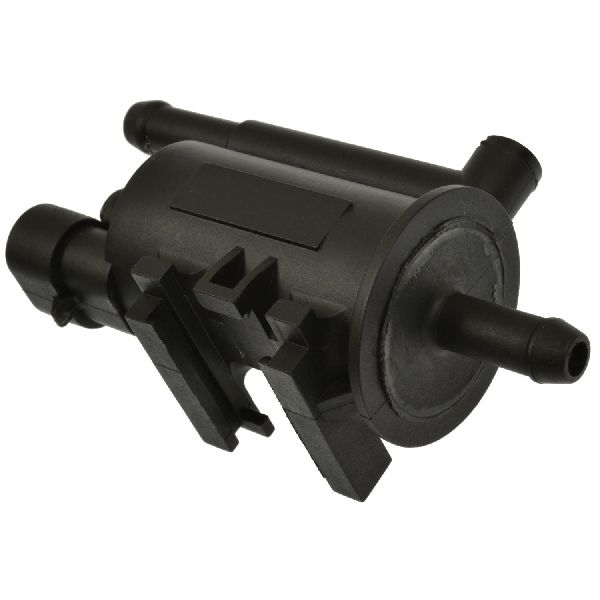
For a 2010-2013 Kia Forte, the P0441 code is most often caused by a faulty canister purge valve (also called a purge control solenoid valve) that has become stuck open or closed. This is a relatively inexpensive and accessible part to replace, typically costing between $25 and $70. A simple DIY test is to remove the valve and try to blow through it; if air passes, it has failed.
- The P0441 code on a 2010-2013 Kia Forte almost always points to a bad purge valve, part number 28910-22040.
- Before buying parts, perform a simple test: remove the purge valve and see if you can blow through it. If you can, it's faulty and needs to be replaced.
- This is a DIY-friendly repair that typically takes less than 30 minutes with basic tools like pliers and a 10mm socket.
- Always check that the gas cap is tight and its seal is intact, as this is a simple but less common cause.
- Difficulty starting after getting gas is a classic symptom of a stuck-open purge valve for this specific problem.
What's Unique About the 2010-2013 Kia Forte
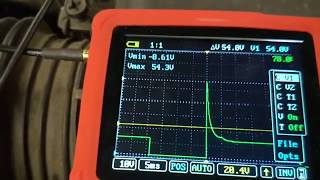
For the 2010-2013 Kia Forte (generation code 'TD'), the P0441 code is a very common issue, and the cause is overwhelmingly a failed purge control valve. Unlike some other vehicles, the issue is rarely a software glitch, and no major Technical Service Bulletins (TSBs) point to reflashing the computer as a primary fix. Owner and mechanic experiences documented in forums and repair videos consistently point directly to the mechanical failure 🎬 Watch: 2012 Forte P0441 quick tips and diagnosis of the purge valve itself, which becomes unable to seal.
Symptoms You May Notice
- Check Engine Light is on.
- Slightly rough idle or engine surging, especially at a stop.
- Difficulty starting the engine immediately after refueling (a classic sign of a purge valve stuck open, flooding the engine with vapors 🎬 See how to fix a hard start after refueling).
- A faint fuel smell (rare).
- Audible clicking from the engine bay that stops when the purge valve is disconnected (normal operation, but helps locate the part).
- Replacing the oxygen sensors. Oxygen sensors are not related to the EVAP system and will not fix a P0441 code.
- Replacing the fuel tank pressure sensor without proper diagnosis. While a faulty sensor can cause EVAP codes, it is not a common cause for P0441 specifically and will often be accompanied by other codes.
Most Likely Causes
- Faulty Canister Purge Valve (Purge Control Solenoid) 🔴 High Probability → Shop Vapor Canister This component is a very common failure point on many Kia and Hyundai models of this era. The internal seal fails, causing it to leak vacuum when it should be closed. It can also become clogged with charcoal particles from an aging canister or simply fail electrically.
How to confirm: With the engine off, remove the valve. Try to blow through it from either port. No air should pass. If you can blow through it, it is stuck open and faulty. Alternatively, with the valve removed, apply vacuum with a hand pump to the intake manifold port; the valve should hold vacuum indefinitely. If it doesn't, it's bad.
Typical fix: Replace the canister purge valve. It is located on the intake manifold in the engine bay, has two hoses and one electrical connector.
Est. part cost: $25-$70 - Cracked or Disconnected EVAP Hoses 🟡 Medium Probability The vacuum hoses in the engine bay become brittle over time due to heat cycles and age, leading to cracks or loose connections, especially at the fittings on the purge valve itself.
How to confirm: Visually inspect all vacuum lines connected to the purge valve and running towards the charcoal canister at the rear of the vehicle. Check for obvious cracks, breaks, or disconnections. A smoke test is the most effective way to find small, hard-to-see leaks.
Typical fix: Replace the damaged section of hose or re-secure the connection.
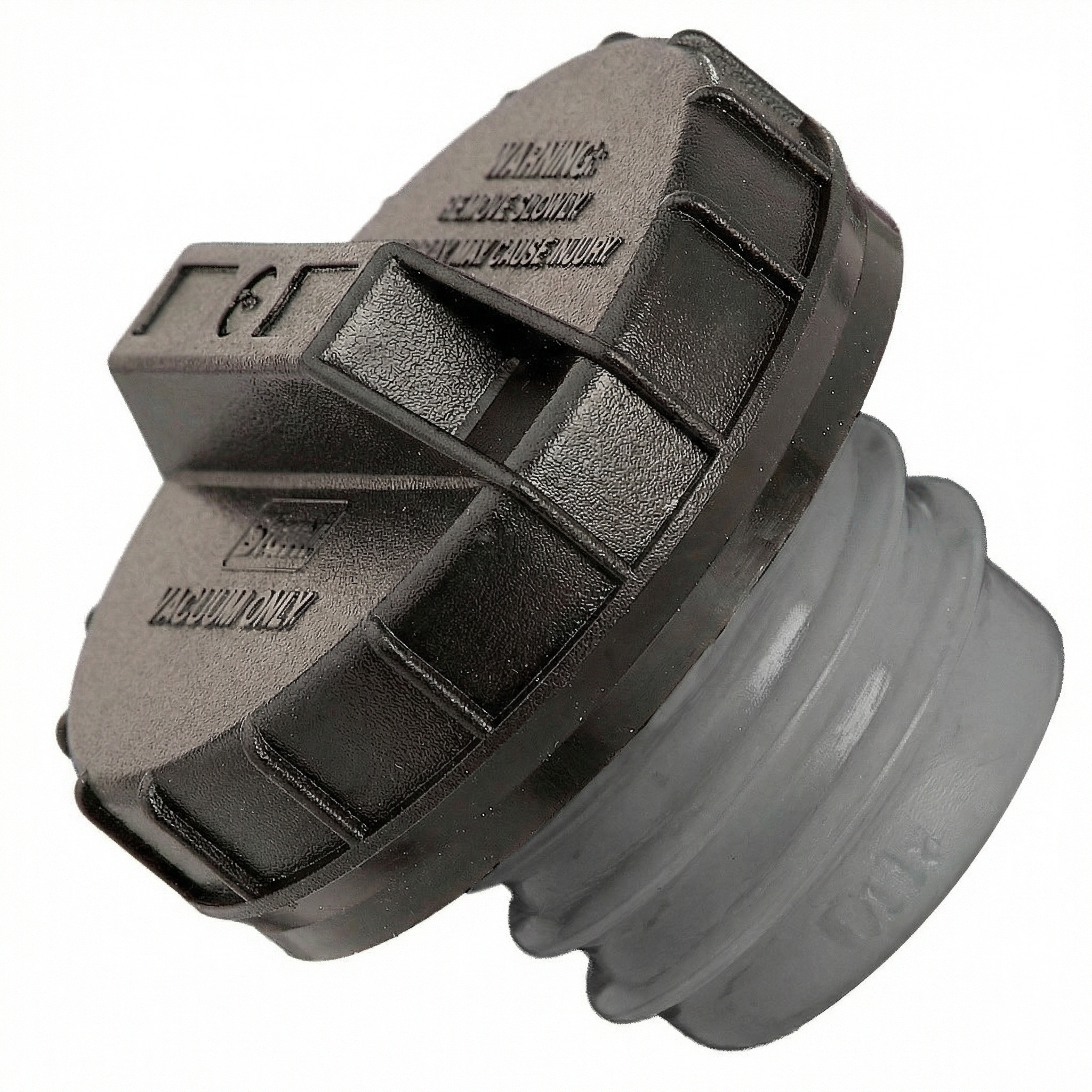
Est. part cost: $5-$20 - Loose or Faulty Gas Cap ⚪ Low Probability → Shop Fuel Tank Cap While a loose gas cap more commonly causes a P0455 (large leak) or P0457 code, it can sometimes contribute to incorrect system pressures that trigger a P0441. It's the first and easiest thing to check.
How to confirm: Ensure the gas cap is tightened until it clicks multiple times. Inspect the rubber O-ring seal on the cap for cracks, stiffness, or damage. If the seal is compromised, the cap cannot hold pressure.
Typical fix: Tighten or replace the gas cap. It is highly recommended to use an OEM part, as aftermarket caps can cause sealing issues.
Est. part cost: $15-$35
Rare But Worth Checking
- Clogged or Failing Charcoal Canister: → Shop Vapor Canister If the canister starts to break down internally, charcoal pellets can travel up the purge line, clogging the purge valve and lines. If you replace a purge valve and find black granules inside, the canister is the root cause and will also need replacement to prevent repeat failure. A canister can also become saturated with fuel from repeatedly overfilling the gas tank, which can also trigger a P0441.
- Faulty Canister Close Valve (Vent Valve): → Shop Vapor Canister This valve, located near the charcoal canister by the fuel tank, is normally open to allow air into the system. If it gets stuck closed, it can prevent the system from drawing in fresh air during the purge cycle, leading to an incorrect flow reading. This may also be accompanied by a P0449 code.
- Blown Fuse: The purge valve solenoid is an electrical component powered by a fuse. If you test the valve and find you are not getting any voltage at the connector with the engine running, check the fuse box (often labeled 'SENSORS 2' or similar) before replacing the valve.
Diagnosis Steps
- Verify the Check Engine Light is on and code P0441 is present using an OBD-II scanner.
- Check the gas cap. Ensure it is tight and the seal is in good condition.
- Visually inspect the engine bay for any obvious cracked, broken, or disconnected vacuum hoses around the purge valve and intake manifold.
- Locate the purge valve on the intake manifold. It will have two hoses and an electrical connector.
- Test the purge valve. Disconnect the valve. With the engine off, try to blow through the valve. It should be closed, and no air should pass. If air passes, the valve is stuck open 🎬 Watch: 4 DIY methods to fix the P0441 code and must be replaced. This is the most common failure.
- If the valve is not stuck open, check for power at the electrical connector with the engine running using a multimeter or test light. You should see voltage close to battery voltage.
- If the valve and its circuit seem okay, check for blockages in the purge lines between the valve and the charcoal canister. Black, sand-like particles indicate a failed charcoal canister.
- If no issues are found, a smoke test of the entire EVAP system is the best professional method to identify hairline cracks or other hidden leaks.
Parts You'll Likely Need
- Canister Purge Valve / Purge Control Solenoid Valve
(OEM #28910-22040)— This is the most frequent point of failure for the P0441 code on this vehicle. It gets stuck open or closed, directly causing the 'incorrect purge flow'. Note: Part number 28910-26900 is for later models and is not the correct part for this generation Forte. Part number 28910-22040 is widely cross-referenced for many 1995-2010 Hyundai and Kia vehicles.
Trusted brands: Kia (Genuine OEM), Hyundai (Genuine OEM), Dorman, Standard Motor Products
OEM price range: $50-$70
Aftermarket price range: $25-$45
Related Codes That Often Appear With This One
- P0440 — General EVAP System Malfunction. This can appear alongside P0441 as a broader indicator of a problem within the system.
- P0442 — EVAP System Small Leak Detected. A small leak in a hose could potentially manifest as both a leak code and an incorrect flow code.
- P0456 — EVAP System Very Small Leak Detected. Similar to P0442, a very small leak can sometimes be interpreted by the ECU as an incorrect flow condition.
Platform-Specific Known Issues
- Difficult Removal: The purge valve is mounted on a bracket that can be slightly difficult to access. Some owners find it easier to remove the engine cover and a nearby air intake hose to get better leverage on the hose clamps and mounting bolt.
Technical Service Bulletins (TSBs) & Recalls
- TSB Bulletin #TSB-ENG164: While primarily issued for the Rio and Soul, this bulletin notes that a manufacturer service action was established for an ECU upgrade to provide "DTC P0441 logic improvement."
- TSB Bulletin #TSB-ENG164R1: This revised bulletin describes a service action for an ECU software upgrade specifically to address P0441 logic on related Kia platforms.
- TSB Bulletin #TSBENG164_R2: A further revision of the manufacturer's guidance regarding the ECU upgrade and P0441 logic improvements for the engine control unit.
Mechanic-Grade Diagnostic Values
- Canister Purge Solenoid Valve (PCSV) Coil Resistance — expected: 26.2 to 36 Ohms. Failure: A reading of infinity (open circuit), zero (short circuit), or significantly outside the expected range indicates a faulty coil.
- PCSV Connector Voltage (Key On, Engine Running) — expected: Close to battery voltage (approx. 12V) at the power supply pin.. Failure: No voltage could indicate a blown fuse or wiring issue.
- Fuel Tank Pressure Sensor (FTPS) Voltage (KOEO, Gas Cap Off) — expected: Approximately 1.5V (Normal range 1.3V - 1.7V). Failure: A reading far outside this range may indicate a faulty FTPS, though this is not a primary cause for P0441.
Scan Tool Commands That Help
- Professional Scan Tool (e.g., Kia GDS, Snap-on, Autel): Purge Valve Actuation Test / Bidirectional Control — This command forces the purge valve to open and close, allowing a technician to audibly confirm its operation (clicking sound) or check for flow changes with a vacuum gauge. It's used to verify if the valve is responding to the ECM's commands, separating a mechanical failure (stuck valve) from an electrical one (bad wiring/no command).
Wiring & Ground Locations
- Purge Valve Connector — On the purge valve itself, located on the intake manifold in the engine bay.. This 2-wire connector provides power and ground control to the solenoid. A corroded or loose connection will prevent the valve from operating, mimicking a failed valve and causing a P0441. The pigtail uses 18 AWG wire.
- Fuse 'SENSORS 2' — In the under-hood fuse box.. This fuse often supplies power to the purge control solenoid valve. If the fuse is blown, the valve will have no power and cannot operate, leading to an incorrect purge flow condition.
Real Owner Repair Stories
- YouTube: '2012 Kia Forte 2.0L P0441 code quick tips and diagnosis' (2012 Kia Forte 2.0L) — Check Engine Light with code P0441.
❌ Tried (didn't work) The owner brought the replacement part assuming it was the cause, but the mechanic performed diagnosis first to confirm.
✅ What actually fixed it The mechanic confirmed the original purge valve was faulty. Using a hand vacuum pump, he showed it was unable to hold any vacuum, indicating it was stuck open internally. He tested the new valve, which held vacuum correctly. Replacing the purge valve solved the issue. - YouTube: 'How to test the Kia Forte purge valve (error code P0441) on a 2010 to 2013 model' (2010-2013 Kia Forte) — Check Engine Light with P0441, difficulty starting after refueling, and a feeling that the car might stall shortly after starting.
✅ What actually fixed it The final fix was replacing the canister purge valve. The mechanic demonstrated the old valve was faulty by blowing through it with the power disconnected; air passed through easily, proving it was stuck open. A new valve did not allow air to pass.
OEM Part Supersession History
28910-22040→N/A— This is the long-standing part number for many 2.0L Hyundai/Kia engines of this era.
Heads up: This part is generally for the 2.0L engine. The 2.4L engine in the Forte may use part number 28910-25100. Verify by engine size before ordering.Dorman 911-800→N/A— This is a common and widely available aftermarket cross-reference for OEM part 28910-22040.
Model Year Variations Within This Range
- 2010-2013: The OEM purge valve part number may differ based on the engine. While 28910-22040 is common for the 2.0L engine, some parts catalogs specify 28910-25100 for the 2.4L engine option available in the Forte.
Diagnostic Flowchart
Other Known Issues on This Vehicle
Issues unrelated to this code that are worth knowing about as an owner of this generation:
- Theta II Engine Failure/Excessive Oil Consumption 🔴 High — Widespread across multiple Kia/Hyundai models with the 2.0L and 2.4L Theta II GDI engines. Failures can occur at various mileages, often preceded by knocking noises or high oil consumption. (Ref: Multiple recalls (e.g., NHTSA SC147) and a class-action lawsuit settlement exist. Kia extended the engine warranty for affected vehicles and developed a Knock Sensor Detection System (KSDS) software update to detect early signs of failure.)
- Steering Coupler Failure 🟠 Medium — Very common. Owners typically notice a distinct clicking or knocking sound from the steering column when turning the wheel, especially when stationary or at low speeds. (Ref: Kia issued TSB CHA074R2, which details the procedure for replacing the flexible rubber coupler in the Motor Driven Power Steering (MDPS) assembly. The part itself is inexpensive, but labor can be significant.)
- Brake Light Switch Failure 🟡 Low — Common enough to warrant a recall. Can cause brake lights to not illuminate or stay on, and may prevent shifting out of Park. (Ref: Recall RC086 was issued for the 2010 model year to replace the faulty brake lamp switch.)
- Airbag Control Unit (ACU) Short Circuit 🔴 High — Affects a wide range of 2010-2013 models. In a crash, the ACU may short circuit, preventing frontal airbags and seatbelt pretensioners from deploying. (Ref: Kia recall SC165 was issued to address this potential failure.)
- Hydraulic Electronic Control Unit (HECU) Fire Risk 🔴 High — Affects a broad range of Kia models, including the 2010-2013 Forte. An electrical short in the HECU can cause an engine compartment fire while parked or driving. (Ref: A major recall was issued (NHTSA 23V-054) advising owners to park outside and away from structures until the repair is completed.)
Used vs. New Parts: Buying Guide for This Vehicle
When a used part is the smart pick: For this specific repair, buying a used purge valve is not recommended. The part has a high failure rate and is a low-cost electronic component. The risk of getting a part that has already failed or is near the end of its service life is high. New aftermarket parts are inexpensive and readily available.
What to inspect on the donor part:
- Not applicable as used purchase is not advised.
OEM-only on this vehicle (don't cheap out):
- Gas Cap - While the purge valve can be aftermarket, it is strongly recommended to use a genuine OEM Kia gas cap if it needs replacement. Aftermarket caps are notorious for improper sealing, which can cause EVAP codes to persist or return.
Aftermarket brands forum-validated for this vehicle:
- Dorman (specifically part 911-800)
- Standard Motor Products
- Bosch
Real Owner Stories
Aggregated from forums and TSBs cited above. Mileages and costs reflect what owners reported in those sources.
2012 Kia Forte 2.0L
Symptoms: Check engine light on with code P0441; valve was tested and found not to hold vacuum.
What fixed it: Replacement of the purge valve after confirming it failed a vacuum test.
Source hint: YouTube: 2012 Kia Forte 2.0L P0441 code quick tips and diagnosis
2010-2013 Kia Forte
Symptoms: P0441 code present; found the purge valve was not holding vacuum during a basic diagnostic check.
What fixed it: Replaced the purge valve with a new part provided by the customer.
Source hint: youtube_comment: J Wilkers
2014 Hyundai Elantra (Platform Mate)
Symptoms: Check engine light P0441; confirmed the issue was with the purge valve in the engine bay rather than rear EVAP components.
What fixed it: Purge valve replacement.
Source hint: Reddit r/MechanicAdvice: 2014 Hyundai Elantra p0441 check engine light
Related OBD-II Codes
Frequently Asked Questions
Is there a recall for the 2010 Kia Forte brake light switch?
I have a 2012 Kia Forte with a P0441 code; how can I tell if the purge valve is the problem?
My Forte is hard to start only after I fill up at the gas station. Is this related to P0441?
Does the 2010-2013 Kia Forte have any fire-related recalls I should know about?
Is the purge valve on the 2010-2013 Forte easy to replace myself?
Should I use an aftermarket gas cap if mine is leaking?
What is the KSDS update for the Kia Forte?
Helpful Videos
![How to Fix P0441 Engine Code in 6 Minutes [4 DIY Methods / Only $3.50]](https://img.youtube.com/vi/NJYZiDhYhP8/mqdefault.jpg)
Used OEM Parts in Stock
New Aftermarket Parts Available


The information in this article is provided for general reference and educational purposes only. Vehicle specifications, procedures, and part compatibility can vary by production date, trim level, and region. Always consult your vehicle's factory service manual and verify part numbers before purchasing or performing repairs. Safety-critical components such as airbags, seat belts, and braking systems should be installed by a qualified professional.
- Kia Forte:
- 🧭 Diagnostic Flowchart
- 🎬 Helpful Videos
- 🛍️ Shop This Part
- What's Unique About the 2010-2013 Kia Forte
- Symptoms You May Notice
- Most Likely Causes
- Rare But Worth Checking
- Diagnosis Steps
- Parts You'll Likely Need
- Related Codes That Often Appear With This One
- Platform-Specific Known Issues
- Technical Service Bulletins (TSBs) & Recalls
- Mechanic-Grade Diagnostic Values
- Scan Tool Commands That Help
- Wiring & Ground Locations
- Real Owner Repair Stories
- OEM Part Supersession History
- Model Year Variations Within This Range
- Other Known Issues on This Vehicle
- Used vs. New Parts: Buying Guide for This Vehicle
- Real Owner Stories
- 2012 Kia Forte 2.0L
- 2010-2013 Kia Forte
- 2014 Hyundai Elantra (Platform Mate)
- Related OBD-II Codes
- Frequently Asked Questions
- 🎟️ Get 5% Off