

P0441 on 2014-2018 Kia Forte: EVAP Incorrect Purge Flow Causes and Fixes
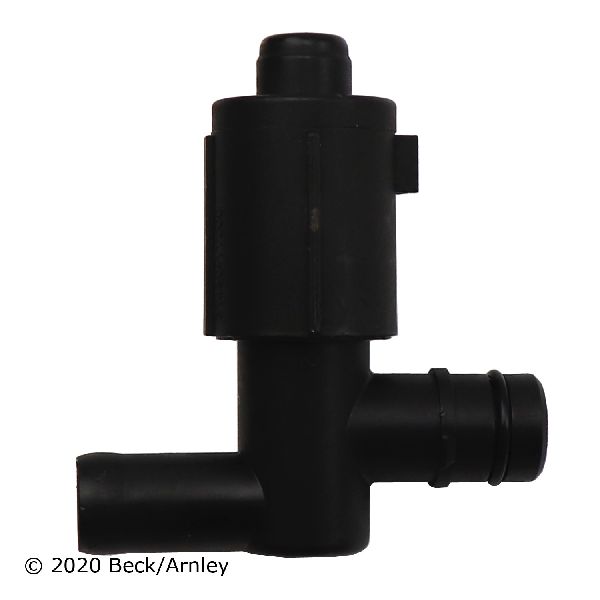
For a 2014-2018 Kia Forte, the P0441 code is most often caused by a faulty canister purge valve located in the engine bay. This is a relatively inexpensive part (around $25-$75) and is a common, simple DIY repair that often takes less than 30 minutes. A classic symptom is difficulty starting the car right after refueling.
- P0441 on a 2014-2018 Forte almost always points to a bad canister purge valve.
- Before buying parts, perform a simple test on the purge valve: disconnect it and see if you can blow air through it. If you can, it's bad.
- This is a DIY-friendly repair that typically requires only basic hand tools and can be completed in under 30 minutes due to the part's easy accessibility.
- A key symptom confirming a stuck-open purge valve is difficulty starting the engine right after you get gas.
- While a loose gas cap can cause EVAP codes, it's highly unlikely to be the root cause of P0441 specifically, which relates to flow rather than a detected leak.
- You can continue driving the car with this code, but you will not pass an emissions inspection.
What's Unique About the 2014-2018 Kia Forte
For this generation of Kia Forte (and its platform-mate, the Hyundai Elantra), the P0441 code is a very common and straightforward issue. Unlike some other Kia models where ECU software updates were a primary cause for this code, the Forte from 2014-2018 most frequently suffers from a simple mechanical failure of the purge valve. This makes diagnosis relatively direct, with the purge valve being the first and most probable component to inspect and test. Its location on top of the engine makes it exceptionally easy to access and replace.
Symptoms You May Notice
- Check Engine Light is on.
- Difficulty starting the car immediately after refueling (if the purge valve is stuck open).
- Slightly rough idle in some cases.
- Possible faint fuel odor.
- Slightly reduced fuel economy (uncommon).
- Replacing the oxygen sensors. O2 sensors are not related to the EVAP system.
- Replacing the charcoal canister when the purge valve is the actual problem. The canister is more expensive and harder to replace, so the purge valve should always be tested first.
- Replacing the gas cap. While a simple check, it is rarely the cause of a P0441 flow code specifically.
Most Likely Causes
- Faulty Canister Purge Valve (Purge Solenoid) 🔴 High Probability → Shop Vapor Canister This is the most common hardware failure for this code across most Hyundai/Kia platforms of this era. The valve is a small solenoid that cycles constantly and can get stuck open or closed due to age, wear, or carbon buildup.
How to confirm: With the engine off, disconnect the valve. Try to blow through it. It should be closed and not allow air to pass. If you can blow through it, it's stuck open and is faulty. Alternatively, use a hand vacuum pump on the intake manifold side; it should hold a vacuum. You can also test it electronically by applying 12v power to its pins; it should click open.
Typical fix: Replace the canister purge valve. It is located on top of the intake manifold in the engine bay, making for a very easy replacement.
Est. part cost: $25-$75 - Cracked or Disconnected EVAP Hoses 🟡 Medium Probability The rubber and plastic hoses in the engine bay can become brittle and crack over time due to heat cycles, particularly at connection points to the purge valve and intake manifold.
How to confirm: Visually inspect all vacuum and EVAP lines connected to the purge valve and intake manifold for cracks, loose fittings, or disconnections. A smoke test is the definitive way to find hard-to-see leaks.
Typical fix: Replace the damaged hose section or re-secure the connection.
Est. part cost: $5-$20 - Loose or Faulty Gas Cap ⚪ Low Probability → Shop Fuel Tank Cap While more commonly associated with small leak codes (like P0456), a very poor seal can sometimes contribute to incorrect flow readings. However, for P0441, this is an unlikely root cause.
How to confirm: Ensure the gas cap clicks several times when tightened. Inspect the cap's seal for cracks or damage. Many auto parts stores can test your cap for free.
Typical fix: Tighten the gas cap correctly. If the seal is damaged, replace the cap with a new OEM part, as aftermarket caps can sometimes cause issues.
Est. part cost: $15-$30
Rare But Worth Checking
- Faulty Canister Close Valve (Vent Valve): → Shop Vapor Canister This valve is located near the charcoal canister by the fuel tank. It's less likely to cause P0441 than the purge valve, but if it gets stuck, it can disrupt the system's ability to flow vapor correctly during the purge cycle.
- Clogged or Saturated Charcoal Canister: → Shop Vapor Canister This can happen from consistently overfilling the fuel tank ("topping off"). Liquid fuel enters the canister, saturating the charcoal and preventing it from storing or releasing vapors properly, which can cause blockages or incorrect flow.
- Blown Fuse: The purge valve is an electronic solenoid that requires power. Check the fuse box (often labeled 'Sensors 2' or similar) to ensure the fuse for the EVAP system components is intact.
- Faulty Fuel Tank Pressure Sensor: → Shop Fuel Tank The ECU relies on this sensor to verify that the EVAP system is functioning. If the sensor provides incorrect readings, the computer may falsely believe there is a flow problem. This is a rare cause.
Diagnosis Steps
- Retrieve the P0441 code using an OBD-II scanner.
- Check the gas cap. Ensure it is tight and the seal is in good condition.
- Locate the canister purge valve on top of the intake manifold. It will have two hoses and an electrical connector.
- Visually inspect the engine bay for any obvious cracks or disconnections in the EVAP hoses running to and from the purge valve.
- Test the purge valve. Disconnect it and attempt to blow through it. It should be closed when no power is applied. If air passes through, the valve is stuck open and needs to be replaced.
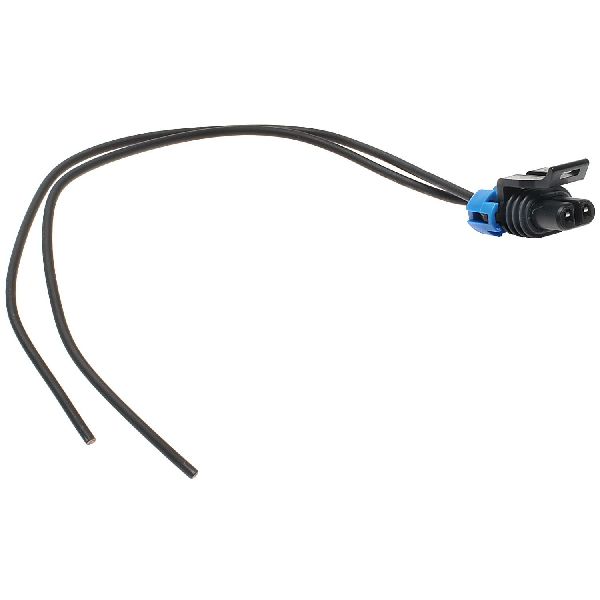
- If the valve holds, check for power and ground at its electrical connector with the engine running to ensure the circuit is functioning. The fuse for 'Sensors 2' may be related.
- If the purge valve and its circuit are good, the next step is to inspect the lines running back to the charcoal canister for blockages or saturation from over-filling the fuel tank.
- If no issues are found, a professional smoke test may be necessary to identify any hairline cracks or leaks in the EVAP system hoses or components.
Parts You'll Likely Need
- Canister Purge Valve / Solenoid
(OEM #28910-2E800 (Verify with VIN))— This is the most frequent failure point for the P0441 code on this vehicle. It's a moving part that can get stuck or fail electronically over time. The original part number 28910-2E000 may be superseded.
Trusted brands: Kia / Hyundai (OEM), Bosch, Standard Motor Products (SMP), Gates
OEM price range: $50-$90
Aftermarket price range: $25-$60
Technical Service Bulletins (TSBs) & Recalls
- While Kia issued TSBs like ENG164R1 for P0441 on other models like the Rio and Soul for an ECU software update, no such widespread TSB has been found for the 2014-2018 Forte, where the issue is consistently a hardware failure (the purge valve).
- Manufacturer Bulletin #TSB-ENG164R1 notes that for certain other Kia models, a service action was required for an ECU upgrade to address P0441 logic improvement.
- Similarly, Bulletin #TSB-ENG164 and the revised Bulletin #TSBENG164_R2 describe a logic improvement for the Engine Control Unit (ECU) regarding the P0441 code on related platforms.
Platform-Specific Known Issues
- Extremely Easy Purge Valve Access: → Shop Vapor Canister On the 1.8L and 2.0L Nu engines used in the 2014-2018 Forte, the purge valve is located directly on top of the engine's intake manifold, held by a simple bracket. It is not obscured by covers and can typically be replaced in under 15 minutes with only a pair of pliers for the hose clamps.
Mechanic-Grade Diagnostic Values
- Canister Purge Solenoid Valve (PCSV) Coil Resistance — expected: 15 to 30 Ohms. Failure: A reading significantly outside this range indicates a damaged internal circuit in the valve.
- Voltage at Purge Valve Connector (Power Supply Pin) — expected: Battery voltage with key on. Failure: No voltage suggests a blown fuse (e.g., 'Sensors 2') or a wiring issue.
- Vacuum at Purge Valve (Engine Side) with Engine Running, Connector Unplugged — expected: 0 inHg (no vacuum). Failure: Any vacuum reading indicates the valve is mechanically stuck open and is defective.
Scan Tool Commands That Help
- Advanced OBD-II Scanner / Kia GDS: EVAP System Test (Forced Purge) — This bidirectional control allows a technician to manually command the purge valve to open. While monitoring fuel tank pressure (FTP) sensor data, this test confirms if the valve is opening and if the system can draw a vacuum, verifying flow.
- Advanced OBD-II Scanner / Kia GDS: Live Data - Purge Valve Duty Cycle — Monitoring the purge valve command percentage (%) while driving confirms that the ECU is attempting to control the valve. If the percentage changes but the flow doesn't (per the FTP sensor), it points to a mechanical issue with the valve or a blockage.
Wiring & Ground Locations
- PCSV Control Pin — On the Engine Control Module (ECM) connector, this is Pin 71 (Yellow wire) for the 2.0L Nu MPI Atkinson engine.. This is the specific pin where the ECM sends the control signal to the Purge Control Solenoid Valve (PCSV). A technician can back-probe this pin to verify the ECM is sending a signal, helping to differentiate between a wiring fault, a bad ECM, or a failed valve.
- Engine Ground Strap — A primary engine ground strap connects from the timing chain cover area to the vehicle body/frame on the left (driver's) side of the engine bay.. A poor or corroded main engine ground can cause erratic behavior in various sensors and solenoids, including the purge valve. Ensuring this connection is clean and tight is a crucial step in diagnosing any electronic fault.
Real Owner Repair Stories
- Reddit user on r/kia (2016 Kia Rio (similar platform/components)) — Check Engine Light with P0441 code.
❌ Tried (didn't work) Initially suspected the purge valve canister based on the code definition.
✅ What actually fixed it Replacing the gas cap with a new one solved the problem. The seal on the old cap had lost its flexibility, likely due to the harsh Canadian climate. The light did not return after 600km of driving.
OEM Part Supersession History
28910-2E000→28910-2E800— Standard part update and consolidation for multiple Hyundai/Kia models.
Heads up: Part number 28910-2E000 is listed as compatible for the 2014-2018 Forte and many other models like the Elantra and Soul from the same era. While 28910-2E800 is the newer revision, the older number is often still sold and is compatible. Always verify with VIN, but cross-compatibility is generally high for this part.
Model Year Variations Within This Range
- 2014-2016 vs 2017-2018: The 2017 model year marked a mid-cycle refresh for the Forte, which included cosmetic updates and minor engine tweaks for the 2.0L engine (power changed from 173 hp to 147 hp as it moved to an Atkinson cycle for efficiency). However, the EVAP system components, including the location and failure pattern of the purge valve for P0441, remained consistent across the entire 2014-2018 generation.
Diagnostic Flowchart
Other Known Issues on This Vehicle
Issues unrelated to this code that are worth knowing about as an owner of this generation:
- Nu Engine Piston Slap / Oil Consumption 🔴 High — Widespread on 1.8L and 2.0L Nu engines, often appearing after 60,000 miles. Not as severe as the Theta II engine failures but still a significant issue. (Ref: Subject of class-action lawsuits, but no universal recall. Kia has addressed some cases under warranty or goodwill.)
- Worn MDPS Steering Coupler 🟠 Medium — Extremely common. Causes a clicking or knocking sound in the steering column when turning the wheel, especially at low speeds or when stopped. (Ref: TSB CHA074 provides a repair procedure. Not a recall, so repairs are typically owner-funded if out of warranty. The part is inexpensive but labor can be significant.)
- Engine Fire Risk 🔴 High — Less frequent than engine wear, but critical. Several recalls were issued for various fire risks. (Ref: Recall SC200 (Knock Sensor Detection System update) and others related to potential engine compartment fires.)
- Cooling Fan Resistor Failure 🟠 Medium — Common enough to warrant a recall on 2014 models. (Ref: Recall SC113 (NHTSA 14V-773) was issued for the cooling fan resistor overheating, which could lead to a fire risk.)
- Deteriorating Brake Pedal Stopper Pad 🟡 Low — Common across many Kia/Hyundai models of the era. (Ref: Recall SC158 (NHTSA 17V-773) was issued because the pad could crumble, leaving brake lights on or allowing the car to be shifted out of park without braking.)
Used vs. New Parts: Buying Guide for This Vehicle
When a used part is the smart pick: A used canister purge valve from a junkyard is a reasonable choice for this repair. It is an external, easily accessible electronic part, not a core mechanical component. Given its high failure rate, even a used part is likely to have been replaced at some point or can be tested on the spot.
Donor-vehicle mileage cap: roughly under 80000 miles for the part to have meaningful remaining life.
What to inspect on the donor part:
- Ask for the donor vehicle's mileage if possible; lower is better.
- Visually inspect the plastic housing for cracks or heat damage.
- Check that the electrical connector pins are clean and free of corrosion.
- If possible, bring a 12V power source to test it. It should make an audible 'click' when power is applied.
- Attempt to blow through the valve; it should be sealed shut with no power applied. If air passes through, it is faulty.
OEM-only on this vehicle (don't cheap out):
- Gas Cap - While a cheap part, many Kia/Hyundai owners report that aftermarket gas caps do not seal as well as the OEM version and can cause EVAP codes to persist or return.
Aftermarket brands forum-validated for this vehicle:
- Standard Motor Products (SMP)
- Gates
- Bosch
Brands owners have reported issues with on this vehicle:
- No-name, unbranded parts from online marketplaces should be avoided, as their internal solenoid quality and durability can be questionable.
Real Owner Stories
Aggregated from forums and TSBs cited above. Mileages and costs reflect what owners reported in those sources.
2014 Kia Forte 5
Symptoms: Intermittent P0441 code where the CEL turns on and off; engine turns but is challenging to catch specifically after filling the tank to full; slightly rough idle.
What fixed it: The purge valve solenoid was replaced (noted as being changed twice in the report).
Source hint: Reddit r/MechanicAdvice
2014-2018 Kia Forte
Symptoms: P0441 code triggered; users often post pictures of a 5-minute repair process due to easy access on the intake manifold.
What fixed it: Replacement of the canister purge valve.
Source hint: forteforums.com / kia-forums.com
2014 Hyundai Elantra (Platform Mate)
Symptoms: P0441 incorrect flow code; mechanics confirm the purge valve in the engine bay is the primary culprit for this specific code on this platform.
What fixed it: Purge valve replacement.
Source hint: Reddit r/MechanicAdvice
Related OBD-II Codes
Frequently Asked Questions
Does TSB ENG164R1 for the P0441 code apply to my 2014-2018 Kia Forte?
Where is the purge valve located on the 2014-2018 Forte with the 1.8L or 2.0L Nu engine?
Why does my Forte have trouble starting only after I fill up at the gas station?
Can I use an aftermarket gas cap to fix a P0441 on my Forte?
Is there a specific fuse I should check for the purge valve circuit?
Are there any other major engine issues I should be aware of on the 2014-2018 Forte Nu engine?
Helpful Videos

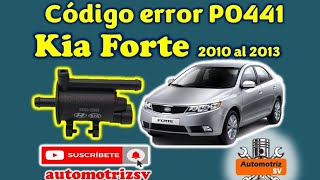
![How to Fix P0441 Engine Code in 6 Minutes [4 DIY Methods / Only $3.50]](https://img.youtube.com/vi/NJYZiDhYhP8/mqdefault.jpg)
Used OEM Parts in Stock
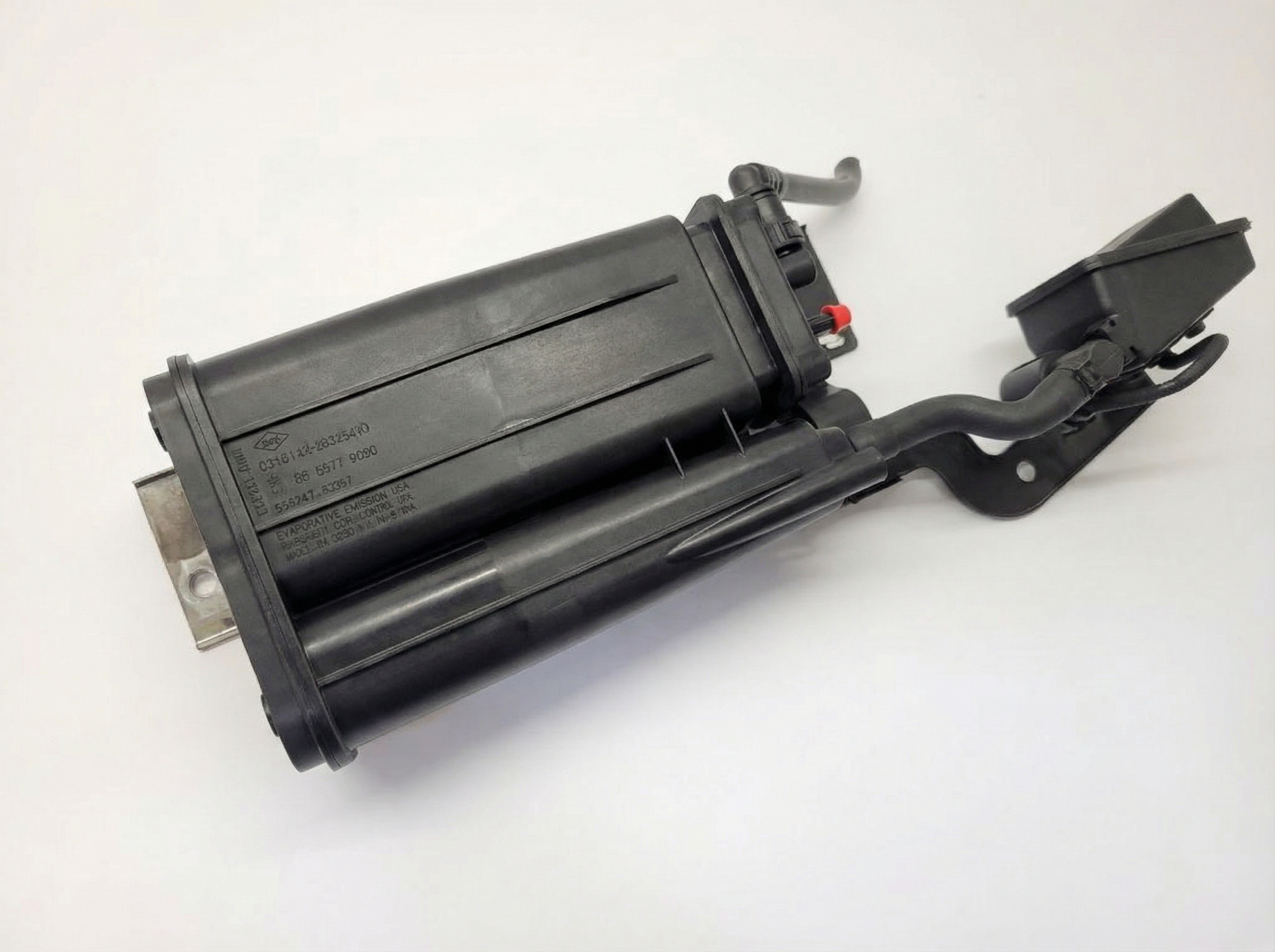
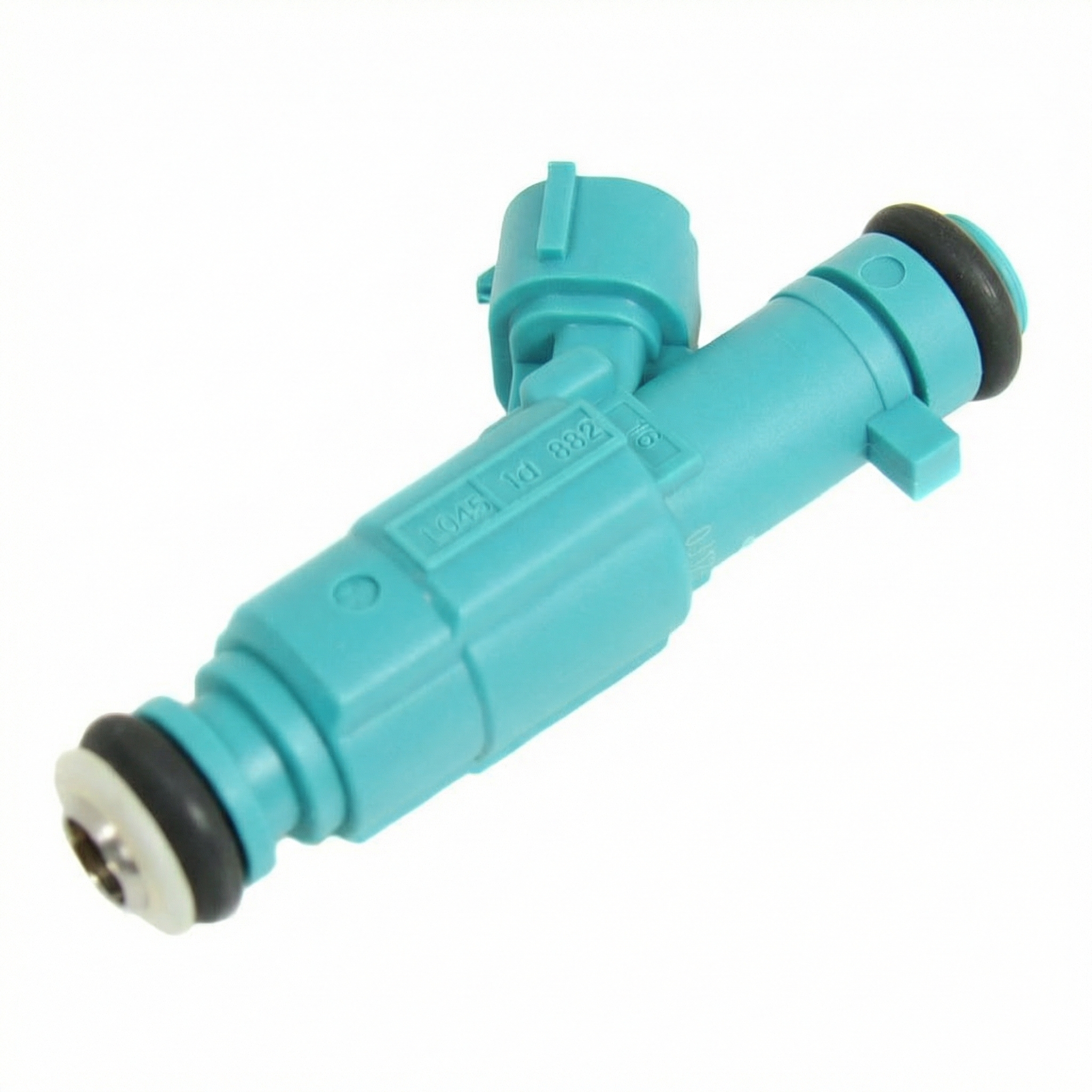
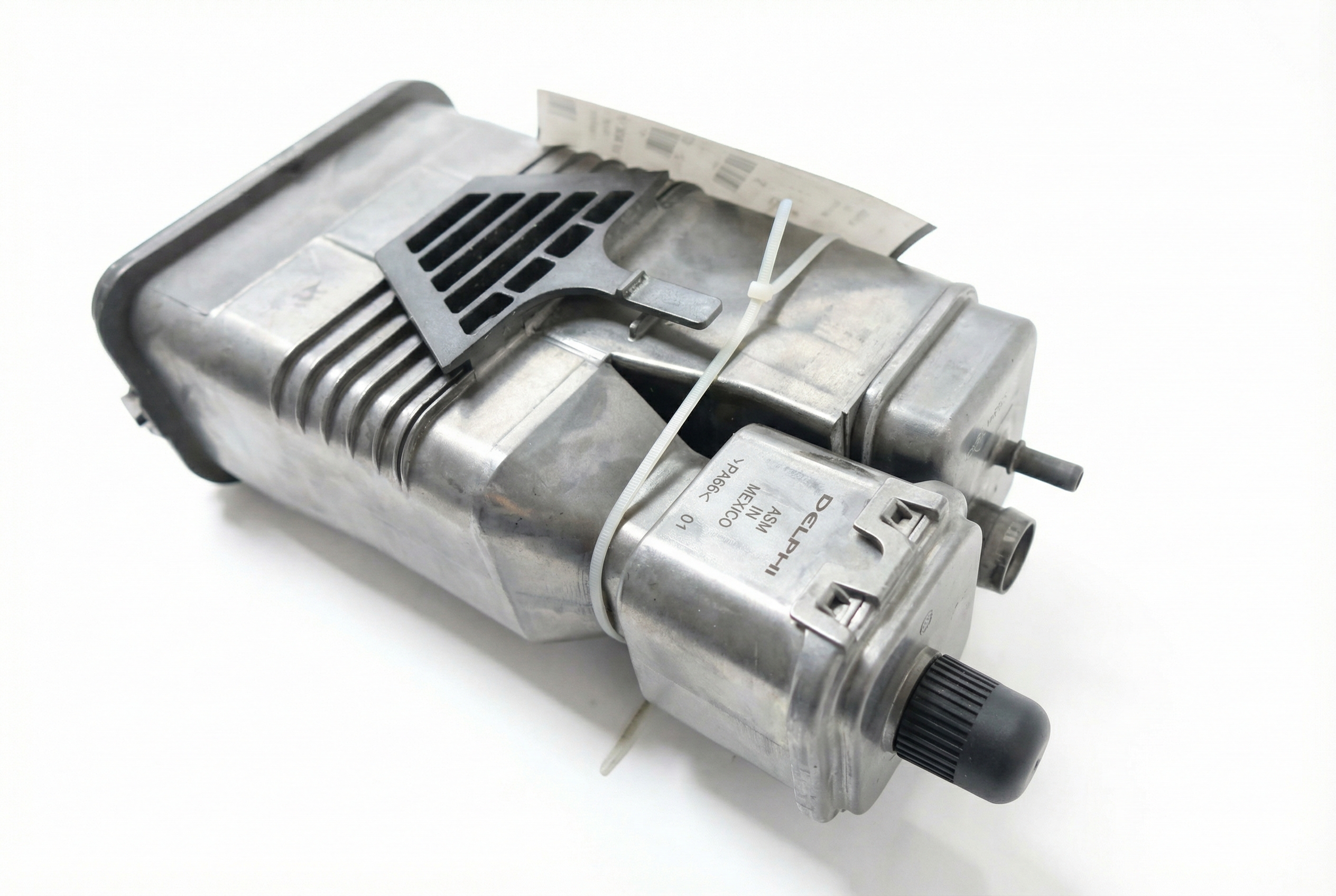
New Aftermarket Parts Available

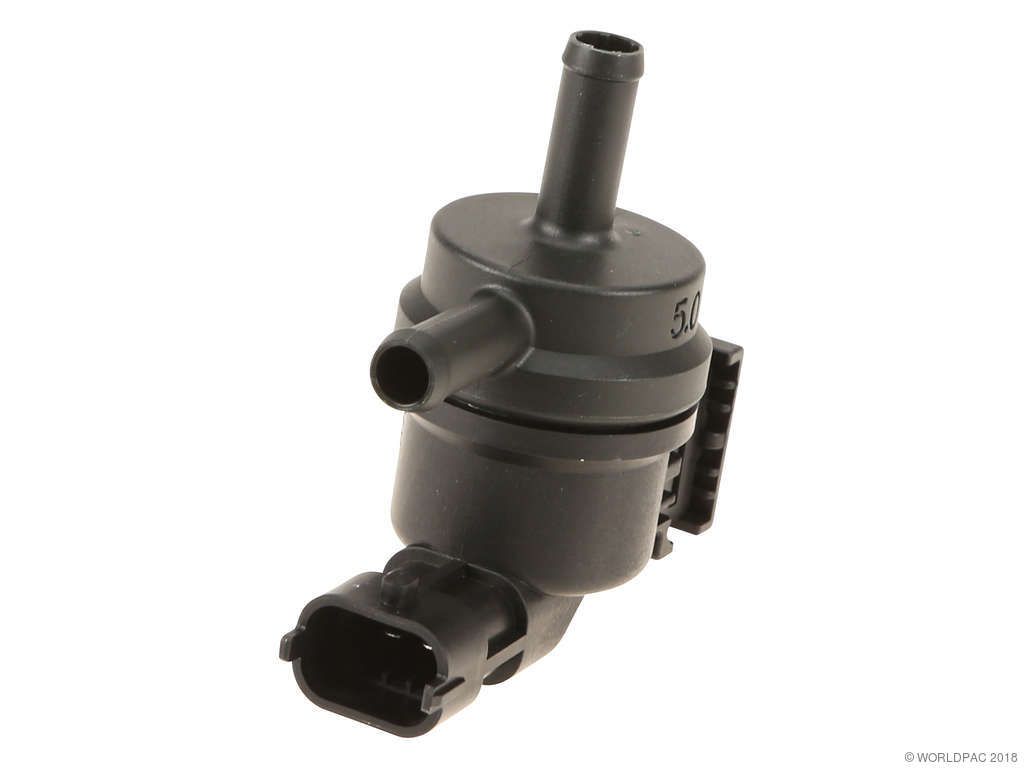

The information in this article is provided for general reference and educational purposes only. Vehicle specifications, procedures, and part compatibility can vary by production date, trim level, and region. Always consult your vehicle's factory service manual and verify part numbers before purchasing or performing repairs. Safety-critical components such as airbags, seat belts, and braking systems should be installed by a qualified professional.
- Kia Forte:
- 🧭 Diagnostic Flowchart
- 🎬 Helpful Videos
- 🛍️ Shop This Part
- What's Unique About the 2014-2018 Kia Forte
- Symptoms You May Notice
- Most Likely Causes
- Rare But Worth Checking
- Diagnosis Steps
- Parts You'll Likely Need
- Technical Service Bulletins (TSBs) & Recalls
- Platform-Specific Known Issues
- Mechanic-Grade Diagnostic Values
- Scan Tool Commands That Help
- Wiring & Ground Locations
- Real Owner Repair Stories
- OEM Part Supersession History
- Model Year Variations Within This Range
- Other Known Issues on This Vehicle
- Used vs. New Parts: Buying Guide for This Vehicle
- Real Owner Stories
- 2014 Kia Forte 5
- 2014-2018 Kia Forte
- 2014 Hyundai Elantra (Platform Mate)
- Related OBD-II Codes
- Frequently Asked Questions
- 🎟️ Get 5% Off