

P0441 on 2011-2015 Kia Optima: EVAP Incorrect Purge Flow Causes and Fixes
For a 2011-2015 Kia Optima, code P0441 is most often caused by a faulty canister purge valve (solenoid) located in the engine bay. A key symptom is difficulty starting the car right after refueling. Replacing the purge valve is a common, beginner-friendly DIY fix, with the OEM part (No. 28910-2G000) costing around $50-$90.
- P0441 on your Optima almost always points to a bad canister purge valve in the engine bay, OEM part number 28910-2G000.
- A tell-tale symptom of a failed purge valve is the engine struggling to start right after you fill the gas tank.
- Before buying parts, check that your gas cap is tight and its seal isn't cracked.
- When replacing the purge valve, you must blow out the attached hose to clear any charcoal debris that may have caused the original failure.
- Replacing the purge valve is a beginner-friendly DIY job that usually takes less than 30 minutes.
What's Unique About the 2011-2015 Kia Optima
On many other Kia models, like the Rio, P0441 can be caused by an engine computer software glitch requiring an update from the dealer. However, for the 2011-2015 Optima (TF Generation) and its direct platform-mate, the 2011-2015 Hyundai Sonata (YF Generation), the cause is overwhelmingly a mechanical failure of the purge valve itself. This makes it a more straightforward hardware diagnosis. A secondary, but still common, issue is the charcoal canister becoming saturated from repeatedly overfilling the fuel tank, which can send charcoal pellets into the EVAP lines and clog the new purge valve if not cleaned out.
Symptoms You May Notice
- Check Engine Light illuminated
- Difficulty starting the engine, or stalling, immediately after refueling.
- Rough or uneven idle.
- Slightly reduced fuel economy.
- A faint smell of fuel (less common).
- Audible clicking from the failed purge valve in the engine bay.
- Replacing the oxygen (O2) sensors.
- Replacing the charcoal canister when only a valve is bad.
- Replacing the gas cap repeatedly without checking the purge valve.
Most Likely Causes
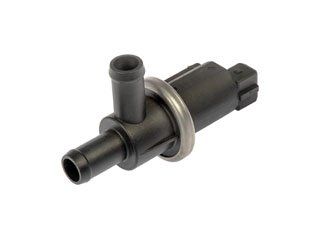
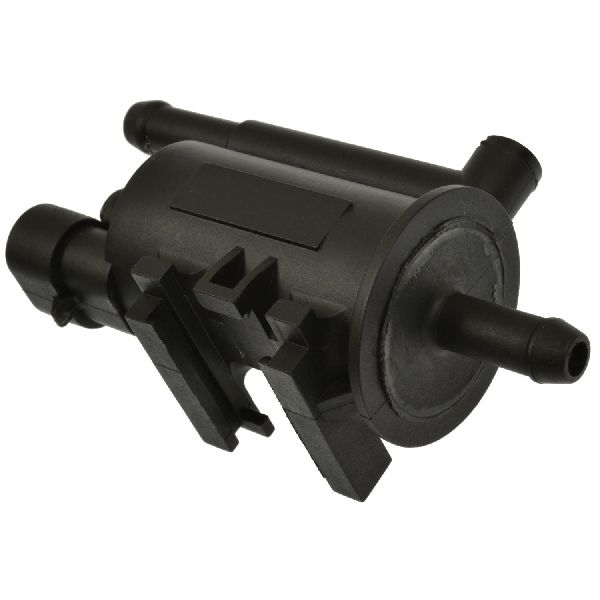
- Faulty Canister Purge Valve (Purge Solenoid) 🔴 High Probability → Shop Vapor Canister This valve is a very common failure point across many Hyundai and Kia models of this period, including the Optima and Sonata. It can become clogged with charcoal particles from a deteriorating canister or simply fail mechanically, getting stuck open or closed.
How to confirm: With the engine off, disconnect the valve. Try to blow through it; if air passes, it is stuck open and is faulty. Alternatively, disconnect the hose on the canister side of the valve and apply vacuum with a hand pump. The valve should hold vacuum. If it doesn't, it is stuck open and faulty. A valve stuck open is the primary cause of hard starting after refueling. 🎬 Watch: How to fix hard starting issues after getting gas.
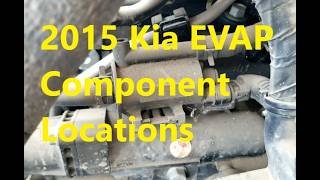
Typical fix: Replace the canister purge valve. It is located on the intake manifold in the engine bay. 🎬 Watch: Locate the purge valve and other EVAP components here. Before installing the new valve, it is critical to blow compressed air through the line coming from the charcoal canister to clear out any loose charcoal pellets that may have caused the original valve to fail.
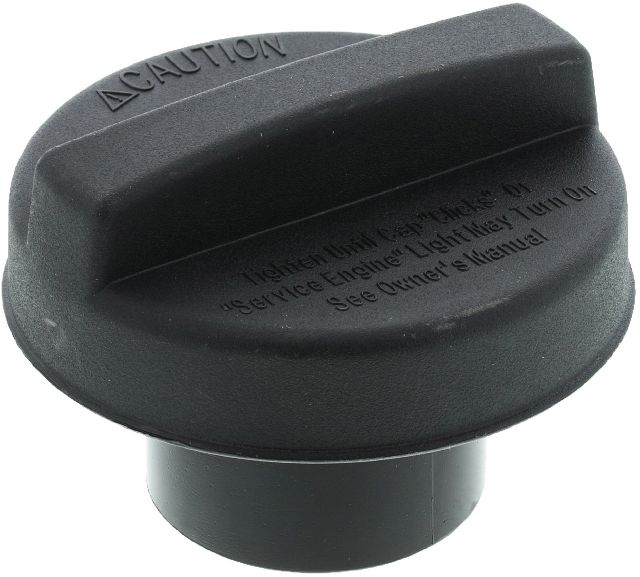
Est. part cost: $25-$75 - Loose or Faulty Gas Cap 🟡 Medium Probability → Shop Fuel Tank Cap The gas cap is a critical sealing point for the EVAP system. Over time, the rubber seal can dry out, crack, or get damaged, preventing a proper seal. While this more commonly causes leak codes (P0455/P0456), it can sometimes contribute to P0441.
How to confirm: First, ensure the cap is tightened until it clicks. Inspect the rubber O-ring seal on the cap for any visible cracks, stiffness, or damage. A professional can test it with a fuel cap tester. If the seal is compromised, the cap needs replacement.
Typical fix: Replace the gas cap. It is highly recommended to use an OEM part from Kia, as some aftermarket caps are known to cause sealing issues.
Est. part cost: $15-$30 - Cracked or Disconnected EVAP Hoses/Lines ⚪ Low Probability The rubber and plastic hoses in the engine bay are exposed to heat and can become brittle and crack over time, creating a vacuum leak that can affect purge flow.
How to confirm: Visually inspect all vacuum lines connected to the purge valve and running towards the back of the vehicle. Look for obvious cracks, splits, or loose connections. A smoke test is the professional method to find hard-to-see leaks.
Typical fix: Replace the specific section of cracked hose. This can often be done with bulk vacuum hose of the correct diameter.
Est. part cost: $5-$20
Rare But Worth Checking
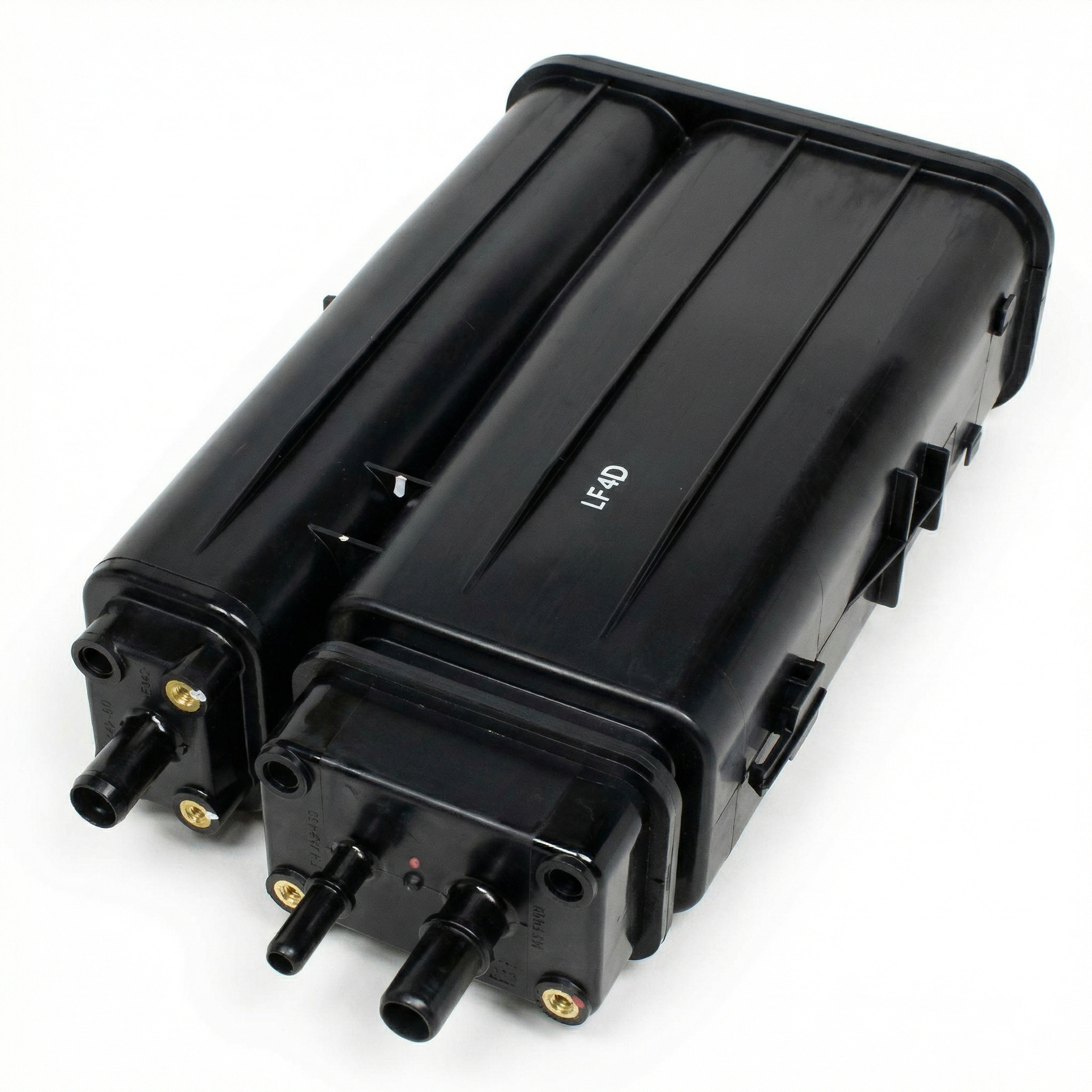
- Faulty Canister Close Valve (Vent Valve): → Shop Vapor Canister This valve is located near the charcoal canister by the fuel tank. It can get stuck, but it is less common to fail than the engine-bay-mounted purge valve for this specific code.
- Saturated Charcoal Canister: → Shop Vapor Canister Consistently overfilling the gas tank (topping off after the pump clicks off) can force liquid fuel into the charcoal canister, saturating it. This not only ruins the canister but can cause its internal charcoal pellets to break down and travel up the purge line, clogging the purge valve.
- Wiring Issue or Blown Fuse: The purge valve is electronically controlled. A break in the wiring or a blown fuse for the circuit (often labeled 'Sensors 2' in the fuse box) will prevent it from operating and can set a P0441 code.
- Faulty Fuel Tank Pressure Sensor (FTPS): → Shop Fuel Tank The ECU uses the FTPS to monitor for correct purge flow. If the sensor itself is faulty and providing incorrect voltage readings, the ECU may falsely believe there is a flow problem. This is a rare cause and should only be considered after other components are verified.
Diagnosis Steps
- Read the code with an OBD-II scanner to confirm P0441 is present.
- Inspect the gas cap. Ensure it is tight and check the seal for cracks or damage.
- Locate the canister purge valve in the engine bay, on the intake manifold. It will have two hoses and an electrical connector.
- Visually inspect the purge valve's electrical connector and nearby vacuum hoses for damage or disconnection.
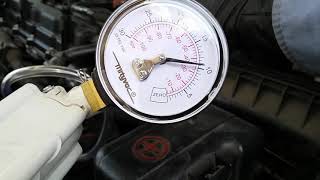
- Test the purge valve. With the engine off and valve disconnected, try to blow through the port labeled 'CAN' or coming from the firewall. If air passes through, the valve is stuck open and is bad. 🎬 See a step-by-step walkthrough of this P0441 diagnostic process.
- If the valve is not stuck open, check for charcoal debris. Disconnect the hose leading from the firewall to the purge valve and check for black pellets or dust inside the hose or valve port. If found, the charcoal canister is likely failing and has contaminated the system.
- If the valve tests good and no debris is found, check for power at the electrical connector with a multimeter while the engine is running (the ECU must command it on, which may not happen at idle). Check for a related fuse in the fuse box, often labeled 'Sensors 2'.
- If other steps don't reveal the issue, inspect the EVAP lines running to the rear of the car for cracks.
- If no obvious fault is found, the next step is a professional smoke test to identify any hard-to-find leaks in the system.
Parts You'll Likely Need
- Vapor Canister Purge Valve / Solenoid
(OEM #28910-2G000)— This is the most frequent failure item for code P0441 on the 2011-2015 Optima. It gets stuck open or closed, directly causing the 'incorrect purge flow' condition.
Trusted brands: Kia/Hyundai (OEM), Bosch, Standard Motor Products (SMP), Gates
OEM price range: $50-$90
Aftermarket price range: $25-$60 - Fuel Cap
(OEM #31010-3L600)— A worn or damaged gas cap seal allows vapors to escape, which can contribute to or cause EVAP system codes. It's an inexpensive and easy first step in diagnosis.
Trusted brands: Kia (OEM)
OEM price range: $20-$35
Aftermarket price range: $10-$20
Related Codes That Often Appear With This One
- P0440 — P0440 indicates a general EVAP system malfunction, which can be triggered by the same incorrect purge flow issue that causes P0441.
- P0442 — P0442 indicates a small leak in the EVAP system. A faulty purge valve or cracked hose can be interpreted by the ECU as either an incorrect flow or a leak, sometimes triggering both codes.
Technical Service Bulletins (TSBs) & Recalls
- While Kia issued TSBs like ENG164R1 for P0441 on other models like the Rio due to ECU logic, no such widespread TSB exists for the 2011-2015 Optima, for which the cause is almost always mechanical (the purge valve itself). However, Kia did issue Voluntary Emissions Service Campaign SC199 for 2011-2015 Optimas with the 2.4L engine to install an auxiliary canister to improve overall EVAP system performance.
- For cross-manufacturer reference, manufacturer service bulletins such as TSB-ENG164 and TSB-ENG164R1 describe a "Service Action" for a related ECU software upgrade to improve P0441 logic on other Kia models like the Rio and Soul.
- Additionally, TSB Bulletin #TSBENG164_R2 notes that while this was previously a service action for ECU logic improvements on other platforms, the bulletin has since been revised.
Platform-Specific Known Issues
- Charcoal Canister Contamination: → Shop Vapor Canister A known issue on this platform is the charcoal canister deteriorating, especially if the fuel tank is habitually over-filled. This sends small black plastic pellets up the EVAP line and into the purge valve, causing it to jam open. When replacing a failed purge valve, it is critical to disconnect the line coming from the rear of the car and blow it out with compressed air to ensure no debris will damage the new valve.
Mechanic-Grade Diagnostic Values
- Canister Purge Valve (Solenoid) Voltage — expected: Approximately battery voltage (12V) on the power supply terminal of the connector with the key on.. Failure: No voltage at the power terminal suggests a blown fuse (check 'Sensors 2' fuse) or an open circuit in the wiring harness.
- Canister Purge Valve (Solenoid) Vacuum Test — expected: When disconnected and unpowered, the valve should be closed and hold vacuum when tested with a hand pump. It should not be possible to blow through it.. Failure: If the valve fails to hold vacuum or if air can be blown through it, it is stuck open and faulty.
Scan Tool Commands That Help
- Kia GDS (or advanced bidirectional scanner): EVAP Leakage Test — This automated test forces the EVAP system to run its self-test, providing a pass/fail result without needing to complete a full drive cycle. It's useful for verifying a repair is successful.
- Kia GDS (or advanced bidirectional scanner): Purge Valve Duty Cycle / Actuation Test — Allows a technician to command the purge valve to open and close while monitoring system pressure or listening for an audible click. This directly tests the valve's electrical function and can help differentiate between a bad valve and a wiring problem.
- Kia GDS (or advanced bidirectional scanner): Vent Valve Actuation Test — Allows for manual control of the canister close valve (vent valve) near the fuel tank. This is used to seal the system for a leak test and to confirm the vent valve itself is not stuck.
Wiring & Ground Locations
- Purge Valve Fuse — In the under-hood fuse box, often labeled 'SENSORS 2'.. The purge valve is an electronic solenoid. If this fuse is blown, the valve will receive no power and cannot operate, which can trigger a P0441 code.
- Fuel Tank Pressure Sensor (FTPS) — On top of the fuel pump assembly, accessible by removing the rear seat bottom cushion and an access plate underneath.. The ECU uses this sensor's readings to verify correct purge flow. While a rare cause, a faulty sensor or its wiring can lead to a false P0441 code. Its location is important for advanced diagnosis.
- Engine Ground Strap (e.g., 91860-4C010) — Various points on the engine and chassis; a key ground strap connects the engine block to the chassis near the battery.. A poor engine or chassis ground can cause a variety of electrical issues, including erratic behavior of sensors and solenoids like the purge valve. While not a direct cause, it's a foundational check for any electrical diagnosis.
Real Owner Repair Stories
- Reddit user in /r/KiaSoulClub (2011 Kia Soul 2.0L with 150k miles (platform shares many components with Optima)) — Check Engine Light with P0441, car would not start after refueling unless the gas pedal was floored.
❌ Tried (didn't work) Replaced the canister purge valve (in engine bay), Replaced the gas cap
✅ What actually fixed it The user was advised that the next logical step, given the symptoms and parts already replaced, was the canister close valve (vent valve) located on the charcoal canister itself. The hard starting after refueling strongly pointed to a system that was being flooded with vapor, which happens when the purge valve is stuck open (which they replaced) or the system cannot vent properly during refueling.
OEM Part Supersession History
28910-2E000→28910-2G000— Part number consolidation and potential minor internal revisions for durability across multiple Hyundai/Kia platforms like the Elantra, Soul, and Optima.
Heads up: While other purge valves like 28910-26900 may look physically similar, using the incorrect part number can result in improper flow characteristics or connector mismatches. Always verify the part number for the specific vehicle VIN.
Model Year Variations Within This Range
- 2011-2015: Kia issued a Voluntary Emissions Service Campaign (SC199) for 2.4L Optimas in this range to install an auxiliary evaporative canister to improve system performance and ensure compliance with emissions standards. This suggests the original canister design may have been borderline or prone to degradation.
- 2011-2015: Vehicles sold in PZEV (Partial Zero-Emission Vehicle) states may have a different charcoal canister and associated components than standard ULEV (Ultra-Low-Emission Vehicle) models. The parts are not interchangeable. An emissions sticker under the hood or on the door jamb will specify the vehicle's certification.
Diagnostic Flowchart
Other Known Issues on This Vehicle
Issues unrelated to this code that are worth knowing about as an owner of this generation:
- Catastrophic Engine Failure (Theta II Engine) 🔴 High — Widespread across 2011-2015 models with the 2.4L GDI and 2.0L Turbo GDI engines. Manufacturing debris can cause premature bearing wear, leading to engine seizure, often without warning. (Ref: Subject of multiple recalls (e.g., NHTSA 17V-224 / Kia SC147) and a major class-action lawsuit. Kia extended the warranty and may provide a free engine replacement for affected VINs.)
- Worn Steering Column Coupler 🟠 Medium — Very common. A flexible rubber coupler in the electronic power steering column disintegrates over time, causing a prominent clicking or knocking sound when turning the steering wheel and excessive play. (Ref: Covered by Kia's warranty extension program (10 years/unlimited miles), not a formal recall. TSB CHA-072 provides details. The part itself is inexpensive, but labor can be significant if not covered.)
- Peeling White Paint 🟡 Low — Common on vehicles with 'Snow White Pearl' paint. The paint delaminates and peels in large sheets, often starting on the roof and hood. This is a factory paint application defect. (Ref: No official recall, but Kia has offered assistance on a case-by-case basis, sometimes covering the cost of a repaint after owners file a complaint with Kia corporate.)
- Engine Compartment Fire Risk (HECU) 🔴 High — Affects a broad range of Kia/Hyundai models, including the 2011-2015 Optima. An electrical short in the Hydraulic Electronic Control Unit (HECU) for the ABS can occur, potentially causing a fire while parked or driving. (Ref: Subject of multiple recalls. The fix involves installing a new fuse to reduce the available current to the HECU module.)
Used vs. New Parts: Buying Guide for This Vehicle
When a used part is the smart pick: For this specific repair, using a part from a junkyard is NOT recommended. The primary failure part, the canister purge valve, is an inexpensive electronic solenoid with a high failure rate. A used valve carries a high risk of being faulty or having a very short remaining service life.
Donor-vehicle mileage cap: roughly under 10000 miles for the part to have meaningful remaining life.
What to inspect on the donor part:
- If forced to use a used part, select from the lowest-mileage donor vehicle possible.
- Visually inspect the valve for cracks or damage to the plastic housing and electrical connector.
- Attempt to blow through the valve; if any air passes, it is already faulty.
OEM-only on this vehicle (don't cheap out):
- Fuel Cap - Aftermarket gas caps are notorious for having poor seals that do not meet the precise pressure requirements of the EVAP system, often causing new leak codes.
- Canister Purge Valve - While some aftermarket brands are acceptable, the cost difference to an OEM valve is minimal, and the OEM part ensures correct flow calibration. Avoid no-name online marketplace parts.
Aftermarket brands forum-validated for this vehicle:
- Bosch
- Standard Motor Products (SMP)
- Gates
Brands owners have reported issues with on this vehicle:
- Unbranded or 'white-box' parts from online marketplaces, which often have high failure rates and may not be calibrated correctly for the vehicle.
Real Owner Stories
Aggregated from forums and TSBs cited above. Mileages and costs reflect what owners reported in those sources.
2012 Kia Optima 2.4L
Symptoms: Difficulty starting the engine immediately after refueling; OBD-II scanner confirmed P0441.
What fixed it: Tested the purge valve with a handheld vacuum pump and confirmed it was stuck open; replaced the canister purge valve.
Cost: $25-$75
Source hint: YouTube: (Kia Optima) Diagnosing a P0441 Code - EVAP system incorrect purge flow
2011-2015 Hyundai Sonata (YF)
Symptoms: P0440, P0441, and P0442 codes present; identical EVAP setup to the Optima.
What fixed it: Replaced the purge valve located on the intake manifold.
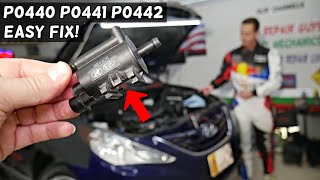
Source hint: YouTube: HYUNDAI SONATA CODE P0440 P0441 P0442 PURGE VALVE EASY FIX
Related OBD-II Codes
Frequently Asked Questions
Is there a TSB for the P0441 code on my 2011-2015 Kia Optima?
Why does my Optima struggle to start only after I fill up the gas tank?
Should I use an aftermarket gas cap to fix this code?
What part number is used for the purge valve on the Optima and its platform-mate, the Sonata?
I found black dust in my EVAP lines; do I just need a new purge valve?
Is the P0441 code related to the major engine recalls on the 2.4L and 2.0T engines?
Helpful Videos

Used OEM Parts in Stock

New Aftermarket Parts Available


The information in this article is provided for general reference and educational purposes only. Vehicle specifications, procedures, and part compatibility can vary by production date, trim level, and region. Always consult your vehicle's factory service manual and verify part numbers before purchasing or performing repairs. Safety-critical components such as airbags, seat belts, and braking systems should be installed by a qualified professional.
- Kia Optima:
- 🧭 Diagnostic Flowchart
- 🎬 Helpful Videos
- 🛍️ Shop This Part
- What's Unique About the 2011-2015 Kia Optima
- Symptoms You May Notice
- Most Likely Causes
- Rare But Worth Checking
- Diagnosis Steps
- Parts You'll Likely Need
- Related Codes That Often Appear With This One
- Technical Service Bulletins (TSBs) & Recalls
- Platform-Specific Known Issues
- Mechanic-Grade Diagnostic Values
- Scan Tool Commands That Help
- Wiring & Ground Locations
- Real Owner Repair Stories
- OEM Part Supersession History
- Model Year Variations Within This Range
- Other Known Issues on This Vehicle
- Used vs. New Parts: Buying Guide for This Vehicle
- Real Owner Stories
- 2012 Kia Optima 2.4L
- 2011-2015 Hyundai Sonata (YF)
- Related OBD-II Codes
- Frequently Asked Questions
- 🎟️ Get 5% Off