

P0441 on 2012-2016 Kia Rio: EVAP Incorrect Purge Flow Causes and Fixes
For the 2012-2016 Kia Rio, code P0441 is most often caused by a software glitch in the Engine Control Unit (ECU). Before replacing parts, check with a Kia dealer to see if your vehicle needs a free software update as specified in TSBs like ENG164R1 (Service Action SA280). If the software is current, the next most likely cause is a faulty purge control valve, an inexpensive part that is easy to replace, typically located on top of the engine.
- For a 2012-2016 Kia Rio, P0441 is very often a software problem, not a bad part.
- Your first step should be to call a Kia dealer with your VIN to check for required ECU software updates.
- If the software is up-to-date, the next most likely culprit is a faulty purge control valve, which is an affordable and accessible part to replace.
- Do not replace any parts until you have confirmed the status of your vehicle's ECU software.
- A loose or old gas cap can also cause this code and is a simple, inexpensive item to check.
What's Unique About the 2012-2016 Kia RIO

What makes the 2012-2016 Kia Rio unique regarding P0441 is the high likelihood of a software issue, not a hardware failure. Kia released several Technical Service Bulletins (TSBs) for these exact models, stating the need for an ECU software upgrade to improve the logic that detects this code. This means the car can throw a P0441 code even when there is nothing physically wrong with the EVAP system. Therefore, the first diagnostic step is always to check the vehicle's software history with a dealer. This same issue is noted on its platform-mate, the Hyundai Accent.
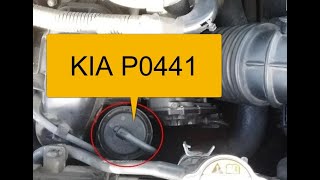
🎬 Watch: Diagnosing P0441 on a platform-mate Hyundai Accent.Diagnostic Flowchart
Tap your situation to follow the diagnostic path that matches what you're seeing on this vehicle.
Symptoms You May Notice

- Check Engine Light is on.
- A faint smell of fuel (rare).
- Slightly reduced fuel economy (uncommon).
- Difficulty starting the engine immediately after refueling (a key symptom of a stuck-open purge valve).
- Replacing the purge valve before checking for the required ECU software update. Many owners replace the part only to have the code return because the root cause was the ECU's logic.
- Confusing the purge valve (solenoid) in the engine bay with the canister vent valve (solenoid) located near the charcoal canister at the rear of the vehicle.
Most Likely Causes

- ECU Software Logic Needs Update 🔴 High Probability Kia issued multiple Technical Service Bulletins (TSBs) specifically to correct faulty logic in the ECU that could falsely trigger a P0441 code. TSB ENG164R1, also known as Service Action SA280, directly addresses this logic improvement for 2012-2016 Rio models.
How to confirm: Call a Kia dealership service department with your vehicle's VIN. Ask them to check if Service Action SA280 or TSBs ENG164R1, ENG146R1, or ENG150 have been performed. If not, the update is the first and most crucial step.
Typical fix: A Kia technician will reflash the Engine Control Unit (ECU) with the updated software using the KDS (Kia Diagnostic System). This typically takes less than an hour.
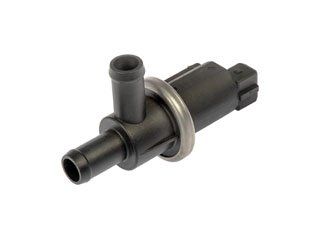
Est. part cost: $0 (if covered by service action) - Faulty Purge Control Valve (PCV) 🟡 Medium Probability The purge valve is a small solenoid that constantly opens and closes. Over time, it can get stuck open, stuck closed, or become weak, leading to incorrect vapor flow. It's the most common hardware failure after the software issue is ruled out.
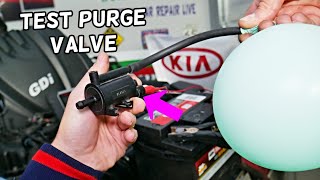
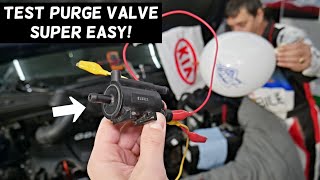
How to confirm: The valve is located on top of the engine. With the engine off, disconnect the hose from the intake manifold side of the valve and try to blow through it; it should be closed (no air passes). You can also use a scan tool to command the valve to open and listen for a click, or apply 12V directly to its pins to test for operation. 🎬 See how to bench test the purge valve with 12V. A valve stuck open is a common failure mode.
Typical fix: Replace the purge control valve. It is located on top of the engine, secured by two hoses with spring clamps and an electrical connector, making it very accessible for DIY replacement. 🎬 Watch this quick walkthrough of the Kia purge valve fix.
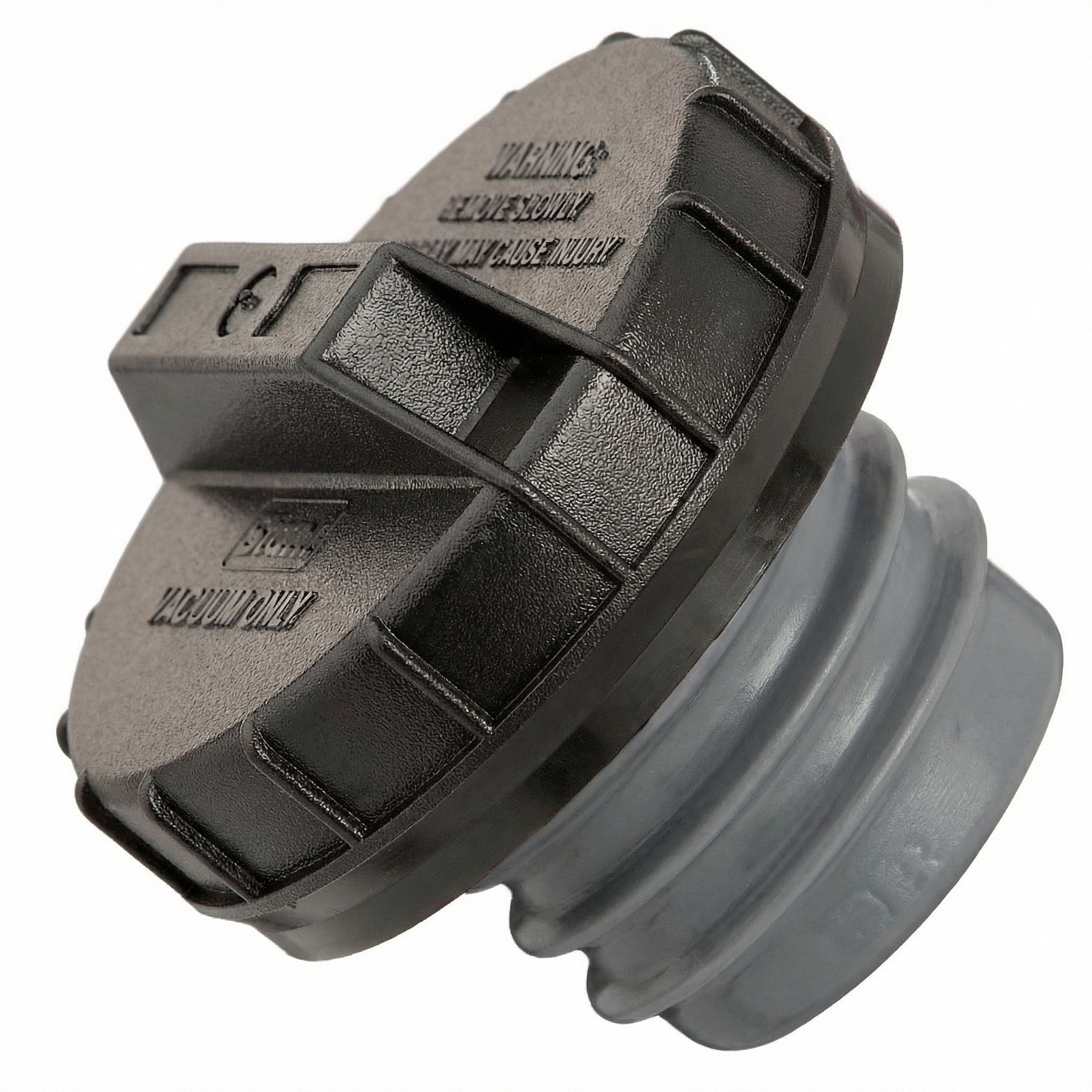
Est. part cost: $25-$60 - Loose or Worn Gas Cap ⚪ Low Probability → Shop Fuel Tank Cap While more commonly associated with leak codes (P0455/P0456), a gas cap that doesn't seal properly can sometimes contribute to incorrect flow readings. Some owners have reported fixing P0441 by replacing a worn gas cap, especially in harsh climates where the seal degrades.
How to confirm: Inspect the gas cap's rubber seal for cracks, stiffness, or damage. Ensure it clicks at least once when tightened. A visual inspection is often sufficient. It is highly recommended to use an OEM cap, as these cars can be sensitive to aftermarket caps.
Typical fix: Replace the gas cap. Use an OEM cap from the dealer for the best results.
Est. part cost: $15-$30 - Cracked or Disconnected EVAP Hose ⚪ Low Probability
How to confirm: Visually inspect all vacuum and vapor lines between the charcoal canister (near the fuel tank), the purge valve, and the intake manifold for any visible cracks, loose connections, or blockages. A smoke test is the professional method to find hard-to-see leaks.
Typical fix: Replace the damaged section of hose or reconnect it securely.
Est. part cost: $5-$20
Rare But Worth Checking
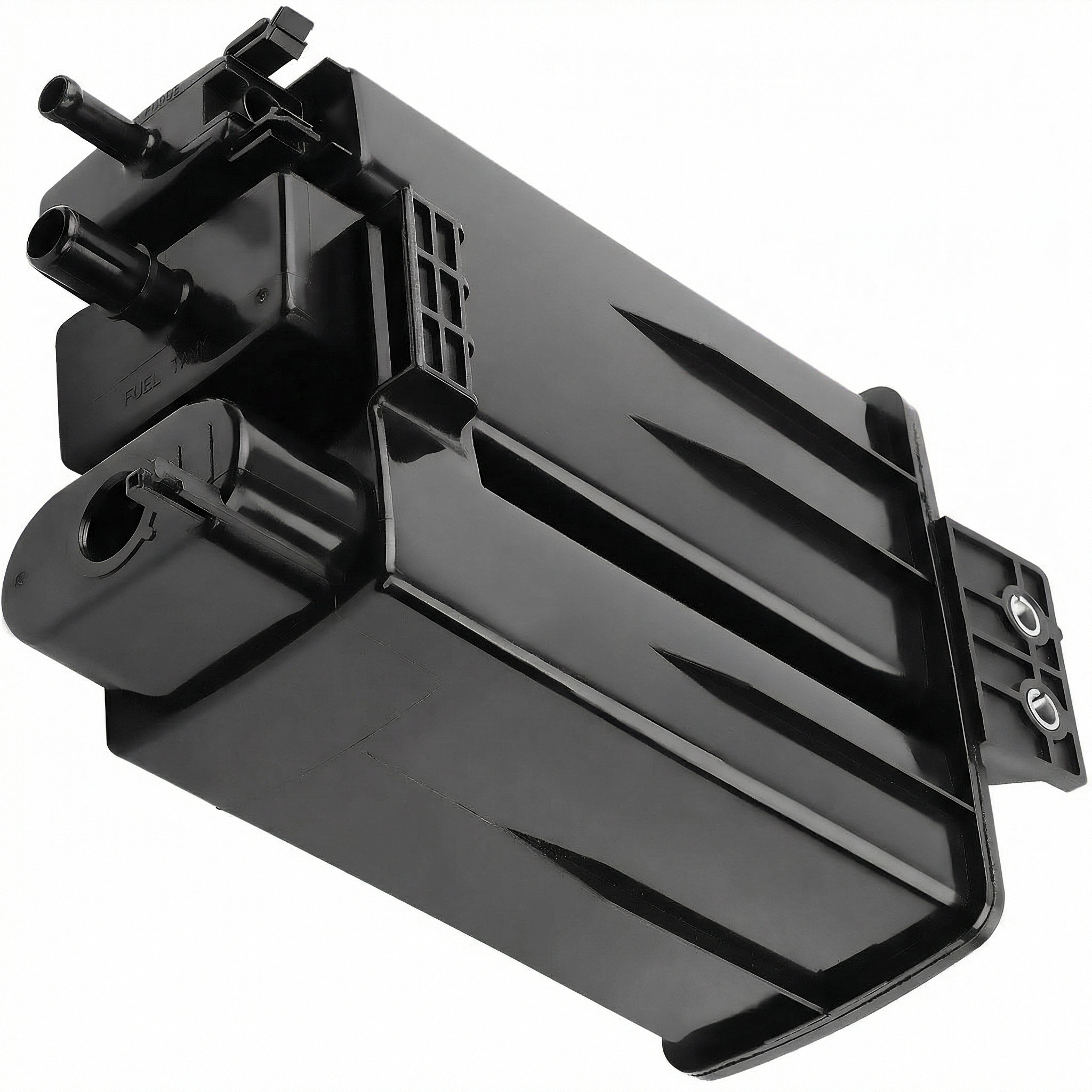
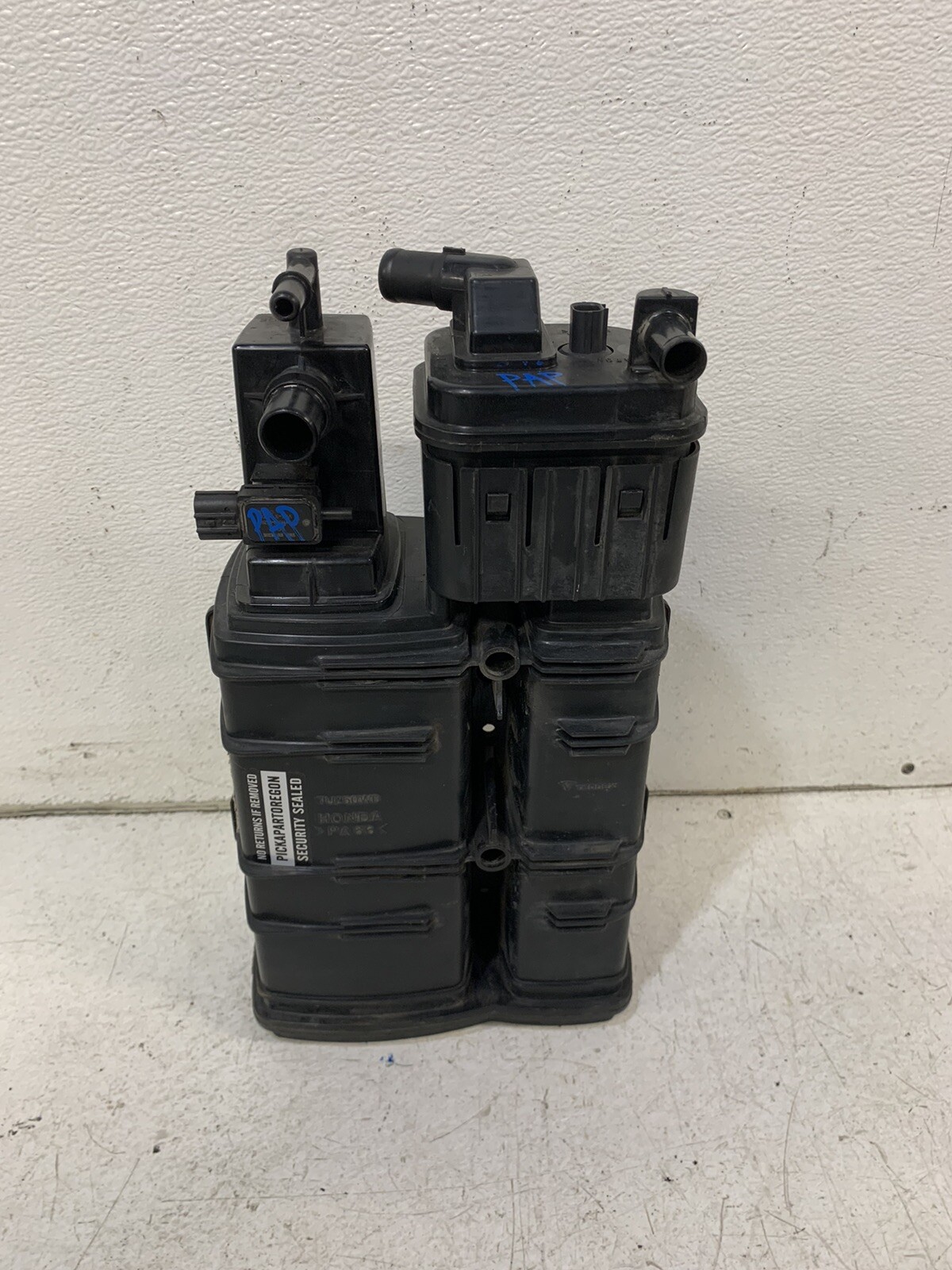
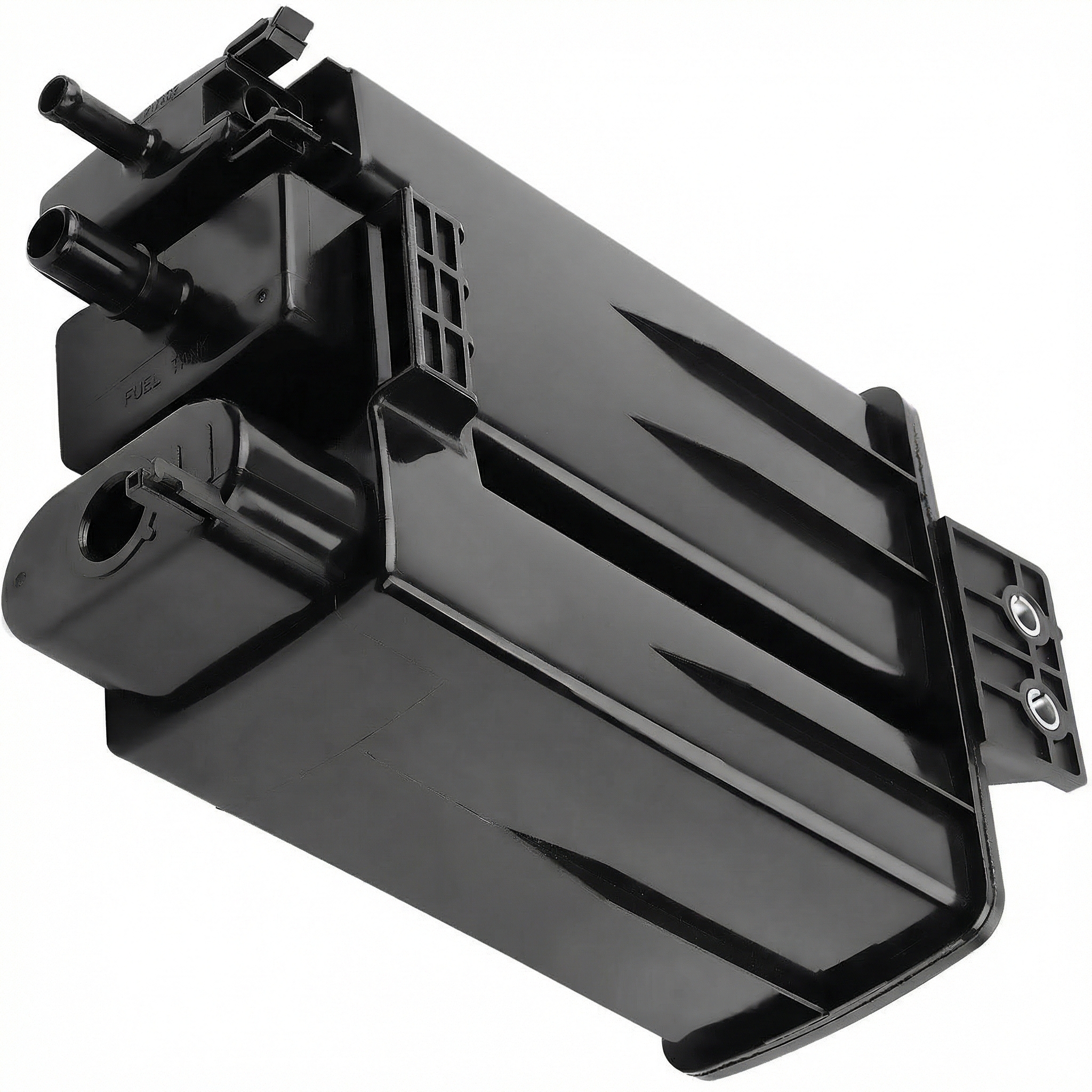
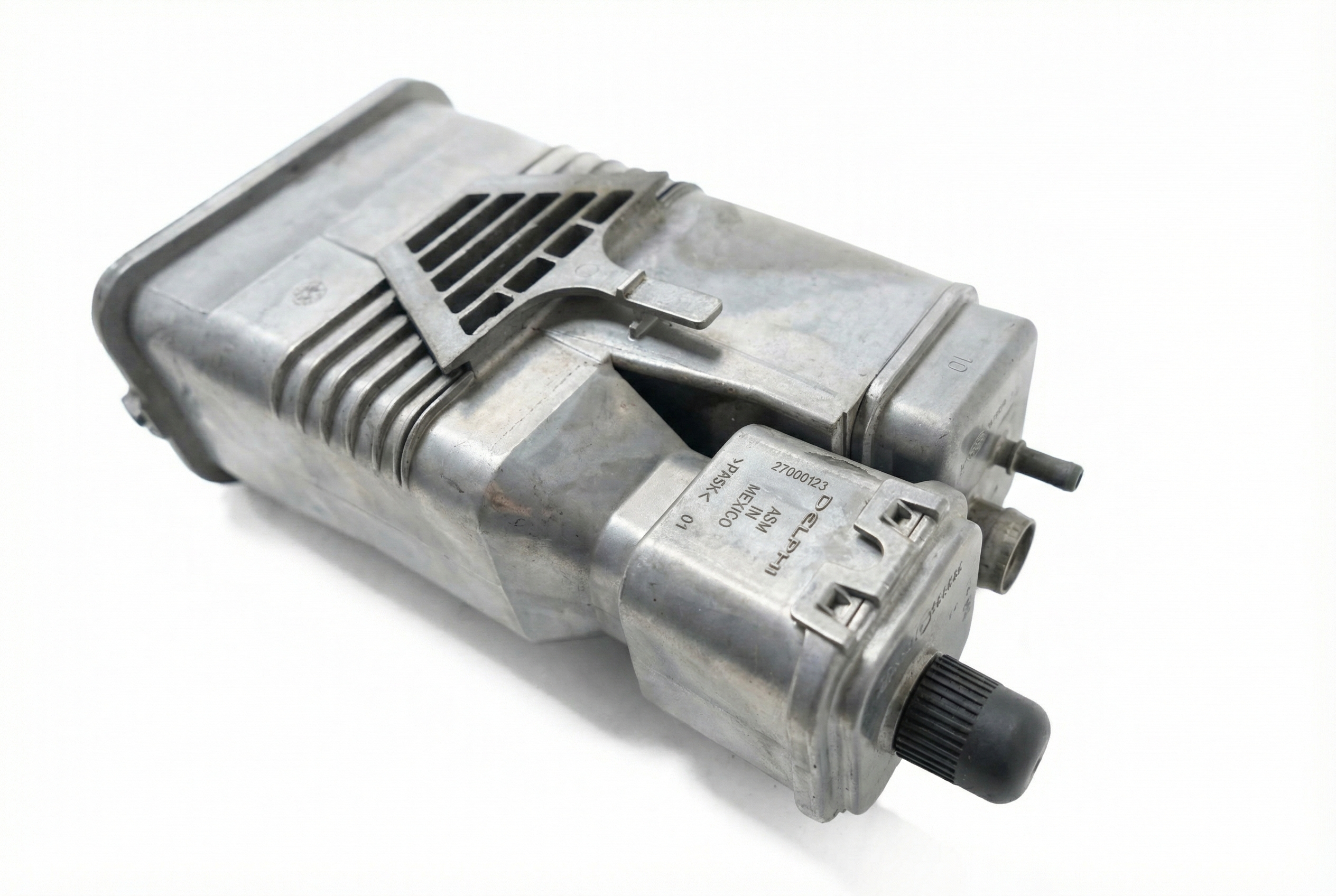
- Clogged or Failed Charcoal Canister: → Shop Vapor Canister This can happen if you habitually overfill your fuel tank, which forces raw fuel into the canister, saturating the charcoal pellets and causing a blockage. The canister is located under the car near the fuel tank.
- Failed EVAP System Pressure Sensor: The ECU relies on a pressure sensor to monitor the EVAP system. If this sensor provides incorrect data, the computer might falsely believe there is a flow problem.
- Blown Fuse: The purge control valve solenoid is an electronic component powered via a fuse. Check your fuse box (often labeled 'SENSORS' or similar) to ensure the fuse for the purge valve circuit is intact before replacing the valve itself.
Diagnosis Steps
- Check for TSBs: Call a Kia dealership with your VIN and ask if the ECU software updates mentioned in TSBs ENG164R1 (SA280), ENG146R1, or ENG150 have been performed. This is the most critical first step for this specific vehicle and its platform mates.
- Inspect the Gas Cap: Check for a loose fit or a cracked, brittle seal. Tighten it until it clicks. An OEM cap is strongly recommended if a replacement is needed.
- Inspect the Purge Control Valve: Locate the valve in the engine bay, on top of the engine. Check for secure electrical and hose connections.
- Test the Purge Control Valve: Disconnect the electrical connector and the two hoses. Try to blow through the valve; it should be closed when no power is applied. You can apply 12V to the terminals to see if it clicks and opens. A common failure is being stuck open.
- Inspect Hoses: Carefully trace the EVAP hoses from the engine bay back towards the fuel tank. Look for any obvious cracks, kinks, or disconnections.
- Check Fuses: Before condemning the purge valve, check the fuse box for a blown fuse related to emissions sensors or the purge valve circuit.
- Consider the Charcoal Canister: If you frequently top off your fuel tank after the pump clicks off, the charcoal canister near the fuel tank may be saturated and clogged. This is a less common cause but possible.
Parts You'll Likely Need
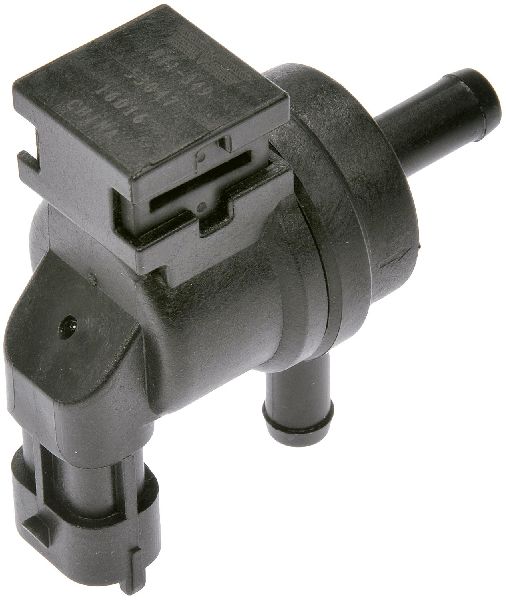
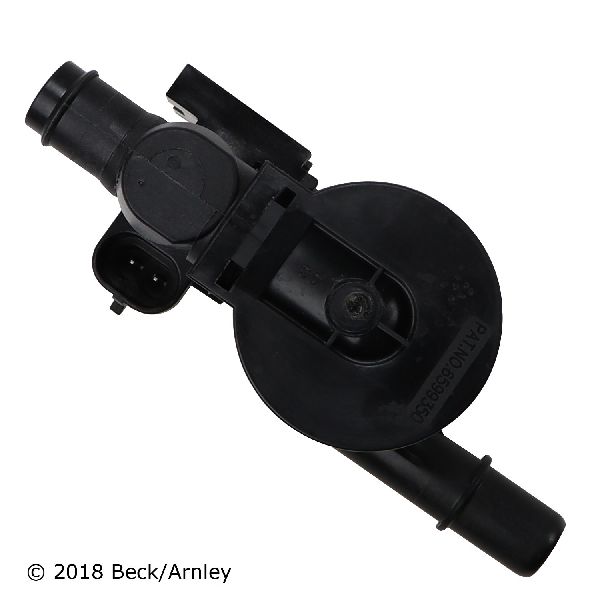
- Canister Purge Valve / Purge Control Solenoid
(OEM #28910-26900 (Verify with VIN, may supersede))— This is the most common hardware failure for P0441 after the software issue has been ruled out. It's a moving part that can fail over time.
Trusted brands: Kia (OEM), Standard Motor Products, Dorman
OEM price range: $50-$75
Aftermarket price range: $25-$50
Related Codes That Often Appear With This One
- P0326 — TSB #TSBENG150 and #TSBENG146R1 from Kia mention that the same ECM software update that addresses P0441 also resolves issues with P0326 (Knock Sensor 1 Circuit Range/Performance).
- P0456 — TSB #TSBENG146R1 also links an ECM upgrade to both P0441 and P0456 (EVAP System Very Small Leak Detected). A software issue could potentially misinterpret sensor data, leading to either code.
Technical Service Bulletins (TSBs) & Recalls
- TSB-ENG164R1: SERVICE ACTION: ECU UPGRADE - DTC P0441 LOGIC IMPROVEMENT (SA280)
- TSBENG164_R2: TSB - ECU UPGRADE ? DTC P0441 LOGIC IMPROVEMENT
- TSBENG146R1: ECM UPGRADE ... MIL ON WITH DTC(S) ... P0441
- TSBENG150: SERVICE ACTION: MIL ON WITH DTC(S) P0326/P0441(SA194)
- TSB-ENG164: COMBINATION TSB / SERVICE ACTION: ECU UPGRADE ? DTC P0441 LOGIC IMPROVEMENT (SA280)
- Hyundai TSB 17-FL-001: Confirms the same P0441 software issue on the sister vehicle, the Hyundai Accent.
Platform-Specific Known Issues
- ECU Software Logic: Kia issued multiple TSBs indicating that the original engine computer software on 2012-2016 Rios was too sensitive and could incorrectly trigger code P0441. The fix is a software update performed by a dealer, detailed in TSB ENG164R1 / Service Action SA280.
- Platform Mate Corroboration: The mechanically identical Hyundai Accent (2012-2017) with the same 1.6L GDI engine also has a TSB (17-FL-001) for the exact same P0441 false code, recommending an ECU update as the fix.
Mechanic-Grade Diagnostic Values
- Fuel Tank Pressure Sensor (FTPS) Voltage at idle (0 psi) — expected: ~2.5 Volts. Failure: Voltage is significantly higher or lower than 2.5V, indicating a bad sensor.
- Fuel Tank Pressure Sensor (FTPS) Voltage under vacuum — expected: ~0.5 Volts at -0.54 psi. Failure: Voltage does not drop appropriately as vacuum is applied.
- Fuel Tank Pressure Sensor (FTPS) Voltage under pressure — expected: ~4.5 Volts at +0.54 psi. Failure: Voltage does not rise appropriately as pressure is applied.
Hidden / Shadow Codes Worth Checking
- P04DF / P04F1: These codes are also related to the EVAP system. One source suggests that if P0441 is stored by itself, the diagnostic procedure for P04DF and P04F1 should be followed, implying a close relationship in how the ECU flags these faults. (see via A standard OBD-II scanner should be able to read these as pending or confirmed DTCs if they are present.)
Scan Tool Commands That Help
- Advanced OBD-II Scanner / Kia GDS: EVAP Vent Valve Actuation Test — This bidirectional command allows you to manually open and close the canister close valve (vent valve) near the fuel tank. It's used to confirm if the valve is mechanically functioning; you should hear an audible click when it's activated.
- Advanced OBD-II Scanner / Kia GDS: Live Data - Purge Valve Duty Cycle — Monitor the purge valve command percentage while the engine is running. This confirms if the ECU is attempting to control the valve. If the percentage changes but no flow occurs (or flow occurs when the command is 0%), it points to a mechanical issue with the valve itself.
Wiring & Ground Locations
- Purge Valve Fuse — In one of the vehicle's fuse boxes (likely under the hood).. The purge valve solenoid is electric and requires power. A blown fuse, often labeled 'SENSORS 2' or similar, will prevent the valve from operating and can trigger P0441. Checking the fuse is a crucial step before replacing the valve.
- Y104 — On top of the engine, this is the component designator for the EVAP canister purge valve.. This is the specific component identifier on a wiring diagram for the purge valve, essential for tracing wires and testing for power, ground, and signal from the ECM.
- 91861-1W210 — Engine bay, connecting the engine block to the chassis.. This is the OEM part number for the main engine ground strap. A corroded or loose ground can cause a variety of electrical issues, including erratic sensor behavior that could potentially contribute to an incorrect P0441 code.
Real Owner Repair Stories
- Reddit user on r/kia (2016 Kia Rio, manual transmission) — Check Engine Light with code P0441.
❌ Tried (didn't work) The user went straight to the successful fix based on advice.
✅ What actually fixed it Replacing the gas cap with a new one from a local auto parts store. The user noted the old cap's seal had lost its flexibility. After clearing the code with a scanner, it did not return after 600km (370 miles) of driving.
OEM Part Supersession History
31453-3K600→31453-3K600FFF— An improved part was released to address issues with the valve sticking open, which typically causes leak codes (P0455/P0456) but is part of the same system. The new part has a different rubber seal material and a tan-colored port instead of black.
Model Year Variations Within This Range
- 2012-2015 (approx.): Earlier models in this range often use Purge Control Valve P/N 28910-26900.
- 2016-2017 (approx.): Later models in this range may use a different Purge Control Valve, such as P/N 28910-3C200. Always verify the part number with the vehicle's VIN before ordering.
Helpful Videos
Used OEM Parts in Stock
New Aftermarket Parts Available


The information in this article is provided for general reference and educational purposes only. Vehicle specifications, procedures, and part compatibility can vary by production date, trim level, and region. Always consult your vehicle's factory service manual and verify part numbers before purchasing or performing repairs. Safety-critical components such as airbags, seat belts, and braking systems should be installed by a qualified professional.
- Kia RIO:
- 🧭 Diagnostic Flowchart
- 🎬 Helpful Videos
- 🛍️ Shop This Part
- What's Unique About the 2012-2016 Kia RIO
- Symptoms You May Notice
- Most Likely Causes
- Rare But Worth Checking
- Diagnosis Steps
- Parts You'll Likely Need
- Related Codes That Often Appear With This One
- Technical Service Bulletins (TSBs) & Recalls
- Platform-Specific Known Issues
- Mechanic-Grade Diagnostic Values
- Hidden / Shadow Codes Worth Checking
- Scan Tool Commands That Help
- Wiring & Ground Locations
- Real Owner Repair Stories
- OEM Part Supersession History
- Model Year Variations Within This Range
- 🎟️ Get 5% Off