

P0441 on 2011-2015 Kia Sorento: Incorrect Purge Flow Causes and Fixes
For a 2011-2015 Kia Sorento, code P0441 is most often caused by a faulty canister purge valve. It's a simple DIY replacement costing between $40-$100 for the part, depending on your engine. Before replacing, always check that the gas cap is tight and undamaged, as a bad seal can also trigger the code.
- The P0441 code on your Sorento is almost certainly caused by a faulty canister purge valve.
- Before buying parts, check that your gas cap is tight and its seal is not cracked.
- This is a very easy and affordable DIY repair that requires basic tools and can be done in under 30 minutes.
- Crucially, ensure you buy the correct purge valve. The V6 engines (3.5L and 3.3L) use a different part than the 2.4L 4-cylinder engine.
What's Unique About the 2011-2015 Kia Sorento
On the 2011-2015 Kia Sorento, the P0441 code is a very common and straightforward issue, almost always pointing to the purge valve itself. Unlike some other Kia models that had software issues triggering this code, the Sorento's problem is typically a mechanical failure of the valve. The key detail for this platform is that the 4-cylinder and V6 engines use different purge valves, so verifying the correct part number for your specific engine is the most critical step in the repair.
Symptoms You May Notice
- Check Engine Light is on
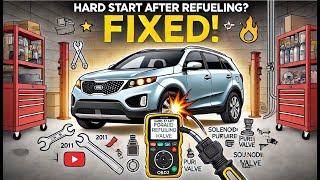
- Difficulty starting the engine immediately after refueling 🎬 Watch: Fixing a Sorento that's hard to start after refueling (This is a classic symptom of a purge valve stuck open, which floods the engine with fuel vapors after you fill the tank).
- Slightly rough idle
- Faint fuel smell (less common).
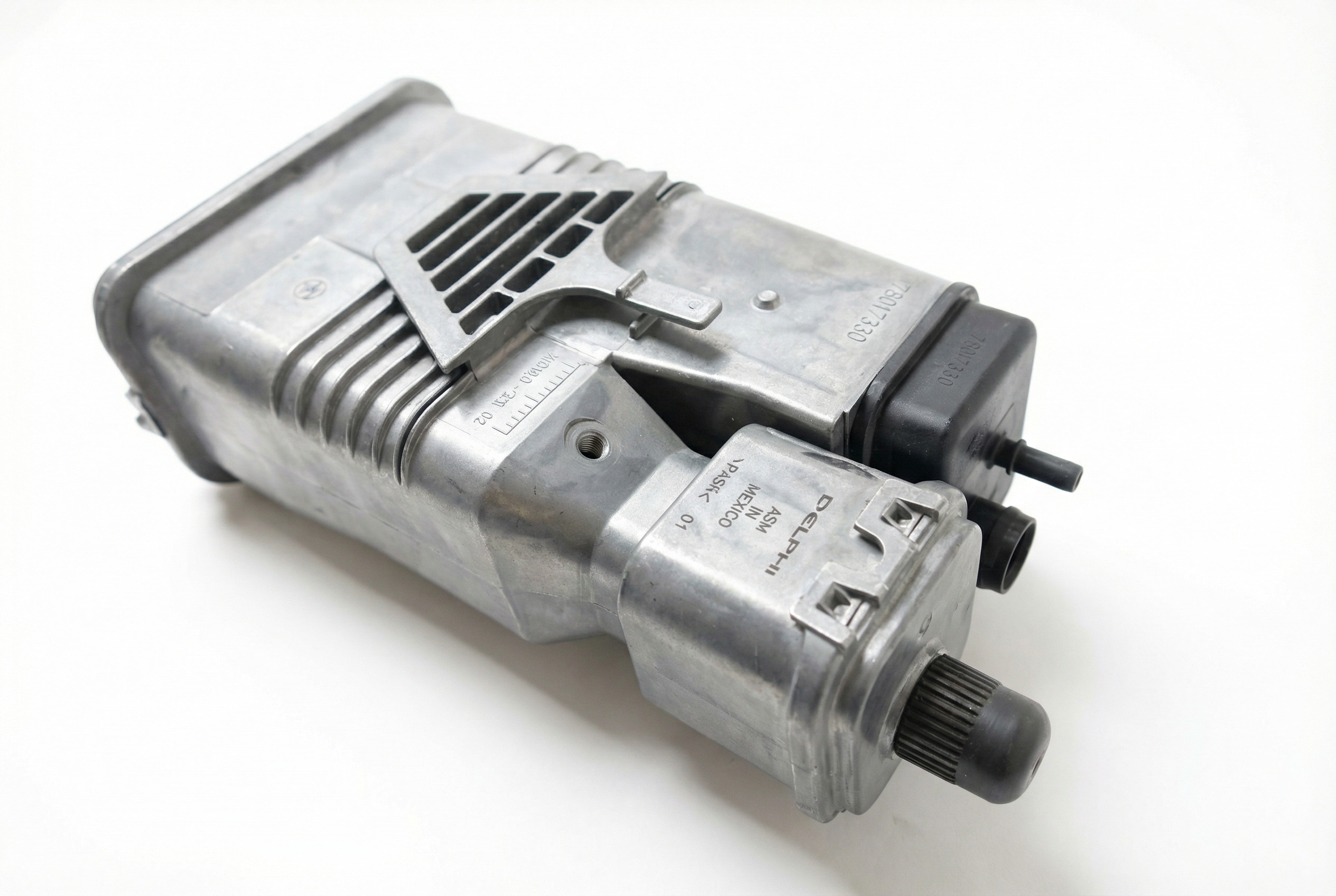
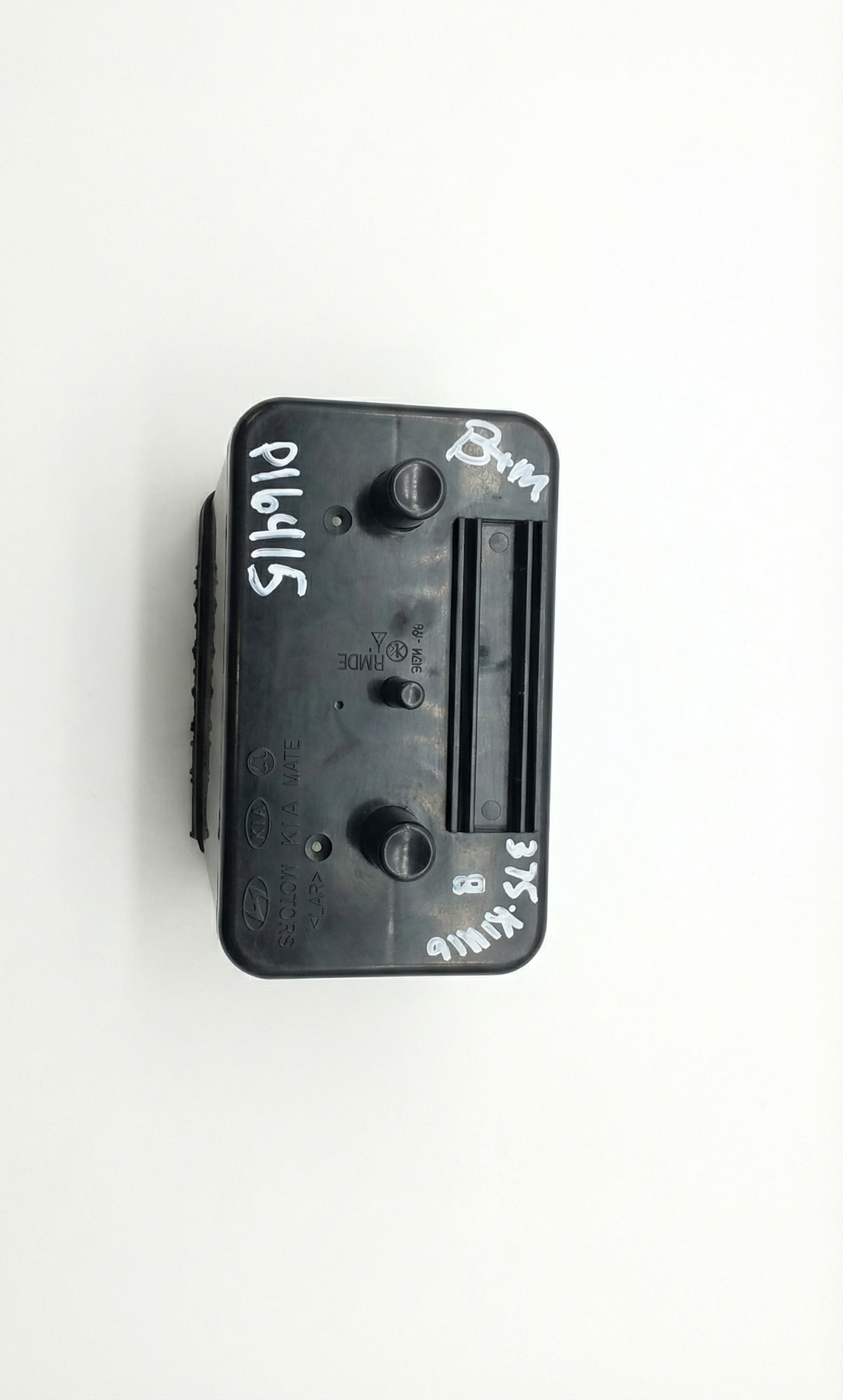
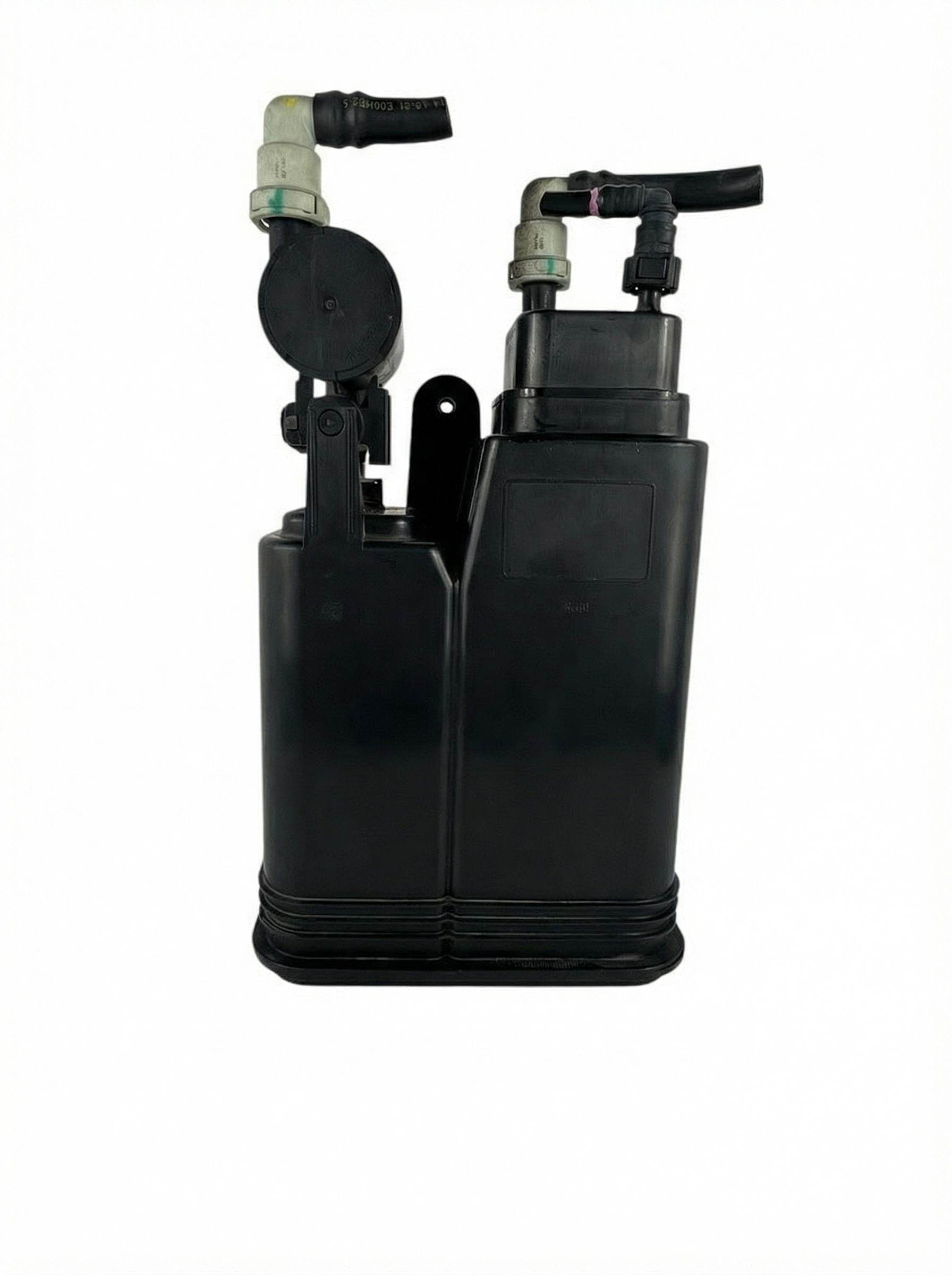
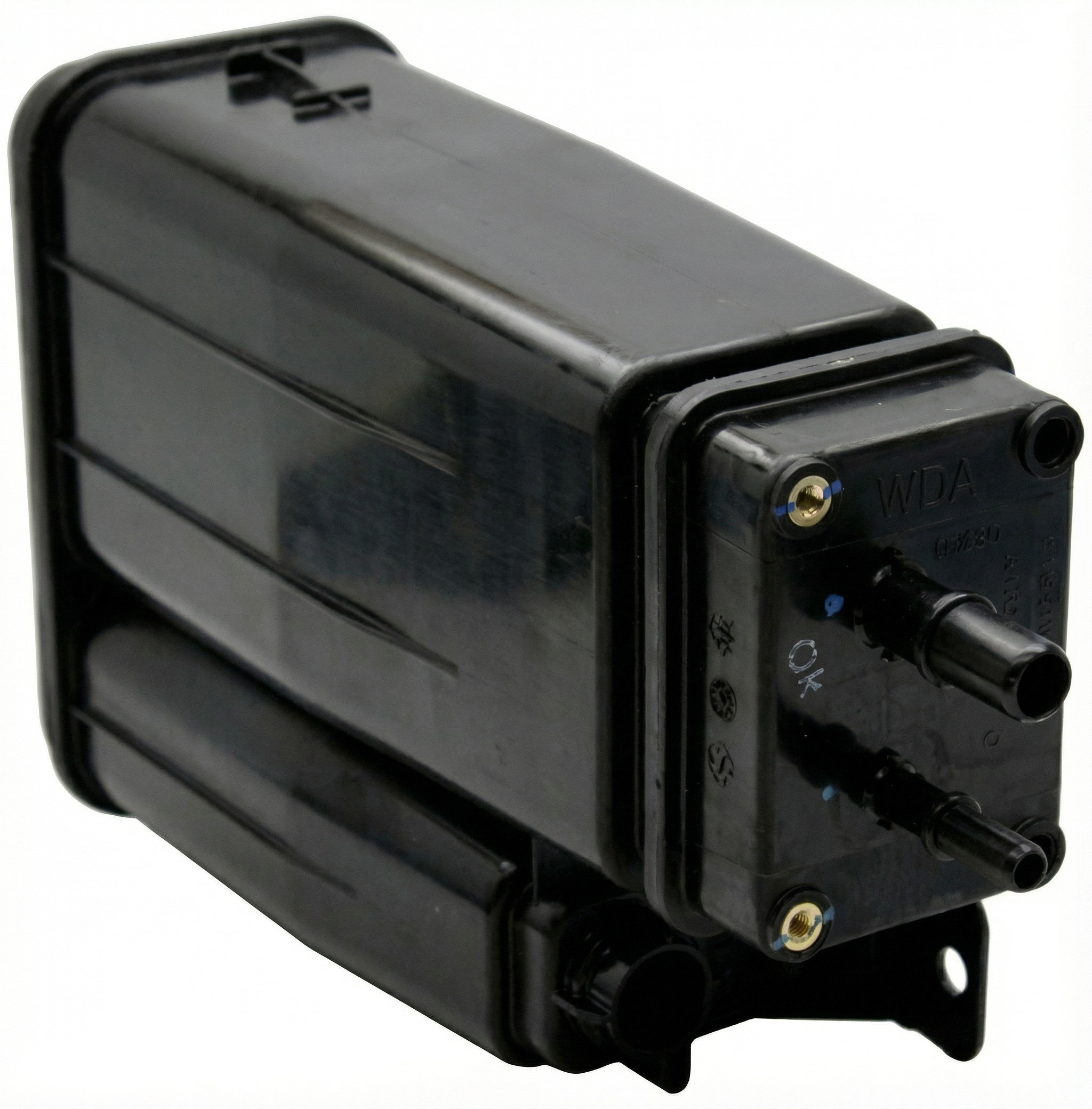
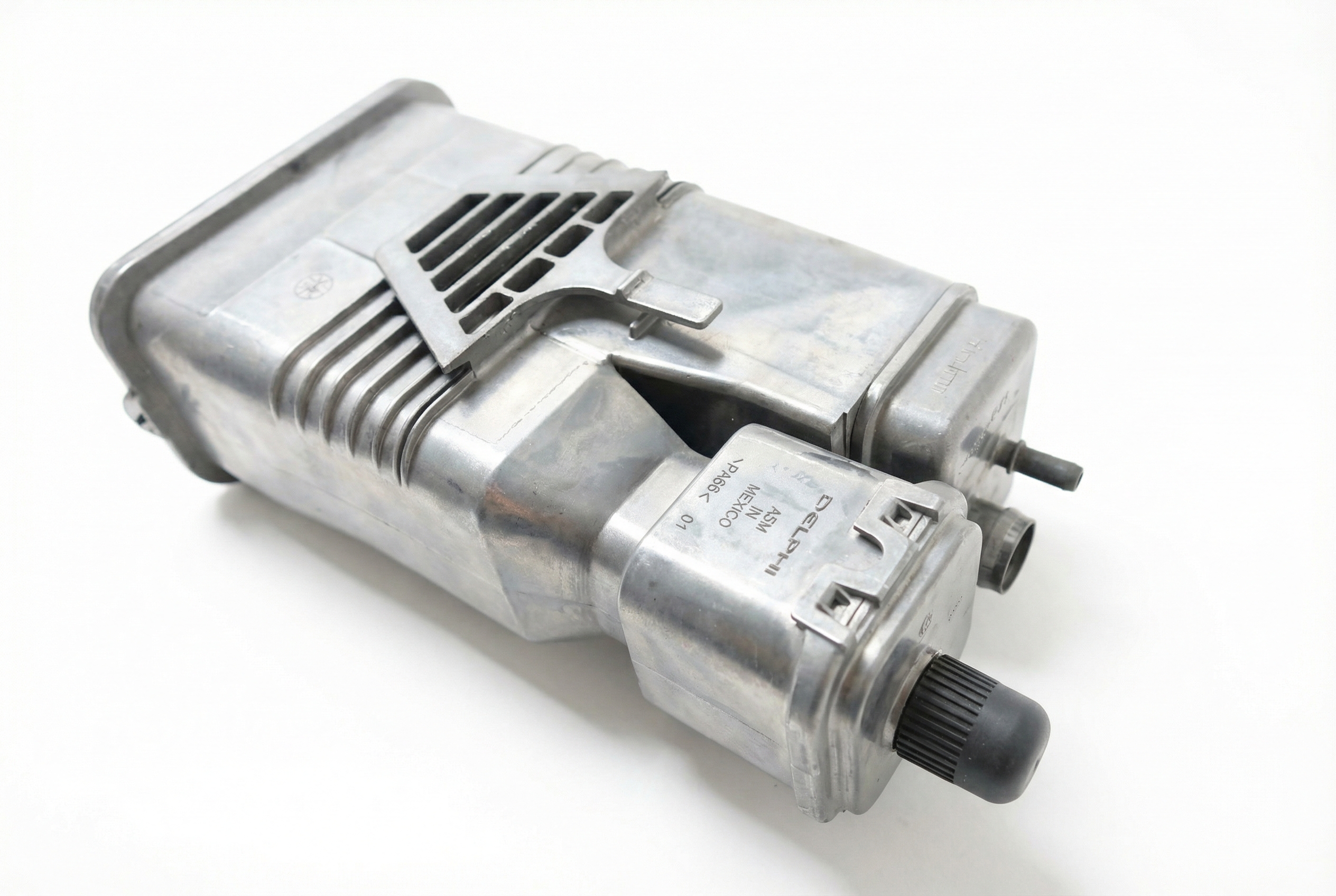
- Replacing the charcoal canister. The canister itself, a black box near the fuel tank, is rarely the cause of a P0441 code unless it has become saturated with fuel from chronic overfilling of the gas tank. It's usually one of the control valves attached to the system.
- Replacing the PCV Valve. Some owners confuse the Purge Control Valve (PCV) with the Positive Crankcase Ventilation (PCV) valve. These are entirely different systems. P0441 is strictly an EVAP system code related to the purge valve.
- Replacing the fuel tank pressure sensor without checking for other related codes. A faulty pressure sensor will typically set its own specific trouble codes (e.g., P0452, P0453).
Most Likely Causes
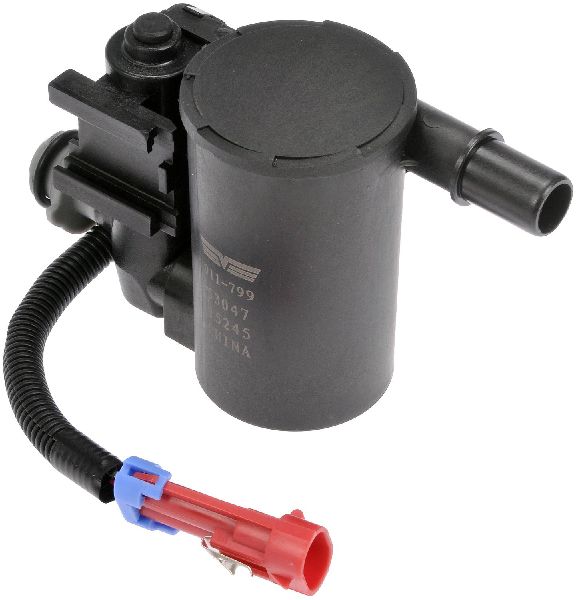
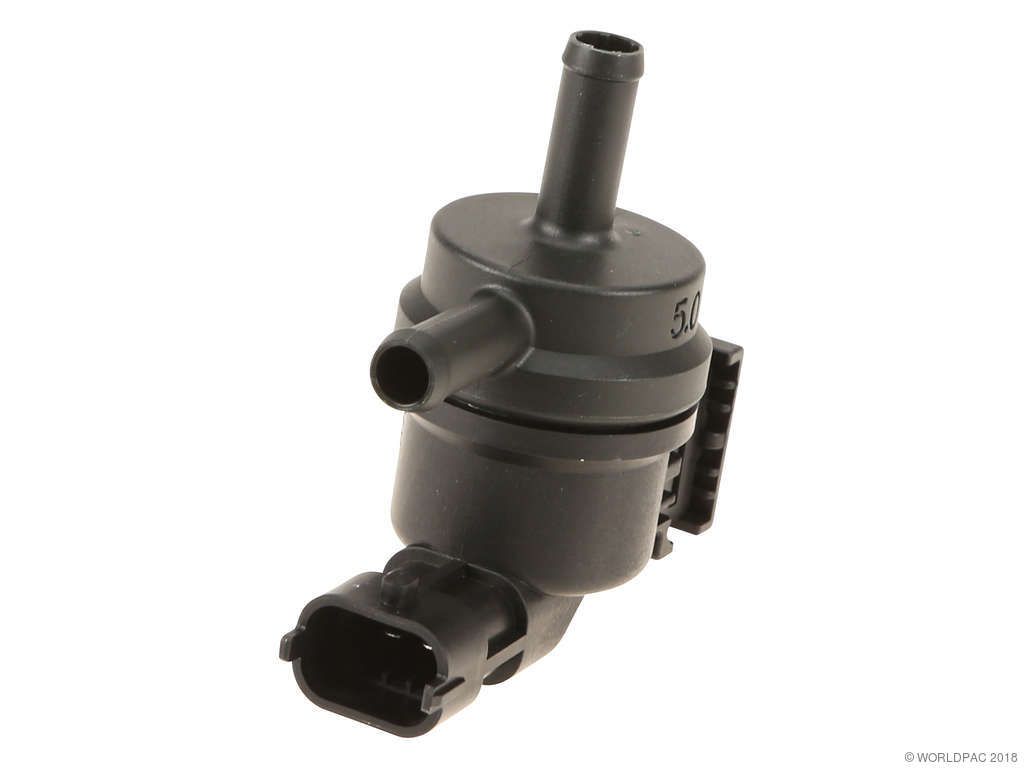
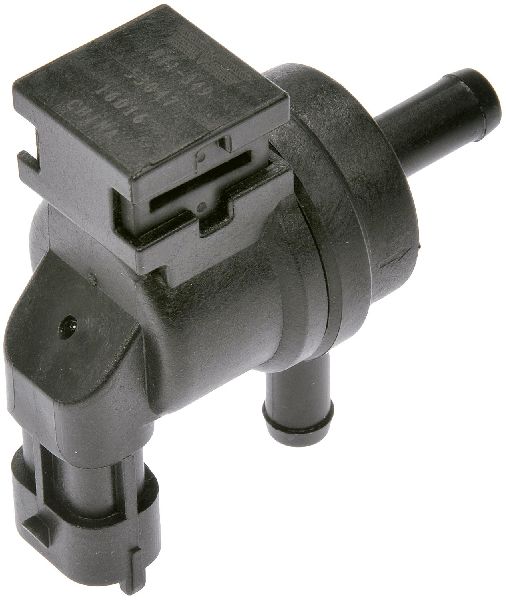
- Faulty Canister Purge Valve / Solenoid 🔴 High Probability → Shop Vapor Canister This is a common failure part across many Kia/Hyundai models of this era due to wear and tear, leading to the valve sticking open or closed. It is the most frequent resolution for P0441 on this platform.
How to confirm: With the engine off, unplug the electrical connector and hoses from the valve. Try to blow through it. If air passes through, the valve is stuck open and is faulty. A healthy valve is normally closed. If you have a scan tool, you can command the valve to open and listen for a click. A lack of a click indicates a failed solenoid.
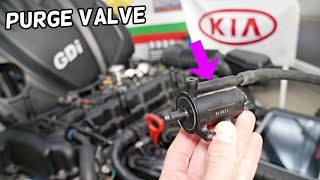
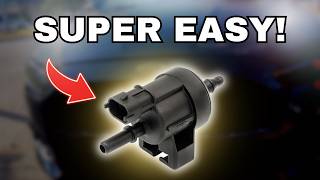
Typical fix: Replace the purge valve. It is located on the intake manifold and is held by a small bracket, making it a very accessible DIY job. 🎬 See this walkthrough on how to locate and remove the valve The repair involves disconnecting two hoses and one electrical connector.
Est. part cost: $40-$100 - Loose or Damaged Gas Cap 🟡 Medium Probability → Shop Fuel Tank Cap The gas cap seal can degrade over time, or it may not have been tightened correctly after refueling, preventing the EVAP system from sealing properly.
How to confirm: Inspect the gas cap for any visible cracks in the plastic or the rubber o-ring seal. Ensure it is tightened until it clicks at least once. Clear the code and see if it returns.
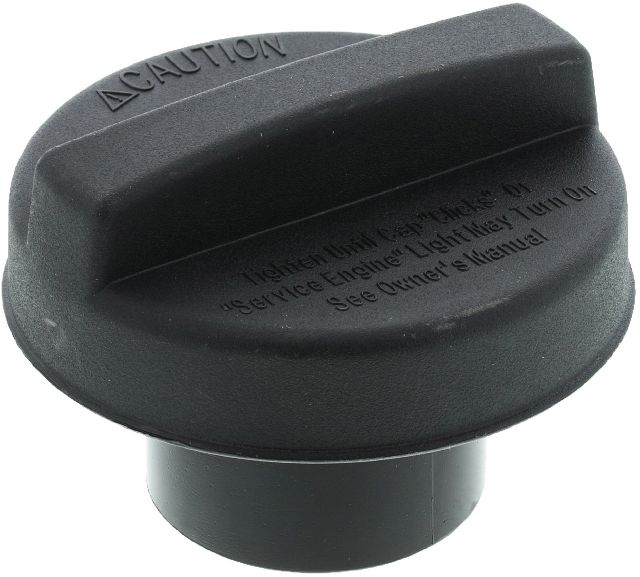
Typical fix: Tighten the cap correctly. If the seal is damaged or the cap is faulty, replace it with a new one. It is highly recommended to use an OEM gas cap to ensure a proper seal, as some aftermarket caps have been reported to cause issues.
Est. part cost: $15-$40 - Cracked or Disconnected EVAP Hoses ⚪ Low Probability Rubber hoses, especially those connected directly to the purge valve on the hot engine, can become brittle and crack over time due to heat and age.
How to confirm: Visually inspect the small rubber hoses running to and from the purge valve and around the intake manifold for any cracks, breaks, or loose connections. A smoke test is the professional method to find hard-to-see leaks.
Typical fix: Replace the damaged section of hose. This can often be done with a small piece of new vacuum hose and hose clamps.
Est. part cost: $5-$20
Rare But Worth Checking
- Faulty Canister Close Valve (Vent Valve): → Shop Vapor Canister This valve is located near the fuel tank and charcoal canister, underneath the rear of the vehicle. While it can cause EVAP codes, it's less likely to cause P0441 specifically than the purge valve. It's more difficult to access and should be considered after the purge valve and gas cap have been ruled out.
- Blown Fuse: The purge valve solenoid is an electronic component that receives power via a fuse. Check the fuse box in the engine compartment for a blown fuse, often labeled 'Sensors 2' or 'EMISS'. This is an uncommon cause but is simple to check.
- Outdated ECU Software: While Kia has issued Technical Service Bulletins (TSBs) like ENG164 to update ECU logic for P0441 on other models like the 2012-2016 Rio and 2012-2016 Soul, no specific TSB for this issue on the Sorento was found. If all mechanical parts check out, it's worth asking a dealer to check if any software updates are available for your vehicle's ECU, though it is an unlikely fix for this model.
Diagnosis Steps
- Retrieve the P0441 code using an OBD-II scanner.
- Open the fuel door and inspect the gas cap. Ensure it is tightened properly until it clicks. Check the rubber seal for cracks or damage. If damaged, replace it, preferably with an OEM part.
- Pop the hood and locate the canister purge valve. It's a small black plastic valve with two hoses and an electrical connector, mounted directly on the engine's intake manifold.
- Inspect the rubber hoses connected to the purge valve for any visible cracks, brittleness, or loose connections. Follow them as far as you can.
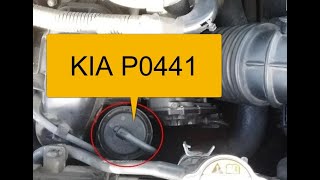
- Test the purge valve. Disconnect the electrical connector and hoses. Try to blow air through the valve. A healthy, unpowered purge valve is normally closed, so no air should pass. 🎬 Watch: A step-by-step guide to diagnosing the P0441 code If air goes through, the valve is stuck open and must be replaced.
- If the valve seems okay, check for a blown fuse in the engine bay fuse box (often labeled 'Sensors' or similar). You can also test for power at the connector with a multimeter with the key on.
- If the gas cap, hoses, and purge valve all seem to be in good working order, the next components to check would be the canister close valve (located near the gas tank, under the vehicle).
- As a final step, a professional smoke test can be performed. This involves injecting smoke into the EVAP system to visually identify any small, hard-to-see leaks in the hoses or components.
Parts You'll Likely Need
- Canister Purge Valve (for 3.5L V6 & 3.3L V6 engines)
(OEM #28910-3C200)— This is the most common part to fail and cause code P0441 on V6 models. It gets stuck open or closed, disrupting the flow of fuel vapors.
Trusted brands: Genuine Kia/Hyundai, Dorman, Standard Motor Products (SMP)
OEM price range: $70-$105
Aftermarket price range: $30-$60 - Canister Purge Valve (for 2.4L I4 engines)
(OEM #28910-25100)— This is the most common part to fail and cause code P0441 on 4-cylinder models. It gets stuck open or closed, disrupting the flow of fuel vapors.
Trusted brands: Genuine Kia/Hyundai, Dorman, SKP, TRQ
OEM price range: $55-$85
Aftermarket price range: $25-$50 - Fuel Cap
(OEM #31010-3L600)— A worn out or loose gas cap is a common cause for all EVAP codes, as it prevents the system from sealing and holding pressure. An OEM cap is recommended for best fit.
Trusted brands: Genuine Kia, Motorad, Stant
OEM price range: $25-$40
Aftermarket price range: $15-$25
Technical Service Bulletins (TSBs) & Recalls
- TSB ENG164 (Rev 2): While not for the Sorento, this TSB for the Rio and Soul models shows that Kia has addressed P0441 with ECU software updates on other vehicles. This makes a software issue on the Sorento a remote possibility if all mechanical checks fail.
- Bulletin #TSB-ENG164R1: This manufacturer service action provides information regarding an Engine Control Unit (ECU) software upgrade for P0441 logic improvement on other Kia models like the Rio.
- Bulletin #TSB-ENG164: A combination TSB and service action that describes ECU upgrades to improve P0441 diagnostic logic on similar Kia platforms.
- Bulletin #TSBENG164_R2: A revised bulletin noting that while it is no longer a Service Action, it provides technical information regarding ECU upgrades for P0441 logic improvements.
Platform-Specific Known Issues
- A user on sorentoforums.com with a 2011 Sorento V6 experienced the classic P0441 symptoms: check engine light and difficulty starting after getting gas. Replacing the purge valve (part 28910-3C200) resolved both issues completely. The repair was described as very simple, taking only a few minutes.
- A video by 'EaziDIY' on YouTube titled 'Fixing Hard Start After Refueling! P0441 Code on My 2011 Kia Sorento EX' documents the entire diagnosis and replacement process, confirming the purge valve as the solution for the hard start symptom.
- Multiple owners on kia-forums.com confirm that for the P0441 code on this generation of Sorento, the purge valve is the first and most effective part to replace, often solving the problem without further diagnosis.
Mechanic-Grade Diagnostic Values
- Purge Control Solenoid Valve (PCSV) Coil Resistance — expected: 14.3 - 14.7 Ω at 68°F (20°C). Failure: A reading significantly outside this range, or an open/infinite reading, indicates a failed internal coil.
- PCSV Connector Voltage (Key On, Engine Off) — expected: One pin should have battery voltage (approx. 12V), and the other is the ground-side control from the ECU.. Failure: No voltage on the power supply pin indicates a blown fuse or a break in the wiring harness between the fuse box and the valve.
Scan Tool Commands That Help
- Kia GDS (Global Diagnostic System) or equivalent professional scan tool: EVAP System Leak Test / Purge Valve Control — This bidirectional command allows a technician to manually command the purge valve to open and close while monitoring system pressure. This is used to confirm if the valve is physically responding to ECU commands and to check if the solenoid clicks, which is a key diagnostic step before replacing the part.
Wiring & Ground Locations
- Purge Control Solenoid Valve (PCSV) Connector — On the intake manifold, connected to the purge valve itself. It is a 2-pin connector.. This is the primary point for electrical testing. One pin is the 12V power supply from a fuse (often labeled 'Sensors 2'), and the other is the control wire to the ECU. A poor connection, corrosion, or damaged wire here will prevent the valve from operating and trigger P0441.
Real Owner Repair Stories
- Reddit user comment in r/kia (2016 Kia Rio (similar EVAP system design)) — Check Engine Light with P0441 code.
❌ Tried (didn't work) Initially, the user's friend suggested only changing the gas cap, which did not resolve the issue alone.
✅ What actually fixed it Replacing both the gas cap and the purge valve together solved the problem. The user reported driving 1,000 miles after the repair with no return of the Check Engine Light. - YouTube video by 'EaziDIY' (2011 Kia Sorento EX) — P0441 code and severe difficulty starting the engine immediately after refueling.
❌ Tried (didn't work) The owner had previously replaced the gas cap twice with no success.
✅ What actually fixed it Replacing the canister purge valve completely fixed the hard-starting issue, which was confirmed by refueling and starting the vehicle successfully on the first try.
Diagnostic Flowchart
Other Known Issues on This Vehicle
Issues unrelated to this code that are worth knowing about as an owner of this generation:
- Catastrophic Engine Failure (Theta II 2.4L) 🔴 High — Widespread issue, often occurring before 100,000 miles. Caused by manufacturing debris (metal shavings) leading to connecting rod bearing failure and engine seizure. (Ref: Recall 23V-877 (for 2011 MY); Class-action lawsuits have led to extended warranties (Lifetime Warranty for short block) for many affected vehicles if the KSDS (Knock Sensor Detection System) update was performed.)
- Faulty Exterior Door Handles 🟡 Low — Commonly reported on the 2011 model year. The exterior handle mechanism fails, preventing the door from being opened from the outside.
- Failing A/C Compressor Clutch 🟠 Medium — The clutch on the A/C compressor can fail, resulting in the A/C not blowing cold air even when refrigerant levels are normal. The compressor and clutch are often replaced as a unit.
- Headlight Bulbs Burning Out Prematurely 🟡 Low — Owners report a higher-than-average failure rate for low-beam headlight bulbs. The issue is frequent enough that many owners keep spare bulbs on hand.
- Radio/Infotainment Glitches 🟡 Low — Issues like loss of sound, Bluetooth connectivity problems, or satellite radio failure are sometimes reported. A common fix is to reset the system by disconnecting the negative battery terminal for 15 minutes.
Used vs. New Parts: Buying Guide for This Vehicle
When a used part is the smart pick: A used OEM purge valve from a low-mileage donor vehicle is a reasonable choice for this repair. The part is not a high-wear item in the traditional sense, but rather fails due to internal sticking or coil failure. A used part from a reputable auto recycler can provide OEM quality for less than a new aftermarket part.
Donor-vehicle mileage cap: roughly under 80000 miles for the part to have meaningful remaining life.
What to inspect on the donor part:
- Verify the part number on the used valve matches your required OEM number.
- Inspect the plastic housing for any cracks or signs of heat damage.
- Check the electrical connector pins for corrosion or damage.
- If possible, perform the simple 'blow-through' test at the time of purchase to ensure it is not stuck open.
OEM-only on this vehicle (don't cheap out):
- Fuel Cap - While cheaper aftermarket options exist, many forum users and mechanics report that only an OEM gas cap provides the consistently perfect seal required by the EVAP system, preventing future codes.
Aftermarket brands forum-validated for this vehicle:
- Standard Motor Products (SMP)
- Dorman
- TRQ
Brands owners have reported issues with on this vehicle:
- No specific brands are consistently reported as problematic, but ultra-cheap, unbranded parts from online marketplaces may have higher failure rates.
Real Owner Stories
Aggregated from forums and TSBs cited above. Mileages and costs reflect what owners reported in those sources.
2011 Kia Sorento V6
Symptoms: Check engine light and difficulty starting after getting gas.
What fixed it: Replacing the purge valve (part 28910-3C200). The repair was described as very simple, taking only a few minutes.
Source hint: sorentoforums.com thread titled 'P0441 code'
2011 Kia Sorento EX
Symptoms: Hard start after refueling and a P0441 code.
What fixed it: Purge valve replacement.
Source hint: Video by 'EaziDIY' on YouTube titled 'Fixing Hard Start After Refueling! P0441 Code on My 2011 Kia Sorento EX'
2011-2015 Kia Sorento
Symptoms: P0441 code appearing on the dashboard.
What fixed it: Replacing the purge valve, which owners confirm is the first and most effective part to replace for this specific code on this generation.
Source hint: kia-forums.com community confirmation
Related OBD-II Codes
Frequently Asked Questions
Why does my Sorento have trouble starting only after I fill up the gas tank?
Where is the purge valve located on the 2011-2015 Sorento for a DIY fix?
Does TSB ENG164 (Rev 2) apply to my Sorento's P0441 code?
Should I buy an aftermarket gas cap to fix the P0441 code?
How can I test if my Sorento's purge valve is actually bad before buying a new one?
Is the P0441 code related to the Theta II engine recall on my 2011 Sorento?
Helpful Videos
Used OEM Parts in Stock
New Aftermarket Parts Available


The information in this article is provided for general reference and educational purposes only. Vehicle specifications, procedures, and part compatibility can vary by production date, trim level, and region. Always consult your vehicle's factory service manual and verify part numbers before purchasing or performing repairs. Safety-critical components such as airbags, seat belts, and braking systems should be installed by a qualified professional.
- Kia Sorento:
- 🧭 Diagnostic Flowchart
- 🎬 Helpful Videos
- 🛍️ Shop This Part
- What's Unique About the 2011-2015 Kia Sorento
- Symptoms You May Notice
- Most Likely Causes
- Rare But Worth Checking
- Diagnosis Steps
- Parts You'll Likely Need
- Technical Service Bulletins (TSBs) & Recalls
- Platform-Specific Known Issues
- Mechanic-Grade Diagnostic Values
- Scan Tool Commands That Help
- Wiring & Ground Locations
- Real Owner Repair Stories
- Other Known Issues on This Vehicle
- Used vs. New Parts: Buying Guide for This Vehicle
- Real Owner Stories
- 2011 Kia Sorento V6
- 2011 Kia Sorento EX
- 2011-2015 Kia Sorento
- Related OBD-II Codes
- Frequently Asked Questions
- 🎟️ Get 5% Off