

P0441 on 2011-2016 Kia Sportage: Incorrect Purge Flow Causes and Fixes
For the 2011-2016 Kia Sportage, code P0441 is most often caused by a faulty canister purge valve located in the engine bay. This is a relatively inexpensive part (around $25-$75) and is a common, easy DIY fix. A key symptom is difficulty starting the vehicle right after refueling. The correct OEM part number for the purge valve is typically 28910-2E000 for this platform.
- The most likely cause of P0441 on a 2011-2016 Sportage is a faulty canister purge valve in the engine bay.
- A key symptom pointing to a bad purge valve is the engine struggling to start right after you get gas.
- Before buying any parts, check that your gas cap is tight and its seal is not cracked.
- The purge valve is an affordable part and is accessible for DIY replacement with basic tools.
- If replacing the purge valve doesn't fix the code, inspect the EVAP hoses for cracks before moving to more complex components.
What's Unique About the 2011-2016 Kia Sportage
While P0441 is a generic code, on many Kia and Hyundai models from this era, including the Sportage and its platform-mate the Hyundai Tucson, the canister purge valve is a very common failure point leading to this specific code. The valve itself is known to stick open or closed. Owners frequently report a classic symptom of a stuck-open purge valve: the vehicle hesitates, stumbles, or is hard to start immediately after filling the gas tank. 🎬 Watch: Why your car struggles to start after refueling. This happens because an open valve allows un-metered fuel vapor to flood the intake manifold, creating a rich condition that makes starting difficult until the excess vapor is cleared.
Symptoms You May Notice
- Check Engine Light is on
- Difficulty starting the engine immediately after refueling 🎬 See this quick 5-minute fix for hard starting after fill-ups.
- Rough or erratic idle
- Slight fuel odor
- Stumbling or hesitation on acceleration
- Replacing the gas cap when the purge valve is the actual problem.
- Replacing the O2 sensors, which are not related to the EVAP system.
- Replacing the charcoal canister when only the purge valve is faulty.
Most Likely Causes
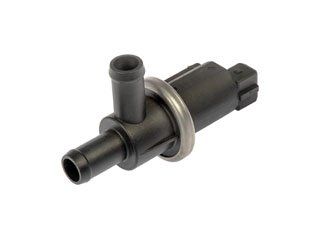
- Faulty Canister Purge Valve (Purge Solenoid) 🔴 High Probability → Shop Vapor Canister This is the most common hardware failure for P0441 on this platform. The valve's internal solenoid can fail or it can get stuck open or closed. It can also become clogged with charcoal particles from a deteriorating canister, especially if the fuel tank is habitually overfilled.
How to confirm: Locate the valve in the engine bay, typically on or near the intake manifold, and easily accessible after removing the plastic engine cover. With the engine off, disconnect the hoses. Try to blow through it; it should be closed and block all airflow. If air passes through, it's stuck open and bad. A scan tool can also command the valve to open and close to check for an audible click. You can also test the solenoid's coil with a multimeter; a healthy valve should have a resistance of approximately 15-30 Ohms.
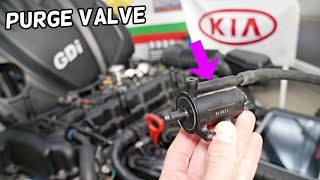
Typical fix: Replace the canister purge valve. This is a simple DIY job involving disconnecting the electrical connector and two spring-clamp hoses, and swapping the old valve for a new one. 🎬 Watch: See this step-by-step purge valve removal and replacement guide.
Est. part cost: $25-$75 - Cracked or Disconnected EVAP Hoses 🟡 Medium Probability The rubber hoses in the EVAP system can become brittle and crack over time due to heat and age, creating a vacuum leak that can disrupt the purge flow test.
How to confirm: Visually inspect all accessible EVAP hoses, particularly the ones connected to the purge valve in the engine bay and the lines running to the charcoal canister at the rear of the vehicle. A smoke test is the most effective way to find a leak that isn't obvious.
Typical fix: Replace the cracked or damaged section of hose.
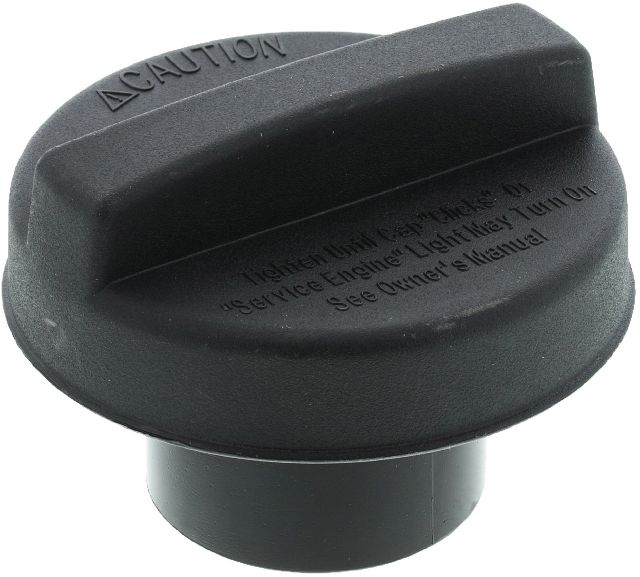
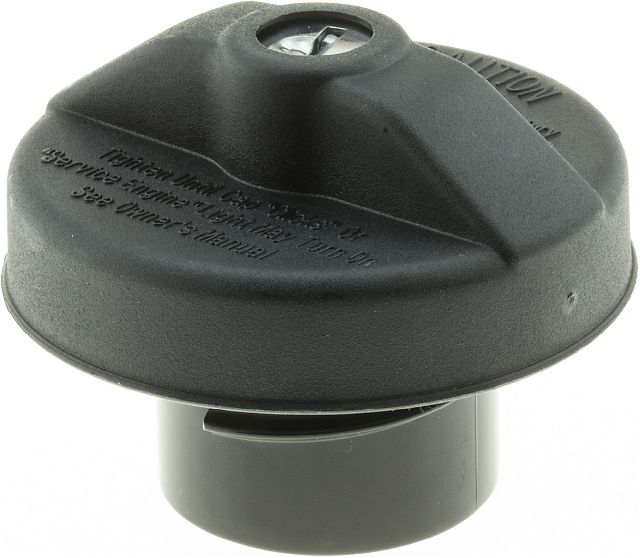
Est. part cost: $5-$20 - Loose or Faulty Gas Cap ⚪ Low Probability → Shop Fuel Tank Cap While more commonly associated with small leak codes (like P0456), a gas cap that is not sealing properly can sometimes contribute to purge flow issues by preventing the system from achieving the correct vacuum during its self-test.
How to confirm: Ensure the gas cap clicks several times when tightened. Inspect the rubber seal on the cap for cracks, stiffness, or damage. An OEM replacement is highly recommended as aftermarket caps can be problematic.
Typical fix: Tighten the gas cap correctly. If the seal is damaged, replace the gas cap with a new OEM part for best results.
Est. part cost: $15-$35
Rare But Worth Checking
- Faulty Canister Close Valve (Vent Valve): → Shop Vapor Canister This valve is located at the rear of the vehicle near the charcoal canister. While its failure usually triggers other codes, it can sometimes contribute to incorrect purge flow if it's stuck closed, preventing the system from drawing in fresh air during the test cycle.
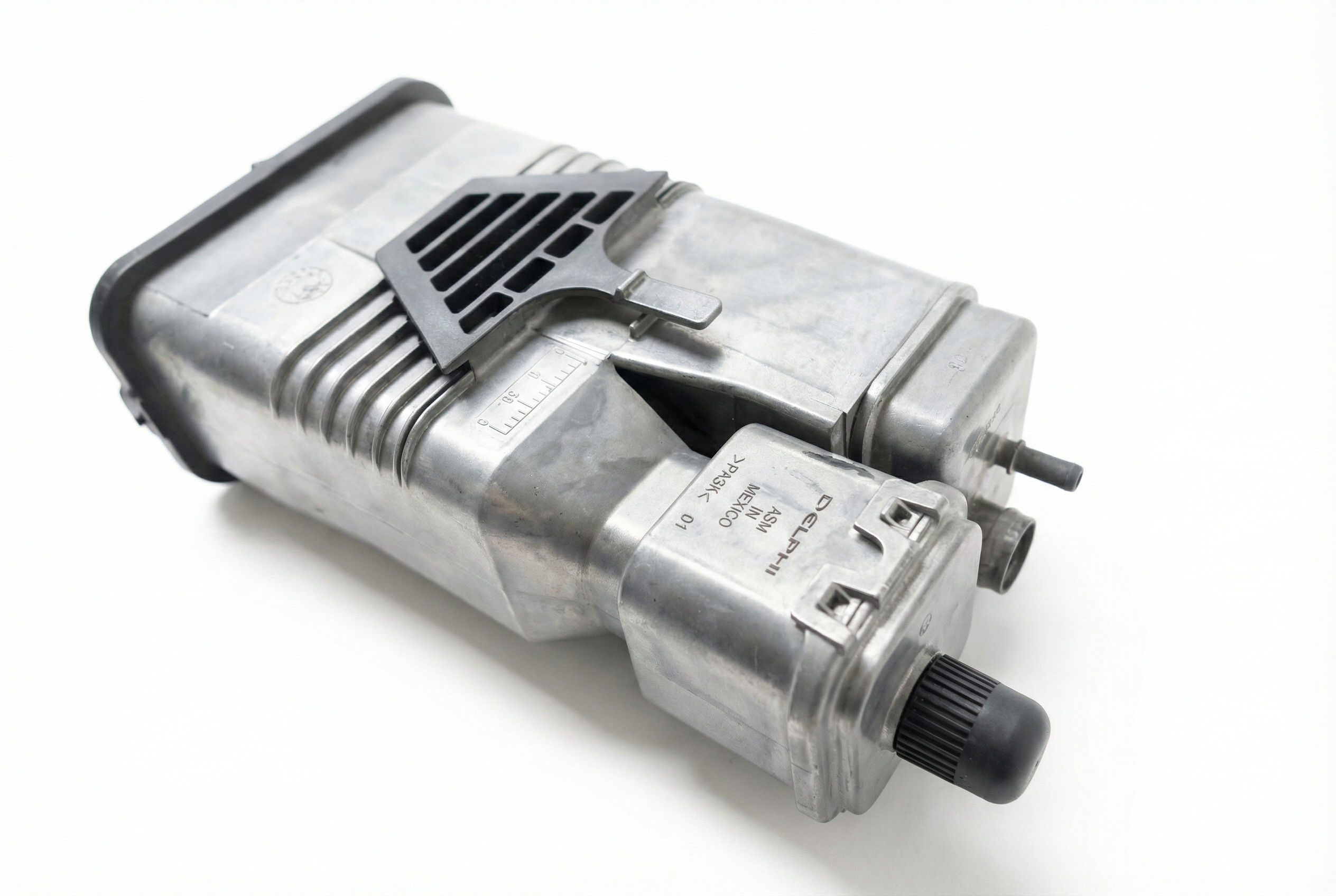
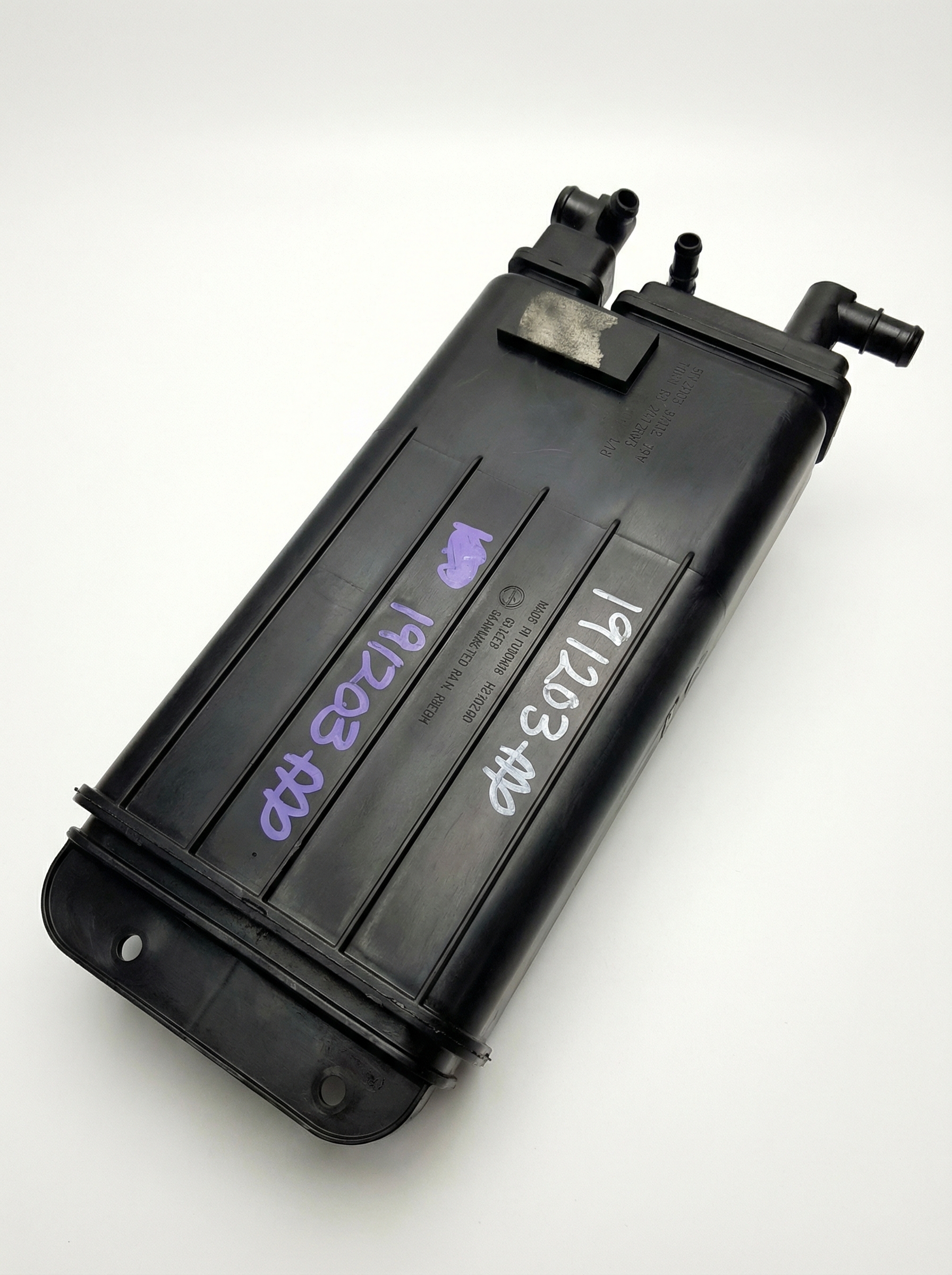
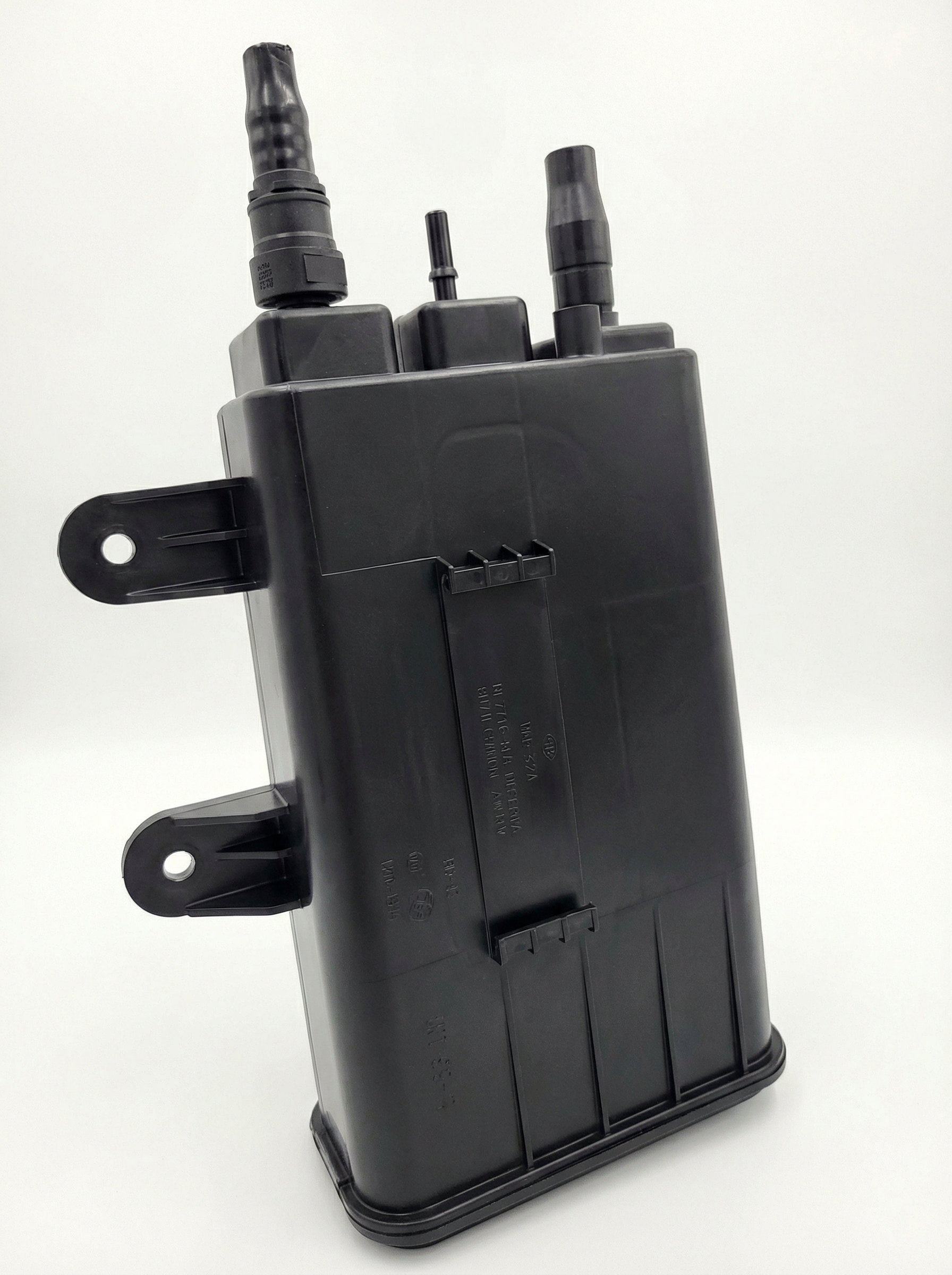
- Clogged or Saturated Charcoal Canister: → Shop Vapor Canister If the canister becomes saturated with fuel (often from habitually overfilling the gas tank) or the internal charcoal breaks down, it can restrict airflow or send charcoal granules into the purge valve and lines, causing it to fail.
- Faulty Fuel Tank Pressure Sensor: → Shop Fuel Tank This sensor reports the pressure/vacuum level inside the fuel tank to the ECU. If it provides an inaccurate reading, the computer may incorrectly flag a purge flow problem. This failure will typically be accompanied by other pressure-related EVAP codes.
Diagnosis Steps
- Check the gas cap. Ensure it is tight and the seal is in good condition.
- Visually inspect the purge valve and its connecting hoses in the engine bay for any obvious cracks, damage, or loose connections. The valve is under the plastic engine cover.
- Test the purge valve. With the engine off, remove the valve. It should be closed by default. If you can blow through it, it's stuck open and needs replacement.
- If the purge valve seems okay, inspect the wiring and connector for damage or corrosion. Check for a blown fuse for the purge valve circuit, which may be labeled 'Sensors 2' in the engine compartment fuse box.
- Inspect the EVAP hoses running from the engine to the rear of the vehicle for any cracks or damage.
- If no issues are found, the next step is to test the canister close valve (vent valve) at the rear of the vehicle and inspect the charcoal canister for damage or fuel saturation.
- If all components test good, consider having a professional perform a smoke test to find a hard-to-see leak or check for any available ECU software updates at a dealership.
Parts You'll Likely Need
- Canister Purge Valve / Purge Control Solenoid
(OEM #28910-2E000)— This is the most frequent point of failure for the P0441 code on this vehicle. It gets stuck open or closed, directly causing an incorrect purge flow reading.
Trusted brands: Kia/Hyundai (OEM), Standard Motor Products (CP756), Dorman (911-383)
OEM price range: $40-$60
Aftermarket price range: $20-$40 - Gas Cap
(OEM #31010-3L600U)— A less common cause, but an easy and inexpensive item to replace if the seal is found to be cracked or worn. An OEM cap is strongly recommended.
Trusted brands: Kia (OEM), Stant, Gates
OEM price range: $20-$35
Aftermarket price range: $10-$20
Related Codes That Often Appear With This One
- P0440 — General EVAP System Malfunction. P0441 is a more specific version of this, indicating a flow problem rather than just a general fault.
- P0442 — EVAP System Small Leak Detected. A cracked hose or failing component can cause both a leak and a flow issue.
- P0456 — EVAP System Very Small Leak Detected. Often caused by a bad gas cap seal or tiny crack in a hose, which can sometimes be related to purge flow problems.
Technical Service Bulletins (TSBs) & Recalls
- TSB ENG164 (Rev 2): While not for the Sportage specifically, this TSB for the Rio and Soul addresses P0441 with an ECU software update, showing a history of software logic issues for this code in Kia vehicles of this period.
- Bulletin #TSB-ENG164R1: This manufacturer service bulletin provides information related to an Engine Control Unit (ECU) software upgrade for P0441 logic improvement on similar Kia models.
- Bulletin #TSB-ENG164: A combined TSB and Service Action (SA280) was issued to address DTC P0441 logic improvements via an ECU upgrade for related Kia platforms.
- Recall SC147: Addressed premature engine bearing wear on 2011-2013 Sportage models with the 2.0L T-GDI engine, a major systemic issue for this platform.
- Service Action SA447: While for code P0456, this action for 2011-2016 models involves replacing the fuel tank air filter and Natural Vacuum Leak Detector (NVLD), indicating a known weakness in the vent-side components of the EVAP system for this generation.
Platform-Specific Known Issues
- A Technical Service Bulletin (TSB ENG164) was issued for other Kia models of the same era for P0441, recommending an ECU software update. While the Sportage was not explicitly listed, it points to a known logic issue in the family that could potentially apply if hardware fixes fail. Manufacturer Bulletin #TSBENG164_R2 notes that this ECU upgrade provides a logic improvement specifically for DTC P0441.
Mechanic-Grade Diagnostic Values
- Canister Purge Valve (Solenoid) Coil Resistance — expected: 15 to 30 Ohms when tested with a multimeter across the two pins.. Failure: A reading of infinite resistance (open circuit) or near zero resistance (short circuit) indicates a failed solenoid.
- Fuel Tank Pressure Sensor (FTPS) Voltage during Manual Purge Test — expected: > 1.5V. Failure: If the FTPS voltage drops below 1.5V while the Purge Control Solenoid Valve (PCSV) control wire is manually grounded for 25 seconds (engine running), it indicates a restriction in the EVAP system (e.g., rollover valve, charcoal canister, CCV, lines).
- Fuel Tank Pressure Sensor (FTPS) Voltage at KOEO — expected: A stable baseline voltage (specific value varies, consult Kia Global Information System - KGIS).. Failure: If voltage is outside the specified range with Key On Engine Off and the gas cap removed, and the 5V reference and ground are confirmed to be good, the FTPS is likely faulty.
Scan Tool Commands That Help
- Kia GDS (Global Diagnostic System) or equivalent professional scanner: Actuation Test for Purge Control Solenoid Valve (PCSV) — To functionally test the purge valve without removing it. The command forces the valve to open and close, which should produce an audible clicking sound and, when monitored with a vacuum gauge or live data, show a change in system pressure/vacuum.
- Kia GDS (Global Diagnostic System) or equivalent professional scanner: Actuation Test for Canister Close Valve (CCV) / Vent Valve — To test the function of the vent valve at the rear of the vehicle. Commanding it closed should seal the EVAP system, allowing for a pressure or vacuum leak test. This is crucial for diagnosing if the system can seal properly before testing purge flow.
- Kia GDS (Global Diagnostic System): Resetting Adaptive Values — After replacing a component like the purge valve, resetting the ECU's adaptive memory can help the system relearn the flow characteristics of the new part faster and may be required to clear the code permanently.
Wiring & Ground Locations
- Engine Compartment Fuse 'Sensors 2' — In the main fuse box in the engine compartment.. This fuse often provides power to the purge control solenoid valve. If this fuse is blown, the valve will have no power and cannot operate, which will set a P0441 or related circuit code.
- PCM/ECM Ground Pins — On the main engine control module connector. For the 2016 2.4L GDI, pins 1 and 2 of one of the main connectors are grounds.. The PCM controls the purge valve by providing a switched ground. A poor ground connection at the PCM itself can cause erratic behavior of any sensor or solenoid it controls, including the purge valve. Verifying a good ground is a key step in advanced electrical diagnosis.
- Main Chassis Ground — A common location for main chassis grounds on Kia vehicles is a bolt with multiple brown or black wires attached, located near the interior fuse panel behind the driver's side kick panel.. While not specific to the EVAP system, a corroded or loose main chassis ground can cause a host of unpredictable electrical issues throughout the vehicle. It's a good practice to check major ground points when diagnosing any electrical fault.
Real Owner Repair Stories
- Reddit r/MechanicAdvice (2008 Kia Spectra (similar Kia EVAP system design)) — Check engine light with P0449 (Vent Valve code), bubbling from gas tank, difficulty refueling (pump clicks off).
❌ Tried (didn't work) Initial diagnosis pointed to a canister purge solenoid. A smoke test was initially inconclusive.
✅ What actually fixed it The canister vent valve was found to be clogged with charcoal particles. The root cause was a failed (disintegrated) charcoal vapor canister. The final repair required replacing BOTH the canister vent valve and the vapor canister itself. Replacing only the valve would have resulted in the new valve being immediately clogged by debris from the old canister.
"I Checked Everything" — The Actual Cause
- In cases where a standard EVAP leak test or smoke test results in 'No Trouble Found' (NTF), the issue may not be a simple leak but a restriction or a component that fails only under specific conditions. A Kia technical procedure outlines a manual test using a voltmeter on the Fuel Tank Pressure Sensor (FTPS). By manually activating the purge and vent valves and monitoring the voltage change on the FTPS, a technician can diagnose restrictions or leaking valves that a static smoke test might miss. For example, if the FTPS voltage drops below 1.5V during a manual purge, it points to a restriction in the system, not a leak.
Model Year Variations Within This Range
- 2011-2016: While the core EVAP system is similar across the generation, Kia issued a Service Action (SA447) for these model years related to code P0456 (very small leak). The action involves replacing the fuel tank air filter and potentially the Natural Vacuum Leak Detector (NVLD) assembly. This indicates a known weakness in the vent-side components and their filtration, which could potentially lead to restrictions causing a P0441 code if debris enters the system.
Diagnostic Flowchart
Other Known Issues on This Vehicle
Issues unrelated to this code that are worth knowing about as an owner of this generation:
- Catastrophic Engine Failure (Theta II GDI) 🔴 High — Widespread across 2011-2013 models with 2.0L Turbo and 2.4L GDI engines. Failures can occur at any mileage, often without warning. (Ref: Recall SC147; Class-action lawsuit settlement providing lifetime warranties and potential engine replacements.)
- Excessive Oil Consumption 🟠 Medium — Common on Theta II engines, often a precursor to engine failure. Owners report needing to add oil between changes. (Ref: TSB ENG222_R5 addresses testing procedures for excessive oil consumption.)
- AWD Coupling / Rear Differential Oil Leaks 🟡 Low — Seals in the AWD coupling can fail, leading to fluid leaks and potential damage to the AWD system if not addressed. (Ref: TSB 047 (NHTSA ID: 10058121) relates to the hydraulic actuator for the AWD system.)
- Increased Risk of Engine Compartment Fire 🔴 High — Affects various model years due to different causes, including HECU malfunctions and fuel leaks from engine failure. (Ref: Multiple recalls, including one for HECU (Hydraulic Electronic Control Unit) fire risk.)
- Lack of Engine Immobilizer & Theft Vulnerability 🔴 High — Extremely common on models without push-button start, leading to a viral social media trend and high theft rates. (Ref: TSB CS2302 provides a software update to add anti-theft logic.)
Used vs. New Parts: Buying Guide for This Vehicle
When a used part is the smart pick: A used Canister Purge Valve from a low-mileage donor vehicle is a reasonable option, as it is a simple solenoid that either works or doesn't. Given the low cost of new aftermarket parts, the savings may be minimal. Hoses and clamps can also be sourced from a junkyard if they are in good, pliable condition.
Donor-vehicle mileage cap: roughly under 75000 miles for the part to have meaningful remaining life.
What to inspect on the donor part:
- For a purge valve, ensure the plastic housing is not cracked and the hose nipples are intact.
- For hoses, inspect for any signs of dry rot, cracking, or swelling. Squeeze the hose to ensure it is still pliable and not hard or brittle.
OEM-only on this vehicle (don't cheap out):
- Gas Cap: Aftermarket gas caps are notorious for having incorrect seal tolerances, which can cause EVAP codes to persist or return. Always use an OEM Kia gas cap.
- Charcoal Canister: Never buy a used charcoal canister. They have a finite lifespan and a failing one can release charcoal granules that will destroy new purge and vent valves. The history of a used canister is unknown, making it a high-risk part.
Aftermarket brands forum-validated for this vehicle:
- Standard Motor Products (SMP)
- Dorman
Brands owners have reported issues with on this vehicle:
- No-name, unbranded parts sold on marketplace sites at suspiciously low prices.
Real Owner Stories
Aggregated from forums and TSBs cited above. Mileages and costs reflect what owners reported in those sources.
2011-2016 Kia Sportage
Symptoms: Check engine light on with code P0441 and difficulty starting the car specifically after refueling.
What fixed it: Replacement of the canister purge valve.
Source hint: Reddit (r/KiaSoulClub)
2010-2015 Hyundai Tucson (Platform Mate)
Symptoms: P0441 code present along with cracked EVAP hoses.
What fixed it: Replacement of the 28910-2E000 canister purge valve and damaged hoses.
Source hint: YouTube ('Electrical Car Repair LIVE') video titled 'HYUNDAI TUCSON CODE P0440 P0441 P0442 EVAP PURGE CONTROL FIX'
Related OBD-II Codes
Frequently Asked Questions
My 2012 Sportage is hard to start only after I fill up at the gas station. Is this related to P0441?
Is there a software update for the P0441 code on my Kia Sportage?
Can I use an aftermarket gas cap to fix this code on my Sportage?
Where is the purge valve located on the 2011-2016 Sportage?
Which fuse should I check if my purge valve isn't working?
Could my P0441 code be related to the Service Action SA447 for the fuel tank air filter?
Helpful Videos
Used OEM Parts in Stock
New Aftermarket Parts Available


The information in this article is provided for general reference and educational purposes only. Vehicle specifications, procedures, and part compatibility can vary by production date, trim level, and region. Always consult your vehicle's factory service manual and verify part numbers before purchasing or performing repairs. Safety-critical components such as airbags, seat belts, and braking systems should be installed by a qualified professional.
- Kia Sportage:
- 🧭 Diagnostic Flowchart
- 🎬 Helpful Videos
- 🛍️ Shop This Part
- What's Unique About the 2011-2016 Kia Sportage
- Symptoms You May Notice
- Most Likely Causes
- Rare But Worth Checking
- Diagnosis Steps
- Parts You'll Likely Need
- Related Codes That Often Appear With This One
- Technical Service Bulletins (TSBs) & Recalls
- Platform-Specific Known Issues
- Mechanic-Grade Diagnostic Values
- Scan Tool Commands That Help
- Wiring & Ground Locations
- Real Owner Repair Stories
- "I Checked Everything" — The Actual Cause
- Model Year Variations Within This Range
- Other Known Issues on This Vehicle
- Used vs. New Parts: Buying Guide for This Vehicle
- Real Owner Stories
- 2011-2016 Kia Sportage
- 2010-2015 Hyundai Tucson (Platform Mate)
- Related OBD-II Codes
- Frequently Asked Questions
- 🎟️ Get 5% Off