

P0441 on 2018-2023 Kia Stinger 3.3L: EVAP Incorrect Purge Flow Causes and Fixes
For the 2018-2023 Kia Stinger 3.3L, code P0441 is most often caused by a faulty canister purge valve (solenoid). This is a relatively simple DIY replacement, with the OEM part (28910-3L270) costing around $60-$85. The valve is located in the engine bay and is a common failure point.
- P0441 on a 3.3L Stinger almost always points to a problem with the EVAP system's purge flow, not a major engine issue.
- The most likely part to fail is the canister
What's Unique About the 2018-2023 Kia Stinger
Unlike some older Kia models that were prone to P0441 due to software glitches requiring an ECU update, there are no widespread reports or Technical Service Bulletins (TSBs) suggesting this is a common issue for the 2018-2023 Stinger. The cause on this platform is much more likely to be a straightforward hardware failure. The canister purge valve is the primary suspect based on general vehicle diagnostics and owner reports of EVAP-related codes. One Reddit user with a P0444 code (purge valve circuit open) on a 2019 Stinger 3.3T found the electrical connector to the purge valve had simply become disconnected, which resolved the issue once reconnected.
Symptoms You May Notice
- Check Engine Light is on
- Rough idle, especially if the purge valve is stuck open
- Slight decrease in fuel efficiency
- Difficulty starting the engine immediately after refueling
- A faint smell of fuel (rare)
- Engine hesitation or poor performance
- Replacing the gas cap when the purge valve is the actual problem. A gas cap issue usually causes a leak code (P0455, P0456, P0457), not an incorrect flow code.
Most Likely Causes
- Faulty Canister Purge Valve (Solenoid) 🔴 High Probability → Shop Vapor Canister The purge valve is a common failure point on many modern vehicles, including Kias. It's a small electronic solenoid that cycles thousands of times and can get stuck open or closed, or become clogged with carbon particles or debris from a failing charcoal canister over time.
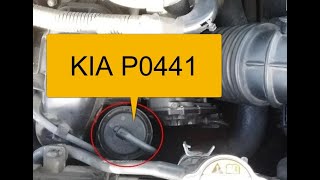
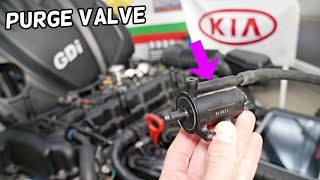
How to confirm: The purge valve is located in the engine bay, typically on or near the intake manifold, with two hoses and an electrical connector. With the engine running, disconnect the electrical connector and the EVAP line from the valve. There should be no vacuum felt at the port. If there is, the valve is stuck open. You can also use a capable OBD-II scanner to command the valve to open and close, listening for an audible click. A stuck-open valve will often cause a rough idle and difficulty starting after getting gas. A Reddit user with a similar EVAP code on a Stinger found the electrical connector was simply disconnected.
Typical fix: Replace the canister purge valve. It is located in the engine bay and is easily accessible.
Est. part cost: $60-$85 - Loose or Faulty Gas Cap ⚪ Low Probability → Shop Fuel Tank Cap While a bad gas cap can cause EVAP codes, it more commonly triggers leak codes like P0455 (large leak) or P0456 (small leak), not an incorrect flow code like P0441. However, it's a simple and free check, and some owners of other Kia models have reported fixing P0441 by replacing a worn cap where the seal lost flexibility.
How to confirm: Ensure the gas cap is tightened until it clicks. Inspect the cap's seal for any cracks, tears, or signs of damage. If the seal is compromised, the cap should be replaced.
Typical fix: Tighten or replace the gas cap. It is highly recommended to use an OEM replacement cap.
Est. part cost: $15-$30 - Cracked or Disconnected EVAP Hose ⚪ Low Probability Rubber hoses can become brittle and crack over time due to heat and age. A crack or disconnection in the purge line between the charcoal canister and the purge valve can cause this code.
How to confirm: Visually inspect all accessible EVAP hoses, particularly the lines connected to the purge valve in the engine bay and the lines around the charcoal canister near the fuel tank. A smoke test is the most effective way to find a hard-to-see leak.
Typical fix: Replace the cracked or damaged section of the hose.
Est. part cost: $10-$50
Rare But Worth Checking
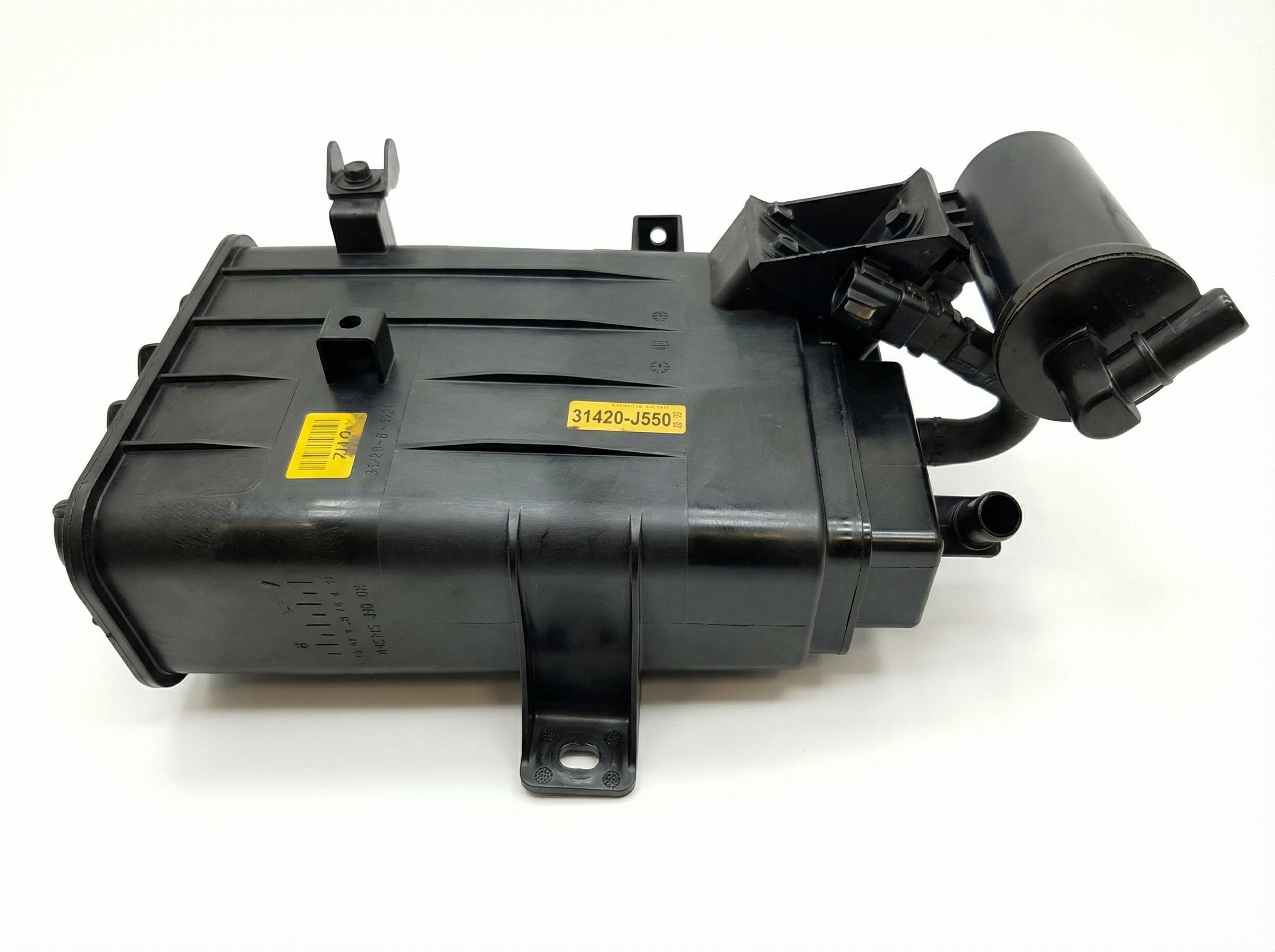
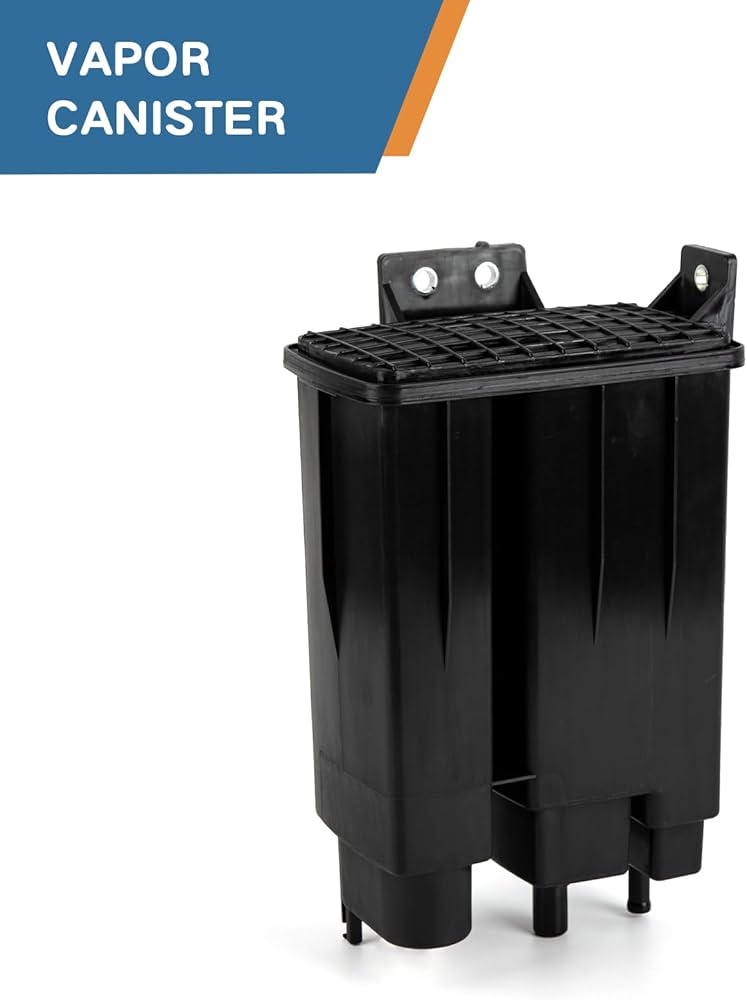
- Clogged or Failed Charcoal Canister: → Shop Vapor Canister This can happen if you habitually overfill your fuel tank, which can force raw fuel into the canister and saturate the charcoal pellets. This can cause a blockage or send debris down the line, clogging the purge valve.
- Faulty Fuel Tank Pressure Sensor (FTPS): → Shop Fuel Tank While a faulty FTPS typically sets its own specific codes (like P0451), it's possible for an erratic sensor to contribute to an incorrect flow diagnosis by the ECU.
- Blown Fuse for EVAP System: The purge valve solenoid is an electronic component powered by a fuse. If the fuse blows, the valve cannot operate, which could lead to an incorrect flow code. The fuse may be labeled 'sensors' or similar in the fuse box.
Diagnosis Steps
- Read the codes with an OBD-II scanner to confirm P0441 is the primary code present.
- Check that the gas cap is tight and the seal is in good condition.
- Locate the canister purge valve in the engine bay. It will have an electrical connector and two vacuum line connections.
- Visually inspect the vacuum lines connected to and surrounding the purge valve for any obvious cracks, brittleness, or disconnections. Also check that the electrical connector is securely plugged in.
- With the engine running at idle, disconnect the EVAP hose from the purge valve. Place your finger over the port on the valve; you should not feel any vacuum. If you do, the valve is stuck open and must be replaced.
- If no vacuum is felt, use a capable scanner with bidirectional controls to command the purge valve to open. You should hear an audible click and feel vacuum at the port. If it doesn't click or open, the valve is faulty.
- Check for a blown fuse related to the EVAP system or sensors in the engine bay fuse box.
- If the valve seems to function, the next step would be a smoke test of the EVAP system to check for obscure leaks or blockages in the lines or charcoal canister.
Parts You'll Likely Need
- Canister Purge Valve / Purge Control Valve
(OEM #28910-3L270)— This solenoid is the most common failure point for code P0441. It gets stuck open or closed, leading to an incorrect amount of fuel vapor being purged into the engine.
Trusted brands: Kia (Genuine OEM)
OEM price range: $58-$85
Aftermarket price range: $40-$70
Related Codes That Often Appear With This One
- P0443 — This code indicates an electrical circuit malfunction for the purge valve. If you see P0441 and P0443 together, it strongly points to a bad purge valve solenoid or a wiring issue to the valve.
- P0455 — This indicates a large EVAP system leak. It could appear with P0441 if a hose is completely disconnected or severely cracked, causing both a leak and incorrect purge flow.
- P0444 — This code indicates an open circuit for the purge valve. A user on a Stinger forum reported this code when the electrical connector to the purge valve was simply unplugged.
Platform-Specific Known Issues
- A Kia Stinger owner on Reddit with a P0444 code (EVAP Purge Control Valve Circuit Open) found the issue was simply that the electrical connector on the purge valve had become disconnected. Reconnecting it solved the problem. This is a valuable first check for any related EVAP codes.
Technical Service Bulletins (TSBs) & Recalls
- Bulletin #TSB-ENG164: This manufacturer service bulletin describes a "DTC P0441 Logic Improvement" involving an ECU software upgrade. While originally issued for other Kia models like the Soul and Rio, it highlights Kia's history of addressing P0441 through software calibration.
- Bulletin #TSB-ENG164R1: A revised service action regarding ECU upgrades for P0441 logic improvements on related Kia platforms.
- Bulletin #TSBENG164_R2: A further revision of the P0441 logic improvement bulletin, noting that the update provides information related to the Engine Control Unit.
Mechanic-Grade Diagnostic Values
- Fuel Tank Pressure Sensor (FTPS) Signal Voltage — expected: Approximately 2.5V with the gas cap off (0 psi). The voltage should change when the system is sealed and the purge valve is activated.. Failure: A reading that is stuck, or does not change as expected during an EVAP test. Specifically, a reading far from 2.5V at atmospheric pressure (e.g., stuck at 0.5V or 4.5V) indicates a faulty sensor or wiring.
- Fuel Tank Pressure Sensor (FTPS) Voltage vs. Pressure — expected: At 0 psi: ~2.5V. At -0.54 psi (vacuum): ~0.5V. At +0.54 psi (pressure): ~4.5V.. Failure: Voltage readings that do not correspond to the pressure/vacuum state of the system.
- Fuel Tank Pressure Sensor (FTPS) Reference Voltage — expected: +5V at the sensor connector.. Failure: No or low voltage indicates a wiring problem or an issue with the ECU.
Scan Tool Commands That Help
- Kia GDS/KDS: EVAP System Actuation Test — This bidirectional command is used to manually force the Purge Control Solenoid Valve (PCSV) and Canister Close Valve (CCV) to open or close. It allows a technician to verify the electrical and mechanical function of the valves without relying on the ECU's automatic test cycle, confirming if the valve clicks and changes the system's pressure reading.
- Kia GDS/KDS: Resetting Adaptive Values — After replacing a component like the purge valve or FTPS, this function can be used to clear the ECU's learned values, forcing it to recalibrate for the new part immediately.
Wiring & Ground Locations
- Fuse: SENSOR 2 — In the engine compartment fuse box.. This 10A fuse provides power to the Purge Control Solenoid Valve on the 3.3L T-GDI engine. If this fuse is blown, the valve will have no power and cannot operate, which will set a flow or circuit code. It also powers the Canister Close Valve and other sensors, so a blown fuse may be accompanied by other codes.
- Fuel Tank Pressure Sensor (FTPS) — Located on top of the fuel pump module, accessible by removing a round cover under the rear seat.. The ECU uses the FTPS to determine if the purge flow is correct. Knowing its physical location is essential for testing its wiring or replacing it, which can be a cause for P0441 if it provides incorrect readings.
Real Owner Repair Stories
- Go-Parts Repair Database (2019 Kia Stinger GT 3.3L) — Check Engine Light with code P0451 (EVAP System Pressure Sensor/Switch Range/Performance) and fuel nozzle shutting off repeatedly during refueling.
❌ Tried (didn't work) Scanned code at an auto parts store and posted on a forum for advice before discovering the physical cause.
✅ What actually fixed it The code appeared immediately after running over a moving blanket on the highway. The physical impact had damaged an EVAP hose underneath the car near the rear axle. Repairing the damaged hose resolved both the code and the refueling issue.
OEM Part Supersession History
28910-3L270→None found— The original part number appears to be used consistently across the entire 2018-2023 model year range.
Model Year Variations Within This Range
- 2022-2023: The Stinger received a facelift for the 2022 model year which included revised styling, new infotainment, and a slight power increase for the 3.3L engine from a new variable exhaust system. However, the EVAP system, specifically the purge control valve (PN 28910-3L270), remained unchanged for the entire 2018-2023 production run.
Diagnostic Flowchart
Other Known Issues on This Vehicle
Issues unrelated to this code that are worth knowing about as an owner of this generation:
- Left Turbocharger Oil Feed Pipe Leak 🔴 High → Shop Turbocharger — Common enough to trigger a safety recall (NHTSA ID 24V093000 / Kia SC300) for all 2018-2023 3.3T models. Can lead to an engine fire. (Ref: Recall SC300)
- Electronic Wastegate Actuator Rattle/Failure 🟠 Medium → Shop Turbocharger — A common source of rattling or squeaking noises from the engine bay, especially on earlier models. Can eventually lead to boost control problems and fault codes like P2562.
- Paint Peeling / Poor Adhesion 🟡 Low — A well-documented issue, particularly for 'Sunset Yellow' paint, where the paint can chip or peel due to poor adhesion to the primer. Other colors like 'Micro Blue' and the clear coat in general have also been reported by owners. (Ref: Kia offered repaints/buy-backs for some yellow models.)
- Rear Differential Whine/Groan or Failure 🟠 Medium — Some owners report groaning or whining noises from the rear differential during slow-speed turns (known as 'differential bind'), particularly on AWD models. Some have solved it by using aftermarket fluid with a friction modifier. There are also isolated reports of complete differential failure.
- High-Pressure Fuel Pump (HPFP) Failure 🔴 High → Shop Fuel Pump — Affects a number of 2018-2021 models, potentially causing stalling or loss of power while driving. A recall was issued for the 2.0T engine, and the issue is also noted on the 3.3T. (Ref: TSB 25-FL-002G (for related Genesis G70), Recall SC281 (for Stinger 2.0T))
- Tailgate/Hatch Rattle 🟡 Low — A very common complaint of a rattling or clunking noise from the rear of the car when going over bumps. It is often caused by misaligned bump stops or the latch mechanism. (Ref: TSB SA322 (for 2018 models))
Used vs. New Parts: Buying Guide for This Vehicle
When a used part is the smart pick: For a P0441 repair, buying used parts is generally not recommended. The most common failure, the purge valve, is an inexpensive electro-mechanical part that wears out; a used one carries a high risk of premature failure. A used gas cap could be considered if its rubber seal is inspected and found to be pliable and free of cracks.
Donor-vehicle mileage cap: roughly under 50000 miles for the part to have meaningful remaining life.
What to inspect on the donor part:
- For a purge valve: Ensure plastic housings and connector ports are not cracked or broken.
- For a gas cap: The rubber O-ring seal must be soft, flexible, and free of any cracks, hardening, or flat spots.
- For hoses: Squeeze the hose to ensure it is not brittle or hard; it should have some flexibility.
OEM-only on this vehicle (don't cheap out):
- Gas Cap: While aftermarket caps exist, an OEM cap is strongly recommended to guarantee a perfect seal, which is critical for the EVAP system to pass its self-test.
Real Owner Stories
Aggregated from forums and TSBs cited above. Mileages and costs reflect what owners reported in those sources.
2019 Kia Stinger GT1 3.3T
Symptoms: Check engine light was on with code P0444 (related to the EVAP Purge Control Valve).
What fixed it: Found the electrical connector on the purge valve had become disconnected; reconnecting it resolved the issue.
Source hint: Reddit r/kiastinger - "Check engine light P0444"
Related OBD-II Codes
Frequently Asked Questions
I have a 2019 Kia Stinger GT1 3.3T with a P0444 code; is this related to the P0441 issue?
Where is the canister purge valve located on my Stinger 3.3L engine?
Could my P0441 code be caused by the Kia Stinger fuel pump recall?
Is there a specific TSB for the Stinger's EVAP system or purge valve?
Will a loose gas cap cause a P0441 on my Stinger?
My Stinger is hard to start only after I fill up the gas tank. Is this related to P0441?
Helpful Videos

![[Kia Stinger Owner Tip] Addressing Whole-Vehicle Vibrations at Low Speeds](https://img.youtube.com/vi/esz89BvyLkY/mqdefault.jpg)
We Have This Part in Stock

The information in this article is provided for general reference and educational purposes only. Vehicle specifications, procedures, and part compatibility can vary by production date, trim level, and region. Always consult your vehicle's factory service manual and verify part numbers before purchasing or performing repairs. Safety-critical components such as airbags, seat belts, and braking systems should be installed by a qualified professional.
- Kia Stinger:
- 🧭 Diagnostic Flowchart
- 🎬 Helpful Videos
- 🛍️ Shop This Part
- What's Unique About the 2018-2023 Kia Stinger
- Symptoms You May Notice
- Most Likely Causes
- Rare But Worth Checking
- Diagnosis Steps
- Parts You'll Likely Need
- Related Codes That Often Appear With This One
- Platform-Specific Known Issues
- Technical Service Bulletins (TSBs) & Recalls
- Mechanic-Grade Diagnostic Values
- Scan Tool Commands That Help
- Wiring & Ground Locations
- Real Owner Repair Stories
- OEM Part Supersession History
- Model Year Variations Within This Range
- Other Known Issues on This Vehicle
- Used vs. New Parts: Buying Guide for This Vehicle
- Real Owner Stories
- 2019 Kia Stinger GT1 3.3T
- Related OBD-II Codes
- Frequently Asked Questions
- 🎟️ Get 5% Off