

P0441 on 2006-2007 Mazda 6 V6: EVAP Incorrect Purge Flow Causes and Fixes
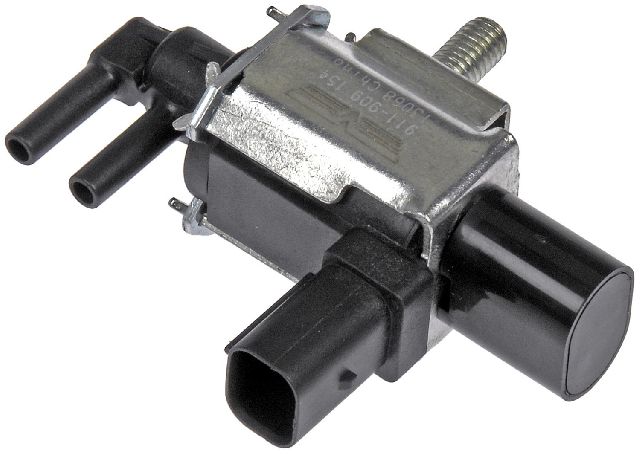
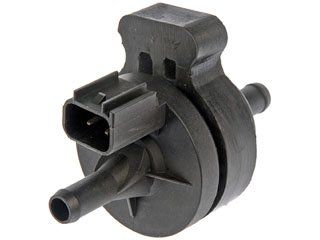
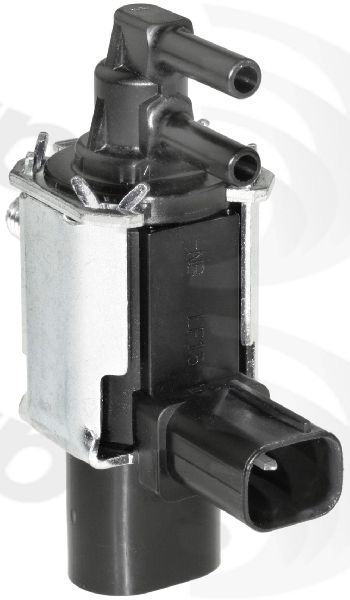
On a 2006-2007 Mazda 6 with the V6 engine, code P0441 is most often caused by a faulty vapor canister purge solenoid valve. This is a relatively inexpensive part (around $30-$60 for an aftermarket replacement) and is a common DIY fix, though access is tight. The OEM part number is Z504-18-741A.
- P0441 on a 2006-2007 Mazda 6 V6 almost always points to a problem with the EVAP purge solenoid valve, OEM part Z504-18-741A.
- Before buying parts, first check that your gas cap is tight and its seal is not cracked or worn.
- The purge valve is located in a tight spot on the passenger side of the engine near the firewall, which can make replacement a bit challenging.
- This is a very DIY-friendly repair for those with basic tools and patience, and it will not affect your ability to drive the car, but it will cause you to fail an emissions test.
What's Unique About the 2006-2007 Mazda 6
For the first-generation Mazda 6, the V6 engine bay is quite full, making access to certain components more challenging than on the 4-cylinder models. The purge solenoid valve, the most common culprit for P0441, is located in a tight spot on the passenger side of the engine bay near the firewall. While the failure of this specific valve is common across many Mazda models from this era, owners of the V6 should be prepared for a slightly more difficult replacement due to the limited space.
Symptoms You May Notice
- Check Engine Light is on.
- Difficulty starting the engine immediately after refueling (if the purge valve is stuck open).
- Slightly rough or erratic idle in some cases.
- A faint fuel smell may be noticeable.
- Hesitation during acceleration or engine stumbling.
- Replacing the oxygen sensors. Oxygen sensors are not related to the EVAP system and will not fix a P0441 code.
- Replacing the catalytic converter. This is an expensive repair for exhaust system issues and has no connection to the P0441 code.
Most Likely Causes
- Faulty Vapor Canister Purge Solenoid Valve 🔴 High Probability → Shop Vapor Canister This is a very common failure point on many Mazda vehicles from this period, as noted in TSB 01-002/18. The valve can get stuck open, stuck closed, or fail electrically, directly causing an incorrect flow condition.
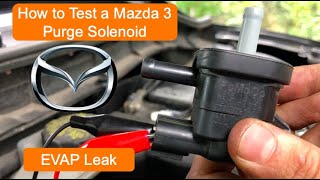
How to confirm: Remove the valve. It is normally closed, so you should not be able to blow air through it. Apply 12V power to its electrical connector; the valve should click open and allow air to pass. If it fails either part of this test, it is faulty. 🎬 Watch: A mechanic shows you how to test the solenoid. Mazda's TSB 01-002/18 explicitly states to replace the purge solenoid valve if a Key-On-Engine-Running (KOER) self-test fails for purge flow.
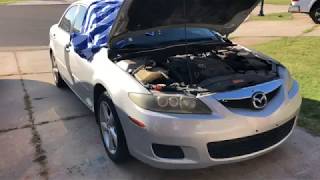
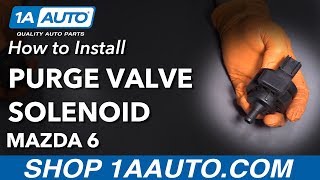
Typical fix: Replace the purge solenoid valve. On the V6 model, it is located near the firewall on the passenger side of the engine bay. 🎬 Watch: See exactly where the V6 purge valve is hidden. Access is tight; some owners recommend using long needle-nose pliers to release the hose clamps. 🎬 Watch: Step-by-step guide to replacing the purge valve solenoid.
Est. part cost: $30-$110 - Loose or Faulty Gas Cap 🟡 Medium Probability → Shop Fuel Tank Cap While P0441 is a flow code, not a leak code, an improperly sealing gas cap can sometimes disrupt the EVAP system's pressure dynamics enough to trigger it. It's a simple and common issue. TSB 01-023/10 notes that P0441 can be stored when evaporative emissions are leaking from the fuel filler cap.
How to confirm: Ensure the gas cap is tightened until it clicks at least once. Inspect the rubber seal on the cap for cracks, stiffness, or damage. A new OEM cap is a cheap diagnostic step.
Typical fix: Tighten or replace the gas cap.
Est. part cost: $15-$40 - Cracked or Disconnected EVAP Hoses ⚪ Low Probability The rubber hoses in the engine bay can become brittle and crack over time due to heat and age, creating a vacuum leak that can affect purge flow.
How to confirm: Visually inspect the vacuum and EVAP hoses connected to and surrounding the purge solenoid valve for any obvious cracks, breaks, or loose connections. Pay close attention to the small rubber elbows and connectors.
Typical fix: Replace the damaged section of hose.
Est. part cost: $5-$25
Rare But Worth Checking
- Clogged or Failing Charcoal Canister: → Shop Vapor Canister This is less common, but if the canister starts to break down internally, charcoal pellets can be drawn into the purge lines, clogging the purge valve and lines. If you replace a purge valve and find black, coffee-ground-like granules inside, the charcoal canister is the root cause and will also need replacement to prevent the new valve from clogging immediately.
- Fuel Pressure Sensor or Shutter Valve: → Shop Fuel Pressure Sensor According to manufacturer bulletin #SA-059-25, P0441 may also be caused by a concern with the fuel pressure sensor or shutter valve operation.
Diagnosis Steps
- Read the code with an OBD-II scanner to confirm P0441 is present and check for any other related codes.
- Check the gas cap. Ensure it is tight and the seal is in good condition. A loose cap is a simple but common issue.
- Visually inspect the engine bay. Look for any cracked, disconnected, or broken vacuum hoses, particularly around the purge solenoid valve located near the passenger-side firewall.
- Test the purge solenoid valve. Locate the valve, disconnect its hoses and electrical connector. Before installing a new valve, check the old valve and lines for black charcoal granules. If found, the charcoal canister must be replaced.
- The valve should be normally closed, meaning no air can pass through. Apply a 12-volt source to the electrical pins; you should hear a click, and the valve should open, allowing air to pass. If it's stuck open or doesn't open with power, it needs to be replaced.
- If the valve and hoses are good, the issue might be a clog in the line or a failing charcoal canister.
- If no issue is found, a professional smoke test may be required to find a hard-to-see leak in the EVAP system, as recommended in Mazda TSB 01-002/18.
Parts You'll Likely Need
- Vapor Canister Purge Solenoid Valve
(OEM #Z504-18-741A (supersedes Z504-18-740 and Z504-18-741))— This is the most frequent failure point for code P0441 on this vehicle. It controls the flow of fuel vapors, and when it sticks open or closed, it directly causes this code.
Trusted brands: Standard Motor Products, Dorman, Bosch, Mazda (OEM)
OEM price range: $100-$160
Aftermarket price range: $30-$60
Related Codes That Often Appear With This One
- P0442 — P0442 indicates a small EVAP leak. A component causing an incorrect flow (P0441) might also cause a small leak. Mazda TSB 01-002/18 groups these codes together in its diagnostic procedure.
- P0455 — P0455 indicates a large EVAP leak. A stuck-open purge valve can sometimes be interpreted by the system as a large leak. Mazda TSB 01-002/18 also groups this code with P0441.
- P0456 — P0456 indicates a very small EVAP leak. This is also grouped with P0441 in Mazda's TSB 01-002/18, suggesting a common diagnostic path.
Technical Service Bulletins (TSBs) & Recalls
- 01-002/18 — This Mazda TSB, which supersedes earlier versions, provides a diagnostic procedure for a group of EVAP codes including P0441, P0442, P0455, and P0456. For P0441, it specifically instructs technicians to perform a Key-On-Engine-Running (KOER) self-test for purge flow. If the test fails, the bulletin directs the replacement of the purge solenoid valve. This confirms the valve is the primary factory-acknowledged failure point.
- Bulletin #01-002-18-3417 — This bulletin notes that some vehicles may have a MIL illumination with DTCs P0441, P0442, P0455, or P0456 stored in memory and provides procedures to determine the location of the evaporative system leak.
- Bulletin #SA-059-25 — This manufacturer bulletin states that P0441 may be caused by a concern with the fuel pressure sensor or shutter valve operation.
Platform-Specific Known Issues
- source — A user on Mazda6Club.com with a 2006 Mazda 6 V6 reported getting a P0441 code. After replacing the gas cap didn't solve the issue, they replaced the purge solenoid valve (located by the firewall on the passenger side). The user noted the most difficult part was removing the old hoses from the valve due to the tight space and recommended having long pliers on hand. The new valve fixed the code.
- source — Multiple forum threads and repair sites emphasize checking for charcoal granules inside the old purge valve and its connecting hoses upon removal. If these black particles are present, it's a sign that the charcoal canister is failing and must be replaced along with the purge valve to prevent a recurring P0441 code.
Mechanic-Grade Diagnostic Values
- Purge Solenoid Valve Coil Resistance — expected: Approximately 30-36 Ohms at room temperature (around 68°F / 20°C).. Failure: A reading of infinity (open circuit) or zero (short circuit) indicates a failed solenoid coil. The reading will vary slightly with temperature.
- Short-Term Fuel Trim (STFT) during bidirectional test — expected: When the purge valve is commanded open with a scan tool, STFT should show a significant negative shift (e.g., -10% or more) as the unmetered fuel vapors create a rich condition.. Failure: If STFT does not change when the valve is commanded open, it indicates the valve is stuck closed or there is a blockage. If STFT is already negative at idle with the valve commanded closed, the valve may be stuck open.
Hidden / Shadow Codes Worth Checking
- Mode 6, Test ID $39: This is not a hidden code, but a test result from the onboard diagnostic monitor for the EVAP system. It can show if the purge flow test is passing, failing, or borderline, sometimes before a full DTC like P0441 is set. The specific Component IDs (CID) and scaling factors are manufacturer-specific. (see via Requires an OBD-II scanner with Mode 6 functionality. Interpreting the raw data may require a factory service manual or advanced scanner that translates the values.)
Scan Tool Commands That Help
- Mazda Modular Diagnostic System (M-MDS) or equivalent professional scanner: KOER (Key-On-Engine-Running) Self-Test for Purge Flow — This is the Mazda-specified procedure in TSB 01-002/18. Running this test forces the PCM to check the purge flow. If the test fails and retrieves a P0441, Mazda directs the technician to replace the purge solenoid valve.
- Professional Bidirectional Scanner (e.g., Autel, Launch): EVAP System Active Test: Command Purge Valve ON/OFF — This allows a technician to manually open and close the purge valve while monitoring live data like Short-Term Fuel Trim (STFT). It's the most direct way to confirm if the valve is physically responding to the PCM's command and if fuel vapors are flowing.
Wiring & Ground Locations
- G17 — Located on the left rear of the engine compartment.. A poor ground at this location could potentially affect various engine sensors and solenoids, although it's not the primary ground for the PCM. A visual inspection for corrosion or looseness is a valid, though unlikely, diagnostic step.
- Ground near passenger side motor mount — A key grounding point is located on the body near the passenger side motor mount.. This is a major chassis ground point. While the purge solenoid is controlled by the PCM, ensuring all major engine bay grounds are clean and tight is a critical step in diagnosing any electrical fault, as a poor ground can cause unpredictable behavior in various systems.
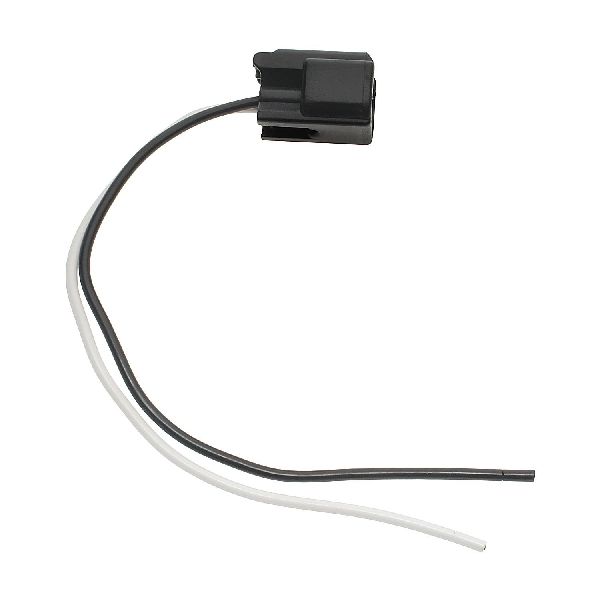
- Purge Solenoid Connector — On the purge solenoid valve itself, near the firewall on the passenger side.. The connector has two pins. One pin receives 12V power with the key on, and the other is the ground-side control wire from the PCM. Technicians can back-probe this connector to verify power and check for the PCM's control signal (a pulsing ground when active).
Real Owner Repair Stories
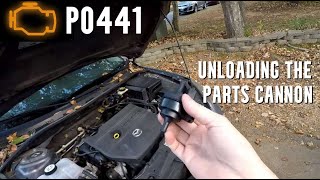
- YouTube video by 'Parts Cannon' (2007 Mazda 3 (similar EVAP system and common failure parts)) — Check Engine Light with code P0441.
❌ Tried (didn't work) Replacing the gas cap.
✅ What actually fixed it The check engine light returned after replacing the gas cap. The issue was ultimately resolved by replacing the EVAP purge solenoid valve. The video confirms the valve was not opening when 12V was applied. - NHTSA ODI #10162479 — An owner reported bringing their vehicle in for a specific P0441 code (EVAP emissions control-incorrect purge flow), but noted that the dealership mechanic pulled a different code related to the torque converter.
OEM Part Supersession History
Z504-18-740, Z504-18-741→Z504-18-741A— Standard part evolution, likely for improved durability or material changes to address the common failure mode.
Heads up: The new part (Z504-18-741A) is a direct replacement for the older numbers and is fully compatible.
Diagnostic Flowchart
Other Known Issues on This Vehicle
Issues unrelated to this code that are worth knowing about as an owner of this generation:
- Pre-Catalytic Converter Failure (V6 Engine) 🔴 High — A widely documented and serious issue for the 3.0L V6. The honeycomb material inside the pre-cats (located in the exhaust manifolds) can break down and be ingested into the engine, causing catastrophic engine failure. This is often preceded by a loss of power, rattling noises from the exhaust, and increased oil consumption.
- Automatic Transmission Harsh Shifting / Failure 🟠 Medium — Commonly reported, especially after 100,000 miles. Symptoms include harsh shifts, hesitation, slipping between gears, and the transmission entering 'limp mode' (stuck in 3rd gear). Often caused by failing shift solenoids, valve body issues, or degraded fluid, despite Mazda's 'lifetime fluid' claim.
- Valve Cover Gasket Oil Leaks (V6 Engine) 🟡 Low — Very common on the V6 engine. Oil leaks from the valve cover gaskets, particularly the rear one near the firewall, are a frequent occurrence. This can cause a burning oil smell as oil drips onto the hot exhaust manifold.
- Failed Cooling Fan Control Module 🟠 Medium — A known issue that can lead to engine overheating. The module fails, preventing the cooling fans from activating when needed.
Used vs. New Parts: Buying Guide for This Vehicle
When a used part is the smart pick: For this specific repair, a used part is generally not recommended. The purge solenoid is a known high-failure item due to internal wear and sticking. A used part from a junkyard carries a high risk of having the same issue or failing shortly after installation. The low cost of a new aftermarket part makes it a much smarter choice.
Donor-vehicle mileage cap: roughly under 30000 miles for the part to have meaningful remaining life.
What to inspect on the donor part:
- If forced to use a used part, try to pull it from the lowest-mileage vehicle possible.
- Test the part before leaving the junkyard by applying 12V to the pins and ensuring it clicks open and allows air to pass through.
OEM-only on this vehicle (don't cheap out):
- Gas Cap: While aftermarket caps exist, many owners report that only an OEM Mazda gas cap will provide a perfect seal and prevent related EVAP codes.
Aftermarket brands forum-validated for this vehicle:
- Standard Motor Products (SMP): Often cited as a reliable alternative to OEM, with some users preferring their quality over other aftermarket brands.
- Dorman: A widely available option, though some users express a preference for SMP for electronic components.
Brands owners have reported issues with on this vehicle:
- No-name, ultra-cheap online marketplace parts: These often have high failure rates and may not meet the precise flow characteristics expected by the PCM, leading to the code returning.
Real Owner Stories
Aggregated from forums and TSBs cited above. Mileages and costs reflect what owners reported in those sources.
2006 Mazda 6 V6
Symptoms: Check Engine Light with code P0441. Replacing the gas cap did not solve the issue.
What fixed it: Replacement of the purge solenoid valve located by the firewall on the passenger side. Used long pliers to handle the hoses in the tight space.
Source hint: Mazda6Club.com thread titled 'P0441 code on my 06 mazda 6 v6'
Mazda 6 3.0L V6
Symptoms: P0441, P0455, and P2187 codes appearing together.
What fixed it: Checking for charcoal granules inside the old purge valve and hoses; if present, the charcoal canister must be replaced to prevent the code from returning.
Source hint: https://www.mazdaforums.com/forum/mazda6-43/p0441-p0455-p2187-codes-3-0-v6-40209/
Related OBD-II Codes
Frequently Asked Questions
Does Mazda TSB 01-002/18 apply to my 2006-2007 Mazda 6 V6 regarding the P0441 code?
Where is the purge solenoid valve located on the 3.0L V6 model?
I found black charcoal granules in the vacuum lines while replacing the valve. What does this mean?
Can a faulty gas cap cause a P0441 on this specific Mazda?
What should I look for when inspecting the purge valve manually?
Helpful Videos
We Have This Part in Stock


The information in this article is provided for general reference and educational purposes only. Vehicle specifications, procedures, and part compatibility can vary by production date, trim level, and region. Always consult your vehicle's factory service manual and verify part numbers before purchasing or performing repairs. Safety-critical components such as airbags, seat belts, and braking systems should be installed by a qualified professional.
- Mazda 6:
- 🧭 Diagnostic Flowchart
- 🎬 Helpful Videos
- 🛍️ Shop This Part
- What's Unique About the 2006-2007 Mazda 6
- Symptoms You May Notice
- Most Likely Causes
- Rare But Worth Checking
- Diagnosis Steps
- Parts You'll Likely Need
- Related Codes That Often Appear With This One
- Technical Service Bulletins (TSBs) & Recalls
- Platform-Specific Known Issues
- Mechanic-Grade Diagnostic Values
- Hidden / Shadow Codes Worth Checking
- Scan Tool Commands That Help
- Wiring & Ground Locations
- Real Owner Repair Stories
- OEM Part Supersession History
- Other Known Issues on This Vehicle
- Used vs. New Parts: Buying Guide for This Vehicle
- Real Owner Stories
- 2006 Mazda 6 V6
- Mazda 6 3.0L V6
- Related OBD-II Codes
- Frequently Asked Questions
- 🎟️ Get 5% Off