

P0441 on 2014-2019 Mazda 6: EVAP Incorrect Purge Flow Causes and Fixes
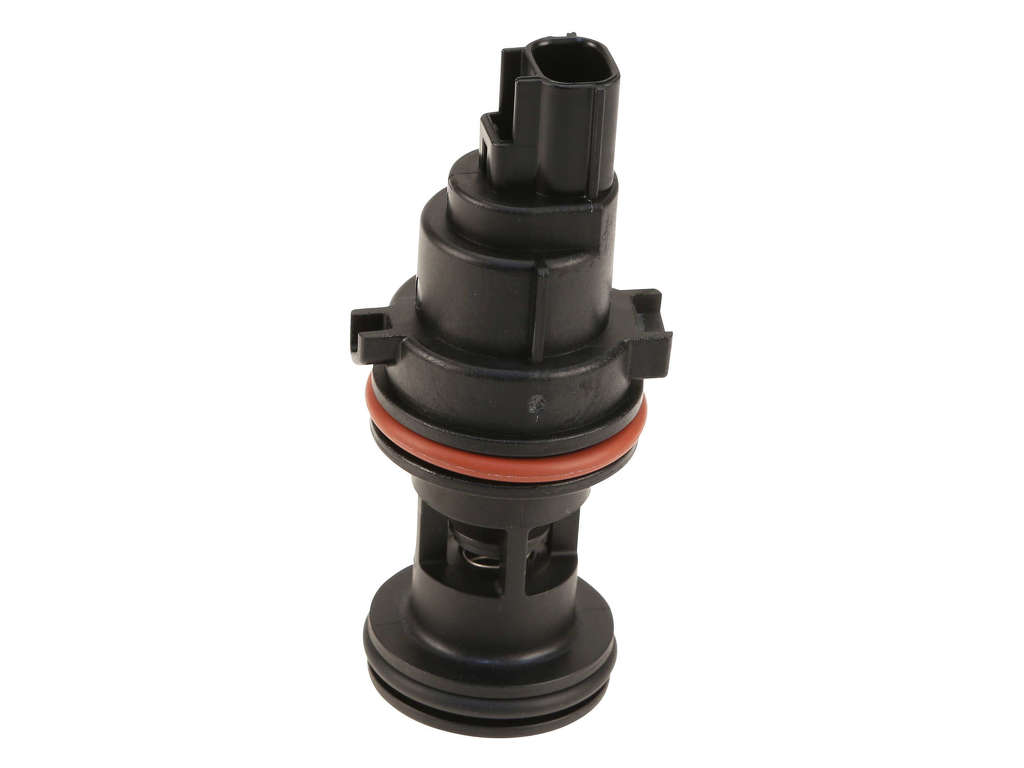
For a 2014-2019 Mazda 6, the P0441 code is most often caused by a faulty vapor canister purge valve (solenoid). This is a relatively inexpensive part, typically costing $40-$90 for an aftermarket replacement, and is a straightforward DIY repair for many owners. Some owners report that using a genuine Mazda part is necessary to prevent the code from returning.
- P0441 on a 2014-2019 Mazda 6 almost always points to a problem with the vapor canister purge valve.
- Before buying parts, first check that your gas cap is tight and its rubber seal is intact.
- Replacing the purge valve is a common, affordable, and accessible DIY fix that often resolves the code.
- Avoid habitually topping off your fuel tank, as this can damage the more expensive charcoal canister and lead to this code.
- The vehicle is safe to drive with this code, but you will not pass an emissions inspection until it is fixed.
What's Unique About the 2014-2019 Mazda 6
The 2014-2019 Mazda 6 (third generation) does not have widespread, unique issues causing P0441. Like many other vehicles, including its platform-mates the Mazda 3 and CX-5, the primary culprit is typically the purge valve solenoid failing over time. While older Mazda 6 models had recalls for issues like spiders nesting in vent lines, these specific problems are not documented for the 2014-2019 generation. The most relevant platform-specific concern is the potential for charcoal canister damage from repeatedly overfilling the fuel tank, a known issue across various Mazda models.
Symptoms You May Notice
- Check Engine Light is on
- Slightly rough idle in some cases.
- A faint fuel odor, particularly around the rear of the car or after starting.
- Difficulty starting the engine, especially right after refueling.
- A slight decrease in fuel economy.
- Replacing the oxygen (O2) sensors. O2 sensors are not related to the EVAP system's purge flow.
- Replacing the catalytic converter. This is an expensive repair that has no connection to the P0441 code.
- Confusing the purge valve (in the engine bay) with the vent valve/solenoid (near the canister at the rear of the car).
Most Likely Causes
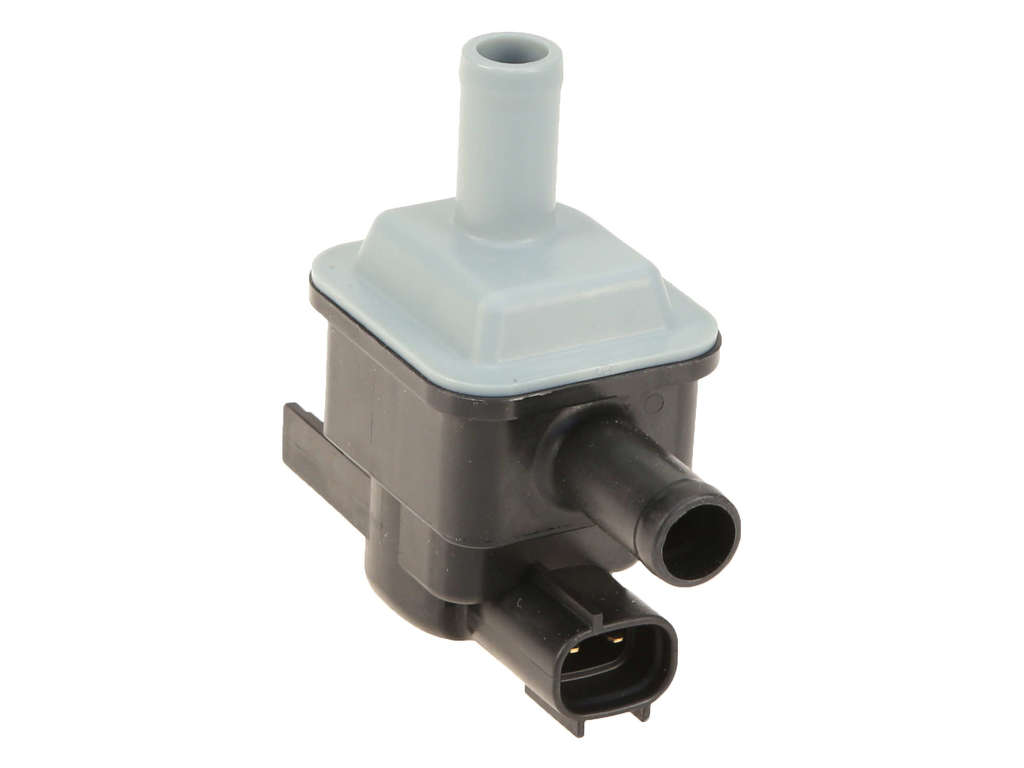
- Faulty Vapor Canister Purge Valve (Solenoid) 🔴 High Probability → Shop Vapor Canister This is a common failure point across most modern vehicles, including Mazda. The valve's internal components can wear out or it can get stuck open or closed from debris or age. This is the most frequently cited fix in owner forums for the P0441 code.
How to confirm: With the engine off, disconnect the valve and try to blow through it; it should be closed (no air passes). Apply 12V power to its terminals; it should click open and allow air to pass. A failure in either state indicates a bad valve. A stuck-open valve can sometimes be diagnosed by feeling for vacuum on the port while the engine is running and the valve is unplugged.
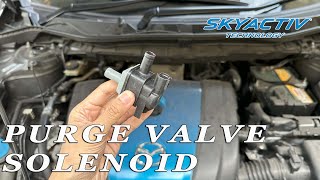
Typical fix: Replace the vapor canister purge valve. It is typically located in the engine bay and is connected by two hoses and an electrical connector, making it accessible for DIY replacement. 🎬 Watch: Step-by-step guide to replacing the Mazda purge valve. Some owners on forums like Mazdaspeeds.org have noted that using a non-OEM part caused the code to return, and the issue was only resolved by using a genuine Mazda part.
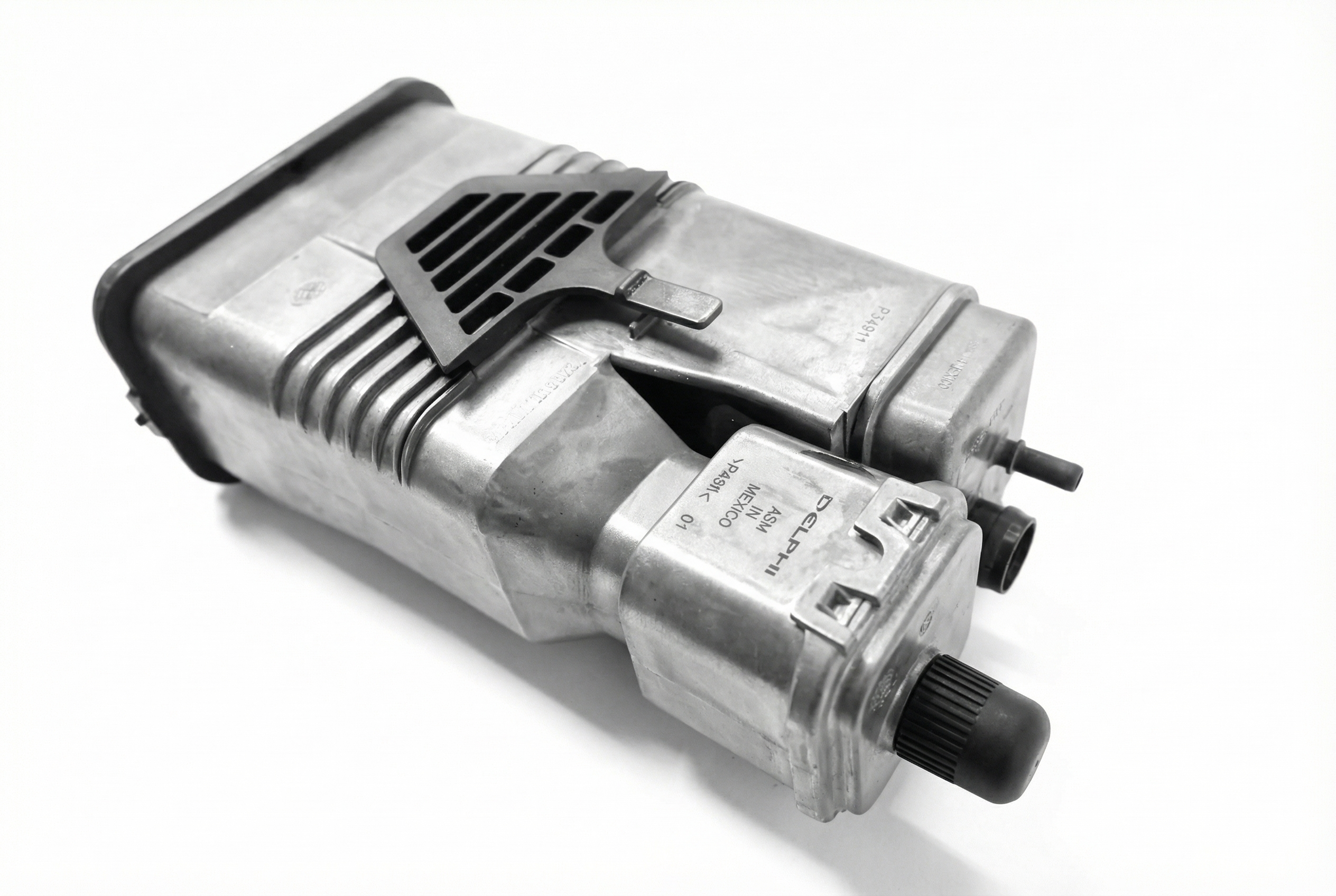
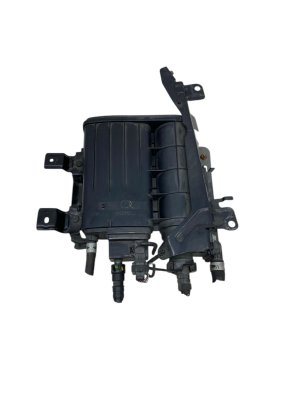
Est. part cost: $40-$90 - Clogged or Saturated Charcoal Canister 🟡 Medium Probability → Shop Vapor Canister Repeatedly 'topping off' the fuel tank after the pump clicks off can force liquid gasoline into the charcoal canister, which is only designed to handle vapor. This saturates the charcoal, causing a blockage or internal failure.
How to confirm: Inspect the canister (located near the fuel tank) for physical damage or cracks. If black charcoal pellets are found in the EVAP lines or purge valve, the canister has failed internally and must be replaced. Difficulty refueling (pump clicks off constantly) is another strong indicator.
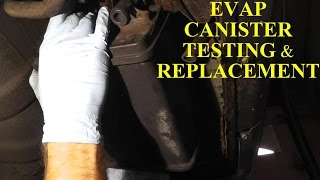
Typical fix: Replace the charcoal canister and clean out any charcoal debris from the EVAP lines. 🎬 Watch: How to test and replace a charcoal canister.
Est. part cost: $150-$250 - Cracked or Disconnected EVAP Hoses ⚪ Low Probability Rubber hoses can become brittle and crack over time due to heat and age, particularly in the engine bay.
How to confirm: Visually inspect all accessible EVAP lines, especially those connected to the purge valve in the engine bay, for cracks, loose connections, or deterioration. A smoke test is the professional method to find hard-to-see leaks.
Typical fix: Replace the damaged section of hose.
Est. part cost: $10-$30
Rare But Worth Checking
- Loose or Faulty Gas Cap: → Shop Fuel Tank Cap While a bad gas cap typically sets a leak code (like P0442 or P0455), it can sometimes contribute to a flow issue. Always ensure the cap is tightened until it clicks and that its seal is not cracked or worn. This is a simple and inexpensive first check.
- Fuel Pressure Sensor or Shutter Valve: → Shop Fuel Pressure Sensor According to manufacturer Bulletin #SA-059-25, some Mazda vehicles may experience a Check Engine light with P0441 due to concerns with the fuel pressure sensor or shutter valve operation.
Diagnosis Steps
- Check the Gas Cap: Ensure it is tight and the seal is in good condition. A loose or worn gas cap is a simple but common issue.
- Scan for Other Codes: Use an OBD-II scanner to see if other EVAP codes (like P0442, P0455, P0456) are present, which can help pinpoint the problem.
- Inspect the Purge Valve: Locate the purge valve in the engine bay. It's a small black cylinder with two hoses and an electrical connector. Check its connector for a secure fit and inspect the connected hoses for cracks or disconnection.
- Test the Purge Valve: Disconnect the valve. It should be closed when no power is applied (you shouldn't be able to blow through it). Use a 12V power source to apply voltage to the pins; it should click audibly and open. If it fails either test, it needs replacement. 🎬 See how to test your purge valve without special tools.
- Inspect EVAP Hoses: Visually trace the EVAP hoses from the purge valve for any obvious damage or loose connections.
- Check for Charcoal Debris: Disconnect the hose leading from the charcoal canister to the purge valve. If black charcoal pellets fall out, the canister has failed and must be replaced, and the lines cleaned out thoroughly.
- Perform a Smoke Test: If the cause is still not found, a smoke test is the most effective way to find hairline cracks or hidden leaks in the EVAP system lines.
Parts You'll Likely Need
- Vapor Canister Purge Valve / Solenoid
(OEM #PE1B-18-740)— This is the most frequent failure point for a P0441 code on this vehicle. It is an electromechanical valve that cycles thousands of times and can wear out or get stuck. Multiple owner forums confirm this is the primary fix.
Trusted brands: Genuine Mazda, Standard Motor Products, Dorman
OEM price range: $70-$100
Aftermarket price range: $40-$90 - Charcoal Canister — This part can become clogged with fuel if the gas tank is consistently overfilled, leading to flow problems. It can also fail internally, releasing charcoal pellets that clog the system.
Trusted brands: Genuine Mazda
OEM price range: $200-$300
Aftermarket price range: $150-$250
Related Codes That Often Appear With This One
- P0442 — P0442 indicates a small leak in the EVAP system. A component causing an incorrect flow (P0441) might also have a small leak. A Mazda TSB groups these codes together.
- P0455 — P0455 indicates a large leak. If the purge valve is stuck wide open, the system may interpret this as both an incorrect flow and a large leak. A Mazda TSB groups these codes together.
- P0456 — P0456 indicates a very small leak. Similar to P0442, a failing component can cause both a flow fault and a leak fault simultaneously. A Mazda TSB groups these codes together.
Technical Service Bulletins (TSBs) & Recalls
- 01-002/18 - While this TSB for determining EVAP leak locations for codes including P0441 exists, its listed applicable models only go up to the 2010 Mazda 6, not the 2014-2019 generation.
- Bulletin #01-002-18-3417 - This manufacturer bulletin notes that some vehicles may have a MIL illumination with DTCs P0441, P0442, P0455, or P0456 stored in memory and provides a repair procedure to determine the location of the evaporative system leak.
- Bulletin #SA-059-25 - A manufacturer bulletin for other Mazda models indicates that P0441 may be caused by a concern with the fuel pressure sensor or shutter valve operation.
Mechanic-Grade Diagnostic Values
- Short-Term Fuel Trim (STFT) at idle — expected: When the purge valve is commanded open with a bidirectional scanner, STFT should go negative as extra fuel vapors are introduced.. Failure: If STFT does not change when the valve is commanded open, the valve is stuck closed or a line is blocked. If STFT is already negative at idle with the valve commanded closed, the valve may be stuck open.
- Purge Valve Solenoid Voltage — expected: Close to battery voltage at the power supply terminal with the key on.. Failure: No voltage indicates an open circuit or blown fuse upstream of the valve.
Hidden / Shadow Codes Worth Checking
- Mode 6, Test ID $39, $3A: These are not hidden codes but raw data from the PCM's self-tests for the EVAP system, which can show test results for purge flow and system leaks. This can indicate if the system is on the verge of failing a self-test before a DTC is set. (see via Requires an OBD-II scanner with Mode 6 functionality. Interpreting the specific Component IDs (CID) may require a factory service manual.)
Scan Tool Commands That Help
- Professional Bidirectional Scanner (e.g., Autel, FORScan, Mazda IDS): EVAP System Active Test: Command Purge Valve ON/OFF — This allows a technician to manually open and close the purge valve while the engine is running to see the immediate effect on fuel trims (STFT) and engine vacuum, confirming if the valve is physically responding to the PCM's command.
- Professional Bidirectional Scanner (e.g., Autel, FORScan, Mazda IDS): EVAP System Leak Test — After a repair, this command initiates the vehicle's self-test for the EVAP system to verify that the leak or flow issue has been resolved without having to complete a full drive cycle.
Wiring & Ground Locations
- Purge Valve Connector — In the engine bay, connected to the purge valve solenoid, which is typically near the intake manifold.. This 2-pin oval connector provides power and ground to operate the purge valve. Corrosion or damage to the pins or wires can cause an open or short circuit, preventing the valve from operating correctly and triggering P0441 or related electrical codes (like P0443). The connector is a push-on type with a female terminal and blade-style pins.
- Engine Bay Ground Points — Common ground locations in the Mazda 6 engine bay include a point on the passenger side near the power steering reservoir, grounds on the transmission housing, a ground on the passenger motor mount, and a primary ground point on the frame underneath the driver's side headlight area.. A poor ground connection for the PCM or the EVAP system wiring can cause erratic voltage and incorrect operation of solenoids like the purge valve, potentially leading to a P0441 code. Ensuring these grounds are clean and secure is a crucial step in diagnosing electrical faults.
Real Owner Repair Stories
- Mazdaspeeds.org Forum User (Mazda (model not specified, but behavior is relevant)) — Check Engine Light with codes P0441 and P0446.
❌ Tried (didn't work) Replaced the canister purge valve with a non-Mazda (aftermarket) part., Replaced the Leak Detection Pump with a genuine Mazda part, which only cleared the P0446 code, leaving P0441.
✅ What actually fixed it The user's final resolution, after advice from other forum members, was to replace the aftermarket purge valve with a genuine Mazda OEM part, which finally cleared the P0441 code. This suggests a potential incompatibility or quality issue with some aftermarket purge valves for this system. - NHTSA ODI #10162479 — An owner reported bringing their vehicle in for a specific P0441 code (EVAP emissions control-incorrect purge flow), though they noted the dealership mechanic subsequently pulled a different code related to the torque converter.
OEM Part Supersession History
PE1B-18-740→PE01-18-751— This appears to be a part number update or revision from Mazda. The part retains the same form and function.
Heads up: The part listed in the Pass 2 data, PE1B-18-740, is an older number. The current OEM part number for the 2014-2019 Mazda 6 purge valve is generally listed as PE01-18-751. While the older part may fit, using the latest revision is recommended.LF15-18-741 / LF8J-18-740→N/A— N/A
Heads up: These part numbers are for older generation (pre-2014) Mazda vehicles. While they are also purge valves, they are not correct for the 2014-2019 Mazda 6 and should not be used.
Diagnostic Flowchart
Other Known Issues on This Vehicle
Issues unrelated to this code that are worth knowing about as an owner of this generation:
- Infotainment System Glitches (Rebooting/Freezing) 🟠 Medium — Very common across 2014-2019 models. Issues include random reboots, screen freezing, and unresponsive controls. (Ref: A class-action lawsuit settlement covered these issues for 2014-2023 models, suggesting widespread problems. No specific recall number, but dealer software updates are the common first step.)
- Premature/Uneven Rear Brake Wear 🟠 Medium — Frequently reported by owners, sometimes as early as 20,000-30,000 miles. Often attributed to sticking caliper slide pins or issues with the electronic parking brake not fully disengaging.
- Direct Injection Carbon Buildup 🟡 Low — While a theoretical issue for all gasoline direct injection (GDI) engines, Mazda's SkyActiv-G engines are not considered especially prone to problematic levels of carbon buildup. Most master technicians and long-term owners report no significant issues, though it can be accelerated by frequent short trips.
- HVAC Blower Motor Failure 🟡 Low — A noticeable number of owners have reported the blower motor for the heat and A/C failing. It is not a universal problem but occurs more frequently than on other vehicles.
- Shifter Assembly Park Switch Failure 🟡 Low — In earlier models of this generation, a switch within the shifter assembly can fail, preventing the car from recognizing it's in Park. This can lead to the accessory mode staying on and draining the battery.
Used vs. New Parts: Buying Guide for This Vehicle
When a used part is the smart pick: For this repair, a used part is generally not recommended for the purge valve itself, as it is a wear-and-tear item. However, obtaining used, undamaged EVAP hoses or a charcoal canister from a low-mileage, accident-damaged vehicle can be a cost-effective option if the original parts are cracked or physically damaged.
Donor-vehicle mileage cap: roughly under 60000 miles for the part to have meaningful remaining life.
What to inspect on the donor part:
- For a charcoal canister, inspect for any cracks in the plastic housing or signs of fuel saturation (wet spots or strong fuel smell).
- For hoses, ensure they are still pliable and not brittle, hardened, or cracked.
- For a purge valve, check that the electrical connector pins are clean and not corroded.
OEM-only on this vehicle (don't cheap out):
- Vapor Canister Purge Valve: As noted in forum discussions, some aftermarket purge valves may not be calibrated correctly for the Mazda EVAP system's self-test, leading to the P0441 code returning. Using a genuine Mazda part (OEM) is the safest bet to ensure a one-time fix.
Aftermarket brands forum-validated for this vehicle:
- Standard Motor Products (SMP)
- Dorman
Brands owners have reported issues with on this vehicle:
- Unbranded, low-cost parts from online marketplaces have a higher risk of incompatibility, as demonstrated in forum reports.
Real Owner Stories
Aggregated from forums and TSBs cited above. Mileages and costs reflect what owners reported in those sources.
Mazda 6 (3rd Generation)
Symptoms: The user experienced a P0441 code that returned after replacing EVAP components with non-Mazda parts.
What fixed it: Replacing the purge valve with a genuine Mazda part.
Source hint: Mazdaspeeds.org - Thread: '[SOLVED] - P0441 EVP System Incorrect Purge Flow'
2014-2019 Mazda 6
Symptoms: A persistent P0441 code that started with a gas cap replacement and remained until further diagnosis.
What fixed it: Replacement of the purge valve (solenoid).
Source hint: Reddit r/MechanicAdvice - Thread: 'Normal code (p0441) turned into permanent code after mechanic visit.'
Related OBD-II Codes
Frequently Asked Questions
Does TSB 01-002/18 apply to my 2014-2019 Mazda 6?
Can I use an aftermarket purge valve to fix the P0441 code on my Mazda 6?
Why does my Mazda 6 have trouble starting specifically after I fill up the gas tank?
Could 'topping off' my gas tank be causing the P0441 code?
Is the P0441 code related to the common infotainment or brake issues on the 2014-2019 Mazda 6?
How can I tell if my charcoal canister has failed internally?
Helpful Videos


Used OEM Parts in Stock
New Aftermarket Parts Available


The information in this article is provided for general reference and educational purposes only. Vehicle specifications, procedures, and part compatibility can vary by production date, trim level, and region. Always consult your vehicle's factory service manual and verify part numbers before purchasing or performing repairs. Safety-critical components such as airbags, seat belts, and braking systems should be installed by a qualified professional.
- Mazda 6:
- 🧭 Diagnostic Flowchart
- 🎬 Helpful Videos
- 🛍️ Shop This Part
- What's Unique About the 2014-2019 Mazda 6
- Symptoms You May Notice
- Most Likely Causes
- Rare But Worth Checking
- Diagnosis Steps
- Parts You'll Likely Need
- Related Codes That Often Appear With This One
- Technical Service Bulletins (TSBs) & Recalls
- Mechanic-Grade Diagnostic Values
- Hidden / Shadow Codes Worth Checking
- Scan Tool Commands That Help
- Wiring & Ground Locations
- Real Owner Repair Stories
- OEM Part Supersession History
- Other Known Issues on This Vehicle
- Used vs. New Parts: Buying Guide for This Vehicle
- Real Owner Stories
- Mazda 6 (3rd Generation)
- 2014-2019 Mazda 6
- Related OBD-II Codes
- Frequently Asked Questions
- 🎟️ Get 5% Off