

P0441 on 2004-2010 Mazda MAZDA3: Incorrect Purge Flow Causes and Fixes
For a 2004-2010 Mazda3, code P0441 is most often caused by a faulty EVAP purge solenoid valve located in the engine bay. This is a relatively inexpensive part (~$25-$75) and is easy for a DIYer to replace in under 30 minutes. The most common OEM part number for this valve is LF15-18-741.
- P0441 on a 2004-2010 Mazda3 almost always points to a faulty purge solenoid valve in the engine bay.
- Before buying any parts, first check that your gas cap is tight and its seal is intact.
- Replacing the purge valve is a simple, low-cost DIY job that can usually be done in under 30 minutes with basic tools.
- Do not overfill your gas tank after the pump clicks off; this can damage the charcoal canister and lead to more expensive repairs.
What's Unique About the 2004-2010 Mazda MAZDA3
On this generation of Mazda3, the P0441 code is very commonly linked to a simple failure of the purge solenoid valve. While EVAP systems can be complex, owners report this specific part is the culprit a majority of the time. The valve is located right next to the automatic transmission dipstick (if equipped) in the engine bay, making it very accessible. Mazda also issued a Technical Service Bulletin (TSB 01-002-18-3417) that groups P0441 with several other EVAP leak codes (P0442, P0455, P0456), suggesting a common diagnostic path for a range of EVAP issues on these cars.
Diagnostic Flowchart
Tap your situation to follow the diagnostic path that matches what you're seeing on this vehicle.
Generation note: This range covers the entire first generation (BK, 2004-2009) and the first year of the second generation (BL, 2010). While the core EVAP system components are similar, the 2010 model has different body styling and some updated mechanicals. However, the common causes and fixes for P0441, particularly the failure of the purge solenoid valve, are largely consistent across both generations in this range.
Symptoms You May Notice
- Check Engine Light is on
- A slight fuel smell may be noticeable, though this is not common
- Slightly rough or erratic idle in some cases, especially if the valve is stuck open
- Difficulty starting the car after refueling (rare)
- Popping or backfiring sounds between shifts on Mazdaspeed3 models has been anecdotally reported in one instance.
- Replacing the oxygen sensors. O2 sensors are not related to the EVAP system.
- Replacing the catalytic converter. This is an exhaust component and is unrelated to P0441.
- Confusing the Purge Solenoid Valve with the PCV valve. A forum user on Mazdas247 noted this potential confusion in a thread discussing P0441.
Most Likely Causes
- Faulty Purge Solenoid Valve 🔴 High Probability → Shop Vapor Canister This is the most frequently reported failure point for this code on Mazda forums and in repair videos for this specific vehicle. The valve, an electro-mechanical component, can get stuck open or closed from age and heat cycles, preventing correct vapor flow.
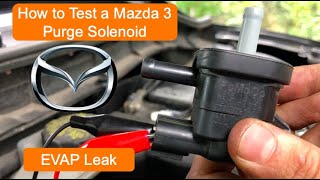
How to confirm: The valve is located in the engine bay, often near the intake manifold and firewall. With the engine off, disconnect the valve and try to blow through it; it should be closed (no air passes). Apply 12V power to its terminals; it should click open and allow air to pass. If it fails either test, it's bad. Some owners report that using non-OEM parts can cause the code to return, suggesting that a genuine Mazda part is a safer bet.
Typical fix: Replace the purge solenoid valve.
Est. part cost: $25-$75 - Loose or Faulty Gas Cap 🟡 Medium Probability → Shop Fuel Tank Cap A gas cap that is not tightened correctly or has a worn-out seal can cause the EVAP system to fail its pressure test, which can sometimes lead to a P0441 code. The rubber seal can crack and degrade over time.
How to confirm: Ensure the gas cap clicks at least once when tightened. Inspect the rubber seal on the cap for cracks or damage. If the cap feels loose even when tightened, the seal may be compromised. A user on Mazdaspeeds.org confirmed that replacing a visually-okay gas cap finally solved their persistent P0441 code after other parts were replaced.
Typical fix: Tighten or replace the gas cap. It is recommended to use an OEM replacement.
Est. part cost: $15-$30 - Cracked or Disconnected EVAP Hoses ⚪ Low Probability The vacuum and vapor lines, especially those connected to the purge valve in the engine bay, can become brittle and crack over time due to heat and age.
How to confirm: Visually inspect all accessible EVAP hoses between the intake manifold, the purge valve, and the lines running towards the rear of the car. Pay close attention to the connection points. A smoke test is the most effective way to find a small, hard-to-see leak.
Typical fix: Replace the cracked section of hose.
Est. part cost: $5-$20 - Failed or Clogged Charcoal Canister ⚪ Low Probability → Shop Vapor Canister Over-filling the gas tank (topping off after the pump clicks off) can force liquid fuel into the charcoal canister, saturating the charcoal pellets and causing a blockage. This prevents vapors from being purged correctly.
How to confirm: If charcoal pellets are found inside the purge valve or its lines, the canister has failed and is coming apart internally. The canister is located near the fuel tank, under the rear of the vehicle.
Typical fix: Replace the charcoal canister and clean out all associated EVAP lines.
Est. part cost: $150-$250
Rare But Worth Checking
- Faulty EVAP Vent Valve/Solenoid: → Shop Vapor Canister Located near the charcoal canister under the car, this valve allows fresh air into the system during testing. If it sticks closed, it can prevent the purge cycle from working correctly, triggering P0441.
- Faulty Fuel Tank Pressure Sensor: → Shop Fuel Tank This sensor monitors pressure in the EVAP system. If it provides incorrect readings, the computer may misinterpret the purge flow rate. This will usually be accompanied by other codes, like P0451, P0452, or P0453.
- Faulty Powertrain Control Module (PCM): In very rare cases, the PCM itself can be the source of the problem, incorrectly flagging the code. This should only be considered after all other EVAP components and wiring have been thoroughly tested and ruled out. One owner on Reddit was referred to a specialist for a potential ECU issue after multiple shops failed to find a physical fault.
Diagnosis Steps
- Read the code with an OBD-II scanner to confirm P0441 is present.
- Check the gas cap. Ensure it is tight and the seal is not cracked or worn. If in doubt, it's a cheap part to replace as a first step. An OEM cap is recommended.
- Locate the purge solenoid valve in the engine bay, near the intake manifold, often mounted to the firewall or intake runners.
- Inspect the vacuum hoses connected to and surrounding the purge valve for any visible cracks, brittleness, or loose connections.
- Test the purge valve. With the engine off, disconnect the electrical connector and hoses. Try to blow through it; it should be closed. Apply 12V to the electrical pins; it should click open and allow you to blow through it. If it's stuck open or closed, it needs replacement.
- If the purge valve and hoses are good, the next step is to check for blockages. Disconnect the hose leading to the purge valve from the canister and check for charcoal pellets. If found, the charcoal canister has failed.
- If no obvious cause is found, perform a smoke test. This involves feeding low-pressure smoke into the EVAP system (usually via the purge valve line) to find any hard-to-see leaks in the lines or components.
Parts You'll Likely Need
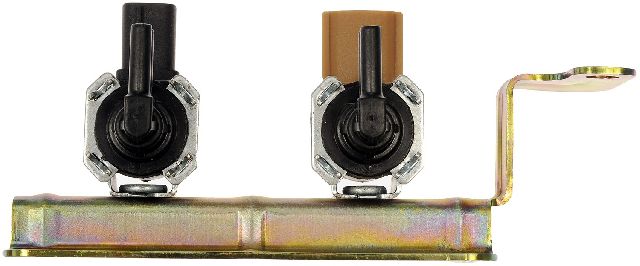
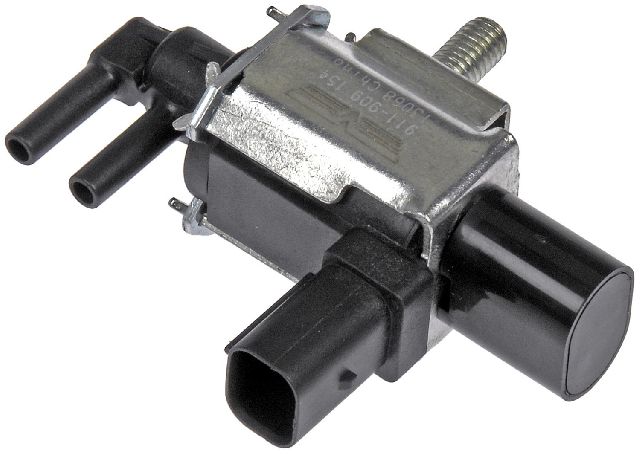
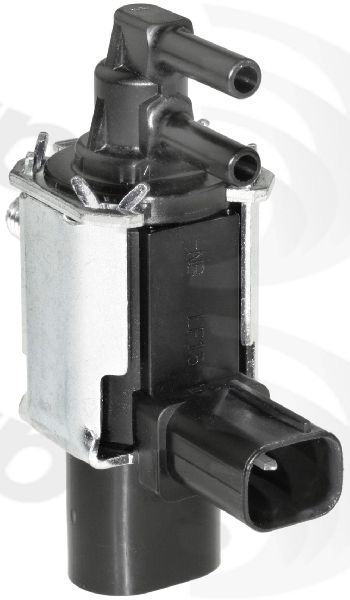
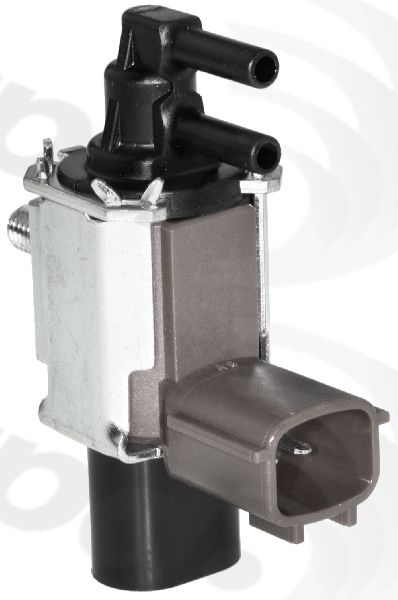
- Vapor Canister Purge Solenoid/Valve
(OEM #LF15-18-741 (or Z504-18-741, LF66-18-741 depending on specific year/engine, verify with VIN))— This is the most common failure point for P0441 on this vehicle. It's a small electro-mechanical valve that gets stuck over time.
Trusted brands: Mazda (OEM), Bosch, Dorman (911-700), Standard Motor Products
OEM price range: $60-$100
Aftermarket price range: $25-$75 - Fuel Cap
(OEM #BNYF-42-250 (supersedes multiple previous part numbers))— A worn seal on the gas cap can prevent the system from holding vacuum, which can contribute to this code. It's an inexpensive and easy first step in diagnosis.
Trusted brands: Mazda (OEM), Stant (10851), Gates (31857)
OEM price range: $25-$40
Aftermarket price range: $15-$30
Related Codes That Often Appear With This One
- P0442 — Indicates a small leak in the EVAP system. A cracked hose or bad seal causing P0441 can also be detected as a small leak. The official Mazda TSB groups these codes.
- P0455 — Indicates a large leak in the EVAP system, often a very loose gas cap or a completely disconnected hose. The official Mazda TSB groups these codes.
- P0456 — Indicates a very small leak in the EVAP system. The TSB #01-002-18-3417 specifically groups these codes together with P0441.
Technical Service Bulletins (TSBs) & Recalls
- 01-002-18-3417: Addresses MIL illumination with DTC's P0441, P0442, P0455, or P0456, and provides a repair procedure for determining the location of an evaporative system leak. This TSB applies to a wide range of Mazda vehicles, including the Mazda3.
Platform-Specific Known Issues
- Mazda issued Technical Service Bulletin #01-002-18-3417 for some vehicles that may illuminate the check engine light with DTCs P0441, P0442, P0455, or P0456, indicating a need to follow a specific procedure to find an evaporative system leak.
Mechanic-Grade Diagnostic Values
- Short-Term Fuel Trim (STFT) on a scan tool — expected: When the purge valve is commanded open with a bidirectional scanner, the STFT should go negative, indicating a rich condition as fuel vapors enter the intake.. Failure: If the STFT does not change when the purge valve is commanded open, it suggests the valve is stuck closed or there is a blockage from the canister. If STFT is already negative at idle with the purge valve commanded closed, the valve may be stuck open.
Hidden / Shadow Codes Worth Checking
- Mode 6 Data: While not a 'hidden code', Mode 6 provides raw data from the PCM's self-tests. For the EVAP system, this can include test results for purge flow and system leaks (Test ID $39, $3A, etc.). These values can show if the system is passing or failing its self-test, sometimes before a full-blown DTC is set. (see via Requires an OBD-II scanner with Mode 6 functionality. The specific Test IDs (TID) and Component IDs (CID) are manufacturer-specific and may require a factory service manual to interpret fully.)
Scan Tool Commands That Help
- Mazda Modular Diagnostic System (M-MDS): KOER (Key On Engine Running) Self Test for purge flow. — This is the Mazda-specified procedure in TSB 01-002-18-3417 to verify if the purge solenoid valve is stuck closed. If the test fails and retrieves a P0441, Mazda directs the technician to replace the valve.
- Professional Bidirectional Scanner (e.g., Autel, Launch, IDS): EVAP System Active Test: Command Purge Valve ON/OFF. — This allows a technician to manually open and close the purge valve while the engine is running to see the immediate effect on fuel trims and engine vacuum, confirming if the valve is physically responding to the PCM's command.
Wiring & Ground Locations
- Purge Solenoid Valve Assembly — In the engine bay, on the passenger side, just below the firewall line and next to the brake fluid reservoir. It's a small rectangular component with two hoses and an electrical connector, often located between the upper radiator hose and the PCV system's vacuum tree.. This is the physical location of the most common part that fails and causes P0441. Its high accessibility makes it a prime target for initial visual inspection of its hoses and electrical connector.
Real Owner Repair Stories
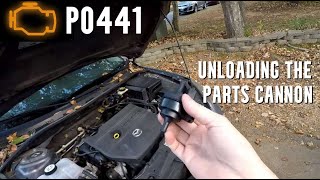
- YouTube channel 'Parts Cannon' (Mazda3 (specific year not stated, but within the 2004-2009 generation)) — Check Engine Light with code P0441.
❌ Tried (didn't work) Replacing the gas cap. The user noted the original cap felt loose, but replacing it did not solve the problem as the Check Engine Light returned after a month.
✅ What actually fixed it Replacing the purge solenoid valve in the engine bay. The user demonstrated the replacement, cleared the code, and implied this was the final, correct fix. - YouTube channel 'The PullUpKing' (2005 Mazda 3 2.0L) — Check Engine Light with code P0441.
✅ What actually fixed it The video documents the successful replacement of the purge valve and its attached hose assembly, resolving the P0441 code.
OEM Part Supersession History
Z504-18-741 / LF82-18-741→LF15-18-741— Part consolidation and revision over model years.
Heads up: For aftermarket parts, Dorman causes confusion. Part #911-701 is often the correct valve-only replacement for the Mazda3, but is sometimes listed for the Mazda6. Part #911-700 includes the hose assembly at a higher cost. Part #911-702 is for the Mazda6 and will not fit.
Model Year Variations Within This Range
- 2010: While the P0441 code most often points to the easily accessible purge valve in the engine bay, if the entire EVAP system must be diagnosed, the vent valve/solenoid on the 2010 model (start of 2nd generation) is in a notoriously difficult location. It is mounted above the rear subframe near the gas tank, and access often requires partially lowering the subframe, especially on vehicles with rust.
Helpful Videos
We Have This Part in Stock


The information in this article is provided for general reference and educational purposes only. Vehicle specifications, procedures, and part compatibility can vary by production date, trim level, and region. Always consult your vehicle's factory service manual and verify part numbers before purchasing or performing repairs. Safety-critical components such as airbags, seat belts, and braking systems should be installed by a qualified professional.
- Mazda MAZDA3:
- 🧭 Diagnostic Flowchart
- 🎬 Helpful Videos
- 🛍️ Shop This Part
- What's Unique About the 2004-2010 Mazda MAZDA3
- Symptoms You May Notice
- Most Likely Causes
- Rare But Worth Checking
- Diagnosis Steps
- Parts You'll Likely Need
- Related Codes That Often Appear With This One
- Technical Service Bulletins (TSBs) & Recalls
- Platform-Specific Known Issues
- Mechanic-Grade Diagnostic Values
- Hidden / Shadow Codes Worth Checking
- Scan Tool Commands That Help
- Wiring & Ground Locations
- Real Owner Repair Stories
- OEM Part Supersession History
- Model Year Variations Within This Range
- 🎟️ Get 5% Off