

P0441 on 2012-2015 Mercedes-Benz ML-Class: Causes and Fixes for Incorrect Purge Flow
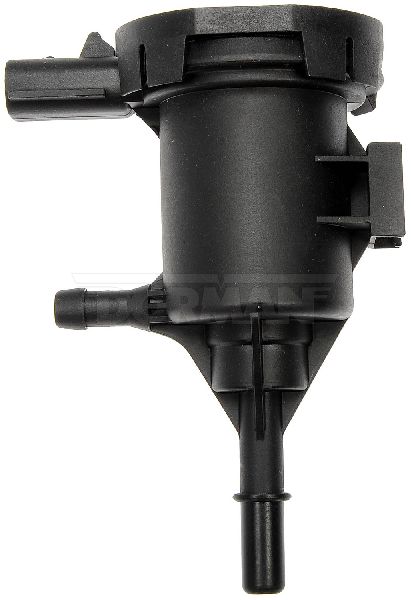
This code is most often caused by a failing charcoal canister purge valve. It's a relatively inexpensive part located in the engine bay and is a common DIY repair. Expect to pay around $80-$150 for the part.
- P0441 on your ML-Class almost always means you need a new purge valve.
- This is not a serious issue and will not affect how your car drives, but it will cause you to fail an emissions test.
- The purge valve is located in the engine bay on the driver's side and is a simple part to replace for a DIY-inclined owner.
- Always check that your gas cap is tight and its seal is in good condition before buying any parts, though it is a less likely cause for this specific code.
What's Unique About the 2012-2015 Mercedes-Benz ML-Class
For the W166 generation ML-Class, the P0441 code is a very common issue that frequently points to a single, easily accessible component: the purge valve (also called a regeneration valve by Mercedes). Unlike some vehicles where this code can trigger a lengthy diagnostic hunt for tiny leaks, on this Mercedes platform, the valve itself is a known high-failure item. Owners often report this as one of the first 'Check Engine' light causes they experience, and thankfully, it's a straightforward fix often documented in forum DIYs.
Symptoms You May Notice
- Check Engine Light is on
- Slight fuel odor (less common)
- Rough idle (rare, but possible if the valve is stuck open, creating a vacuum leak)
- Difficulty starting immediately after refueling (rare, indicates a valve stuck open)
- Replacing the charcoal canister when only the purge valve is faulty. The canister is much more expensive and rarely fails unless contaminated by fuel.
- Replacing the gas cap for a P0441 code when the issue is almost always the purge valve on this specific platform.
Most Likely Causes
- Faulty Charcoal Canister Purge Valve 🔴 High Probability → Shop Vapor Canister The purge valve (or solenoid) is a known high-failure item on many Mercedes-Benz models of this era, including the W166 ML-Class. Over time, the internal diaphragm can fail or the solenoid can stick open or closed, leading to incorrect flow readings by the ECU.
How to confirm: With the engine cold and off, disconnect the hose from the valve leading to the intake manifold. Try to blow through it. If air passes, the valve is stuck open and is faulty. Alternatively, a mechanic can use a bi-directional scan tool to command the valve open and closed to check its function. You can also test for suction at the valve's vacuum port when the engine is cold (there should be none) and then after it warms up (there should be suction).
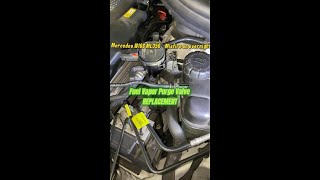
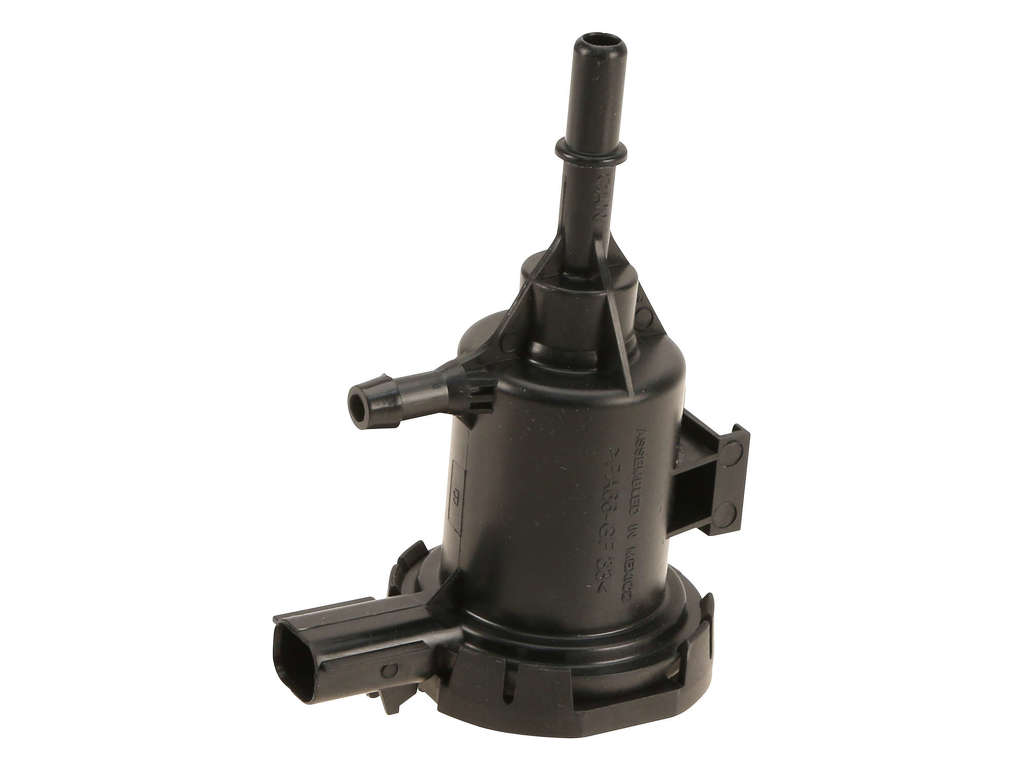
Typical fix: Replace the purge valve. 🎬 Watch: A complete walkthrough for replacing the ML-Class purge valve. It is located on the driver's side of the engine bay, near the coolant expansion tank, and is typically held in place by a simple bracket and connected by two hoses and an electrical connector.
Est. part cost: $80-$160 - Loose or Faulty Gas Cap ⚪ Low Probability → Shop Fuel Tank Cap While P0441 is a flow code, not a large leak code (like P0455), a gas cap that doesn't seal properly can sometimes interfere with the EVAP system's ability to regulate pressure, indirectly triggering flow-related faults. It's the easiest and cheapest thing to check first, though it's a less common cause for this specific code compared to a purge valve failure.
How to confirm: Inspect the gas cap for any visible cracks on the body or the rubber O-ring seal. Ensure it is tightened until it clicks at least once. If the seal is dry, cracked, or compressed, it's bad.
Typical fix: Replace the gas cap with a new, OEM-equivalent part. Avoid cheap aftermarket caps which are known to cause EVAP issues.
Est. part cost: $25-$50 - Cracked or Disconnected EVAP Hoses ⚪ Low Probability The plastic and rubber hoses in the engine bay are subject to heat and vibration, which can cause them to become brittle and crack over time, especially at connection points to the purge valve.
How to confirm: Visually inspect the vacuum lines running to and from the purge valve and charcoal canister for any obvious cracks, breaks, or loose connections. A smoke test, where a technician fills the EVAP system with a harmless smoke, is the definitive way to find leaks that are not visible to the naked eye.
Typical fix: Replace the damaged section of hose.
Est. part cost: $10-$30
Rare But Worth Checking
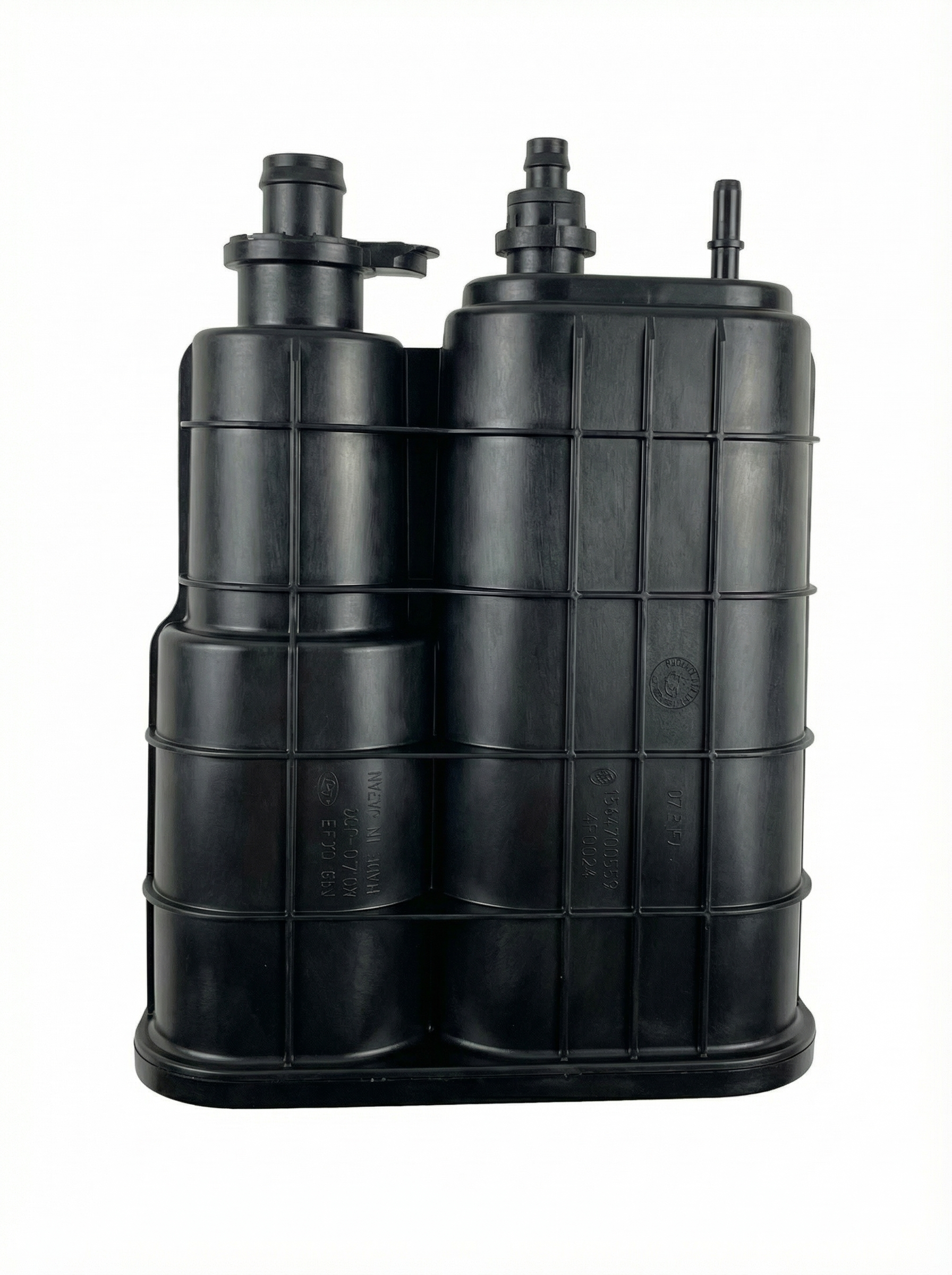
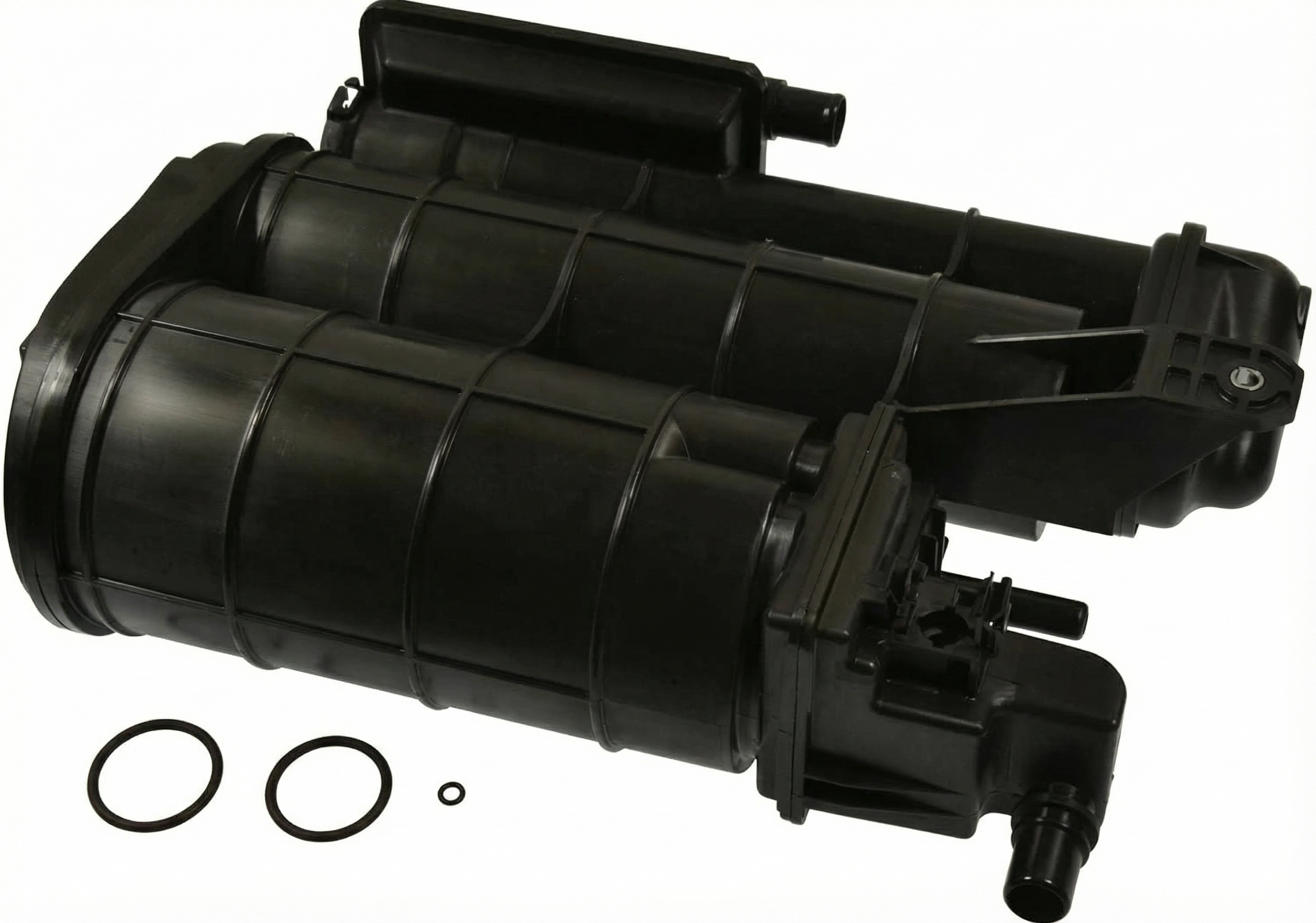
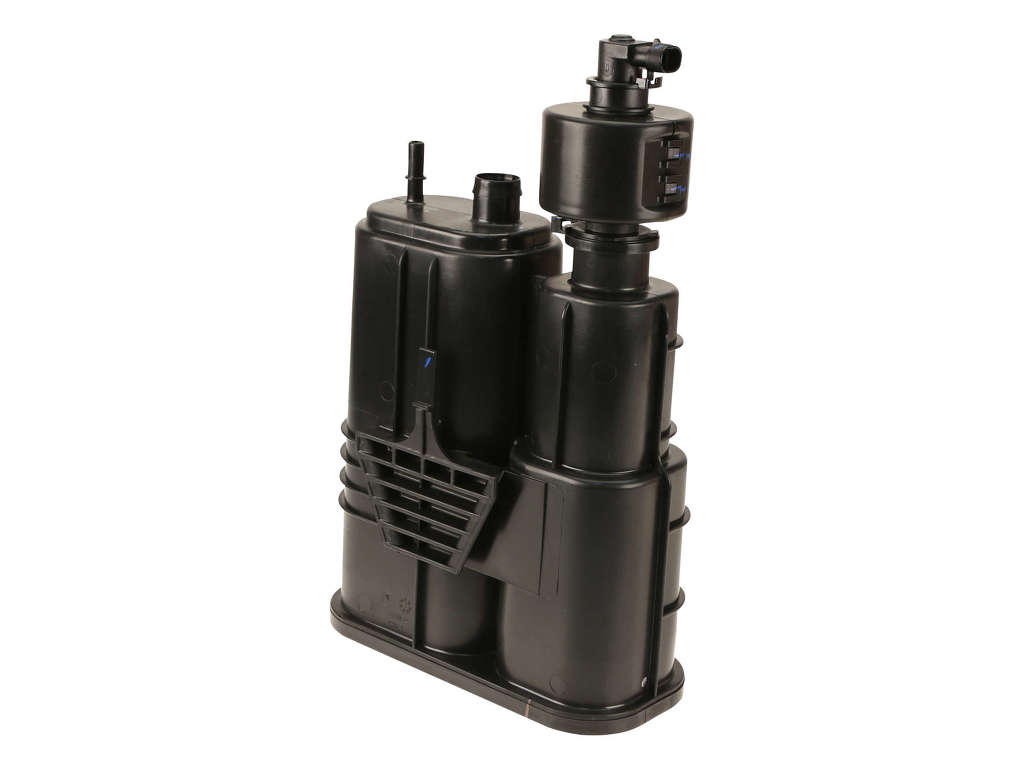
- Clogged or Saturated Charcoal Canister: → Shop Vapor Canister This is uncommon but can happen if the fuel tank is consistently overfilled. Topping off after the pump clicks off can force raw fuel into the canister, ruining the charcoal and causing a blockage or flow restriction. This is a much more expensive repair and should only be considered after the purge valve and hoses have been ruled out.
Diagnosis Steps
- Read the code with an OBD-II scanner to confirm P0441 is the only code present. If other EVAP codes like P0442 (small leak) or P0455 (large leak) are present, the diagnostic approach may change.
- Inspect the gas cap. Ensure it is tight and check the rubber seal for cracks or damage. If in doubt, replace it with an OEM part.
- Locate the purge valve in the engine bay, near the driver's side by the coolant reservoir. It's a small black cylinder with two hoses and an electrical connector.
- Visually inspect the hoses connected to the purge valve for any visible cracks or disconnections. Trace them as far as you can.
- Test the purge valve. With the engine off, disconnect the electrical connector and the two hoses. Try to blow through the valve. 🎬 See these 4 DIY methods to test and fix P0441. It should be closed and not allow air to pass. If air passes, the valve is stuck open and needs to be replaced.
- If the valve passes the blow test, the next step is to check for voltage at the electrical connector with the engine running to ensure the valve is receiving a signal from the computer. A user on MBWorld noted they found 11.75V at the connector.
- If the valve and its circuit are good, the problem may be a blockage in a line or a faulty charcoal canister, which requires a professional smoke test to diagnose definitively.
Parts You'll Likely Need
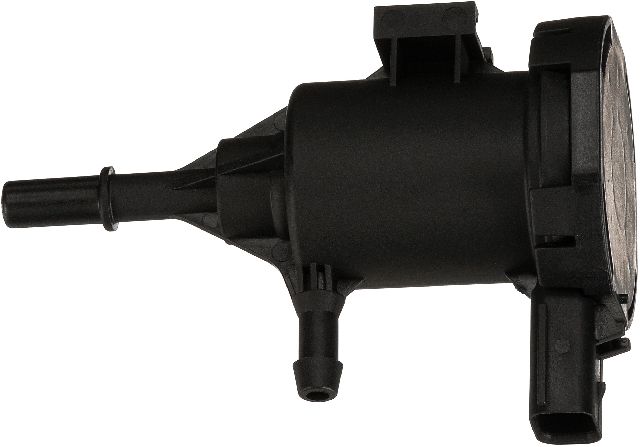
- Vapor Canister Purge Valve (Regeneration Valve)
(OEM #0004708893 (or A0004708893))— This is the most common failure point for code P0441 on this vehicle. The internal solenoid fails, causing it to stick open or closed. Part number 0004708893 has several previous revisions, indicating it has been updated over time.
Trusted brands: Genuine Mercedes-Benz, Bosch (OEM Supplier)
OEM price range: $100-$160
Aftermarket price range: $80-$120
Platform-Specific Known Issues
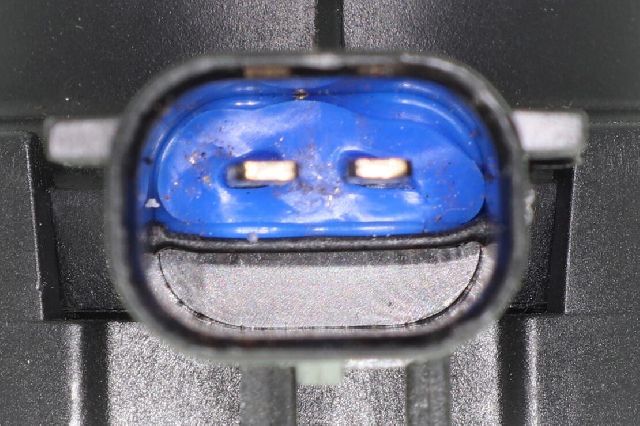
- Real Owner Experience: On MBWorld forums, a user with a P0441 code found the terminals on their purge valve connector were corroded. After cleaning them and resetting the light, the code did not immediately return. They observed the valve begins to operate (tick) only after the engine has run for a short time and certain parameters are met, which is normal operation.
Mechanic-Grade Diagnostic Values
- Purge Valve (Y58/1) Control Signal — expected: This is a Pulse Width Modulated (PWM) signal. The frequency is ~13 Hz, and the duty cycle varies from ~11% at idle to 99% under load.. Failure: No signal, or a signal that does not vary with engine load. Note: A standard multimeter is too slow to accurately measure the voltage of a PWM signal; an oscilloscope or a multimeter with frequency/duty cycle functions is required.
- Purge Valve (Y58/1) Power Supply — expected: Approximately battery voltage (~12V) at one pin of the connector with the key in the 'on' position.. Failure: No voltage indicates a wiring issue or a blown fuse in the circuit.
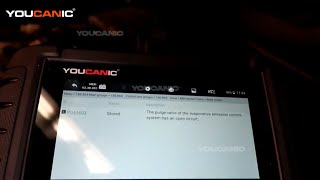
- Purge Valve (Y58/1) Coil Resistance — expected: A specific Ohm value is not widely published in DIY forums, but a measurement should be taken and compared to the manufacturer's specification. A reading of infinite resistance indicates an open coil, 🎬 Watch: How to diagnose an open circuit purge valve error. while zero resistance indicates a short.. Failure: A reading that is open (OL) or shorted (near 0 Ohms).
Hidden / Shadow Codes Worth Checking
- Y58/1 purge control valve permanently open: This is a manufacturer-specific fault that directly identifies the purge valve solenoid as being stuck in the open position. (see via Mercedes-Benz Xentry/DAS diagnostic system or a professional-grade scanner (e.g., high-end Autel, Snap-on) with Mercedes-specific software.)
- Y58/4 activated charcoal canister shut off valve mechanical defect: → Shop Vapor Canister This fault points to the other valve in the EVAP system, located near the charcoal canister. A failure here can also disrupt the system's ability to regulate flow, potentially triggering a P0441. (see via Mercedes-Benz Xentry/DAS diagnostic system or a professional-grade scanner.)
Scan Tool Commands That Help
- Xentry (Mercedes Dealer Software): Actuation of component Y58/1 (Purge control valve) — This test is used to verify the integrity of the electrical circuit and the solenoid's mechanical function. A technician can command the valve to open and close (it will click or tick) while the engine is off. It's also useful for diagnosing an abnormally loud valve, which can be a sign of impending failure. The default test actuation runs at a ~29% duty cycle.
Wiring & Ground Locations
- Y58/1 Connector — The electrical connector on the purge valve itself, located on the driver's side of the engine bay near the coolant expansion tank.. This is where voltage and signal tests are performed. It is a 2-pin connector. One pin receives battery voltage with key-on, and the other is the PWM control signal from the Engine Control Module (ECM).
- Engine Block / Bell Housing Ground — A major ground strap typically connects the engine block or transmission bell housing to the vehicle's chassis.. While not specific to the purge valve circuit, a poor main engine ground can cause a host of unpredictable electrical issues for engine-mounted components. Verifying this ground is clean and tight is a good practice when diagnosing any electrical fault in the engine bay.
Real Owner Repair Stories
- MBWorld.org Forums user (Mercedes with M276 3.0TT engine (used in W166 ML-class)) — An abnormally loud ticking/clicking noise from the purge valve, which was audible from inside the cabin at idle.
❌ Tried (didn't work) The valve was still functioning, but the noise was the primary complaint.
✅ What actually fixed it The user diagnosed the source of the noise by using Xentry to actuate the Y58/1 valve and confirmed it was the source. The resolution was to order and replace the purge valve, indicating that excessive noise is a valid symptom of failure.
"I Checked Everything" — The Actual Cause
- A common scenario is for the EVAP system to pass a smoke test (showing no external leaks) but still set a P0441 code. This can happen when the purge valve (Y58/1) fails internally. The diaphragm inside the valve can rupture or stick, allowing incorrect flow, but since the valve body itself is not cracked, no smoke will escape to the outside during a test. The system is sealed externally, but flow is not being controlled correctly internally.
OEM Part Supersession History
0004701593, 0004703393, 0004703593, 0004703693, 0004705593→A0004708893— Standard part evolution and updates by the manufacturer to improve reliability or change suppliers.
Diagnostic Flowchart
Other Known Issues on This Vehicle
Issues unrelated to this code that are worth knowing about as an owner of this generation:
- M276 Engine: Startup Timing Chain Rattle 🟠 Medium — Common on earlier M276 engines (pre-2013). Caused by oil draining from the secondary chain tensioners. A rattling noise for 2-3 seconds on a cold start is the primary symptom. (Ref: Mercedes issued TSBs to address this by installing check valves in the cylinder heads and using updated tensioners.)
- OM642 Diesel Engine: Oil Cooler Seal Leak 🔴 High — Extremely common, often occurring after 60,000 miles. The seals, located in the 'V' of the engine, degrade from heat, causing a significant oil leak. The repair is very labor-intensive (12+ hours) as the turbo and intake manifolds must be removed. (Ref: Mercedes issued TSB LI18.30-P-055434 for this issue.)
- Airmatic Suspension Failure 🟠 Medium — Common as the vehicle ages. Failures include leaking air struts/bags (causing sagging on one corner), a worn-out compressor (often becomes loud before failing), or faulty valve blocks.
- M276 Engine: Oil Leaks from Cam Plugs / Timing Covers 🟡 Low — A prevalent issue where oil leaks from the front timing covers or the plastic camshaft plugs at the rear of the cylinder heads. It's typically a slow seep but can make a mess and cause a burning oil smell.
- OM642 Diesel Engine: AdBlue / DPF System Faults 🟠 Medium — Frequent complaints related to failed NOx sensors, AdBlue heaters, or a clogged Diesel Particulate Filter (DPF), especially on vehicles used for short trips. Can lead to a 'no start' countdown timer.
Used vs. New Parts: Buying Guide for This Vehicle
When a used part is the smart pick: For the purge valve (Y58/1), purchasing a used part is NOT recommended. It is a relatively low-cost electronic and mechanical part known for a high failure rate.
What to inspect on the donor part:
- Not applicable, as a new part is strongly advised.
OEM-only on this vehicle (don't cheap out):
- While not strictly 'OEM-only', it is highly recommended to use a Genuine Mercedes-Benz part (A0004708893) or a part from the OEM supplier (Bosch) that is explicitly listed as a replacement for that specific Mercedes part number.
Aftermarket brands forum-validated for this vehicle:
- Bosch (as the Original Equipment Manufacturer)
Brands owners have reported issues with on this vehicle:
- Unbranded, low-cost valves from online marketplaces.
- Be cautious of cross-reference guides suggesting Bosch P/N 0280142431; multiple sources indicate this is for Audi/VW applications and may not be correct for this Mercedes.
Real Owner Stories
Aggregated from forums and TSBs cited above. Mileages and costs reflect what owners reported in those sources.
2005 Mercedes-Benz C-Class (W202)
Symptoms: The owner observed a P0441 code and investigated the purge valve operation. They noted the valve only began to 'tick' or operate after the engine had been running for a short time and specific parameters were met.
What fixed it: Cleaning corroded terminals on the purge valve electrical connector and resetting the light.
Source hint: MBWorld.org: A thread from 2005 discusses P0441, with a user confirming the purge valve only activates after the engine warms up
Mercedes-Benz (Model Unspecified)
Symptoms: The vehicle triggered a P0441 EVAP emission control system incorrect purge flow code.
What fixed it: The owner found and replaced a cracked rubber vacuum line connector located at the purge valve itself.
Source hint: PeachParts Mercedes-Benz Forum: In another early thread, a user fixed their P0441 by finding and replacing a cracked rubber vacuum line connector
Related OBD-II Codes
Frequently Asked Questions
Where is the purge valve located on my W166 ML-Class?
Is there a TSB for the oil leaks I'm seeing on my ML350 BlueTEC diesel?
My ML-Class has a startup rattle; is this related to the P0441 code?
Can I test the purge valve myself before buying a replacement?
Why does my ML-Class struggle to start only after I fill up the gas tank?
Are there specific electrical issues I should check for P0441 on this model?
Helpful Videos
![How to Fix P0441 Engine Code in 6 Minutes [4 DIY Methods / Only $3.50]](https://img.youtube.com/vi/NJYZiDhYhP8/mqdefault.jpg)
Used OEM Parts in Stock
New Aftermarket Parts Available

The information in this article is provided for general reference and educational purposes only. Vehicle specifications, procedures, and part compatibility can vary by production date, trim level, and region. Always consult your vehicle's factory service manual and verify part numbers before purchasing or performing repairs. Safety-critical components such as airbags, seat belts, and braking systems should be installed by a qualified professional.
- Mercedes-Benz ML-Class:
- 🧭 Diagnostic Flowchart
- 🎬 Helpful Videos
- 🛍️ Shop This Part
- What's Unique About the 2012-2015 Mercedes-Benz ML-Class
- Symptoms You May Notice
- Most Likely Causes
- Rare But Worth Checking
- Diagnosis Steps
- Parts You'll Likely Need
- Platform-Specific Known Issues
- Mechanic-Grade Diagnostic Values
- Hidden / Shadow Codes Worth Checking
- Scan Tool Commands That Help
- Wiring & Ground Locations
- Real Owner Repair Stories
- "I Checked Everything" — The Actual Cause
- OEM Part Supersession History
- Other Known Issues on This Vehicle
- Used vs. New Parts: Buying Guide for This Vehicle
- Real Owner Stories
- 2005 Mercedes-Benz C-Class (W202)
- Mercedes-Benz (Model Unspecified)
- Related OBD-II Codes
- Frequently Asked Questions
- 🎟️ Get 5% Off