

P0441 on 2007-2013 Mitsubishi Outlander: Incorrect Purge Flow Causes and Fixes
On a 2007-2013 Outlander, code P0441 is most often caused by a faulty EVAP purge solenoid valve that is stuck open or has had its hoses connected incorrectly. A key symptom is difficulty starting the engine immediately after refueling. Replacing the purge solenoid is the most common fix, costing around $130 for the OEM part.
- If your Outlander has a P0441 code and is hard to start after getting gas, the EVAP purge solenoid is the most likely culprit.
- Before replacing the purge solenoid, double-check that the vacuum hoses are not reversed; this is a common and free-to-fix mistake.
- The correct OEM part number for the purge solenoid is 8657A049.
- A simple bench test for the purge solenoid is to try and blow through it when it's unpowered; if air passes, it's failed.
What's Unique About the 2007-2013 Mitsubishi Outlander
On this generation of Outlander, the P0441 code is very frequently linked to a specific and telling symptom: the engine is difficult to start right after you fill up the gas tank. 🎬 Watch: Diagnosing P0441 and hard starting after refueling. This happens because a stuck-open purge valve allows raw fuel vapors to flood the intake manifold, creating a rich condition that makes starting difficult. Additionally, there is a known issue where the vacuum hoses on the purge solenoid can be connected incorrectly, which will also trigger this code. A diagnostic video specifically calls out that the line from the canister should go to the top nipple of the solenoid.
Symptoms You May Notice
- Check Engine Light is on
- Difficulty starting the engine, especially right after refueling (may require holding the throttle open in "clear flood mode" to start)
- Slightly rough idle in some cases
- Possible fuel odor (less common)
- In some cases, no symptoms other than the Check Engine Light.
- Replacing the gas cap when the purge valve is the actual problem.
- Replacing the entire charcoal canister when only a hose or the vent solenoid is bad.
- Replacing the fuel tank pressure sensor before testing the solenoids.
- Replacing the purge solenoid but failing to check for reversed hoses, leading to the problem persisting.
Most Likely Causes
- Faulty EVAP Purge Solenoid Valve (Stuck Open) 🔴 High Probability → Shop Vapor Canister This is the most common failure point in the EVAP system that leads to an incorrect flow condition rather than a leak code. It is a frequent topic in owner forums for this specific code.
How to confirm: Remove the purge solenoid (located on the back of the intake manifold plenum near the throttle body). With the valve disconnected, try to blow through it. If air passes through, it is stuck open and has failed. It should be normally closed when unpowered. The coil resistance should be between 22-26 Ω at 68°F (20°C).
Typical fix: Replace the purge solenoid valve.
Est. part cost: $80-$140 - Incorrectly Routed Purge Solenoid Hoses 🟡 Medium Probability → Shop Vapor Canister This is a known issue, often occurring after a previous repair was performed incorrectly. A technician in a diagnostic video specifically identified this as the cause after a new purge solenoid had already been installed by another shop without fixing the problem.
How to confirm: Visually inspect the two vacuum hoses connected to the purge solenoid. According to service information and diagnostic videos, the line coming from the EVAP canister should connect to the top nipple of the solenoid, and the line going to the throttle body connects to the side. Reversing these will cause a P0441.
Typical fix: Correctly route the vacuum hoses to their proper connections on the purge solenoid.
Est. part cost: $0 - Faulty EVAP Canister Vent Solenoid (Stuck Closed) ⚪ Low Probability → Shop Vapor Canister While the purge valve is more common for P0441, a vent valve that is stuck closed can also prevent the system from stabilizing pressure correctly, leading to a flow fault.
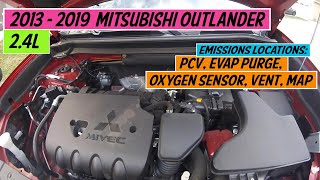
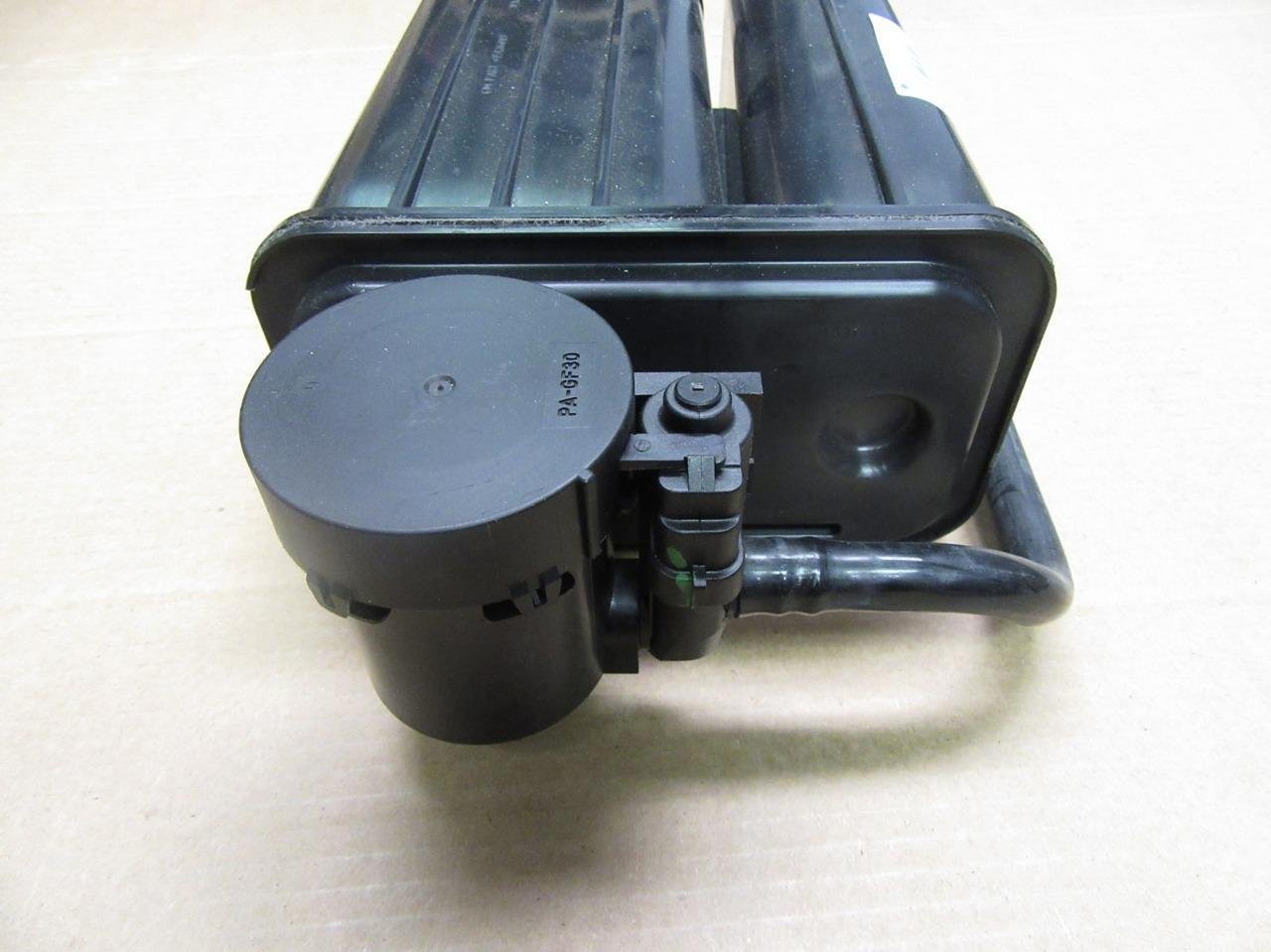
How to confirm: Locate the vent solenoid on or near the charcoal canister at the rear of the vehicle. 🎬 See this video to locate your EVAP and emissions components. Test its operation by applying 12V power; it should click and change state (it is normally open and will close when powered). A scan tool can also be used to command it closed for testing.
Typical fix: Replace the canister vent solenoid.
Est. part cost: $50-$100 - Cracked or Disconnected EVAP Hose ⚪ Low Probability
How to confirm: Visually inspect all accessible EVAP hoses between the engine, purge valve, and canister for obvious cracks, brittleness, or loose connections. A smoke test is the most effective way to find a hard-to-see leak.
Typical fix: Replace the damaged section of hose.
Est. part cost: $10-$30
Rare But Worth Checking
- Loose or Faulty Gas Cap: → Shop Fuel Tank Cap While more commonly associated with small leak codes (like P0456), a very poor seal could contribute to a flow fault. It's the easiest and cheapest thing to check first.
- Saturated Charcoal Canister: → Shop Vapor Canister Habitually overfilling the fuel tank (i.e., continuing to pump after the nozzle clicks off) can force liquid gasoline into the charcoal canister, clogging it and causing incorrect purge flow.
- Clogged EVAP System Port: In rare cases, carbon buildup can break off and clog a line or the port on the intake manifold, leading to a flow fault.
Diagnosis Steps
- Confirm the primary symptom: Is the vehicle hard to start after refueling? If yes, the purge solenoid is the prime suspect.
- Check the gas cap. Ensure it is tight and the seal is not cracked or worn.
- Locate the purge solenoid on the rear of the intake manifold, near the throttle body.
- CRITICAL: Verify the vacuum hoses are routed correctly. The canister line should go to the top port of the solenoid.
- Disconnect the electrical connector and hoses from the purge solenoid. Attempt to blow through it. If air passes, it's stuck open and needs replacement.
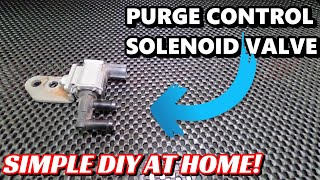
- Test the purge solenoid's coil resistance using a multimeter. The standard value should be 22-26 Ω at 68°F (20°C). 🎬 Watch: How to test and replace the purge solenoid at home.
- If the solenoid tests good, inspect the EVAP hoses visually for any obvious cracks or loose connections.
- If no issues are found, locate the canister vent solenoid at the rear of the vehicle and test it for proper operation (it should be open at rest and close when 12V is applied).
- If the cause is still not found, perform a smoke test on the EVAP system to definitively locate any leaks or blockages.
Parts You'll Likely Need
- Vapor Canister Purge Solenoid / Valve
(OEM #8657A049)— This is the most frequent failure point for code P0441 on this vehicle, directly causing the incorrect flow and hard-starting symptoms.
Trusted brands: Mitsubishi Genuine, Dorman (911-367), Standard Motor Products (CP593, CP588)
OEM price range: $78-$120
Aftermarket price range: $80-$110
Related Codes That Often Appear With This One
- P0171 or P0174 — System Too Lean. If the purge valve is stuck open, it creates a vacuum leak, allowing unmetered air (and fuel vapor) into the intake, which can cause a lean condition.
Technical Service Bulletins (TSBs) & Recalls
- While a specific TSB for P0441 hose routing on the 2007-2013 Outlander was not located, a diagnostic video strongly indicates this is a known field issue. A TSB for a different model/year (TSB-23-11-003) shows general EVAP system service procedures but is not directly applicable.
Platform-Specific Known Issues
- A known issue exists where the purge solenoid vacuum hoses are installed in reverse, causing a P0441 code. A TSB was not found, but this is a well-documented field issue.
Mechanic-Grade Diagnostic Values
- EVAP Purge Solenoid Coil Resistance — expected: 22 - 26 Ω at 20°C (68°F). Failure: A reading outside this range, or an open/infinite reading, indicates a failed coil.
- Fuel Tank Differential Pressure Sensor Voltage (KOEO, gas cap off) — expected: 1,500 - 3,500 mV (1.5 - 3.5V). Failure: A voltage outside this range suggests a faulty sensor or wiring issue.
- DTC P0441 Set Condition (ECM Logic) — expected: Fuel tank pressure is greater than -1.96 kPa (-0.58 in.Hg) when the purge solenoid is commanded closed.. Failure: The ECM will set P0441 if the pressure drops below -1.96 kPa for 0.1 second, indicating a vacuum is being pulled when it shouldn't be (e.g., from a stuck-open purge valve).
Scan Tool Commands That Help
- Mitsubishi M.U.T.-III (MB991958): Actuator Test Item 10: Evaporative Emission Purge Solenoid — This bidirectional command allows a technician to manually cycle the purge solenoid on and off to verify its mechanical and electrical operation without having to remove it from the vehicle.
- Mitsubishi M.U.T.-III (MB991958): Actuator Test Item 15: Evaporative Emission Ventilation Solenoid — This command allows for testing of the canister vent solenoid at the rear of the vehicle to ensure it closes when commanded, which is a necessary step for the EVAP system to build pressure/vacuum for other tests.
- Mitsubishi M.U.T.-III (MB991958): Data List Item 52: Fuel Tank Differential Pressure Sensor — Used to monitor the live voltage or pressure reading from the fuel tank pressure sensor. This is critical for observing system behavior during purge and vent solenoid tests to confirm if the system is responding correctly.
Wiring & Ground Locations
- G11 — Left rear of engine compartment.. This is a primary ground point for components in the engine bay. A poor connection here could potentially affect the Engine Control Module (ECM) or its sensors.
- G12 — Left side of engine compartment.. Another key engine compartment ground. The ECM relies on solid ground connections to accurately control actuators like the purge solenoid.
- G22 — Rear of engine.. This ground is located near many engine sensors and actuators. A corroded or loose connection could cause intermittent electrical issues for the EVAP system components.
Real Owner Repair Stories
- MitsubishiForum.com user (2007 Mitsubishi Outlander) — Check Engine Light with code P0441.
❌ Tried (didn't work) Initial owner troubleshooting.
✅ What actually fixed it The dealer diagnosed and replaced a defective EVAP purge solenoid under warranty. - YouTube video by 'Pine Hollow Auto Diagnostics' (2007 Mitsubishi Outlander) — P0441 code and very difficult to start immediately after refueling.
❌ Tried (didn't work) A previous repair shop had already replaced the EVAP purge solenoid, but the problem persisted.
✅ What actually fixed it The technician discovered the two vacuum hoses on the purge solenoid were connected in reverse. Swapping the hoses to their correct positions (canister line to the top nipple) resolved both the P0441 code and the hard-starting symptom.
Documented NHTSA Reports
While the Outlander is the primary focus, cross-manufacturer records for similar Mitsubishi platforms highlight the persistence of this code. NHTSA ODI #10679585 describes a situation where P0441 appeared alongside several other codes, including P0171 and P0174, indicating a broader electrical or system-wide issue.
OEM Part Supersession History
8657A049→8657A049 (current)— This part number appears to be stable with no major supersessions noted for this vehicle generation.
Heads up: The same part number is used across multiple Mitsubishi models like the Lancer and Outlander Sport, but ensure the application years match.
Diagnostic Flowchart
Other Known Issues on This Vehicle
Issues unrelated to this code that are worth knowing about as an owner of this generation:
- CVT Transmission Problems (Jatco JF011E) 🔴 High — Can begin after 60,000-90,000 miles, especially without regular fluid changes. Symptoms include shuddering, hesitation, whining, and overheating. (Ref: TSB 20-23-001REV has been issued for transmission problems.)
- Front Lower Control Arm Corrosion/Failure 🔴 High — Common in 'Salt Belt' regions. Corrosion of the front cross member can cause the control arm to detach. (Ref: NHTSA Recall 16V458000)
- Windshield Wiper Linkage Corrosion 🔴 High — Water can enter and corrode the wiper link ball joint, causing the wipers to fail suddenly. Affects the entire 2007-2013 model year range. (Ref: NHTSA Recall 17V461000)
- Oil Consumption (2.4L 4B12 Engine) 🟠 Medium — Can become noticeable after 90,000-120,000 miles, potentially due to sticking piston rings or cylinder wear.
- Timing Chain Stretch (2.4L 4B12 Engine) 🟠 Medium — The timing chain may stretch after approximately 150,000 km (around 93,000 miles), requiring replacement.
- Blower Motor Resistor/Fan Failure 🟡 Low — Common across multiple model years, leading to erratic or non-functional HVAC fan speeds.
Used vs. New Parts: Buying Guide for This Vehicle
When a used part is the smart pick: A used OEM purge solenoid from a low-mileage donor vehicle can be a cost-effective option, as the failure mode is typically mechanical (sticking) rather than electronic wear. Given the high cost of the OEM part, a tested junkyard part is a reasonable gamble.
Donor-vehicle mileage cap: roughly under 80000 miles for the part to have meaningful remaining life.
What to inspect on the donor part:
- Verify the donor vehicle's mileage if possible.
- Inspect the plastic housing for any cracks or heat damage.
- Check that the electrical connector pins are clean and free of corrosion.
- If possible, perform a bench test by trying to blow through the solenoid; it should be closed when unpowered.
Aftermarket brands forum-validated for this vehicle:
- Standard Motor Products (SMP)
- Dorman
Brands owners have reported issues with on this vehicle:
- No-name, unbranded parts from online marketplaces should be avoided, as their internal valve quality and coil resistance may not meet OE specifications, leading to persistent codes.
Real Owner Stories
Aggregated from forums and TSBs cited above. Mileages and costs reflect what owners reported in those sources.
2007 Mitsubishi Outlander
Symptoms: Check Engine Light on with code P0441.
What fixed it: The dealer diagnosed and replaced a defective solenoid under warranty.
Source hint: MitsubishiForum.com (2010) thread titled 'P0441 code'
2007 Mitsubishi Outlander
Symptoms: Hard start after refueling; the car would not start unless the technician held the throttle open in 'clear flood mode.'
What fixed it: Corrected the vacuum hose routing on the purge solenoid. A previous shop had installed the hoses in reverse (canister line was on the side instead of the top).
Source hint: YouTube (2021) diagnostic video
Mitsubishi Owner Report
Symptoms: An owner reported a series of problem codes including P0441, P0431, P0174, P0171, P0335, and P0300.
What fixed it: This report highlights that P0441 can often appear as part of a larger cluster of electrical or fuel system faults.
Source hint: NHTSA ODI #10679585
Related OBD-II Codes
Frequently Asked Questions
Is there a TSB for the P0441 code on my 2007-2013 Mitsubishi Outlander?
Why does my Outlander struggle to start only after I fill up the gas tank?
Where is the purge solenoid located on the 2.4L or 3.0L Outlander engine?
What are the correct resistance specs for testing the purge solenoid coil?
I just replaced the solenoid but the P0441 code returned. What else should I check?
Are there any recalls for the 2007-2013 Outlander that I should be aware of while fixing this?
Helpful Videos
Used OEM Parts in Stock
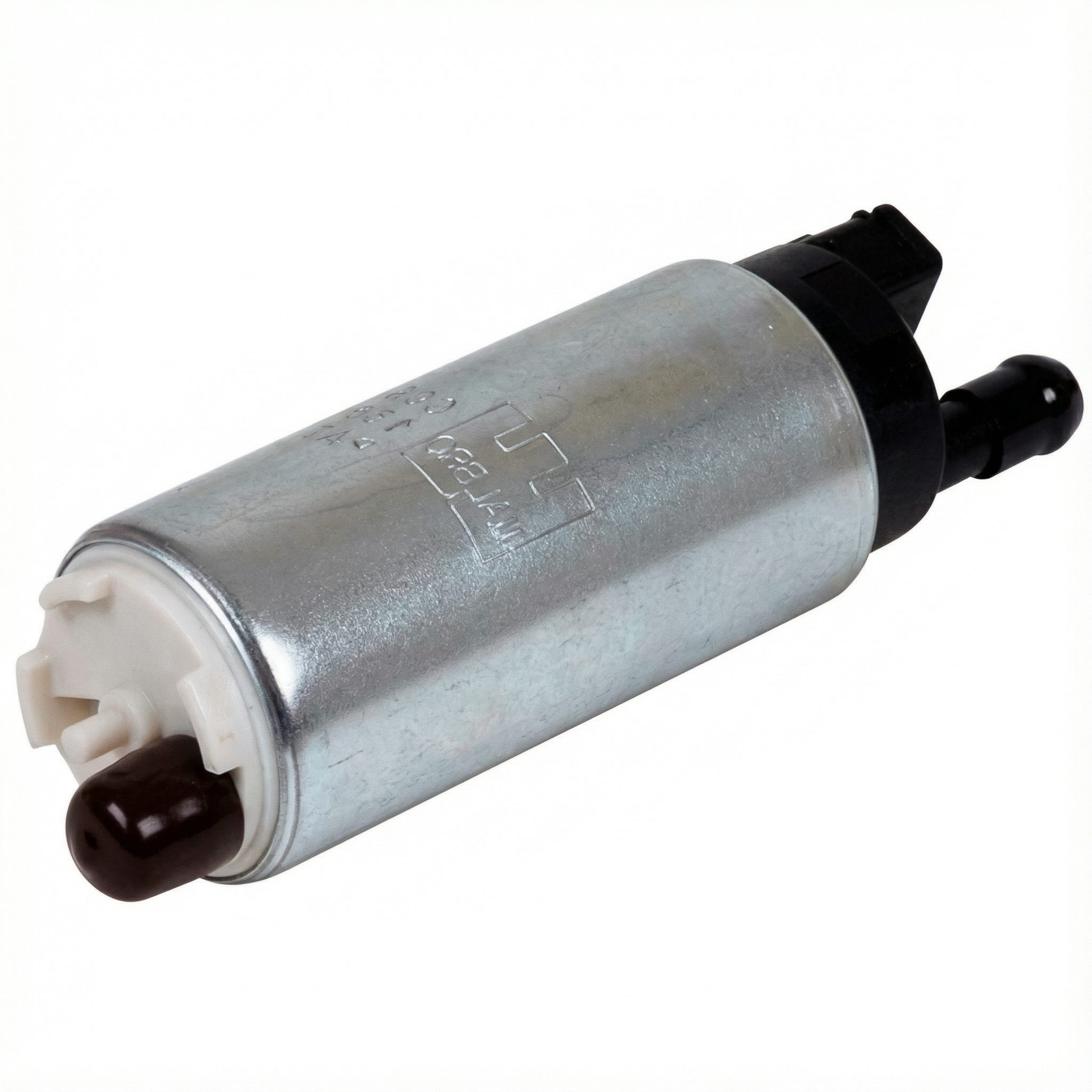
New Aftermarket Parts Available

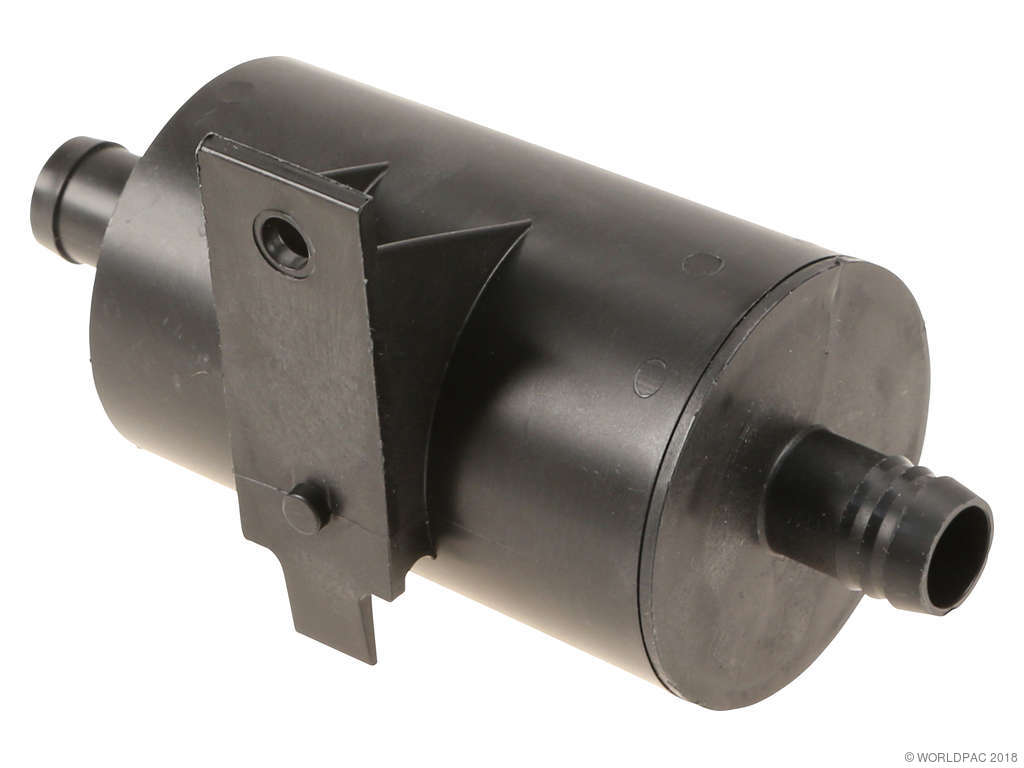

The information in this article is provided for general reference and educational purposes only. Vehicle specifications, procedures, and part compatibility can vary by production date, trim level, and region. Always consult your vehicle's factory service manual and verify part numbers before purchasing or performing repairs. Safety-critical components such as airbags, seat belts, and braking systems should be installed by a qualified professional.
- Mitsubishi Outlander:
- 🧭 Diagnostic Flowchart
- 🎬 Helpful Videos
- 🛍️ Shop This Part
- What's Unique About the 2007-2013 Mitsubishi Outlander
- Symptoms You May Notice
- Most Likely Causes
- Rare But Worth Checking
- Diagnosis Steps
- Parts You'll Likely Need
- Related Codes That Often Appear With This One
- Technical Service Bulletins (TSBs) & Recalls
- Platform-Specific Known Issues
- Mechanic-Grade Diagnostic Values
- Scan Tool Commands That Help
- Wiring & Ground Locations
- Real Owner Repair Stories
- Documented NHTSA Reports
- OEM Part Supersession History
- Other Known Issues on This Vehicle
- Used vs. New Parts: Buying Guide for This Vehicle
- Real Owner Stories
- 2007 Mitsubishi Outlander
- 2007 Mitsubishi Outlander
- Mitsubishi Owner Report
- Related OBD-II Codes
- Frequently Asked Questions
- 🎟️ Get 5% Off