

P0441 on 2013-2020 Nissan Pathfinder: Incorrect Purge Flow Causes and Fixes
On a 2013-2020 Nissan Pathfinder, code P0441 is most often caused by a faulty EVAP canister purge volume control solenoid valve located on top of the engine. This is a relatively easy and inexpensive DIY repair, with the part costing between $40 and $165. The repair typically takes less than 30 minutes with basic hand tools.
- P0441 on your Pathfinder almost always means you need a new EVAP purge valve.
- This is a great DIY-friendly repair. The part is inexpensive and located right on top of the engine, requiring only basic tools (a 10mm socket and pliers).
- Before buying parts, take a minute to check that your gas cap is tight.
- If you replace the purge valve and find black, sand-like particles (charcoal) in the hoses, you will also need to replace the charcoal canister and clean the lines to prevent the new valve from failing.
What's Unique About the 2013-2020 Nissan Pathfinder
For the 2013-2020 Nissan Pathfinder (R52 generation) and its platform mate, the Infiniti QX60, 🎬 See this quick walkthrough for the Infiniti QX60 purge valve. the P0441 code points overwhelmingly to a failure of the EVAP canister purge volume control solenoid valve. This component is conveniently located on the top of the engine's intake manifold, making it much easier to access and replace than on many other vehicles where it might be buried deep in the engine bay or near the fuel tank. While other EVAP system issues can theoretically cause this code, the purge valve itself is the most common point of failure on this specific platform.
Symptoms You May Notice
- Check Engine Light is on
- Slightly rough or surging engine idle
- Difficulty starting the engine immediately after refueling (if the valve is stuck open)
- A faint smell of fuel
- Slight decrease in fuel economy
- Replacing the charcoal canister when only the purge valve is faulty. Always diagnose the purge valve first, as it is the most common, least expensive, and easiest component to replace for this code on this vehicle.
Most Likely Causes
- Faulty EVAP Canister Purge Volume Control Solenoid Valve 🔴 High Probability → Shop Vapor Canister This is the most widely reported failure for P0441 on this platform. The valve can get stuck open, stuck closed, or become electrically faulty due to age and heat cycles in the engine bay.
How to confirm: The valve is normally closed. Disconnect the valve and attempt to blow through it; if air passes, it's stuck open and faulty. Alternatively, apply 12V to the electrical pins; you should hear a click and be able to blow through it. If it doesn't click or open, it's bad. A scan tool can also command the valve 🎬 Watch: Two simple DIY methods to test and fix P0441. to open to check its operation.
Typical fix: Replace the purge valve. It is located on top of the engine intake manifold, held by two 10mm bolts. The process involves unplugging the electrical connector, removing two hoses, and unbolting the valve.
Est. part cost: $40-$165 - Cracked or Disconnected EVAP Hoses 🟡 Medium Probability The rubber hoses connected to the purge valve and in the EVAP system can become brittle and crack over time due to engine heat and age, creating a vacuum leak that disrupts the purge flow.
How to confirm: Visually inspect the hoses connected to the purge valve and along the EVAP lines for any visible cracks, loose connections, or deterioration. A smoke test is the most effective way to find small, hard-to-see leaks.
Typical fix: Replace the damaged section of hose.
Est. part cost: $10-$30 - Faulty or Loose Gas Cap ⚪ Low Probability → Shop Fuel Tank Cap While a loose gas cap more commonly causes a P0455 (gross leak) or P0457 code, a faulty cap seal can sometimes contribute to incorrect pressure readings that may trigger a P0441. It's a simple and inexpensive check.
How to confirm: Ensure the gas cap is tightened until it clicks. Inspect the cap's seal for cracks or damage. If it looks worn, it's a cheap and easy part to replace as a first step.
Typical fix: Tighten or replace the gas cap.
Est. part cost: $15-$35
Rare But Worth Checking
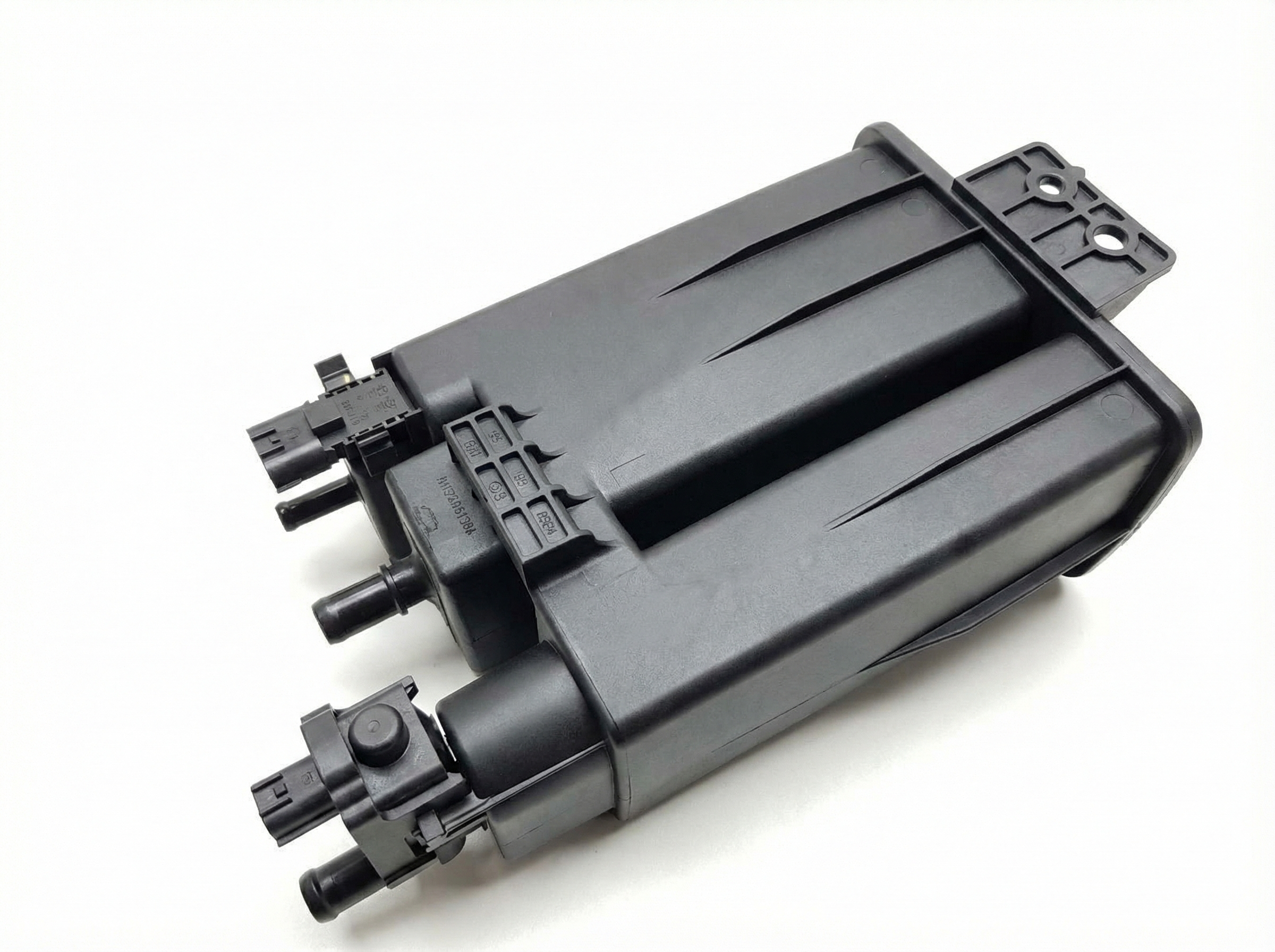
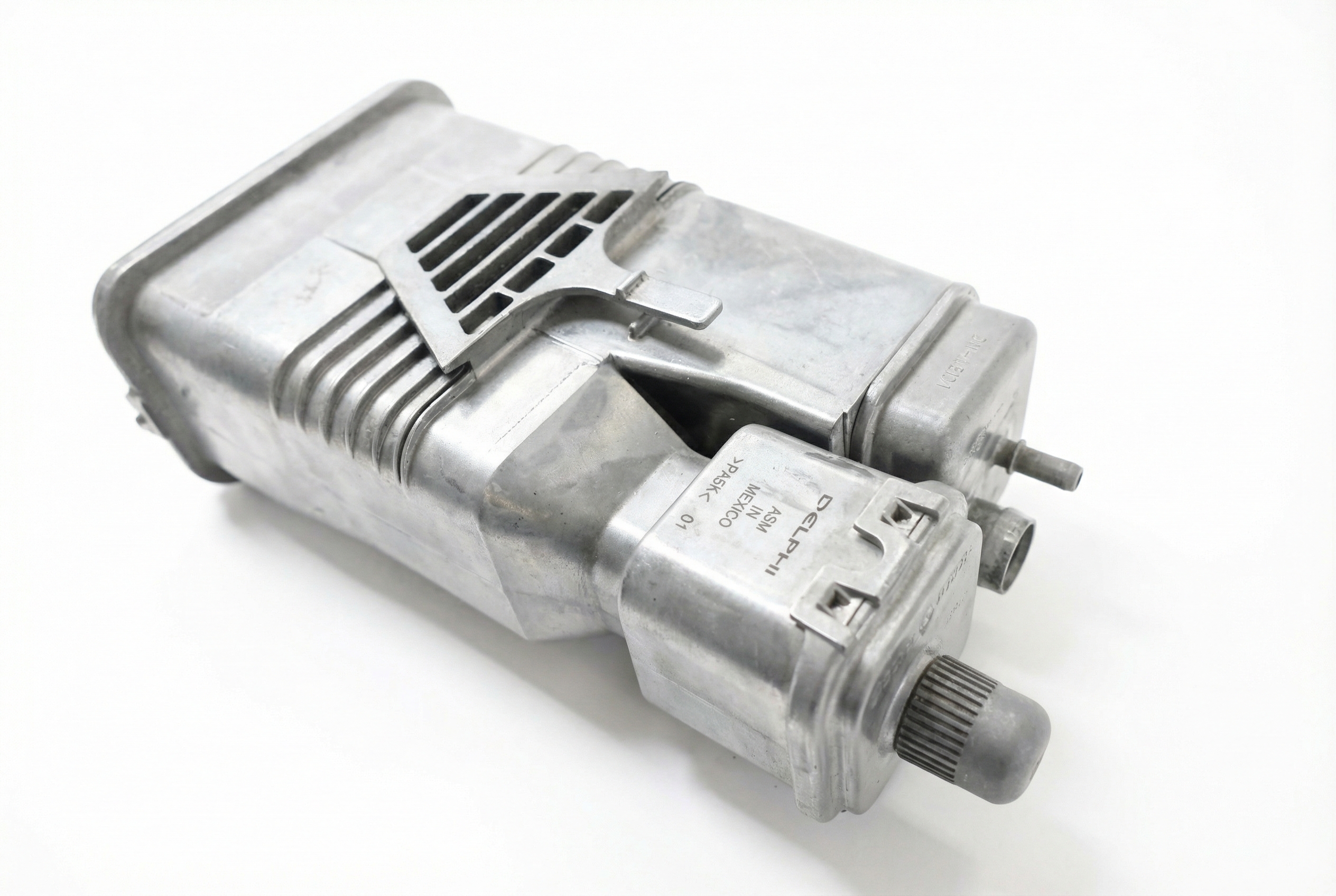
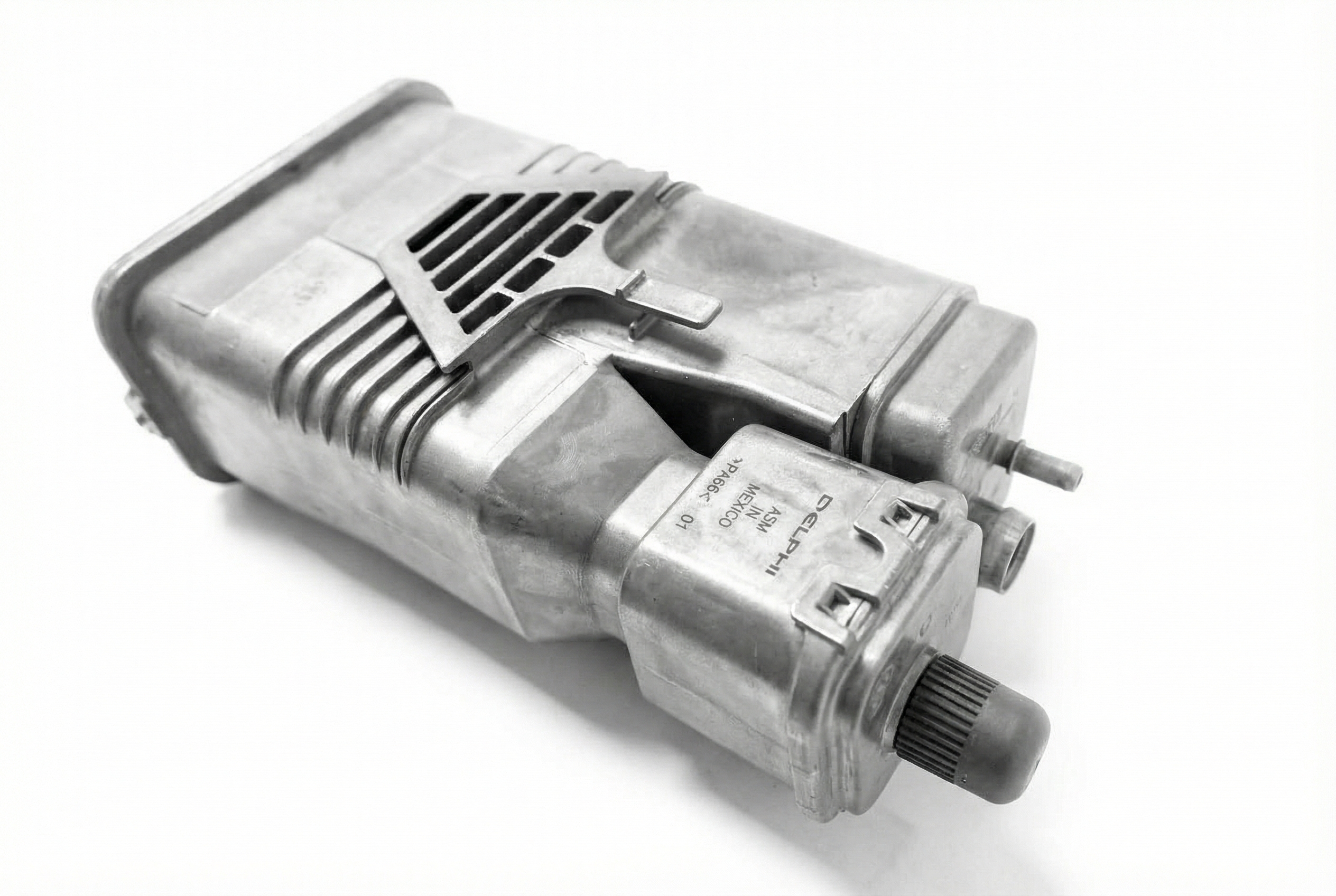
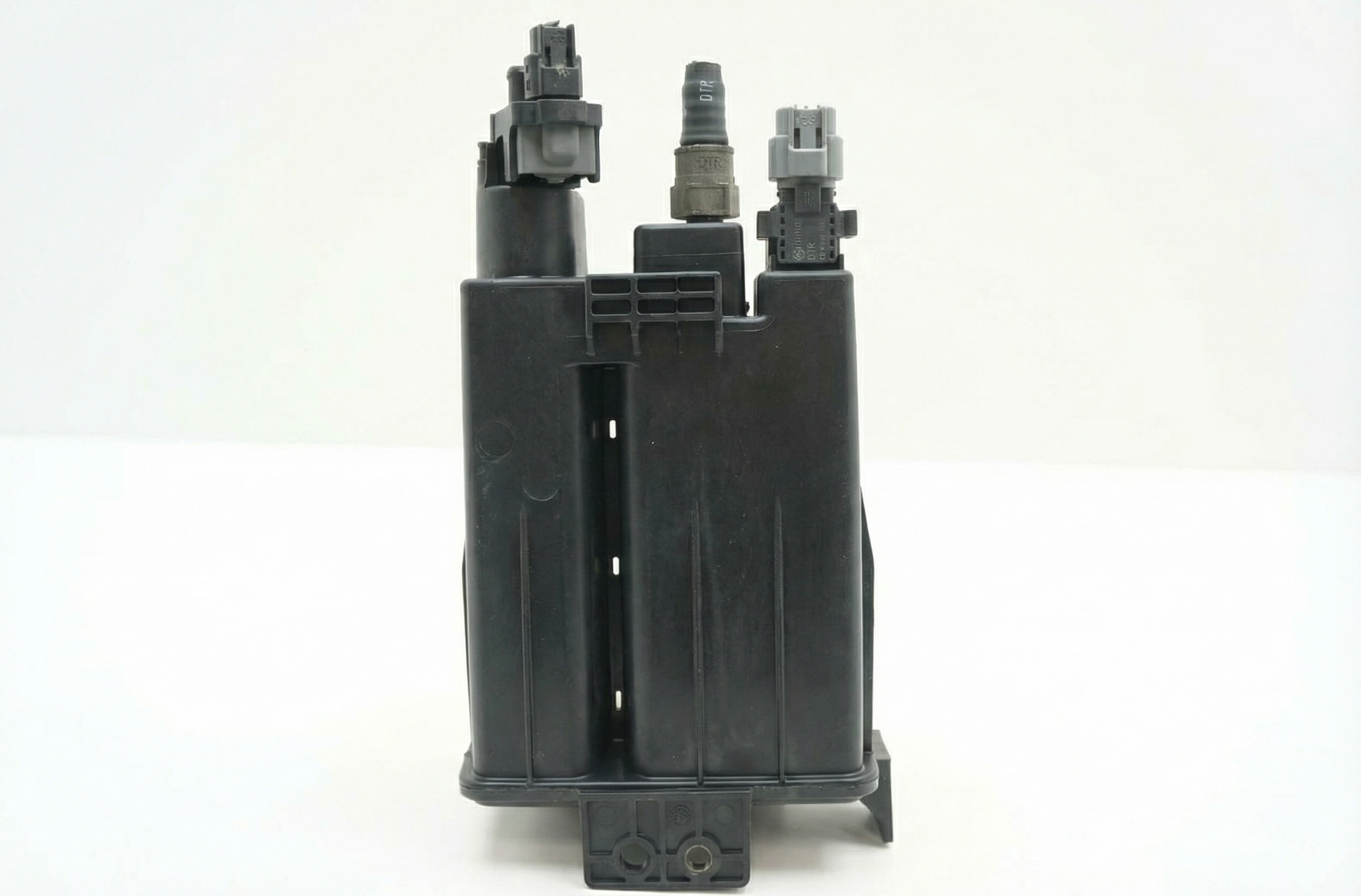
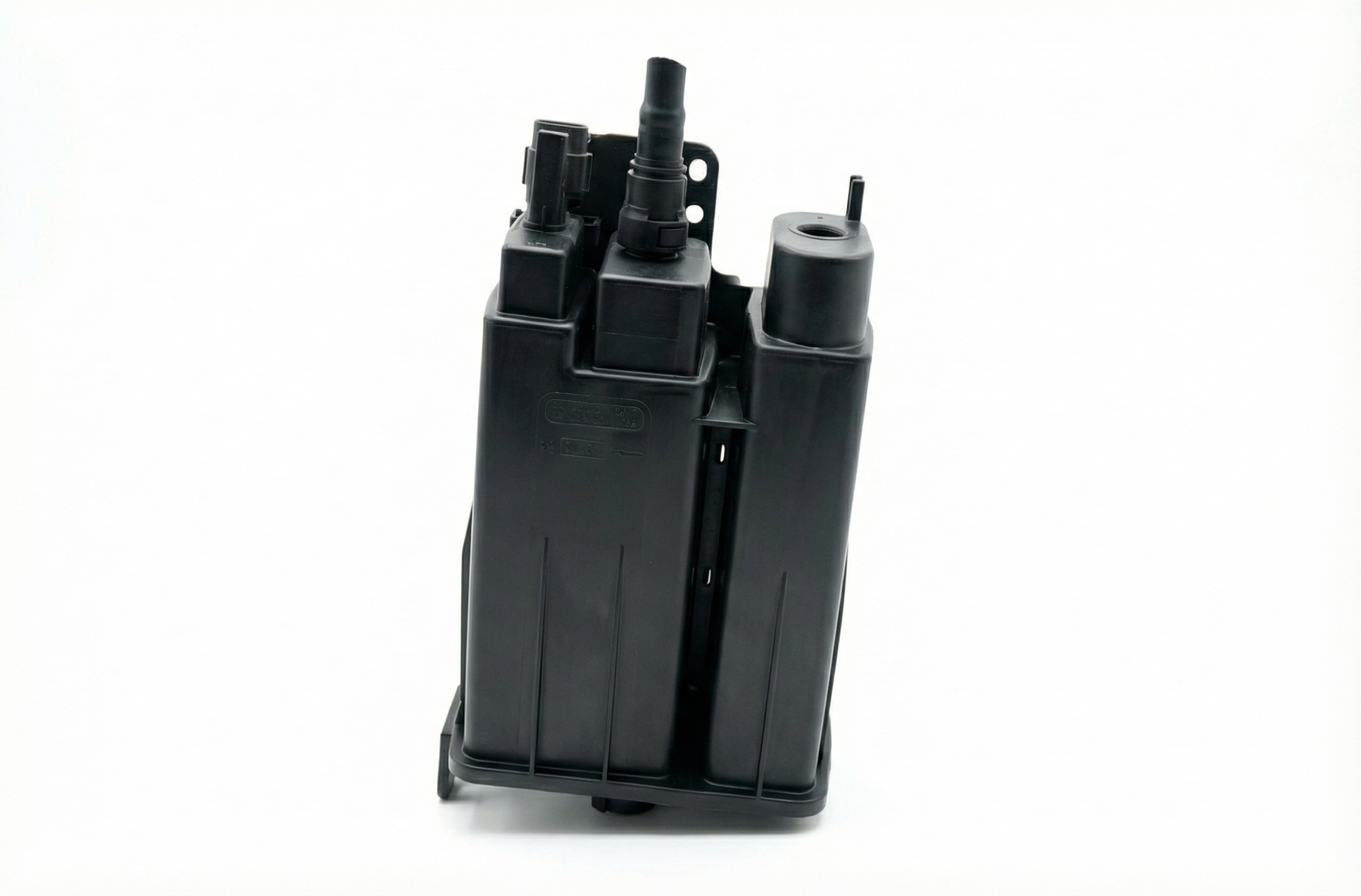
- Clogged Charcoal Canister: → Shop Vapor Canister This can happen if the canister becomes saturated with fuel (often from overfilling the gas tank) or if the internal charcoal pellets break down and clog the lines. If you find black charcoal pellets inside the hoses or the old purge valve, the canister itself will need to be replaced to prevent repeat failure of the new valve.
- Faulty EVAP System Pressure Sensor: A faulty pressure sensor can send incorrect data to the ECM, causing it to believe there is a purge flow issue when there isn't. However, this will typically be accompanied by other codes, such as P0453.
Diagnosis Steps
- Verify the Check Engine Light is on and code P0441 is present using an OBD-II scanner.
- Check the gas cap to ensure it is tight and the seal is in good condition.
- Locate the EVAP purge solenoid valve on the top, right side of the engine intake manifold.
- Visually inspect the vacuum hoses connected to and surrounding the purge valve for any obvious cracks, disconnections, or damage.
- Test the purge valve. Disconnect the electrical connector and hoses. The valve should be closed when no power is applied. Try to blow through it; if air passes, the valve is stuck open and must be replaced.
- If the valve is not stuck open, you can test its electrical operation by applying a 12-volt power source to its two pins. The valve should click open, and you should be able to blow through it. If it does not open, it is faulty.
- If the valve tests good, the next step is to perform a smoke test on the EVAP system to check for leaks in the lines between the purge valve, the charcoal canister, and the fuel tank.
- If charcoal pellets are found in the EVAP lines during inspection, the charcoal canister has failed and needs to be replaced along with cleaning out the lines to prevent damage to the new purge valve.
Parts You'll Likely Need
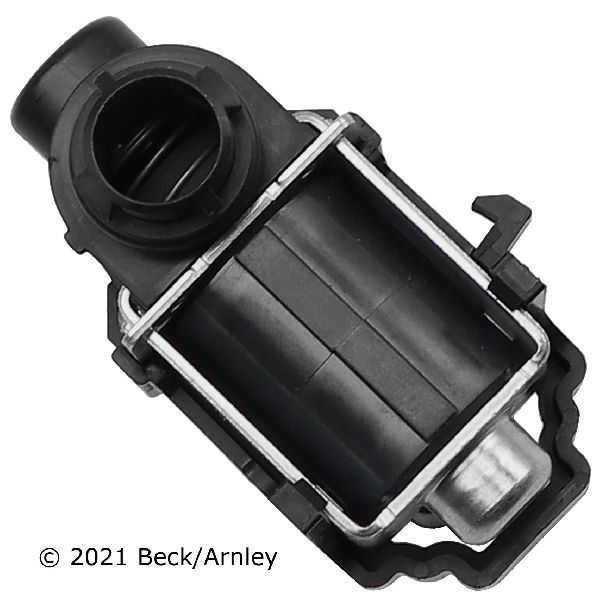
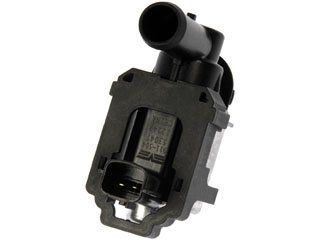
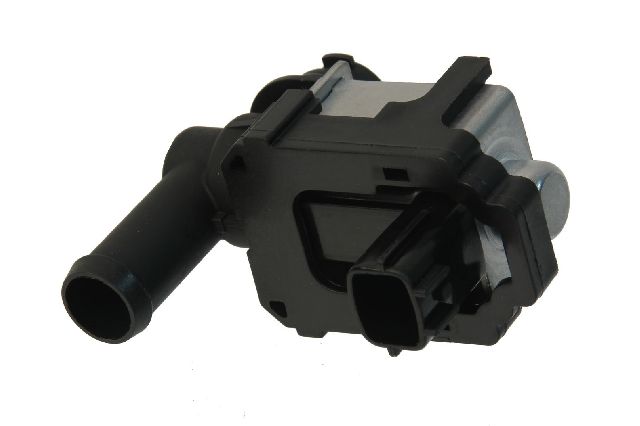
- EVAP Canister Purge Volume Control Solenoid Valve
(OEM #14930-JA10D (supersedes 14930-JA10A, 14930-JA10B))— This is the most common failure point for code P0441 on the 2013-2020 Pathfinder. It either gets stuck open/closed or fails electrically.
Trusted brands: Nissan (OEM), Dorman, Hitachi, TRQ
OEM price range: $150-$180
Aftermarket price range: $40-$90
Technical Service Bulletins (TSBs) & Recalls
- NTB13-097J: While not for P0441 specifically, this TSB addresses other EVAP leak codes (P0442, P0455, P0456) and provides diagnostic procedures for the EVAP system that can be useful.
- NTB17-082E: This TSB addresses DTC P0456 caused by a leak at the vent control valve O-ring, another component of the EVAP system. While less likely to be the cause of P0441, it highlights a known potential leak point in the system.
Platform-Specific Known Issues
- Owner Experience: On the 'PathfinderTalk.com' forums, multiple owners of 2013-2016 models report the P0441 code appearing between 70,000 and 100,000 miles. In nearly all documented cases, replacing the purge solenoid valve located on the engine resolved the code. One user described the fix as a '10-minute job' requiring only a 10mm socket and pliers. 🎬 Watch: Step-by-step guide to replacing the Pathfinder purge valve.
- Repair Story: A YouTube video from channel '1A Auto' specifically for the 2013-2020 Pathfinder shows the entire replacement process. The mechanic points out the ease of access on the top of the intake manifold and confirms the only tools needed are a 10mm socket and pliers to move the hose clamps.
Mechanic-Grade Diagnostic Values
- EVAP Canister Purge Volume Control Solenoid Valve Coil Resistance — expected: Approximately 14-30 Ohms at 68°F (20°C). Failure: A reading of infinity (open circuit) or near zero (short circuit) indicates a failed solenoid coil.
- Voltage at Purge Solenoid Connector (Key On, Engine Off) — expected: Approximately 12V (Battery Voltage) at the power supply pin (Pin 2).. Failure: No voltage indicates a problem with the power supply circuit, such as a blown fuse or a break in the wiring harness between the IPDM E/R (Intelligent Power Distribution Module Engine Room) and the valve.
Hidden / Shadow Codes Worth Checking
- P04DF / P04F1: While not truly hidden, Nissan's diagnostic logic for P0441 is closely tied to these codes. P04DF (High Purge Flow) or P04F1 (Low Purge Flow) may be stored as pending or confirmed codes alongside P0441. If P0441 is present alone, the diagnostic procedure often involves troubleshooting the other two codes as the root cause. (see via A standard OBD-II scanner capable of reading pending and confirmed DTCs.)
Scan Tool Commands That Help
- Nissan CONSULT or equivalent advanced bidirectional scanner: Purge Volume Control Valve Active Test — This function allows a technician to manually command the purge solenoid to open and close (typically in duty cycle percentages, e.g., 0% to 100%). This is used to verify if the solenoid clicks and opens/closes on command, confirming its electrical and mechanical function without having to remove it from the vehicle.
- Nissan CONSULT or equivalent advanced bidirectional scanner: EVAP System Leak Test — After replacing a component like the purge valve, this command initiates the vehicle's onboard EVAP system self-test. It seals the system and checks for pressure changes to confirm the repair was successful and that no other leaks exist.
Wiring & Ground Locations
- Purge Solenoid Connector (L31C2) — On the EVAP canister purge volume control solenoid valve, located on the top right of the intake manifold.. This 2-pin connector is the sole electrical interface for the valve. Pin 2 is the 12V power supply from the IPDM E/R, and Pin 1 is the ground-side control wire to the ECM (Terminal 45 on some models). Corrosion or a poor connection here will cause a P0441 or related circuit codes.
- Engine/Body Grounds (E13, E72, etc.) — Multiple ground points are located throughout the engine bay, typically bolted to the chassis, engine block, or firewall. For example, braided straps often connect the engine block/cylinder head to the firewall.. The ECM relies on a stable ground reference to accurately control the purge solenoid. A corroded or loose main engine or body ground strap can cause erratic behavior in multiple systems, including the EVAP system, leading to intermittent or difficult-to-diagnose codes.
OEM Part Supersession History
14930-JA10A, 14930-JA10B→14930-JA10D— Standard part evolution for improved reliability or manufacturing efficiency. No specific design flaw is publicly documented for the change.
Heads up: The newer part number 14930-JA10D is fully backward compatible with the older versions and is the correct service part to use.
Model Year Variations Within This Range
- 2017-2020: Starting in 2017, the Pathfinder received a mid-cycle refresh which included an updated engine, the VQ35DD with direct injection (DIG), replacing the previous VQ35DE (port injection). While the EVAP system function and the P0441 code's primary cause (purge solenoid) remain the same, the intake manifold and surrounding components differ slightly. However, the purge valve's location and replacement procedure are fundamentally identical.
Diagnostic Flowchart
Other Known Issues on This Vehicle
Issues unrelated to this code that are worth knowing about as an owner of this generation:
- CVT Transmission Judder/Shudder and Failure 🔴 High — Very common, especially in 2013-2015 models. Can occur at any mileage but is frequently reported between 60,000 and 100,000 miles. (Ref: Multiple TSBs issued, including NTB16-120b (PC500). Nissan also extended the CVT warranty for some model years to 84 months/84,000 miles.)
- Failing Air Conditioning (A/C) Compressor or Condenser 🟠 Medium — Common on 2013-2015 models, where the compressor fails. A separate issue with a leaking A/C condenser pipe affects some 2022 models. (Ref: Voluntary service campaign (PC899/PC939) for the 2022 model's condenser pipe leak. No recall for the earlier models' compressor failures.)
- Wheel Bearing Failure 🟠 Medium — Frequently reported problem leading to a humming or grinding noise that changes with speed and direction.
- Sun Visor Fails to Stay Up 🟡 Low — Extremely common across many model years; the internal mechanism fails, causing the visor to droop and obstruct vision.
- Automatic Emergency Braking (AEB) System Malfunction 🔴 High — Reported on later models (approx. 2017+), causing the vehicle to brake suddenly and unexpectedly without obstruction. (Ref: Subject of investigation and potential class-action lawsuits.)
Used vs. New Parts: Buying Guide for This Vehicle
When a used part is the smart pick: For this repair, a used part is generally not recommended. The purge solenoid is a relatively inexpensive, high-wear electrical and mechanical part. The cost savings of a used part from a junkyard are minimal compared to the risk of receiving a part that is already near the end of its service life.
Donor-vehicle mileage cap: roughly under 40000 miles for the part to have meaningful remaining life.
What to inspect on the donor part:
- If buying used is unavoidable, inspect the plastic housing for cracks or heat damage.
- Check the electrical pins for any signs of corrosion (green or white powder).
- Ensure the hose ports are not cracked or broken.
- Attempt the 'blow test' on-site; no air should pass through the unpowered valve.
OEM-only on this vehicle (don't cheap out):
- While not strictly 'OEM-only', using a genuine Nissan part or a high-quality OEM-supplier brand like Hitachi is strongly recommended for fitment and longevity.
Aftermarket brands forum-validated for this vehicle:
- Hitachi (often the original equipment manufacturer)
- Standard Motor Products (SMP)
- Dorman (a common and generally acceptable budget-friendly option)
Brands owners have reported issues with on this vehicle:
- Unbranded, no-name parts from online marketplaces should be avoided, as their quality control and material specifications are often poor, leading to premature failure.
Real Owner Stories
Aggregated from forums and TSBs cited above. Mileages and costs reflect what owners reported in those sources.
2014 Nissan Pathfinder
Symptoms: Check Engine Light with code P0441.
What fixed it: Replacing the purge solenoid valve.
Source hint: PathfinderTalk.com thread titled 'P0441 Code on 2014 Pathfinder'
2013-2016 Nissan Pathfinder — ~85000 miles
Symptoms: P0441 code appearing between 70,000 and 100,000 miles.
What fixed it: Replacing the purge solenoid valve located on the engine.
Source hint: Owner Experience: PathfinderTalk.com forums
2013-2020 Nissan Pathfinder
Symptoms: Check Engine Light on; mechanic demonstrates ease of access on top of the intake manifold.
What fixed it: Replacement of the purge valve using a 10mm socket and pliers.
Source hint: YouTube video from channel '1A Auto'
Related OBD-II Codes
Frequently Asked Questions
Where is the EVAP purge volume control solenoid valve located on my 2013-2020 Pathfinder?
Does TSB NTB13-097J apply to my P0441 code?
Can a faulty gas cap cause a P0441 on this vehicle?
What tools do I need to replace the purge valve myself?
Is there a TSB for other EVAP components that might be related?
Should I buy a used purge solenoid to save money?
Helpful Videos
![How to Fix P0441 Engine Code in 3 Minutes [2 DIY Methods / Only $4.50]](https://img.youtube.com/vi/ifwpcNQCSvI/mqdefault.jpg)
Used OEM Parts in Stock
New Aftermarket Parts Available


The information in this article is provided for general reference and educational purposes only. Vehicle specifications, procedures, and part compatibility can vary by production date, trim level, and region. Always consult your vehicle's factory service manual and verify part numbers before purchasing or performing repairs. Safety-critical components such as airbags, seat belts, and braking systems should be installed by a qualified professional.
- Nissan Pathfinder:
- 🧭 Diagnostic Flowchart
- 🎬 Helpful Videos
- 🛍️ Shop This Part
- What's Unique About the 2013-2020 Nissan Pathfinder
- Symptoms You May Notice
- Most Likely Causes
- Rare But Worth Checking
- Diagnosis Steps
- Parts You'll Likely Need
- Technical Service Bulletins (TSBs) & Recalls
- Platform-Specific Known Issues
- Mechanic-Grade Diagnostic Values
- Hidden / Shadow Codes Worth Checking
- Scan Tool Commands That Help
- Wiring & Ground Locations
- OEM Part Supersession History
- Model Year Variations Within This Range
- Other Known Issues on This Vehicle
- Used vs. New Parts: Buying Guide for This Vehicle
- Real Owner Stories
- 2014 Nissan Pathfinder
- 2013-2016 Nissan Pathfinder — ~85000 miles
- 2013-2020 Nissan Pathfinder
- Related OBD-II Codes
- Frequently Asked Questions
- 🎟️ Get 5% Off