

P0441 on 2014-2020 Nissan Rogue: Incorrect Purge Flow Causes and Fixes
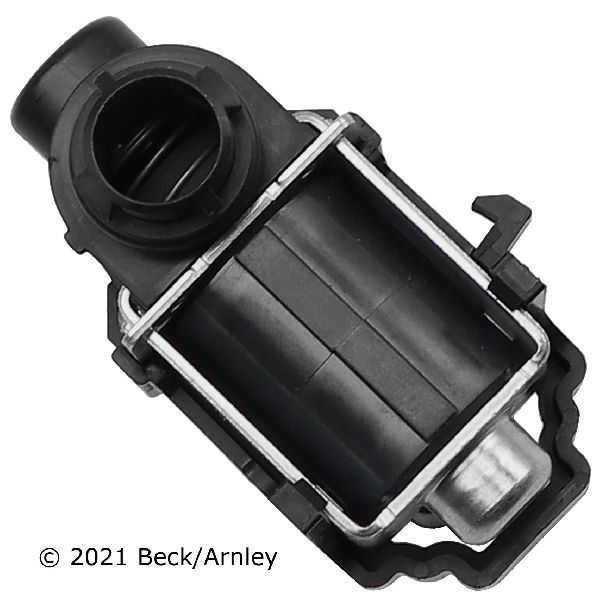
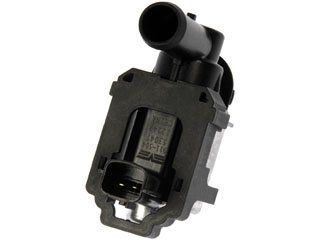
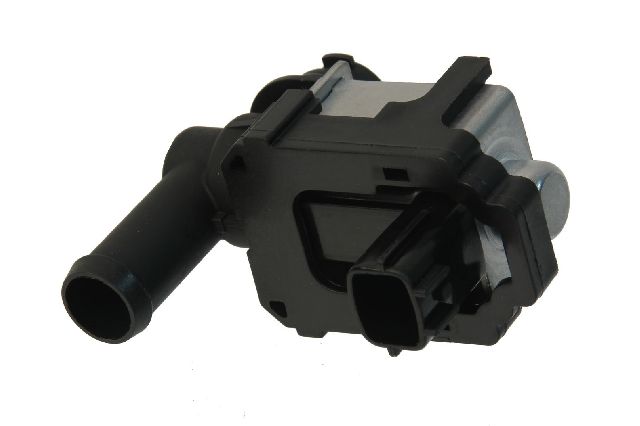
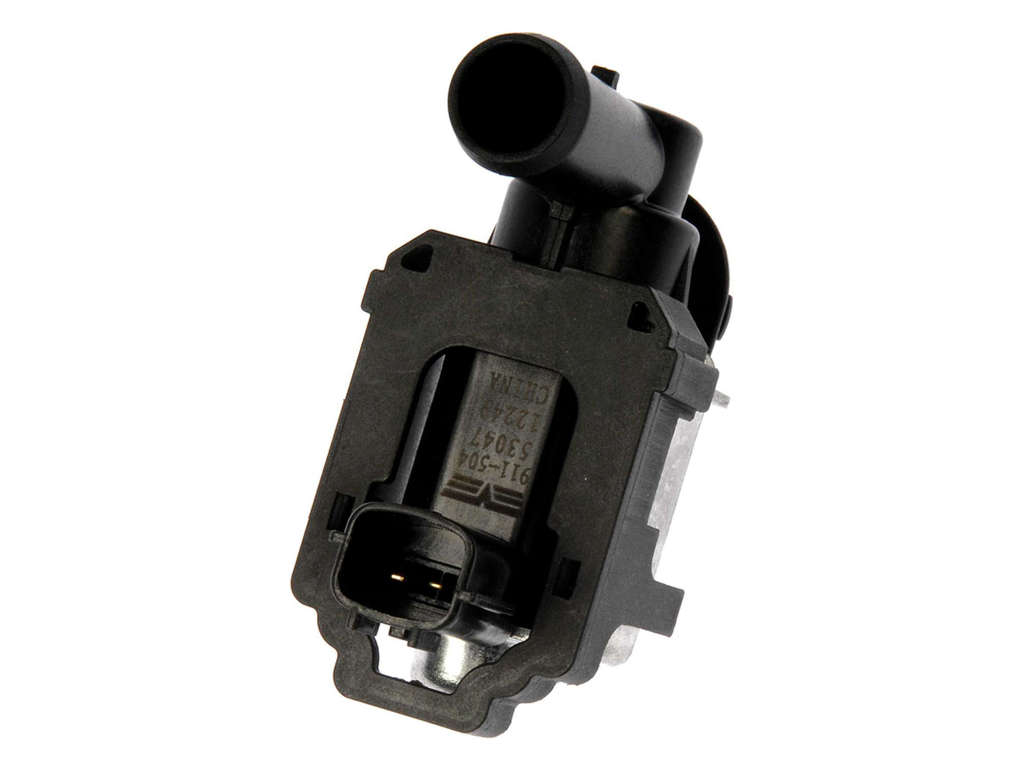
For a 2014-2020 Nissan Rogue, the P0441 code is most often caused by a faulty EVAP canister purge solenoid valve located in the engine bay. This valve can get stuck open or closed, disrupting the flow of fuel vapors. Replacing this part is a common and relatively simple DIY fix, with the part costing between $30 for aftermarket and $100-$160 for OEM. Checking the gas cap for a tight seal is a crucial first step.
- P0441 on a 2014-2020 Rogue almost always points to a bad EVAP purge solenoid valve in the engine bay.
- Before buying parts, always check that your gas cap is tight and its seal is intact.
- The purge valve is easy to access and replace, making this a great DIY repair that can be done in under 15 minutes with basic tools.
- Do not confuse the purge valve (in the engine bay) with the vent valve (near the gas tank), which causes different error codes.
- If you find black charcoal granules in the purge valve or lines, the charcoal canister also needs to be replaced.
- Ignoring this code won't leave you stranded, but it will prevent you from passing an emissions test.
What's Unique About the 2014-2020 Nissan Rogue
The second-generation Nissan Rogue (T32) is generally reliable, but like many modern vehicles, its EVAP system components are a common source of check engine lights as the vehicle ages. The purge valve, in particular, is a frequent failure point across many Nissan models. The good news for owners is that on this platform, the valve is very accessible in the engine bay, making diagnosis and replacement much simpler than on vehicles where it's buried or located near the rear fuel tank.
Symptoms You May Notice
- Check Engine Light is on
- Slightly rough or unstable idle, especially when the valve is stuck open creating a vacuum leak.
- Difficulty starting the engine, especially right after refueling (less common, but possible if the system is flooded with vapor).
- A faint fuel smell, particularly around the engine bay or rear of the vehicle.
- Audible clicking from a malfunctioning solenoid, or a lack of clicking when it should be active.
- Replacing the rear EVAP canister vent valve. The vent valve is located near the fuel tank and typically causes different codes (like P0442, P0455, P0456) related to system leaks or vent control circuit failures, not incorrect purge flow.
- Assuming any EVAP code means a bad gas cap. While it's the first thing to check, for P0441 the purge valve is a more likely culprit than the cap.
Most Likely Causes
- Faulty EVAP Canister Purge Solenoid Valve 🔴 High Probability → Shop Vapor Canister This solenoid is a known high-failure item across many Nissan models. It is a moving part that operates frequently and can get stuck open from wear, stuck closed from debris, or fail electrically. Being stuck open is a common failure mode, creating a constant vacuum leak.
How to confirm: The valve is located in the engine bay and is normally closed. With the engine off, disconnect the valve and try to blow through it; air should not pass. If it does, the valve is stuck open. Alternatively, with the engine running, disconnect the electrical connector and place your finger on the port leading to the intake manifold; you should not feel any vacuum suction. 🎬 See how to test your purge valve without any tools. If it fails either test, it's faulty. You can also test for electrical function by applying 12V to the pins and listening for a click.
Typical fix: Replace the EVAP canister purge solenoid valve.
Est. part cost: $30-$160 - Loose or Faulty Gas Cap 🟡 Medium Probability → Shop Fuel Tank Cap While P0441 is a flow code, not a large leak code (like P0455), a gas cap that doesn't seal properly can disrupt the system's ability to achieve the correct pressures for the purge cycle test, sometimes leading the ECU to interpret this as a flow problem. It's also the easiest and cheapest thing to check and a common cause for many EVAP codes.
How to confirm: Ensure the gas cap is tightened until it clicks at least once. Inspect the rubber O-ring seal on the cap for cracks, stiffness, or damage. If it looks worn, it's worth replacing with an OEM cap, as some aftermarket caps can cause issues.
Typical fix: Tighten or replace the gas cap.
Est. part cost: $15-$30 - Cracked or Disconnected EVAP Hoses ⚪ Low Probability The rubber and plastic hoses connected to the purge valve and charcoal canister are exposed to engine heat and under-vehicle elements. Over time they can become brittle, crack, or disconnect, creating a vacuum leak that alters the purge flow.
How to confirm: Visually inspect the hoses connected to the purge valve in the engine bay and follow them as far as you can. Also inspect the lines around the charcoal canister near the fuel tank. Look for any visible cracks, splits, or loose connections. A professional smoke test is the most effective way to find small, hard-to-see leaks.
Typical fix: Replace the damaged section of hose.
Est. part cost: $5-$20
Rare But Worth Checking
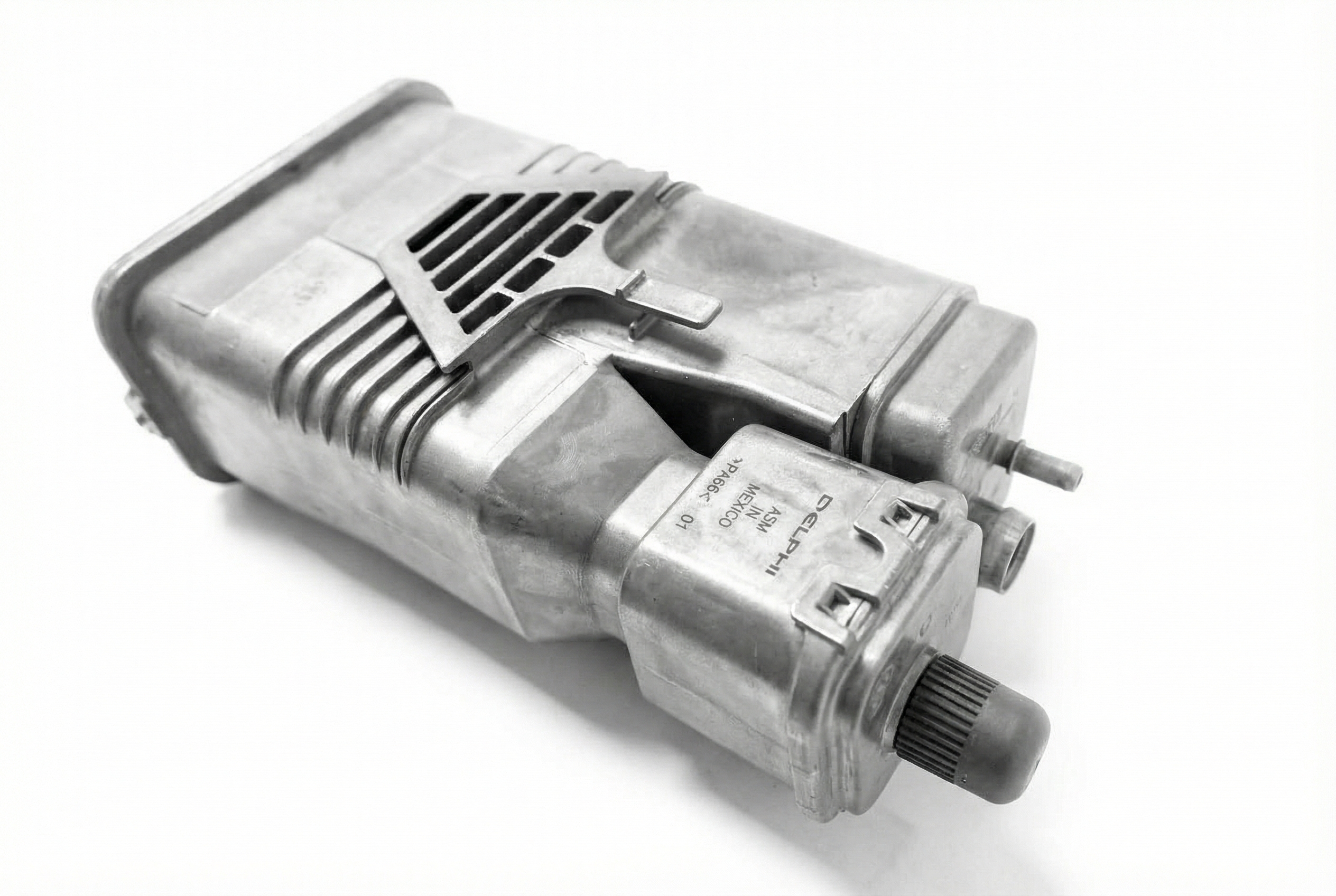
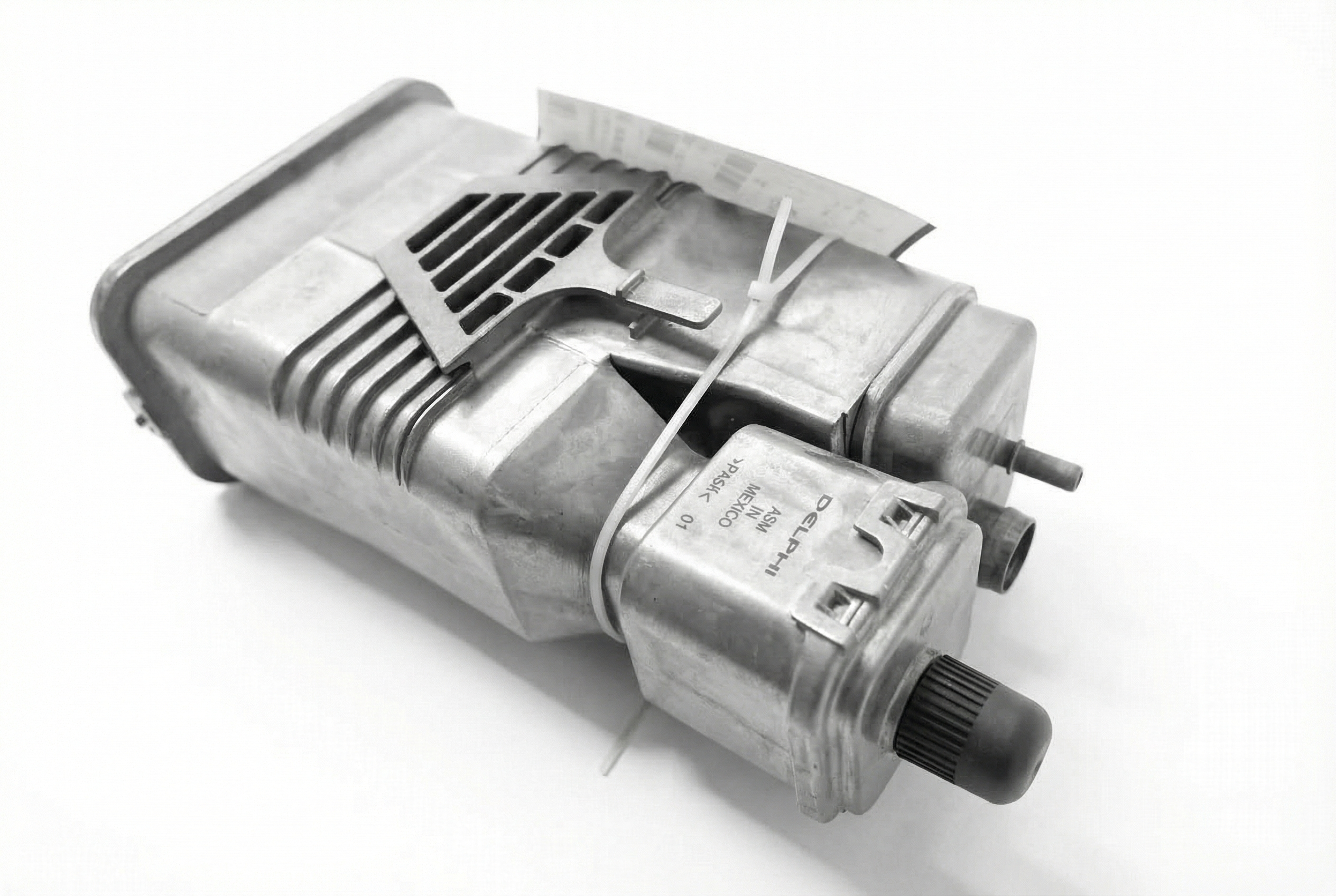
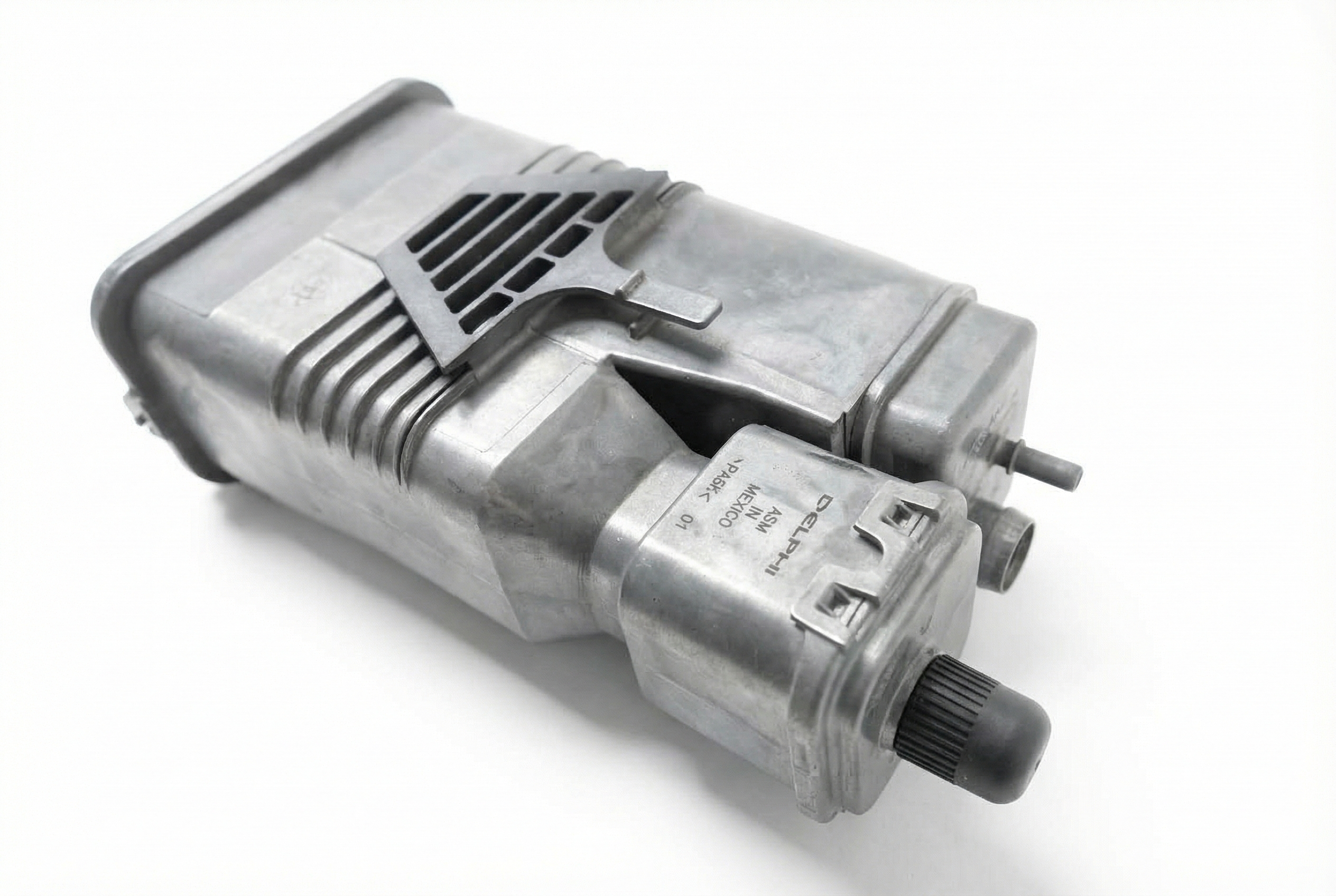
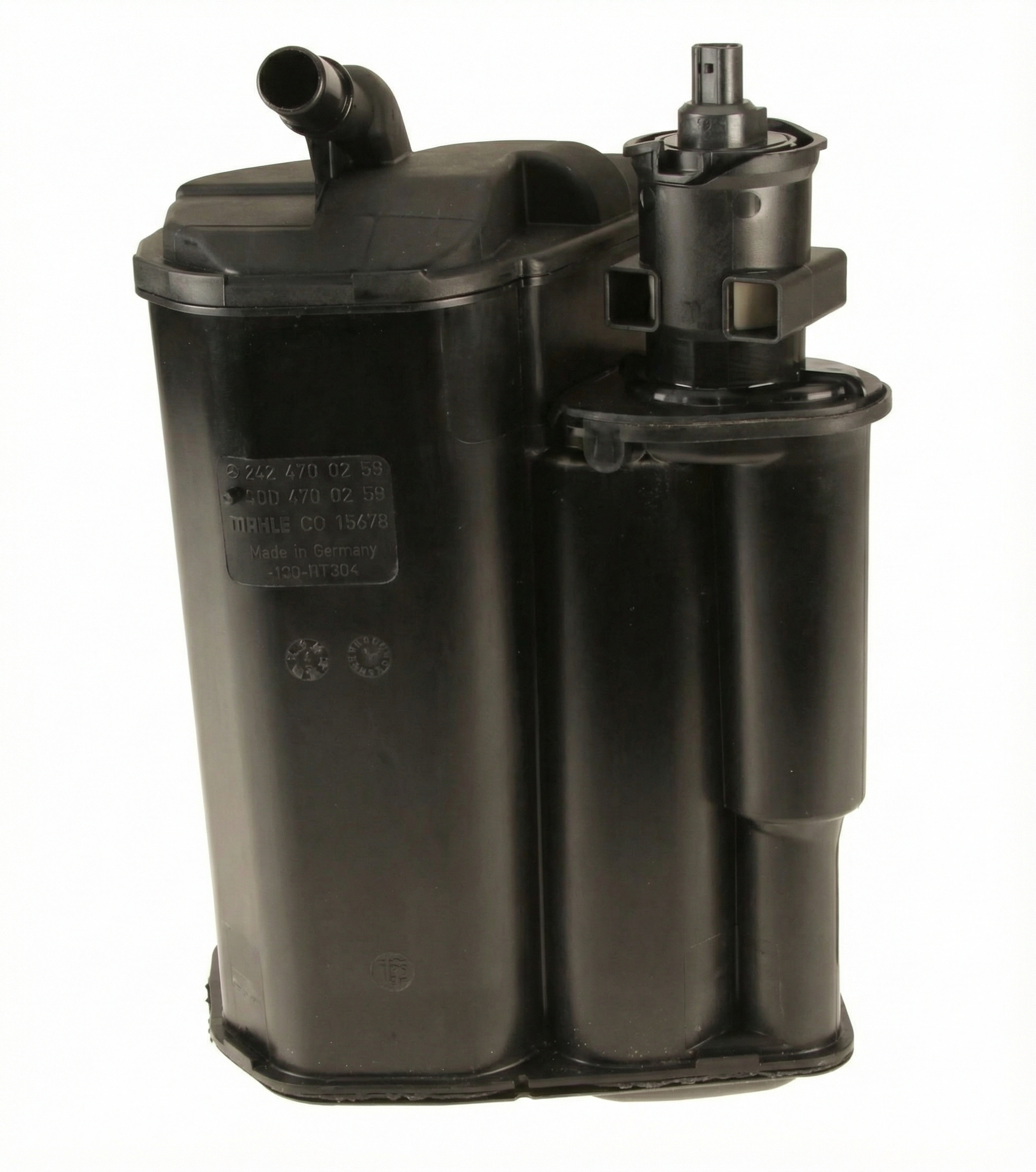
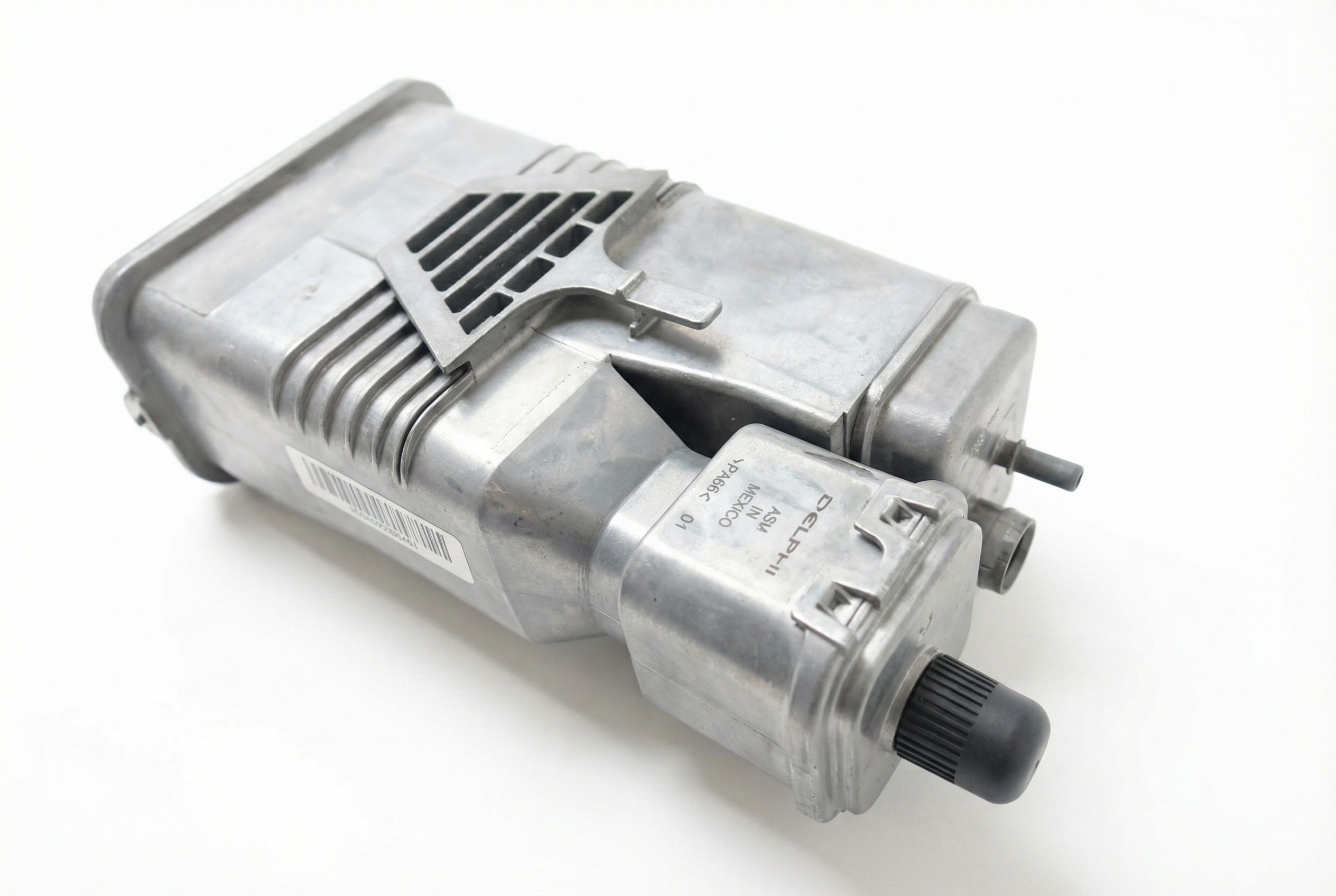
- Clogged Charcoal Canister: → Shop Vapor Canister This can happen if you consistently 'top off' your fuel tank after the pump clicks off. Liquid fuel can saturate the canister, causing charcoal pellets to break loose and get sucked into the purge lines, clogging the lines or the purge valve itself. If you replace a purge valve and find charcoal granules inside, the canister is likely compromised and will need replacement to prevent repeat failure.
- Faulty EVAP System Pressure Sensor: The ECM uses this sensor to monitor the pressure changes during the purge cycle. If the sensor provides incorrect data, the computer might falsely trigger a P0441 code. This is rare and would typically be accompanied by other sensor-specific codes (e.g., P0452, P0453).
Diagnosis Steps
- Read the code with an OBD-II scanner to confirm P0441 is present. Note any other codes, as they can help pinpoint the issue (e.g., a leak code like P0456 might point to a cracked hose).
- Inspect the gas cap. Remove it, check the seal for damage, and reinstall it, ensuring it clicks shut. Clear the codes and drive to see if it returns.
- Locate the EVAP purge solenoid valve in the engine bay. It's a small black cylinder with two hoses and an electrical connector.
- Visually inspect the rubber hoses connected to the purge valve for any obvious cracks, brittleness, or loose connections.
- Test the purge valve. With the engine off, remove the valve. Try to blow through it; air should not pass through. If it does, the valve is stuck open and needs replacement. Check for any charcoal debris inside the valve ports.
- If the valve is not stuck open, test its operation by applying a 12-volt power source to its electrical pins. It should make an audible 'click' as it opens. If it doesn't click, it has failed electrically.
- If the gas cap, hoses, and purge valve all seem okay, the issue could be a clogged line or a failing charcoal canister. A professional smoke test is the definitive next step to check the entire EVAP system for hard-to-see leaks or blockages.
Parts You'll Likely Need
- EVAP Canister Purge Solenoid Valve
(OEM #14930-JA10D)— This is the most frequent point of failure for the P0441 code on this vehicle. It gets stuck open or closed, directly causing the 'incorrect purge flow' condition.
Trusted brands: Nissan (OEM), Dorman (P/N: 911-140), Carquest, Beck/Arnley
OEM price range: $100-$165
Aftermarket price range: $30-$75
Platform-Specific Known Issues
- Owner Repair Experience: An owner on a Reddit forum described getting a P0441 code after replacing their gas cap with a non-vented aftermarket version, which they believed caused the purge valve to fail. This highlights the importance of using correct, often OEM, replacement parts for emissions components.
- Repeat Failures from Charcoal Debris: In some cases, owners replace the purge valve only for the code to return. This is often because the original failure was caused by a deteriorating charcoal canister sending debris into the system. If the new valve gets clogged with charcoal, the canister itself must also be replaced to solve the problem permanently.
Mechanic-Grade Diagnostic Values
- EVAP Canister Purge Solenoid Valve Resistance — expected: 30 to 38 ohms (when cool). Failure: A reading significantly outside this range indicates a faulty internal coil.
- EVAP Canister Vent Control Valve Resistance — expected: 48 to 65 ohms. Failure: A reading outside this range suggests the solenoid coil is failing.
- Fuel Tank Pressure (FTP) Sensor Voltage — expected: ~1.5V - 3.0V (Key On, Engine Off). Failure: A reading of 0V or 5V suggests a failed sensor or a circuit fault (open/short).
- Purge Solenoid Connector Voltage — expected: Close to battery voltage (~12V). Failure: No voltage indicates a blown fuse or an open in the power supply circuit.
Scan Tool Commands That Help
- Nissan CONSULT-III plus (or equivalent professional bidirectional scanner): EVAP System Leak Check / Active Test — This function allows the technician to command the EVAP vent control valve to close, sealing the system. This is essential for performing a smoke test or pressure test to find leaks, and to verify the vent valve is responding to commands from the ECM.
Wiring & Ground Locations
- Main Engine Ground Strap — Typically a braided strap running from the cylinder head (often near the exhaust side) to the firewall.. A corroded or broken main ground strap can cause unstable voltage and erratic behavior in various engine sensors and solenoids, including those in the EVAP system, leading to false codes.
- Battery to Chassis/Engine Ground — The main negative battery cable connects to the chassis and often has a secondary lead to the intake manifold or engine block.. Corrosion at the main battery ground terminal or its connection points can create high resistance, affecting the entire vehicle's electrical system and potentially causing incorrect readings or operation of EVAP components.
"I Checked Everything" — The Actual Cause
- In cases related to EVAP leak codes (like P0456) on this platform, a common scenario is replacing the rear vent valve, only for the code to return. A subsequent smoke test then reveals the actual leak source was a faulty gas cap that was no longer holding pressure, a detail missed in the initial diagnosis.
Model Year Variations Within This Range
- 2014-2020: The EVAP system, including the purge valve location and part numbers, is consistent across the 2014-2020 (T32) generation for the 2.5L QR25DE engine. Significant changes to the EVAP system and part numbers occurred in the 2021+ (T33) generation, which uses a different engine.
Diagnostic Flowchart
Other Known Issues on This Vehicle
Issues unrelated to this code that are worth knowing about as an owner of this generation:
- CVT Transmission Failure/Shudder 🔴 High — Widespread issue, often appearing around 90,000-100,000 miles. A class-action lawsuit was filed for 2014-2016 models regarding shuddering, jerking, and premature failure. (Ref: Class-action lawsuit for 2014-2016 models.)
- Automatic Emergency Braking (AEB) System Malfunction 🔴 High — Common complaint where the system triggers unexpectedly, causing the vehicle to brake suddenly without an obstacle present. (Ref: Subject of multiple complaints and investigation.)
- Poor Interior Heating at Idle 🟠 Medium — Owners report the heater blows cool air at idle but warms up when driving. Often caused by air pockets in the cooling system.
- Corroded Under-Dash Electrical Connector 🟠 Medium — Water and salt intrusion from the driver's side footwell can corrode a key harness connector, leading to various electrical issues. (Ref: Recall issued for 2014-2016 models.)
- Exploding/Rattling Sunroof 🟠 Medium — A number of owners have reported the panoramic sunroof shattering spontaneously or developing significant rattles.
Used vs. New Parts: Buying Guide for This Vehicle
When a used part is the smart pick: Simple mechanical components like EVAP hoses or mounting brackets are good candidates for used parts. A complete, low-mileage charcoal canister from a junkyard can be a cost-effective alternative to a new one if the original is saturated with fuel.
Donor-vehicle mileage cap: roughly under 60000 miles for the part to have meaningful remaining life.
What to inspect on the donor part:
- For a purge valve, inspect the plastic body for cracks or heat damage.
- Ensure the electrical connector pins are clean and not corroded.
- Check the inlet/outlet ports for any signs of charcoal debris, which would indicate the donor vehicle had a failing canister.
OEM-only on this vehicle (don't cheap out):
- Gas Cap: Aftermarket gas caps are a frequent source of EVAP codes due to improper sealing; using a genuine Nissan cap is strongly recommended to avoid issues.
- EVAP Canister Vent Control Valve: Due to its high failure rate from environmental exposure at the rear of the vehicle, using an OEM part is advisable to ensure longevity and proper function.
Aftermarket brands forum-validated for this vehicle:
- Dorman
- Standard Motor Products (SMP)
Real Owner Stories
Aggregated from forums and TSBs cited above. Mileages and costs reflect what owners reported in those sources.
2014-2020 Nissan Rogue
Symptoms: The owner experienced a P0441 code after replacing their original gas cap with a non-vented aftermarket version.
What fixed it: The owner believed the incorrect gas cap caused the purge valve to fail, suggesting an OEM replacement is necessary.
Source hint: Reddit - r/MechanicAdvice - 'Normal code (p0441) turned into permanent code after mechanic visit.'
2014-2020 Nissan Rogue
Symptoms: The vehicle exhibited the P0441 code along with occasional sporadic drops in the engine idle speed.
What fixed it: Diagnosis of the EVAP system to address the purge flow issue causing the unstable idle.
Source hint: Reddit - r/mechanic - 'P0441, making occasional sporadic drops in idle sometimes.'
2014-2020 Nissan Rogue
Symptoms: The P0441 code returned shortly after the purge valve was replaced.
What fixed it: Replacement of the charcoal canister, as the original canister was deteriorating and sending debris into the new purge valve.
Source hint: Article Context - Vehicle Specific Issues: Repeat Failures from Charcoal Debris
Related OBD-II Codes
Frequently Asked Questions
Is there a specific part number I should look for when replacing the purge valve on my Nissan Rogue?
Can a non-OEM gas cap cause a P0441 code on my Rogue?
Why did my P0441 code return immediately after I replaced the purge solenoid?
My Rogue is also having trouble starting right after I fill up the gas tank; is this related to P0441?
Is there a recall for the electrical issues I'm seeing alongside my check engine light?
How can I tell if my Rogue's purge valve is stuck open without a scanner?
Helpful Videos
![How to Fix P0441 Engine Code in 3 Minutes [2 DIY Methods / Only $4.50]](https://img.youtube.com/vi/ifwpcNQCSvI/mqdefault.jpg)
Used OEM Parts in Stock
New Aftermarket Parts Available


The information in this article is provided for general reference and educational purposes only. Vehicle specifications, procedures, and part compatibility can vary by production date, trim level, and region. Always consult your vehicle's factory service manual and verify part numbers before purchasing or performing repairs. Safety-critical components such as airbags, seat belts, and braking systems should be installed by a qualified professional.
- Nissan Rogue:
- 🧭 Diagnostic Flowchart
- 🎬 Helpful Videos
- 🛍️ Shop This Part
- What's Unique About the 2014-2020 Nissan Rogue
- Symptoms You May Notice
- Most Likely Causes
- Rare But Worth Checking
- Diagnosis Steps
- Parts You'll Likely Need
- Platform-Specific Known Issues
- Mechanic-Grade Diagnostic Values
- Scan Tool Commands That Help
- Wiring & Ground Locations
- "I Checked Everything" — The Actual Cause
- Model Year Variations Within This Range
- Other Known Issues on This Vehicle
- Used vs. New Parts: Buying Guide for This Vehicle
- Real Owner Stories
- 2014-2020 Nissan Rogue
- 2014-2020 Nissan Rogue
- 2014-2020 Nissan Rogue
- Related OBD-II Codes
- Frequently Asked Questions
- 🎟️ Get 5% Off