

P0441 on 2013-2019 Nissan Sentra: EVAP Incorrect Purge Flow Causes and Fixes
For a 2013-2019 Nissan Sentra with the 1.8L engine, code P0441 is almost always caused by a faulty EVAP purge volume control solenoid located in the engine bay. It's a relatively easy and affordable DIY fix, with the part costing between $40 and $150. This is a flow code, not a leak code, so replacing the gas cap is almost never the solution.
- P0441 on your Sentra almost always points to the EVAP purge solenoid in the engine bay, not the gas cap.
- This is a very DIY-friendly repair that can be done in under 30 minutes with basic tools.
- Symptoms are minimal, but the issue will cause you to fail an emissions test.
What's Unique About the 2013-2019 Nissan Sentra
The 2013-2019 Nissan Sentra (B17 generation) is not unique in how it handles the EVAP system, but it is known for the EVAP purge volume control solenoid being a very common failure point that triggers this specific code. Unlike broader EVAP leak codes (like P0455 or P0456), P0441 on this platform points very strongly toward a flow problem directly related to this valve, rather than a random crack in a hose or a loose gas cap.
Symptoms You May Notice
- Check Engine Light is on
- Slightly rough or erratic idle, sometimes dropping sporadically.
- Possible difficulty starting the engine immediately after refueling (if the valve is stuck open, flooding the intake with vapor)
- A faint fuel smell, especially after starting the vehicle (uncommon but possible if the valve is stuck open).
- Replacing the gas cap is a common first step for any EVAP code, but for P0441 specifically, it is rarely the actual cause.
- Replacing the rear vent control solenoid (located near the charcoal canister by the fuel tank) when the issue is with the front purge solenoid (in the engine bay).
- A user on the NICOclub forums reported a dealer incorrectly replaced the charcoal canister for a P0441 code, which did not solve the problem. The issue was ultimately the purge valve solenoid.
Most Likely Causes
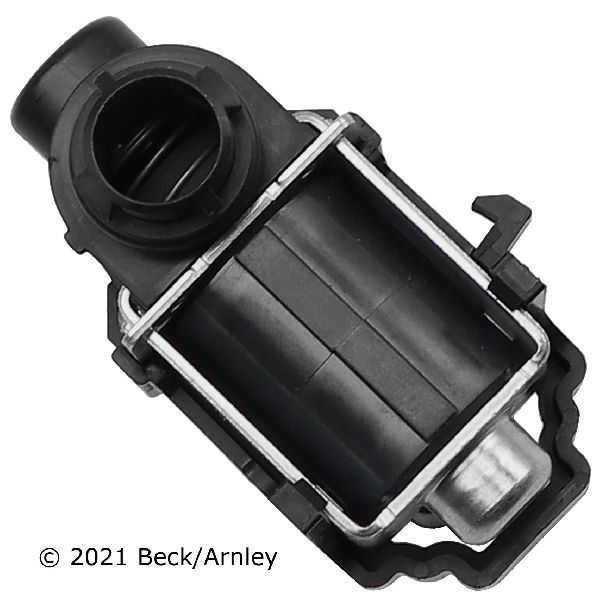
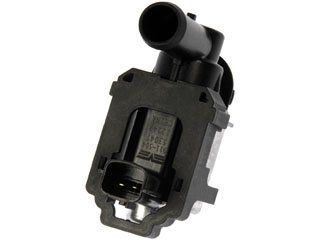
- Faulty EVAP Canister Purge Volume Control Solenoid/Valve 🔴 High Probability → Shop Vapor Canister This is the most common failure point for P0441 on many Nissans of this era. The internal solenoid can fail electrically, or it can get stuck open or closed from age or debris.
How to confirm: With the engine off, disconnect the hose leading from the purge valve to the intake manifold and blow through it. No air should pass, as the valve is normally closed. If air passes, the valve is stuck open. You can also apply 12V power to the solenoid's electrical connector; you should hear a distinct click and the valve should open, allowing air to pass. If it doesn't click, it has failed electrically.
Typical fix: Replace the EVAP canister purge volume control solenoid. It is located in the engine bay, typically mounted near the intake manifold, with two hoses and an electrical connector.
Est. part cost: $40-$160 - Clogged or Cracked EVAP Hoses 🟡 Medium Probability Rubber hoses in the engine bay can become brittle and crack over time due to heat cycles, causing vacuum leaks or blockages that disrupt the purge flow.
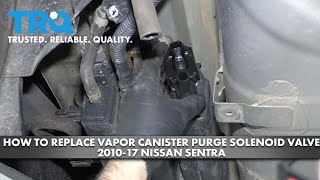
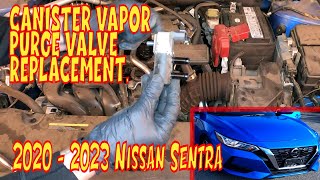
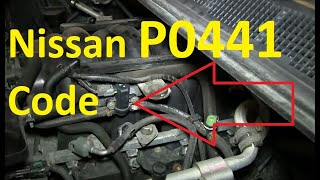
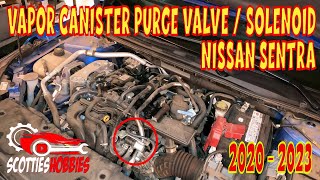
How to confirm: Visually inspect all accessible EVAP hoses between the charcoal canister (near the fuel tank), the purge solenoid, and the intake manifold for any cracks, kinks, or loose connections. A smoke test is the most effective way to find small, hard-to-see leaks. 🎬 See this breakdown of P0441 causes and common fixes.
Typical fix: Replace the damaged section of hose.
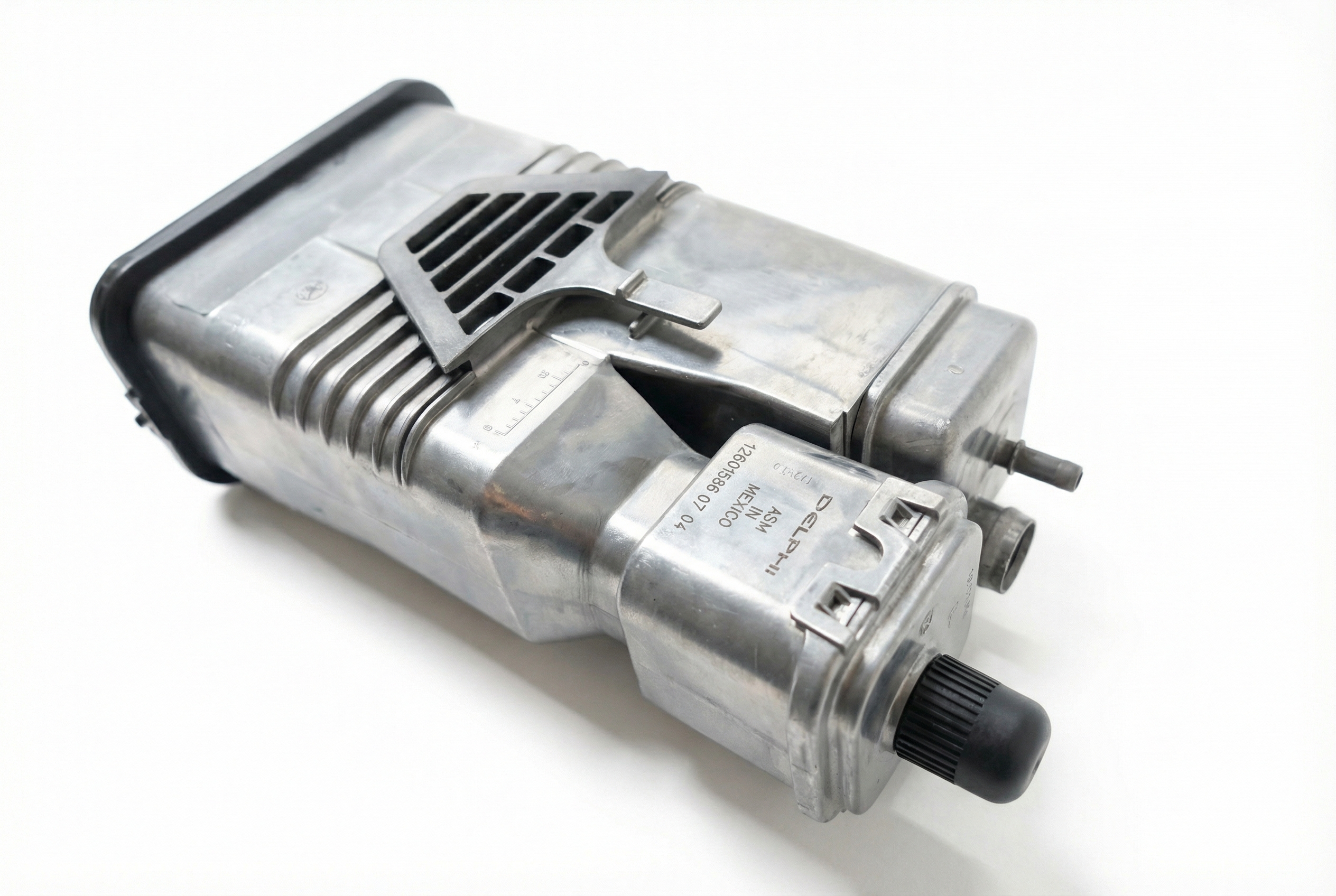
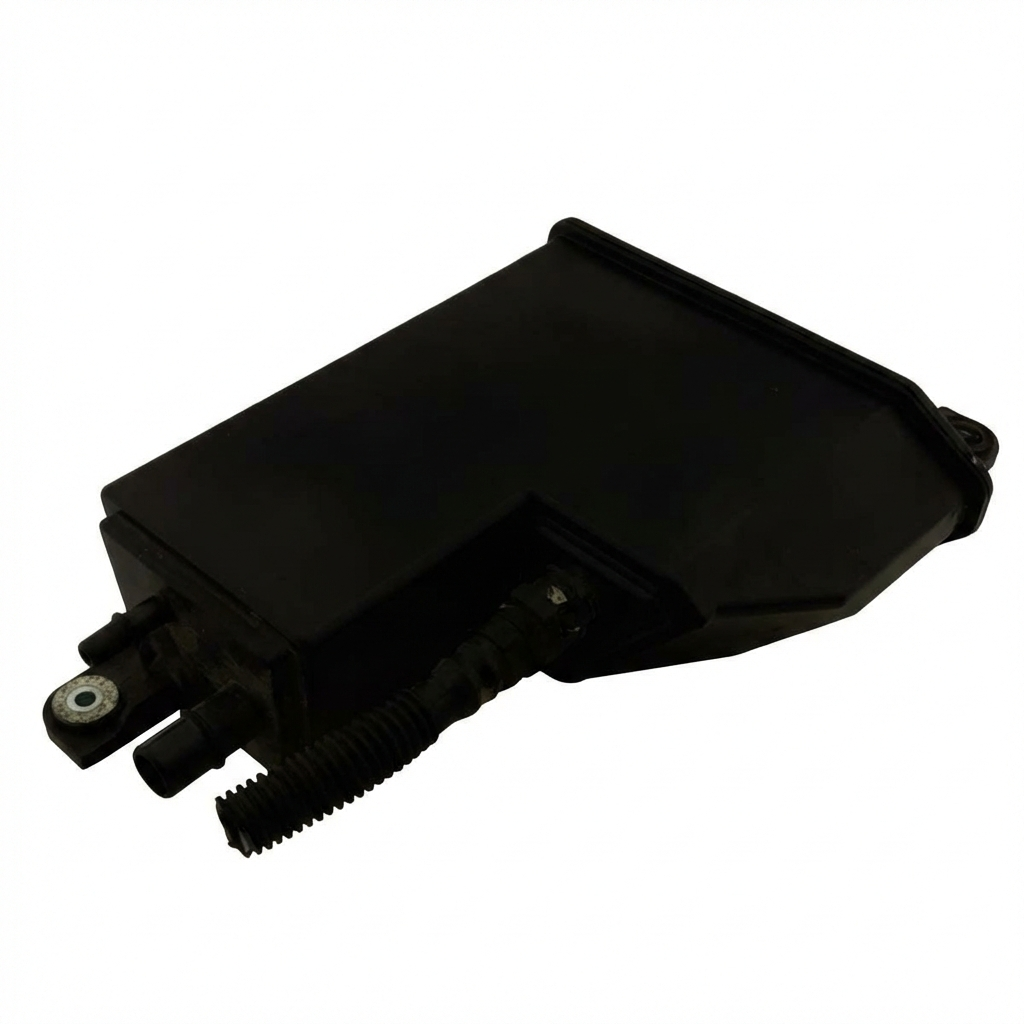
Est. part cost: $5-$30 - Clogged or Failed Charcoal Canister ⚪ Low Probability → Shop Vapor Canister Consistently overfilling the fuel tank (topping off after the pump clicks) can force liquid gasoline into the charcoal canister, saturating it. This can cause charcoal pellets to break free and get sucked into the purge lines, clogging the purge valve itself.
How to confirm: Disconnect the line running from the canister to the purge valve. If charcoal pellets fall out, the canister has failed internally and must be replaced, and the lines must be cleaned out.
Typical fix: Replace the charcoal canister and blow out any charcoal debris from the EVAP lines and purge solenoid before installing the new parts.
Est. part cost: $150-$300
Rare But Worth Checking
- Faulty Gas Cap: → Shop Fuel Tank Cap While a bad or loose gas cap usually causes a large leak code (P0455) or small leak code (P0456), it is almost never the cause of a P0441 incorrect flow code. It's an easy check, but unlikely to be the fix.
Diagnosis Steps
- Read the code with an OBD-II scanner to confirm P0441 is the only code present. If other EVAP codes like P0455 or P0456 are present, it may indicate a leak rather than just a flow issue.
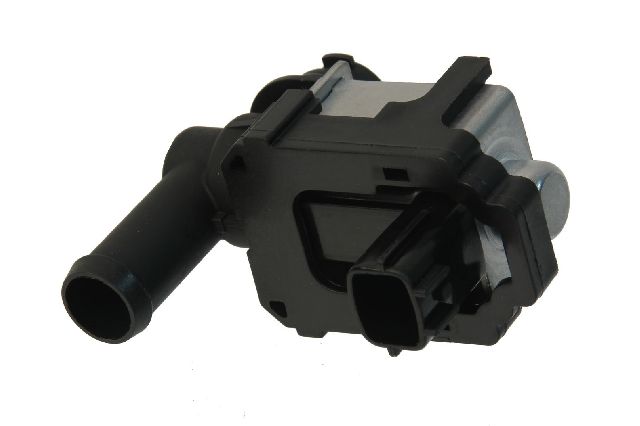
- Locate the EVAP purge volume control solenoid in the engine bay. It's a small black plastic valve with an electrical connector and two vacuum hoses.
- Test the purge solenoid. With the engine off, disconnect the electrical connector and the hose that runs to the intake manifold. Try to blow through the valve; it should be closed and block air. If air passes, the valve is stuck open and must be replaced.
- If the valve is not stuck open, test its electrical operation. Apply 12V and ground to its two pins. The valve should click open, allowing you to blow through it. If it doesn't click, it has failed electrically.
- Visually inspect the rubber hoses connected to and surrounding the purge solenoid for any obvious cracks, brittleness, or loose connections.
- If the solenoid and hoses appear fine, check for blockages. Disconnect the line coming from the charcoal canister to the solenoid and check for black charcoal pellets, which would indicate a failed canister that needs replacement.
- If no obvious cause is found, a professional smoke test is the best way to identify hard-to-see cracks or leaks in the system that could affect flow.
Parts You'll Likely Need
- EVAP Canister Purge Volume Control Solenoid
(OEM #14930-3YM0A)— This is the most frequent failure point for the P0441 code on this vehicle. This part number is used across many Nissan and Infiniti models from this era.
Trusted brands: Nissan (OEM), Hitachi, Dorman, Standard Motor Products (SMP), Bosch
OEM price range: $130-$160
Aftermarket price range: $40-$90
Technical Service Bulletins (TSBs) & Recalls
- TSB NTB15-057: Addresses a rough idle when the A/C compressor engages or electrical load is applied, which can be a symptom sometimes associated with EVAP system issues, though this TSB is not directly for P0441.
Platform-Specific Known Issues
- Misdiagnosis at Dealership: A 2017 Sentra owner on NICOclub forums reported getting a P0441 code. The Nissan dealership replaced the charcoal canister, but the check engine light returned with the same code. The owner then diagnosed and replaced the purge valve solenoid themselves, which was the correct fix. This highlights that even professional technicians can misdiagnose this specific code.
- Incorrect Aftermarket Part Fitment: The same owner on NICOclub also noted that two different aftermarket purge valves they ordered, which were listed as compatible, were physically smaller and had smaller hose ports than the original part, preventing installation. This underscores the importance of verifying the OEM part number (14930-3YM0A) for your specific VIN before purchasing an aftermarket equivalent.
Mechanic-Grade Diagnostic Values
- EVAP Canister Purge Volume Control Solenoid power supply circuit voltage — expected: Battery voltage (approx. 12V) with ignition ON. Failure: No voltage indicates a wiring issue or blown fuse.
- Fuel Tank Differential Pressure Sensor voltage (with fuel cap removed) — expected: 1,500 - 3,500 millivolts (1.5V - 3.5V). Failure: Readings outside this range may indicate a faulty sensor, which could be misinterpreted by the ECM as a flow problem.
Scan Tool Commands That Help
- Nissan CONSULT-III: ACTIVE TEST -> PURG VOL CONT/V — This function allows the technician to manually command the purge volume control solenoid valve to open at varying duty cycles. The technician can then observe engine speed changes or listen for valve operation to confirm if the solenoid is responding correctly to ECM commands.
- Nissan CONSULT-II / CONSULT-III: DTC Confirmation Procedure — This is a guided diagnostic routine within the scan tool to verify that the fault is still present before beginning extensive testing. It helps ensure the code wasn't a one-time fluke.
Wiring & Ground Locations
- Purge Volume Control Solenoid Connector — On the purge solenoid itself, located in the engine bay near the intake manifold.. This is the connection point for testing voltage. Terminal 1 is typically the power supply from the ignition, and the other terminal is the ground-side control from the ECM. A bad connection here will cause a failure.
- Engine Ground Strap — There are multiple engine grounds. A key one often runs from the intake manifold or cylinder head to the chassis/firewall or directly to the negative battery terminal.. A poor engine ground can cause a variety of electrical issues, including erratic behavior of sensors and solenoids. While not a direct cause of P0441, a corroded or loose ground can lead to incorrect voltage readings and improper solenoid operation, making it a crucial check if direct testing of the solenoid is inconclusive.
OEM Part Supersession History
14930-1KC0A / 14930-1KC1A→14930-3YM0A— Part consolidation and potential design revision across multiple Nissan platforms.
Heads up: While older part numbers may be listed by some aftermarket suppliers, 14930-3YM0A is the correct OEM part for this generation Sentra. Using an incorrect version can lead to fitment issues as noted in forum posts.
Diagnostic Flowchart
Other Known Issues on This Vehicle
Issues unrelated to this code that are worth knowing about as an owner of this generation:
- Premature CVT Transmission Failure 🔴 High — Extremely common across the entire generation. Symptoms include shuddering, hesitation, power loss, and complete failure, often before 100,000 miles. (Ref: Multiple class-action lawsuits (e.g., Leyva v. Nissan) and warranty extensions (e.g., to 84,000 miles for 2018-2019 models) have been issued. TSBs like NTB15-083 and NTB15-084d address judder diagnostics.)
- Automatic Emergency Braking (AEB) System Malfunction 🔴 High — Common complaint where the system detects non-existent obstacles, causing sudden and unexpected braking. (Ref: Numerous NHTSA complaints have been filed regarding this safety-critical issue.)
- Electrical System Faults 🟠 Medium — Owners report various intermittent electrical problems, including parasitic battery drain, the radio turning on by itself, and blank display screens.
- Rough Idle When A/C Engages 🟡 Low — A noticeable rough idle or dip in RPM occurs when the A/C compressor kicks on or another electrical load is applied. (Ref: TSB NTB15-057 was issued to address this specific condition.)
- Mass Airflow (MAF) Sensor Failure 🟡 Low — Can cause a check engine light with code P0101 and lead to hesitation or poor engine performance. (Ref: TSB NTB16-027 specifically addresses the P0101 code for 2013-2015 models.)
Used vs. New Parts: Buying Guide for This Vehicle
When a used part is the smart pick: For the EVAP Canister Purge Volume Control Solenoid, a used part from a low-mileage donor vehicle is a reasonable choice. The part is not a high-wear item, and failure is often electronic rather than mechanical wear. Given the low cost of a new aftermarket part ($40-$90), the savings may only be worthwhile if the used part is significantly cheaper.
Donor-vehicle mileage cap: roughly under 75000 miles for the part to have meaningful remaining life.
What to inspect on the donor part:
- Check for cracks or damage to the plastic housing and hose ports.
- Ensure the electrical connector pins are clean and free of corrosion.
- If possible, perform a bench test by applying 12V to ensure the solenoid clicks.
- Avoid parts from vehicles that show signs of major engine bay damage or fire.
OEM-only on this vehicle (don't cheap out):
- While not strictly 'OEM-only', forum reports indicate that some aftermarket purge valves have incorrect port sizes, leading to installation problems. It is critical to match the part visually to the original or buy from a reputable brand known for good fitment.
Aftermarket brands forum-validated for this vehicle:
- Hitachi (Often the OEM supplier)
- Bosch
- Standard Motor Products (SMP)
- Dorman
Brands owners have reported issues with on this vehicle:
- Unbranded, 'white-box' parts from online marketplaces may have fitment or longevity issues.
Real Owner Stories
Aggregated from forums and TSBs cited above. Mileages and costs reflect what owners reported in those sources.
2017 Nissan Sentra
Symptoms: Check engine light with code P0441. A dealership previously replaced the charcoal canister but the light returned with the same code.
What fixed it: Owner diagnosed and replaced the purge valve solenoid themselves after verifying the dealership's repair failed.
Source hint: NICOclub Forums - 'Purge valve solenoid' thread (https://forums.nicoclub.com/purge-valve-solenoid-t629470.html)
2013-2019 Nissan Sentra (1.8L MRA8DE)
Symptoms: Slightly rough or erratic idle, sometimes dropping sporadically.
What fixed it: Replacement of the EVAP canister purge volume control solenoid.
Source hint: Reddit r/MechanicAdvice and r/autorepair
Related OBD-II Codes
Frequently Asked Questions
I have a P0441 code on my 2017 Sentra; should I replace the charcoal canister first?
What is the correct OEM part number for the purge valve on a 2013-2019 Nissan Sentra?
Can overfilling my gas tank cause the P0441 code on my Sentra?
Does TSB NTB15-057 relate to my EVAP system issues?
How can I tell if my Sentra's purge valve is physically stuck open?
Are there known issues with aftermarket purge valves for this vehicle?
Helpful Videos
Used OEM Parts in Stock
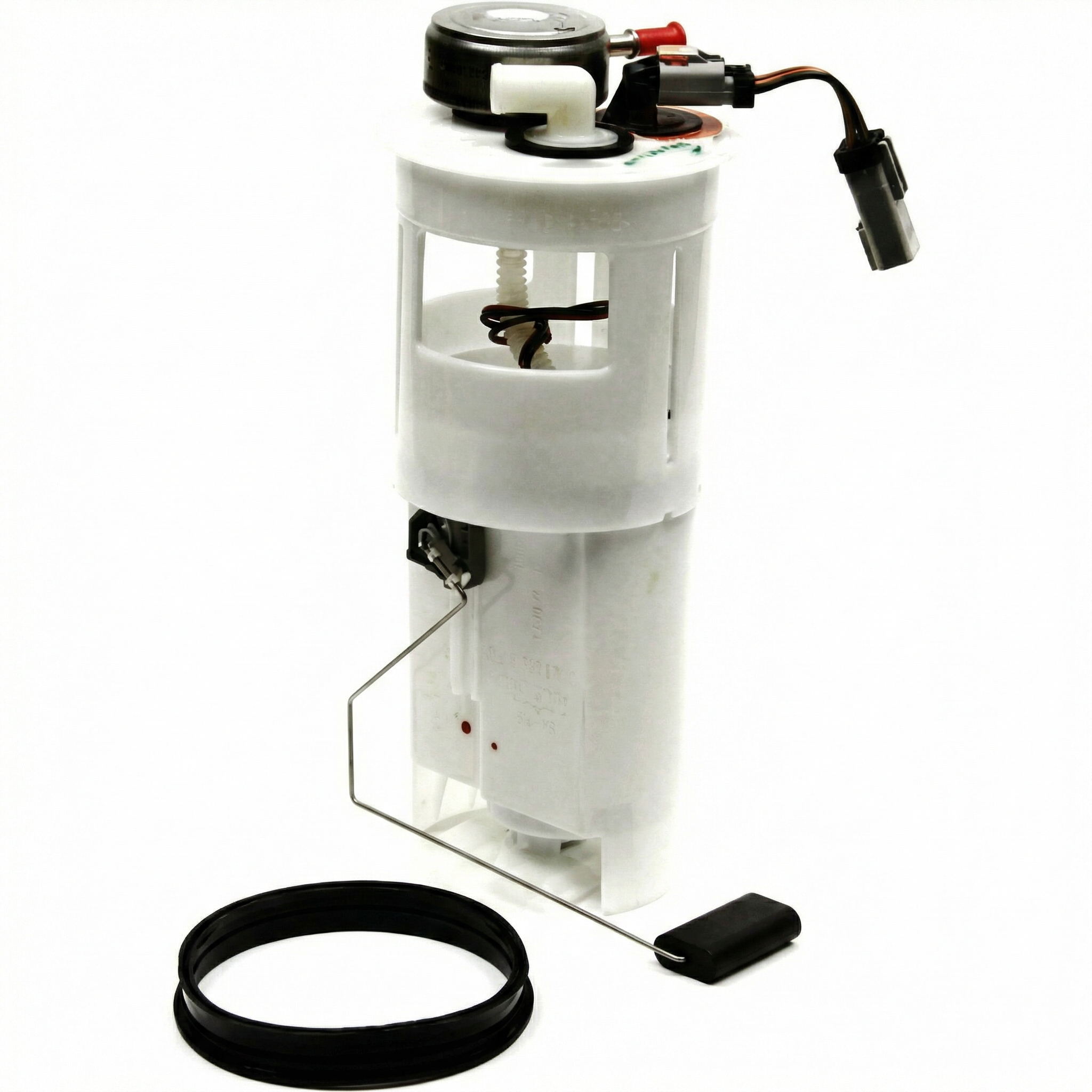
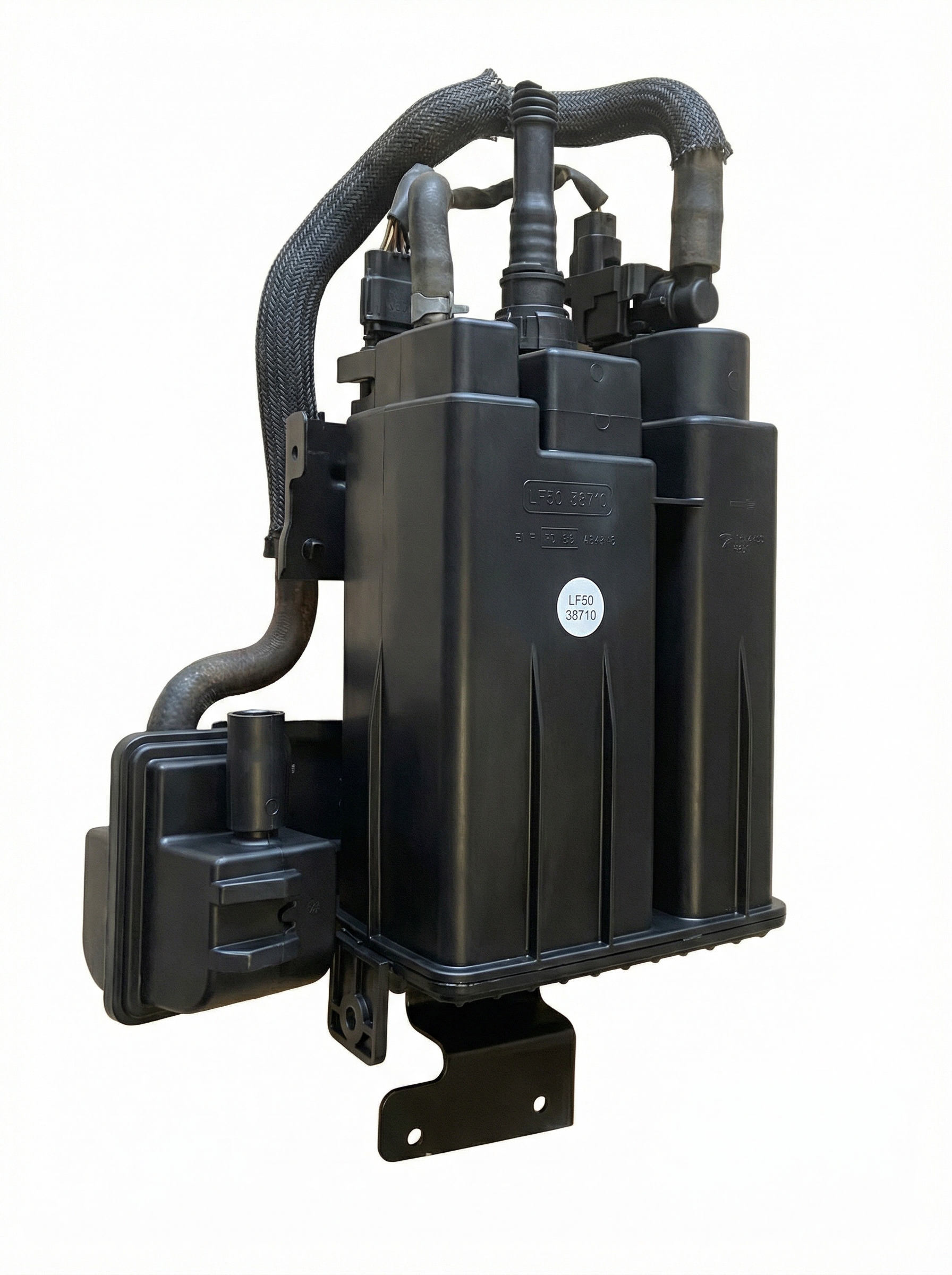
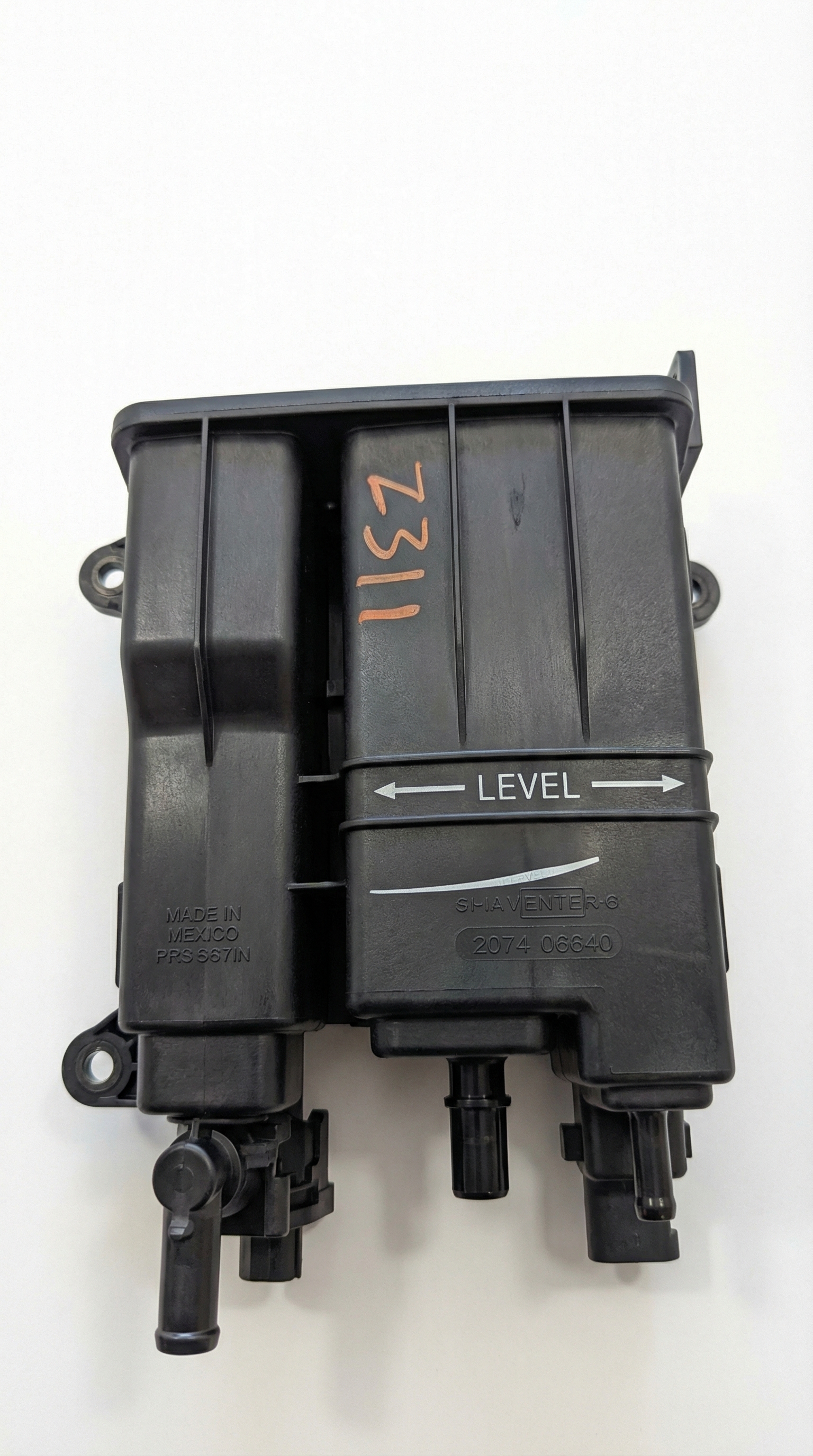
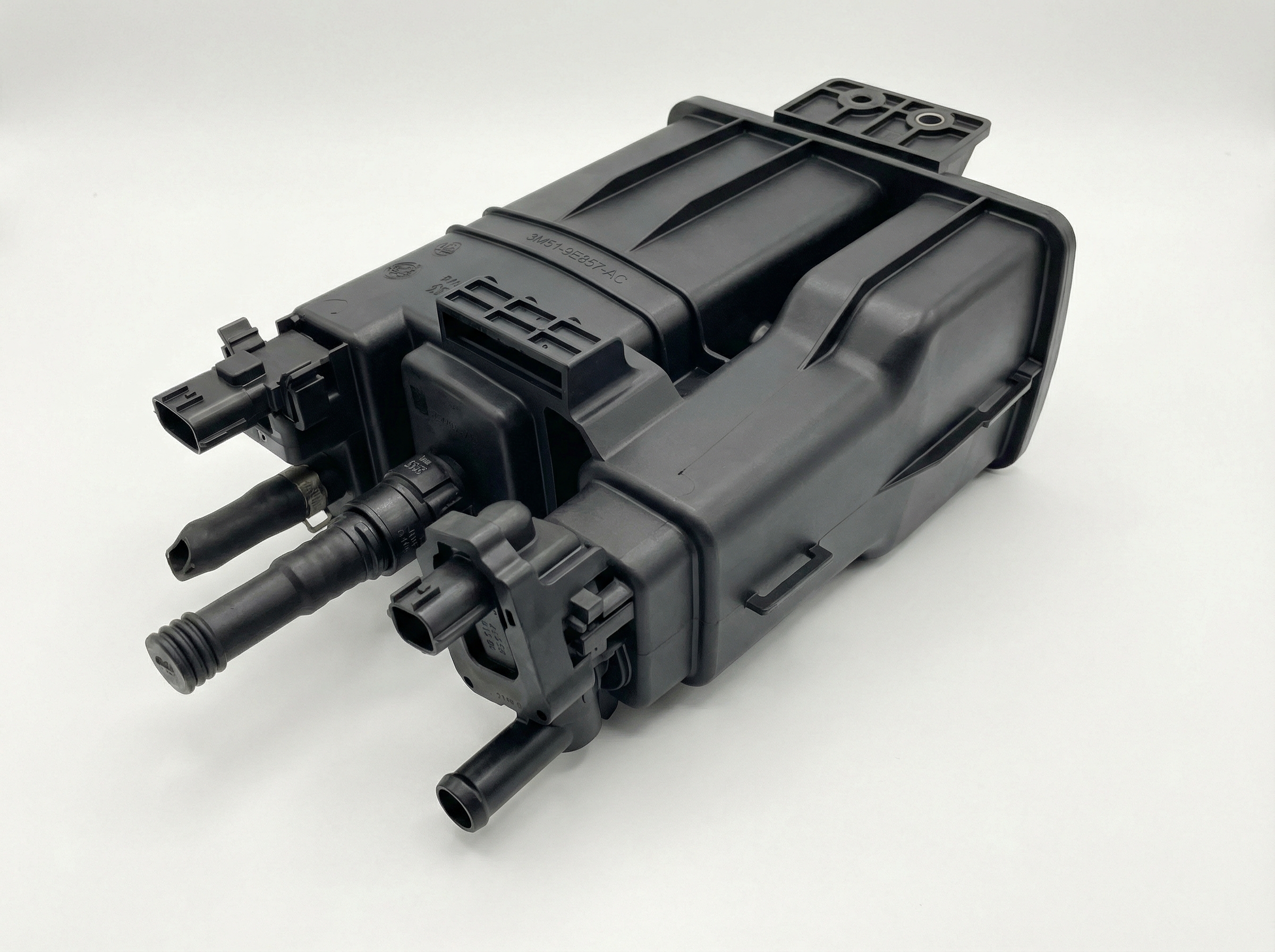
New Aftermarket Parts Available


The information in this article is provided for general reference and educational purposes only. Vehicle specifications, procedures, and part compatibility can vary by production date, trim level, and region. Always consult your vehicle's factory service manual and verify part numbers before purchasing or performing repairs. Safety-critical components such as airbags, seat belts, and braking systems should be installed by a qualified professional.
- Nissan Sentra:
- 🧭 Diagnostic Flowchart
- 🎬 Helpful Videos
- 🛍️ Shop This Part
- What's Unique About the 2013-2019 Nissan Sentra
- Symptoms You May Notice
- Most Likely Causes
- Rare But Worth Checking
- Diagnosis Steps
- Parts You'll Likely Need
- Technical Service Bulletins (TSBs) & Recalls
- Platform-Specific Known Issues
- Mechanic-Grade Diagnostic Values
- Scan Tool Commands That Help
- Wiring & Ground Locations
- OEM Part Supersession History
- Other Known Issues on This Vehicle
- Used vs. New Parts: Buying Guide for This Vehicle
- Real Owner Stories
- 2017 Nissan Sentra
- 2013-2019 Nissan Sentra (1.8L MRA8DE)
- Related OBD-II Codes
- Frequently Asked Questions
- 🎟️ Get 5% Off