

P0441 on 1997-2004 Porsche Boxster 2.5L: EVAP Incorrect Purge Flow Causes and Fixes
On a 1997-2004 Porsche Boxster, code P0441 is almost always caused by a faulty EVAP purge valve (also called a regeneration valve) located under the driver's side intake manifold. A failing valve often creates a distinct 'honking' or 'buzzing' noise for a second after the engine is shut off, caused by a fluttering internal diaphragm. Replacing the valve, either the full OEM assembly (Part No. 996.110.129.06) or just the Bosch valve (Part No. 0 280 142 308), is the most common and definitive fix.
- P0441 on a 986 Boxster is most likely a bad EVAP purge valve.
- A unique 'honking' sound after engine shutdown is a tell-tale sign of this specific failure.
- Always check the gas cap first, as it's a cheap and easy potential fix.
- Avoid overfilling your fuel tank to protect the charcoal canister.
- While DIY is possible, replacing the purge valve is moderately difficult due to its tight location.
What's Unique About the 1997-2004 Porsche Boxster
The 986 Boxster is known for the specific symptoms associated with this code. Unlike many cars where an EVAP code is silent, a failing purge valve on a Boxster often creates a noticeable 'honking' or 'buzzing' sound from the engine bay for a moment after shutting the car off. This distinct audible clue is a strong indicator of the valve's internal failure. The valve itself is also tucked under the driver's side intake manifold, making it notoriously difficult to access. Many owners must remove the throttle body or even cut the old, brittle plastic line to extract the failed valve.
Generation note: The 1997-2004 model years cover the entire first generation (986) of the Porsche Boxster. While the user specified the 2.5L engine (1997-1999), the causes and fixes are identical for the later 2.7L and 3.2L engines used from 2000-2004, as they share the same EVAP system design and components. The issue is also common on the contemporary 1999-2005 Porsche 911 (996), which shares the same part.
Symptoms You May Notice
- Check Engine Light is on
- A strange 'honking' or 'buzzing' sound from the engine bay for a second after turning the engine off.
- Unstable or rough idle, sometimes fluctuating between 900-1100 RPM.
- Occasional stalling at idle.
- Difficulty starting the engine, requiring long cranks (up to 7 seconds), especially after it has stalled or after refueling.
- Replacing the charcoal canister when the purge valve is the actual problem. The canister is much more expensive and less likely to fail than the valve unless the fuel tank has been consistently overfilled.
- Replacing the fuel filler vent valve (located in the passenger front wheel well) for a P0441 code. That valve is more commonly associated with refueling problems or large leak codes (P0455), not the incorrect purge flow of P0441.
Most Likely Causes
- Faulty EVAP Purge Valve (Regeneration Valve) 🔴 High Probability → Shop Vapor Canister This valve is a well-documented failure point on the 986 and 996 platforms. It can become stuck open or closed due to age and contamination from fuel vapors, with PCA experts stating it's the cause 'nine out of ten times'. The 'honking' is caused by the internal diaphragm fluttering as it fails to seal properly.
How to confirm: Listen for a 'honking' noise after shutting off the engine. Use a Porsche-specific scan tool (like Durametric) to activate the valve; if it doesn't click audibly, it has failed electrically. Tapping the valve with a screwdriver handle may temporarily un-stick it, which also confirms it as the fault. You can also test the valve with a vacuum pump; a healthy valve should hold vacuum when not energized.
Typical fix: Replace the purge valve. The valve is located under the driver's side intake manifold and is difficult to access. Some owners remove the throttle body for better access, while others find it necessary to cut the hard plastic line of the old valve to remove it and then secure the new line with zip ties.
Est. part cost: $45-$400 - Loose or Faulty Gas Cap 🟡 Medium Probability → Shop Fuel Tank Cap The gas cap seal degrades over time, preventing the EVAP system from holding a vacuum. Porsche had a voluntary emissions recall campaign (A209) to replace the fuel cap on 1998-2002 models due to leaking fuel vapors.
How to confirm: Ensure the cap is tightened until it clicks at least three times. Inspect the rubber O-ring for cracks, stiffness, or damage. While P0441 is an incorrect flow code, not a leak code, a faulty cap can cause various EVAP system faults and is a simple, cheap item to check first.
Typical fix: Replace the gas cap. It's an inexpensive and easy first step in diagnosis.
Est. part cost: $20-$40 - Cracked or Disconnected EVAP Hoses ⚪ Low Probability
How to confirm: Visually inspect all accessible EVAP lines between the charcoal canister (in the front passenger wheel well), the purge valve, and the intake manifold for cracks, especially at connection points. A smoke test is the most effective way to find hidden leaks or blockages in the lines.
Typical fix: Replace the damaged hose section.
Est. part cost: $10-$50
Rare But Worth Checking
- Saturated Charcoal Canister: → Shop Vapor Canister This is almost always caused by habitually 'topping off' the fuel tank after the pump clicks off. Excess fuel floods the canister, saturating the charcoal and preventing it from properly managing vapors. This can also cause difficulty when refueling and a strong fuel smell near the front passenger wheel well.
- Faulty EVAP System Pressure Sensor: This is an uncommon cause for P0441 and would typically be accompanied by other specific sensor-related fault codes (like P0453 - Pressure Sensor High Input).
Diagnosis Steps
- Read the code with an OBD-II scanner to confirm P0441.
- Check the gas cap. Ensure it is tight and the seal is in good condition. If in doubt, replace it as it's a low-cost item.
- Listen for the 'honking' sound from the engine bay after turning the car off. If you hear it, the purge valve is almost certainly the culprit.
- Visually inspect the visible EVAP hoses in the engine bay and around the charcoal canister (located in the front passenger wheel well) for obvious cracks 🎬 Watch: How to replace the charcoal canister and non-return valve or disconnections.
- If you have a bidirectional scanner (e.g., Durametric), command the EVAP purge valve to cycle on and off. Listen for an audible clicking sound from under the driver's side intake manifold. No click means the valve is electrically dead.
- If the valve clicks but the code persists, it may be mechanically stuck. The next step is to perform a smoke test to check the entire system for leaks or blockages.
- If no leaks are found, the final step is to remove and replace the purge valve. This is a challenging DIY job due to tight access. Removing the throttle body and air distributor tube can provide more room. Be prepared to cut the old plastic line, as the clamp is very difficult to reach.
Parts You'll Likely Need
- EVAP Purge Valve (Regeneration Valve)
(OEM #996.110.129.06)— This is the most frequent cause of P0441. The OEM part comes as an assembly with a hard plastic line. An aftermarket valve-only option (Bosch 0 280 142 308) is available, but requires carefully heating and removing the old valve from the plastic line and fitting the new one.
Trusted brands: Bosch, Pierburg, Porsche (OEM)
OEM price range: $240-$410
Aftermarket price range: $45-$135 - Fuel Filler Cap
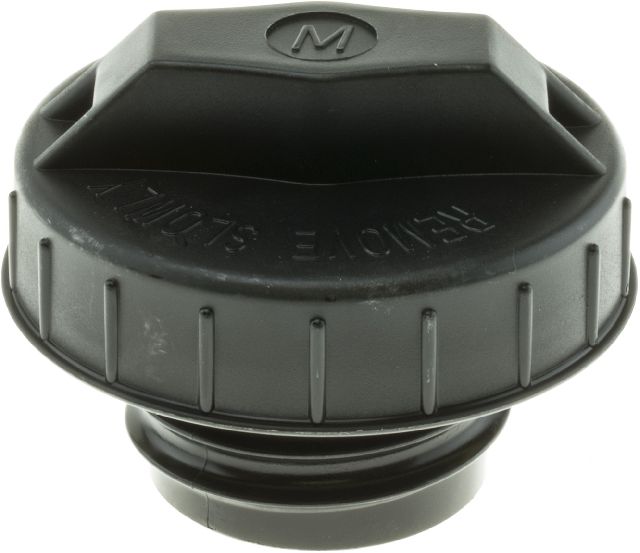
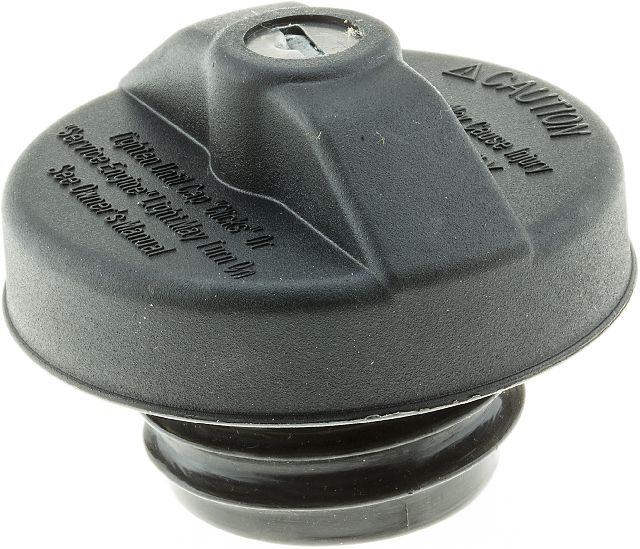
(OEM #996.201.241.03 (example, verify by VIN))— A faulty gas cap is a common cause of many EVAP system codes and is an inexpensive first step in diagnosis. Porsche issued a recall (A209) for faulty caps on 1998-2002 models.
Trusted brands: Porsche (OEM), Blau
OEM price range: $30-$40
Aftermarket price range: $15-$25
Related Codes That Often Appear With This One
- P0445 — This code indicates an electrical fault (short circuit) in the purge valve circuit, directly pointing to a problem with the valve's solenoid or its wiring.
- P0455 — This code indicates a large leak in the EVAP system. While P0441 is a flow issue, a large leak from a stuck-open purge valve or a bad gas cap can sometimes trigger both codes.
Technical Service Bulletins (TSBs) & Recalls
- Porsche TSB Group 2, #9901 (for 1999 911): Addresses P0441/P0455 caused by a faulty fuel filler cap seal, recommending replacement with a new black seal (Part No. 191 201 557). This is relevant to the Boxster which shares a similar system.
- Porsche Service Campaign A209: A past voluntary emissions recall to replace the fuel filler cap on 1998-2002 Boxster models to resolve leaking fuel vapors.
Platform-Specific Known Issues
- The purge valve is known to make a 'honking' or 'buzzing' noise upon failure, which is a unique and helpful diagnostic clue for this platform.
- Accessing the purge valve requires working in a tight space under the intake manifold. Many owners remove the throttle body and air distribution tube for better access.
- The original plastic line on the purge valve assembly becomes very brittle with age. It is common for DIYers to have to cut the old line to remove the valve, as the retaining clamp is very difficult to access otherwise. The new valve's line can then be secured with zip ties.
Mechanic-Grade Diagnostic Values
- EVAP Purge Valve Solenoid Resistance — expected: 26 ± 4 Ohms (at 20°C / 68°F). Failure: A reading far outside this range indicates a faulty internal coil.
- Voltage at Purge Valve Connector Pin 1 (Supply) — expected: Battery Voltage (approx. 12V) with ignition on.. Failure: No voltage indicates a problem with the power supply circuit.
- Voltage at Purge Valve Connector Pin 2 (Signal) — expected: 0V with ignition on, engine off. The DME grounds this pin to activate the valve.. Failure: Displaying battery voltage may indicate a wiring short. No change when activated points to a DME or wiring issue.
Scan Tool Commands That Help
- Durametric: Fuel Evaporative Valve Activation — With the engine off, this command cycles the purge valve solenoid. A healthy valve will produce an audible click about once every two seconds. The absence of a click confirms an electrically failed valve.
- PIWIS / System Tester 2: Short Test — After replacing the purge valve, the Porsche dealer-level tool is required to erase the fault and perform a system short test to confirm the repair is complete and the system is functioning correctly.
Wiring & Ground Locations
- EVAP Purge Valve Connector Pin 1 — On the purge valve, located under the driver's side intake manifold.. This is the 12V power supply pin. A multimeter test here confirms if the valve is receiving power from the vehicle's electrical system.
- EVAP Purge Valve Connector Pin 2 — On the purge valve, located under the driver's side intake manifold.. This is the signal wire that the DME (engine computer) grounds to activate the valve. Testing this pin is crucial for diagnosing wiring or DME driver faults.
- DME Connector Pin 61 — On the main DME (engine computer) connector.. This is the specific pin on the Motronic ME 5.2.2 DME that controls the ground for the EVAP purge valve. It is used for advanced circuit integrity testing between the DME and the valve.
- Ground Point 14 — Main body-to-engine ground strap.. While not specific to the EVAP circuit, a poor engine ground can cause a variety of strange electrical issues and incorrect sensor readings. Its integrity should be confirmed when diagnosing any electrical fault.
Real Owner Repair Stories
- Rennlist user 'cj_boxster' (1997 Porsche Boxster) — Loud 'gunshot' sound from engine compartment, followed by stalling at idle, hard starting (7-second crank), and a 1-second 'honking' noise after engine shutoff.
❌ Tried (didn't work) Initial visual inspection revealed no obvious cause.
✅ What actually fixed it The user connected a Durametric scan tool and ran the 'Fuel Evap Valve' activation test. The valve did not click. After tapping the valve hard with a screwdriver handle, it began to click during the test and the honking noise stopped. This confirmed the valve was mechanically stuck, and replacement of the valve (Part No. 996.110.129.05 at the time) resolved the issue. - YouTube channel 'Paul1962' (Porsche Boxster 986 (year not specified)) — Poor running condition, engine performance issues.
❌ Tried (didn't work) Spent four to five weeks trying to diagnose the running issue.
✅ What actually fixed it As a simple diagnostic step, the user unplugged the electrical connector to the EVAP purge valve under the intake plenum. This action prevents the EVAP system from introducing any vapors or air into the engine. The engine immediately began to run better, confirming that the fault was within the EVAP system (likely a stuck-open purge valve causing a vacuum leak).
OEM Part Supersession History
996.110.129.05→996.110.129.06— Standard part revision and improvement by Porsche over the production life.
Heads up: The parts are interchangeable. The '.06' is the currently available OEM part number.
Model Year Variations Within This Range
- 1997-1999: These models used the 2.5L engine. Early models had potential issues with porous engine block castings, though this is unrelated to the EVAP system.
- 2000-2002: The base engine was enlarged to 2.7L (217 hp) and the Boxster S with a 3.2L engine (250 hp) was introduced. The fundamental EVAP system design and the P0441 fault remained the same across these engines.
- 2003-2004: This was the '986.2' facelift. Changes included revised bumpers, clear turn signals, and the addition of a glovebox. The EVAP system components and common P0441 failure points did not change.
Diagnostic Flowchart
Real Owner Stories
Aggregated from forums and TSBs cited above. Mileages and costs reflect what owners reported in those sources.
Porsche Boxster 986 2.5L
Symptoms: The user was trying to track down a rough running problem for four to five weeks. The EVAP system was interfering with the tuning of the engine.
What fixed it: Replaced the charcoal canister and the non-return valve located on the canister. (The user first disconnected the purge valve for a couple of days and the car ran fine, confirming the EVAP system was the culprit).
Source hint: YouTube - Porsche Boxster 986 replacing the Charcoal canister and non return valve (User: Paul1962)
Porsche Boxster (986)
Symptoms: Experienced the classic symptoms of honking, stalling, and hard starts.
What fixed it: Confirmed a stuck purge valve was the cause and replaced it.
Source hint: 986forum.com: Thread 'P0441 Fuel Tank Ventilation System - Above Limit'
Porsche Boxster (986)
Symptoms: Needed to replace the EVAP valve and struggled with the tight access under the intake manifold.
What fixed it: Removed the throttle body for better access and heated the plastic line to swap just the valve.
Source hint: 986forum.com: Thread 'replacing evap valve'
Porsche Boxster (986)
Symptoms: Noticed a 'honking' noise coming from the engine bay.
What fixed it: Diagnosed the issue using Durametric software to activate the valve, confirming a stuck purge valve was the cause.
Source hint: Rennlist.com: Thread 'P0441 Fuel Tank Ventilation System - Above Limit'
Related OBD-II Codes
Frequently Asked Questions
Why does my Boxster make a 'honking' sound after I turn off the engine?
Is there a recall for the gas cap on my 1997-2004 Boxster?
How can I test the purge valve on my 986 without removing it?
Does Porsche TSB #9901 apply to the Boxster?
Why do people cut the plastic line when replacing the Boxster purge valve?
Where is the charcoal canister located on the Boxster?
Helpful Videos
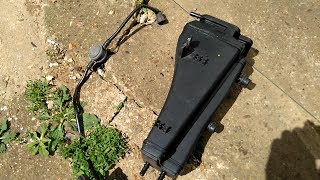
Used OEM Parts in Stock
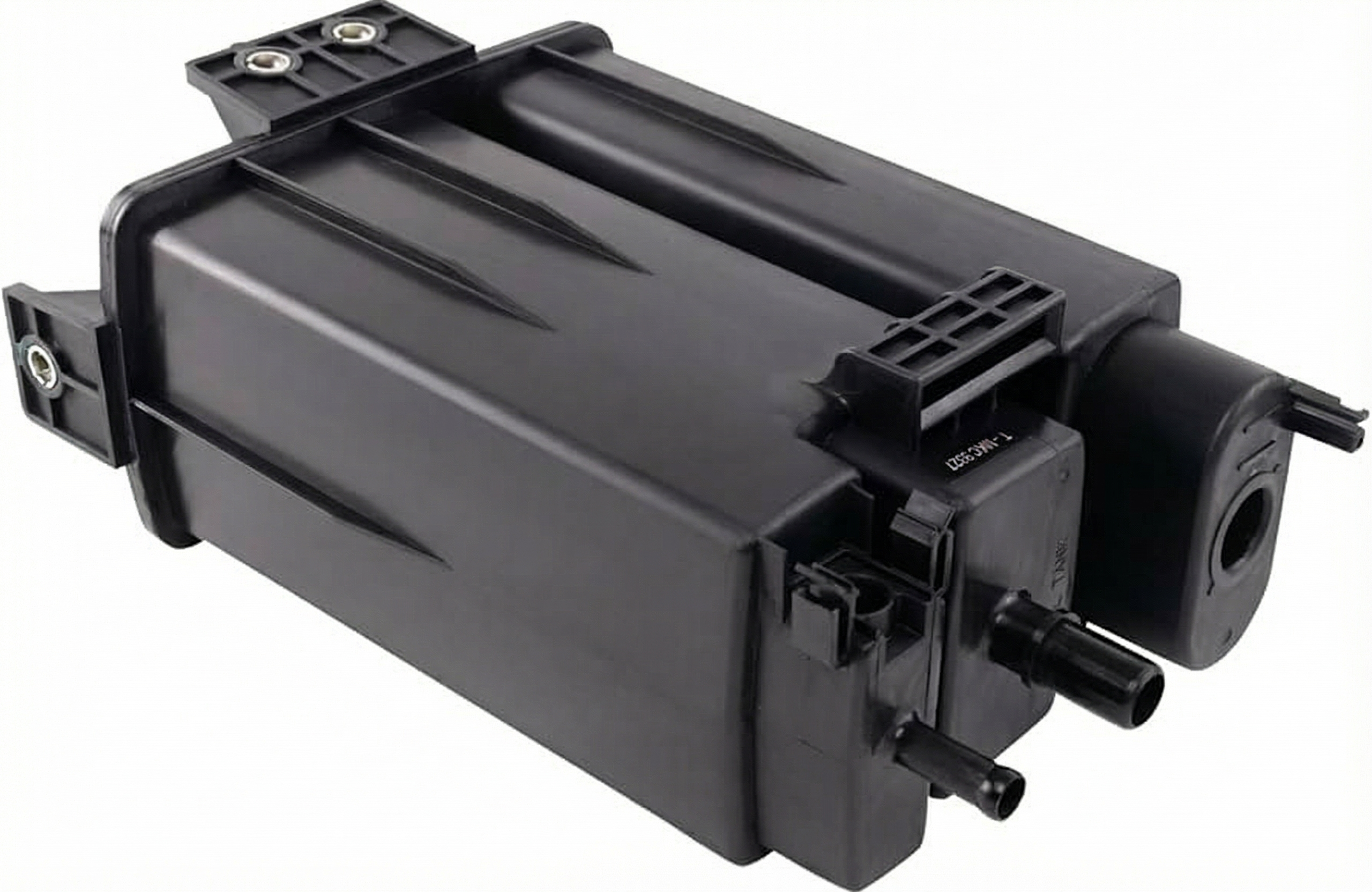
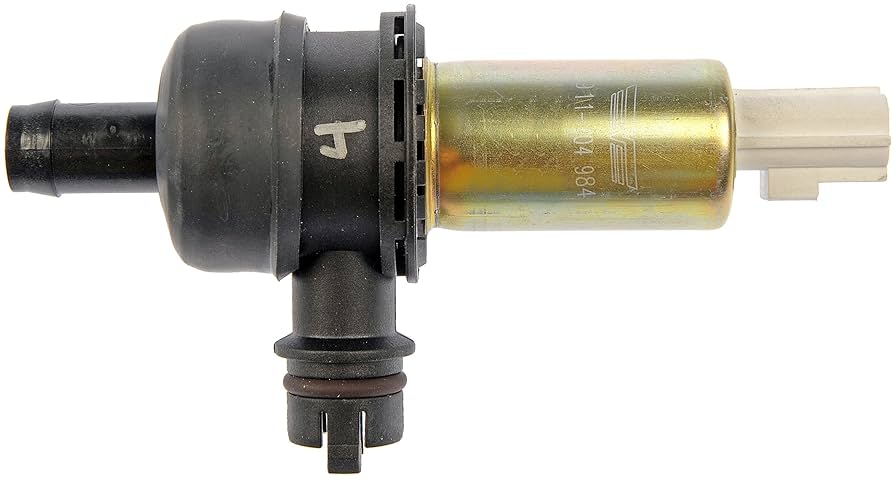
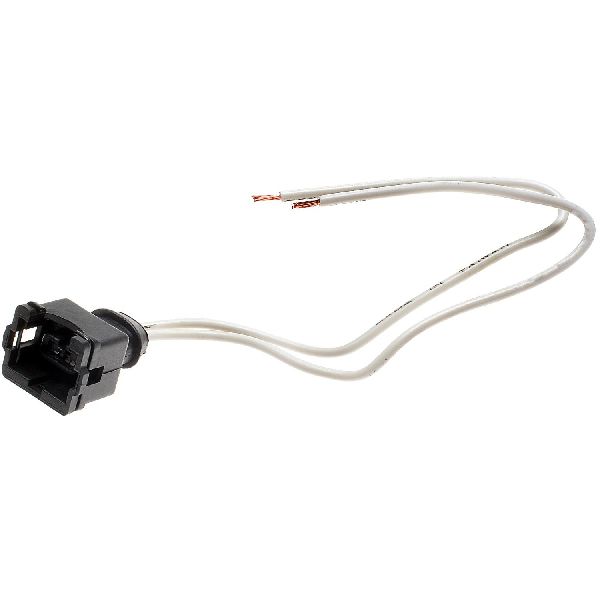
New Aftermarket Parts Available


The information in this article is provided for general reference and educational purposes only. Vehicle specifications, procedures, and part compatibility can vary by production date, trim level, and region. Always consult your vehicle's factory service manual and verify part numbers before purchasing or performing repairs. Safety-critical components such as airbags, seat belts, and braking systems should be installed by a qualified professional.
- Porsche Boxster:
- 🧭 Diagnostic Flowchart
- 🎬 Helpful Videos
- 🛍️ Shop This Part
- What's Unique About the 1997-2004 Porsche Boxster
- Symptoms You May Notice
- Most Likely Causes
- Rare But Worth Checking
- Diagnosis Steps
- Parts You'll Likely Need
- Related Codes That Often Appear With This One
- Technical Service Bulletins (TSBs) & Recalls
- Platform-Specific Known Issues
- Mechanic-Grade Diagnostic Values
- Scan Tool Commands That Help
- Wiring & Ground Locations
- Real Owner Repair Stories
- OEM Part Supersession History
- Model Year Variations Within This Range
- Real Owner Stories
- Porsche Boxster 986 2.5L
- Porsche Boxster (986)
- Porsche Boxster (986)
- Porsche Boxster (986)
- Related OBD-II Codes
- Frequently Asked Questions
- 🎟️ Get 5% Off