

P0441 on 2004-2006 Scion xB: EVAP Incorrect Purge Flow Causes and Fixes
For a 2004-2006 Scion xB, the P0441 code is most often caused by a faulty vapor canister purge valve (solenoid) located in the engine bay. Replacing it is a simple DIY job costing between $40 for an aftermarket part and $90 for an OEM part. Also, check for tiny, hard-to-see cracks in the vacuum hoses connected to the valve, especially at the bends.
- Start with the simple checks: ensure your gas cap is tight and its seal is intact.
- The most likely cause of P0441 on this Scion xB is a faulty purge valve (solenoid) in the engine bay, which is an inexpensive and easy part to replace.
- Carefully inspect all small vacuum lines connected to the purge valve for hairline cracks, as they are a common and easily overlooked cause of this code.
- If you also have trouble filling your gas tank, the charcoal canister is the probable cause. Be aware of the part number split if you have a 2005 model.
What's Unique About the 2004-2006 Scion xB
On the first-generation Scion xB, the EVAP system components are known for being common failure points as the vehicle ages. While a loose gas cap is always the first thing to check, the vapor purge valve (also called a VSV or purge solenoid) in the engine bay is a very frequent culprit for the P0441 code. Unlike some vehicles where EVAP leaks are buried, the most common causes on the xB—the purge valve and its nearby hoses—are easily accessible near the air filter housing.
Symptoms You May Notice
- Check Engine Light is on
- Possible faint fuel odor
- Slightly rough idle in some cases
- Difficulty starting the engine immediately after refueling.
- Replacing the charcoal canister when the actual problem is a much cheaper and easier to replace purge valve in the engine bay.
- Replacing O2 sensors, which are unrelated to the EVAP system.
Most Likely Causes
- Faulty Vapor Canister Purge Valve (Solenoid) 🔴 High Probability → Shop Vapor Canister This solenoid cycles frequently during vehicle operation and can get stuck open or closed over time. It is the most cited fix in owner forums and repair videos for this specific vehicle. Some owners report that non-OEM valves fail prematurely, suggesting an OEM part is a better long-term solution.
How to confirm: The valve is normally closed. Disconnect the valve and its hoses. Try to blow through it; if air passes, it's stuck open and bad. You can also apply 12V power to the terminals; you should hear a click and be able to blow through it. If it doesn't open, it's bad. A simple test is to place your finger on the vacuum port while the engine is running; if you feel suction, the valve is likely stuck open. 🎬 See how to test the purge valve without any tools.
Typical fix: Replace the purge valve assembly. It is located in the engine bay, typically mounted near the air filter housing, and is held by a single 10mm bolt and two vacuum hoses.
Est. part cost: $40-$90 - Cracked or Disconnected EVAP Vacuum Hoses 🟡 Medium Probability → Shop Vacuum Hose The rubber vacuum lines, especially those connected to the purge valve in the hot engine bay, can become brittle and develop small, hard-to-see cracks over time. Forum users specifically mention to check for hairline cracks at the bends of the hoses, which may not be visible without flexing them.
How to confirm: Visually inspect all vacuum hoses connected to the purge valve and running along the intake manifold. Bend them slightly to reveal any hidden cracks. A smoke test is the most definitive way to find a small leak.
Typical fix: Replace the cracked section of vacuum hose. Often, a small piece of bulk 5/16" ID vacuum/fuel vapor hose is all that is needed.
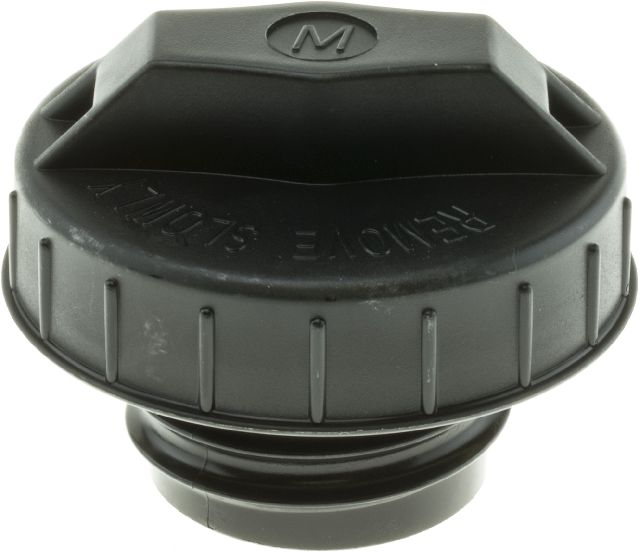
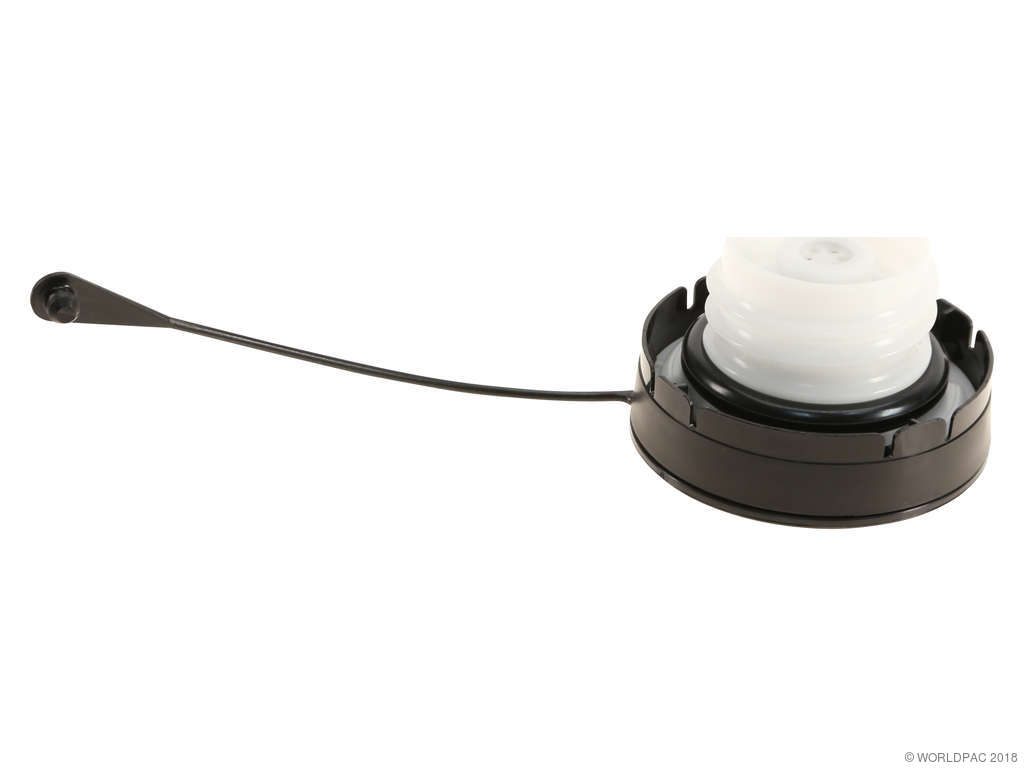
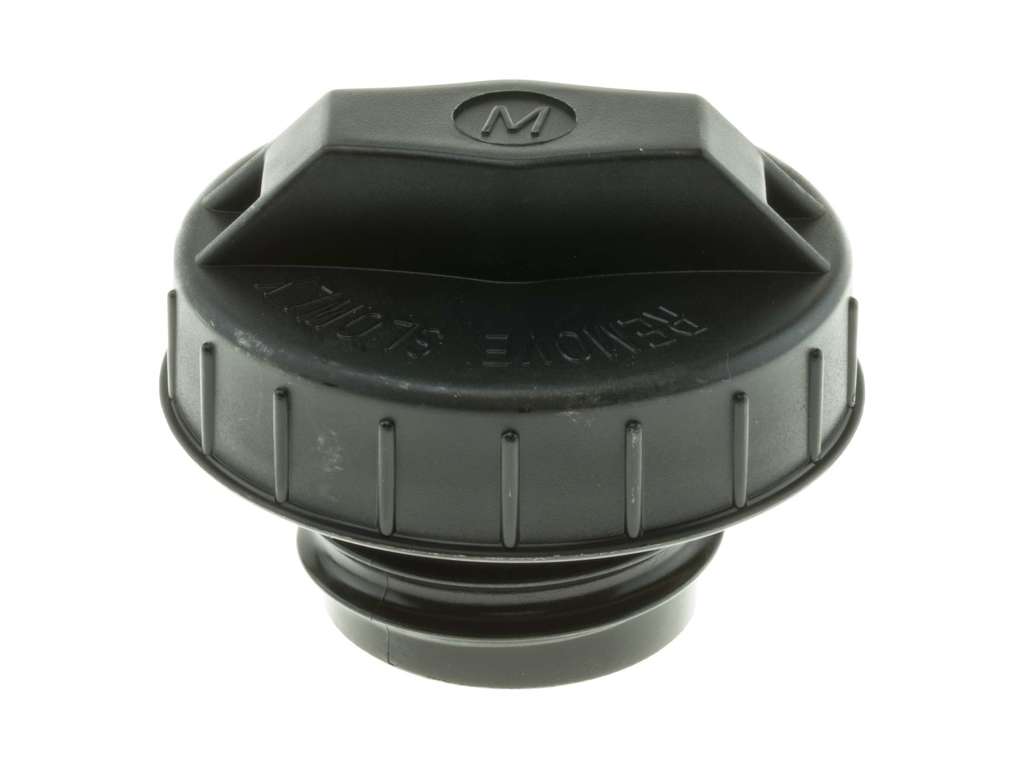
Est. part cost: $5-$20 - Loose or Faulty Gas Cap 🟡 Medium Probability → Shop Fuel Tank Cap The gas cap seal can degrade over time, preventing the EVAP system from holding a vacuum. This is a common issue on all vehicles, though less specific to P0441 which indicates flow, not a general leak.
How to confirm: Ensure the gas cap is tightened until it clicks several times. Inspect the rubber O-ring on the cap for cracks, brittleness, or damage. If the seal is compromised, the cap is bad.
Typical fix: Replace the gas cap with a new OEM part for best results. Aftermarket caps can sometimes cause issues.
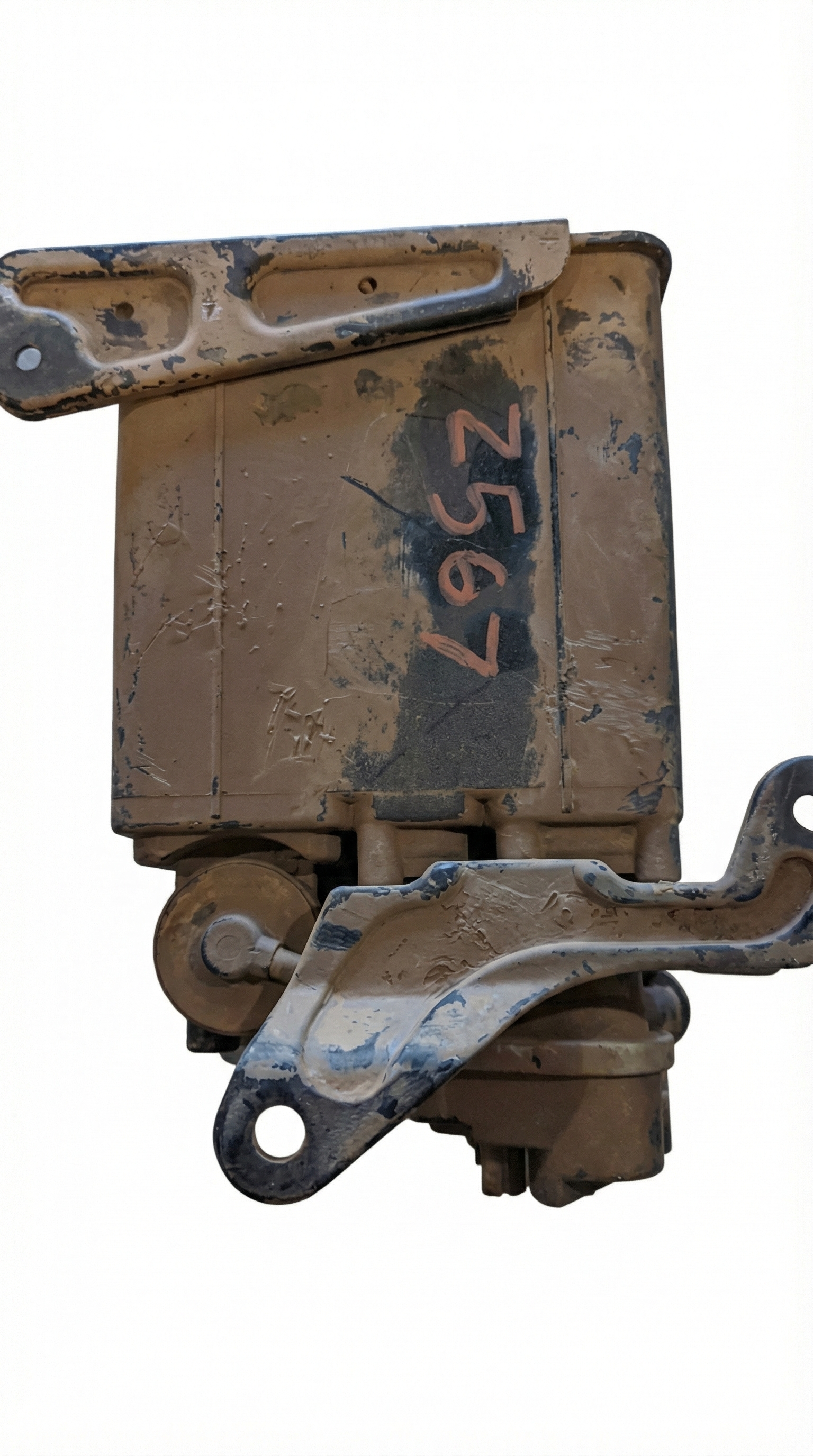
Est. part cost: $15-$30 - Failed Charcoal Canister Assembly ⚪ Low Probability → Shop Vapor Canister The canister, located near the fuel tank, can become clogged with charcoal pellets or saturated with fuel, especially if the fuel tank is consistently overfilled. This is more likely if P0441 is accompanied by other EVAP codes (like P0442 or P0446) and difficulty filling the gas tank.
How to confirm: Diagnosis is typically done by ruling out other causes first. A key symptom is the fuel pump nozzle clicking off repeatedly during refueling. A mechanic can perform a system test to confirm a blockage.
Typical fix: Replace the entire charcoal canister assembly. Note the part number split for the 2005 model year.
Est. part cost: $250-$400
Rare But Worth Checking
- Wiring to Purge Valve: → Shop Vapor Canister The electrical connector or wiring for the purge valve can become damaged or corroded. Wires can become brittle from engine heat and break right at the pigtail connector, which will prevent the valve from operating even if the valve itself is good. Check for power and ground at the connector and inspect the wiring carefully before replacing the valve.
Diagnosis Steps
- Check the Gas Cap: Remove and reinstall the gas cap, ensuring it clicks multiple times. Inspect the cap's seal for any cracks or damage. If it looks worn, replace it.
- Inspect Engine Bay Hoses: Visually inspect the small rubber vacuum hoses around the purge valve (near the air filter housing). Pay close attention to the bends in the hoses, flexing them to reveal any hairline cracks. Ensure all connections are secure.
- Test the Purge Valve: Locate the purge valve in the engine bay. Disconnect the electrical connector and the two hoses. Try to blow air through it. If air passes, the valve is stuck open and needs replacement. If no air passes, apply 12V to the two pins on the valve; you should hear a click and air should now pass through. If it doesn't click or open, it is faulty.
- Check Purge Valve Wiring: Inspect the pigtail connector and wires going to the purge valve for brittleness, corrosion, or breaks right at the connector. If wiring is damaged, repair or replace the pigtail.
- Inspect Canister and Hoses: If the above steps don't reveal the issue, raise the rear of the vehicle and inspect the charcoal canister (near the gas tank) and all connected hoses for visible damage or cracks.
- Perform a Smoke Test: If no visual faults are found, the most effective way to find a small leak is to have a smoke test performed 🎬 Watch: Diagnosing multiple EVAP codes on a Scion xB. on the EVAP system. This involves injecting smoke into the system and watching for where it escapes.
Parts You'll Likely Need
- Vapor Canister Purge Valve / Solenoid
(OEM #90910-TC001 (supersedes 90910-12276))— This is the most common failure part for a P0441 code on this vehicle. It is an electromechanical valve that wears out over time. The current OEM part number is 90910-TC001, which replaces the older 90910-12276.
Trusted brands: Toyota (OEM), Dorman, Standard Motor Products (SMP), Denso (136200-7010)
OEM price range: $70-$95
Aftermarket price range: $35-$60 - Charcoal Canister Assembly
(OEM #77740-52070 (2004, Early 2005) or 77740-52100 (Late 2005, 2006))— This part fails if it becomes clogged or saturated with fuel, often causing refueling issues along with EVAP codes. There is a critical part number change during the 2005 model year that must be verified visually or by VIN.
Trusted brands: Toyota (OEM), Dorman
OEM price range: $280-$410
Aftermarket price range: $200-$300 - Fuel Tank Cap
(OEM #77300-52030)— A worn seal on the gas cap will cause the EVAP system to fail its pressure test, which can contribute to a P0441 code.
Trusted brands: Toyota (OEM), Stant
OEM price range: $20-$30
Aftermarket price range: $10-$20
Related Codes That Often Appear With This One
- P0442 — Indicates a small leak in the EVAP system. A cracked hose or bad gas cap causing P0441 can also be detected as a small leak.
- P0446 — Indicates a fault in the EVAP system's vent control circuit. Problems with the charcoal canister or its associated vent valve can trigger both P0441 and P0446.
Platform-Specific Known Issues
- There is a critical part number split for the charcoal canister in the 2005 model year. 2004 and early 2005 models use part number 77740-52070, while late 2005 and all 2006 models use 77740-52100. Visual confirmation or checking with a dealer using the VIN is necessary before ordering, as there is no reliable production date cutoff.
Technical Service Bulletins (TSBs) & Recalls
- A manufacturer service bulletin (referenced in NHTSA ODI #10493611) notes that some Scion vehicles may exhibit a MIL ON condition with DTCs P0455, P0441, or P0456, highlighting these as known issues within the fuel and propulsion system.
Mechanic-Grade Diagnostic Values
- Vapor Canister Purge Valve (VSV) Coil Resistance — expected: 30 to 38 Ohms when measured at room temperature.. Failure: A reading significantly outside this range (open circuit or short) indicates a failed solenoid coil.
- Purge Valve (VSV) Control Voltage at ECM — expected: The ECM sends a pulse-width modulated (duty cycle) signal. A static voltage reading is not sufficient; an oscilloscope is needed to view the waveform.. Failure: Absence of a pulse signal when the purge is commanded ON by a scan tool indicates a wiring or ECM driver issue.
- Purge Solenoid Duty Cycle (Live Data) — expected: 5-20% at idle when the engine is warm and purge is active.. Failure: A value stuck at 0% or 100% at idle suggests the valve is either not being commanded or is stuck.
- Canister Pressure Sensor Power Supply at ECM — expected: 4.5 to 5.5 V with the ignition switch ON.. Failure: Voltage outside this range indicates a problem with the ECM's 5V reference circuit or the sensor wiring.
Scan Tool Commands That Help
- Toyota Techstream: Active Test: Control the Purge VSV — This bidirectional command allows a technician to manually open and close the purge valve. It's used to verify if the valve clicks, if it opens/closes mechanically, and to check for voltage at the connector when commanded ON.
- Toyota Techstream: Active Test: Control the Vent Valve — Used in conjunction with a smoke machine or vacuum gauge. The technician can command the vent valve closed to seal the EVAP system for a leak test, which is essential for diagnosing the entire system, not just the purge flow.
- Toyota Techstream: Utility: EVAP System Check — This automated test sequence commands the various EVAP solenoids and monitors the system pressure sensor to check for leaks and proper flow. It can help confirm if the P0441 fault is consistently detectable by the ECM.
Wiring & Ground Locations
- Purge Valve (VSV) ECM Pin — Pin PRG (C20-49) on the Engine Control Module (ECM). The ground side of the circuit is Pin E01 (C20-45).. This is the specific control pin on the ECM for the purge valve. Technicians can test for the pulse signal here to determine if the ECM is commanding the valve to open. A lack of signal points to an ECM or wiring issue, not a faulty valve.
- V1 (VSV for EVAP) — Located in the engine compartment, near the air filter housing.. This is the physical location identifier for the purge valve itself from the official wiring routing guide, confirming its position for easy access.
- Engine/Transmission Ground — A primary ground cable runs from the negative battery terminal to a point on the transmission bell housing and the chassis/frame.. A loose or corroded main ground for the engine/transmission can cause a variety of electrical issues, including erratic behavior of sensors and solenoids controlled by the ECM. While not a direct cause, poor grounding can lead to incorrect sensor readings and intermittent codes.
- EA1 / EB1 — EA1 is a ground point inside the engine room relay block. EB1 is a ground point on the engine wire harness near the starter.. These are specific ground point designators from the wiring diagram. A fault at one of these locations could affect multiple components on the engine harness, including the EVAP purge solenoid.
Real Owner Repair Stories
- Reddit user r/ScionxB (2006 Scion xB) — Persistent P0441 Check Engine Light.
❌ Tried (didn't work) Replaced charcoal canister, Replaced vapor canister purge valve, Replaced gas cap, Replaced both O2 sensors, Ran a smoke test twice for 30 minutes each, finding no leaks.
✅ What actually fixed it The community-suggested fix was to inspect for hairline cracks on the vacuum hose connected to the purge valve, specifically at the bends, which are hard to see and may not leak during a static smoke test. Another user noted the code returned after using a non-OEM purge valve, suggesting part quality is critical. - ScionLife.com user 'damnimcold2' (2006 Scion xB with 230k miles) — P0441 code, VSC and Trac Off lights on.
❌ Tried (didn't work) Visual inspection of hoses for cracks., Checking gas cap seal.
✅ What actually fixed it The final cause was a wire that had broken completely off the purge valve's electrical pigtail connector. The user attempted to solder it but it wouldn't hold, so the fix was to source a used pigtail connector from eBay and splice it in. The user noted the wires become brittle from engine heat over time.
"I Checked Everything" — The Actual Cause
- In a well-documented case, an owner performed multiple, lengthy smoke tests that revealed no leaks, yet the P0441 code persisted. The eventual solution, suggested by forum veterans, was to manually flex the vacuum hoses connected to the purge valve. This action revealed hairline cracks at the hose bends that were not opening enough to show a leak under standard smoke test pressure but were causing an incorrect flow during engine operation.
OEM Part Supersession History
90910-12276→90910-TC001— Standard part update/revision by Toyota.
Heads up: The parts are interchangeable, but forum users have reported premature failure of some non-OEM aftermarket versions, suggesting the OEM part is more reliable for long-term repair.90910-12263→N/A— This is a different valve listed for the 2004 model year specifically by some parts suppliers.
Heads up: While 90910-12276 (and its successor) is widely cited for 2005-2006, some catalogs list 90910-12263 for the 2004 model. It is crucial to verify by VIN as they may not be interchangeable.
Model Year Variations Within This Range
- 2004-2005 vs 2005-2006: The charcoal canister assembly has a part number split during the 2005 model year. Early models use 77740-52070, while later models use 77740-52100. The parts are not interchangeable, and visual confirmation or VIN lookup is required before ordering.
Diagnostic Flowchart
Real Owner Stories
Aggregated from forums and TSBs cited above. Mileages and costs reflect what owners reported in those sources.
2005 Scion xB
Symptoms: Check engine light on with code P0441. The dealer initially replaced the gas cap, but the check engine light came back on.
What fixed it: Replaced the purge solenoid (purge valve).
Source hint: YouTube comment by RookieRepairs ('How to Replace a Purge Valve - Check Engine Light? P0441 Scion xB xA xD 1.5 1.8 2005')
2006 Scion xB
Symptoms: Code P0441 persisted even after replacing the charcoal canister, purge valve, and gas cap.
What fixed it: Found and replaced a vacuum hose connected to the purge valve that had hairline cracks at the bends.
Source hint: Reddit r/ScionxB - 'Any ideas on how to fix the P0441 code on an 06?'
2006 Scion xB
Symptoms: Chasing a P0441 code, initially suspecting the purge valve itself was faulty.
What fixed it: Repaired the pigtail wire that had become brittle and broken off right at the purge valve connector.
Source hint: ScionLife.com - 'P0441 Code'
Scion 1.5L (xA/xB platform)
Symptoms: Triggered P0441, P0442, and P0446 codes immediately after an oil change service.
What fixed it: Reconnected a vacuum hose that was accidentally detached from the air filter housing area during the service.
Source hint: ScionLife.com - 'Scion xA check engine light codes P0441 P0442 P0446'
Related OBD-II Codes
Documented NHTSA Reports
- According to NHTSA ODI #10493611, some Scion vehicles may exhibit a MIL ON condition with one or more of the following DTCs: P0455, P0441, or P0456. This report specifically references a manufacturer service bulletin regarding the fuel system.
Frequently Asked Questions
I need to replace the charcoal canister on my 2005 Scion xB. Which part number do I need?
Can I use an aftermarket purge valve to fix the P0441 code on my xB?
My check engine light came on with P0441 right after getting an oil change on my 1.5L 1NZ-FE. Could they be related?
I replaced the purge valve on my 2006 xB but the code is still there. What else could it be?
Why is my Scion xB hard to start right after I fill up the gas tank?
Will a new gas cap fix the P0441 code on my Scion?
Helpful Videos
Used OEM Parts in Stock
New Aftermarket Parts Available


The information in this article is provided for general reference and educational purposes only. Vehicle specifications, procedures, and part compatibility can vary by production date, trim level, and region. Always consult your vehicle's factory service manual and verify part numbers before purchasing or performing repairs. Safety-critical components such as airbags, seat belts, and braking systems should be installed by a qualified professional.
- Scion xB:
- 🧭 Diagnostic Flowchart
- 🎬 Helpful Videos
- 🛍️ Shop This Part
- What's Unique About the 2004-2006 Scion xB
- Symptoms You May Notice
- Most Likely Causes
- Rare But Worth Checking
- Diagnosis Steps
- Parts You'll Likely Need
- Related Codes That Often Appear With This One
- Platform-Specific Known Issues
- Technical Service Bulletins (TSBs) & Recalls
- Mechanic-Grade Diagnostic Values
- Scan Tool Commands That Help
- Wiring & Ground Locations
- Real Owner Repair Stories
- "I Checked Everything" — The Actual Cause
- OEM Part Supersession History
- Model Year Variations Within This Range
- Real Owner Stories
- 2005 Scion xB
- 2006 Scion xB
- 2006 Scion xB
- Scion 1.5L (xA/xB platform)
- Related OBD-II Codes
- Documented NHTSA Reports
- Frequently Asked Questions
- 🎟️ Get 5% Off