

P0441 on 2008-2014 Scion xD: Incorrect Purge Flow Causes and Fixes
For a 2008-2014 Scion xD, code P0441 is most often caused by a faulty vapor canister purge valve (solenoid). It's an easy, 30-minute DIY fix with a part cost of about $40-$90. Always check for a loose gas cap first, and inspect the small vacuum hoses for cracks before replacing parts.
- First, check your gas cap. Make sure it's tight and the seal isn't cracked. An OEM cap is recommended.
- The most likely culprit is the engine-mounted purge valve (solenoid), part #90910-TC001. It's an easy and relatively cheap DIY replacement.
- Before buying parts, carefully inspect all small vacuum hoses connected to the purge valve for tiny cracks, especially at bends and connection points.
- If the code persists after replacing the cap and purge valve, the next step is a smoke test to find a hidden leak or an inspection of the charcoal canister for saturation.
What's Unique About the 2008-2014 Scion xD
The Scion xD uses the reliable Toyota 1.8L 2ZR-FE engine, shared with the Corolla and Matrix of the era. For this engine, the P0441 code is a very common and straightforward issue. The primary culprit is almost always the purge valve located directly on the engine, which is known to fail over time but is inexpensive and simple for owners to replace with basic tools.
Symptoms You May Notice
- Check Engine Light is on
- Slightly rough or stumbling idle (if the purge valve is stuck open)
- Difficulty starting the engine immediately after refueling (if the purge valve is stuck open)
- Possible faint fuel smell (less common)
- Noticeable decrease in fuel efficiency (less common)
- Replacing the charcoal canister when the problem is just a simple purge valve or gas cap.
- Replacing the purge valve when the issue is a tiny, hard-to-see crack in an adjacent vacuum hose.
Most Likely Causes
- Faulty Vapor Canister Purge Valve (Solenoid) 🔴 High Probability → Shop Vapor Canister This is a common failure item on many Toyota/Scion models with the 2ZR-FE engine. The internal solenoid can wear out, getting stuck open or closed.
How to confirm: The valve is normally closed. Disconnect it and try to blow through it; if air passes, it's stuck open. You can also apply 12V power to its terminals; it should click and open, allowing air to pass. If it doesn't click or open, it has failed. The resistance across the two pins should be between 15 and 38 ohms, depending on the specific valve type.
Typical fix: Replace the purge valve. It is located on the engine and held by a single 10mm bolt, making for a quick replacement. 🎬 Watch: This video shows you how to replace the purge valve.
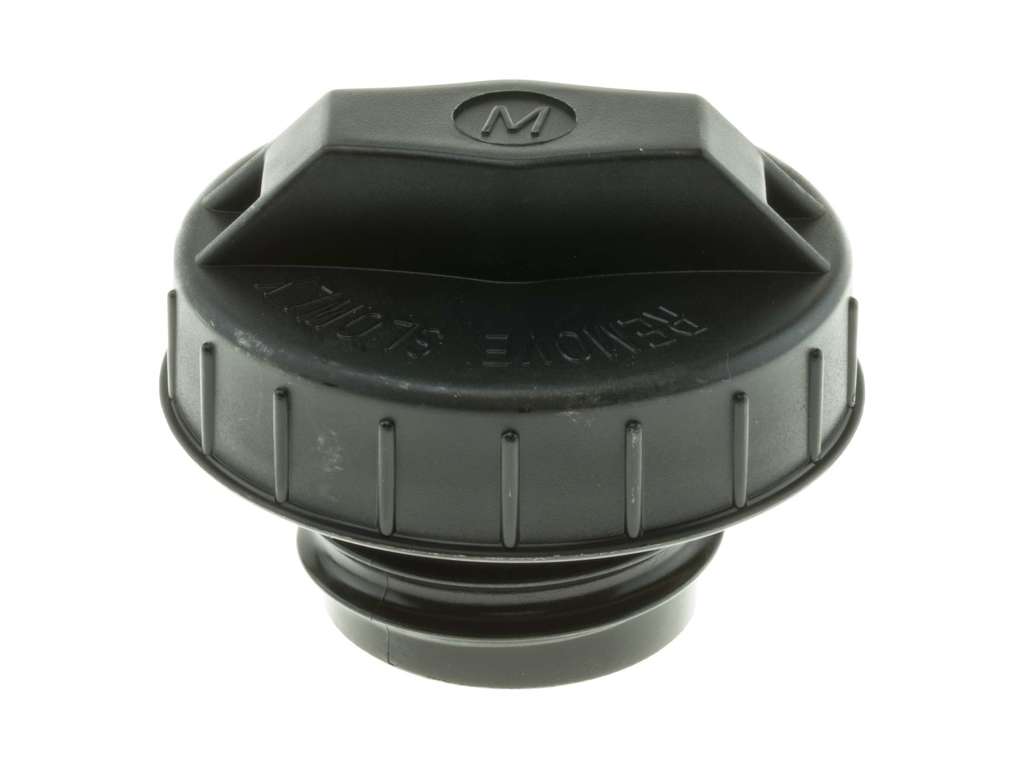
Est. part cost: $40-$90 - Loose or Faulty Gas Cap 🟡 Medium Probability → Shop Fuel Tank Cap The gas cap is a critical seal for the EVAP system. Over time, the rubber O-ring can degrade, preventing a proper seal. A TSB for the Scion tC with P0441 specifically points to a faulty gas cap. A user on a Scion forum fixed their EVAP codes by simply flipping the O-ring on the gas cap to get a better seal.
How to confirm: Ensure the cap is tightened until it clicks at least once. Inspect the rubber seal on the cap for cracks, stiffness, or damage. If the seal is compromised, the cap needs replacement.
Typical fix: Tighten or replace the gas cap. It is highly recommended to use an OEM cap for a reliable seal, as some aftermarket caps do not seal correctly.
Est. part cost: $20-$40 - Cracked, Disconnected, or Clogged EVAP Hoses ⚪ Low Probability The rubber and plastic hoses in the engine bay are exposed to heat and can become brittle and crack over time. A ScionLife forum member notes that one hose near the firewall is notorious for cracking where it clamps to a metal pipe.
How to confirm: Visually inspect all vacuum lines connected to the purge valve and running towards the back of the vehicle. Look for obvious cracks, breaks, or loose connections. Pay close attention to bends and connection points.
Typical fix: Replace the damaged section of hose. In some cases, a small crack at the end of a hose can be trimmed off and the hose re-clamped as a temporary fix.
Est. part cost: $5-$25 - Clogged or Saturated Charcoal Canister ⚪ Low Probability → Shop Vapor Canister This can happen on high-mileage vehicles or if the fuel tank is consistently overfilled, which forces liquid gasoline into the canister. A case study on a high-mileage 2018 Corolla with the same engine found the P0441 code was caused by a canister saturated with water. Water intrusion into the canister is a known issue on related Scion models like the xA and xB.
How to confirm: The canister, located near the fuel tank, may feel unusually heavy if saturated. A mechanic can perform a smoke test to check for blockages or leaks within the canister assembly. If removed, water may drip out when shaken.
Typical fix: Replace the charcoal canister assembly. This is a more involved and expensive repair.
Est. part cost: $500-$900
Rare But Worth Checking
- Corroded Electrical Connector on Purge Valve: → Shop Vapor Canister
Diagnosis Steps
- Read the code with an OBD-II scanner to confirm P0441 is present. 🎬 See a real-world diagnosis of a bad purge valve on this engine.
- Check the gas cap. Remove it, inspect the seal for damage, and reinstall it, ensuring it clicks several times.
- Clear the codes and drive for a day or two. If the code does not return, the gas cap was the issue.
- If the code returns, locate the purge valve on the top/side of the 1.8L engine.
- Visually inspect the vacuum hoses connected to and surrounding the purge valve for any obvious cracks, brittleness, or disconnections. A common failure point is a hose near the firewall.
- Test the purge valve. With the engine off, disconnect the hose from one side and try to blow through it. If air passes, the valve is stuck open and must be replaced. 🎬 Watch: How to test if your purge valve is good or bad.
- If the valve holds vacuum, you can test its operation by applying a 12V source to its electrical pins. It should make an audible click and open. If it doesn't, it is faulty.
- Inspect the electrical connector for the purge valve for corrosion or broken wires.
- If the gas cap, hoses, and purge valve are all good, the issue may be a clogged charcoal canister or a more obscure leak, which may require a professional smoke test to diagnose.
Parts You'll Likely Need
- Vapor Canister Purge Valve / Solenoid
(OEM #90910-TC001)— This is the most common failure point for code P0441 on this vehicle. It controls the flow of vapors and frequently gets stuck. This part number replaces the older part number 90910-12276.
Trusted brands: Toyota (OEM), Denso, Standard Motor Products (SMP)
OEM price range: $70-$95
Aftermarket price range: $40-$75 - Fuel Tank Cap
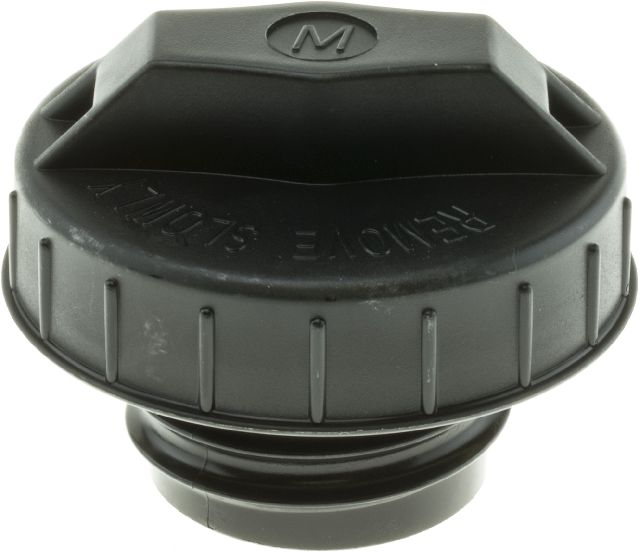
(OEM #77300-47010)— A worn-out gas cap seal is a common cause of various EVAP codes and is the easiest part to replace as a first step. Using a non-OEM cap can sometimes fail to resolve the issue.
Trusted brands: Toyota (OEM), Stant
OEM price range: $20-$40
Aftermarket price range: $15-$25
Related Codes That Often Appear With This One
- P0455 — P0455 indicates a large EVAP leak. If the purge valve is stuck wide open or a major hose is disconnected, the system may interpret this as both an incorrect flow (P0441) and a large leak.
- P0456 — P0456 indicates a very small EVAP leak. A failing gas cap seal can sometimes trigger both a small leak code and an incorrect flow code during the system's self-test.
Technical Service Bulletins (TSBs) & Recalls
- S-SB-0030-09 Rev1 (for Scion tC): While not for the xD specifically, this TSB addresses P0441 on a related Scion model and identifies a faulty fuel tank cap as a potential cause, reinforcing it as a valid diagnostic step.
- NHTSA ODI #10493611: A manufacturer service bulletin (referenced in this complaint for a related Scion model) notes that vehicles may exhibit a MIL ON condition with one or more of the following DTCs: P0455, P0441, or P0456.
Platform-Specific Known Issues
- Expensive Charcoal Canister Replacement: → Shop Vapor Canister The OEM charcoal canister for the Scion xD (Part No. 77740-52090) can be very expensive, sometimes costing over $700. A user on ScionLife discovered that the canister for a Scion xB (Standard Motor Products part CP429) is physically identical and can be used as a much cheaper alternative by simply swapping the mounting brackets from the old xD canister to the new xB one.
Mechanic-Grade Diagnostic Values
- Vapor Canister Purge Valve (Solenoid) Resistance — expected: 15 to 38 ohms when measured across the two terminals with the engine cool.. Failure: A reading significantly outside this range, or an open circuit (infinite resistance), indicates a failed solenoid coil.
- Purge Valve Connector Voltage — expected: Approximately battery voltage (12V) at the power supply terminal with the key on, engine off.. Failure: No voltage indicates an open circuit, a blown fuse (check the EFI or ECU-IG fuse), or a wiring issue upstream of the connector.
Scan Tool Commands That Help
- Toyota Techstream: Active Test: "Control the Purge VSV" — This bidirectional command allows a technician to manually open and close the purge valve while the engine is running. You can command it open and check for a change in engine idle or fuel trims to confirm it is physically operating and that flow is occurring. This is the most definitive way to test the valve's function without removing it.
- Toyota Techstream: Utility: "EVAP System Check" — This automated test sequence commands the various EVAP solenoids (purge and vent) to seal the system and monitors the fuel tank pressure sensor to check for leaks and proper flow. It can help confirm if the P0441 fault is actively present or if a prior repair was successful. A user on a Tundra forum noted that running this test showed a purge flow failure even when other components passed, pointing them to an intermittently sticking purge valve.
Wiring & Ground Locations
- Purge Valve Connector — On the purge valve itself, located on the top/side of the 1.8L 2ZR-FE engine, near the intake manifold.. This 2-pin connector provides power and ground control to the purge solenoid. Corrosion or damage to the pins or wires can prevent the valve from operating, directly causing a P0441. The connector is an oval shape with two blade-style terminals.
- Ground Points C1 / C2 — Wiring diagrams show ground points labeled 'C1' and 'C2' located at the top center of the engine.. The Engine Control Module (ECM), which controls the purge valve, relies on solid ground connections. While not a primary cause, a loose or corroded engine ground could potentially cause erratic behavior in various engine sensors and actuators, including the EVAP system components.
Real Owner Repair Stories
- Tundra forum user 'Bro_Dozer' (2014 Toyota Tundra (Note: Different vehicle but same diagnostic principle with Techstream)) — Failed emissions test with a P0441 code, but the Check Engine Light was not on.
❌ Tried (didn't work) Replaced the gas cap (was an aftermarket locking cap)., Checked hoses., Cleared the code., Pulled the charcoal canister and blew air through the lines.
✅ What actually fixed it The purge valve under the hood was intermittently sticking. It would pass diagnostic tests sometimes but fail at other times. Replacing the purge valve ultimately resolved the issue. - YouTube channel 'RookieRepairs' (Scion xB (with compatible 1.5L engine, same purge valve design)) — Check Engine Light with code P0441.
❌ Tried (didn't work) The owner had the Toyota dealer replace the gas cap, but the light came back on.
✅ What actually fixed it The purge valve/solenoid was replaced. The video shows the process of inspecting the hoses first (which were okay) and then replacing the valve, which fixed the problem.
OEM Part Supersession History
90910-12276→90910-TC001— This is a common part number update from Toyota for this style of purge valve. The new part is a direct replacement.
Diagnostic Flowchart
Real Owner Stories
Aggregated from forums and TSBs cited above. Mileages and costs reflect what owners reported in those sources.
2013 Scion xD
Symptoms: Persistent EVAP leak issue with code P0441.
What fixed it: Not specified; the owner reported that replacing the purge valve solenoid and the gas cap were diagnostic dead ends that did not resolve the code.
Source hint: RepairPal - 'Scion xD persistent evap leak issue with code P0441'
Scion xD
Symptoms: Needed to replace the vapor canister due to water intrusion, a common cause of canister failure on these platforms, but found the OEM xD part to be prohibitively expensive.
What fixed it: Used a cheaper Scion xB charcoal canister (Standard Motor Products part CP429) and swapped the mounting brackets from the old xD canister to the new unit.
Source hint: ScionLife.com - 'Scion xD Vapor Canister Replacement Options..'
Scion tC
Symptoms: The P0441 code returned even after replacing the gas cap.
What fixed it: Identified and replaced a specific EVAP hose near the firewall that is notorious for cracking where it clamps to a metal pipe.
Source hint: ScionLife.com - 'P0441 EVAP Incorrect Purge Flow'
2006 Scion xB
Symptoms: The P0441 code persisted despite the owner replacing the purge valve, charcoal canister, and gas cap.
What fixed it: Community members pointed out that the issue is often caused by easily missed hairline cracks in the EVAP hoses, requiring a careful visual inspection or smoke test.
Source hint: Reddit r/ScionxB - 'Any ideas on how to fix the P0441 code on an 06?'
Related OBD-II Codes
Frequently Asked Questions
Does TSB S-SB-0030-09 Rev1 apply to my 2008-2014 Scion xD?
Why is the charcoal canister replacement so expensive on the Scion xD, and is there a cheaper alternative?
My Scion xD has a rough idle and is hard to start after getting gas. What causes this with code P0441?
Where is the purge valve located on the 1.8L 2ZR-FE engine, and how do I test it?
I replaced the gas cap and purge valve on my xD, but P0441 came back. What should I check next?
Related OBD-II Codes
Helpful Videos
We Have This Part in Stock


The information in this article is provided for general reference and educational purposes only. Vehicle specifications, procedures, and part compatibility can vary by production date, trim level, and region. Always consult your vehicle's factory service manual and verify part numbers before purchasing or performing repairs. Safety-critical components such as airbags, seat belts, and braking systems should be installed by a qualified professional.
- Scion xD:
- 🧭 Diagnostic Flowchart
- 🎬 Helpful Videos
- 🛍️ Shop This Part
- What's Unique About the 2008-2014 Scion xD
- Symptoms You May Notice
- Most Likely Causes
- Rare But Worth Checking
- Diagnosis Steps
- Parts You'll Likely Need
- Related Codes That Often Appear With This One
- Technical Service Bulletins (TSBs) & Recalls
- Platform-Specific Known Issues
- Mechanic-Grade Diagnostic Values
- Scan Tool Commands That Help
- Wiring & Ground Locations
- Real Owner Repair Stories
- OEM Part Supersession History
- Real Owner Stories
- 2013 Scion xD
- Scion xD
- Scion tC
- 2006 Scion xB
- Related OBD-II Codes
- Frequently Asked Questions
- Related OBD-II Codes
- 🎟️ Get 5% Off