

P0441 on 2012-2017 Toyota Camry Hybrid: EVAP Incorrect Purge Flow Causes and Fixes
On a 2012-2017 Toyota Camry Hybrid, code P0441 is most often caused by a faulty vapor purge valve (solenoid), also known as a Vacuum Switching Valve (VSV), located in the engine bay. This is a relatively inexpensive part and is easy to replace. Always check for a loose or worn gas cap first, preferably replacing with an OEM part if the seal is suspect.
- Start with the simplest fix: check that your gas cap is tight and the seal is in good condition. If in doubt, spend the $30 on an OEM replacement first.
- The most likely failed part is the purge valve/solenoid in the engine bay. It's relatively affordable and easy for a DIYer to replace in under 30 minutes.
- Before replacing the purge valve, check the attached hose for black charcoal pellets. If you find any, the more expensive charcoal canister has failed and must be replaced to prevent the new valve from clogging again.
- This code will not leave you stranded, but it will cause an automatic emissions test failure.
What's Unique About the 2012-2017 Toyota Camry Hybrid
While P0441 is a generic code, Toyotas of this era are known for two primary failure points. The most common is a simple-to-replace purge valve (also called a Vacuum Switching Valve or VSV) in the engine bay. A more serious, though well-documented, issue on many Toyotas is the charcoal canister breaking down internally. This releases small black charcoal pellets into the EVAP lines, which can clog the purge valve and other components, causing a recurring P0441 code. Diagnosing this possibility early by checking the purge line for pellets can prevent replacing the purge valve multiple times.
Symptoms You May Notice
- Check Engine Light is on.
- Vehicle may not pass an emissions inspection.
- A slight fuel odor may be noticeable, but this is not common.
- In rare, severe cases, a rough idle may occur if the purge valve is stuck wide open.
- VSC/Trac warning light may illuminate simultaneously with the Check Engine Light.
- Replacing the oxygen (O2) sensors. O2 sensors are not related to the EVAP system.
- Replacing the catalytic converter. This is an expensive part of the exhaust system and has no connection to the P0441 code.
Most Likely Causes
- Faulty Vapor Purge Valve / Solenoid (VSV) 🔴 High Probability → Shop Vapor Canister This is the most common failure point for this code on most modern vehicles, including the Camry. The valve cycles thousands of times and can wear out, get stuck open, or get clogged with debris (like charcoal pellets).
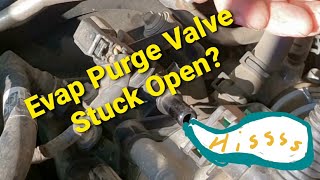
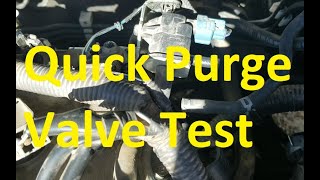
How to confirm: Locate the valve in the engine bay, typically on or near the intake manifold with two hoses and an electrical connector. With the engine off, disconnect the valve and its hoses. Try to blow through it; if air passes, 🎬 See this quick no-tools test for a bad valve it's stuck open and is bad. Alternatively, with the engine running at idle, disconnect the hose leading to the intake manifold and feel the port on the valve; there should be no suction until the valve is commanded open by a scan tool. A clicking sound when activated is normal, but doesn't guarantee it's not stuck.
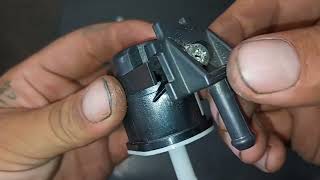
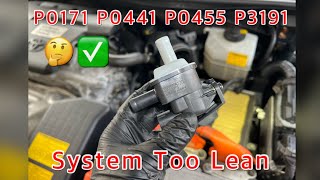
Typical fix: Replace the vapor purge valve. This is a straightforward DIY job involving disconnecting two hoses and an electrical connector. Ensure the new part is an OEM 🎬 Watch: How to test and replace the purge valve or equivalent quality part.
Est. part cost: $40-$90 - Loose or Faulty Gas Cap 🟡 Medium Probability → Shop Fuel Tank Cap A gas cap seal that is dirty, worn, or cracked can prevent the EVAP system from holding a proper vacuum during its self-test, leading to flow-related codes. Aftermarket caps are a frequent cause of issues, and forum users often report that only an OEM cap solves the problem.
How to confirm: Ensure the cap is tightened until it clicks at least once. Remove it and inspect the rubber O-ring for cracks, stiffness, or debris. Clean the cap and the filler neck sealing surface.
Typical fix: Clean the existing cap and filler neck. If the seal is damaged, the cap is not OEM, or the problem persists, replace the gas cap with a new OEM part from the dealer.
Est. part cost: $20-$40 - Charcoal Canister Failure ⚪ Low Probability → Shop Vapor Canister Older Toyotas are known for charcoal canisters that degrade and release charcoal pellets, clogging the EVAP system. While less common on this specific generation, it is a known Toyota issue that should be checked for, especially if the purge valve has been replaced multiple times.
How to confirm: Disconnect the main EVAP hose that runs from the rear of the car to the purge valve in the engine bay. Tap the hose onto a white paper towel and check for small, black, plastic-like pellets. If any are present, the canister has failed.
Typical fix: The charcoal canister (located near the fuel tank) must be replaced. Crucially, all EVAP lines must be blown out 🎬 Watch: How to replace a Toyota charcoal canister with compressed air to remove any stray pellets, and the purge valve should also be replaced as it is likely contaminated or damaged.
Est. part cost: $300-$500 - Cracked or Disconnected EVAP Vacuum Hose ⚪ Low Probability → Shop Vacuum Hose
How to confirm: Visually inspect all accessible rubber hoses connected to the purge valve and intake manifold for cracks, especially at the bends and connection points. A smoke test is the professional method to find hard-to-see leaks.
Typical fix: Replace the cracked section of the vacuum hose.
Est. part cost: $5-$20
Diagnosis Steps
- Check the Gas Cap: Ensure it is tight and clicks. Remove and inspect the seal for damage or debris. Clean it and the fuel filler neck. If in doubt, replace it with an OEM cap.
- Scan for Other Codes: Use an OBD-II scanner to see if any other codes are present, such as P0455 (large leak) or P0446 (vent control), which can help narrow down the diagnosis.
- Inspect for Charcoal Pellets: Disconnect the EVAP hose leading to the purge valve in the engine bay. Check for black charcoal pellets, which indicate a failed charcoal canister. If found, the canister and purge valve must be replaced and lines cleaned.
- Test the Purge Valve (VSV): If no charcoal is found, test the purge valve. With the engine off, it should be closed (no air can pass through). With the engine at idle, it should remain closed until commanded open by a scan tool. Check for voltage at the connector with the key on.
- Inspect Hoses: Visually inspect all EVAP hoses in the engine bay for obvious cracks or loose connections.
- Perform a Smoke Test: If the cause is still not apparent, a professional smoke test is the definitive way to find leaks. This involves injecting low-pressure smoke into the EVAP system (usually via the service port) to reveal any hard-to-find leaks in hoses or components.
Parts You'll Likely Need
- Vapor Canister Purge Valve / Solenoid
(OEM #90910-TC001 (supersedes 90910-12276))— This is the most frequent cause of P0441. It's a small electronic valve that gets stuck open or closed, or becomes weak, disrupting the flow of fuel vapors.
Trusted brands: Toyota (OEM), Denso, Aisin, Standard Motor Products
OEM price range: $70-$110
Aftermarket price range: $40-$80 - Fuel Cap
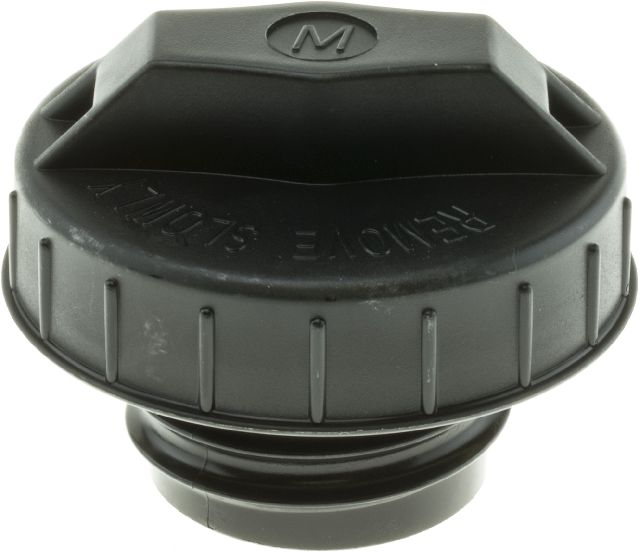
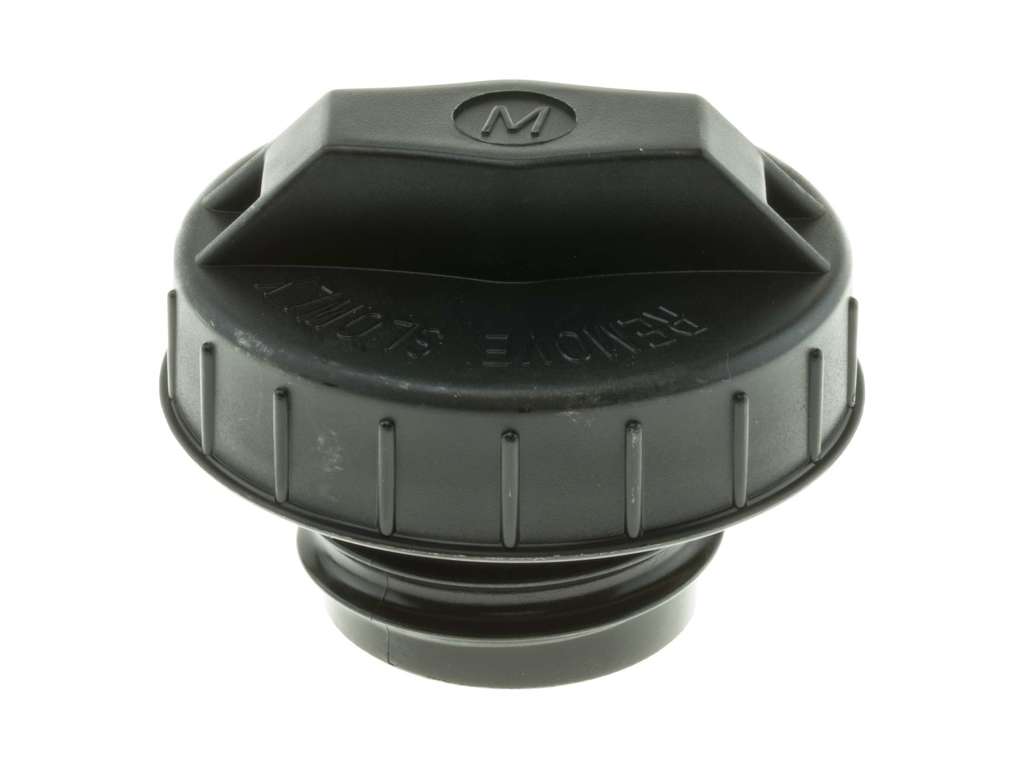
(OEM #77300-06040)— A worn out gas cap seal is a very common and simple-to-fix cause for EVAP codes. Using an OEM cap is highly recommended for proper sealing, as aftermarket caps are a known source of recurring issues.
Trusted brands: Toyota (OEM)
OEM price range: $25-$40
Aftermarket price range: $15-$25 - Charcoal Canister Assembly
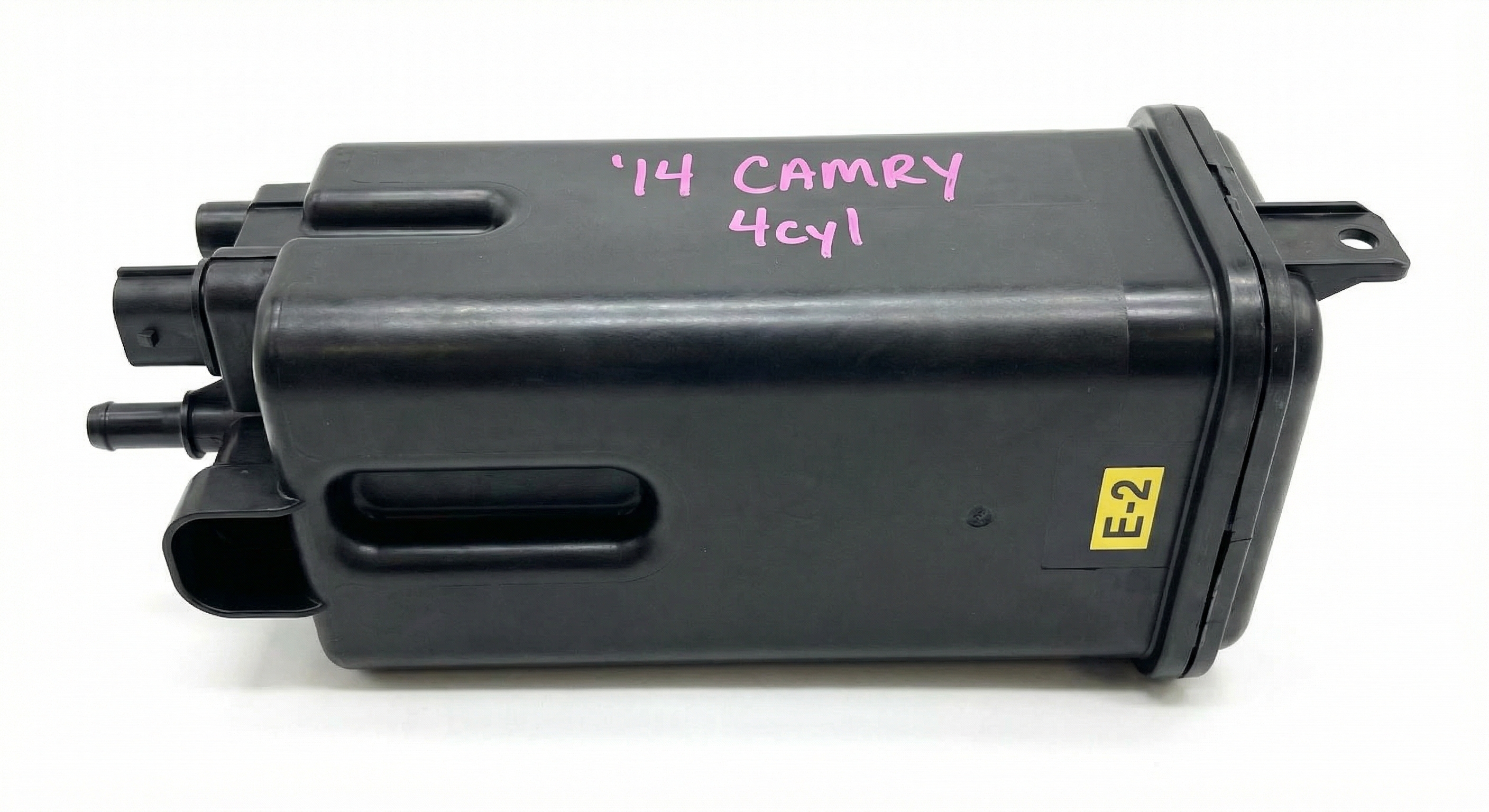
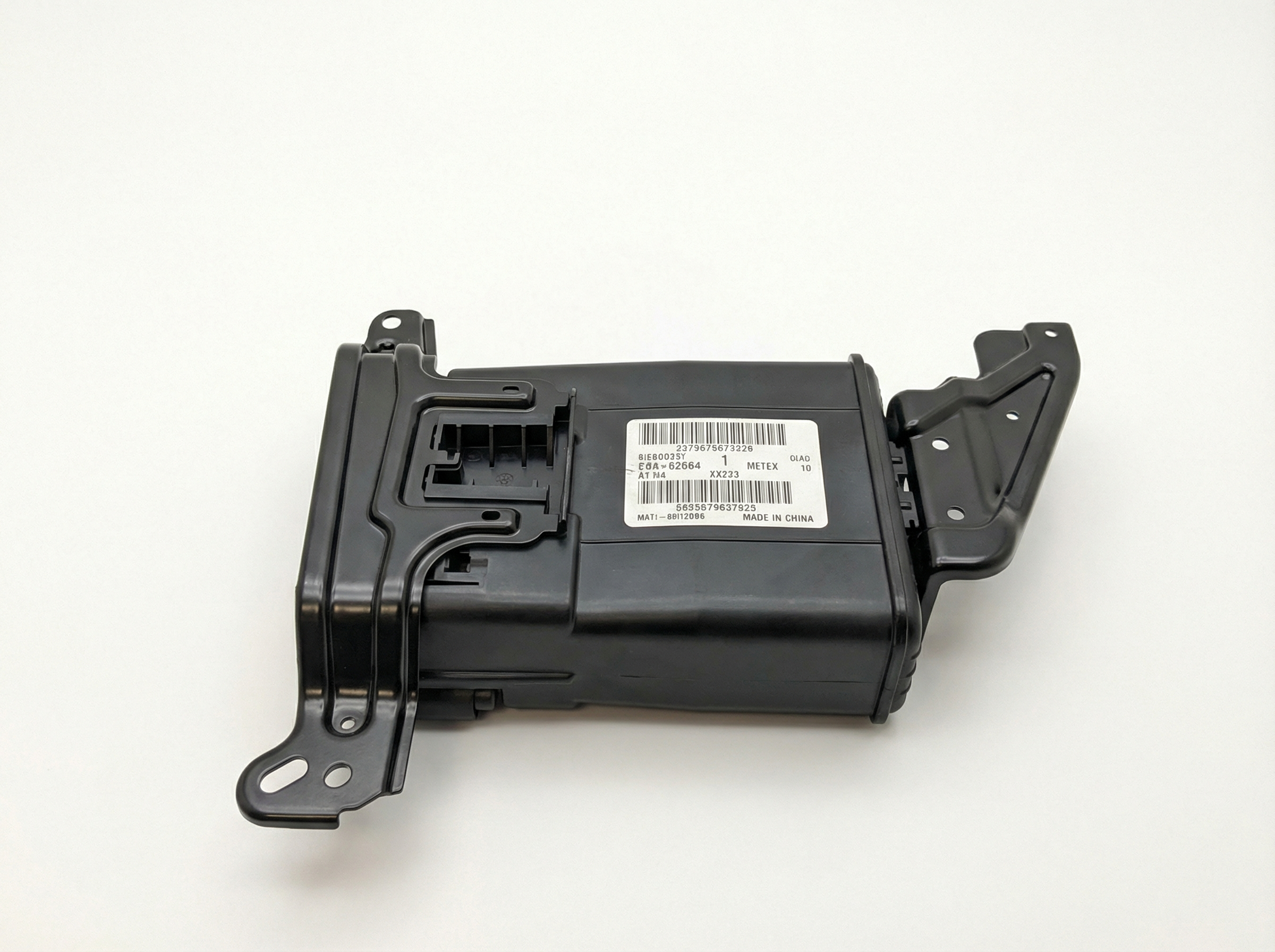
(OEM #77740-06190)— If the canister has failed and is leaking charcoal pellets, it must be replaced to provide a permanent fix. This is critical if multiple purge valves have failed due to contamination.
Trusted brands: Toyota (OEM)
OEM price range: $350-$500
Aftermarket price range: $200-$350
Related Codes That Often Appear With This One
- P0440 — P0440 indicates a general EVAP system malfunction. It can appear alongside P0441 if the system has multiple issues or if the computer flags a general fault before pinpointing the flow error.
- P0455 — This code indicates a large leak in the EVAP system. It frequently appears with P0441 when the cause is a very loose or missing gas cap, or a purge valve stuck open.
- P0446 — This code points to a problem with the EVAP system's vent control circuit, located near the charcoal canister. If the vent valve is clogged (often by charcoal pellets) or malfunctioning, it can cause the incorrect purge flow detected by P0441.
Platform-Specific Known Issues
- OEM Gas Cap is Critical: → Shop Fuel Tank Cap Multiple owner forums and mechanic discussions emphasize that aftermarket gas caps often fail to seal correctly, causing persistent EVAP codes. If P0441 appears after replacing a gas cap, ensure the replacement is a genuine OEM part.
- Charcoal Pellet Contamination: A known failure mode on Toyotas is the internal breakdown of the charcoal canister. Before replacing just the purge valve (VSV), it is critical to disconnect the line running from the canister to the valve and check for small black pellets. If found, the entire system must be cleaned and the canister replaced to prevent immediate failure of the new valve.
Mechanic-Grade Diagnostic Values
- Purge Solenoid Duty Cycle (Live Data) — expected: 5-20% at normal idle. Failure: Stuck at 0% (stuck closed) or 100% (stuck open) at idle.
- EVAP System Pressure (Live Data) — expected: Near 0 kPa at idle. Failure: Significant negative pressure (e.g., -5 kPa) or positive pressure at idle can indicate a blockage or leak.
- Purge Valve (VSV) Solenoid Resistance — expected: 15 to 30 Ohms (general value, not model-specific). Failure: A reading far outside this range indicates an internal electrical fault in the valve.
Hidden / Shadow Codes Worth Checking
- Mode $06, Monitor ID $3D: Represents the 'EVAP Valve Function Check'. A 'Fail' result for this monitor test can indicate a problem with the purge valve's operation before a full DTC like P0441 is set. (see via A professional scan tool capable of displaying Mode $06 test results.)
- Mode $06, Monitor ID $3B: Represents the 'Fuel Tank EVAP System Integrity/Leak Test'. A failure here points towards a leak in the system, which can sometimes accompany an incorrect flow code. (see via A professional scan tool capable of displaying Mode $06 test results.)
Scan Tool Commands That Help
- Toyota Techstream or equivalent professional scanner: EVAP System Check / Manual Operation — This function allows a technician to manually command components like the purge VSV and vent valve to open or close, which is essential for isolating a faulty component without relying on the ECM's automatic test cycle.
- Professional scanner with bidirectional controls: Purge Solenoid Actuation Test — Used to command the purge solenoid to open and close while the engine is at idle. The technician can listen for a click and feel for suction to confirm if the valve is physically responding to the command, helping to distinguish between a bad valve and a wiring issue.
Wiring & Ground Locations
- Ground Point C6 — On the cylinder block.. The EVAP purge solenoid (VSV) is an electronic component that requires a solid ground connection to function. A corroded or loose ground at this location could cause intermittent or total failure of the valve, mimicking the symptoms of a bad valve itself.
- Purge Valve Connector — On the purge valve/VSV in the engine bay.. The plastic connector or the pins within it can become brittle, corroded, or damaged, leading to a poor electrical connection. It's crucial to inspect the connector and wiring harness for integrity when replacing the valve.
Real Owner Repair Stories
- YouTube channel 'Ah Duuu' (2012 Toyota Camry Hybrid) — Check Engine Light with codes P0441 and P0455 (large leak).
❌ Tried (didn't work) The mechanic immediately suspected the purge valve based on the codes.
✅ What actually fixed it The mechanic tested the original purge valve by applying power and noted it was weak and slow to respond. He also performed a smoke test on the rest of the EVAP system, which passed, confirming no other leaks. Replacing the purge valve with a new OEM part and clearing the codes resolved the issue. - ALLDATA Tech-Assist Case Study (2018 Toyota Corolla (High Mileage: 368,473)) — Check Engine Light with code P0441, car ran fine.
❌ Tried (didn't work) Replacing the purge solenoid valve., Replacing the leak detection pump.
✅ What actually fixed it After a smoke test showed no significant leaks, the technician found the charcoal canister was extremely heavy because it was saturated with water, not fuel. Replacing the complete charcoal canister assembly provided a permanent fix. This is a rare failure mode applicable to high-mileage Toyotas.
"I Checked Everything" — The Actual Cause
- Because P0441 indicates an 'Incorrect Purge Flow' rather than a leak, it's common for the system to pass a smoke test. The actual fault is often a purge valve (VSV) that is stuck closed or electrically non-functional, preventing flow from starting. In this case, no smoke will leak because the system is sealed, but the ECM will set P0441 when it commands the valve open and sees no corresponding change in fuel tank pressure.
- In a documented edge case, a smoke test was clean, yet P0441 persisted. The root cause was a charcoal canister that had become saturated with water. This added weight and restriction to the system, impeding proper vapor flow, but did not present as a typical pressure leak that a smoke test would find.
OEM Part Supersession History
90910-12276→90910-TC001— Standard part revision and improvement by the manufacturer.
Heads up: The parts are directly interchangeable. 90910-TC001 is the current correct service part.
Diagnostic Flowchart
Other Known Issues on This Vehicle
Issues unrelated to this code that are worth knowing about as an owner of this generation:
- Torque Converter Shudder 🟠 Medium — Common on 2012-2014 models, typically felt as a vibration or rumble strip sensation under light acceleration between 25-50 mph. (Ref: TSB T-SB-0312-17 and Warranty Enhancement Program ZE5 describe the issue and repair, which may involve a fluid flush or torque converter replacement.)
- Brake Actuator Failure 🔴 High — Can occur on higher mileage vehicles, leading to a hard brake pedal, loss of ABS function, and various warning lights. It is an expensive repair. (Ref: No specific recall, but a well-documented issue among owners. The actuator (part # 44050-06170 for Hybrid) can fail internally.)
- Excessive Oil Consumption 🟡 Low — While more prevalent on the previous generation (2007-2011), some 2012-2017 models with the 2AR-FXE engine can consume oil at higher mileages, requiring frequent top-offs.
- Melting/Sticky Dashboard 🟡 Low — This issue primarily affected the prior generation (2007-2011), but was part of a broad Warranty Enhancement Program (ZE6) that covered vehicles up to 2011. While not a documented chronic issue for the 2012-2017 generation, the materials can still be affected by extreme heat and humidity. (Ref: Warranty Enhancement Program ZE6 (expired May 31, 2017))
- Water Pump Leak 🟠 Medium — The water pump on the 2AR-FXE engine is a potential failure point, sometimes before 100,000 km (62,000 miles), leading to coolant leaks.
Used vs. New Parts: Buying Guide for This Vehicle
When a used part is the smart pick: For this repair, using used parts is generally not recommended. The primary culprits (purge valve, gas cap, charcoal canister) are all wear-and-tear items. A used purge valve is especially risky as it's an electronic solenoid with a finite lifespan. A used charcoal canister is only a viable option if it's from a very low-mileage, accident-damaged vehicle from a dry climate, and even then it carries risk.
Donor-vehicle mileage cap: roughly under 40000 miles for the part to have meaningful remaining life.
What to inspect on the donor part:
- For a charcoal canister, ensure the donor vehicle was not in a flood and shows no signs of rust on the undercarriage.
- Check the canister for any physical cracks or damage.
- Ask for the VIN of the donor car to verify low mileage and a clean, non-salvage title (where possible).
OEM-only on this vehicle (don't cheap out):
- Fuel Cap: Aftermarket gas caps are a very common cause of recurring EVAP codes on Toyotas due to improper sealing. Always use a genuine Toyota (OEM) cap.
- Vapor Canister Purge Valve (VSV): While some high-quality aftermarket options exist, the OEM part (or one from the original supplier like Denso or Aisin) is the most reliable choice to ensure correct flow characteristics and longevity.
Aftermarket brands forum-validated for this vehicle:
- Denso (often the OEM supplier)
- Aisin (often the OEM supplier)
- Standard Motor Products (SMP)
Brands owners have reported issues with on this vehicle:
- Unbranded, low-cost parts from online marketplaces should be avoided, as their quality control and adherence to Toyota's specific flow specifications are often questionable.
Documented NHTSA Reports
NHTSA ODI #11331260
Symptoms: An owner reported the car was not performing properly. A scanner revealed multiple codes including P0441, P0455, P0171, and P0505. The owner also noted the fuel pump was making a noise indicating it was bad.
NHTSA ODI #11415574
Symptoms: A report describes a situation where the leak detection pump and vapor canister purge solenoid were replaced, but it did not resolve the P0441 and P0455 codes.
NHTSA ODI #11651658
Symptoms: An owner reported that the ABS, Brake, and Traction Control lights illuminated. A dealer review found error codes C1391 and P0441.
NHTSA ODI #11703613
Symptoms: A report notes the check engine light came on with codes P0441 (Incorrect Purge Flow) and P0445 (Large Leak), along with P0505 and P0171.
NHTSA ODI #10314949
Symptoms: An owner experienced a sensation as though the vehicle was switching gears or losing power. A dealer found codes P0441 and P2716, leading to the replacement of the Engine Control Module.
Real Owner Stories
Aggregated from forums and TSBs cited above. Mileages and costs reflect what owners reported in those sources.
2010 Toyota Camry
Symptoms: The vehicle had a P0441 and P0455 code present and needed to clear monitors for an emissions test.
What fixed it: Tightening or replacing a loose gas cap and completing a drive cycle to clear the monitors.
Source hint: Reddit (r/MechanicAdvice)
2012-2017 Toyota Camry Hybrid 2.5L
Symptoms: P0441 code appearing specifically when the fuel tank was not full.
What fixed it: Replacing the purge solenoid (VSV) or installing a genuine OEM gas cap.
Source hint: Reddit (r/MechanicAdvice)
Related OBD-II Codes
Frequently Asked Questions
I replaced my gas cap with one from an auto parts store but the P0441 code came back. Why?
Can a failed charcoal canister damage other parts of my Camry Hybrid's EVAP system?
My Camry Hybrid has a vibration between 25-50 mph; is this related to the P0441 code?
How can I tell if my purge valve is stuck open without a scan tool?
Is the P0441 code related to the brake actuator issues on high-mileage Camry Hybrids?
Will a P0441 code prevent me from passing an emissions inspection?
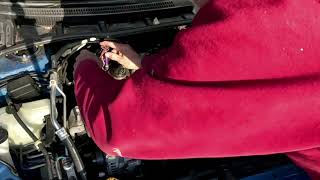
Helpful Videos
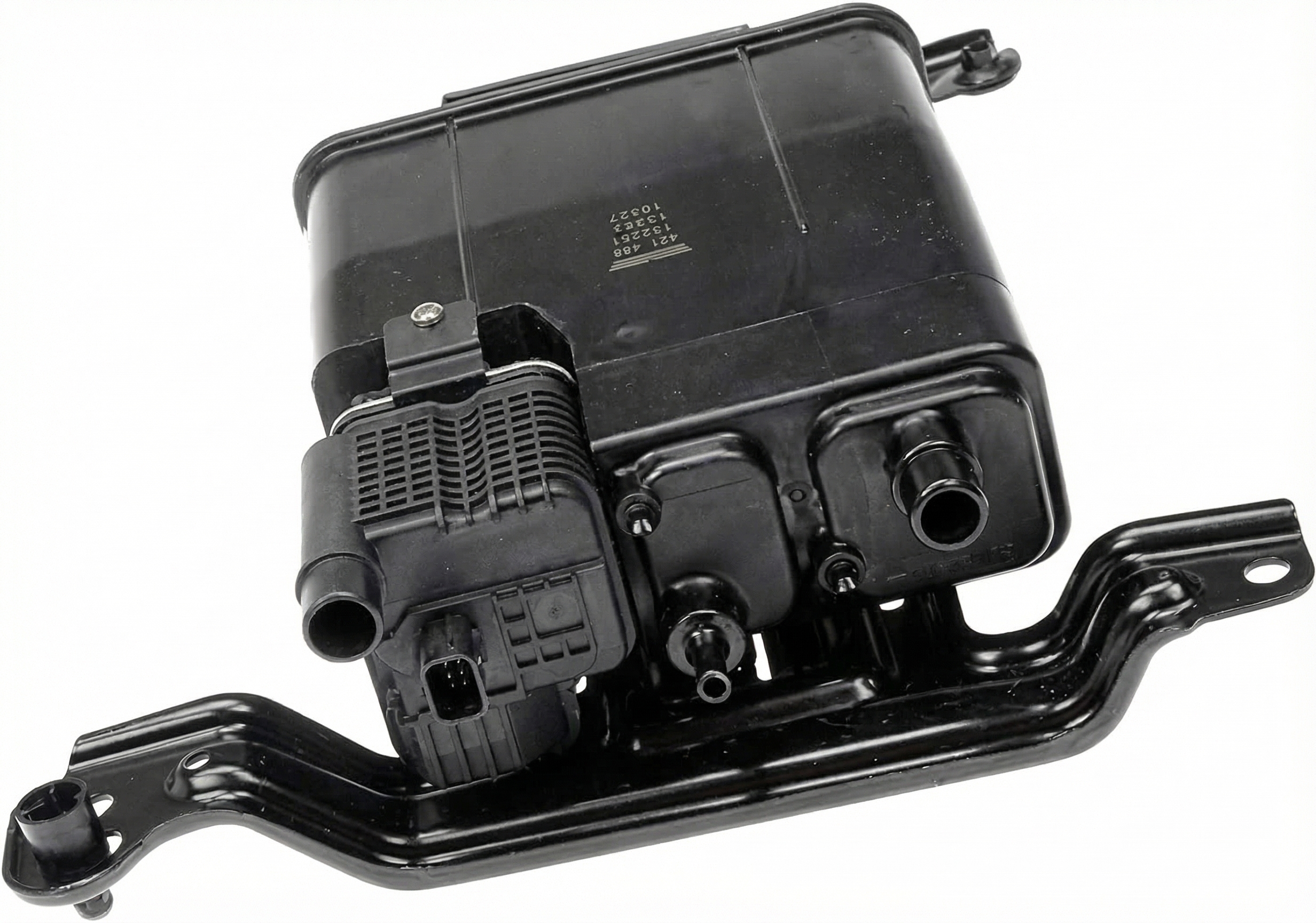
Used OEM Parts in Stock
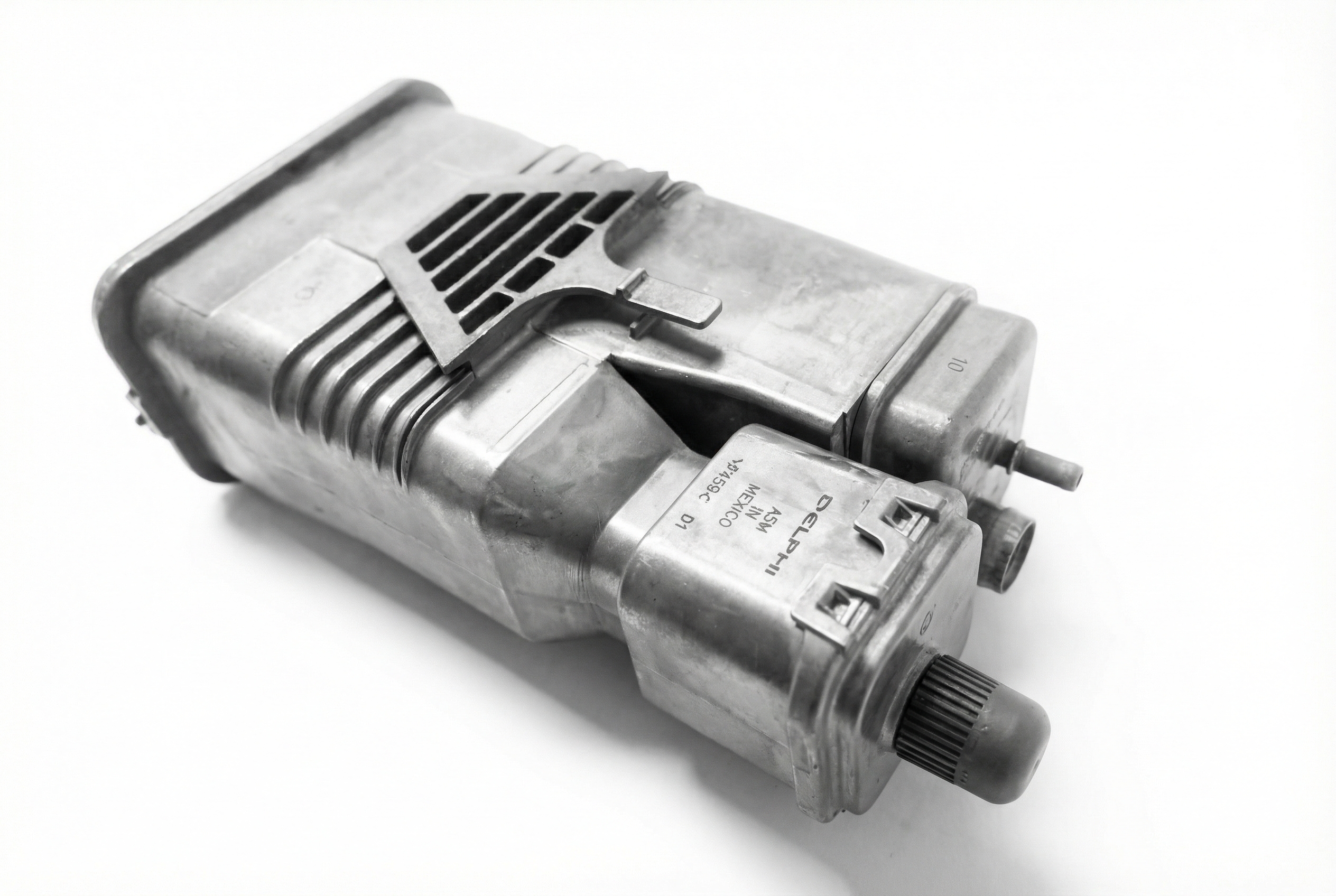
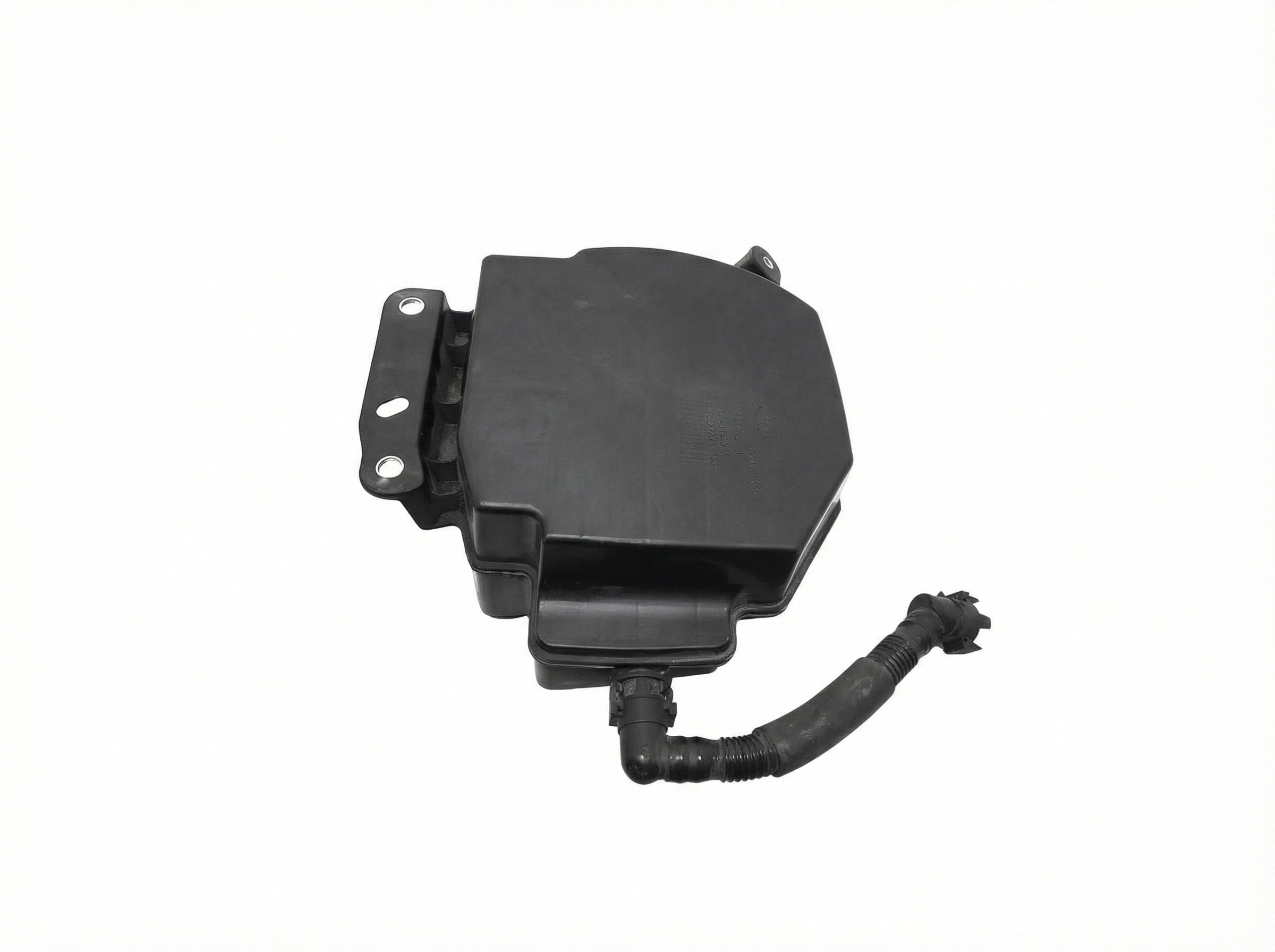

New Aftermarket Parts Available


The information in this article is provided for general reference and educational purposes only. Vehicle specifications, procedures, and part compatibility can vary by production date, trim level, and region. Always consult your vehicle's factory service manual and verify part numbers before purchasing or performing repairs. Safety-critical components such as airbags, seat belts, and braking systems should be installed by a qualified professional.
- Toyota Camry Hybrid:
- 🧭 Diagnostic Flowchart
- 🎬 Helpful Videos
- 🛍️ Shop This Part
- What's Unique About the 2012-2017 Toyota Camry Hybrid
- Symptoms You May Notice
- Most Likely Causes
- Diagnosis Steps
- Parts You'll Likely Need
- Related Codes That Often Appear With This One
- Platform-Specific Known Issues
- Mechanic-Grade Diagnostic Values
- Hidden / Shadow Codes Worth Checking
- Scan Tool Commands That Help
- Wiring & Ground Locations
- Real Owner Repair Stories
- "I Checked Everything" — The Actual Cause
- OEM Part Supersession History
- Other Known Issues on This Vehicle
- Used vs. New Parts: Buying Guide for This Vehicle
- Documented NHTSA Reports
- NHTSA ODI #11331260
- NHTSA ODI #11415574
- NHTSA ODI #11651658
- NHTSA ODI #11703613
- NHTSA ODI #10314949
- Real Owner Stories
- 2010 Toyota Camry
- 2012-2017 Toyota Camry Hybrid 2.5L
- Related OBD-II Codes
- Frequently Asked Questions
- 🎟️ Get 5% Off