

P0441 on 2014-2019 Toyota Highlander: EVAP Incorrect Purge Flow Causes and Fixes
For a 2014-2019 Highlander, code P0441 is most often caused by a faulty engine-bay-mounted purge valve solenoid or a loose gas cap. Start by checking the gas cap, but expect to replace the purge valve for a permanent fix. An OEM purge valve costs around $70-$100 and is a 10-minute DIY job.
- Start with the simplest fix: tighten your gas cap and inspect its seal.
- If the light returns, the most likely culprit is the purge valve solenoid located
What's Unique About the 2014-2019 Toyota Highlander
While P0441 is a standard code, on the 3rd generation Highlander the most common culprits are very accessible to a DIYer. The purge valve is located right on top of the engine, making for a quick check and replacement. Owners have reported that using a genuine Toyota (OEM) purge valve is crucial, as aftermarket versions have sometimes failed to resolve the code, leading to repeat repairs.
Symptoms You May Notice
- Check Engine Light is on
- A faint smell of fuel, particularly around the gas cap area or engine bay
- Slightly reduced fuel economy
- In rare cases, difficulty starting the engine immediately after refueling
- On some models, other warning lights like 'AWD Light' may illuminate along with the Check Engine Light
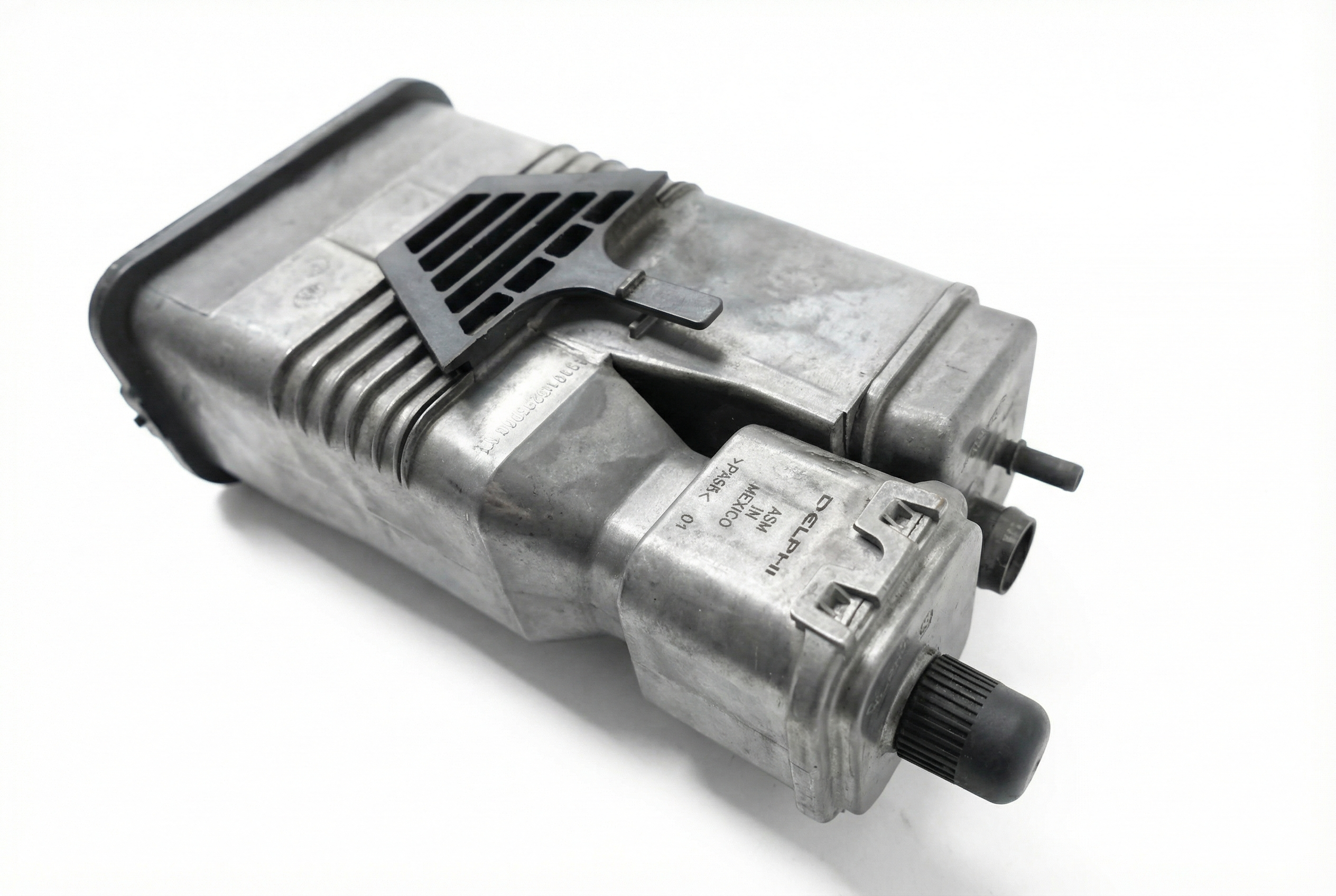
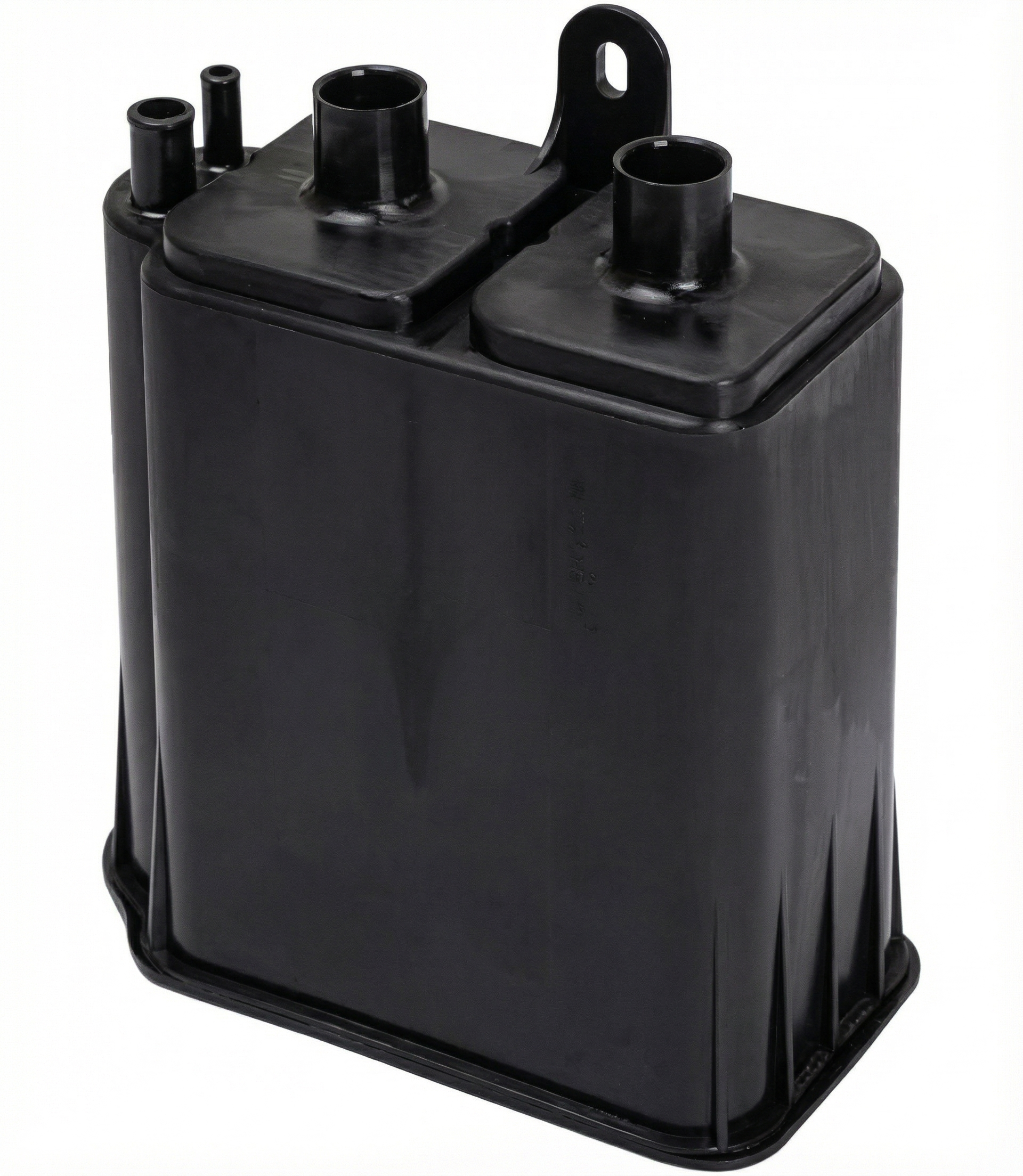
- Replacing the charcoal canister first. This is an expensive part and is rarely the cause of an isolated P0441 code.
- Using a cheap, non-OEM gas cap or purge valve, which may not meet Toyota's specific tolerances and fail to fix the code, leading to repeat repairs and frustration.
Most Likely Causes
- Faulty Purge Valve / Solenoid (VSV) 🔴 High Probability → Shop Vapor Canister This is a common failure point on many modern vehicles, including the Highlander. The valve can get stuck open or closed over time due to wear or contamination from fuel vapors.
How to confirm: The valve is located on top of the engine near the engine cover. With the engine off, remove the valve and try to blow through it. If air passes, it's stuck open and faulty. You can also test for a clicking sound by applying 12V to its terminals, though a lack of clicking doesn't rule out an internal leak.
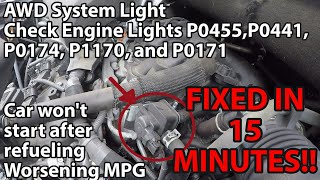
Typical fix: Replace the purge valve solenoid. It is mounted with two 10mm bolts and has two vacuum hoses and one electrical connector. This is a very common and straightforward DIY repair 🎬 See how to fix this P0441 error in under 5 minutes. that can be done in under 15 minutes. 🎬 Watch: A step-by-step walkthrough for replacing the purge valve.
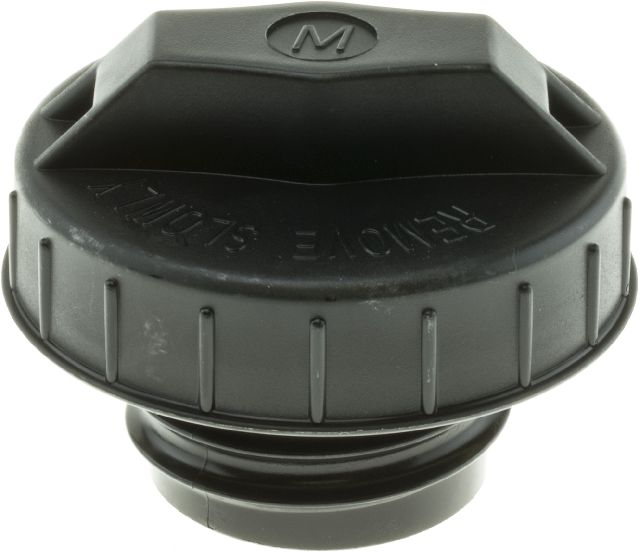
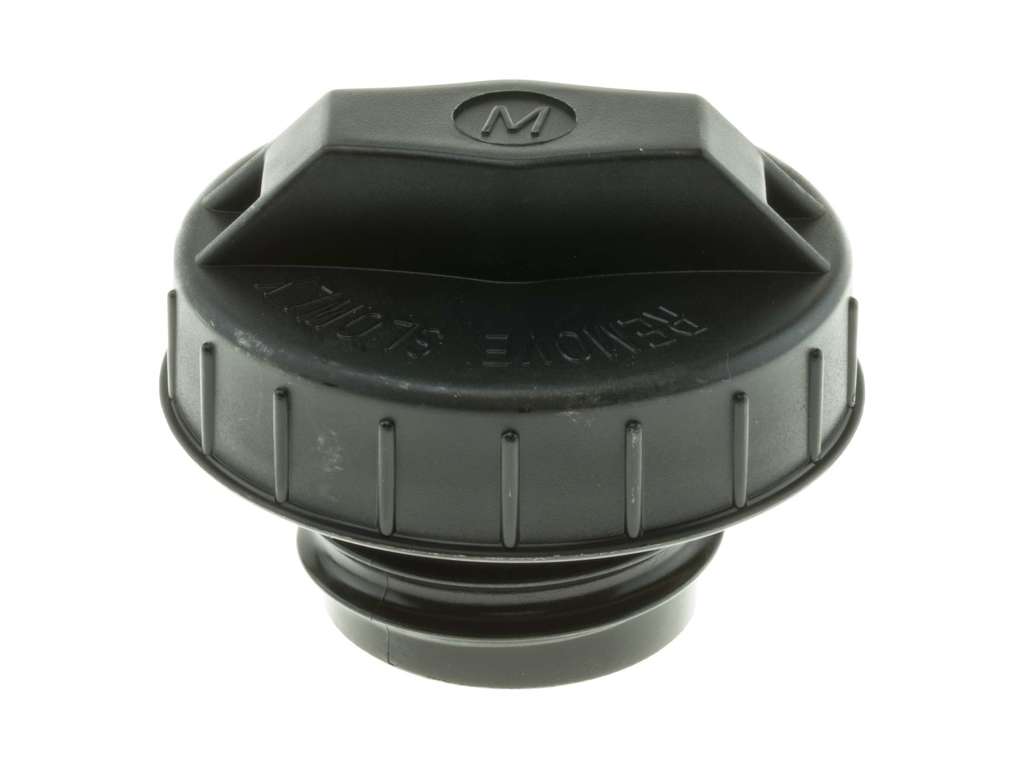
Est. part cost: $50-$100 - Loose or Faulty Gas Cap 🟡 Medium Probability → Shop Fuel Tank Cap The gas cap seal (o-ring) can degrade over time, preventing a proper seal. It's also extremely common for the cap to simply not be tightened enough after refueling, which will set this code.
How to confirm: First, ensure the cap is tightened until it clicks several times. Inspect the rubber seal for cracks, stiffness, or damage. If the light returns after tightening and driving for a few days, a faulty cap is likely.
Typical fix: Replace the gas cap. It is highly recommended to use an OEM Toyota gas cap, as some aftermarket caps do not seal correctly and can cause the code to return.
Est. part cost: $20-$35 - Cracked or Disconnected EVAP Vacuum Hose ⚪ Low Probability → Shop Vacuum Hose Rubber hoses in the engine bay are exposed to extreme heat and can become brittle and crack over time. A hose could also be accidentally disconnected during other service. This is a more likely failure on older, higher-mileage vehicles.
How to confirm: Visually inspect the vacuum lines connected to the purge valve and running along the top of the engine. Look for obvious cracks, breaks, or loose connections. A smoke test is the definitive way to find a small leak that isn't visible.
Typical fix: Replace the cracked section of hose or re-secure the connection. Vacuum hose is inexpensive and can be cut to length.
Est. part cost: $5-$20
Rare But Worth Checking
- Faulty Charcoal Canister: → Shop Vapor Canister This is less common for a P0441 code alone and is often accompanied by other codes like P0442 or P0455. The canister can become saturated with fuel (often from habitually overfilling the gas tank) or develop internal faults. It's usually suspected after all other, more common causes have been ruled out.
- Wiring Issue to Purge Valve: → Shop Vapor Canister Damage to the wiring harness or connector for the purge valve can prevent it from operating correctly. This is rare but possible, especially if other engine work has been performed recently. A mechanic would need to perform electrical testing to confirm.
Diagnosis Steps
- Read the code with an OBD-II scanner to confirm P0441 is present. Note any other codes. 🎬 Watch: How a faulty purge valve can trigger multiple engine codes.
- Inspect the gas cap. Remove it, check the seal for damage, and reinstall it, ensuring it clicks multiple times. Clear the code and drive for a few days to see if it returns.
- If the code returns, perform a thorough visual inspection of the vacuum hoses in the engine bay, especially those connected to the purge valve. Look for brittleness, cracks, or loose connections.
- Locate the purge valve on top of the engine. With the engine off, disconnect it and test if it's stuck open by trying to blow through it. If air passes, it needs replacement.
- If the purge valve seems okay, consider replacing it anyway, as it's the most probable cause after the gas cap. It is a known high-failure item. Use an OEM part.
- If the problem persists after replacing the gas cap and purge valve, a professional smoke test is recommended to find any hairline cracks or hidden leaks in the EVAP system.
- In very rare cases where a smoke test reveals no leaks, the charcoal canister or the ECM itself could be at fault, which requires professional diagnosis.
Parts You'll Likely Need
- Vapor Canister Purge Valve / Solenoid
(OEM #90910-12276 (superseded by 90910-TC001))— This is the most common mechanical failure point for this code on the Highlander.
Trusted brands: Toyota (OEM), Denso
OEM price range: $70-$100
Aftermarket price range: $30-$60 - Fuel Tank Cap
(OEM #77300-06041)— A worn seal on the gas cap is a very common cause for all EVAP codes and is the easiest first step.
Trusted brands: Toyota (OEM)
OEM price range: $25-$35
Aftermarket price range: $10-$20
Related Codes That Often Appear With This One
- P0442 — P0442 indicates a small EVAP leak. If the source of the incorrect purge flow (P0441) is a cracked hose or bad purge valve seal, that same fault can be detected as a system leak.
- P0455 — P0455 indicates a large EVAP leak. A completely disconnected hose or a very bad purge valve stuck wide open could trigger both codes.
- P0446 — P0446 indicates a problem with the EVAP system's vent control circuit. While a different part of the system, a failure in one area can sometimes lead the computer to flag issues in another.
Platform-Specific Known Issues
- There is a known safety recall for the fuel pump on 2017-2019 Highlanders. While it does not directly cause code P0441, it is a significant issue for these model years that owners should be aware of.
- A user on CarKiller.com reported a frustrating experience where the P0441 code returned even after replacing the purge valve (twice) and the gas cap, and performing a smoke test. This highlights that in rare cases, the issue can be difficult to trace, potentially involving wiring or the ECM.
Documented NHTSA Reports
- In NHTSA ODI #11415574, a Toyota owner reported that replacing the system leak detection pump and the vapor canister purge solenoid did not resolve the P0441 code, which appeared alongside P0455 and P0171.
- NHTSA ODI #11331260 describes a Toyota vehicle not performing properly with multiple codes including P0441, P0171, and P0455, where the owner also noted the fuel pump was making a noise indicating it was failing.
- A report in NHTSA ODI #11703613 notes that P0441 appeared in conjunction with P0445 (large leak), P0505 (idle control), and P0171 (lean condition).
- NHTSA ODI #11651658 mentions P0441 appearing alongside brake and traction control lights (error code C1391), which the dealer initially stated was covered under a customer service program.
- In NHTSA ODI #10314949, a Toyota owner experienced a sensation of losing power or switching gears; the dealer found P0441 and P2716, eventually requiring the replacement of the Engine Control Module (ECM).
Mechanic-Grade Diagnostic Values
- Purge Valve (VSV) Coil Resistance — expected: 23 to 26 Ω at 20°C (68°F). Failure: A reading outside this range indicates a faulty coil. An infinite reading means an open circuit; a zero reading indicates a short.
- Purge Valve (VSV) Resistance to Ground — expected: 10 MΩ or higher. Failure: A low resistance reading indicates a short to ground within the valve body.
- Purge Valve (VSV) Connector Voltage — expected: Battery voltage (~12V) on one pin with key on, engine off.. Failure: No voltage suggests a wiring issue, blown fuse, or problem with the EFI relay.
- Mode $06 Monitor ID $82, Test ID $03 (EVAP Purge Monitor) — expected: Value should be above a minimum threshold set by the ECU.. Failure: The P0441 code is set when the measured EVAP pressure change is below 0.1 kPa-g when the purge operation starts.
Hidden / Shadow Codes Worth Checking
- Mode $06, TID $82: This is not a DTC but a test result from the onboard diagnostic monitor for the EVAP Purge Flow. The ECU runs a two-part monitor. It first checks for a negative pressure change when the purge valve opens. If that test is inconclusive, it runs a second test while the vent valve is closed. A failure of this monitor results in P0441. (see via A professional scan tool capable of displaying Mode $06 data.)
Scan Tool Commands That Help
- Toyota Techstream: Active Test: 'Activate the VSV for EVAP' — This allows a technician to manually command the purge valve open and closed while the engine is running to verify its mechanical and electrical operation. You can check for an audible click and a change in engine idle or fuel trims.
- Toyota Techstream: Utility: 'All Readiness' or 'Evaporative System Check (Automatic Mode)' — This forces the ECU to run the complete EVAP monitor sequence, which normally only runs under specific driving conditions. It's used to confirm a repair is successful without having to perform multiple drive cycles. The test takes approximately 18 minutes.
Wiring & Ground Locations
- Engine Harness Grounds — Key ground points for the 2GR-FE are located on the side of the cylinder heads. One is under the throttle body area, and another is on the front head. There are also ground straps from the valve covers to the chassis.. A poor engine ground can cause incorrect sensor readings and erratic behavior from ECU-controlled solenoids like the purge valve. While not a primary cause, it's a crucial check in difficult diagnostic cases.
- Purge Valve Connector — A 2-pin electrical connector on the purge valve solenoid, located on top of the engine.. This is where voltage and resistance tests are performed. One pin receives battery voltage from the EFI relay, and the other is the control (ground) side, which is pulse-width modulated by the ECM.
Real Owner Repair Stories
- Reddit user on r/ToyotaHighlander (Toyota Highlander (year not specified, but in a thread about P0441)) — Persistent P0441 Check Engine Light.
❌ Tried (didn't work) Replacing the gas cap (twice, the second time with an OEM part)., Replacing the purge control valve/solenoid., Performing a smoke test, which showed no leaks.
✅ What actually fixed it The cause was never definitively found. The light stayed off after the owner took the vehicle to a tire shop for unrelated work, where they cleared the code. The owner drove 160+ miles without the light returning, suggesting a possible intermittent fault or a sensitive monitor that was satisfied after the hard reset. - CarKiller.com Forum User (2017 Toyota Highlander SE, 106k miles) — P0441 code that keeps returning.
❌ Tried (didn't work) Replacing the purge valve (under warranty, so likely twice)., Replacing the gas cap with an OEM part., Replacing the fuel pump (related to a recall)., Performing a smoke test.
✅ What actually fixed it The issue was unresolved at the time of posting, even after spending over $1,000 with three different mechanics. The next recommended step was advanced diagnostics with a bi-directional scan tool to test wiring and the ECU, as simple parts replacement had failed.
"I Checked Everything" — The Actual Cause
- In one documented case, a Highlander owner had a persistent P0441 code despite replacing the purge valve and OEM gas cap. A professional smoke test revealed no leaks in the system. The code was eventually cleared by a shop and did not return, leaving the final cause unknown. This suggests that in some instances, the fault may be intermittent or the ECU's readiness monitor may require a hard reset with a scan tool after repairs, rather than just drive cycles.
When the Usual Fixes Don't Work
- While replacing the purge valve and gas cap resolves P0441 in most cases, there are multiple owner reports of these fixes not working. In one instance, after replacing both common parts and passing a smoke test, the code only stayed off after being cleared by a shop's scan tool, suggesting a potential software or intermittent electrical issue that a simple parts swap couldn't fix. In another severe case, a 2017 Highlander owner spent over $1,000 on these repairs with multiple mechanics to no avail, indicating that a persistent P0441 can sometimes point to a deeper, hard-to-diagnose wiring or even ECU problem.
OEM Part Supersession History
90910-12276→90910-TC001— Standard part evolution, likely for improved durability or material changes.25860-31110→25860-0P090— Part update, potentially related to the 2017 engine refresh.
Heads up: This part number series is associated with the 2GR-FKS engine found in 2017+ models. It may have a different electrical connector than the part for the 2014-2016 2GR-FE.
Model Year Variations Within This Range
- 2017-2019: For the 2017 model year, the Highlander V6 received a mid-cycle refresh, replacing the 2GR-FE engine with the 2GR-FKS. This new engine was paired with an 8-speed transmission. While the EVAP system functions similarly, components like the purge valve may have different part numbers and potentially different electrical connectors. Owners of 2017+ models should double-check the OEM part number for their specific VIN before ordering parts.
Diagnostic Flowchart
Other Known Issues on This Vehicle
Issues unrelated to this code that are worth knowing about as an owner of this generation:
- 8-Speed Transmission Shudder / Harsh Shifting (2017-2018) 🔴 High — Common on early 8-speed models (2017-early 2018). Symptoms include hesitation, jerking, and whining, sometimes leading to complete failure. (Ref: Toyota issued a Customer Support Program (ZJC) to extend warranty coverage for this issue on certain VINs.)
- Torque Converter Shudder (6-Speed Models) 🟠 Medium — Affects models with the 6-speed automatic (2014-2016), causing a vibration or shudder under light throttle between 25-50 mph. (Ref: Toyota issued a Warranty Enhancement Program (ZH1) to extend coverage for repairs.)
- Water Leaks from Sunroof/Moonroof 🟠 Medium — Reported across multiple model years. Clogged drain tubes cause water to overflow and leak into the cabin, typically soaking the A-pillar trim and floorboards.
- Entune Infotainment System Glitches 🟡 Low — Common complaints include the screen freezing, randomly rebooting, Bluetooth connectivity issues, and GPS errors. (Ref: Toyota issued TSB B004522Rev1 to address software-related glitches with a dealer-installed update.)
- Timing Cover Oil Leak 🟠 Medium — A known issue on the 2GR-FE engine where the sealant for the front timing cover fails, causing an oil leak. It is expensive to repair as it requires engine removal.
Used vs. New Parts: Buying Guide for This Vehicle
When a used part is the smart pick: For the purge valve/solenoid, a used OEM part from a reputable recycler (especially from a low-mileage, rear-ended vehicle) can be a cost-effective and reliable alternative to a new aftermarket part. Avoid used gas caps entirely.
Donor-vehicle mileage cap: roughly under 75000 miles for the part to have meaningful remaining life.
What to inspect on the donor part:
- Check for the genuine Toyota or Denso branding on the part body.
- Ensure the plastic housing is not cracked or showing signs of extreme heat stress.
- Verify the electrical connector pins are clean, straight, and free of corrosion.
- Ask the seller for the donor vehicle's VIN to cross-reference the exact part number.
OEM-only on this vehicle (don't cheap out):
- Gas Cap - Aftermarket gas caps are a notorious cause of recurring EVAP codes due to improper sealing. Always use a genuine Toyota cap.
Aftermarket brands forum-validated for this vehicle:
- Denso (Aftermarket) - Denso is the original equipment manufacturer for many Toyota parts. While their aftermarket line may not be identical to the dealer part, it is generally considered the highest quality alternative.
Brands owners have reported issues with on this vehicle:
- Unnamed 'white box' or cheapest-available online parts. Forum discussions frequently warn that these parts may fail quickly or not meet the precise flow/resistance specifications, causing the code to return.
Real Owner Stories
Aggregated from forums and TSBs cited above. Mileages and costs reflect what owners reported in those sources.
2017 Toyota Highlander 2GR-FE — 106000 miles
Symptoms: Persistent P0441 code that returned after multiple repair attempts.
What fixed it: The root cause was never definitively confirmed by the owner despite replacing the purge valve, OEM gas cap, and fuel pump; the story highlights the need for bi-directional scan tool diagnostics when simple part swaps fail.
Cost: $1,000-$1,100
Source hint: CarKiller.com Forum
2014-2019 Toyota Highlander 2GR-FE
Symptoms: Code P0441 returned after replacing the gas cap twice and the purge valve; a smoke test found no leaks.
What fixed it: The light eventually stayed off after the code was cleared by a tire shop, though the definitive root cause remained unconfirmed.
Source hint: Reddit r/ToyotaHighlander: Thread URL: reddit.com/r/ToyotaHighlander/comments/17q3h3c/po441_code/
Related OBD-II Codes
Frequently Asked Questions
Is there a recall for the 2017-2019 Highlander that causes the P0441 code?
My 2014-2016 Highlander has a shudder while driving; is this related to the P0441 EVAP code?
Can I use an aftermarket gas cap to fix the P0441 code on my Highlander?
Where is the purge valve located on the 2GR-FE V6 engine?
Why did my AWD light come on at the same time as the Check Engine Light for P0441?
Is there a TSB for the infotainment screen freezing on my 2014-2019 Highlander?
Helpful Videos

Used OEM Parts in Stock
New Aftermarket Parts Available


The information in this article is provided for general reference and educational purposes only. Vehicle specifications, procedures, and part compatibility can vary by production date, trim level, and region. Always consult your vehicle's factory service manual and verify part numbers before purchasing or performing repairs. Safety-critical components such as airbags, seat belts, and braking systems should be installed by a qualified professional.
- Toyota Highlander:
- 🧭 Diagnostic Flowchart
- 🎬 Helpful Videos
- 🛍️ Shop This Part
- What's Unique About the 2014-2019 Toyota Highlander
- Symptoms You May Notice
- Most Likely Causes
- Rare But Worth Checking
- Diagnosis Steps
- Parts You'll Likely Need
- Related Codes That Often Appear With This One
- Platform-Specific Known Issues
- Documented NHTSA Reports
- Mechanic-Grade Diagnostic Values
- Hidden / Shadow Codes Worth Checking
- Scan Tool Commands That Help
- Wiring & Ground Locations
- Real Owner Repair Stories
- "I Checked Everything" — The Actual Cause
- When the Usual Fixes Don't Work
- OEM Part Supersession History
- Model Year Variations Within This Range
- Other Known Issues on This Vehicle
- Used vs. New Parts: Buying Guide for This Vehicle
- Real Owner Stories
- 2017 Toyota Highlander 2GR-FE — 106000 miles
- 2014-2019 Toyota Highlander 2GR-FE
- Related OBD-II Codes
- Frequently Asked Questions
- 🎟️ Get 5% Off