

P0441 on 2013-2018 Toyota RAV4: Incorrect Purge Flow Causes and Fixes
For a 2013-2018 Toyota RAV4, the P0441 code is most often caused by a loose or faulty gas cap, or a failing purge valve. Start by checking the gas cap for a tight seal, as a new OEM cap is an inexpensive first step (~$25-$40). If that fails, the purge valve in the engine bay is the next most likely culprit.
- P0441 on a 2013-2018 RAV4 points to a problem with the EVAP system's purge flow.
- Do not ignore the code, as you will fail an emissions test.
- Always start with the simplest and cheapest fix: check, clean, or replace the gas cap with a genuine OEM part.
- If the gas cap doesn't solve the issue, the purge valve in the engine bay is the next most likely culprit.
- A smoke test is the best method to find hard-to-see cracks in EVAP hoses.
What's Unique About the 2013-2018 Toyota RAV4
The 2013-2018 RAV4 (fourth generation, XA40) has a fairly standard and reliable EVAP system. However, like many modern Toyotas, the system is sensitive to pressure changes. Owners and technicians frequently report that the first and most common culprits for a P0441 code are the simplest to fix: the gas cap and the purge valve located in the engine bay. Using a non-Toyota aftermarket gas cap is a frequent cause of recurring codes. Cracked EVAP hoses have also been noted, sometimes due to the vehicle's use or age, or being disconnected during other maintenance.
Symptoms You May Notice
- Check Engine Light is on
- A faint smell of fuel, particularly around the gas cap or rear of the vehicle
- A hissing sound from the gas tank area when idling
- Difficulty starting the engine immediately after refueling.
- Rough or erratic idle.
- Replacing the oxygen (O2) sensors. O2 sensors are not related to the EVAP system.
- Immediately replacing the expensive charcoal canister without performing a smoke test to confirm a leak in the canister itself.
- Using a cheap, aftermarket gas cap which fails to seal properly and causes the code to return.
Most Likely Causes
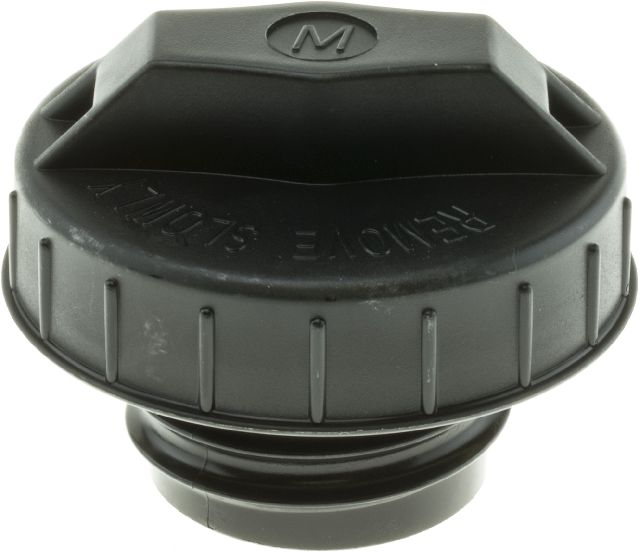
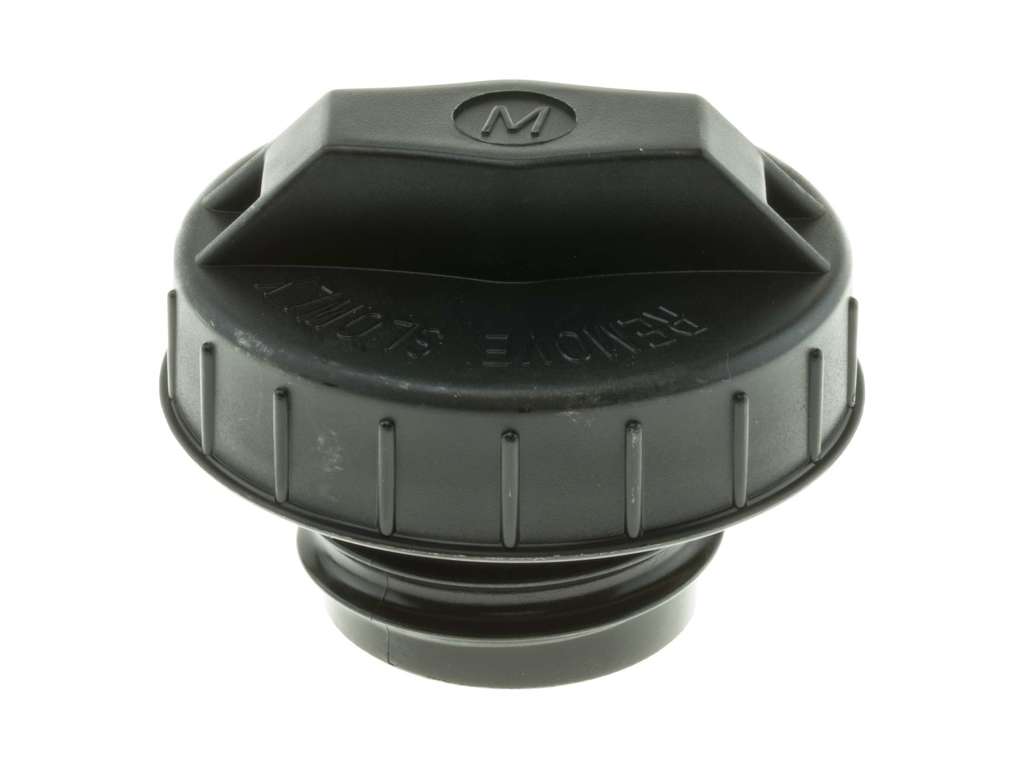
- Loose, Worn, or Incorrect Gas Cap 🔴 High Probability → Shop Fuel Tank Cap The gas cap is a critical seal for the EVAP system. Over time, the rubber O-ring can degrade, crack, or get dirty, preventing a proper seal. Using a non-OEM cap is a very common reason for this code to appear or return after a fix.
How to confirm: Inspect the gas cap for any visible cracks or damage to the seal. Ensure it is tightened until it clicks. If the seal looks worn, you recently got gas, or you are using an aftermarket cap, this is a highly likely cause. A gas cap tester can definitively confirm if it's holding pressure.
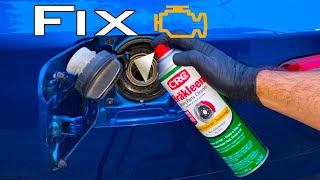
Typical fix: Clean the cap and filler neck sealing surfaces. 🎬 See this simple trick to fix your gas cap for free If that doesn't work, replace the gas cap with a new, OEM (Original Equipment Manufacturer) part.
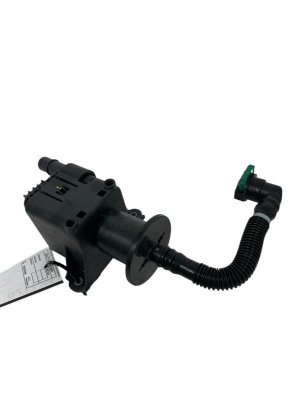
Est. part cost: $25-$40 - Faulty Purge Valve (Vapor Purge Solenoid) 🔴 High Probability → Shop Vapor Canister This solenoid valve, located in the engine bay, controls the flow of fuel vapors into the engine. It can get stuck open or closed due to carbon buildup or simple mechanical failure over time. It is a very frequent failure point for P0441 on Toyotas.
How to confirm: The valve is located on the engine. With the engine off, it should be closed; you can remove it and try to blow through it to see if it's stuck open. With the engine running, you can use a scan tool to command it open and listen for a clicking sound or feel for vacuum on the canister side.
Typical fix: Replacement of the purge valve is straightforward. It is usually held in place by a bracket and connected by two hoses and an electrical connector. A Reddit user reported the code returning even after two replacements, suggesting one should verify the part is functional before assuming it's the final fix.
Est. part cost: $40-$90 - Cracked or Disconnected EVAP Hoses/Lines 🟡 Medium Probability The rubber and plastic hoses in the EVAP system, especially those in the engine bay, can become brittle and crack from heat and age. Hoses can also be accidentally disconnected during other engine work, like a spark plug change.
How to confirm: Visually inspect all accessible EVAP hoses for cracks, especially at connection points. A smoke test is the most effective way to find a leak. This involves injecting smoke into the EVAP system and watching where it escapes.
Typical fix: Replace the cracked or broken section of hose. Small vacuum hose is inexpensive.
Est. part cost: $10-$50
Rare But Worth Checking
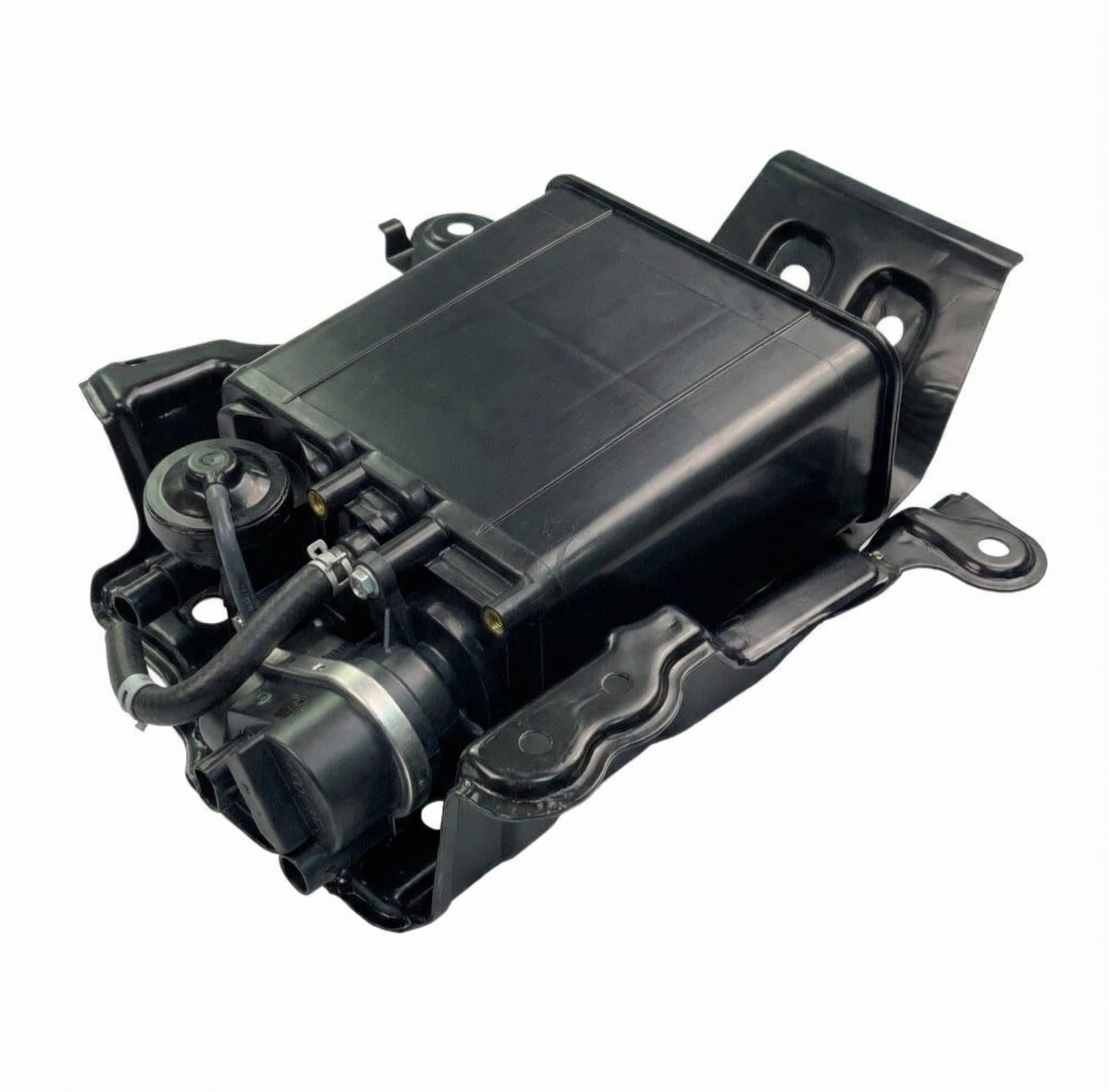
- Faulty Charcoal Canister: → Shop Vapor Canister The charcoal canister can fail if it becomes saturated with fuel (often from overfilling the gas tank) or if its internal valves fail. This is less common but should be considered if other causes are ruled out. A canister clogged with charcoal pellets can also cause a flow issue.
- Faulty Vent Valve: The vent valve, located near the charcoal canister, can also get stuck. However, this is a less frequent point of failure for this specific code compared to the purge valve.
- Faulty ECM or Wiring: In rare cases, the Engine Control Module (ECM) itself can be the cause, or a short/open in the wiring to the purge valve. One owner reported a dealership replaced the purge valve, canister, and ECM before the P0441 code was resolved, showing the diagnostic challenge in some instances.
Diagnosis Steps
- Check the Gas Cap: Remove the gas cap, inspect the seal for cracks or debris, and clean it. Reinstall it and ensure it clicks several times. If using an aftermarket cap, consider replacing it with a genuine Toyota part first. Clear the code and drive for a few days.
- Visual Inspection: Inspect all visible EVAP hoses in the engine bay, particularly the lines going to and from the purge valve. Look for obvious cracks, loose connections, or brittleness. Check that hoses weren't disconnected during recent service.
- Inspect the Purge Valve: Locate the purge valve (solenoid) in the engine bay. Check its electrical connector and hoses. With the engine off, remove the valve and try to blow air through it; it should be closed. If air passes, it's stuck open and needs replacement.
- Perform a Smoke Test: If the issue is not yet found, a smoke test is the most reliable way to find leaks. Connect a smoke machine to the EVAP service port and fill the system with smoke. Look for smoke escaping from any component, including hoses, the canister, or the gas cap area.
- Test the Vent Valve: If no leaks are found, the vent valve (near the canister) can be tested for proper operation using a scan tool to command it open and closed. 🎬 Watch: A quick pro tip for testing the Toyota EVAP system
- Check the Charcoal Canister: Inspect the canister for any physical damage or signs of being saturated with raw fuel. Check for charcoal pellets clogging the lines.
Parts You'll Likely Need
- Gas Cap
(OEM #77300-06041)— This is the most common failure point. The seal wears out or an aftermarket cap fails to seal correctly, causing a pressure variance that triggers the code. An OEM cap is highly recommended.
Trusted brands: Toyota Genuine
OEM price range: $25-$40
Aftermarket price range: $15-$30 - Vapor Canister Purge Solenoid / Valve
(OEM #90910-12276 (superseded by 90910-TC001))— This valve is the second most common part to fail. It gets stuck open or closed, directly causing the 'Incorrect Purge Flow' condition. The original part 90910-12276 is often replaced by the updated part 90910-TC001.
Trusted brands: Toyota Genuine, Denso (OEM Manufacturer), Aisin
OEM price range: $70-$110
Aftermarket price range: $30-$80
Related Codes That Often Appear With This One
- P0455 — P0455 indicates a large EVAP leak. It often appears with P0441 when the cause is a very loose or missing gas cap, or a completely disconnected hose. 🎬 Watch: How to fix P0441 and P0455 codes on your RAV4
- P0456 — P0456 indicates a very small EVAP leak. This can be triggered by a worn gas cap seal or a tiny crack in a hose, which also disrupts the purge flow monitored by P0441.
- P0171 — This code for a lean system often appears alongside P0441 when a vacuum leak or purge valve failure disrupts the air/fuel mixture, as noted in NHTSA ODI #11331260 and #11415574.
Platform-Specific Known Issues
- Recurring Code After Purge Valve Replacement: → Shop Vapor Canister A 2017 RAV4 owner on Reddit reported that code P0441 returned shortly after replacing the purge valve. They replaced it a second time under warranty, and the code came back again, indicating either a faulty batch of parts or a deeper issue like a clogged line or wiring problem that was misdiagnosed as a bad valve.
- Hose Disconnected During Other Maintenance: On a ClubLexus forum, a user with a P0441 code discovered the cause was an EVAP hose that had been accidentally disconnected by a technician during a spark plug replacement. Reconnecting the hose and clearing the code resolved the issue, highlighting the importance of checking for simple connection issues after any engine bay service.
Mechanic-Grade Diagnostic Values
- Purge Valve (VSV) Solenoid Resistance — expected: 30 - 40 Ohms. Failure: A reading of 0 Ohms (short circuit) or infinite Ohms (open circuit), or a value significantly outside the expected range. No audible click when 12V is applied is also a strong indicator of failure.
Scan Tool Commands That Help
- Toyota Techstream: Active Test: Control the Purge VSV — This allows a technician to manually command the purge valve to open and close while the engine is running. You can then check for vacuum at the hose leading from the canister to the valve. If the valve is commanded ON and no vacuum is felt, it indicates a stuck-closed valve or a blockage in the line.
- Toyota Techstream: Active Test: Control the CCV (Canister Closed Valve) — This command is used to seal the EVAP system by closing the vent. It's a critical step in performing a leak test with a smoke machine or by monitoring system pressure decay on the scan tool.
- Toyota Techstream: Utility: EVAP System Check — This automated test sequence runs the vehicle's onboard EVAP monitor, which can help confirm a fix without having to perform a full, specific drive cycle. It can also help identify if the monitor is refusing to run, pointing to prerequisite conditions not being met.
Wiring & Ground Locations
- Purge Valve (VSV) Connector — In the engine bay, typically mounted on or near the engine's intake manifold. It has two hoses and a 2-pin electrical connector.. This is the primary electrical connection to check for the P0441 code. A corroded or loose connector will prevent the ECM from operating the purge valve, causing the same symptoms as a failed valve. One pin should receive battery voltage with the key on, and the other is the control (ground) from the ECM.
- General Ground Points — Toyota wiring diagrams show ground points with identifiers like 'EA', 'EB' in the engine compartment, and 'IC' under the instrument panel. Specific ground locations for the EVAP system would need to be traced from the official wiring diagram for the vehicle.. A poor ground connection for the ECM or related sensors can cause erratic behavior and false codes. While not a common cause for P0441, it's a possibility in complex diagnostic cases.
Real Owner Repair Stories
- ALLDATA Tech Tips (2018 Toyota Corolla, L4-1.8L, 368,473 miles) — Check Engine Light on with code P0441, car ran fine.
❌ Tried (didn't work) Replaced the purge solenoid valve., Replaced the leak detection pump.
✅ What actually fixed it The technician found the charcoal canister was saturated with water and very heavy. Replacing the complete canister assembly and clearing the codes resolved the issue permanently. - Reddit r/MechanicAdvice (2017 Toyota Camry (similar EVAP system)) — Check Engine Light with EVAP code (P0441 is common).
❌ Tried (didn't work) Replacing the purge valve with an aftermarket part from a chain repair shop (Firestone). The part failed again in less than two years.
✅ What actually fixed it The consensus from technicians in the thread was that aftermarket purge valves for modern Toyotas are unreliable. The final recommendation was to have a mechanic install a genuine Toyota OEM purge valve, as it is known to last significantly longer. - NHTSA ODI #11415574 — An owner reported that replacing the EVAP system leak detection pump and the vapor canister purge solenoid did not resolve the P0441 and P0455 codes, illustrating that these parts may not always be the root cause.
"I Checked Everything" — The Actual Cause
- In a case involving a high-mileage 2018 Toyota Corolla, a technician replaced the purge valve and leak detection pump, but the P0441 code returned. A smoke test showed a small, acceptable leak from the leak detection pump's calibration port, leading to a misdiagnosis. The actual cause was a charcoal canister that had become saturated with water, making it heavy and unable to function correctly. It was not leaking, but it was internally failed.
Documented NHTSA Reports
- NHTSA ODI #11331260: An owner reported that their vehicle was not performing properly and a scanner revealed multiple codes including P0441, P0455, and P0171. They also noted a noise from the fuel pump indicating it may be failing.
- NHTSA ODI #11703613: A report describes a large leak detected via code P0445 alongside P0441, P0505 (Idle Control System), and P0171 (System Too Lean).
- NHTSA ODI #11651658: A technician found P0441 appearing alongside brake and traction control error code C1391, which was reviewed by a dealer under a customer service program.
- NHTSA ODI #10314949: An owner experienced a sensation of losing power or switching gears; the dealer found code P0441 and P2716, which required the replacement of the Engine Control Module (ECM).
OEM Part Supersession History
90910-12276→90910-TC001— Standard part update/revision by Toyota. The new part number is a direct replacement.
Heads up: No known incompatibilities; 90910-TC001 is the correct current service part.
Model Year Variations Within This Range
- 2016-2018: The 2016 model year marked a mid-cycle refresh for the RAV4. While the core 2.5L engine and EVAP system remained largely the same, the refresh introduced a new Hybrid model, revised interior/exterior styling, and additional tech features. For P0441 diagnosis, the parts and procedures are consistent across the 2013-2018 range, but it's important to select the correct model year when ordering parts to ensure fitment, as minor bracket or hose routing changes can occur.
Diagnostic Flowchart
Other Known Issues on This Vehicle
Issues unrelated to this code that are worth knowing about as an owner of this generation:
- Torque Converter Shudder 🟠 Medium — Common on 2013-2015 models, but reported on later years as well. Typically occurs under light throttle between 25-50 mph, feeling like driving over rumble strips. (Ref: T-SB-0023-15 (revised multiple times) addresses this with an ECM reprogram and/or torque converter replacement. A warranty enhancement program existed but has expired.)
- Transfer Case Fluid Leak (AWD Models) 🟠 Medium — Leaks from the transfer case seals have been reported by owners, sometimes at relatively low mileage (e.g., ~42,000 miles). Repair can be costly if out of warranty.
- Infotainment System Glitches 🟡 Low — Owners report issues like unresponsive touchscreens, system reboots, and poor Bluetooth connectivity, often surfacing after 40,000 miles. Software updates may fix some, but not all, problems.
- Water Pump Leaks 🟠 Medium — Considered a common maintenance item, with failures reported every 50,000-75,000 miles. Symptoms include coolant leaks and whining from the engine bay.
Used vs. New Parts: Buying Guide for This Vehicle
When a used part is the smart pick: For this repair, sourcing a used part is generally not recommended for the electronic/valve components. However, obtaining simple plastic components like specific brackets or undamaged hose sections from a junkyard can be a cost-effective choice if they are in good condition.
Donor-vehicle mileage cap: roughly under 80000 miles for the part to have meaningful remaining life.
What to inspect on the donor part:
- For hoses: Check for any signs of dry rot, cracking, or brittleness. The rubber should still be pliable.
- For hard plastic lines: Inspect for physical cracks or damage, especially at connection points.
- For a charcoal canister: Avoid any canister that shows physical damage, cracks, or signs of being soaked in fuel. It should feel light; a heavy canister is likely saturated and failed.
OEM-only on this vehicle (don't cheap out):
- Gas Cap: Aftermarket gas caps are a very common cause of recurring EVAP codes on Toyotas. Always use a genuine Toyota OEM cap to ensure a proper seal.
- Vapor Canister Purge Valve: Forum and technician experience strongly indicates that aftermarket purge valves have a high failure rate on Toyota vehicles, sometimes failing within months. Using a genuine Toyota or OEM-supplier (Denso, Aisin) part is critical for a lasting repair.
Aftermarket brands forum-validated for this vehicle:
- Denso (often the original OEM manufacturer for Toyota)
- Aisin
Brands owners have reported issues with on this vehicle:
- Unbranded or generic "white-box" parts from online marketplaces.
- Store-brand parts from general repair chains have been reported by owners to fail prematurely.
Real Owner Stories
Aggregated from forums and TSBs cited above. Mileages and costs reflect what owners reported in those sources.
2017 Toyota RAV4
Symptoms: The P0441 code returned shortly after the purge valve was replaced. After a second replacement under warranty, the code returned again.
What fixed it: The source indicates the issue remained unresolved after two valves, suggesting a deeper issue like a clogged line or wiring problem misdiagnosed as a bad valve.
Source hint: Reddit r/ToyotaRAV4 - Toyota RAV4 2017 code p0441 (replaced it 2 months ago and it popped back up)
2015 Toyota RAV4
Symptoms: Check engine light appeared specifically after filling the gas tank.
What fixed it: The owner suspected the gas cap, which is a high-probability cause for this vehicle when the code triggers after refueling.
Source hint: Reddit r/MechanicAdvice - 2015 RAV4 - P0441 Code - Gas Cap?
2013-2018 Toyota RAV4
Symptoms: Code P0441 (Evap Incorrect Purge Flow) appeared following a routine service.
What fixed it: Reconnecting an EVAP hose that had been accidentally disconnected by a technician during a spark plug replacement.
Source hint: ClubLexus - Code P0441 Evap Incorrect Purge Flow!!
Related OBD-II Codes
Frequently Asked Questions
I just replaced the purge valve on my 2017 RAV4 but the P0441 code came back. Is this common?
Can a non-Toyota gas cap cause a P0441 code on my 2013-2018 RAV4?
I recently had my spark plugs changed and now the Check Engine Light is on with P0441. Could they be related?
Why does my RAV4 have trouble starting only after I fill up the gas tank?
Is there a TSB for the transmission shudder I'm feeling alongside this EVAP code?
How can I tell if my purge valve is actually bad before buying a new one?
Helpful Videos

Used OEM Parts in Stock
New Aftermarket Parts Available


The information in this article is provided for general reference and educational purposes only. Vehicle specifications, procedures, and part compatibility can vary by production date, trim level, and region. Always consult your vehicle's factory service manual and verify part numbers before purchasing or performing repairs. Safety-critical components such as airbags, seat belts, and braking systems should be installed by a qualified professional.
- Toyota RAV4:
- 🧭 Diagnostic Flowchart
- 🎬 Helpful Videos
- 🛍️ Shop This Part
- What's Unique About the 2013-2018 Toyota RAV4
- Symptoms You May Notice
- Most Likely Causes
- Rare But Worth Checking
- Diagnosis Steps
- Parts You'll Likely Need
- Related Codes That Often Appear With This One
- Platform-Specific Known Issues
- Mechanic-Grade Diagnostic Values
- Scan Tool Commands That Help
- Wiring & Ground Locations
- Real Owner Repair Stories
- "I Checked Everything" — The Actual Cause
- Documented NHTSA Reports
- OEM Part Supersession History
- Model Year Variations Within This Range
- Other Known Issues on This Vehicle
- Used vs. New Parts: Buying Guide for This Vehicle
- Real Owner Stories
- 2017 Toyota RAV4
- 2015 Toyota RAV4
- 2013-2018 Toyota RAV4
- Related OBD-II Codes
- Frequently Asked Questions
- 🎟️ Get 5% Off