

P0441 on 2009-2015 Toyota Venza: Incorrect Purge Flow Causes and Fixes
On a 2009-2015 Toyota Venza, code P0441 is almost always caused by a faulty vapor canister purge valve (solenoid) in the engine bay. This is an easy DIY fix with the part costing between $40 and $100. Always check the gas cap first, and if replacing either part, use OEM components.
- P0441 on a Venza almost always points to the purge valve in the engine bay, not the expensive canister in the rear.
- Before buying parts, check that your gas cap is tight and the seal is not cracked or dirty. If replacing, use an OEM part.
- Symptoms like a rough idle or trouble starting after fueling are strong indicators of a stuck-open purge valve.
- The correct OEM part number for the purge valve is 90910-TC001 and for the gas cap is 77300-06040.
What's Unique About the 2009-2015 Toyota Venza
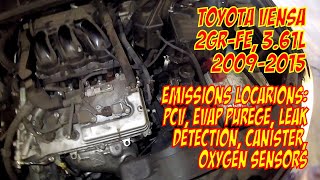
For the 2009-2015 Toyota Venza and its platform mates (like the Camry and Highlander), the P0441 code is very frequently traced back to a single, accessible component: the vapor purge solenoid located in the engine bay. 🎬 Watch: Locate the EVAP purge valve and canister on your Venza Unlike some EVAP codes that require extensive leak tracing with a smoke machine, this specific code on this platform has a high probability of being a simple component failure. Owners often experience specific symptoms like a rough idle or trouble starting right after getting gas, which are classic signs of a failing purge valve on this vehicle. It's crucial not to confuse this engine bay part with the more expensive charcoal canister located at the rear of the car.
Symptoms You May Notice
- Check Engine Light is on
- Rough or unstable idle
- Difficulty starting the engine immediately after refueling
- Slight decrease in fuel economy
- A faint smell of gasoline is occasionally possible
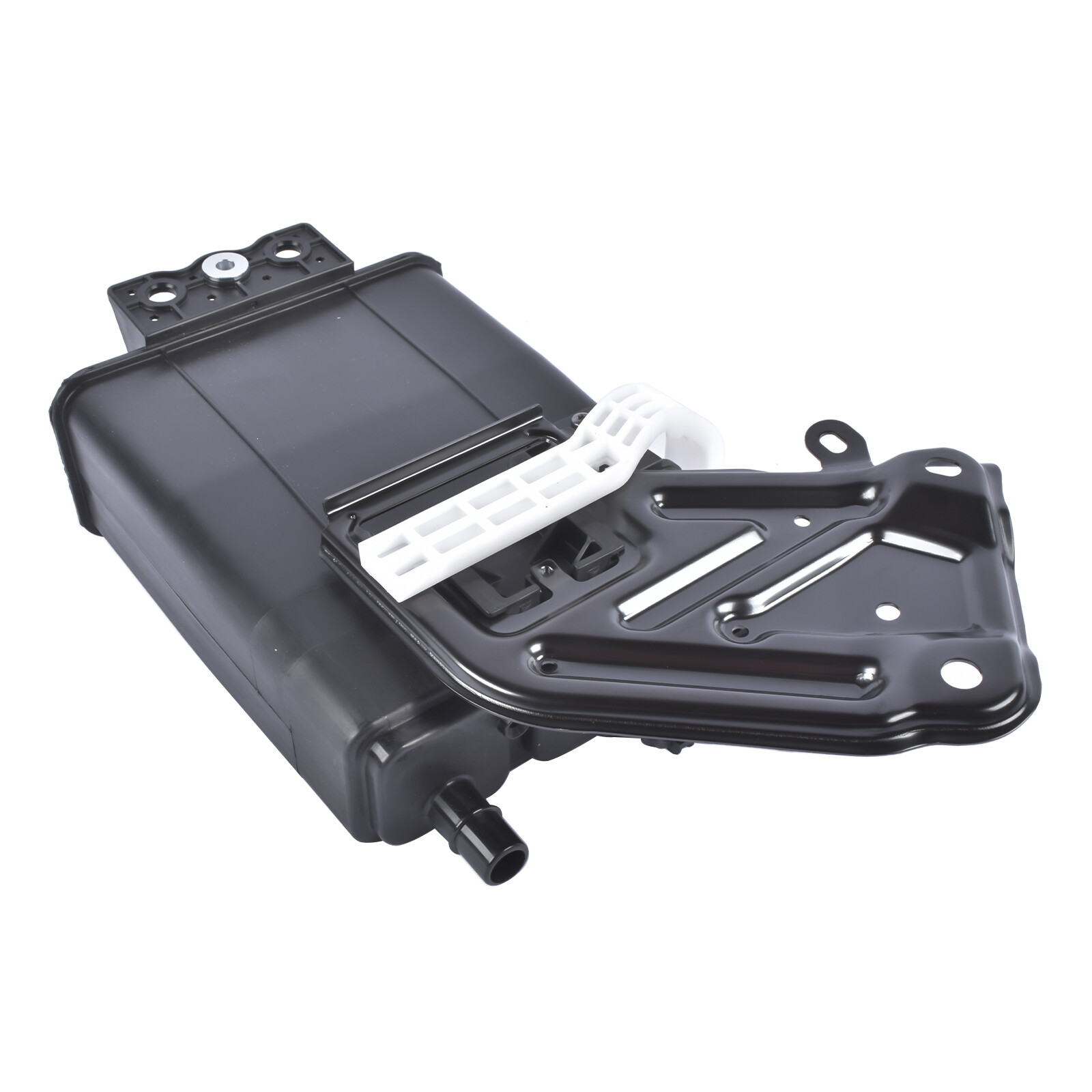
- Replacing the charcoal canister when the problem is the purge valve. The purge valve is in the engine bay and is the most likely culprit for P0441; the canister is at the rear of the vehicle and is much more expensive.
- Replacing oxygen sensors. This code is unrelated to the oxygen sensors.
- Using a cheap aftermarket gas cap, which fails to seal properly and does not resolve the code.
Most Likely Causes
- Faulty Vapor Canister Purge Valve (Solenoid) 🔴 High Probability → Shop Vapor Canister This electro-mechanical valve is a common failure point on many Toyota models of this era, including the Venza and its platform mates. It can become stuck open or closed over time, or fail electrically.
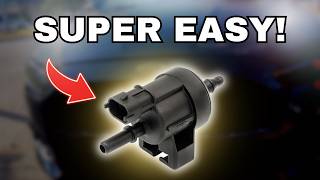
How to confirm: The valve is located in the engine bay, connected to the intake manifold. With the engine off, disconnect a hose and try blowing through it; if air passes, the valve is stuck open and must be replaced. Alternatively, with the engine running at idle, you can disconnect the hose leading from the valve to the canister and check for suction; there should be none. A definitive test involves applying 12V power to see if it clicks and opens or using a hand-held vacuum pump 🎬 Watch: A pro mechanic shows you how to test the valve to see if it holds vacuum when closed.
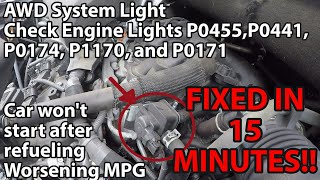
Typical fix: Replace the vapor canister purge valve. This is a simple job requiring basic hand tools and takes less than 30 minutes. 🎬 See this quick guide on how to fix the P0441 code
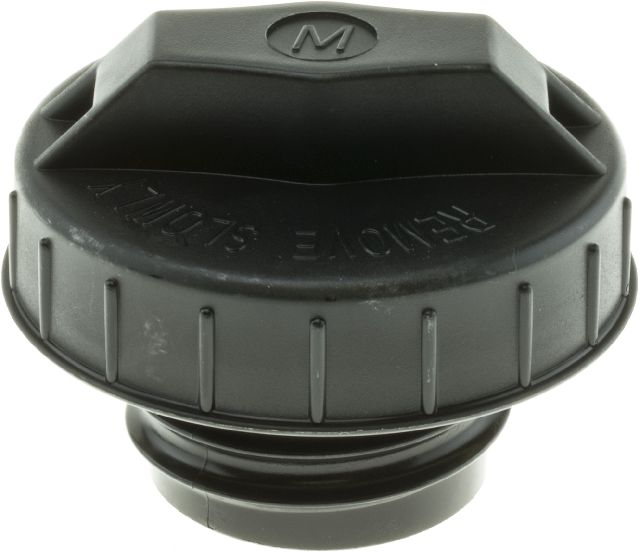
Est. part cost: $40-$100 - Loose or Faulty Gas Cap 🟡 Medium Probability → Shop Fuel Tank Cap Gas cap seals degrade over time, and users can forget to tighten them properly. While more commonly associated with leak codes (P045x), a bad cap can sometimes contribute to a P0441. It is highly recommended to use an OEM replacement cap, as aftermarket versions are known to cause persistent EVAP issues.
How to confirm: Check that the gas cap clicks at least once when tightened. Inspect the rubber O-ring on the cap for cracks, dirt, or damage. If in doubt, it's an inexpensive part to replace as a first step.
Typical fix: Clean the cap and filler neck sealing surfaces or replace the gas cap with a new OEM part.
Est. part cost: $15-$30 - Cracked or Disconnected EVAP Hoses ⚪ Low Probability The rubber vacuum hoses in the engine bay can become brittle and crack with age and heat cycles.
How to confirm: Visually inspect all vacuum lines connected to the purge solenoid and the intake manifold for visible cracks, loose connections, or breaks.
Typical fix: Replace the damaged section of hose.
Est. part cost: $5-$20
Rare But Worth Checking
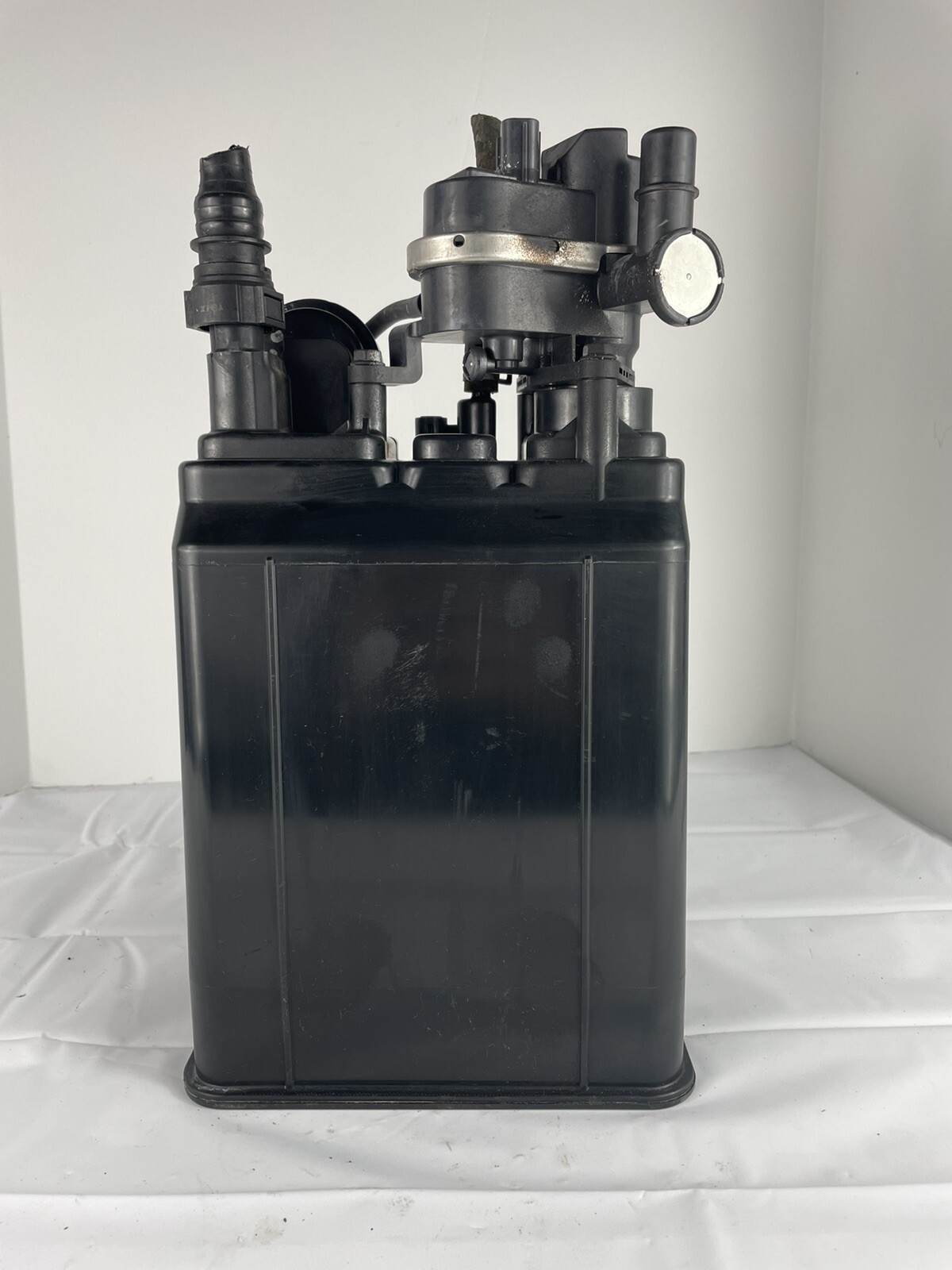
- Failed Charcoal Canister: → Shop Vapor Canister This is usually caused by habitually 'topping off' the fuel tank, which forces liquid gasoline into the canister, saturating the charcoal pellets and ruining it. If you find charcoal pellets in the purge lines or valve, the canister must be replaced. This failure can sometimes trigger P0441 along with other codes like P0455.
- Faulty Fuel Tank Pressure Sensor: → Shop Fuel Tank A bad pressure sensor can send incorrect data to the computer, but this will typically trigger other codes alongside P0441, such as P0453.
Diagnosis Steps
- Read the code with an OBD-II scanner to confirm P0441 is present.
- Check the gas cap. Ensure it is tight and the seal is in good condition. Clean any debris from the seal and filler neck. If the seal is cracked or worn, replace it with an OEM cap (Part No. 77300-06040).
- Locate the vapor canister purge valve in the engine bay. It will have vacuum hoses and an electrical connector. It is the same part for both the 2.7L and 3.5L engines.
- Inspect the vacuum hoses connected to the purge valve for any cracks, brittleness, or loose connections.
- Test the purge valve. With the engine off, disconnect the hoses. The valve should be closed. Try to blow through it; if air passes, the valve is stuck open and must be replaced.
- Check for power at the purge valve connector with the engine running to rule out a wiring issue. A lack of voltage could indicate a blown fuse or damaged wire.
- If the above steps do not reveal the issue, the next step is a professional smoke test to check the entire EVAP system for hidden leaks.
- As a final, less common check, inspect the charcoal canister (near the fuel tank) for physical damage or signs of being saturated with fuel.
Parts You'll Likely Need
- Vapor Canister Purge Valve / Solenoid
(OEM #90910-TC001 (supersedes 90910-12276))— This is the most frequent failure point for the P0441 code on this specific vehicle and its platform mates.
Trusted brands: Toyota (OEM), Denso, Aisan, Standard Motor Products
OEM price range: $70-$110
Aftermarket price range: $40-$90 - Gas Cap
(OEM #77300-06040 (supersedes 77300-52040))— A faulty gas cap seal is a common and inexpensive potential cause for many EVAP codes. An OEM cap is strongly recommended.
Trusted brands: Toyota (OEM)
OEM price range: $20-$30
Aftermarket price range: $10-$20
Related Codes That Often Appear With This One
- P0440 — This is a general EVAP system malfunction code that can share root causes with P0441.
- P0455 / P0456 — These are EVAP leak codes (gross and small). If a component like the purge valve is stuck open, it can sometimes be interpreted by the system as both an incorrect flow and a leak.
- P0171 — System Too Lean. As noted in NHTSA ODI #11703613, this code often appears alongside P0441 when an EVAP fault affects the air/fuel mixture.
- P0505 — Idle Control System Malfunction. NHTSA ODI #11331260 indicates this code can trigger simultaneously with P0441 when the vehicle is not performing properly.
Platform-Specific Known Issues
- The same purge valve (90910-TC001) is used for both the 2.7L 1AR-FE and 3.5L 2GR-FE engines available in the 2009-2015 Venza.
Mechanic-Grade Diagnostic Values
- Purge Solenoid Duty Cycle at Idle — expected: 5-20%. Failure: A value stuck at 0% indicates the valve is stuck closed or not being commanded open. A value stuck at 100% indicates the valve is stuck open.
- EVAP System Pressure at Idle — expected: Near 0 kPa (atmospheric pressure). Failure: A significant negative pressure (e.g., -5 kPa) can indicate a blockage or a purge valve stuck closed, while a positive pressure can indicate a leak or venting issue.
Scan Tool Commands That Help
- Toyota Techstream: Active Test: 'Activate the VSV for Evap Control' — This bidirectional command allows a technician to manually open and close the purge valve (VSV) while the engine is running. This is used to confirm if the solenoid clicks and physically responds to the ECM's command, helping to isolate a failed valve from a wiring or ECM issue.
Wiring & Ground Locations
- Engine Room J/B and R/B — Located on the left side of the engine compartment.. This junction and relay block contains fuses and relays critical to the engine management system, including potentially the EFI or other circuits that power the EVAP purge solenoid. A blown fuse (like EFI MAIN or ECU-IG) could cut power to the valve.
- 2GR-FE Engine Grounds — Key grounds for the V6 engine include straps from the valve covers to the chassis near the strut towers and a main harness ground on the side of the front cylinder head.. Improper or corroded engine grounds can cause a variety of spurious sensor readings and trouble codes. While not a direct cause of P0441, a bad ground can create electrical noise and voltage drops that could affect how the ECM interprets data from the EVAP system sensors.
Real Owner Repair Stories
- ALLDATA Tech-Assist Case (2018 Toyota Corolla, 368,473 miles) — Check Engine Light on, code P0441. Vehicle ran fine.
❌ Tried (didn't work) Replaced the purge solenoid valve., Replaced the leak detection pump.
✅ What actually fixed it The charcoal canister was found to be saturated with water and was very heavy. Replacing the complete canister assembly resolved the P0441 code. - Tacoma World Forum User (2013 Toyota Tacoma, 4-cylinder, 70k miles) — Check Engine and TRAC lights on with code P0441.
❌ Tried (didn't work) Replaced the gas cap.
✅ What actually fixed it The user's immediate issue was that the EVAP monitor would not complete its self-test after clearing the code and replacing the cap. The discussion points towards the next logical step being the purge valve, but highlights the frustration of the system not running its readiness monitor, which can prevent passing an emissions inspection even if the fault is intermittent.
"I Checked Everything" — The Actual Cause
- In a high-mileage Toyota, a technician replaced the purge valve and leak detection pump for a P0441, but the code returned. A smoke test showed a small leak at the leak detection pump, which was misleadingly considered normal due to a calibration port. The actual cause, missed by the smoke test's focus on leaks, was a charcoal canister that had become saturated with water, making it heavy and unable to function correctly. It was not leaking, but it was internally failed.
Documented NHTSA Reports
- An owner reported in NHTSA ODI #11415574 that after replacing the leak detection pump and the vapor canister purge solenoid, the P0441 and P0455 codes persisted, leading mechanics to hypothesize further internal system issues.
- According to NHTSA ODI #11651658, a vehicle displayed ABS, Brake, and Traction Control lights alongside code P0441, which the dealer reviewed under a customer service program.
- In NHTSA ODI #10314949, an owner described the vehicle feeling as though it was losing power; the dealer found code P0441 and determined the correction was to remove and replace the Engine Control Module (ECM).
OEM Part Supersession History
90910-12276→90910-TC001— Standard part number update by Toyota. The parts are functionally identical and interchangeable.
Diagnostic Flowchart
Other Known Issues on This Vehicle
Issues unrelated to this code that are worth knowing about as an owner of this generation:
- Rupturing VVT-i Oil Line (V6 Only) 🔴 High — Affects early production 2GR-FE V6 engines (approx. 2009-2010 models). The original rubber hose section can burst without warning, causing rapid oil loss and catastrophic engine failure. (Ref: Toyota issued a Limited Service Campaign (LSC) to replace the rubber line with an all-metal part (15772-31030). This was not a full recall.)
- Driver-Side Airbag Wire Failure 🔴 High — Common across all 2009-2015 Venza models. Wires in the driver's door harness can fatigue and break from normal use, disabling the side and curtain airbags. (Ref: Safety Recall 21TB01 / 21TA01 was issued for inspection and replacement of the door wire harness.)
- Melting / Sticky Dashboard 🟠 Medium — Common in vehicles from high-heat, high-humidity climates. The dashboard material degrades, becoming sticky and creating a dangerous glare on the windshield. This was a widespread issue on many Toyota models of this era. (Ref: Toyota initiated a warranty enhancement / customer support program for many affected models, though Venza-specific inclusion may vary.)
Used vs. New Parts: Buying Guide for This Vehicle
When a used part is the smart pick: A used OEM purge valve from a low-mileage donor vehicle can be a cost-effective option. Since it's an external engine bay component, it's easy to access and inspect at a junkyard. It is not a high-wear item, but its failure is common.
Donor-vehicle mileage cap: roughly under 80000 miles for the part to have meaningful remaining life.
What to inspect on the donor part:
- Check the plastic housing for cracks or heat damage.
- Ensure the electrical connector pins are clean and free of corrosion.
- If possible, bring a 12V power source to test if the solenoid clicks when power is applied.
- Attempt to blow through the valve; no air should pass when it is unpowered.
OEM-only on this vehicle (don't cheap out):
- Gas Cap - Aftermarket gas caps are notoriously problematic and often fail to provide the correct seal, leading to persistent EVAP codes.
Aftermarket brands forum-validated for this vehicle:
- Denso (often the original OEM supplier)
- Standard Motor Products (SMP)
- Aisan
Brands owners have reported issues with on this vehicle:
- Unbranded, 'white-box' parts from online marketplaces should be avoided as their quality and reliability are inconsistent. While Dorman is a common aftermarket brand, some users report mixed results with their electronic components compared to OEM or OEM-supplier brands.
Real Owner Stories
Aggregated from forums and TSBs cited above. Mileages and costs reflect what owners reported in those sources.
2009 Toyota Venza — 37000 miles
Symptoms: A variety of warning lights were set off.
What fixed it: The charcoal evap. cannister assembly was replaced.
Cost: $763.61
Source hint: CarComplaints.com report: '2009 Toyota Venza Charcoal Canister Assembly Malfunction'
2010 Toyota Venza — 75440 miles
Symptoms: Check Engine Light with fault code P0441.
What fixed it: Replaced the Evap purge valve.
Source hint: Benz N' Beyond: 'Toyota Archives | Benz N' Beyond'
Toyota Venza
Symptoms: Check engine light codes; gas cap didn't feel tight at all.
What fixed it: Checking and tightening the gas cap (suggested as a first step).
Source hint: Reddit r/Toyota
Related OBD-II Codes
Frequently Asked Questions
Is the purge valve the same for the 4-cylinder and V6 Toyota Venza models?
Should I use an aftermarket gas cap to fix a P0441 code on my Venza?
My 2009 Venza has a P0441 and other lights; could it be the charcoal canister?
Is there a recall for the V6 oil line issue that might be related to my engine light?
Can a loose gas cap really cause a P0441 'Incorrect Purge Flow' code?
Are there any other major safety recalls I should check while fixing my EVAP system?
Helpful Videos

Used OEM Parts in Stock
New Aftermarket Parts Available


The information in this article is provided for general reference and educational purposes only. Vehicle specifications, procedures, and part compatibility can vary by production date, trim level, and region. Always consult your vehicle's factory service manual and verify part numbers before purchasing or performing repairs. Safety-critical components such as airbags, seat belts, and braking systems should be installed by a qualified professional.
- Toyota Venza:
- 🧭 Diagnostic Flowchart
- 🎬 Helpful Videos
- 🛍️ Shop This Part
- What's Unique About the 2009-2015 Toyota Venza
- Symptoms You May Notice
- Most Likely Causes
- Rare But Worth Checking
- Diagnosis Steps
- Parts You'll Likely Need
- Related Codes That Often Appear With This One
- Platform-Specific Known Issues
- Mechanic-Grade Diagnostic Values
- Scan Tool Commands That Help
- Wiring & Ground Locations
- Real Owner Repair Stories
- "I Checked Everything" — The Actual Cause
- Documented NHTSA Reports
- OEM Part Supersession History
- Other Known Issues on This Vehicle
- Used vs. New Parts: Buying Guide for This Vehicle
- Real Owner Stories
- 2009 Toyota Venza — 37000 miles
- 2010 Toyota Venza — 75440 miles
- Toyota Venza
- Related OBD-II Codes
- Frequently Asked Questions
- 🎟️ Get 5% Off