

Audi Q5 P0442 (2009-2017): Causes and Fixes for Small EVAP Leaks
For a 2009-2017 Audi Q5, a P0442 code is most often caused by a loose or faulty gas cap. If tightening or replacing the cap doesn't work, the next most likely culprit is the EVAP Purge Valve (N80). A new OEM gas cap is about $30-$50, and a Bosch OEM N80 valve is around $30-$60 for a DIY replacement. Always check the gas cap first.
- Always start with the simplest fix: check that your gas cap is tight. If the code returns, replace the gas cap.
- The second most likely culprit is the EVAP Purge Valve (N80), which is relatively inexpensive and accessible in the engine bay.
- If a new gas cap and N80 valve do not fix the code, a professional smoke test is the most reliable way to locate the leak.
- You can continue to drive the vehicle with a P0442 code, but you will not be able to pass an emissions test.
- Do not overtighten the gas cap past the clicks, and avoid 'topping off' your fuel tank after the pump stops, as this can flood the EVAP system.
What's Unique About the 2009-2017 Audi Q5
The 2009-2017 Audi Q5 (Type 8R) uses a Leak Detection Pump (LDP) to pressurize the EVAP system for its self-test, which is located near the rear passenger-side wheel well. While many components are shared with other Audi models on the MLB platform like the A4 and Porsche Macan, owner experiences overwhelmingly point to the gas cap and the N80 purge valve as the most frequent failure points for P0442. A Technical Service Bulletin (TSB) for other VW/Audi models (24-15-04 / 2040483) also points to a clogged LDP intake filter as a potential source of false leak codes, a relevant diagnostic point for the Q5 as well.
Symptoms You May Notice
- Check Engine Light is on
- A faint smell of fuel, particularly around the rear of the vehicle or after refueling (less common)
- Difficulty starting the car immediately after filling the gas tank (a classic symptom of a stuck-open N80 purge valve)
- Replacing the charcoal canister when the actual problem is a small, inexpensive cracked hose connected to it.
- Replacing the fuel tank pressure sensor, which is less likely to cause a leak code than the mechanical parts of the system.
- Using a cheap, aftermarket gas cap that fails to provide an adequate seal, leading to a repeat P0442 code.
Most Likely Causes
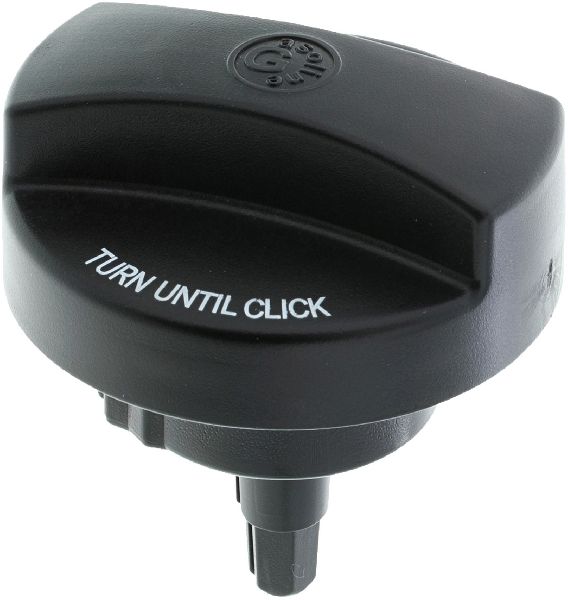
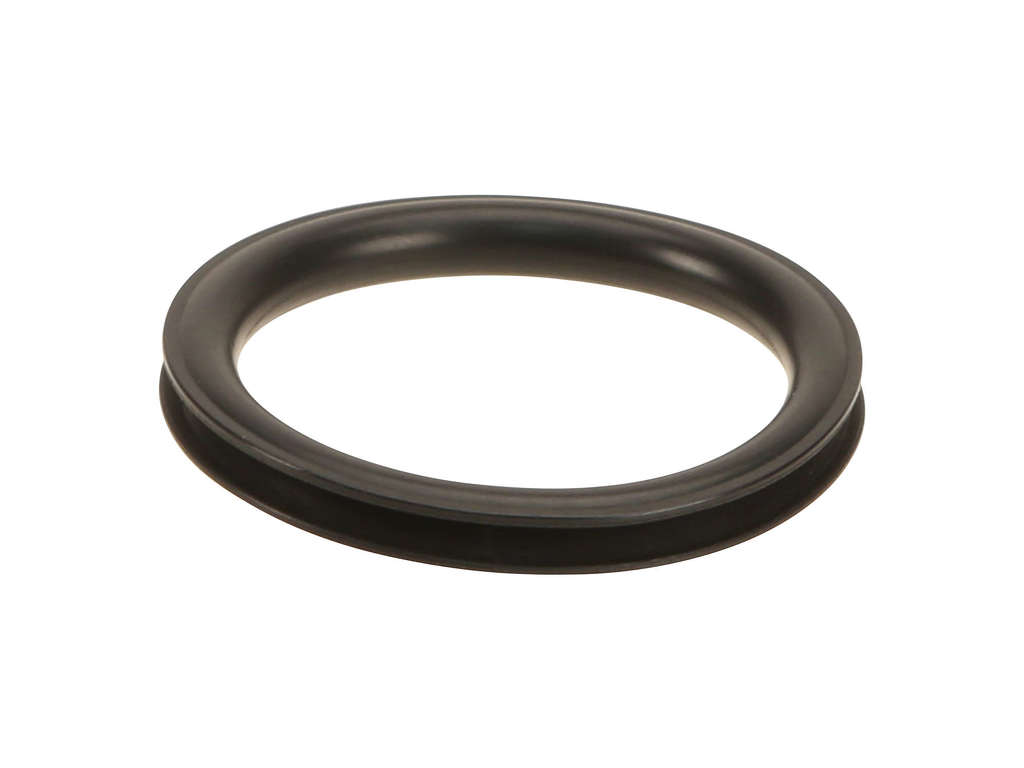
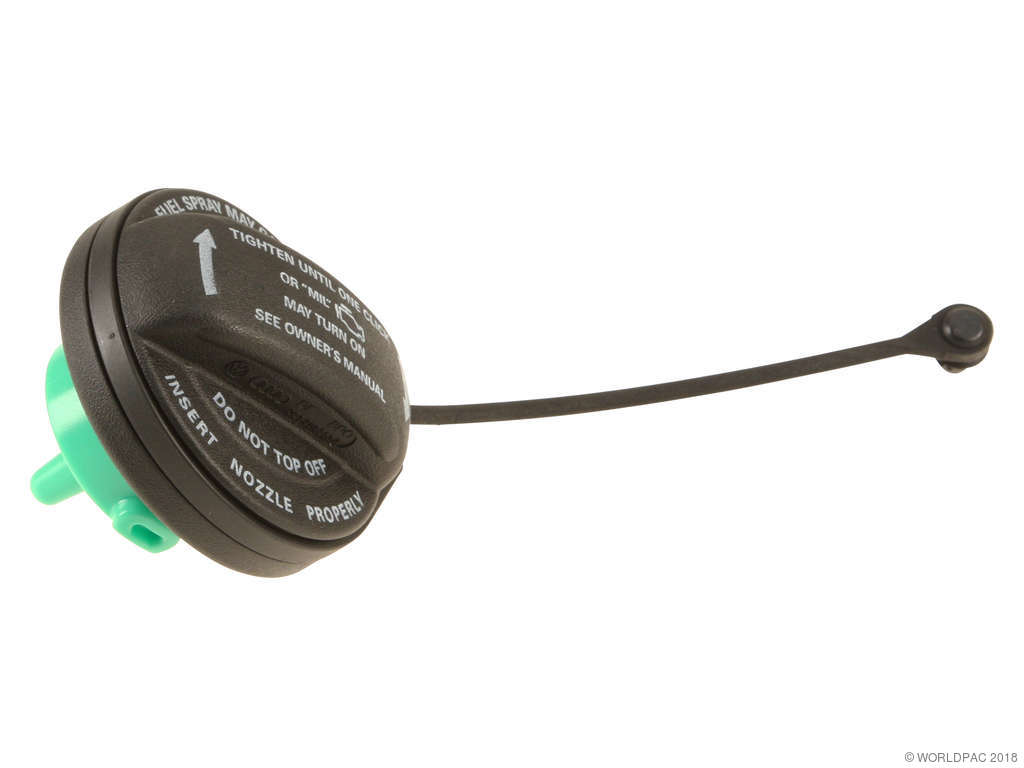
- Loose or Faulty Gas Cap 🔴 High Probability → Shop Fuel Tank Cap The gas cap's rubber O-ring seal degrades over time from exposure to fuel vapors, becoming hard and cracked. This is the most common and easiest fix for a P0442 code. Many owners report that cheap aftermarket caps do not seal properly and that using a Genuine Audi part is crucial.
How to confirm: Ensure the cap is tightened until it clicks several times. Inspect the rubber O-ring for any cracks, stiffness, or visible damage. If the seal looks worn or the code returns after tightening, replace the cap with a new OEM part.
Typical fix: Replace the fuel tank cap with a new Genuine Audi part (P/N: 8K0201550N).
Est. part cost: $30-$50 - Faulty EVAP Purge Valve (N80 Valve) 🟡 Medium Probability → Shop Vapor Canister This solenoid valve can get stuck open or closed due to carbon buildup or internal failure, causing either a constant leak or incorrect flow. It's a very common failure item on many VW and Audi vehicles of this era, especially the 2.0T engine.
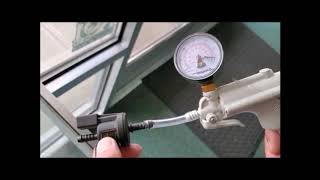
How to confirm: With the engine running at idle, disconnect the vacuum hose from the valve and feel for suction; there should be none when the valve is closed (unpowered). A more definitive test is to remove the valve and try to blow through it; it should be closed and not allow air to pass when unpowered. A scan tool can also perform an output test to check its function. 🎬 Watch: How to test the N80 purge valve yourself
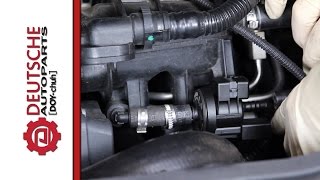
Typical fix: Replace the N80 purge valve. On the Q5 2.0T, it is located on the driver's side of the engine, mounted to the intake manifold. 🎬 See this walkthrough for replacing the N80 valve
Est. part cost: $30-$60 - Cracked or Disconnected EVAP Hoses 🟡 Medium Probability The plastic and rubber hoses in the engine bay and underneath the car become brittle with age and heat cycles, leading to small cracks that are often difficult to see. The lines connecting to the N80 valve and the charcoal canister are common culprits.
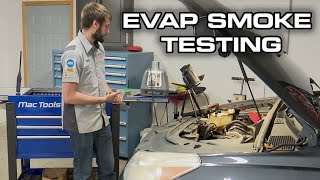
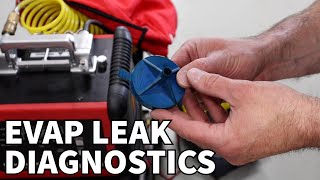
How to confirm: A visual inspection may reveal obvious cracks, but the most effective method is a smoke test. This involves pumping low-pressure smoke into the EVAP system and watching where it escapes. 🎬 Watch: How to perform a smoke test for leaks
Typical fix: Replace the cracked section of hose or the entire hose assembly. Use hose clamps to ensure a secure connection.
Est. part cost: $15-$75 - Faulty Leak Detection Pump (LDP) ⚪ Low Probability → Shop Evaporative Emissions System Leak Detection Pump The LDP pressurizes the system for leak testing. It can fail internally or its seals can degrade, causing a leak. An Audi TSB for other models notes that a clogged LDP filter can cause a false P0442 code, as the pump cannot draw in fresh air to perform the test correctly.
How to confirm: This is typically found during a smoke test after all other common causes have been ruled out. Smoke will be seen escaping from the pump body itself, which is located near the rear wheel well area. A VCDS/VAG-COM scan tool can also be used to run a specific output test on the LDP.
Typical fix: Replace the Leak Detection Pump or its associated filter and seals.
Est. part cost: $150-$400
Rare But Worth Checking
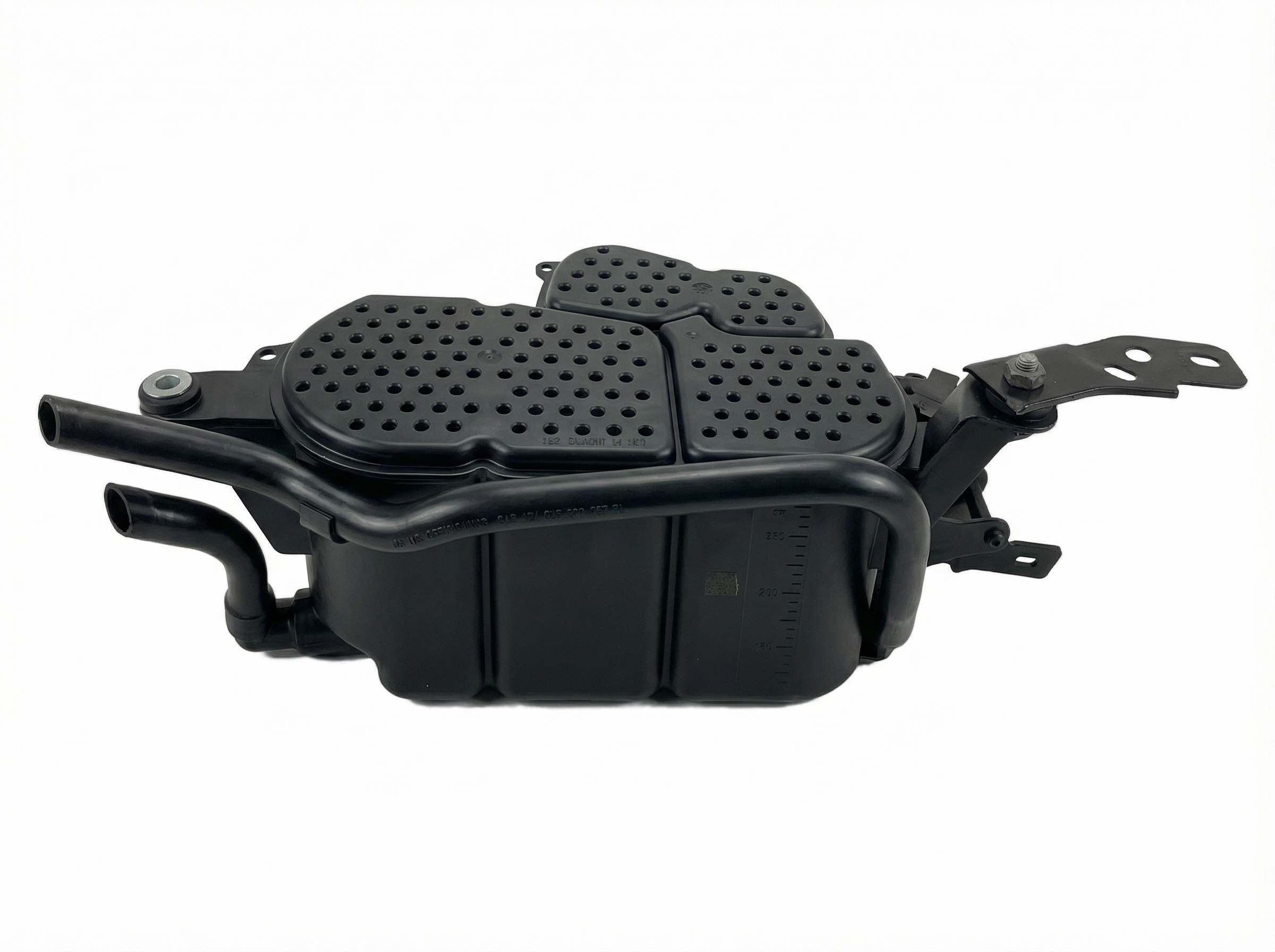
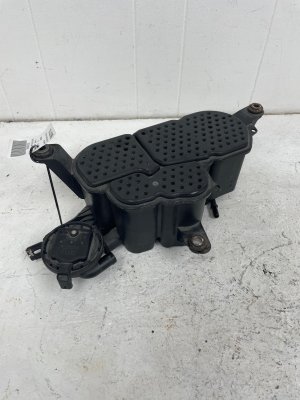
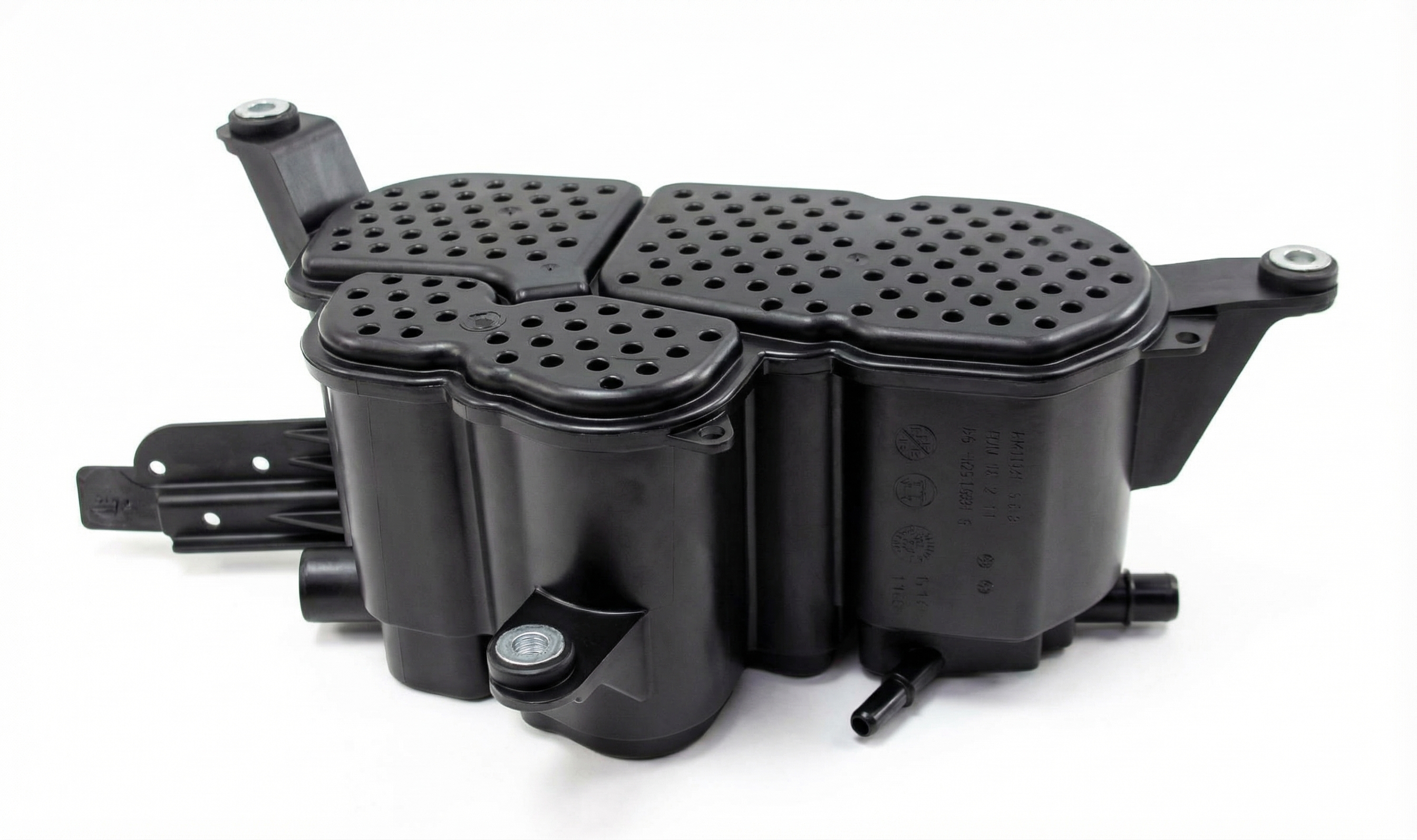
- Cracked Charcoal Canister: → Shop Vapor Canister The plastic housing of the charcoal canister can develop hairline cracks over time, creating a small leak. This is usually found with a smoke test after easier checks fail. Overfilling the fuel tank can also saturate the canister with raw fuel, causing it to fail.
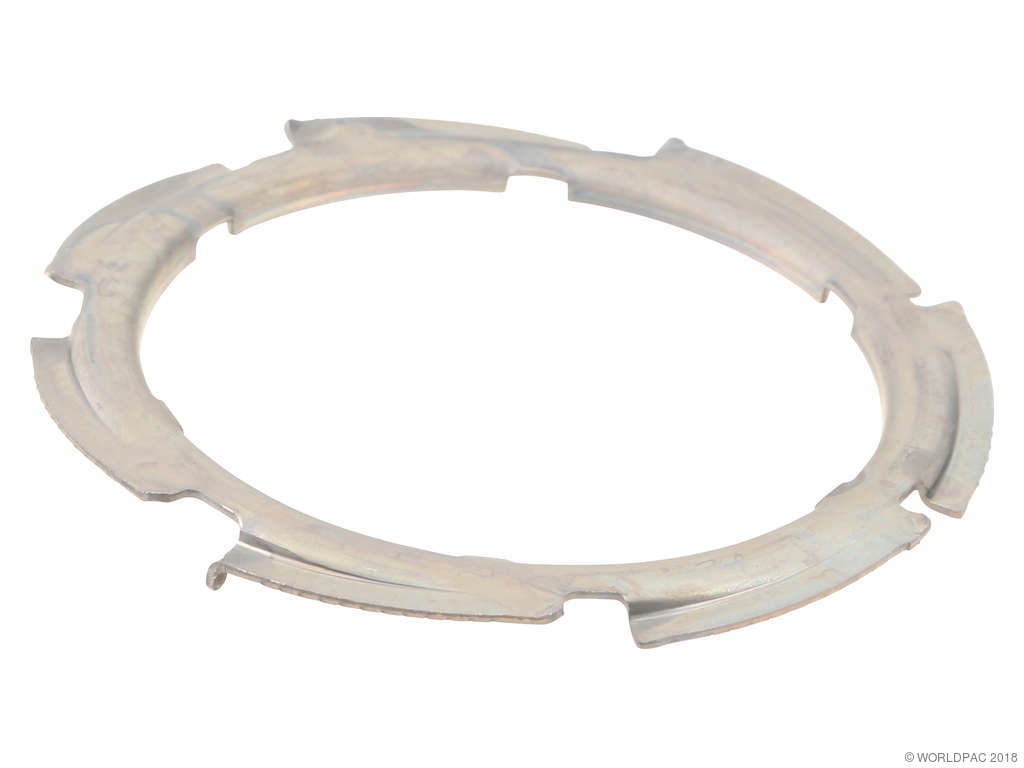
- Leaking Fuel Tank Lock Ring / Seal: → Shop Fuel Tank The large plastic ring that secures the fuel pump/sending unit to the top of the fuel tank can crack, or its gasket can fail, causing a leak. This is often only noticeable with a full tank of gas or during a smoke test. In some cases, smoke can be seen escaping from under the rear seat where the access panel is.
- Corroded Fuel Filler Neck: → Shop Fuel Filler Neck In regions with road salt, the metal surface where the gas cap seals can rust or become pitted, preventing even a new cap's gasket from creating a perfect seal.
Diagnosis Steps
- Read the code with an OBD-II scanner to confirm P0442 is present. Note any other codes, especially P0441, P0455, or P0456.
- Inspect the gas cap. Remove it, check the seal for cracks or damage, and reinstall it, ensuring it clicks several times. Many forum users recommend starting with a new OEM gas cap (P/N: 8K0201550N) as the first step, as aftermarket caps often fail to seal correctly.
- Clear the code and drive for a few days. If the code does not return, the issue was a loose or faulty cap.
- If the code returns, locate and visually inspect the EVAP Purge Valve (N80) and its connected hoses in the engine bay for any obvious cracks or loose connections. On the 2.0T, it's on the intake manifold.
- Test the N80 valve. With the engine at idle, disconnect the outlet hose and check for vacuum. There should be no vacuum if the valve is working correctly. Alternatively, remove the valve and try to blow through it; it should be sealed when unpowered.
- If the gas cap and N80 valve are confirmed to be good, the most effective way to find the leak is to perform a smoke test.
- Introduce smoke into the EVAP system via the service port. Carefully inspect all EVAP lines, the charcoal canister, the Leak Detection Pump (LDP) near the rear wheel, and the top of the fuel tank for escaping smoke.
Parts You'll Likely Need
- Fuel Tank Cap
(OEM #8K0201550N)— This is the most frequent cause of a P0442 code due to the rubber seal wearing out. Community consensus strongly advises against aftermarket caps.
Trusted brands: Genuine Audi
OEM price range: $30-$50
Aftermarket price range: $15-$30 - EVAP Canister Purge Valve (N80 Valve)
(OEM #06H906517H (or superseding part number))— This valve is a common failure point on 2.0T engines, getting stuck and causing leaks or flow issues.
Trusted brands: Bosch (OEM supplier), Genuine Audi
OEM price range: $50-$80
Aftermarket price range: $25-$50 - Leak Detection Pump (LDP)
(OEM #8R0906271)— If simpler fixes don't work, the pump itself can fail or develop a leak, requiring replacement. It's less common but a definitive cause after a smoke test.
Trusted brands: Genuine Audi, Bosch
OEM price range: $250-$400
Aftermarket price range: $150-$250
Related Codes That Often Appear With This One
- P0455 — This code indicates a large EVAP leak. It can appear with P0442 if the leak is intermittent or on the borderline between small and large, often pointing to the same components like a very loose gas cap or a stuck-open purge valve.
- P0441 — This code means 'Incorrect Purge Flow' and is very commonly caused by the same faulty N80 purge valve that can also cause a P0442 leak code. A stuck N80 valve is a primary cause for P0441.
- P0456 — This indicates a 'Very Small Leak,' which is even smaller than P0442. The causes are identical, and sometimes a failing component can trigger one code, then the other, as its condition changes.
Technical Service Bulletins (TSBs) & Recalls
- Audi TSB 24-15-04 / 2040483: While for a different model, this TSB is relevant as it addresses EVAP leak codes caused by a clogged filter on the Leak Detection Pump (LDP). It instructs technicians to check and replace the LDP filter if it's blocked with dirt/debris, as this can prevent the pump from working correctly and trigger false leak codes.
Platform-Specific Known Issues
- Owner Experience: A user on AudiWorld forums chased an intermittent P0442 for months. After replacing the N80 valve and ensuring the gas cap was tight, the code would still return. The final fix was a smoke test that revealed a hairline crack in a plastic vacuum line near the intake manifold that was only visible under pressure.
- Repair Story: On a platform-mate Porsche Macan, a P0442 code was ultimately traced back to a leaking brake booster vacuum hose. The EVAP and brake booster systems share a vacuum source from the same pump, and a leak in one can trigger fault codes in the other, demonstrating the need for comprehensive diagnostics.
Mechanic-Grade Diagnostic Values
- N80 Purge Valve Coil Resistance — expected: 22 to 30 Ohms (for 3.2L V6, similar for 2.0T). Failure: A reading of 'OL' (open circuit) or significantly lower resistance indicates a failed coil.
- N80 Purge Valve Coil Resistance (2.5L example, indicative for other VW/Audi engines) — expected: 15 to 25 Ohms. Failure: Readings outside this range suggest an electrical fault within the valve.
Scan Tool Commands That Help
- VCDS (VAG-COM): Engine -> Basic Settings -> Group 071 — This command manually initiates the EVAP system leak detection test sequence. It allows a technician to force the test to run and observe the results in real-time without waiting for the car's normal drive cycle conditions to be met.
- VCDS (VAG-COM): Engine -> Output Tests -> EVAP Purge Valve (N80) — This function directly commands the N80 valve to cycle on and off. The technician should hear an audible clicking from the valve, confirming the ECM can control it and that the solenoid is not seized.
- VCDS (VAG-COM): Engine -> Output Tests -> EVAP Leak Detection Pump (V144) — This test manually activates the Leak Detection Pump (LDP). It's used to verify the LDP's electrical circuit and solenoid are functioning before suspecting a more complex mechanical failure of the pump or a leak elsewhere in the system.
Wiring & Ground Locations
- Ground Connection 12 — In the engine compartment on the left side, near the suspension strut tower.. This is a primary ground point for many engine bay components. A corroded or loose connection here can cause intermittent electrical issues for various sensors and solenoids, including the N80 purge valve.
- Ground Connection 671 / 672 — On the left front long member (frame rail) in the engine compartment.. Provides grounding for the front portion of the vehicle's electrical system. While not directly tied to the EVAP system in all diagrams, ensuring all engine bay grounds are clean and tight is a critical step when diagnosing any electronic fault code.
- N80 Valve Connector — Two-pin connector directly on the N80 valve, located on the intake manifold.. This is where voltage and ground signals from the ECM are delivered to operate the valve. Technicians test for voltage at one pin (with key on) and check the resistance of the valve across both pins.
Real Owner Repair Stories
- AudiWorld Forums (2001 Audi A8 (similar EVAP system design)) — Persistent P0442 code.
❌ Tried (didn't work) Replaced the gas cap., Replaced the N80 purge valve (code returned after 8 weeks).
✅ What actually fixed it The owner began to suspect the issue was related to fill-ups and stopped topping off the fuel tank. After stopping the practice of adding more fuel after the pump's first click, the code did not return for over 8 weeks and multiple fill-ups. This suggests over-filling was saturating the charcoal canister, causing a temporary system failure during the self-test. - YouTube video (Audi EVAP Leak Problem Solved) (Audi (model not specified, but platform-relevant)) — P0442 small leak code.
❌ Tried (didn't work) The video implies that checking the purge valve, canister, hoses, and gas cap are the usual first steps.
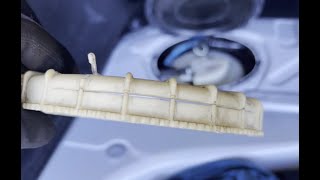
✅ What actually fixed it A smoke test revealed a leak from the white plastic lock ring that secures a component (likely the fuel pump or a sensor) to the top of the fuel tank. The lock ring itself was cracked. The access panel was located in the trunk under the carpeting.
"I Checked Everything" — The Actual Cause
- In a scenario where a smoke test reveals no external leaks, the N80 purge valve itself can be the hidden cause. It can leak internally, allowing vacuum to bleed off during the EVAP self-test, which the system interprets as a leak. However, since the leak is internal to the intake manifold, no smoke will be visible externally. A definitive diagnosis involves running the VCDS Basic Settings test for the EVAP system. If it fails, the technician should then pinch off the vacuum hose between the N80 valve and the charcoal canister and run the test again. If the test now passes, it confirms the N80 valve is the source of the leak.
OEM Part Supersession History
06E906517A→06H906517H (and other revisions)— This part has been updated multiple times by VW/Audi for improved reliability and performance. The core function remains the same.
Heads up: While newer revisions are generally backward compatible, it's always best to confirm the latest part number for the specific vehicle's VIN. Some replacement kits may include updated hoses or connectors.
Model Year Variations Within This Range
- 2009-2012 (Pre-facelift) vs 2013-2017 (Facelift): While the fundamental EVAP system design and common failure points (gas cap, N80 valve) remained consistent through the 8R generation, some part numbers for components like the Leak Detection Pump (LDP) and charcoal canister may have been revised during the 2013 facelift. When ordering parts, it is crucial to verify fitment using the vehicle's VIN, especially for less common components.
Diagnostic Flowchart
Other Known Issues on This Vehicle
Issues unrelated to this code that are worth knowing about as an owner of this generation:
- 2.0T EA888 Gen 2 Oil Consumption 🔴 High — Extremely common on 2009-2012 models with the CAEB engine code. Caused by faulty piston ring design. Can require new pistons and rings to fix permanently. (Ref: Class-action lawsuits and multiple TSBs were issued. Audi dealers had a two-stage repair process, starting with an oil consumption test.)
- Timing Chain Tensioner Failure 🔴 High — Common on 2.0T engines, but also affects 3.2L and 3.0T V6s. The original tensioner can fail, causing the chain to jump time, leading to catastrophic engine damage. A rattling noise on cold starts is a key symptom. (Ref: Updated tensioner designs were released. Legal action was taken against Audi for this issue.)
- Plastic Water Pump / Thermostat Housing Failure 🟠 Medium — The water pump and/or thermostat housing, made of plastic, can crack and leak coolant. This is a common failure point on many VW/Audi engines of this era, including the 2.0T and 3.0T. Often noticeable by a coolant smell after driving or a low coolant light. (Ref: A class-action settlement led to a warranty extension for the water pump on some models to 8 years/80,000 miles.)
- Carbon Buildup on Intake Valves 🟠 Medium — A characteristic of all direct-injection engines (FSI/TFSI). Over 50k-80k miles, carbon deposits build up on the back of intake valves, restricting airflow and causing misfires, rough idle, and reduced performance. Requires manual cleaning (walnut blasting).
Used vs. New Parts: Buying Guide for This Vehicle
When a used part is the smart pick: For a P0442 repair, using salvaged parts is generally not recommended for the most common culprits. However, if a smoke test identifies a specific cracked plastic hose or a structurally sound charcoal canister (that isn't fuel-saturated), a used part from a low-mileage donor car can be a cost-effective option. Avoid used electronic solenoids or pumps.
Donor-vehicle mileage cap: roughly under 80000 miles for the part to have meaningful remaining life.
What to inspect on the donor part:
- For hoses: Squeeze the hose to check for pliability; avoid anything hard, brittle, or with visible surface cracking.
- For charcoal canister: Ensure there are no visible cracks on the plastic housing and that it doesn't smell strongly of raw fuel, which indicates saturation.
- For connectors: Check that all electrical connector tabs and plastic housings are intact and not broken.
OEM-only on this vehicle (don't cheap out):
- Fuel Tank Cap: Aftermarket gas caps are a widely reported cause of repeat P0442 codes due to improper sealing. Always use a Genuine Audi cap.
- EVAP Purge Valve (N80): While the OEM supplier (Bosch) is an excellent alternative, cheap unbranded aftermarket valves have a high failure rate and should be avoided.
Aftermarket brands forum-validated for this vehicle:
- Bosch: Bosch is the Original Equipment Manufacturer (OEM) for the N80 purge valve and other EVAP components. It is considered equivalent to the Genuine Audi part.
Brands owners have reported issues with on this vehicle:
- Unbranded/White-box Gas Caps
- URO Parts (for electronic components like the N80 valve, based on general community feedback for VW/Audi)
Real Owner Stories
Aggregated from forums and TSBs cited above. Mileages and costs reflect what owners reported in those sources.
Audi Q5 2.0T
Symptoms: Chased an intermittent P0442 for months; the code would still return even after replacing the N80 valve and ensuring the gas cap was tight.
What fixed it: A smoke test revealed a hairline crack in a plastic vacuum line near the intake manifold that was only visible under pressure.
Source hint: vehicle_specific_issues: Owner Experience: A user on AudiWorld forums
2007 Audi A4 (B6 Platform)
Symptoms: Intermittent P0455 and P0442 codes; owner noted the problem started specifically during cold weather.
What fixed it: Investigation into the gas cap and the potential for cold weather affecting plastic and rubber EVAP components.
Source hint: AudiWorld Forums: intermittent..p0455 and p0442..thought gas cap but having second thoughts
2011-2018 Porsche Cayenne (Platform Mate)
Symptoms: Small EVAP leak investigation for code P0442.
What fixed it: Traced back to a leaking brake booster vacuum hose that is tied into the same vacuum system as the EVAP system.
Source hint: Rennlist (Porsche Forum): Small Evap Leak Investgation - P0442
Related OBD-II Codes
Frequently Asked Questions
What is the specific Genuine Audi part number for a replacement gas cap on my Q5?
Where is the N80 purge valve located on the Audi Q5 2.0T engine?
I have a P0442 code and my Q5 is hard to start after I get gas. What is the likely cause?
Does Audi TSB 24-15-04 apply to EVAP leak issues like P0442?
Where is the Leak Detection Pump (LDP) located on the Q5 if I need to inspect it for smoke?
Can a vacuum leak outside of the EVAP system cause a P0442 on this platform?
Helpful Videos


Used OEM Parts in Stock


New Aftermarket Parts Available


The information in this article is provided for general reference and educational purposes only. Vehicle specifications, procedures, and part compatibility can vary by production date, trim level, and region. Always consult your vehicle's factory service manual and verify part numbers before purchasing or performing repairs. Safety-critical components such as airbags, seat belts, and braking systems should be installed by a qualified professional.
- Audi Q5:
- 🧭 Diagnostic Flowchart
- 🎬 Helpful Videos
- 🛍️ Shop This Part
- What's Unique About the 2009-2017 Audi Q5
- Symptoms You May Notice
- Most Likely Causes
- Rare But Worth Checking
- Diagnosis Steps
- Parts You'll Likely Need
- Related Codes That Often Appear With This One
- Technical Service Bulletins (TSBs) & Recalls
- Platform-Specific Known Issues
- Mechanic-Grade Diagnostic Values
- Scan Tool Commands That Help
- Wiring & Ground Locations
- Real Owner Repair Stories
- "I Checked Everything" — The Actual Cause
- OEM Part Supersession History
- Model Year Variations Within This Range
- Other Known Issues on This Vehicle
- Used vs. New Parts: Buying Guide for This Vehicle
- Real Owner Stories
- Audi Q5 2.0T
- 2007 Audi A4 (B6 Platform)
- 2011-2018 Porsche Cayenne (Platform Mate)
- Related OBD-II Codes
- Frequently Asked Questions
- 🎟️ Get 5% Off