

P0442 on 2004-2010 BMW X3: EVAP System Small Leak Causes and Fixes
For a 2004-2010 BMW X3, the P0442 code is most often caused by a worn-out or loose gas cap. Before buying any parts, check that the cap is tight and the seal is not cracked. If that doesn't work, the fuel tank vent valve (purge valve) or the DMTL pump are the next most likely culprits, both of which are known failure points on this platform.
- P0442 means your X3 has a small leak in the fuel vapor recovery system.
- Always start with the simplest fix: check that your gas cap is tight. If the light comes back, replace the gas cap with an OEM part.
- This code does not affect how the car drives, but it will cause you to fail an emissions test.
- If a new gas cap doesn't solve the problem, the most reliable way to find the leak is to have a mechanic perform a smoke test.
- The most common parts to fail after the gas cap are the fuel tank vent valve and the DMTL pump.
What's Unique About the 2004-2010 BMW X3
The 2004-2010 BMW X3 (E83 generation) uses a specific leak detection system called the DMTL (Diagnostic Module for Tank Leakage) pump to test the EVAP system, often while the vehicle is parked. While a simple gas cap is a very common cause across all brands, failures of components like the fuel tank vent valve (often called the purge valve by BMW) or the DMTL pump itself are frequent issues on BMWs of this era. Unlike many other brands where a gas cap is almost always the fix, on the E83 X3 it is critical to consider these other parts as high-probability causes, often requiring a smoke test for accurate diagnosis.
Symptoms You May Notice
- Check Engine Light is on
- A faint fuel smell may be noticeable near the rear of the vehicle, especially around the passenger side wheel well or fuel filler area
- In rare cases, a rough idle or difficulty starting immediately after refueling if the purge valve is stuck open
- An iDrive or dash warning message to "tighten gas cap" may appear intermittently, even if the cap is tight.
- Replacing the fuel tank vent valve or DMTL pump without performing a smoke test first. The gas cap is a much cheaper and easier part to start with, and a smoke test can prevent the unnecessary replacement of more expensive components.
- Assuming the gas cap is good just because it clicks. The internal seal can be faulty even if the cap seems to tighten correctly.
Most Likely Causes
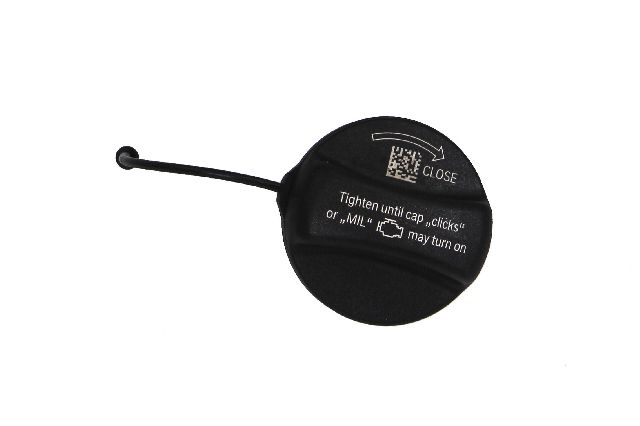
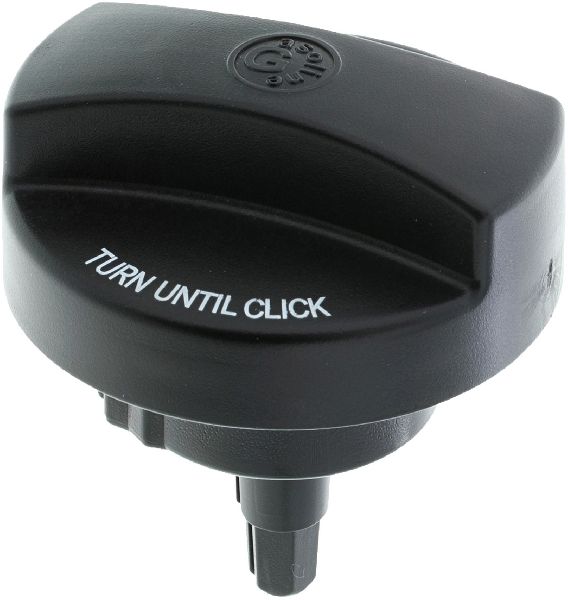
- Loose or Faulty Gas Cap 🔴 High Probability → Shop Fuel Tank Cap The rubber O-ring on the gas cap degrades over time, becoming hard and brittle, which prevents it from creating a perfect seal. The internal clicking mechanism can also wear out, providing a false sense of tightness.
How to confirm: Ensure the cap is tightened until it clicks multiple times. Inspect the green or black rubber seal on the cap for any cracks, tearing, or signs of drying out. A smell of gasoline around the fuel door is also a strong indicator. Even if it looks okay, the seal can be ineffective.
Typical fix: Replace the gas cap. This is an inexpensive and simple first step. It is highly recommended to use a Genuine BMW part, as some aftermarket caps are known to have sealing issues.
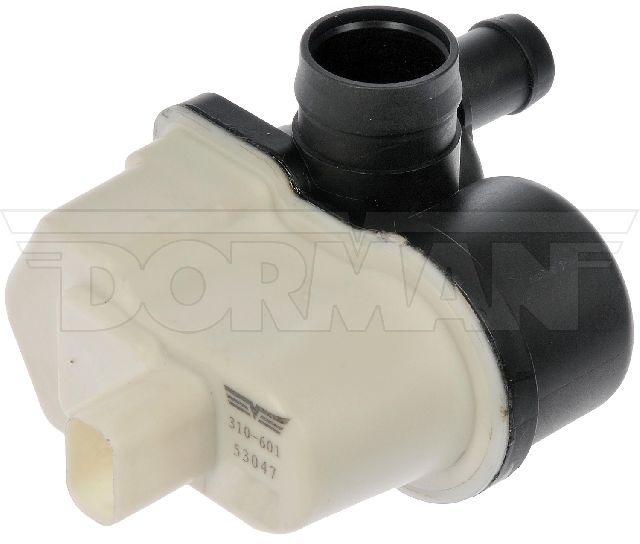
Est. part cost: $25-$50 - Faulty Fuel Tank Vent Valve (Purge Valve) 🟡 Medium Probability → Shop Fuel Tank This valve is an electromechanical part that opens and closes frequently to allow fuel vapors into the intake manifold. Over many cycles, it can fail to seal completely, creating a small, persistent leak in the EVAP system.
How to confirm: This is difficult to confirm without a smoke test or a bidirectional scan tool. A technician can command the valve to close with a scan tool and see if it holds vacuum/pressure. Often, it's replaced based on evidence from a smoke test pointing to a leak in the engine bay area, near the intake manifold. A simple test is to apply 12V to the connector; a healthy valve will make an audible 'click'.
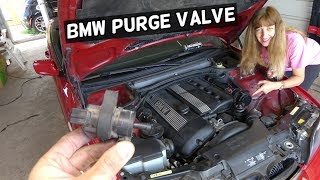
Typical fix: Replace the fuel tank vent valve. It is typically located in the engine bay, connected to the intake manifold. 🎬 See this walkthrough for replacing the fuel tank vent valve.
Est. part cost: $70-$150 - Failing Leak Detection Pump (DMTL) 🟡 Medium Probability → Shop Evaporative Emissions System Leak Detection Pump The DMTL pump itself contains seals and a small motor that can fail. More commonly, the plastic housing or the connected hoses can develop hairline cracks from age and vibration, causing a leak in the very component designed to find them. It is located in the rear passenger-side wheel well, attached to the charcoal canister.
How to confirm: A smoke test is the most reliable method. Smoke will be seen escaping from the pump assembly or its connections. Sometimes the pump motor can be heard running continuously. The pump can be accessed by removing the rear passenger-side wheel and fender liner. If you have a BMW-specific code like P1447 or P1449, it points directly to a faulty DMTL pump.
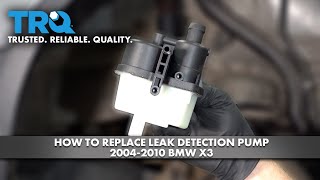
Typical fix: Replace the DMTL pump assembly. It is held on by three screws to the charcoal canister. 🎬 Watch: Step-by-step guide to replacing the DMTL pump.
Est. part cost: $55-$140 - Cracked or Disconnected EVAP Hoses ⚪ Low Probability The plastic and rubber hoses that make up the EVAP system become brittle with age and exposure to engine heat and road debris. A common failure point on BMWs is the fuel tank breather hose, which can rub against the chassis or other components in the wheel well area, causing a hole.
How to confirm: A smoke test is the definitive way to find a cracked hose. A technician will introduce smoke into the EVAP system (often at the purge valve connection) and look for where it escapes. Visual inspection of hoses in the engine bay and behind the rear wheel liners may reveal obvious damage.
Typical fix: Replace the specific section of the cracked hose. In some cases, a durable repair can be made with self-sealing silicone tape or JB Weld for small holes if the hose is difficult to access.
Est. part cost: $20-$100
Rare But Worth Checking
- Cracked Charcoal Canister: → Shop Vapor Canister While not common, the charcoal canister can be damaged by road debris or develop cracks from age, leading to a leak. This is usually found during a smoke test if no other leaks are apparent.
- Leaking Fuel Pump/Sender Gasket: → Shop Fuel Pump The seal for the fuel pump or fuel level sender, located under the rear seat, can degrade and cause an EVAP leak. A strong fuel smell inside the cabin is a primary symptom of this issue. One owner found a leak between the plastic housing and an electrical connector on the fuel pump assembly.
Diagnosis Steps
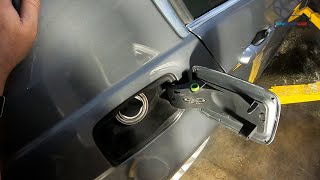
- Check the Gas Cap: Remove the gas cap, inspect the rubber seal for cracks or damage, and clean it. Reinstall it and ensure you turn it until it clicks several times. Clear the code and drive for a few days to see if it returns.
- Purchase a New OEM Gas Cap: If the light returns, the next logical and cost-effective step is to replace the gas cap with a new, genuine BMW part. Aftermarket caps can sometimes have sealing issues.
- Visual Inspection: Remove the rear passenger-side wheel and fender liner. Visually inspect the DMTL pump, charcoal canister, and all visible EVAP hoses for obvious cracks, disconnection, rodent damage, or rub marks.
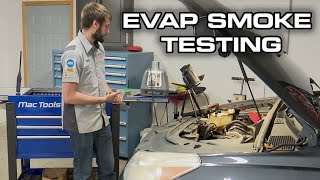
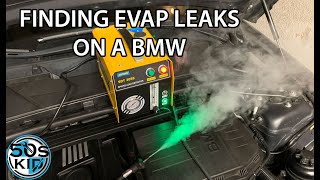
- Perform a Smoke Test: If the above steps do not resolve the issue, a smoke test is the most effective next step. This involves injecting pressurized smoke into the EVAP system (usually via the hose disconnected from the purge valve in the engine bay) and watching for where it escapes. 🎬 Watch: How to perform a professional EVAP smoke test. This will accurately pinpoint the source of the leak, whether it's a hose, the vent valve, the DMTL pump, or the charcoal canister.
- Component Testing: Based on the smoke test results, test the specific component. For example, a scan tool can be used to command the fuel tank vent valve to close to see if it's sealing properly. The purge valve can be tested for resistance and function with a multimeter and 12V source.
- Replace the Faulty Component: Replace the part identified as the source of the leak. For the DMTL pump, this involves removing the rear wheel and liner for access.
Parts You'll Likely Need
- Fuel Filler Cap
(OEM #16117222391)— This is the most common failure point. The seal wears out over time, preventing the system from holding pressure.
Trusted brands: Genuine BMW
OEM price range: $30-$50
Aftermarket price range: $15-$30 - Fuel Tank Vent Valve (Purge Valve)
(OEM #13907557923)— A common failure item that gets stuck or fails to seal, causing a persistent small leak. It's often the culprit if a new gas cap doesn't fix the code.
Trusted brands: Genuine BMW, Bosch
OEM price range: $100-$150
Aftermarket price range: $70-$120 - Leak Detection Pump (DMTL)
(OEM #16137193479)— This pump is used to test the system, but its own housing or seals can fail, causing the leak it's supposed to detect. It is a very common failure point on this platform.
Trusted brands: Bosch, Genuine BMW
OEM price range: $100-$140
Aftermarket price range: $55-$90
Related Codes That Often Appear With This One
- P0456 — P0456 indicates a 'very small leak' whereas P0442 indicates a 'small leak'. They point to the same set of potential failures, just a different leak rate was detected by the system. It's common to see one or the other for the same root cause.
- 2A15, 2A16 — These are BMW-specific fault codes that directly correspond to small (2A15) and very small (2A16) leaks detected by the DMTL system, reinforcing the P0442/P0456 diagnosis.
- P1447 — This is a BMW-specific code that often points directly to a faulty DMTL pump, specifically indicating an electrical fault within the pump like 'Pump Current Too High'.
Platform-Specific Known Issues
- Rodent Damage to Hoses: A surprising number of owners have discovered that their P0442 code was caused by rodents making a nest in the wheel well area and chewing through the plastic EVAP hoses. One forum user found a mouse nest and a chewed-through fuel breather hose after removing the wheel well liner.
- Hose Rubbing Near Wheel Well: The fuel tank breather hose can rub against the body chassis or an A/C line, particularly on N52-engined models, causing a small hole. A BMW service bulletin for the E90 chassis (which shares the N52 engine) recommends inspecting this area and installing a protective rubber insulator.
Mechanic-Grade Diagnostic Values
- Fuel Tank Vent Valve (Purge Valve) Coil Resistance — expected: Approximately 28-32 Ohms.. Failure: A reading significantly outside this range (open circuit or short) indicates a failed solenoid coil.
- Engine Ground Strap Voltage Drop — expected: Below 0.5 DC Volts, ideally 0.1-0.3V.. Failure: A reading of 1-2 volts indicates high resistance from corrosion, confirming the ground strap is bad and needs replacement. While not a direct EVAP test, a bad ground can cause erratic behavior in electronic modules like the DMTL pump.
Hidden / Shadow Codes Worth Checking
- 2A15: DMTL, tank ventilation system, small leak. This is the BMW-specific equivalent of the generic P0442 code. (see via BMW-specific diagnostic software like ISTA/INPA or a high-end scanner capable of reading manufacturer codes.)
- 2A16: DMTL, tank ventilation system, very small leak. This is the BMW-specific equivalent of the generic P0456 code, which is often seen alongside or instead of P0442 for the same root causes. (see via BMW-specific diagnostic software like ISTA/INPA or a high-end scanner.)
- P1447 / 2A17: Diagnostic Module Tank Leakage (DM-TL) Pump Current Too High. This code specifically points to an electrical fault or failure within the DMTL pump itself, rather than just a leak somewhere else in the system. (see via Generic OBD-II scanners can show P1447, while BMW-specific tools may show 2A17.)
Scan Tool Commands That Help
- ISTA/INPA or equivalent bidirectional scanner: EVAP System Leak Test / DMTL Test Plan — This function initiates the DMTL pump test sequence on demand, allowing a technician to monitor system pressures and pump current to diagnose the system without waiting for the automatic test cycle.
- ISTA/INPA or equivalent bidirectional scanner: Activate / Close Vent Valve — This is a critical step before performing a smoke test. The vent valve (part of the DMTL assembly) is normally open. This command closes it, sealing the EVAP system so that smoke pressure can build and reveal leaks. The scanner will show the status change from 'Venting' to 'Not Venting'.
Wiring & Ground Locations
- Main Engine Ground Strap — Under the vehicle, connecting the right front engine mount bracket to the chassis, near the front exhaust pipe.. A corroded or failed main ground strap can cause unstable voltage and grounding for all engine electronics, including the DME, purge valve, and DMTL pump. This can lead to erratic component behavior and false diagnostic codes.
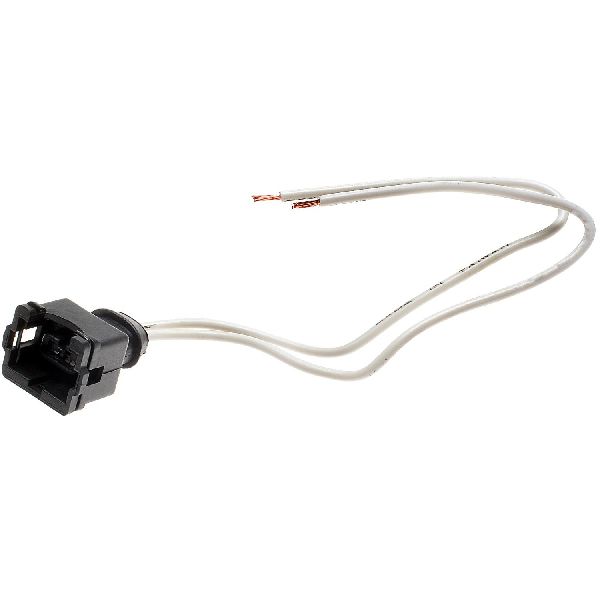
- DMTL Pump Connector — In the rear passenger-side wheel well, connected to the DMTL pump mounted on the charcoal canister.. This connector provides power and ground to the DMTL pump. Corrosion or damage to these wires can cause DMTL-specific fault codes like P1447 and prevent the EVAP leak test from running correctly.
Real Owner Repair Stories
- Bimmerpost forum user (BMW 335i (E90 chassis, similar EVAP system)) — Service Engine Soon light with codes 2A15 and 2A16.
❌ Tried (didn't work) Replacing the gas cap.
✅ What actually fixed it Replacing the DMTL pump module. The user concluded the original pump was giving a false reading, triggering a leak code when no external leak was present. - Bimmerpost forum user (BMW with 113k miles (E90 chassis)) — Check Engine Light with code 2A16 (very small leak).
❌ Tried (didn't work) Extensive smoke testing of the EVAP system, which found no leaks.
✅ What actually fixed it Replacing the oil filler cap. The user noticed a damp area around the cap and found the seal had dried out after 9 years. A new $8 cap resolved the code. - Bimmerpost forum user (BMW (E90 chassis)) — P0442 code.
❌ Tried (didn't work) Replacing the gas cap.
✅ What actually fixed it A smoke test revealed a hole in the fuel breather hose. Upon inspection, the user found a mouse had built a nest in the wheel well and chewed through the plastic hose.
"I Checked Everything" — The Actual Cause
- In one documented case, a user with recurring small leak codes (2A15/2A16) passed a smoke test and replaced the gas cap to no avail. The final fix was replacing the DMTL pump itself, suggesting the pump's internal diagnostics were faulty and incorrectly reporting a leak.
- Another owner chased a 2A16 'very small leak' code with smoke tests showing no issues. The actual cause was found to be a dried-out oil filler cap seal. This would not be found in a standard EVAP smoke test as it is part of the crankcase ventilation system, not the fuel vapor system.
OEM Part Supersession History
16136752551, 16136764191→16137193479— Part redesign and improvement by the manufacturer over time.
Heads up: The newest part number (16137193479) is the correct replacement for the earlier versions and is backward compatible.13907503986→13907557923— Part revision for the M54 engine.
Heads up: This part is specific to the earlier (2004-2006) X3 models with the M54 engine.
Model Year Variations Within This Range
- 2004-2006 (M54 Engine) vs. 2007-2010 (N52 Engine): The Fuel Tank Vent Valve (Purge Valve) part number is different. Pre-facelift models with the M54 engine typically use part number 13907557923. Post-facelift models with the N52 engine use a different part (e.g., 13907618647). While they perform the same function, the physical design and connections may differ.
Diagnostic Flowchart
Other Known Issues on This Vehicle
Issues unrelated to this code that are worth knowing about as an owner of this generation:
- Transfer Case Actuator Gear Failure 🔴 High — Very common, especially on higher mileage vehicles. Symptoms include 4x4, ABS, and Brake warning lights (the 'trifecta'). The plastic gear inside the actuator motor wears out.
- Panoramic Sunroof Rattle/Failure 🟠 Medium — A widespread problem where the sunroof mechanism fails, causing rattling, jamming, or inability to close. Often caused by broken plastic guide pieces.
- Cooling System Failures (M54/N52) 🔴 High — Common across all E83 engines. Plastic components like the expansion tank, radiator necks, and water pump (especially the electric one on the N52) are prone to cracking and failure, leading to overheating.
- Engine Oil Leaks (Valve Cover, Oil Filter Housing) 🟠 Medium — Extremely common. The valve cover gasket and oil filter housing gasket become brittle and leak oil. This can cause a burning oil smell and, if the OFHG leaks onto the belt, can cause belt shredding and catastrophic engine damage.
- CCV System Failure (M54 Engine) 🟠 Medium — The Crankcase-Ventilation system is prone to clogging, especially in cold climates, which can lead to high oil consumption, rough running, and blown gaskets due to excessive crankcase pressure.
- Window Regulator Failure 🟡 Low — Common for the plastic clips that hold the window to the regulator to break, causing the window to fall into the door or become inoperable.
Used vs. New Parts: Buying Guide for This Vehicle
When a used part is the smart pick: For this repair, used parts are generally not recommended for the key electronic components. However, sourcing a used charcoal canister or larger plastic EVAP lines from a low-mileage, non-corroded donor vehicle can be a cost-effective option if they are physically damaged on your car.
Donor-vehicle mileage cap: roughly under 80000 miles for the part to have meaningful remaining life.
What to inspect on the donor part:
- For hoses/lines: Check for any brittleness, cracking, or soft/swollen spots. The plastic should still have some flexibility.
- For the charcoal canister: Ensure the plastic housing has no cracks, especially around the mounting tabs and hose connections. Shake it to make sure no loose charcoal is rattling inside.
- Check the donor vehicle's history for location; parts from 'salt belt' regions are more likely to have corroded connectors and brittle plastics.
OEM-only on this vehicle (don't cheap out):
- Fuel Filler Cap: This is the most critical part to buy as a Genuine BMW or OEM equivalent. Aftermarket caps are notorious for having incorrect seal durometer or click mechanisms, leading to the same P0442 code returning shortly after replacement.
Aftermarket brands forum-validated for this vehicle:
- Bosch: Bosch is the Original Equipment Manufacturer (OEM) for both the DMTL pump and the Fuel Tank Vent Valve. Buying a Bosch-branded part will be identical to the Genuine BMW part but is often significantly less expensive.
Brands owners have reported issues with on this vehicle:
- Unbranded / 'White-box' gas caps and sensors from online marketplaces. While tempting due to low cost, they have a very high failure rate for sealing properly and can cause you to waste time and money on further, unnecessary diagnostics.
Real Owner Stories
Aggregated from forums and TSBs cited above. Mileages and costs reflect what owners reported in those sources.
2004-2010 BMW X3 (N52 engine)
Symptoms: P0442 code caused by a mouse nest found in the wheel well area.
What fixed it: Replacing a fuel breather hose that had been chewed through by rodents.
Source hint: Bimmerpost - A user with P0442 documented finding a mouse nest and a chewed fuel breather hose above the wheel well liner.
BMW E60 5-Series (Shared M54 engine/EVAP components)
Symptoms: Engine code P0442; found an EVAP hose running from the DMTL was almost split in two.
What fixed it: The owner patched the damaged hose that had been shredded by a failing fender liner.
Source hint: 5series.net - An owner with P0442 on an E60 (which shares EVAP components) found the evap hose running from the DMTL was almost split in two.
BMW E88 (Shared EVAP components)
Symptoms: Long-standing P0442 code; found that manipulating the electrical connection provided a temporary fix.
What fixed it: Unplugging and replugging the DMTL pump connector, suggesting an internal pump fault or electrical connection issue.
Source hint: Bimmerpost - A user with a long-standing P0442 code on an E88 (sharing components) confirmed that unplugging and replugging the DMTL pump connector sometimes temporarily resolves the issue.
Related OBD-II Codes
Frequently Asked Questions
Where is the DMTL pump located on my 2004-2010 BMW X3?
My X3 dash says 'tighten gas cap' but the cap is already tight. Is this related to P0442?
Should I use an aftermarket gas cap to fix this code on my BMW?
Is there a specific hose I should check for rubbing issues on the N52 engine models?
Can I test the fuel tank vent valve myself?
How do I find a leak if I can't see any cracked hoses?
Helpful Videos
We Have This Part in Stock


The information in this article is provided for general reference and educational purposes only. Vehicle specifications, procedures, and part compatibility can vary by production date, trim level, and region. Always consult your vehicle's factory service manual and verify part numbers before purchasing or performing repairs. Safety-critical components such as airbags, seat belts, and braking systems should be installed by a qualified professional.
- BMW X3:
- 🧭 Diagnostic Flowchart
- 🎬 Helpful Videos
- 🛍️ Shop This Part
- What's Unique About the 2004-2010 BMW X3
- Symptoms You May Notice
- Most Likely Causes
- Rare But Worth Checking
- Diagnosis Steps
- Parts You'll Likely Need
- Related Codes That Often Appear With This One
- Platform-Specific Known Issues
- Mechanic-Grade Diagnostic Values
- Hidden / Shadow Codes Worth Checking
- Scan Tool Commands That Help
- Wiring & Ground Locations
- Real Owner Repair Stories
- "I Checked Everything" — The Actual Cause
- OEM Part Supersession History
- Model Year Variations Within This Range
- Other Known Issues on This Vehicle
- Used vs. New Parts: Buying Guide for This Vehicle
- Real Owner Stories
- 2004-2010 BMW X3 (N52 engine)
- BMW E60 5-Series (Shared M54 engine/EVAP components)
- BMW E88 (Shared EVAP components)
- Related OBD-II Codes
- Frequently Asked Questions
- 🎟️ Get 5% Off