

P0442 on 2005-2012 Buick LaCrosse: EVAP Small Leak Causes and Fixes
For a P0442 code on a 2005-2012 Buick LaCrosse, the most likely cause is a loose or worn-out gas cap. This is an inexpensive fix, typically under $30. If that doesn't solve it, the next most common culprits are the EVAP purge or vent solenoids. A stuck-open purge valve may also cause difficulty starting right after refueling.
- P0442 indicates a very small leak in the emissions system.
- Always check the gas cap first. Ensure it's tight and the seal is in good condition before buying any parts.
- The next most likely causes are the EVAP purge solenoid (in the engine bay) or the vent solenoid (at the rear of the car).
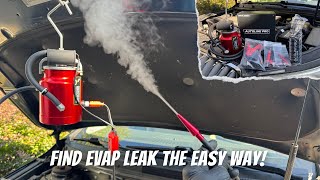
- While you can replace parts based on probability, a smoke test is the only way to be 100% certain where the leak is.
- This code will cause an automatic failure of an emissions test, so it must be resolved to stay compliant.
What's Unique About the 2005-2012 Buick LACROSSE
The 2005-2012 Buick LaCrosse spans two distinct generations, with different EVAP system components and locations. For this code, GM has issued specific Technical Service Bulletins (TSBs) advising technicians on proper diagnostic steps. TSB #PIT4943D, for example, details a specific procedure: use a scan tool to close the EVAP system and monitor the fuel tank pressure sensor *before* disturbing any components or introducing smoke. A change in pressure indicates a likely purge valve leak, while no change suggests the leak is elsewhere. This highlights the need to follow a specific diagnostic procedure rather than just replacing parts. Failures of the purge and vent solenoids are common across many GM vehicles of this era, including platform mates like the Chevy Impala, and the LaCrosse is no exception.
🎬 Watch: How to replace the purge valve on 2005-2009 models.Diagnostic Flowchart
Tap your situation to follow the diagnostic path that matches what you're seeing on this vehicle.
Generation note: This year range covers the first generation (2005-2009) on the W-body platform and the beginning of the second generation (2010-2012) on the Epsilon II platform. While the causes are similar, the specific part numbers and locations for components like the purge and vent solenoids differ. For example, the Gen 1 (3.8L V6) purge valve is ACDelco 214-1473, while the Gen 2 (3.6L V6) often uses ACDelco 12690512.
Symptoms You May Notice
- Check Engine Light is on
- A faint smell of fuel, particularly around the rear of the car (less common than with large leaks)
- Failing a vehicle emissions test
- Difficulty starting the engine immediately after refueling (a strong indicator of a stuck-open purge valve)
- Replacing the purge or vent solenoid without confirming the failure with a smoke test or scan tool. The gas cap is a much more common and cheaper first step.
- Replacing the fuel tank pressure sensor. This sensor rarely fails in a way that causes a P0442 code; it would more likely set a specific sensor-related code (like P0452 or P0453).
Most Likely Causes
- Loose or Faulty Gas Cap 🔴 High Probability → Shop Fuel Tank Cap The gas cap is a frequently used part and its seal can wear out over time, preventing the EVAP system from sealing properly. This is the most common and inexpensive cause for any EVAP leak code.
How to confirm: Ensure the gas cap is tightened until it clicks several times. Inspect the rubber O-ring on the cap for cracks, dirt, or damage. Check the fuel filler neck for rust or debris that could prevent a good seal.
Typical fix: First, try tightening the existing cap. If the code returns, replace the gas cap with a new, quality OEM part. Aftermarket caps can sometimes fail to seal correctly. Always clear the code after replacement and drive for a few days to see if it returns.
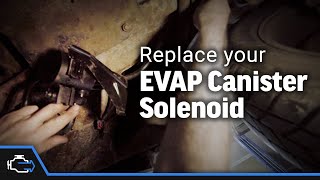
Est. part cost: $15-$35 - EVAP Purge Solenoid/Valve Failure 🟡 Medium Probability → Shop Vapor Canister This is a known common failure item on many GM vehicles from this period. The valve, located in the engine bay, can get stuck open or closed, causing a leak in the system during the self-test. DIY repair videos strongly recommend using only genuine GM/ACDelco replacement parts, as aftermarket versions are known to fail prematurely.
How to confirm: A key symptom is a long crank or rough start after filling the gas tank. You can also test it by removing the valve (typically held by one 10mm bolt), and trying to blow through it. When not energized, it should be closed and not allow air to pass. A professional diagnosis involves using a scan tool to command the valve and a smoke machine to check for leaks.
Typical fix: Replacement of the purge solenoid. It is typically mounted on or near the engine's intake manifold and held by a 10mm bolt.
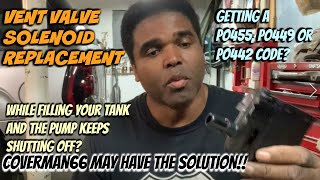
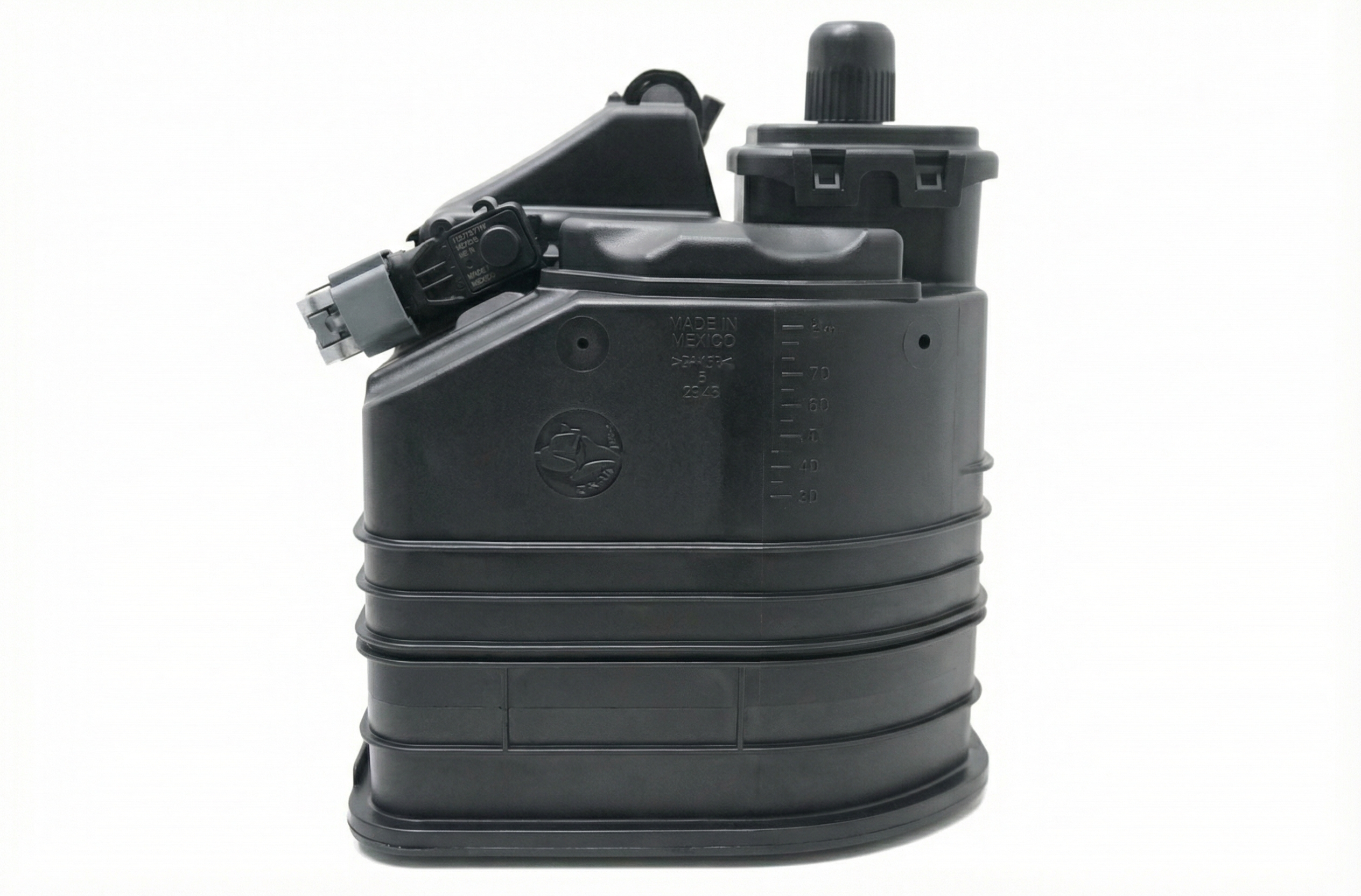
Est. part cost: $25-$70 - EVAP Vent Solenoid/Valve Failure 🟡 Medium Probability → Shop Vapor Canister This solenoid, located near the charcoal canister at the rear of the vehicle, is exposed to road debris and moisture, causing it to fail. It can get stuck open, preventing the system from sealing for its test. If you also have a P0449 code, this part is almost certainly the culprit.
How to confirm: A scan tool can command the valve to close. The definitive test is using a smoke machine to see if smoke escapes from the vent valve when it is commanded shut. A symptom of it being stuck closed is the fuel pump nozzle constantly clicking off during refueling.
Typical fix: Replacement of the vent solenoid. This often requires safely raising the rear of the vehicle for access to the area near the fuel tank.
Est. part cost: $30-$75 - Cracked or Disconnected EVAP Hoses ⚪ Low Probability Over time, the rubber and plastic hoses in the EVAP system can become brittle, dry-rot, and crack, creating small leaks. The plastic connectors can also become brittle and break during other repairs.
How to confirm: A thorough visual inspection of all EVAP lines from the engine bay to the fuel tank is the first step. The most effective method is to use an automotive smoke machine, which fills the system with vaporous smoke, making even tiny leaks visible.
Typical fix: Replace the cracked section of hose or the damaged connector.
Est. part cost: $5-$50
Rare But Worth Checking
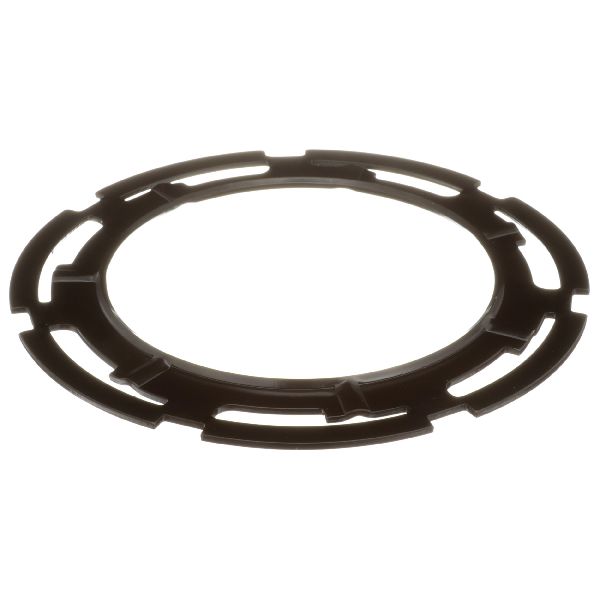
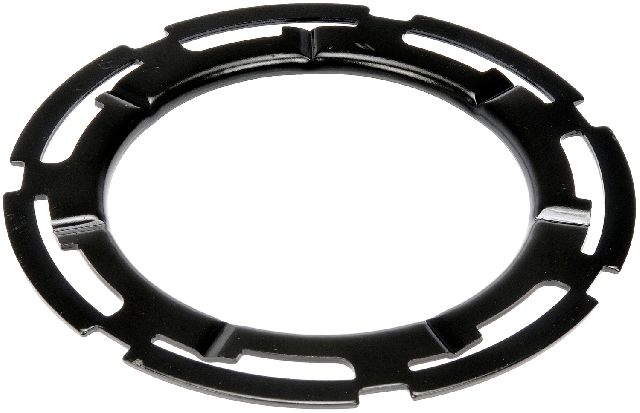
- Leaking Fuel Tank Sending Unit Gasket: → Shop Fuel Tank A forum user on GM-Forum.com reported that after replacing both solenoids without success, the P0442 code was finally resolved by replacing the fuel pump sending unit gasket on top of the fuel tank. A key symptom was a persistent gasoline smell near the trunk or back seat area, which disappeared after the gasket was replaced.
- Rusted or Cracked Fuel Filler Neck: → Shop Fuel Filler Neck On a 2010 LaCrosse, a P0442 code was traced back to a rusted-out fuel filler neck. The leak was found behind a mounting bracket using a smoke machine. This is more common in regions where road salt is used.
- Cracked Charcoal Canister: → Shop Vapor Canister While more likely to cause a large leak code (P0455), a small crack in the plastic body of the charcoal canister can trigger a P0442. This is usually found during a smoke test.
Diagnosis Steps
- Check the gas cap. Remove it, inspect the seal for cracks or damage, and clean the filler neck surface. Reinstall the cap, ensuring it clicks multiple times. Clear the code and drive for a few days.
- If the code returns, perform a visual inspection of all accessible EVAP hoses and lines in the engine bay and under the car near the fuel tank. Look for obvious cracks, damage, or loose connections.
- Follow GM's recommended diagnostic procedure per TSB #PIT4943D: Without disturbing components, use a scan tool to command the EVAP system closed. Start the engine and monitor the fuel tank pressure sensor for ~2 minutes. If vacuum builds, the purge solenoid is likely leaking internally and should be tested/replaced.
- If no vacuum builds in the previous step, the leak is elsewhere. The most definitive diagnostic step is an automotive smoke test. A technician will command the vent valve closed with a scan tool and inject pressurized smoke into the EVAP service port. Smoke will exit from the point of the leak, whether it's a hose, the vent solenoid, the gas cap seal, the charcoal canister, or even the fuel filler neck.
- If a smoke test reveals no leaks, the solenoids should be tested electrically and mechanically using a bi-directional scan tool, as outlined in GM's service information. TSB #21-NA-124 advises checking the vent valve for being stuck open before suspecting the purge valve.
- If a fuel smell is present near the rear seat or trunk area and all other tests fail, inspect the fuel pump/sending unit gasket on top of the fuel tank for leaks, as reported by some owners.
Parts You'll Likely Need
- Fuel Tank Cap
(OEM #GT261 / GT330 (Varies by year/gen))— This is the most frequent cause of a P0442 code due to its seal wearing out over time. It's the cheapest and easiest part to replace first.
Trusted brands: ACDelco
OEM price range: $20-$35
Aftermarket price range: $15-$25 - EVAP Vapor Canister Purge Solenoid/Valve
(OEM #214-1473 (Gen 1, 3.8L) / 12690512 (Gen 2, 3.6L))— A very common failure point on GM vehicles of this era. It gets stuck, creating a leak path. It's located in the engine bay and is relatively easy to replace. Owners and technicians strongly recommend using only OEM ACDelco parts, as aftermarket versions are known to fail quickly.
Trusted brands: ACDelco
OEM price range: $40-$70
Aftermarket price range: $25-$5
Related Codes That Often Appear With This One
- P0455 — This indicates a large EVAP leak. If a component fails significantly (e.g., a large hose crack or a completely missing gas cap), you may see P0455 instead of or alongside P0442. TSB #21-NA-124 specifically mentions diagnosing both codes together.
- P0449 — This code specifically points to a malfunction in the EVAP vent solenoid circuit. If you have P0442 and P0449 together, the vent solenoid is almost certainly the problem.
- P0496 — This code indicates EVAP flow during a non-purge condition, which almost always points to a faulty purge valve stuck open in the engine bay. It is very common to see P0496 alongside P0442.
Technical Service Bulletins (TSBs) & Recalls
- 21-NA-124: Provides diagnostic tips for testing EVAP leaks related to codes P0442 and P0455.
- PIT4943D: Directs technicians to follow a specific Techlink article for using an EVAP system tester to diagnose code P0442.
Platform-Specific Known Issues
- Per TSB #21-NA-124, GM provides specific diagnostic tips for technicians to follow when diagnosing P0442 and/or P0455, indicating a known pattern of issues that requires a methodical approach. [Bulletin #21-NA-124]
- Per TSB #PIT4943D, technicians are directed to a specific Techlink article on using the evaporative emissions system tester, reinforcing that specialized tools and procedures are recommended for an accurate diagnosis. [Bulletin #PIT4943D]
Mechanic-Grade Diagnostic Values
- Fuel Tank Pressure (FTP) Sensor Voltage at atmospheric pressure (key on, engine off, gas cap removed) — expected: 1.3V to 1.7V, with 1.5V being ideal.. Failure: A reading stuck high (near 5V) or low (near 0V) indicates a faulty sensor or wiring issue.
- FTP Sensor Reference Voltage — expected: 5V. Failure: No voltage indicates a wiring problem from the ECM.
- Conditions for DTC P0442 Test to Run (Gen 1, ~2006) — expected: Fuel level 15-85%, ECT and IAT between 4-30°C (39-86°F), and BARO > 75 kPa.. Failure: If these conditions are not met, the EVAP monitor will not run, and the code status will not update.
- Conditions for DTC P0442 Test to Run (Gen 2, ~2011 EONV system) — expected: Fuel level 15-85%, startup ECT and IAT between 0-40°C (32-104°F), BARO > 74 kPa, and a specific engine run/soak time must be met for the natural vacuum to form.. Failure: Short trips or refueling can prevent the Engine Off Natural Vacuum (EONV) test from running.
Scan Tool Commands That Help
- GM Tech2 / GDS2 or equivalent professional scan tool: EVAP System Test / Output Control — This function allows the technician to manually command the purge and vent solenoids ON or OFF to seal the system for testing.
- GM Tech2 / GDS2: EVAP Vent Solenoid Control — Used to command the vent valve closed (to a 'Not Venting' state) to seal the system before introducing smoke from a smoke machine. This verifies the solenoid's function and allows the rest of the system to be tested for leaks.
- GM Tech2 / GDS2: EVAP Purge Solenoid Control — Used to command the purge valve to open by a certain percentage. A technician can use this to check if the valve is physically stuck or responding to the ECM's command.
Wiring & Ground Locations
- BCM (Body Control Module) — Under the driver's side of the dashboard.. The BCM is involved in various vehicle functions and shares data networks with the ECM. A poor ground or connection here can cause a variety of seemingly unrelated issues.
- G103 — On the cowl at the left rear of the engine compartment, typically above the brake booster.. This is a major ground point for the Body Control Module (BCM) and the Instrument Panel Cluster (IPC). A corroded or loose G103 can cause erratic behavior of modules that communicate with the ECM, which controls the EVAP system.
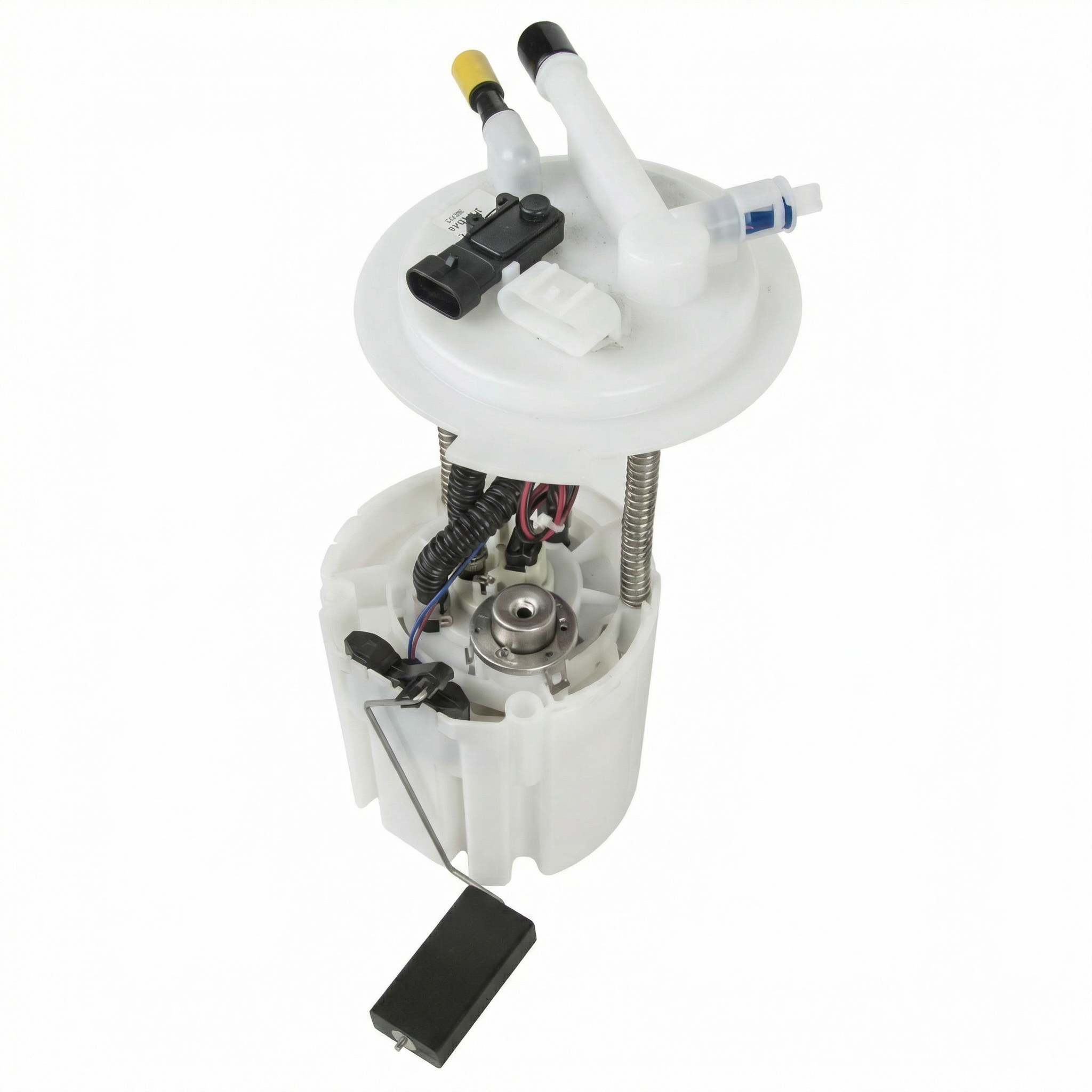
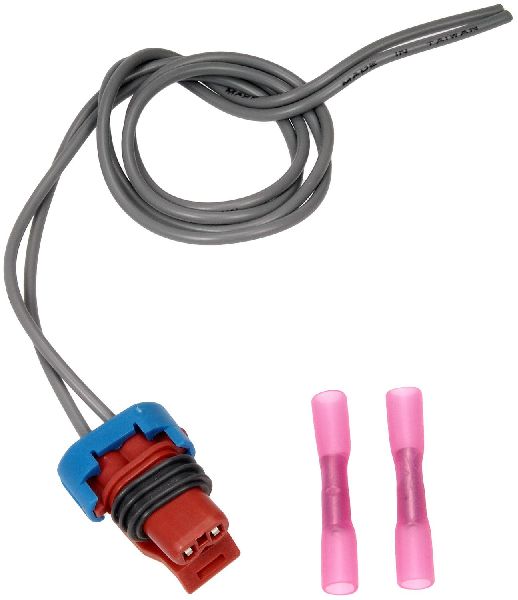
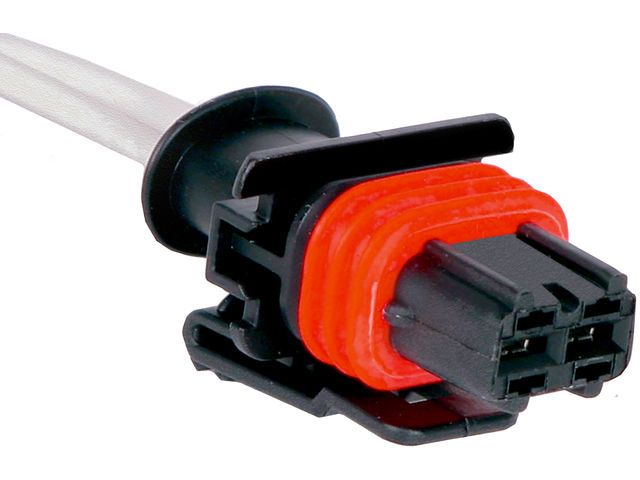
- FTP Sensor Connector (Gen 2) — On top of the fuel tank, part of the fuel pump module.. The three wires are typically a 5V reference (from ECM), a ground, and the signal wire (back to ECM). Knowing the pinout allows for testing the circuit without dropping the tank. For example, a technician can check for the 5V reference and ground at the connector to rule out a wiring issue before condemning the sensor.
Real Owner Repair Stories
- Reddit user post (2010 Buick Lucerne 3.9L V6 (W-body platform mate to Gen 1 LaCrosse)) — Intermittent P0442 code and 'Tighten Gas Cap' message. Failed state inspection due to EVAP system 'Not Ready'.
❌ Tried (didn't work) Replacing the gas cap., Clearing the code and driving over 100 miles.
✅ What actually fixed it The user had previously replaced the vent solenoid/valve near the charcoal canister 1.5 years prior, which had resolved a persistent check engine light at that time. The intermittent P0442 suggests this or another small leak was the recurring issue.
"I Checked Everything" — The Actual Cause
- A Reddit user with a 2006 Buick LaCrosse reported a persistent P0442 code even after a professional smoke test found no leaks. The mechanic suggested it wasn't a necessary fix if the owner didn't want to invest more money, implying that sometimes a very intermittent or condition-specific leak (like one that only opens at a certain temperature) can pass a static smoke test. The next logical step, though not confirmed by the user, would be to replace the most common culprits like the purge or vent solenoid, as they can leak internally in a way that is difficult to detect.
OEM Part Supersession History
12614970→19418807— Unknown, likely a design revision or manufacturer change.12608378→12735400— Unknown, likely a design revision for the purge valve assembly.
Model Year Variations Within This Range
- 2005-2009 (Gen 1): The EVAP leak test is typically performed by the ECM using engine vacuum to create a vacuum in the sealed EVAP system and then monitoring the FTP sensor for decay.
- 2010-2012 (Gen 2): These models use a more advanced Engine Off Natural Vacuum (EONV) system. After the car is shut off, the cooling of fuel and vapor in the sealed tank naturally creates a slight vacuum. The ECM monitors this vacuum change over a period of time to detect leaks. This test is passive and does not use engine vacuum.
Helpful Videos
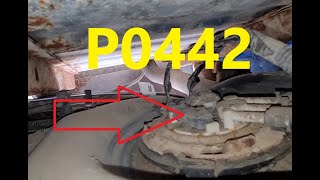
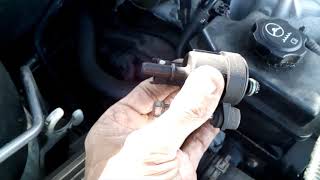
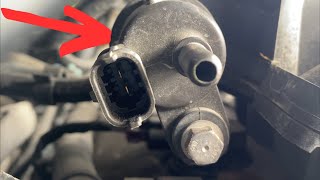
![How to Fix P0442 Engine Code in 3 Minutes [2 DIY Methods / Only $4.67]](https://img.youtube.com/vi/73AR8Tl6YZU/mqdefault.jpg)
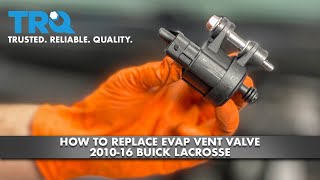
Used OEM Parts in Stock

New Aftermarket Parts Available


The information in this article is provided for general reference and educational purposes only. Vehicle specifications, procedures, and part compatibility can vary by production date, trim level, and region. Always consult your vehicle's factory service manual and verify part numbers before purchasing or performing repairs. Safety-critical components such as airbags, seat belts, and braking systems should be installed by a qualified professional.
- Buick LACROSSE:
- 🧭 Diagnostic Flowchart
- 🎬 Helpful Videos
- 🛍️ Shop This Part
- What's Unique About the 2005-2012 Buick LACROSSE
- Symptoms You May Notice
- Most Likely Causes
- Rare But Worth Checking
- Diagnosis Steps
- Parts You'll Likely Need
- Related Codes That Often Appear With This One
- Technical Service Bulletins (TSBs) & Recalls
- Platform-Specific Known Issues
- Mechanic-Grade Diagnostic Values
- Scan Tool Commands That Help
- Wiring & Ground Locations
- Real Owner Repair Stories
- "I Checked Everything" — The Actual Cause
- OEM Part Supersession History
- Model Year Variations Within This Range
- 🎟️ Get 5% Off