

P0442 on 2006-2011 Buick Lucerne: EVAP Small Leak Causes and Fixes
For a 2006-2011 Buick Lucerne, code P0442 most often means you have a faulty gas cap or a bad EVAP purge or vent valve. Start by checking or replacing the gas cap with an OEM part; if that doesn't work, the purge and vent valves are the next most likely culprits, and are common failure items on this platform.
- P0442 means your car has a small leak in the emissions system.
- Always start by checking the gas cap. Make sure it's tight and the seal isn't cracked. An OEM replacement is best.
- If the gas cap isn't the issue, the EVAP purge valve (on the engine) or the vent valve (under the car by the tank) are the next most likely causes.
- While you can drive the car with this code, you will not pass an emissions test until the leak is fixed.
- A smoke test is the most reliable professional method to find the exact source of the leak if it's not one of the common components.
What's Unique About the 2006-2011 Buick LUCERNE
On this generation of GM vehicles built on the H-platform, including the Lucerne and its sibling the Cadillac DTS, the EVAP vent and purge solenoids are very common failure points that lead to a P0442 code. While a loose gas cap is always the first suspect, many owners find the true source is one of these valves. The diagnostic procedure for this vehicle involves an Engine Off Natural Vacuum (EONV) test, which can take up to 45 minutes to complete after the ignition is turned off, and the ECM may only make two attempts per day. This can sometimes make it seem like the code appears intermittently. Manufacturer technical service bulletins (TSBs) guide technicians in using a smoke machine to pinpoint these specific EVAP system leaks.
Diagnostic Flowchart
Tap your situation to follow the diagnostic path that matches what you're seeing on this vehicle.
Symptoms You May Notice
- Check Engine Light is on
- A faint smell of fuel, particularly outside the vehicle or after refueling.
- Difficulty starting the car immediately after refueling (in rare cases, if the purge valve is stuck open, flooding the engine with vapors).
- An intermittent code that may take hundreds of miles to reappear after being cleared.
- Replacing the O2 sensors, as they are not related to the EVAP system.
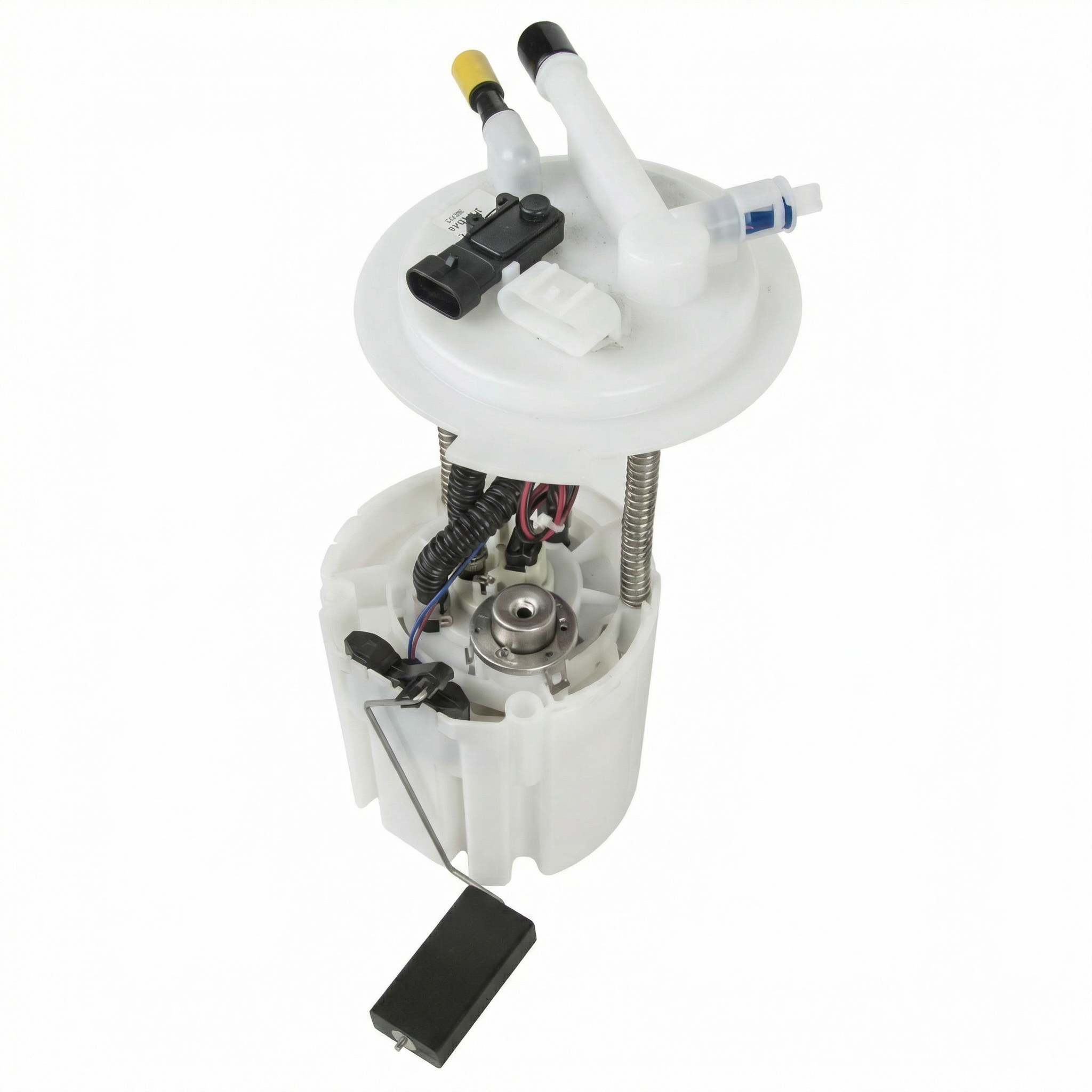
- Replacing the fuel pump, unless it is related to a leaking seal at the top of the tank.
Most Likely Causes
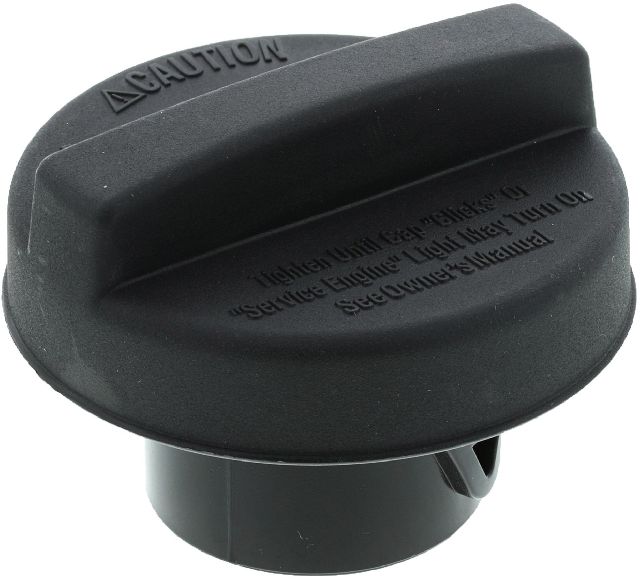
- Loose or Faulty Gas Cap 🔴 High Probability → Shop Fuel Tank Cap The gas cap is a frequently used part and its rubber seal can degrade, crack, or harden over time, preventing a proper seal. This is the most common and easiest fix for P0442.
How to confirm: Inspect the gas cap for visible cracks or a brittle, inflexible rubber O-ring. Ensure it is tightened until it clicks multiple times. A worn-out seal is a clear indicator for replacement. Also, inspect the fuel filler neck for rust or corrosion where the cap seals, as this can also prevent a good seal.
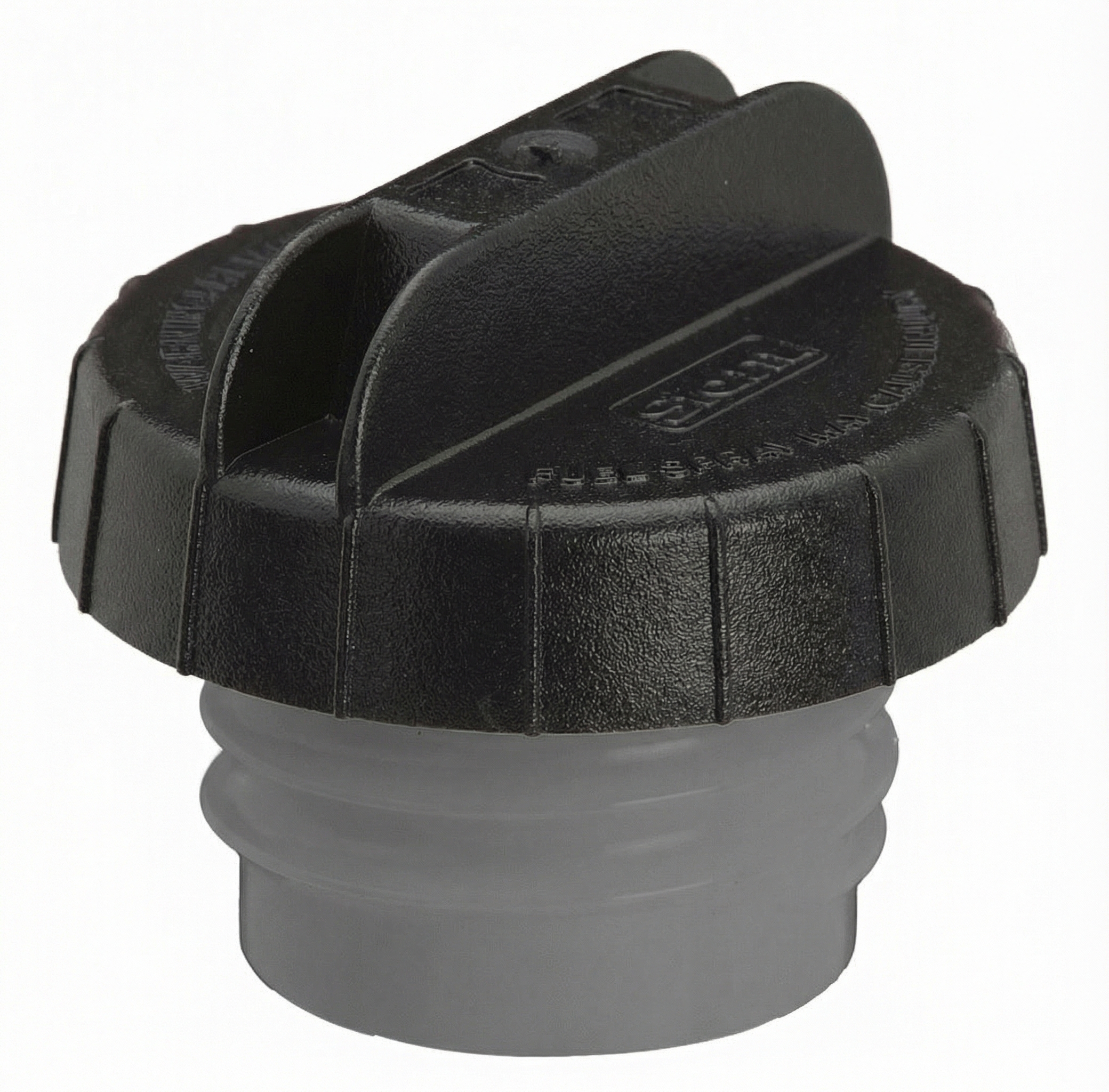
Typical fix: Replace the gas cap. It is highly recommended to use an OEM ACDelco part (such as GT335 or GT313) as some aftermarket caps may not seal correctly and can cause the code to persist.
Est. part cost: $15-$30 - Faulty EVAP Purge Valve/Solenoid 🟡 Medium Probability → Shop Vapor Canister This valve is a very common failure point on many GM vehicles of this era, including the Lucerne. It can get stuck open, causing a constant small leak that the system detects.
How to confirm: With the engine off, locate the valve in the engine bay. Disconnect the EVAP line from it and try to blow through the valve. It should be normally closed and not allow air to pass. If you can blow through it, it's stuck open and needs replacement.
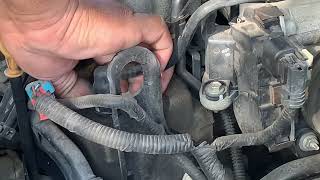
Typical fix: Replace the EVAP purge valve solenoid. This is a straightforward repair for DIYers. 🎬 Watch: See this step-by-step purge valve replacement walkthrough.
Est. part cost: $25-$50 - Faulty EVAP Vent Valve/Solenoid 🟡 Medium Probability → Shop Vapor Canister Like the purge valve, the vent valve is a known issue. Located near the charcoal canister under the rear of the vehicle, it is exposed to road debris, salt, and moisture, which causes corrosion and failure.
How to confirm: This valve is normally open and closes to seal the system for a pressure test. A scan tool can command it closed. The most definitive confirmation is during a smoke test; if the valve is commanded closed and smoke still escapes from it, it is faulty.
Typical fix: Replace the EVAP vent valve solenoid. It is often located on or next to the charcoal canister.
Est. part cost: $30-$60 - Cracked or Disconnected EVAP Hoses ⚪ Low Probability Rubber hoses and plastic lines can become brittle and crack over time due to age and heat exposure. A deteriorated rubber elbow on a vacuum line near the engine has been noted by owners as a specific failure point.
How to confirm: Visually inspect all accessible EVAP lines between the engine, charcoal canister, and fuel tank for cracks, splits, or loose connections. Pay close attention to rubber elbows and connection points. A smoke test is the most effective method to find a small hose leak.
Typical fix: Replace the damaged section of hose or the entire hose assembly.
Est. part cost: $10-$40
Rare But Worth Checking
- Cracked EVAP Charcoal Canister: → Shop Vapor Canister The plastic housing of the canister can develop cracks from road debris impact or age, creating a leak. This is less common than valve failure but will be revealed during a smoke test.
- Leaking Fuel Tank Filler Neck: → Shop Fuel Tank Corrosion or rust on the metal filler neck where the gas cap seals can create an uneven surface, preventing a proper seal and causing a small leak. In some cases, the filler neck itself can rust through and create a leak.
- Faulty Fuel Tank Pressure (FTP) Sensor: → Shop Fuel Tank While less common, the sensor that measures the pressure in the EVAP system can fail or provide inaccurate readings, leading the ECM to incorrectly believe there is a leak. This usually throws other codes as well.
Diagnosis Steps
- Check the Gas Cap: Remove, inspect the seal for damage, and reinstall, ensuring it clicks shut. Clear the code. If it returns, consider replacing the cap with an OEM part as the next step.
- Visual Inspection: Inspect all visible EVAP hoses in the engine bay and under the car near the car near the fuel tank for obvious cracks, damage, or disconnections. A common failure point is a small, deteriorated rubber elbow on a vacuum line in the engine bay.
- Test the Purge Valve: Locate the purge valve on the engine. Disconnect it and attempt to blow through it. If air passes, the valve is stuck open and must be replaced.
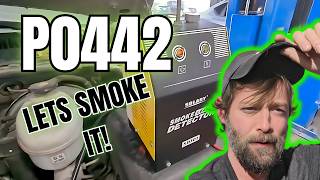
- Perform a Smoke Test: This is the most effective way to find a small leak. 🎬 Watch: How to find a small leak using a smoke machine. A smoke machine is connected to the EVAP service port (or an adapter is used on the purge line). The machine fills the system with a harmless, visible smoke. Smoke will exit from any leak point, whether it's a hose, the vent valve, the canister, or the gas cap seal.
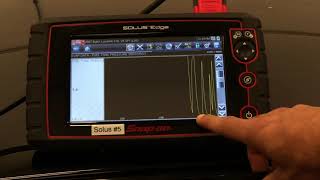
- Test the Vent Valve: During a smoke test, use a scan tool to command the vent valve closed. If smoke escapes from the vent valve, it is faulty and needs replacement. The vent valve is located near the fuel tank, often attached to the charcoal canister. 🎬 Watch: A mechanic explains the Lucerne EVAP system layout.
Parts You'll Likely Need
- Gas Cap
(OEM #ACDelco GT335, GT313, GM 20971566)— This is the most frequent and simplest cause of a P0442 code due to seal degradation. Using an OEM cap is critical for a proper seal.
Trusted brands: ACDelco
OEM price range: $20-$30
Aftermarket price range: $15-$25 - EVAP Vapor Canister Purge Valve
(OEM #GM 12597567 / ACDelco 214-1680)— A common failure item on GM vehicles that gets stuck open, causing a persistent small leak. The GM and ACDelco part numbers are interchangeable for this component.
Trusted brands: ACDelco
OEM price range: $35-$60
Aftermarket price range: $25-$45 - EVAP Vapor Canister Vent Valve Solenoid
(OEM #GM 25932571 / ACDelco 214-2149)— This valve fails due to its location under the car, exposed to dirt and moisture. It fails to seal the system for the pressure test. The GM and ACDelco part numbers are interchangeable.
Trusted brands: ACDelco
OEM price range: $40-$70
Aftermarket price range: $30-$55
Related Codes That Often Appear With This One
- P0455 — This code indicates a 'Gross EVAP Leak'. It can appear alongside P0442 if the leak is intermittent or if there are multiple leaks of different sizes. The diagnostic TSB #21-NA-124 mentions both codes together, indicating they share common causes like stuck open valves or unseated lines.
- P0449 — This code specifically points to a fault in the EVAP vent valve solenoid circuit. If you have P0442 and P0449 together, the vent valve or its wiring is almost certainly the problem.
Technical Service Bulletins (TSBs) & Recalls
- 21-NA-124: Diagnostic Tip for MIL Illuminated - DTC P0442 and/or P0455 Set. This bulletin provides diagnostic tips for testing EVAP system leaks.
- PIT4943D: SES MIL with DTC P0442. This bulletin directs technicians to a specific Techlink article for using an evaporative emissions system tester.
Platform-Specific Known Issues
- source — A user on r/autorepair with a 2008 Lucerne and code P0442 discovered a deteriorated rubber elbow on a vacuum line in the engine bay. After pulling on a loose hose, a piece of the brittle elbow broke off, identifying it as the source of the leak. This is a cheap and easy fix if it's the cause.
- source — A 2006 Lucerne owner on r/MechanicAdvice reported that the P0442 code would only return about 600 miles after being cleared, often after a period of extended idling. This intermittent behavior can make diagnosis tricky and points towards a component that is failing intermittently, like a sticky vent or purge valve.
Mechanic-Grade Diagnostic Values
- Fuel Tank Pressure (FTP) Sensor Voltage at atmospheric pressure — expected: 1.3V to 1.7V (ideal is ~1.5V). Failure: A reading stuck low (near 0V) or high (near 5V) indicates a faulty sensor or wiring issue.
- FTP Sensor 5V Reference Wire to Signal Wire Jumper Test — expected: Scan tool should read 5V. Failure: If the scan tool reads 5V with the jumper in place, it confirms the wiring integrity to the ECM is good and the sensor itself is faulty.
Scan Tool Commands That Help
- Tech2 / GDS2: EVAP System Test (Purge/Seal) — This function commands the vent valve closed and the purge valve open to create a vacuum in the EVAP system. The technician can then monitor the FTP sensor reading for vacuum decay, which helps identify leaks that may only appear under a vacuum condition.
- Tech2 / GDS2: EVAP Canister Vent Valve Solenoid Control — This bidirectional command allows the technician to manually open and close the vent valve. It is essential during a smoke test to command the valve closed to seal the system; if smoke still escapes from the vent valve, the valve is confirmed to be faulty.
- Tech2 / GDS2: EVAP Purge Solenoid Valve Control — Allows for manual control of the purge valve to test its operation. A technician can command it to open and listen for a click or check for vacuum flow, confirming if the solenoid is responding to the ECM's command.
Wiring & Ground Locations
- EVAP Purge Valve Location — On the right (passenger) side of the engine, towards the back, near the intake manifold for the 3.8L and 3.9L V6 engines.. Knowing the physical location is required for visual inspection and manual testing (the 'blow through' test).
- EVAP Vent Valve Location — Under the rear of the vehicle, on or next to the EVAP charcoal canister, which is near the fuel tank.. This component is exposed to road debris and corrosion. Its location is needed for inspection and replacement, which are common fixes for P0442.
- Body Control Module (BCM) — Located above the passenger kick panel.. While not a direct cause, the BCM is part of the vehicle's data network. Any diagnostic work involving wiring or data lines may lead back to this module.
- Ground G301 — Under the left rear seat.. This is a potential ground point for rear-mounted components of the EVAP system, such as the vent valve or fuel tank pressure sensor. A poor ground can cause erratic sensor readings or solenoid failures.
Real Owner Repair Stories
- Buick Forums user (2001 Buick LeSabre (H-Body platform sibling to Lucerne)) — Check engine light with P0442 and P0440, and "check gas cap" messages on the DIC.
❌ Tried (didn't work) Replacing the gas cap with a new GM part.
✅ What actually fixed it The user found the metal flange on the plastic fuel filler tube was loose. The rotational stress from tightening/loosening the gas cap had worn a groove in the plastic, creating a small leak. The final fix was to remove the filler neck and apply JB Weld to seal the gap between the metal flange and the plastic tube. - YouTube video by 'P0442 fix with Smoke machine' (2010 Buick LaCrosse (shares similar EVAP components)) — Check Engine Light with code P0442.
❌ Tried (didn't work) Initial visual inspection did not reveal the leak.
✅ What actually fixed it A smoke test revealed a leak from the fuel filler neck, which had rusted through behind a mounting bracket. Replacing the entire fuel filler neck assembly resolved the code.
OEM Part Supersession History
GM 25932571→ACDelco 214-2149— Standard part lifecycle replacement and branding update.
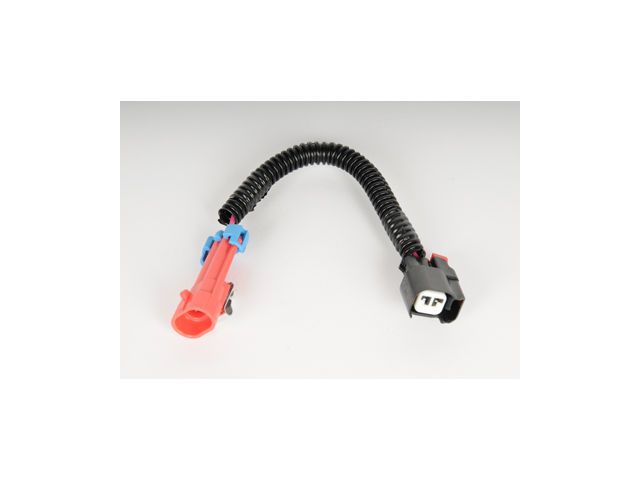
Heads up: Some aftermarket listings for the vent solenoid note 'Use With Upgraded Wire Harness and Connector', suggesting that some replacement parts may require a new pigtail connector if the original design has been updated.
Helpful Videos
Used OEM Parts in Stock
New Aftermarket Parts Available


The information in this article is provided for general reference and educational purposes only. Vehicle specifications, procedures, and part compatibility can vary by production date, trim level, and region. Always consult your vehicle's factory service manual and verify part numbers before purchasing or performing repairs. Safety-critical components such as airbags, seat belts, and braking systems should be installed by a qualified professional.
- Buick LUCERNE:
- 🧭 Diagnostic Flowchart
- 🎬 Helpful Videos
- 🛍️ Shop This Part
- What's Unique About the 2006-2011 Buick LUCERNE
- Symptoms You May Notice
- Most Likely Causes
- Rare But Worth Checking
- Diagnosis Steps
- Parts You'll Likely Need
- Related Codes That Often Appear With This One
- Technical Service Bulletins (TSBs) & Recalls
- Platform-Specific Known Issues
- Mechanic-Grade Diagnostic Values
- Scan Tool Commands That Help
- Wiring & Ground Locations
- Real Owner Repair Stories
- OEM Part Supersession History
- 🎟️ Get 5% Off