

P0442 on 2000-2005 Buick Park Avenue: EVAP Small Leak Causes and Fixes
For a P0442 code on a 2000-2005 Buick Park Avenue, the most likely cause is a loose or worn-out gas cap. If that doesn't solve it, the next most common culprits are a faulty EVAP purge or vent solenoid. A new OEM gas cap costs around $20-$30, while solenoids range from $25 to $60. Always check the gas cap first before buying parts.
- Always check the gas cap first for a P0442 code. It's the cheapest and most common fix.
- The EVAP purge solenoid is the next most likely culprit and is an easy DIY replacement located on top of the engine.
- Unlike many cars, the vapor canister and vent solenoid on this Park Avenue are in the engine bay, not at the rear of the car.
- If a simple visual inspection and gas cap replacement don't work, a smoke test is the most reliable way to find the exact source of the leak.
- Do not overfill your gas tank; stopping at the first click prevents liquid fuel from damaging the vapor canister.
What's Unique About the 2000-2005 Buick PARK AVENUE
On the Buick Park Avenue with the 3.8L V6 engine, the components for the EVAP system are relatively common and shared across many GM vehicles of this era. The purge solenoid is conveniently located right on top of the engine, making it exceptionally easy to inspect and replace. However, the vapor canister and vent solenoid are located differently than on many other cars; they are found in the front driver's side of the engine bay, underneath the air filter housing, rather than near the fuel tank at the rear of the vehicle. This specific placement is shared with its platform mates, the Buick LeSabre and Pontiac Bonneville.
Diagnostic Flowchart
Tap your situation to follow the diagnostic path that matches what you're seeing on this vehicle.
Symptoms You May Notice
- Check Engine Light is on
- A faint smell of fuel, particularly around the car when parked in an enclosed space like a garage.
- Difficulty starting immediately after refueling (if the purge valve is stuck open).
- An intermittent "Check Gas Cap" message on the Driver Information Center (DIC).
- Replacing the vapor canister when the actual problem is a much cheaper and simpler fix like the gas cap or a solenoid.
- Replacing parts without confirming the leak location with a smoke test, leading to unnecessary expense.
Most Likely Causes
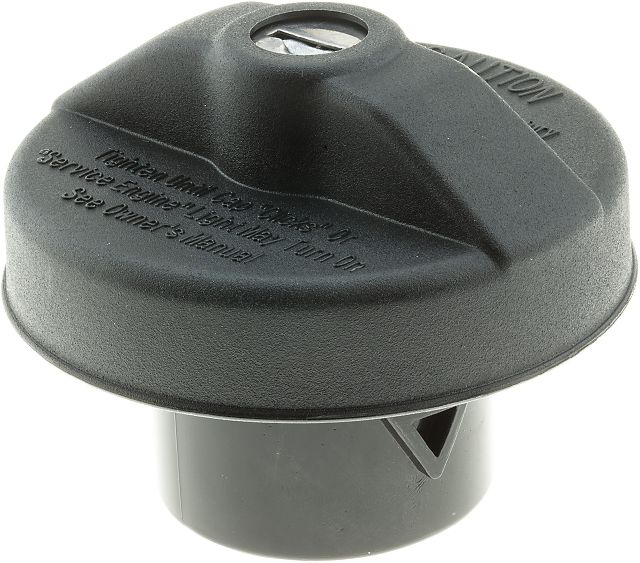
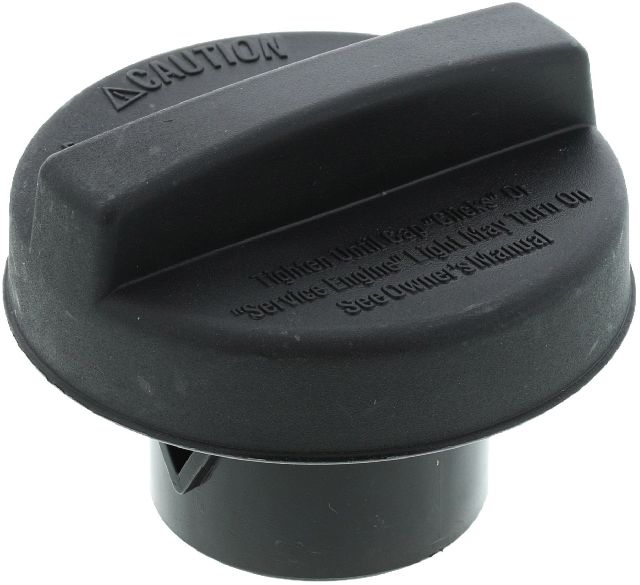
- Loose or Faulty Gas Cap 🔴 High Probability → Shop Fuel Tank Cap The gas cap seal is a simple rubber O-ring that degrades over time, becoming brittle and cracked, preventing a proper seal. This is the most common cause for any EVAP leak code and should always be the first thing checked.
How to confirm: First, ensure the cap is tightened until it clicks several times. Inspect the rubber seal on the cap for any cracks, stiffness, or damage. Check the fuel filler neck for rust or debris that could prevent a good seal. Cleaning the filler neck rim with a cloth or fine-grit sandpaper can resolve sealing issues.
Typical fix: Replace the gas cap. It is highly recommended to use an OEM ACDelco cap (Part No. GT261 or equivalent) as some aftermarket caps have been reported by owners to not seal properly.
Est. part cost: $10 - $30 - Faulty EVAP Purge Solenoid/Valve 🟡 Medium Probability → Shop Vapor Canister This valve, located on top of the engine, cycles frequently and can get stuck partially open, creating a small, constant leak. It's a very common failure point on the GM 3.8L V6 engine and its platform mates.
How to confirm: With the engine off, remove the hose from the intake side of the solenoid and try to blow air through it; if air passes, it is stuck open and faulty. A scan tool with bidirectional controls can also command the valve open and closed to test its function. A stuck-open valve can also cause difficulty starting after refueling.
Typical fix: Replace the purge solenoid. This is a very simple repair on this vehicle, typically requiring no more than removing the plastic engine cover, a single 10mm bolt, and disconnecting two hoses and an electrical connector.
Est. part cost: $25 - $50 - Faulty EVAP Vent Solenoid/Valve 🟡 Medium Probability → Shop Vapor Canister This valve is normally open and closes to seal the system for pressure testing. It can fail to close completely due to internal failure or becoming clogged with dirt/debris, causing a small leak to be detected. Its location under the airbox exposes it to engine bay elements.
How to confirm: A smoke test is the most effective method. Smoke is introduced into the EVAP system, and if it leaks from the vent solenoid when it is commanded closed by a scan tool, the solenoid is bad. You can also apply 12V power to the solenoid; you should hear a distinct click as it closes.
Typical fix: Replace the vent solenoid. This requires removing the air filter housing to gain access. It is often sold as a unit with the canister vent valve.
Est. part cost: $40 - $60 - Cracked or Disconnected EVAP Hoses ⚪ Low Probability The plastic and rubber hoses in the engine bay become brittle over time due to heat and age, leading to small cracks, especially at connection points and elbows near the purge solenoid and vapor canister.
How to confirm: Visually inspect all accessible EVAP lines running from the purge valve and around the vapor canister. A smoke test is the definitive way to find a leak in a hose that isn't obvious visually.
Typical fix: Replace the cracked section of hose or the faulty connector.
Est. part cost: $5 - $30
Rare But Worth Checking
- Cracked Vapor Canister: → Shop Vapor Canister The vapor canister itself can develop hairline cracks. This is often caused by over-filling the gas tank ('topping off'), which saturates the charcoal media with liquid fuel, damaging the canister housing over time.
- Leaking Fuel Tank Filler Neck: → Shop Fuel Tank Rust and corrosion can create small holes in the metal filler neck or, more commonly, cause the metal flange where the gas cap seals to separate from the plastic tube, preventing a proper seal. This is more common in regions that use road salt and has been documented by owners of Park Avenue platform mates.
- Leaking Fuel Tank Sending Unit Gasket: → Shop Fuel Tank The O-ring gasket that seals the fuel pump/sending unit assembly to the top of the fuel tank can fail or be improperly seated after a fuel pump replacement, causing a leak. A faint fuel smell inside the trunk is a strong indicator.
Diagnosis Steps
- Read the code with an OBD-II scanner to confirm P0442 is present.
- Inspect the gas cap. Remove it, check the seal for cracks, and ensure the filler neck rim is clean and free of rust. Reinstall it and make sure it clicks at least 3-4 times.
- Clear the code and drive for a few days. If the code does not return, the issue was a loose or dirty cap.
- If the code returns, perform a visual inspection of the EVAP purge solenoid on top of the engine and the hoses connected to it. Look for obvious cracks or loose connections.
- Visually inspect the EVAP lines and vapor canister located under the air filter housing in the driver's side of the engine bay.
- If no visual faults are found, test the purge solenoid. With the engine off, disconnect the line from the canister side and try blowing through it. If air passes, it's stuck open and needs replacement.
- If the solenoids appear to function correctly, the most definitive diagnostic procedure is a smoke test. A mechanic will inject pressurized, UV-dyed smoke into the EVAP system. The smoke will escape from the location of the leak, making it easy to pinpoint, whether it's a tiny crack in a hose, a bad filler neck, or a faulty valve.
Parts You'll Likely Need
- Gas Cap
(OEM #ACDelco GT261)— This is the most frequent cause of a P0442 code due to its seal wearing out over time. Using an OEM cap is recommended for a reliable seal.
Trusted brands: ACDelco (GM Genuine), Gates, Stant
OEM price range: $20-$30
Aftermarket price range: $10-$20 - Vapor Canister Purge Solenoid
(OEM #ACDelco 214-641 (Supersedes 214-2246))— A very common failure item on the 3.8L V6 that gets stuck open, causing a leak. It's easy to access and replace.
Trusted brands: ACDelco, Dorman (911-030), Standard Motor Products
OEM price range: $40-$60
Aftermarket price range: $25-$45 - Vapor Canister Vent Solenoid
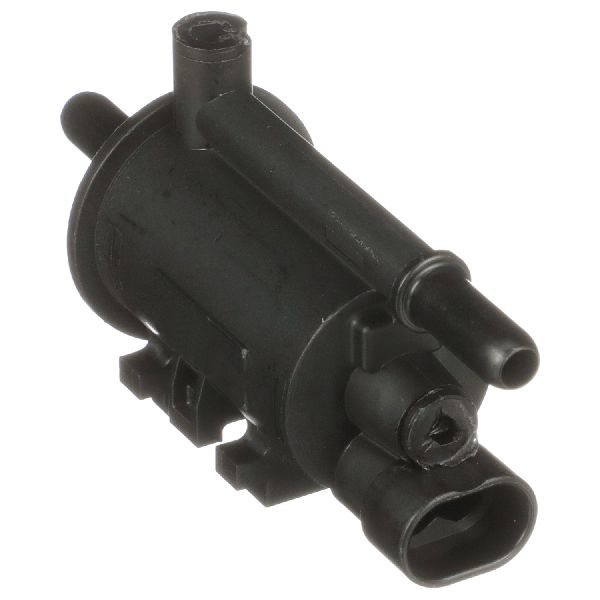
(OEM #ACDelco 214-2082 (Supersedes 214-1363))— This valve can fail to seal properly during the system's self-test, resulting in a small leak code. It's located under the airbox.
Trusted brands: ACDelco, Dorman
OEM price range: $50-$70
Aftermarket price range: $40-$60
Related Codes That Often Appear With This One
- P0455 — This indicates a large EVAP leak. Sometimes a component failure can be intermittent, triggering a small leak code one day and a large leak code the next. The NHTSA TSB #21-NA-124 specifically mentions these two codes appearing together for diagnosis.
- P0440 — This is a general EVAP system malfunction code. It often appears alongside more specific leak codes like P0442 and can be caused by the same faults, such as a defective fuel filler tube.
Technical Service Bulletins (TSBs) & Recalls
- Bulletin #21-NA-124: Provides diagnostic tips for testing EVAP leaks related to DTCs P0442 and/or P0455. It advises checking EVAP lines and connections first, followed by the vent valve, and then the purge valve.
- Bulletin #PIT4943D: Directs technicians to review a specific Techlink article on using an evaporative emissions system tester for diagnosing DTC P0442.
Platform-Specific Known Issues
- Fuel Filler Neck Separation: → Shop Fuel Filler Neck On the Park Avenue and its platform mates (LeSabre/Bonneville), the metal flange at the top of the fuel filler neck can separate from the plastic tube due to the stress of tightening/loosening the gas cap over years. This creates a leak path that the gas cap seal cannot close, often triggering P0442 and a 'Check Gas Cap' message. Owners have successfully repaired this by removing the neck and applying JB Weld epoxy to reseal the flange to the tube.
Mechanic-Grade Diagnostic Values
- EVAP Canister Purge Solenoid Resistance — expected: 30 - 38 Ohms. Failure: A reading outside this range, especially infinite resistance (open circuit), indicates a faulty solenoid coil.
- EVAP Canister Vent Solenoid Resistance — expected: 48 - 65 Ohms. Failure: A reading outside this range suggests the solenoid coil is bad.
- Fuel Tank Pressure (FTP) Sensor Voltage — expected: 0.1 - 4.9 Volts. Failure: Voltage stuck at one extreme or not changing appropriately with pressure changes. A key detail is that as system pressure/vacuum increases, the sensor's voltage decreases.
Scan Tool Commands That Help
- GM Tech2: EVAP System Test — This is the main diagnostic function. It automatically commands the vent and purge solenoids to seal the system, pull a vacuum, and then monitor for vacuum decay to confirm a leak.
- GM Tech2 / Professional Scan Tool: EVAP Vent Solenoid - Command ON/Closed — Use this command while performing a smoke test. Closing the vent solenoid seals the system, allowing the smoke to build pressure and reveal leaks. Smoke escaping from the vent solenoid itself while commanded closed proves the solenoid is faulty.
- GM Tech2 / Professional Scan Tool: EVAP Purge Solenoid - Command ON/Open (%) — Used to verify the purge solenoid is opening correctly. You can monitor the FTP sensor reading to see if the solenoid is pulling vacuum from the engine when commanded open.
Wiring & Ground Locations
- Powertrain Control Module (PCM) — Under the hood, located inside the air cleaner housing.. The PCM controls both the purge and vent solenoids. Accessing the PCM is necessary for any circuit testing between the module and the EVAP components.
- G101 — Engine ground located below the ignition control module.. A poor engine ground can cause erratic behavior in engine-mounted sensors and solenoids, including the EVAP purge solenoid.
- EVAP Purge Solenoid Connector — On top of the engine, connected to the purge solenoid.. This is the primary test point for checking resistance of the purge solenoid and for verifying voltage from the PCM.
Real Owner Repair Stories
- BuickForums.com user post (2001 Buick LeSabre (H-Body platform mate) with 77k miles) — Check Engine Light with codes P0440 and P0442, and an intermittent "gas cap loose - check cap" message on the DIC.
❌ Tried (didn't work) Replacing the gas cap with a new GM part.
✅ What actually fixed it The owner used a vacuum pump and isolated the leak to the metal flange on the fuel filler tube, which had become loose from the plastic neck. To avoid a $427 replacement part, they removed the filler neck and permanently sealed the loose flange to the plastic tube using JB Weld epoxy. - YouTube video by user 'Fix it Angel' (GM vehicle with 3.8L Series II V6) — Recurring P0442 code.
❌ Tried (didn't work) Cleaning the original EVAP purge solenoid. This temporarily fixed the issue, extending the time before the code returned from 100 miles to 500 miles, but the code still came back.
✅ What actually fixed it Replacing the EVAP canister purge solenoid with a new part completely resolved the P0442 code.
"I Checked Everything" — The Actual Cause
- A faulty Fuel Tank Pressure (FTP) sensor can cause a P0442 code even if the system is perfectly sealed. A smoke test will show no leaks, but the sensor provides incorrect pressure readings to the PCM, tricking it into thinking a leak exists. This should be suspected if all components test good and a smoke test reveals no leaks.
OEM Part Supersession History
1997278→12569751, ACDelco 214-641— Standard part evolution and consolidation for the Vapor Canister Purge Solenoid.
Model Year Variations Within This Range
- 2000-2005: The primary variation within this range is often related to California (CARB) vs. Federal emissions standards, which may result in different part numbers for the vapor canister, though the diagnostic process for P0442 remains the same.
Helpful Videos


Used OEM Parts in Stock

New Aftermarket Parts Available


The information in this article is provided for general reference and educational purposes only. Vehicle specifications, procedures, and part compatibility can vary by production date, trim level, and region. Always consult your vehicle's factory service manual and verify part numbers before purchasing or performing repairs. Safety-critical components such as airbags, seat belts, and braking systems should be installed by a qualified professional.
- Buick PARK AVENUE:
- 🧭 Diagnostic Flowchart
- 🎬 Helpful Videos
- 🛍️ Shop This Part
- What's Unique About the 2000-2005 Buick PARK AVENUE
- Symptoms You May Notice
- Most Likely Causes
- Rare But Worth Checking
- Diagnosis Steps
- Parts You'll Likely Need
- Related Codes That Often Appear With This One
- Technical Service Bulletins (TSBs) & Recalls
- Platform-Specific Known Issues
- Mechanic-Grade Diagnostic Values
- Scan Tool Commands That Help
- Wiring & Ground Locations
- Real Owner Repair Stories
- "I Checked Everything" — The Actual Cause
- OEM Part Supersession History
- Model Year Variations Within This Range
- 🎟️ Get 5% Off