

P0442 on 2013-2018 Cadillac ATS: EVAP Small Leak Causes and Fixes
For a P0442 code on a 2013-2018 Cadillac ATS, the most likely causes are a loose gas cap or a rolled fuel filler neck seal, a known issue covered by TSB PIC6030. Check these first. If that doesn't work, the EVAP purge solenoid (ACDelco 12632174) or vent solenoid (ACDelco 85123399) are the next suspects. A new OEM gas cap (ACDelco GT261) is about $25, while solenoids can range from $30 to $90.
- Always check the gas cap first; ensure it's tight and the seal is intact.
- On the Cadillac ATS, specifically inspect the fuel filler neck for a rolled rubber seal as per TSB PIC6030 before buying any parts.
- The P0442 code does not affect how the car drives, but it will cause it to fail an emissions test.
- If the simple checks don't solve the issue, the next most likely culprit is the EVAP purge valve located on the engine.
- A smoke test is the most reliable way to find the exact source of a small leak if it's not obvious.
What's Unique About the 2013-2018 Cadillac ATS
While many EVAP issues are universal, the Cadillac ATS has a specific, documented problem that can trigger a P0442 code. A Technical Service Bulletin (PIC6030) for 2013-2015 models points directly to the rubber insulator in the fuel filler pocket rolling over the fuel pipe neck, creating a small leak. This should be one of the first things checked on this vehicle, even before suspecting common parts like purge valves. One owner on a Reddit forum mentioned their EVAP leak required a fuel filler neck replacement to resolve.
Diagnostic Flowchart
Tap your situation to follow the diagnostic path that matches what you're seeing on this vehicle.
Symptoms You May Notice
- Check Engine Light is on
- A faint fuel smell may be noticeable, particularly after refueling (less common).
- Difficulty filling the fuel tank (pump shuts off repeatedly), which can indicate a clogged vent solenoid or charcoal canister.
- Replacing the purge valve or vent valve without first checking the gas cap and the specific fuel filler neck seal issue mentioned in TSB PIC6030.
Most Likely Causes
- Fuel Filler Pocket Rubber Insulator Rolled Over 🔴 High Probability This is a known issue documented in GM Technical Service Bulletin PIC6030 for 2013-2015 ATS models built before August 9, 2014. The rubber seal can become misaligned, preventing the gas cap from sealing correctly.
How to confirm: Visually inspect the fuel filler neck opening. Check if the black rubber insulator is smooth and correctly positioned, not rolled over the metal edge of the pipe.
Typical fix: Use your fingers or a small, non-marring tool to roll the rubber insulator back into its correct position. Clear the code and drive to see if it returns. The TSB allocates 0.2 hours of labor for this fix.
Est. part cost: $0 - Loose or Faulty Gas Cap 🔴 High Probability → Shop Fuel Tank Cap This is the most common cause for P0442 on any vehicle. The cap's seal can wear out over time, or it may not have been tightened correctly after refueling.
How to confirm: Remove the gas cap and inspect the rubber O-ring for cracks, hardening, or damage. Reinstall it, ensuring it clicks at least once. If the seal looks worn, replacement is the best confirmation.
Typical fix: Tighten the existing cap or replace it with a new OEM-spec cap, such as ACDelco GT261.
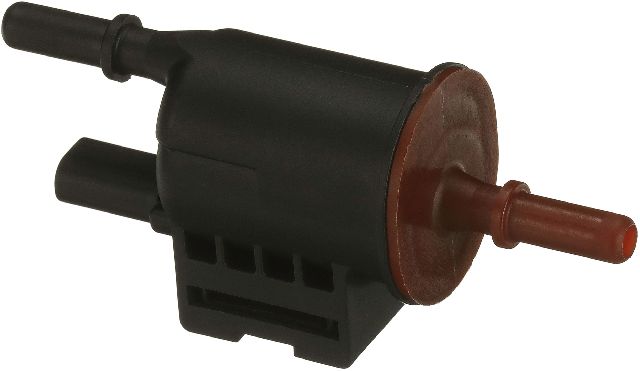
Est. part cost: $15-$35 - Faulty EVAP Purge Solenoid/Valve 🟡 Medium Probability → Shop Vapor Canister The purge solenoid is a common failure point on many GM vehicles, including the ATS and its platform mates. It can get stuck slightly open, causing a small leak path when it should be closed.
How to confirm: The valve is located on top of the engine. With the engine off, remove the valve and try to blow through it; if air passes, it's stuck open and faulty. A scan tool can also command it to cycle, and you should hear a clicking sound.
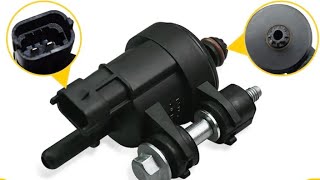
Typical fix: Replacement of the purge solenoid. 🎬 Watch: A quick walkthrough on replacing the purge solenoid. This is a simple repair, often requiring only a single 10mm bolt and two hose connections.
Est. part cost: $30-$90 - Faulty EVAP Vent Solenoid/Valve 🟡 Medium Probability → Shop Vapor Canister Located near the charcoal canister under the car, this valve can get stuck or fail due to exposure to road debris and moisture. A Reddit user with a 2014 ATS suspected this part after replacing the purge valve and gas cap for a P0455 (large leak) code.
How to confirm: A smoke test is the most effective method. A technician will command the valve closed (it's normally open) and fill the system with smoke; if smoke escapes from the vent valve, it has failed. You can also apply 12V power to the solenoid to see if it clicks and closes.
Typical fix: Replace the vent solenoid. Accessing it requires lifting the vehicle and removing the driver's side rear wheel and fender liner to get to the charcoal canister.
Est. part cost: $25-$60 - Cracked or Disconnected EVAP Hose ⚪ Low Probability
How to confirm: Visually inspect all accessible EVAP lines in the engine bay (especially the PCV hoses which can crack) and under the vehicle for cracks, brittleness, or loose connections. A smoke test is the definitive way to find a hard-to-see crack.
Typical fix: Replace the damaged section of hose. Some PCV hose assemblies for the 2.0T engine are available as a complete unit.
Est. part cost: $10-$50
Rare But Worth Checking
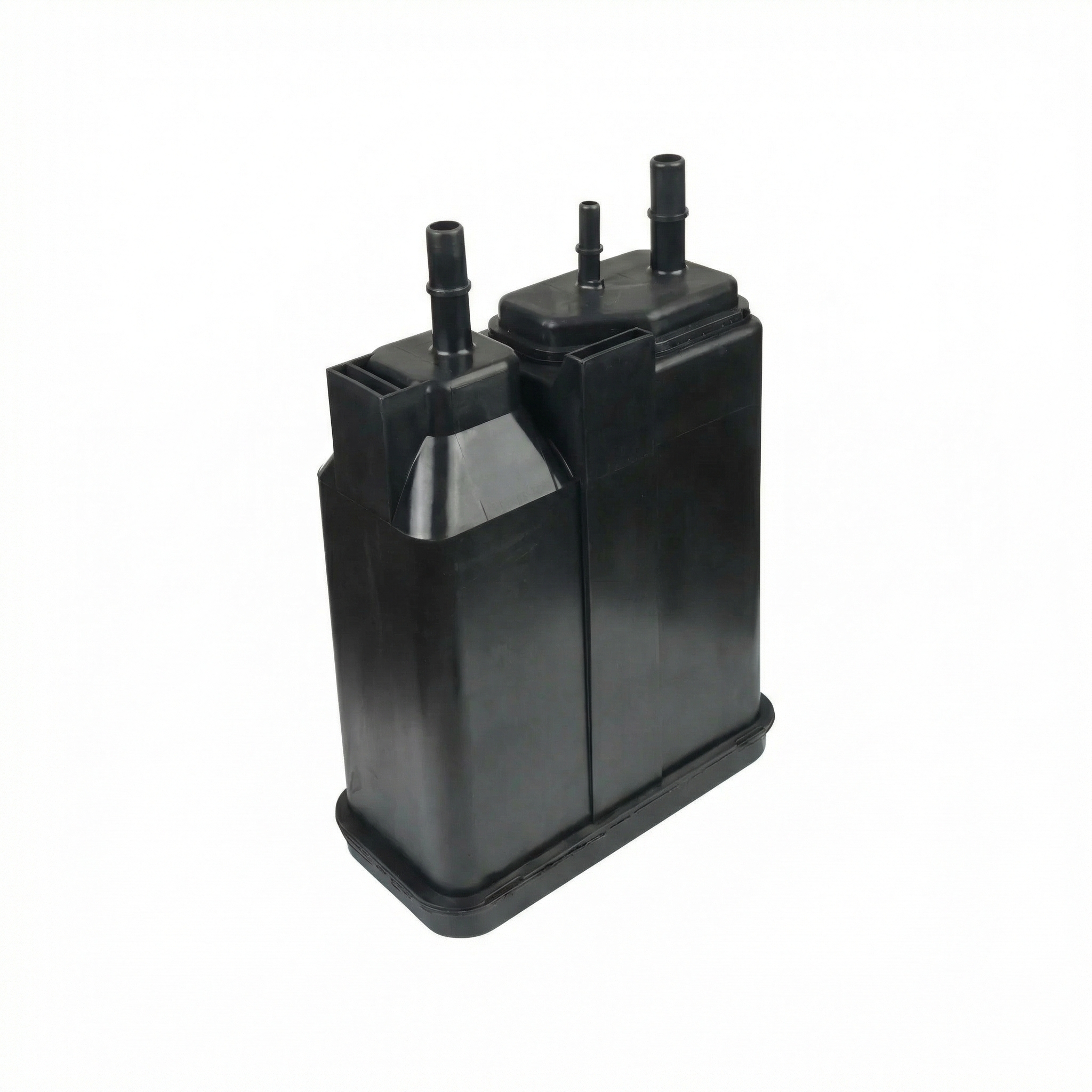
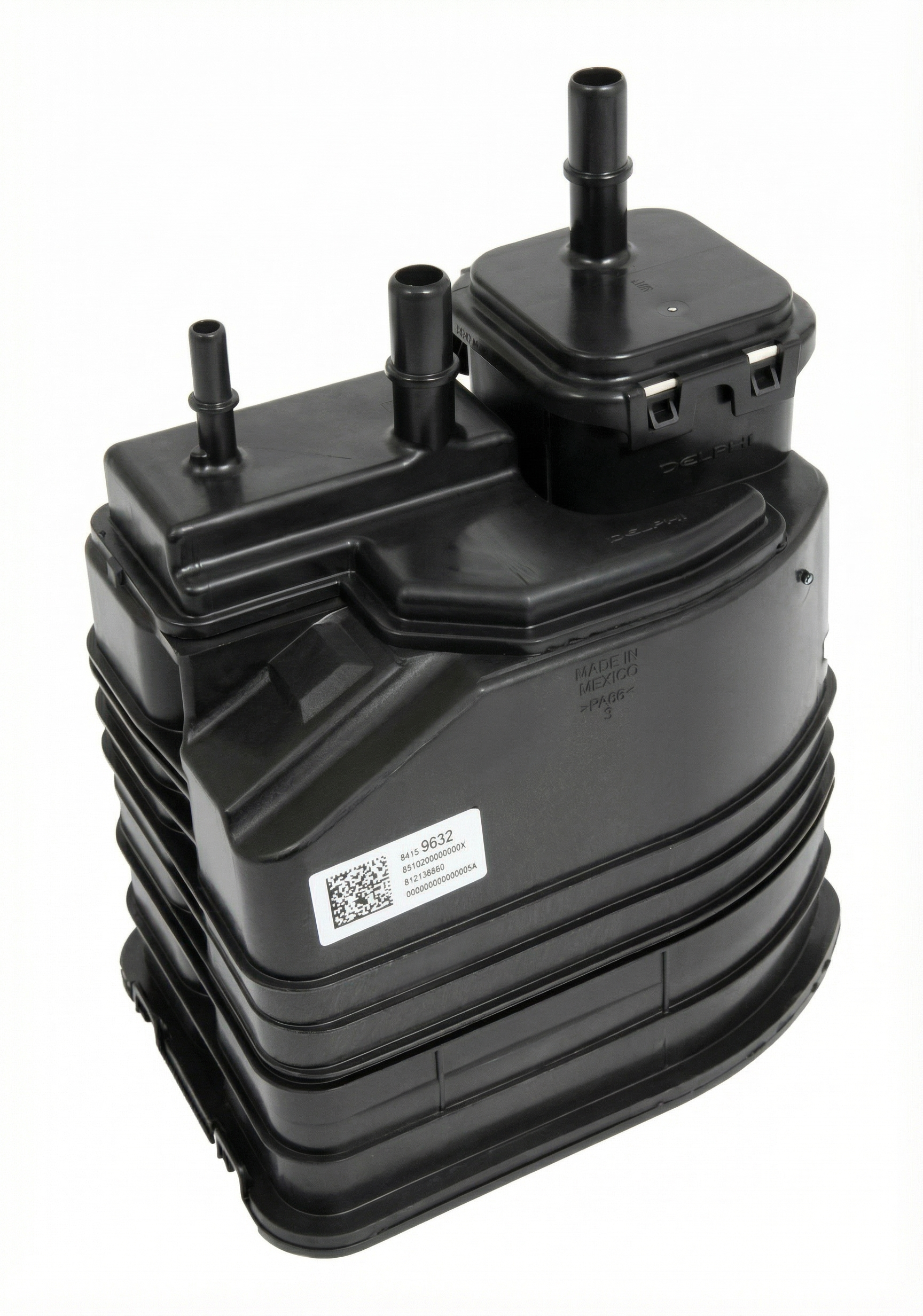
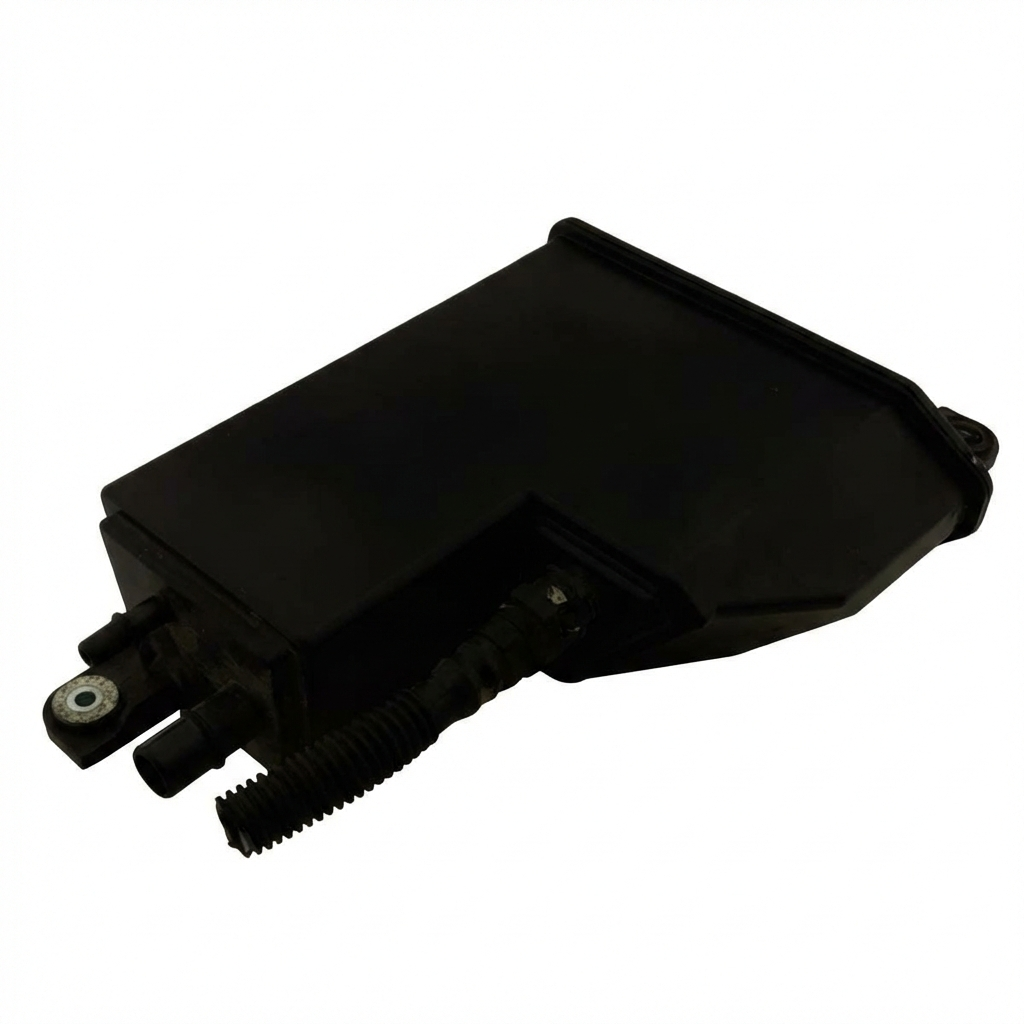
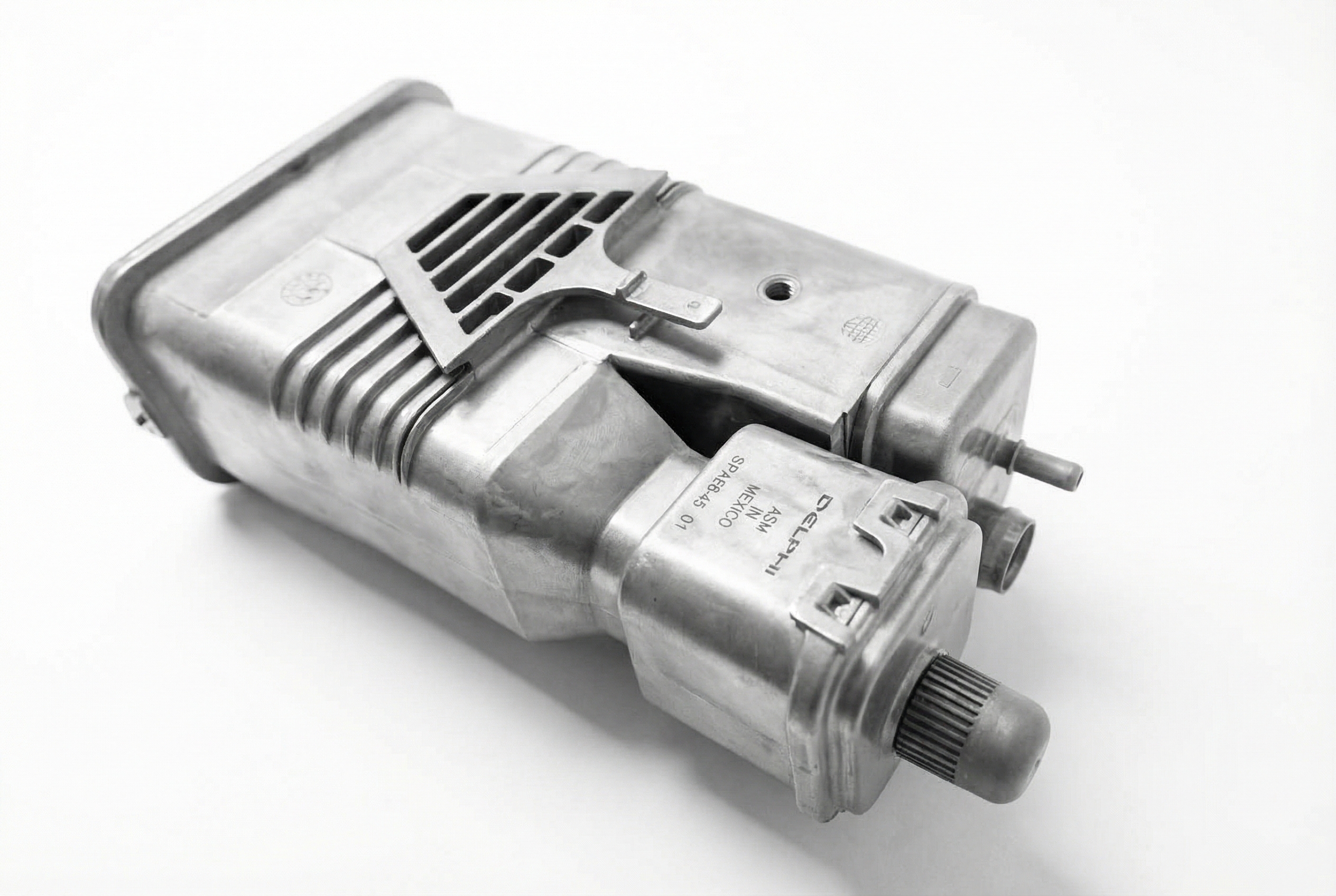
- Cracked Charcoal Canister: → Shop Vapor Canister The plastic housing of the canister can develop hairline cracks over time, causing a leak. This is usually found with a smoke test after all other components have been checked. A YouTube video shows the replacement process on a 2013 ATS, located behind the rear driver's side wheel well.
- Leaking Fuel Tank or Filler Neck: → Shop Fuel Tank Rust or physical damage can cause a leak in the fuel tank or the metal filler neck leading to it. This is a more serious issue and often presents with a strong fuel smell or visible fuel leak. One ATS owner reported needing a fuel filler neck replacement to fix an EVAP leak.
- Faulty Fuel Tank Pressure (FTP) Sensor: → Shop Fuel Tank The FTP sensor monitors the pressure/vacuum inside the EVAP system. If it provides an inaccurate reading to the ECM, it can falsely trigger a leak code. This is less common than a physical leak but is a possibility after other components have been ruled out.
Diagnosis Steps
- Read the code with an OBD-II scanner to confirm P0442 is present.
- Inspect the gas cap. Remove it, check the seal for damage, and reinstall it, ensuring it clicks shut.
- Inspect the fuel filler neck. Per TSB PIC6030, check that the black rubber insulator is not rolled over the metal pipe edge.
- Clear the code and drive the vehicle for a few days. The EVAP monitor may need specific drive cycle conditions to run and confirm the fix.
- Visually inspect the EVAP purge solenoid on the engine and all connected hoses for obvious cracks or damage.
- Visually inspect the EVAP lines running underneath the car to the charcoal canister and vent solenoid.
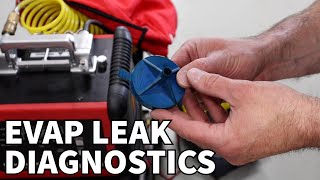
- If the leak is not visually apparent, the most effective next step is a professional smoke test. This involves injecting pressurized smoke into the EVAP system to pinpoint the exact location of the leak. This is the procedure recommended by TSBs 21-NA-124 and PIT4943D. 🎬 Watch: How to perform a professional EVAP smoke test. [⭐, ⭐] An independent shop may charge between $80-$150 for this service, while a dealer could be significantly more.
Parts You'll Likely Need
- Vapor Canister Purge Valve
(OEM #12632174)— This valve is a common failure point on GM vehicles that can get stuck open, causing a leak that triggers P0442 and/or P0496. It is shared across many GM models.
Trusted brands: ACDelco, Dorman, Standard Motor Products
OEM price range: $40-$70
Aftermarket price range: $20-$40 - Fuel Cap
(OEM #23373281 (supersedes older numbers), ACDelco GT261)— A worn-out seal on the gas cap is a very common cause for small EVAP leaks. It's an inexpensive and easy first part to replace during diagnosis.
Trusted brands: ACDelco, Gates, Stant
OEM price range: $20-$35
Aftermarket price range: $15-$25 - Vapor Canister Vent Solenoid
(OEM #85123399 (ACDelco))— This valve, located near the charcoal canister, can fail and stick open or closed, causing a leak. It is exposed to the elements under the car.
Trusted brands: ACDelco, Dorman, Standard Motor Products, Wells
OEM price range: $40-$60
Aftermarket price range: $25-$45
Related Codes That Often Appear With This One
- P0455 — A large leak detected. This can occur if the small leak (P0442) worsens over time. TSB 21-NA-124 mentions both codes together. [⭐]
- P0496 — EVAP Flow During a Non-Purge Condition. This code often points directly to a faulty purge valve that is stuck open, which can also be interpreted by the system as a small leak, triggering P0442.
Technical Service Bulletins (TSBs) & Recalls
- 21-NA-124: Provides diagnostic tips for testing EVAP leaks related to codes P0442 and P0455. [⭐]
- PIT4943D: Directs technicians to use an EVAP system tester (smoke machine) for diagnosing P0442. [⭐]
- PIC6030: Identifies a rolled fuel filler pocket rubber insulator as a specific cause for P0442 on 2013-2015 models. [⭐, 25]
Platform-Specific Known Issues
- A rolled rubber insulator at the fuel filler neck is a known problem that prevents the gas cap from sealing, as documented in TSB PIC6030. This applies to 2013-2015 models built before August 9, 2014, but is a worthwhile check on all years.
Mechanic-Grade Diagnostic Values
- EVAP Purge Valve Solenoid Coil Resistance — expected: Approximately 14 to 36 ohms. A common reading is around 30 ohms at 68°F (20°C).. Failure: An open circuit (infinite resistance) or a reading far outside the expected range indicates a faulty coil.
- EVAP Vent Valve Solenoid Coil Resistance — expected: Typically between 20 and 50 ohms.. Failure: A reading of 'OL' (over-limit/open) or a value significantly outside the 20-50 ohm range suggests the solenoid coil is bad.
- Fuel Tank Pressure (FTP) Sensor Voltage — expected: The voltage changes in response to pressure/vacuum in the fuel tank. A typical reference voltage is 5V from the ECM, with the signal voltage varying (e.g., ~2.5V at atmospheric pressure, decreasing with vacuum, increasing with pressure).. Failure: Voltage that is stuck high, low, or does not change when vacuum/pressure is applied to the system indicates a potential sensor or wiring issue.
Scan Tool Commands That Help
- GDS2 (GM Dealer Tool) or equivalent professional scanner: EVAP System Service Bay Test / Vent Valve Activation — This command is essential for performing a smoke test. The EVAP vent valve is normally open, so it must be commanded closed to seal the system. The scan tool will display the valve state, changing from 'Venting' to 'Not Venting' when activated, confirming the command was received before injecting smoke.
Wiring & Ground Locations
- G101 — Above the left headlight assembly in the engine compartment.. Provides a ground path for various front-end electrical components, including potentially the ECM or related sensors. A corroded or loose ground here can cause erratic behavior.
- G104 — On the cylinder head. For the 3.6L, it's on the front of the right cylinder head; for other engines, it's at the lower rear of the cylinder head.. A critical engine ground. A poor connection here can affect sensor readings that rely on a stable ground reference, including those monitored by the ECM for the EVAP system.
- G201 — Behind the left kick panel in the driver's footwell.. This is a major interior ground point. While less likely to be the primary cause for an EVAP code, it can affect modules located inside the cabin.
- G302 — Behind the right kick panel in the passenger's footwell, near the Body Control Module (BCM).. Grounds the BCM and other interior electronics. The BCM communicates with the ECM, and electrical noise from a bad ground could potentially interfere with system operations.
- Main Engine Block Ground — A heavy-gauge cable running from the engine block to the vehicle's frame, often near the front of the engine.. This is the primary ground path for the entire engine. If this cable is broken or has high resistance, it can cause a host of bizarre, hard-to-diagnose electrical issues, including incorrect sensor readings and false trouble codes, as the engine's electrical system seeks alternative ground paths.
Real Owner Repair Stories
- YouTube channel 'Vlogs By Vic' (2014 Cadillac CTS Coupe (related platform, similar engine and EVAP components)) — Check Engine Light with codes P0171, P0174 (System Too Lean), P0496 (EVAP Flow During Non-Purge), and P0442 (Small EVAP Leak).
❌ Tried (didn't work) The owner went straight to diagnosis rather than replacing parts randomly.
✅ What actually fixed it The owner found two issues: 1) The EVAP purge valve on the engine was faulty. 2) A rubber boot on the connected vacuum line was completely cracked, causing a massive vacuum leak. Replacing both the purge valve and the damaged hose resolved all codes.
OEM Part Supersession History
22740537, 84065747, 84802774, 85123403→85123399— Part consolidation and design updates by GM over time.
Heads up: The newest part number, 85123399, is the correct service replacement for the earlier numbers on this vehicle platform.
Model Year Variations Within This Range
- 2013-2015 (built before 08/09/2014): These models are specifically called out in TSB PIC6030 for having an issue where the fuel filler pocket rubber insulator can roll over the fuel pipe neck, preventing the gas cap from sealing and causing a P0442 code. While the TSB is specific, this is a valuable check for all model years.
Helpful Videos
![How to Fix P0442 Engine Code in 3 Minutes [2 DIY Methods / Only $4.67]](https://img.youtube.com/vi/73AR8Tl6YZU/mqdefault.jpg)
Used OEM Parts in Stock
New Aftermarket Parts Available


The information in this article is provided for general reference and educational purposes only. Vehicle specifications, procedures, and part compatibility can vary by production date, trim level, and region. Always consult your vehicle's factory service manual and verify part numbers before purchasing or performing repairs. Safety-critical components such as airbags, seat belts, and braking systems should be installed by a qualified professional.
- Cadillac ATS:
- 🧭 Diagnostic Flowchart
- 🎬 Helpful Videos
- 🛍️ Shop This Part
- What's Unique About the 2013-2018 Cadillac ATS
- Symptoms You May Notice
- Most Likely Causes
- Rare But Worth Checking
- Diagnosis Steps
- Parts You'll Likely Need
- Related Codes That Often Appear With This One
- Technical Service Bulletins (TSBs) & Recalls
- Platform-Specific Known Issues
- Mechanic-Grade Diagnostic Values
- Scan Tool Commands That Help
- Wiring & Ground Locations
- Real Owner Repair Stories
- OEM Part Supersession History
- Model Year Variations Within This Range
- 🎟️ Get 5% Off